 Sinh Giang
Sapa works for a honeymoon or a couples' trip when you plan it for two on purpose: three nights, one of them in a village homestay, one in a town hotel with a view, and a private guide for at least one walking day. Two nights is enough for a first look and four starts to feel slow in a good way. The first thing to settle is comfort. A village homestay in Sapa is a mattress on a floor in a family's house, with blankets, a hot shower and no private bathroom, and our own tour pages say so plainly. Some couples love that night most; others should book a hotel and walk by day.
We are Trekking Tour Sapa and we sell the tours priced below. That is a bias, so every price is copied from the tour page it belongs to, checked on 19 November 2026, and where a hotel is the better answer for the second night we say so. This guide names no hotel, because we could not verify prices and standards for any one of them; our Sapa trekking hotel guide covers areas and price tiers.
Key Takeaways
- Book three nights if you can: one in a village homestay, one in a hotel, one free. Two nights works as a first look.
- The best months for two are late September to October (golden terraces, busy) and March to May (mild, green, quieter). July and August are the wettest, with about 24 to 26 rainy days a month in one climate record.
- A homestay has shared sleeping areas or mattresses on the floor and no private bathroom. A private tour does not change the bathroom, but it means no strangers in the group.
- Across the six tours we priced, a private tour for two costs $10 to $70 more in total than two group places, and only $10 more on the three-day Sapa Valley Trek.
- We sell no proposal, decoration or photography packages. You can still plan a good moment with a guide, a quiet viewpoint and a plan B for fog.
Four Kinds of Couple, Four Plans
Most couples fit one of four patterns, and each points to a different number of nights and a different bed. Prices are per adult in a group unless the card says private.
First trip together, short on time
2 nights- Best months
- March to May, September to November
- Where you sleep
- One night in a Ta Van homestay, one in a town hotel
- Our tour
- Rice Terraced Fields & Homestay: $60 each in a group, $170 private for two
Comfort first, walking second
3 nights- Best months
- Any month with a dry spell; mist suits a hotel terrace
- Where you sleep
- A town hotel for all three nights
- Our tour
- Sapa Private Car Tour: seven villages, no trekking, $78 each in a group of two or more, $170 private for two
Active pair who want quiet
3 nights- Best months
- March to May, September to October
- Where you sleep
- Two homestay nights, one hotel night at the end
- Our tour
- Sapa Valley Trek and Homestay: $125 each in a group, $260 private for two
Marking an occasion
3 to 4 nights- Best months
- Late September to October for colour, March to May for calm
- Where you sleep
- A hotel with a valley view, plus one homestay night
- Our tour
- Mountain Views & Muong Hoa Valley Trek, private: $160 for two
How Many Nights Do Two People Need?
Three nights is the number we would book for a couple. It lets one night be a homestay, one a hotel, and leaves a half-day with nothing booked, which is the part couples usually remember. Two nights is a first look. Four only makes sense if you want a rest day or the cable car on top of a two-day trek.
The arithmetic comes from the tours. Our two-day homestay tour walks about 15 km on the first day (roughly six hours) and 11 km on the second (about five), and is back in Sapa Town around 3 PM. The three-day Sapa Valley Trek covers about 39 km. The overnight trains reach Lao Cai at 5:55 or 6:25 AM by our transport page, so you can start a walking tour the same morning after the transfer up to Sapa. Count one night per kind of day: a walking day ending in a homestay, a day by car or with a free morning, and a day for the road home. The 2, 3 or 4 day itineraries have the same shape; for two, you can say "skip this" without negotiating with a group.
Which Season for Which Mood
Pick the mood first and the month second. September and October are golden and busy. March to May is mild and green. December to February is cold, misty and quiet, with a small chance of snow. June to August is lush and wet, and the wet is real: one climate record puts July at 465 mm of rain over 26 days. The strip shows the mean daily low and high in °C for each month from that record, with rain in millimetres under it.
- Golden, busy
- Mild, green
- Lush, wet
- Clear, cooler
- Cold, misty
Mean daily minimum / maximum in °C and monthly rain in mm. Source: Climates to travel, Sa Pa, read 19 November 2026. The colours are our reading of the mood, not part of the record.
September and October are the postcard months. Our rice harvest guide explains the gold; the practical point for two is to book the homestay night first and the hotel around it. March to May is the quieter answer, with 11 to 22 °C on average and rain building from April. Our best-time guide and weather by month page go through each month.
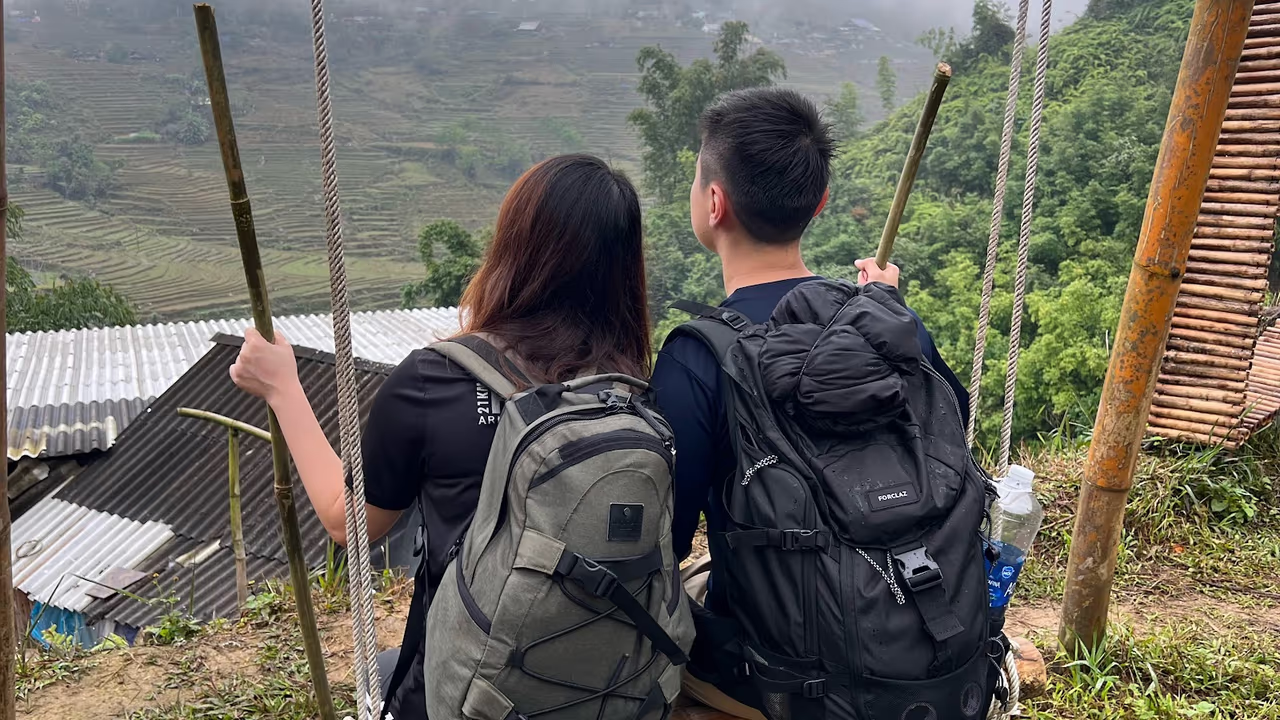
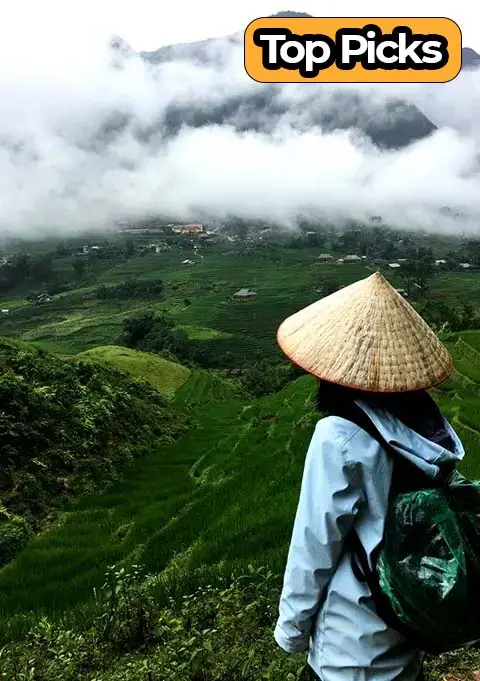
December to February is for couples who like atmosphere over views. The record gives January a mean of 6 to 13 °C, says some days have highs below 5 °C, and notes -4 °C in January 2016. The fog is not in doubt: on the swing in the photo at the top, the view was cloud on cloud. June to August is the season to avoid for a honeymoon unless you accept rain; if it is your only window, book a private tour so you can change the route, and read trekking Sapa in the rainy season first.
Where to Sleep: Homestay, Hotel or Both
For two people the best answer is usually both: a homestay on the first walking night, when you are fresh, and a hotel on the last night, when you want a proper bath. The tour pages are specific about what a homestay is, so we quote them.
The two-day Rice Terraced Fields & Homestay page says the night is "a real homestay with a Giay or Hmong family in Ta Van village. Mattresses on the floor, blankets provided, basic washing water, and a hot shower... There is no private bathroom." The Explore Nature and Homestay page, for a Black H'mong family in Hau Thao, says "simple shared sleeping areas, not hotel-standard, but clean and genuinely warm", and lists a "shared dormitory". The Muong Hoa Valley page says you sleep on mattresses with blankets in a traditional Black H'mong wooden house, with a hot shower and a family dinner cooked over a wood fire.
None of these pages promises a private room for two. The three-day Sapa Valley Trek lists a "single supplement (private room at homestay, +$15/night)" as not included, which is written for solo travellers. If a closed door matters to you, message us before paying and ask what that night looks like for two on your date. We will say what we know and will not promise a room we cannot confirm.
What a private tour does change is who else is under the roof. The Sapa Valley Trek page says its private option gives you "the guide, route, and homestay entirely to yourselves", with your own vehicle for pick-up and drop-off, and calls it best for couples who want the three days "without sharing the trail or homestay with strangers". A private tour is the way to get the quiet; it is not a way to get a hotel bathroom. Our tour pages list free luggage storage at our office, so you can walk with a small pack and come back to a hotel booked for the last night. The homestay guide covers what a night with a family involves.
Private or Group Tour When You Are Two
On most of our multi-day tours a private tour for two costs only a little more than two group places, and on the three-day Sapa Valley Trek the gap is $10 in total. The numbers are the tour pages' own price tables, checked on 19 November 2026; the group column is two adults at the adult group price.
| Tour | Length | Two in a group | Private for two | Gap per person |
|---|---|---|---|---|
| Sapa Private Car Tour | 1 day, by car | $156 ($78 each) | $170 ($85 each) | +$7 |
| Mountain Views & Muong Hoa Valley Trek | 2 days, 27 km | $140 ($70 each) | $160 ($80 each) | +$10 |
| Rice Terraced Fields & Homestay | 2 days, 26 km | $120 ($60 each) | $170 ($85 each) | +$25 |
| Explore Nature and Homestay | 2 days, 30 km | $170 ($85 each) | $240 ($120 each) | +$35 |
| Sapa Valley Trek and Homestay | 3 days, 39 km | $250 ($125 each) | $260 ($130 each) | +$5 |
| Experience The Real Sapa | 3 days, 42 km | $306 ($153 each) | $324 ($162 each) | +$9 |
The gap is smallest on the three-day tours and largest on Explore Nature and Homestay, where the private price for two is $70 above two group places. The group version gives you company and a lower price, and the Rice Terraced Fields page is frank that on some days you will "end up being the only booking, which means the guide is yours alone at the group price". That is a possibility, not a promise. The private version gives you control: the Sapa Valley Trek page says a private guide will "stop longer at photos, skip sections you don't want, adjust the route". For a honeymoon, where one wet morning can change the plan, that is worth the gap.
Every tour prints its own cancellation policy, and they are not identical. The Rice Terraced Fields page says a full refund for cancelling 7 or more days before departure, 25% for 2 to 6 days, and none within 24 hours. Read the policy on the page of the tour you choose. Our trekking cost guide shows what else a trip costs.
Two Plans: Two Days or Three
These are the two routes we would hand a couple, with distances and hours from the tour pages. Both start with a pick-up at your hotel in Sapa Town, or at our office at 105 Thach Son Street (the Rice Terraced Fields tour also meets at the church), and finish back in town.
Two days: Rice Terraced Fields & Homestay, 26 km
Down the Cat Cat road, skipping the tourist village, over the Muong Hoa hanging bridge and through the valley to Y Linh Ho, Lao Chai and Ta Van, where you sleep in a family's house.
Rice fields before breakfast, uphill to the Giang Ta Chai waterfalls, a visit with a Red Dao family, a second hanging bridge, and back in Sapa Town around 3 PM.
It is rated Easy to Moderate. Put a hotel night either side and you have the three-night shape.
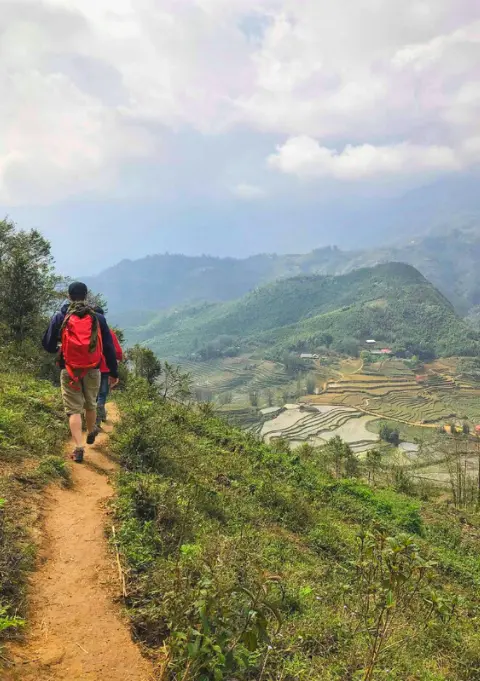
Three days: Sapa Valley Trek and Homestay, 39 km
Sapa to a mountain viewpoint, Hang Da, then a Black H'mong family's homestay in Hau Thao.
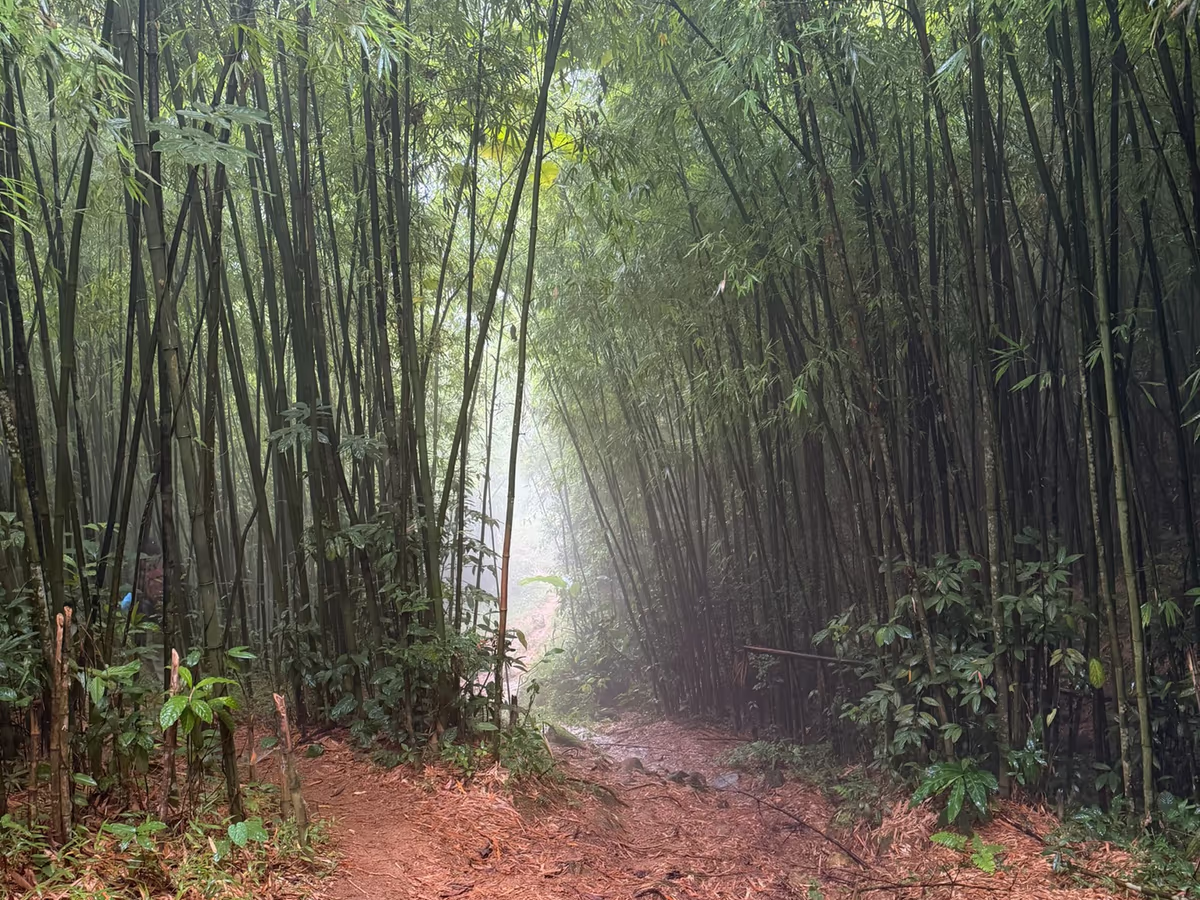
Su Pan, the Giang Ta Chai waterfalls and a bamboo forest, then Ta Van for the second night.
Lao Chai and Y Linh Ho back to Sapa, with time left to shower and rest.
The page rates it Moderate to Challenging, and two people with uneven fitness will feel day two. If one of you is nervous, read how hard Sapa trekking really is and choose the two-day tour first. For a couple who would rather not walk much, the Sapa Private Car Tour needs no trekking, and its page lists couples among who it suits.
Pick a Tour for Two
 Homestay
Rice Terraced Fields & Homestay
Two days and one night with a family in Ta Van. Private for two: $170.
 3 Days
Sapa Valley Trek and Homestay
About 39 km over three days with two homestay nights. Private for two: $260.
 No Trekking
Sapa Private Car Tour
Seven villages and viewpoints by car. Private for two: $170.
Quiet Spots Beyond the Crowd
The quietest places near Sapa are the villages a day's walk from town. Our two-day tour skips the Cat Cat tourist village because the page calls it crowded and over-commercialised. For two people, these are worth asking for.
Ta Van, Y Linh Ho and Hau Thao
Ta Van is shared by the Giay and the Black H'mong and is where most homestay nights happen; see our Ta Van guide. Y Linh Ho is the first hamlet on the Lao Chai trek and the rice-terrace viewpoint of the Muong Hoa Valley (guide). Hau Thao is a stretch of scattered Black H'mong hamlets about 7 km from town and roughly 2 km south of Ta Van; its guide gives the best seasons as September to October and March to May. Three of our homestay tours sleep there.
Ma Tra and Ta Phin
Ma Tra is a small Black H'mong hamlet about 4 to 5 km from town (sources vary) with about 50 households; the Ma Tra guide lays out a half-day walk from Sapa through Ma Tra to Ta Phin. Ta Phin is 12 km and 30 to 40 minutes by car, a Red Dao village with a famous herbal bath. Our Ta Phin guide says a bath usually costs around 100,000 to 150,000 VND, and warns that the co-operative strip near the entrance can feel commercial by mid-morning. Go early, or walk in from Ma Tra.
Sin Chai
Sin Chai is a Black H'mong hamlet at the foot of Fansipan, and the Sin Chai guide describes a quiet route up the mountain. The cable car guide covers the easier way.
Two Treks That Sleep in the Quiet Villages
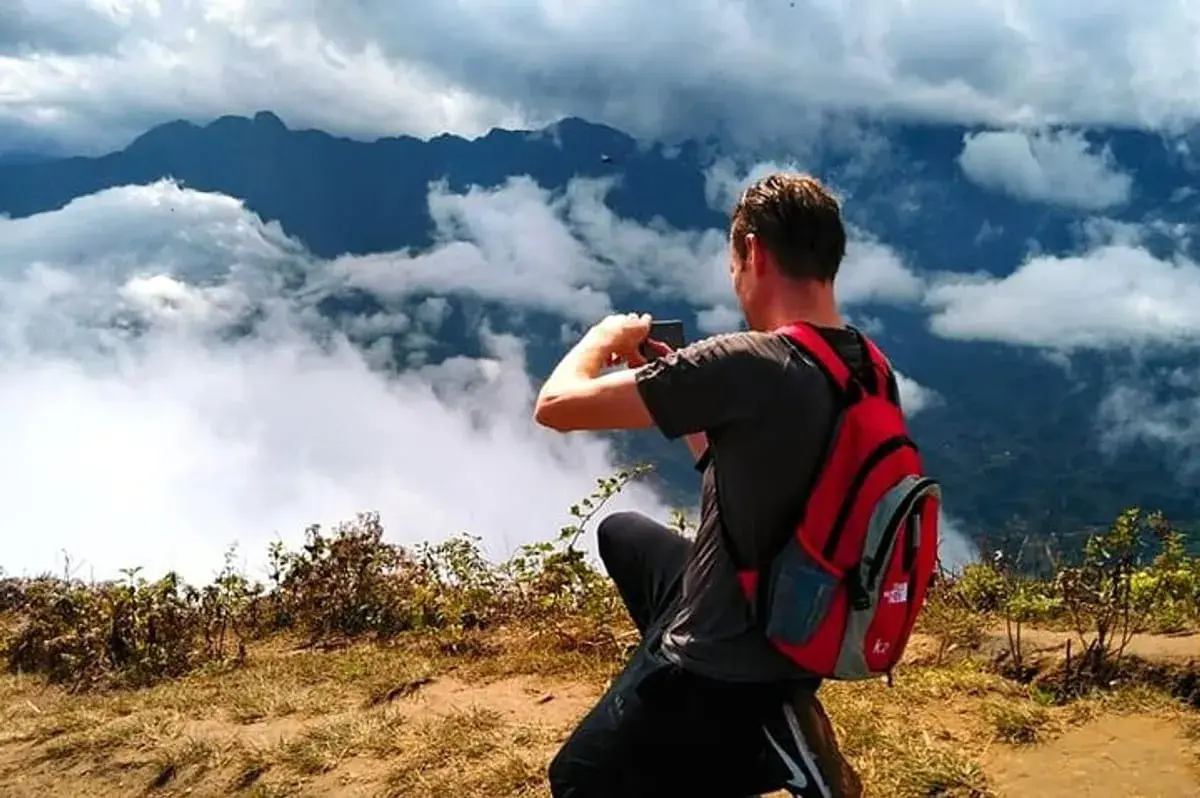
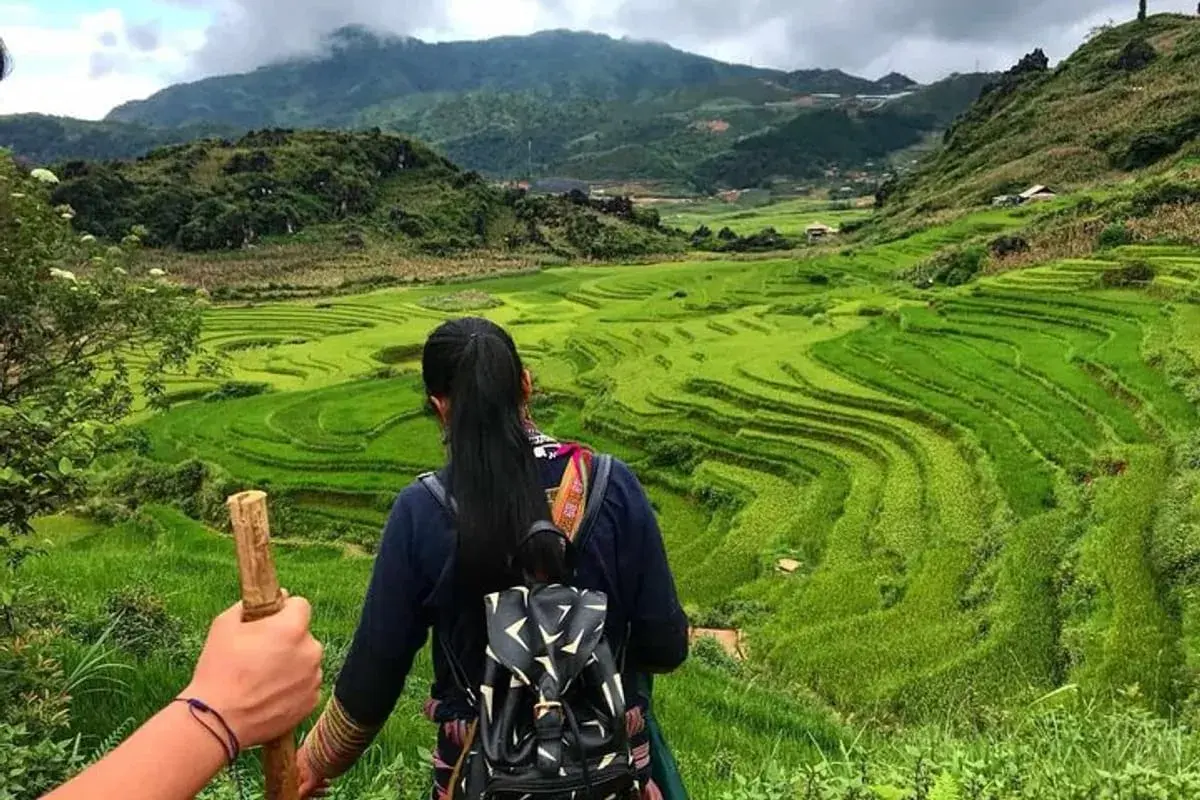
Mornings, Evenings and Marking an Occasion
Mornings are the strongest moment for two, because the town is calm and the cloud sits in the valley. Our sunrise and sunset guide names the viewpoints and the Ham Rong guide describes the flower gardens and the best viewpoint over town. Mist can hide any of them, so plan two mornings, not one.
On Saturday evenings the square in front of the Stone Church hosts the Love Market. Our Love Market guide is candid that its matchmaking role has largely faded and that you will see something closer to a staged cultural performance, so go for the music, not for a custom. The hotel night is the one for a long bath.
If you are planning a proposal or an anniversary, here is what we can honestly offer. We do not sell proposal, decoration or photography packages, and we will not invent one. A private guide can choose a quiet stretch of trail for a stop when other groups have passed, tell you which viewpoint is likely to clear in the morning, and take the photo. Choose a plan B for fog: the homestay dinner table, a pot of tea at the hotel, the second morning. Tell your guide the day before, and ask your hotel or homestay what they allow before you bring candles or decorations.
Getting There as a Pair
The Hanoi leg is where a pair can spend a little more for a lot of comfort, and the options are on our transport page. The Twin Cabin sleeper bus is a private enclosed pod with two beds and a curtain, $42 per cabin, which the page describes as best for couples. The overnight trains reach Lao Cai at 5:55 or 6:25 AM. On the King Sapa Train the page lists private VIP cabins: a Twin at $180 with two single beds or a Double at $210 with one double bed. Our Chapa Express review puts its VIP cabin at $207 for the whole cabin and books it most often for honeymooners; the King Sapa train review covers the other train. A private car is listed from $230 per car at 4 to 5 hours. Prices are the page's own on 19 November 2026 and can change; see the Hanoi to Sapa timetable.
The Part We Do Sell
- Hanoi to Sapa transport — sleeper buses, limousines and the overnight train, bookable with your trek
- Hanoi to Sapa guide — what each option costs and how long it takes
- How to get to Sapa — the first leg, in detail
What to Skip and What to Expect
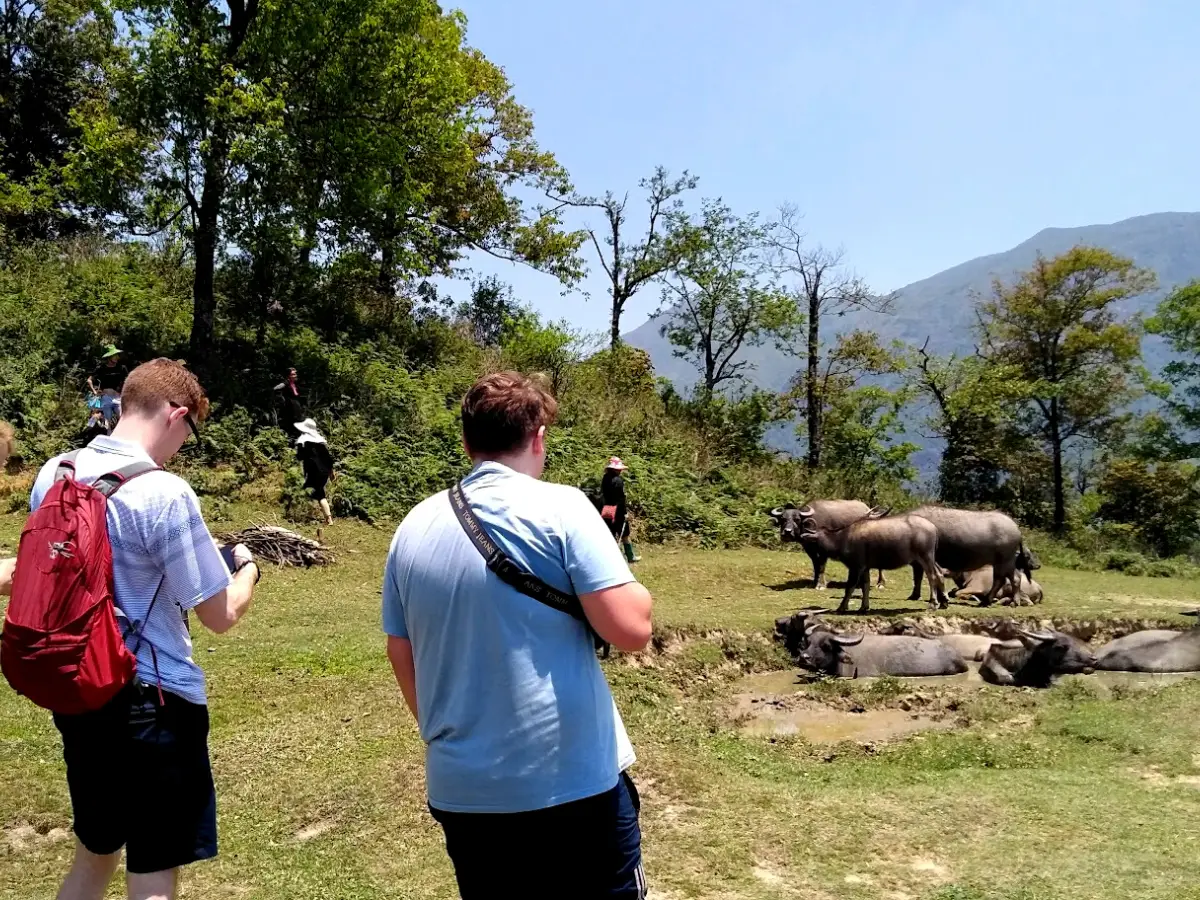
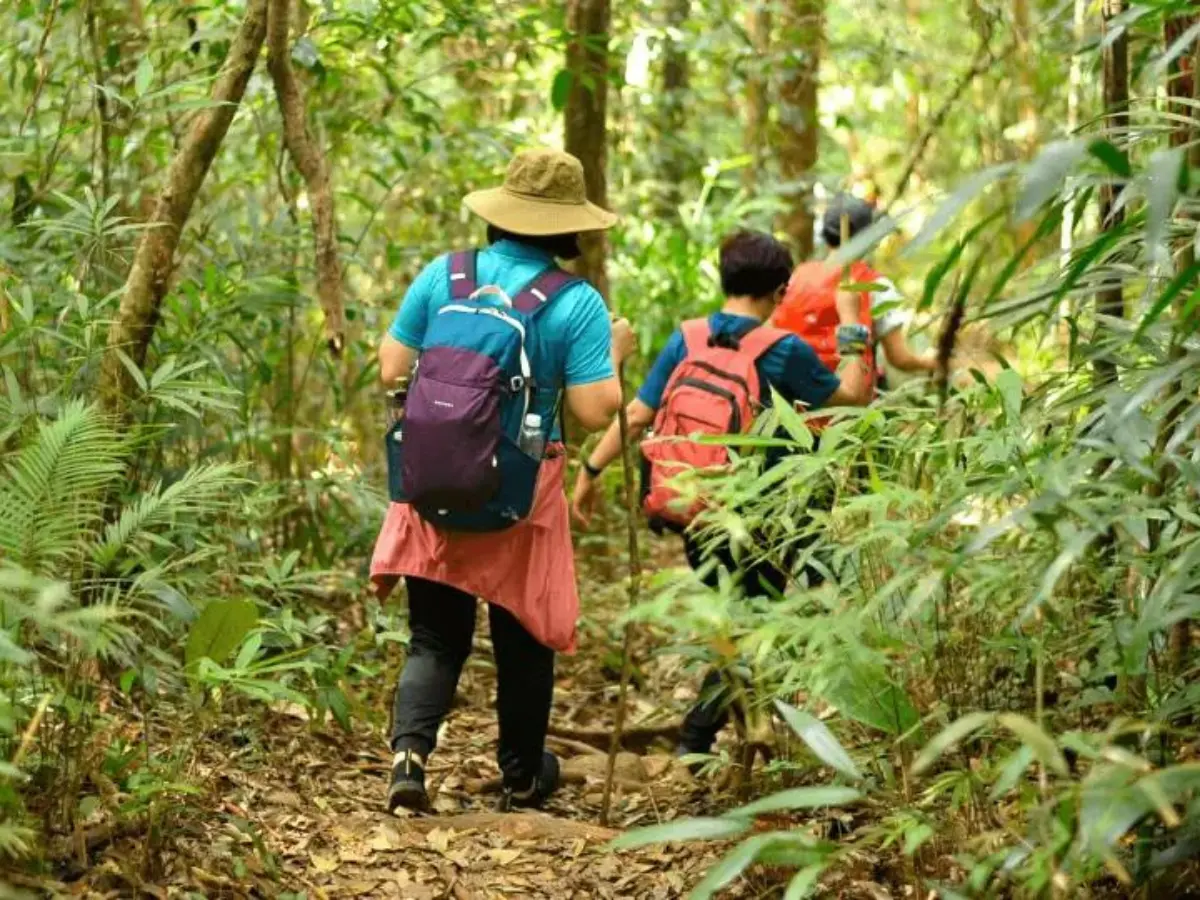
The honest list is short and mostly weather and ground. Cold and fog are normal in winter, and cloud can hide every viewpoint on any day. Trails are dirt and clay and slippery the day after rain, as the photo shows. Our packing list covers layers and rain gear.
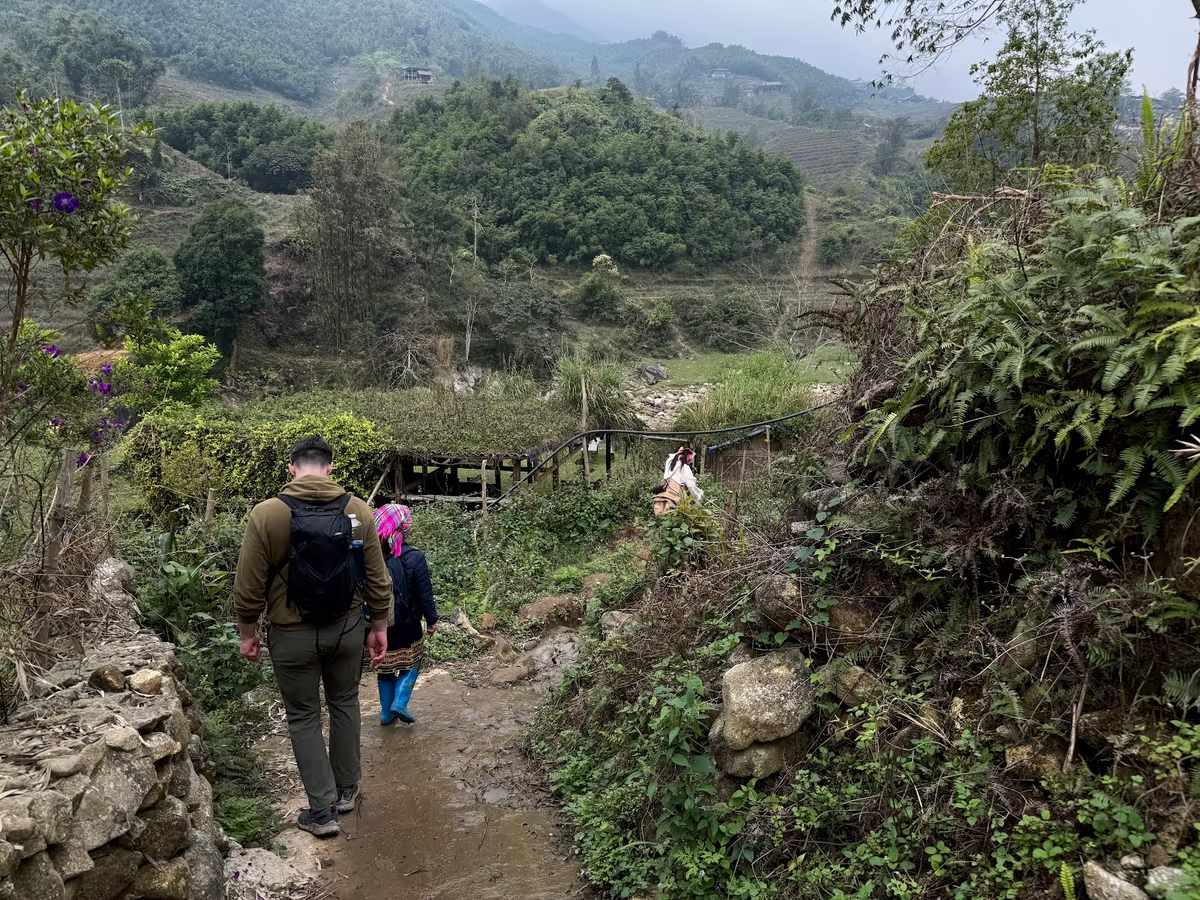
Skip the Cat Cat tourist village if you want quiet; our two-day tour walks the local road beside it. Skip July and August unless you accept rain. Skip the three-day trek as your first trek together if one of you is unsure. And skip a single-viewpoint plan, because mist will take it from you on some days.
Rent at Our Office Before You Trek
 Gear Rental
Trekking Boots Rental
Waterproof ankle-support boots. Cleaned and checked before each rental. Available at 105 Thach Son Street.
 Gear Rental
Walking Poles Rental
Trekking poles available to rent at $2/day at our office, 105 Thach Son Street. Essential for descents.
The climate table is the Sa Pa record of Climates to travel, read on 19 November 2026; it differs a few degrees from other sources and from our weather guide, so use it for the shape of the year. Tour prices, lengths, sleeping details and cancellation lines come from the tour page named beside them, and transport prices from our transport page.
What we did not check: hotel standards and prices (we name no hotel), whether a specific homestay can set aside a room for two on your date (ask us), and whether mist will clear on your morning (nobody can say).
Frequently Asked Questions
Three nights suits most couples: one in a village homestay, one in a town hotel and a free half-day. Two nights is enough for a first look, and four makes sense only if you add a rest day or the Fansipan cable car.
Late September to October for golden terraces, though it is busy, or March to May for mild, green and quieter days. June to August is the wettest, with about 24 to 26 rainy days a month in one climate record.
It is basic and warm. Our tour pages describe mattresses or shared sleeping areas, blankets, a hot shower and no private bathroom, with dinner and breakfast cooked by the family. If you need hotel standards, book a hotel and walk by day.
From our tour pages on 19 November 2026: $160 for two on the two-day Mountain Views & Muong Hoa Valley Trek, $170 on the two-day Rice Terraced Fields & Homestay, $240 on Explore Nature and Homestay, and $260 on the three-day Sapa Valley Trek.
No tour page promises one. The three-day Sapa Valley Trek lists a private-room single supplement of $15 a night as not included, written for solo travellers. Message us before you pay and we will tell you what we can confirm for your date.
Yes. The Sapa Private Car Tour drives to seven villages and viewpoints with no trekking required, at $78 each in a group of two or more or $170 private for two. Pair it with a hotel stay and a sunrise viewpoint.
It can be cold. One climate record gives January a mean of 6 to 13 degrees Celsius, some days with highs below 5 degrees and an occasional snowfall, and mist is common. It suits couples who like quiet and atmosphere and who pack warm layers.
Our transport page lists a Twin Cabin sleeper bus at $42 per cabin, private VIP train cabins at $180 for two on the King Sapa Train or $207 on the Chapa Express, and a private car from $230 per car.