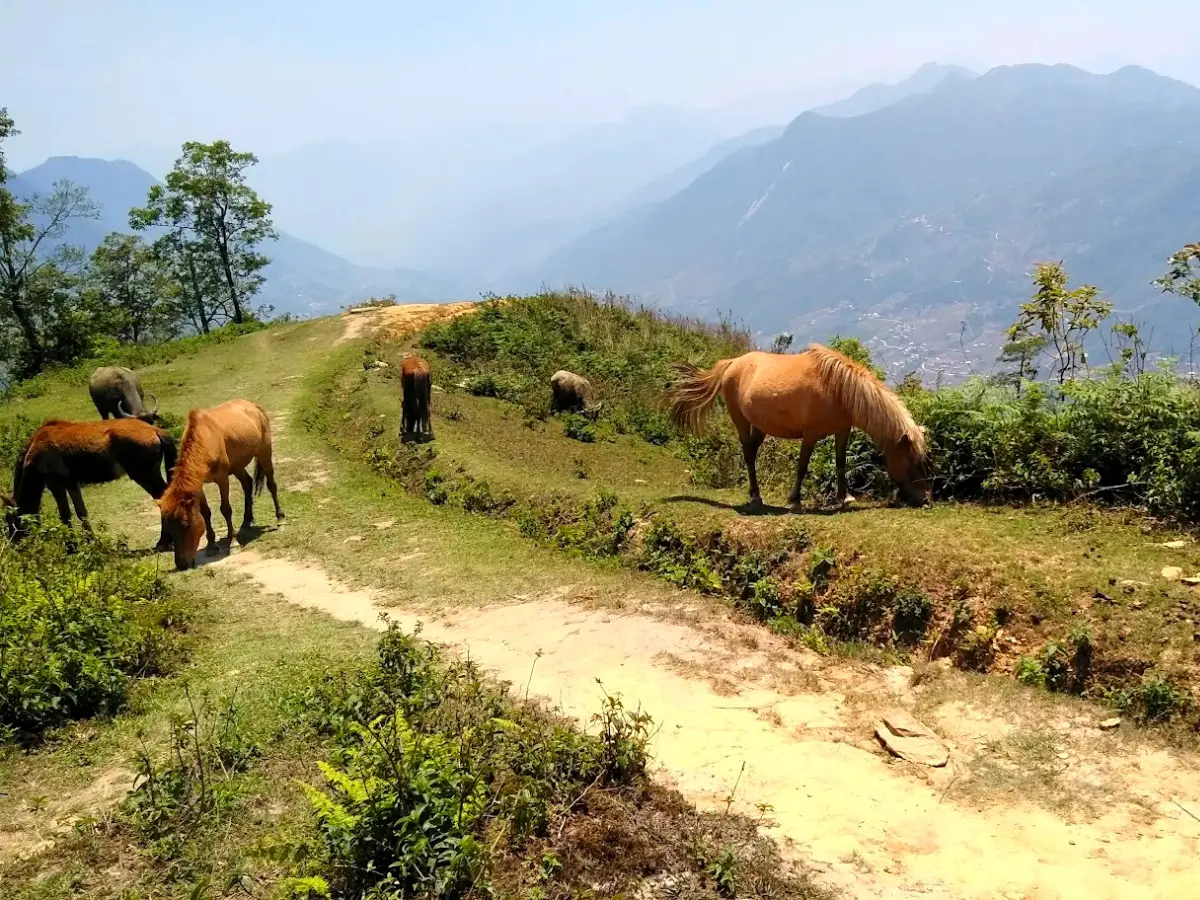
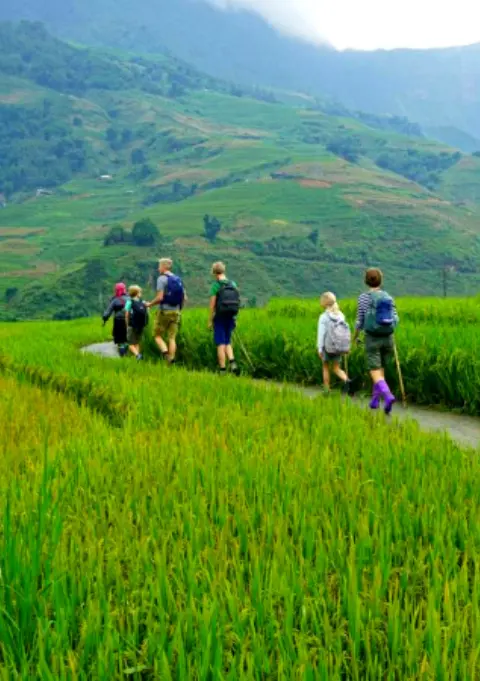
 Sinh Giang
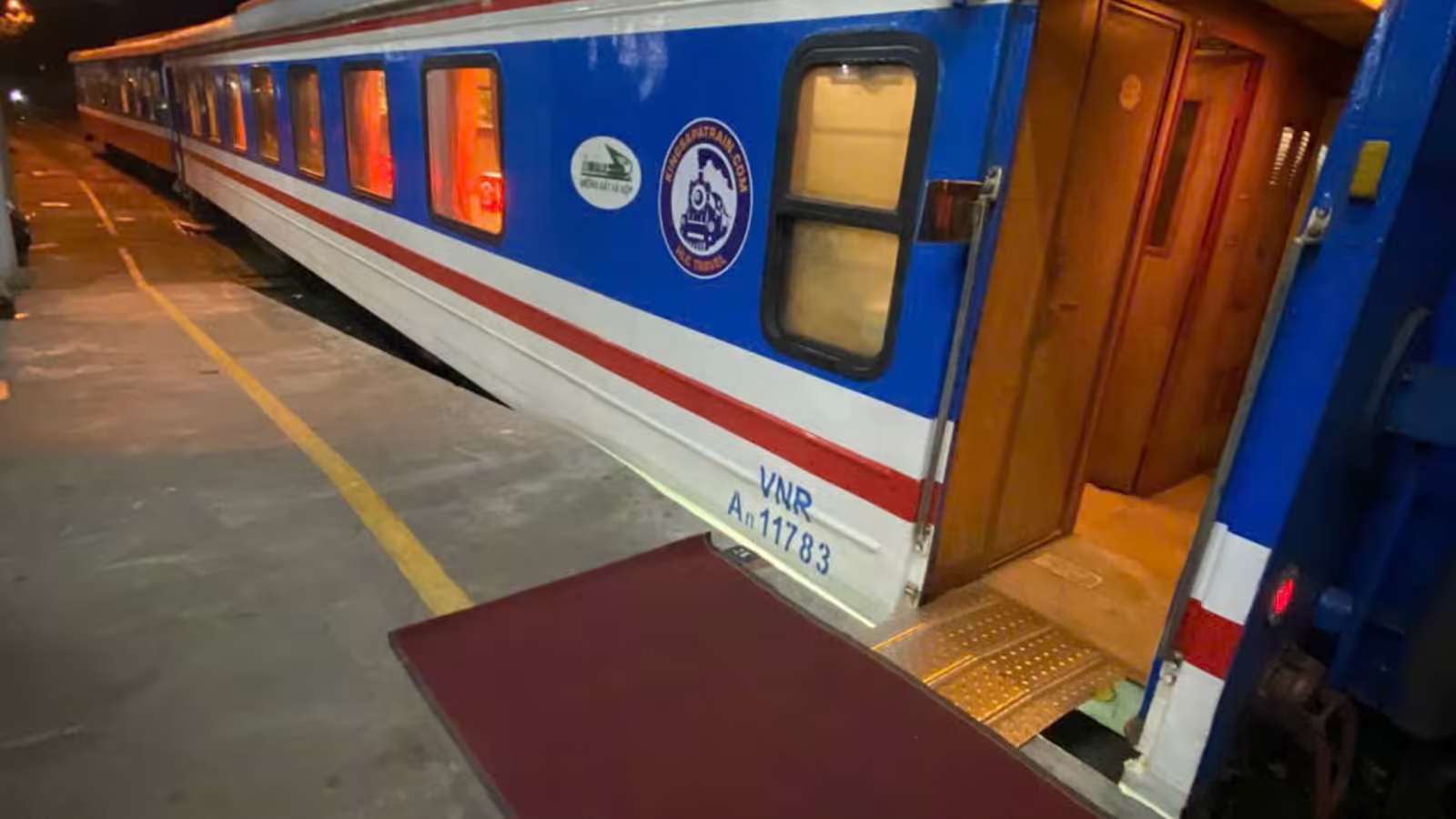
The King Sapa Train is the overnight sleeper we book most often for our own guests travelling from Hanoi up to Sapa, and it is the one I quietly recommend first when someone tells me they sleep badly on buses. It is a set of warm, wood-panelled private carriages coupled to the scheduled Vietnam Railways night trains, and it runs on our real prices — a bed in a shared 4-Berth Deluxe from $40 per person, up to a fully private VIP cabin for two. But before you fall in love with the idea, there is one honest thing every booking site glosses over, and I would rather you hear it from a Sapa local: the train does not actually reach Sapa. It stops at Lao Cai, down in the river valley on the Chinese border, and you still have a mountain road to climb after you step off.
That single fact shapes the whole plan — which cabin to choose, what time you truly arrive, and whether the train even suits your trip better than a limousine van. So this guide does what the ticket pages won't. I will walk you through all four King Sapa Train cabin classes with our actual 2026 prices, show you what each one really looks like inside, explain exactly what the overnight journey feels like from your Hanoi hotel to the trailhead, cover the Lao Cai-to-Sapa transfer nobody mentions, and tell you honestly when I'd send you by road instead. Everything below is what we tell the travellers we book this train for every single week.
What exactly is the King Sapa Train?
The King Sapa Train is a fleet of privately fitted-out sleeper carriages, operated under the MLC Travel banner, that couple onto the national overnight service between Hanoi and Lao Cai. You travel on the same tracks, behind the same locomotive, on the same timetable as every other train on this line — but inside a separately branded carriage with its own décor, bedding, and cabin crew. It shares the route with a handful of other private operators, including the Chapa Express, all running to one overnight schedule. What sets the King apart in the flesh is the styling: honey-coloured wood panelling, deep red curtains, embroidered ethnic-pattern wall panels that nod to the Black H'mong and Red Dao textiles you'll see up in the villages, and patterned tiled cabin floors that feel more boutique guesthouse than railway carriage.
Trains leave Hanoi Railway Station — the Tran Quy Cap side, a short taxi hop from the Old Quarter — late in the evening. The two departures we use are the SP3 at 22:00 and the SP7 at 22:40, both rolling into Lao Cai around dawn, near 05:55 and 06:25. Coming home you can pick your rhythm: the SP4 leaves Lao Cai at 21:30 for an overnight return, while the SP8 is a daytime run departing 12:05 and reaching Hanoi by 19:30. The appeal is simple and, honestly, rather lovely — you have dinner in Hanoi, climb into a proper flat bed, the carriage rocks you to sleep, and you wake to mountain air in the north. No daylight lost, no switchback nausea, and one hotel night effectively saved.
There is no railway station in Sapa. The King Sapa Train — like every train on this line — terminates at Lao Cai, about 38 km (24 miles) away and roughly 1,200 metres lower in altitude. From Lao Cai you climb to Sapa town by shared minivan, private car, or taxi, which takes around 45 minutes to an hour. Budget for that leg in both time and money; the train ticket does not include it, and we arrange it for you.
The four King Sapa Train cabins, class by class
The King Sapa Train sells four cabin classes, and the single most important distinction is not the décor — it is whether you are buying a bed or a whole cabin. The 4-Berth Deluxe and 4-Berth Suite are sold per person as one bed inside a shared four-person cabin, so unless your group fills all four beds you may share with other travellers. The Private VIP Twin and Private VIP Double are sold as an entire private room for two, with your own door that locks. Get that right and the prices make instant sense. Let me take you into each one, then I'll lay the whole range out in a table.
4-Berth Deluxe — the value bed ($40/person)
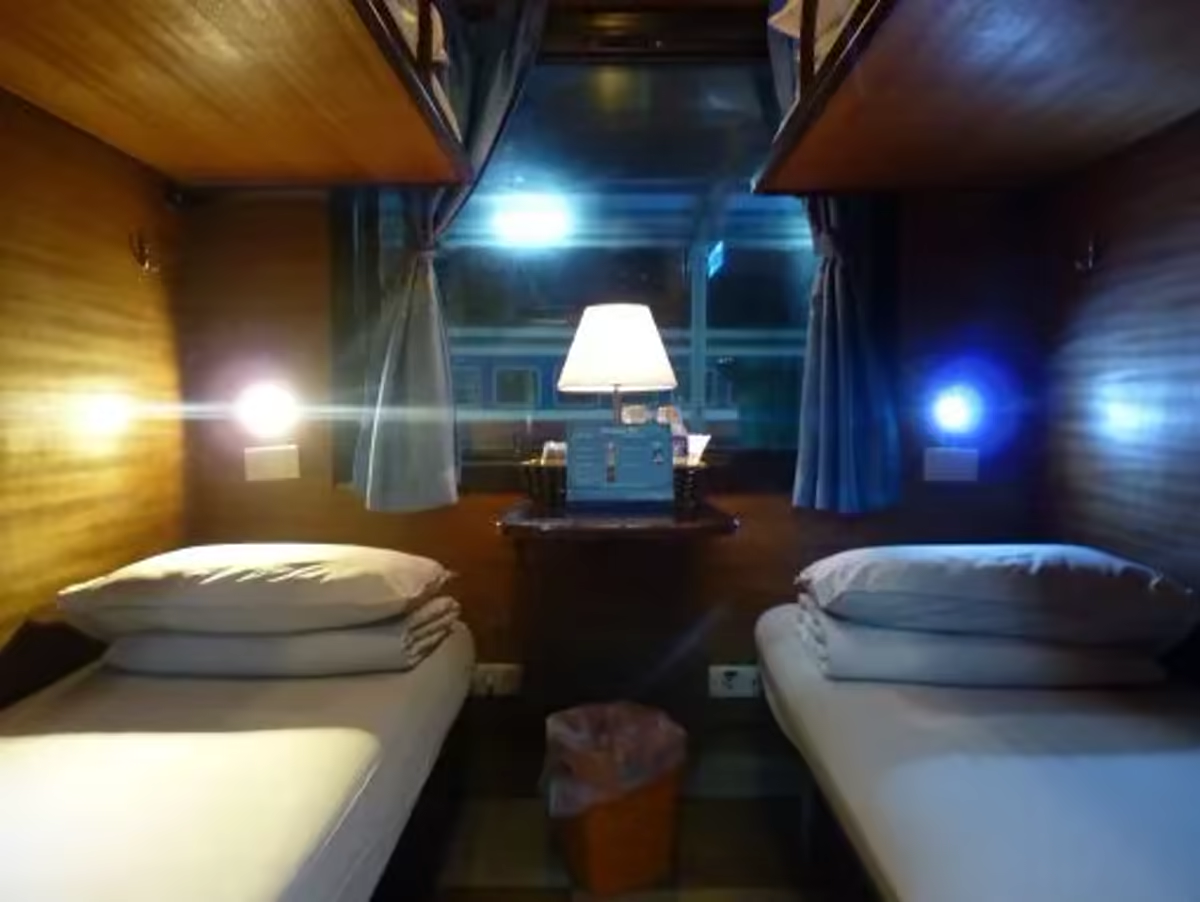
This is the sensible-budget pick, and for solo travellers, backpackers, and small groups it is the whole reason to choose the King over a standard state carriage. A 4-Berth Deluxe at $40 gets you one of four berths in a cabin — a proper flat bed with clean bedding, a reading lamp, and a bottle of water, in a space far calmer and quieter than any sleeper bus. The Deluxe cabins are the plainer end of the King's range: soft blue night-lighting, twin lower berths made up with pillows, a little shared table by the window. If you are two friends or a couple happy to potentially share the cabin's other two beds with fellow travellers, this is the value sweet spot. The trade-off is honest — you don't control who your cabin-mates are, and a very light sleeper can be woken by a stranger's late boarding.
4-Berth Suite — the upgraded shared cabin ($45/person)
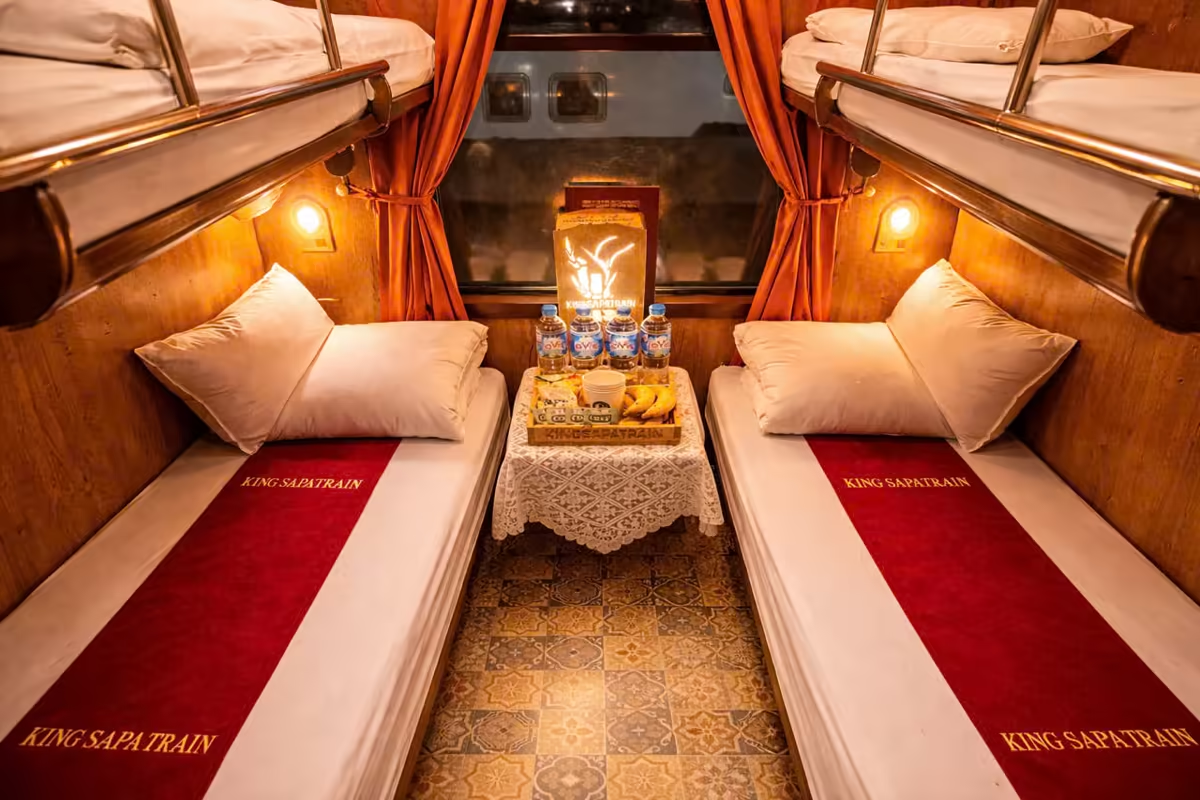
For just $5 more per person, the 4-Berth Suite at $45 sits in the same four-berth layout but with a clear step up in finish, and to my eye it is the best-value ticket on the whole train. This is where the King's signature look comes out: deep red bed runners embroidered with “KING SAPA TRAIN”, plumper pillows, red drapes at the window, warm brass-toned lighting instead of the cooler Deluxe glow, and a lace-topped table set with a welcome tray of fruit and water. It is still a shared four-person cabin — so the sharing caveat holds — but the comfort jump for five dollars is the easiest upgrade I recommend. Couples on a budget who don't mind the possibility of cabin-mates almost always thank me for nudging them here.
Private VIP Twin — a locked room, two beds ($180/cabin)
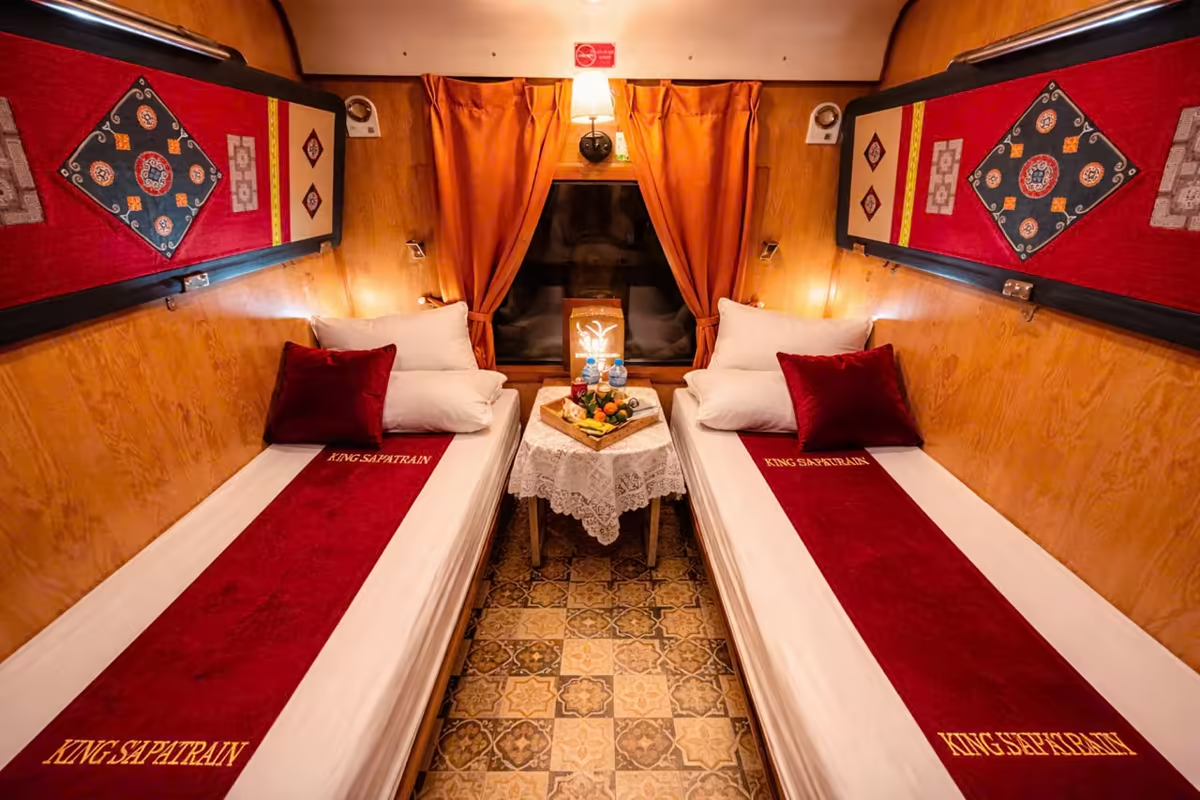
The Private VIP Twin at $180 is where the King stops feeling like shared transport and starts feeling like a small hotel room. You get the entire cabin — a private, lockable space with two single beds, each with its own embroidered runner, framed by red curtains and a pair of ethnic-pattern wall panels, with a welcome fruit tray on the little table between. Sold as a whole unit for two adults, it works out at $90 each, and for a pair of friends who want to keep two separate beds while still shutting the door on the corridor, it is the natural choice. This is also the cabin I book for a parent travelling with an older child who wants the door to close at night.
Private VIP Double — the couple's cabin ($210/cabin)
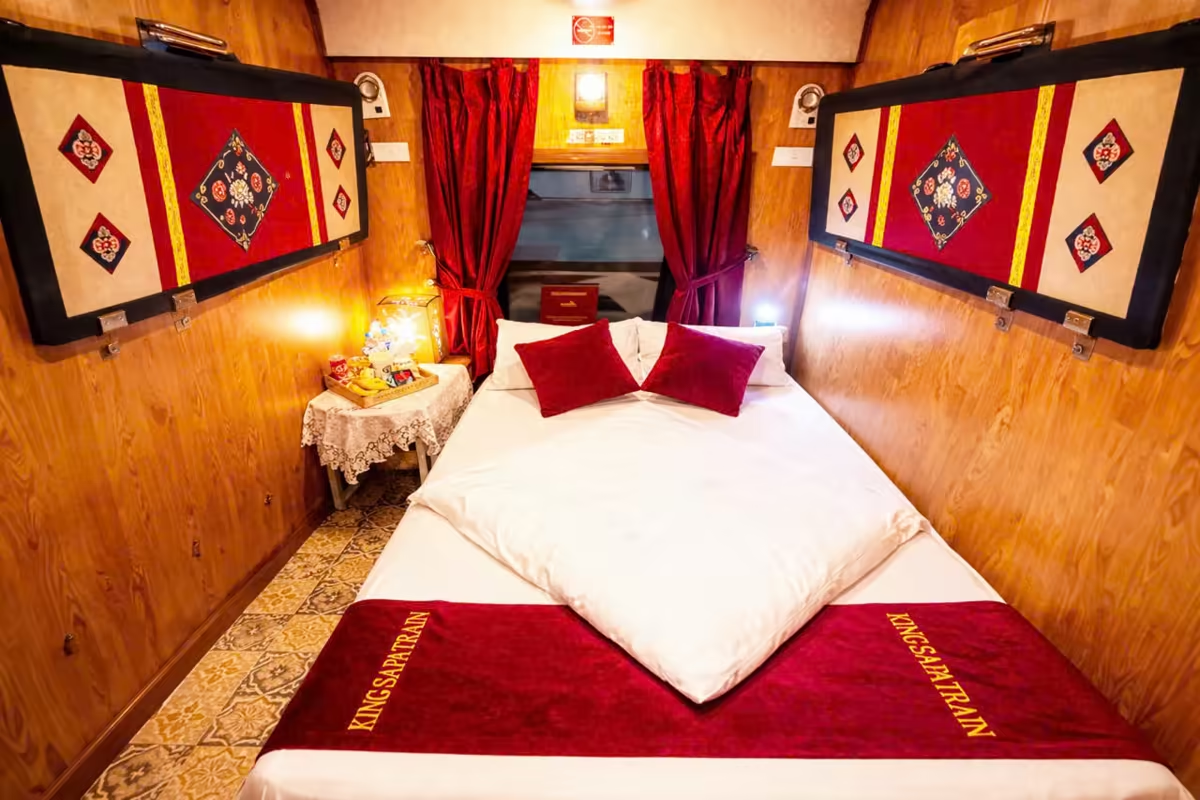
The Private VIP Double at $210 is the King's romantic pick: the same private, lockable cabin, but built around one large double bed rather than two singles. Two red cushions sit against crisp white bedding, the “KING SAPA TRAIN” runner laid across the foot, with the embroidered wall panels and a bedside table holding the fruit tray and a soft lamp. It is unashamedly the cabin couples book for an anniversary or the first night of a honeymoon, where the journey itself is meant to be part of the trip and not just a way to cover distance. At $105 each it is the priciest way we sell this train — and worth every dollar to the right traveller. Is it necessary to reach Sapa? Not remotely. Is it a lovely thing to do once? Absolutely, and I never talk anyone out of it.
Here is the whole range at a glance. Read the “Sold as” column first — it is the number that decides everything.
| Cabin class | What you get | Sold as | Price |
|---|---|---|---|
| 4-Berth Deluxe | One bed in a shared 4-person cabin, flat bedding, reading lamp, water | Per person | $40 / person |
| 4-Berth Suite | Upgraded bed in a shared 4-person cabin, embroidered runners, welcome tray | Per person | $45 / person |
| Private VIP Twin | Private cabin for 2, two single beds, lockable door, no strangers | Whole cabin (2 pax) | $180 / cabin |
| Private VIP Double | Private cabin for 2, one double bed, the King's romantic layout | Whole cabin (2 pax) | $210 / cabin |
Popular Treks to Pair With Your Train Trip
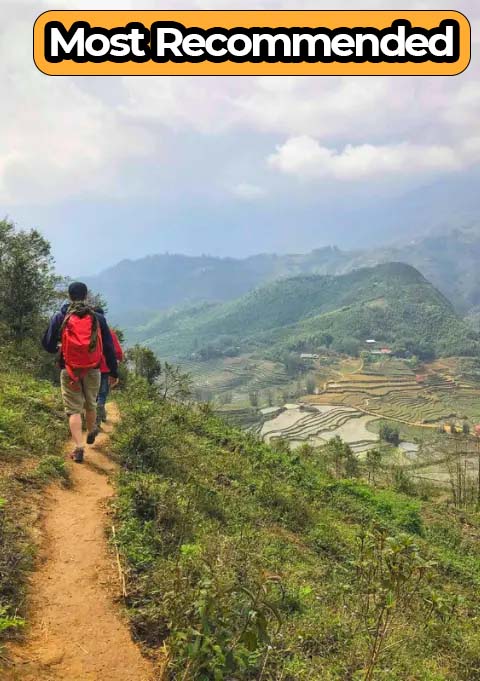 Best Seller
Trekking Through Rice Terraced Fields
Arrive on the morning train, drop your bags, and walk the valley floor through Lao Chai & Ta Van the same day.
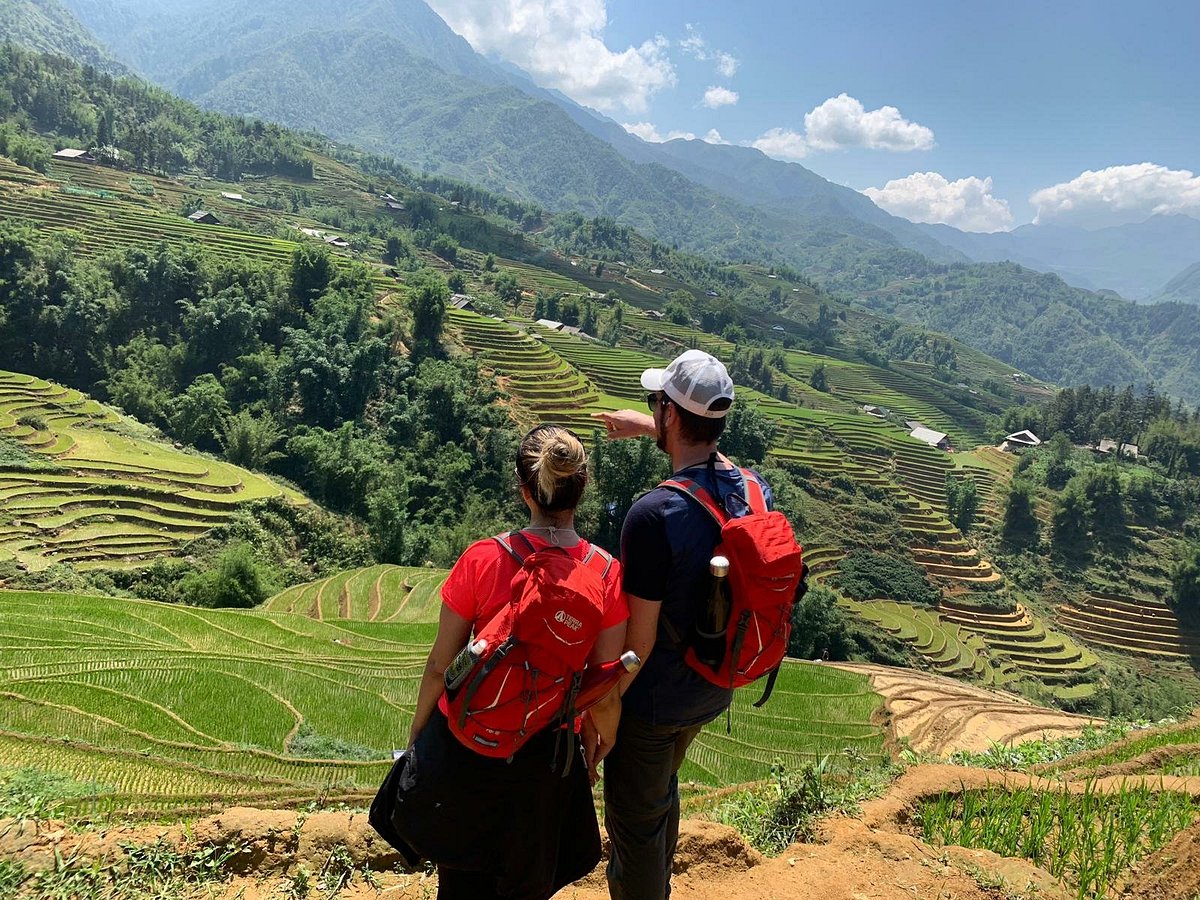
Rice Terraced Fields & Homestay
Overnight with a Black H'mong family in Lao Chai — home-cooked dinner, terraces at dawn.
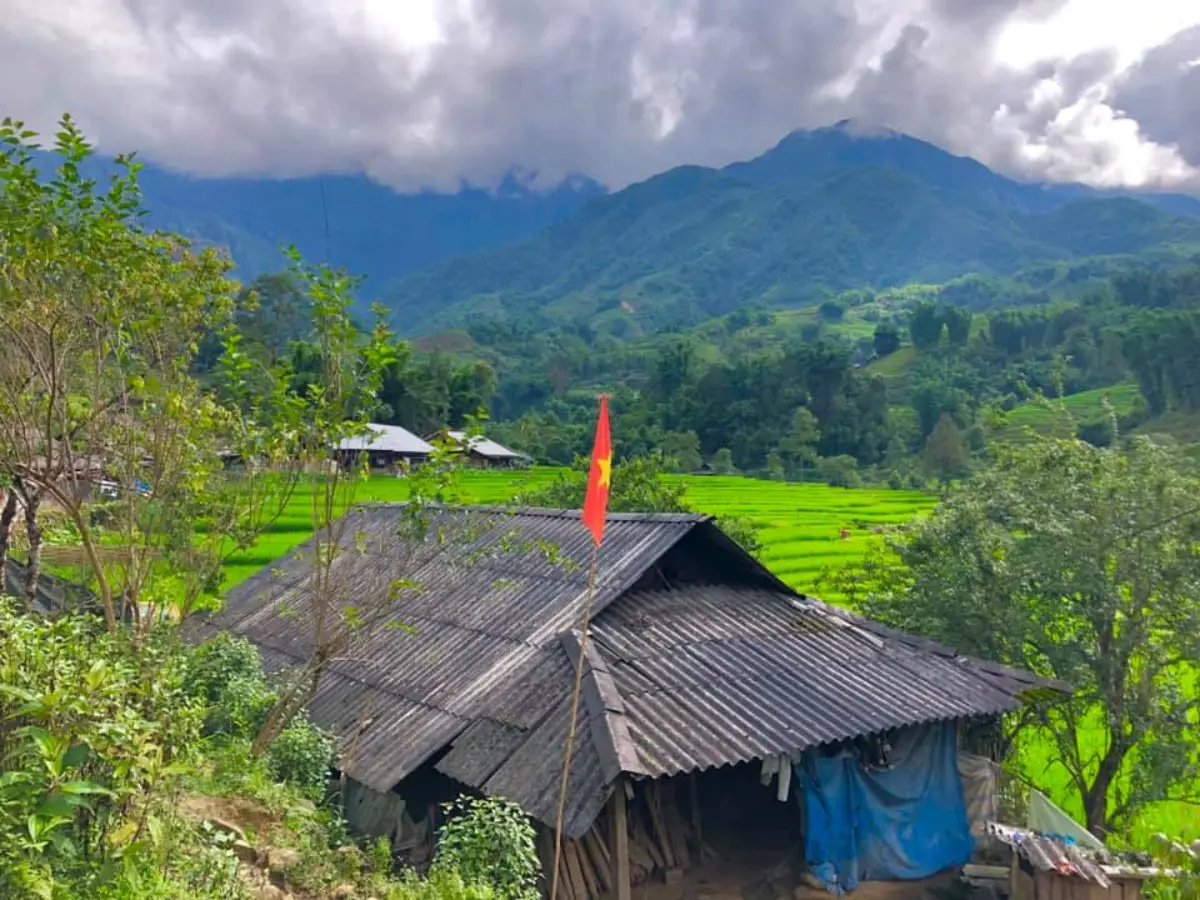
Sapa Easy Trekking For Seniors
Gentle, flat-path route ideal after an overnight train — no steep climbs, unhurried pace.
What the King Sapa Train costs — and what's included
Our King Sapa Train fares are $40 per person for a 4-Berth Deluxe bed, $45 per person for a 4-Berth Suite bed, $180 for a whole Private VIP Twin cabin, and $210 for a whole Private VIP Double cabin. These are the prices we sell at, and they cover your berth or cabin, bedding, drinking water, and the onboard welcome touches. What the ticket does not include is the leg from Lao Cai up to Sapa town — keep those two numbers separate in your head and you will budget accurately.
Here is how it shakes out per person, which is the figure most people care about. A 4-Berth Deluxe is $40 each. A 4-Berth Suite is $45 each. A Private VIP Twin at $180 for two is $90 per person, and a Private VIP Double at $210 is $105 each. Add the Lao Cai–Sapa transfer — from about $5 per person on the shared minivan, more for a private car — and you have your true door-to-door cost. Compared with the other private operators on this line, the King's headline numbers are noticeably friendlier, which is a large part of why it is the one we book most.
On children: in the shared 4-Berth Deluxe and Suite cabins, a young child sharing your bed usually travels at a reduced fare or free depending on age, since the ticket is priced per bed. In the Private VIP cabins you are buying the whole room regardless, so a child simply travels within the cabin you have already paid for — which is exactly why families with one or two kids often find a private VIP cabin better value than it first looks. Tell us the ages when you book and we'll confirm the exact fare.
Two of you weighing two 4-Berth Suite beds ($90 total) against a Private VIP Twin ($180)? The private cabin costs $90 more but you get the whole room, a door that locks, and zero chance of a stranger's 4am alarm. For couples and pairs of friends who value a good night's sleep, that upgrade is almost always worth it — and it's still well under what the other trains charge for their private cabins.
What the overnight journey actually feels like
The overnight ride is roughly eight hours of gentle, rocking motion through the dark, and the honest truth is that you'll sleep through most of it. Here is the real shape of a northbound trip on the SP3 or SP7, from the moment you leave your Hanoi hotel to the moment you reach Sapa town — so nothing about the night catches you off guard.
A night on the King Sapa Train — northbound
- Around 9:30 PM — board in Hanoi. Arrive about 30 minutes early at Hanoi Railway Station (Tran Quy Cap side), find your King carriage, and settle into your cabin.
- 22:00 / 22:40 — depart. The SP3 or SP7 pulls out, the city lights slide away, crew pass through with water, and it's time to make up the bed.
- ~1:00 AM — deep in transit. Rolling across the Red River delta, lights low, cabin quiet. By now you're asleep.
- ~05:55–06:25 AM — arrive Lao Cai. Wake near dawn, gather your bags, and step onto the platform down in the valley.
- ~7:00 AM — reach Sapa. A 45–60 minute transfer climbs the pass to Sapa town. Breakfast, then straight onto the trail if you like.
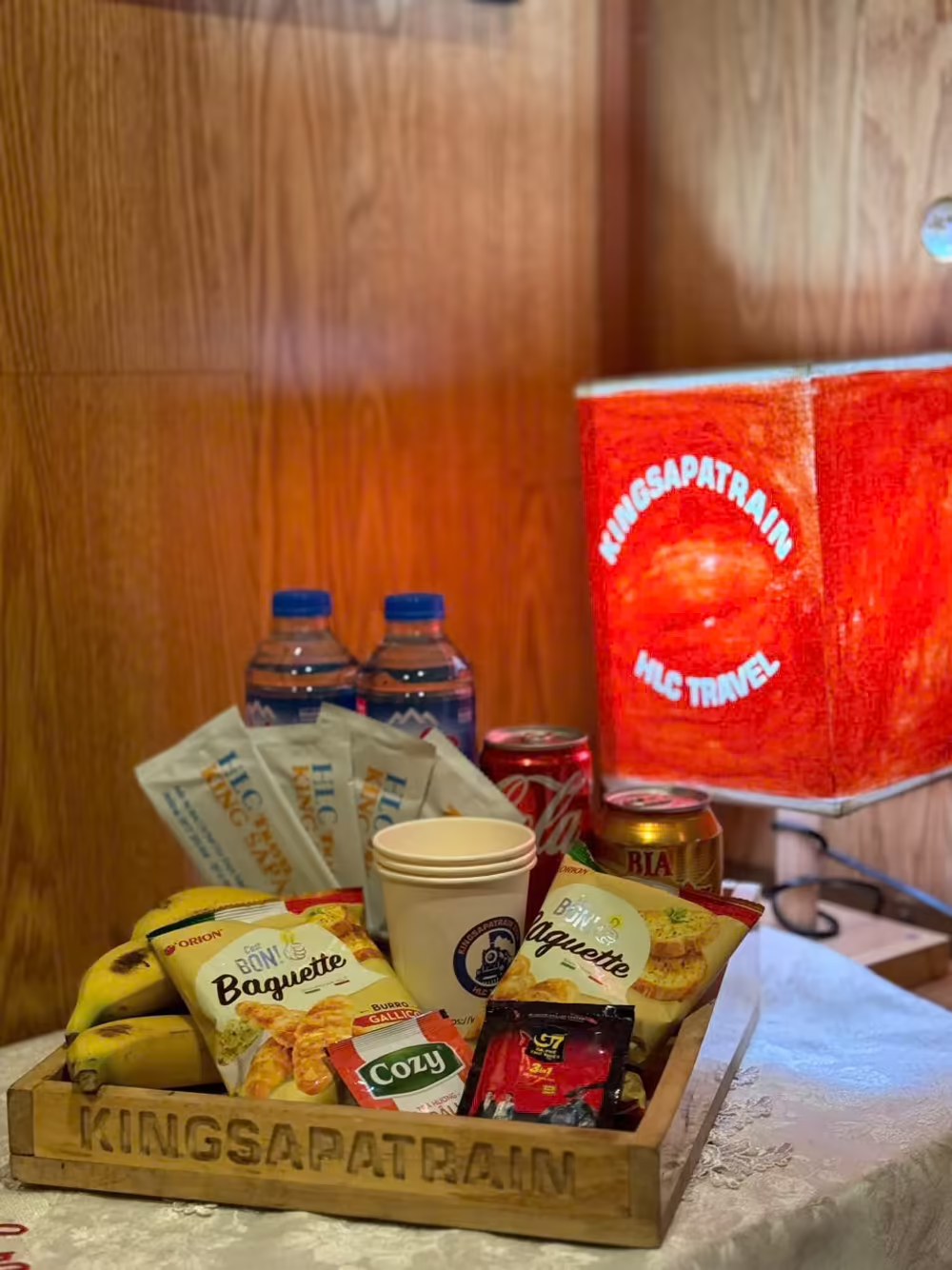
A few things nobody tells you. The King's bedding is real bedding — a duvet, a pillow, a laundered sheet — not the thin blanket you get on a budget bus, and in the Suite and VIP cabins you'll find a wooden welcome crate stamped “KINGSAPATRAIN” holding bananas, packaged snacks, a sachet of Cozy tea, bottled water, and even a can of local beer for the road. Small thing, but it sets the tone. The cabins are air-conditioned, which matters because the delta can be humid and the mountains are cold when you arrive.
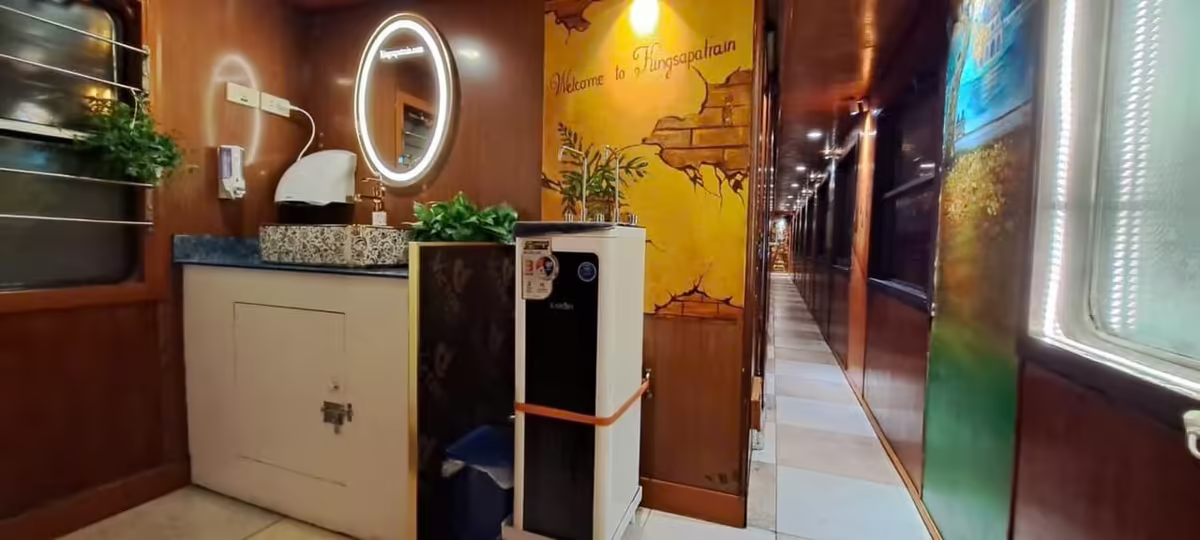
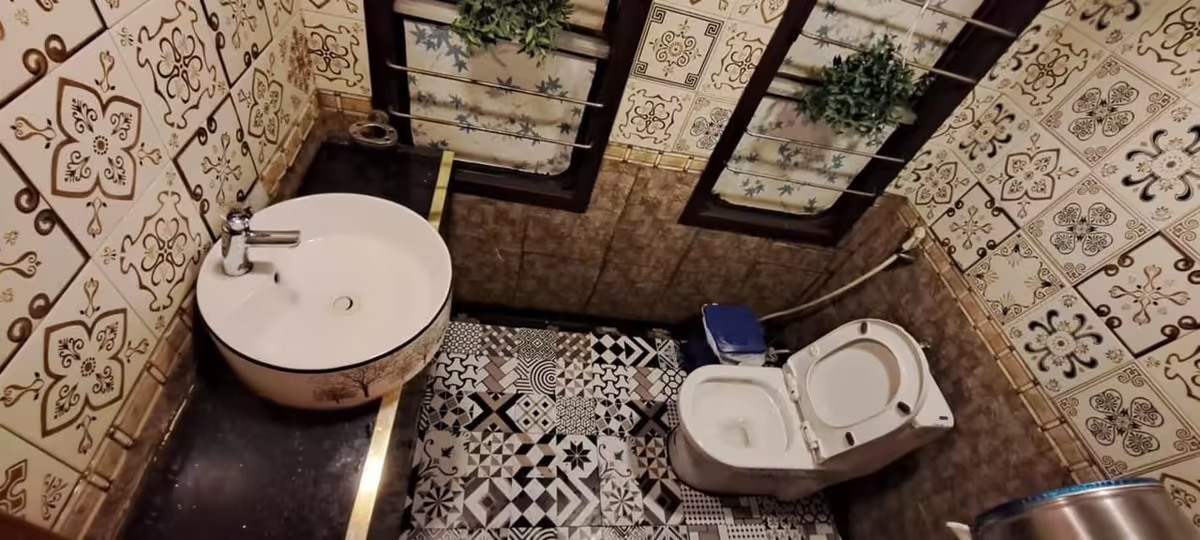
There is a shared washroom at the end of each carriage — clean but basic, tiled in cheerful patterned ceramics, with a round washbasin and a Western-style toilet. My advice: do your evening routine before you board rather than queuing for the sink at 5am. Phone signal comes and goes as you pass through cuttings and tunnels; there is Wi-Fi and power outlets on board, but treat the Wi-Fi as a bonus rather than a guarantee. And pack a small overnight bag with just what you need for the night — you don't want to be digging through a large suitcase in a dark cabin.
The return works the same way in reverse. Choose the SP4 at 21:30 for an overnight run back to Hanoi arriving 05:35 — handy if you have an early onward flight — or the SP8 daytime service at 12:05, reaching Hanoi by 19:30, if you'd rather see the countryside roll by. Either way, leave Sapa town with enough buffer to make the descent to Lao Cai station before your train.
Packing for the night on board
You don't need much for a single night on the King, but a handful of small items make the difference between a decent sleep and a broken one. I keep a “train bag” separate from my main luggage so everything for the night is in one place. Here's what I'd put in yours.
A restful night
- Eye mask — cabin lights and corridor glow vary
- Earplugs, especially in a shared 4-berth
- A light layer — cabins are cool by dawn
- Downloaded film or a book (signal drops in tunnels)
Overnight essentials
- Toothbrush & small toiletries in an easy-reach bag
- Phone, charger and a power bank
- Passport and cabin ticket to hand
- A little cash for the Lao Cai transfer & breakfast
Arrival ready
- Motion-sickness tablet for the winding pass up
- Warm top — Sapa is 1,200 m higher than Lao Cai
- Water and a snack for the transfer
- Trekking clothes on top if you walk the same day
Small comforts
- Wet wipes — the washroom is basic
- Slip-on shoes for the corridor at night
- A dry-bag or packing cube to keep the cabin tidy
- Rain jacket — Sapa weather turns fast
From Lao Cai station to Sapa town — the part nobody mentions
The transfer from Lao Cai station up to Sapa town is a 38 km climb of about 45 minutes to an hour, and it is the single detail that most surprises first-time visitors. When you step off the King you are still down in the valley, at the border town of Lao Cai; Sapa proper sits high on the mountainside above you, roughly 1,200 metres up. You have three ways to cover that last stretch, and we sort it out for our guests so nobody ends up haggling with a taxi at dawn.
The shared minivan is the cheap-and-cheerful option — from about $5 per person, leaving from near the station and winding up the pass with a full load of fellow travellers. A private car or van costs more but takes you door to door to your Sapa hotel on your own schedule, which after a night on a train is worth a lot to some people. And if you've booked a trek with us, we frequently fold this transfer straight into your itinerary, so you're met on the platform and delivered to your hotel or the trailhead without a second thought. We offer this Hanoi-to-Sapa journey — train, transfer, and everything in between — as an add-on with any tour booking. Here are the main ways to travel the whole route at a glance:
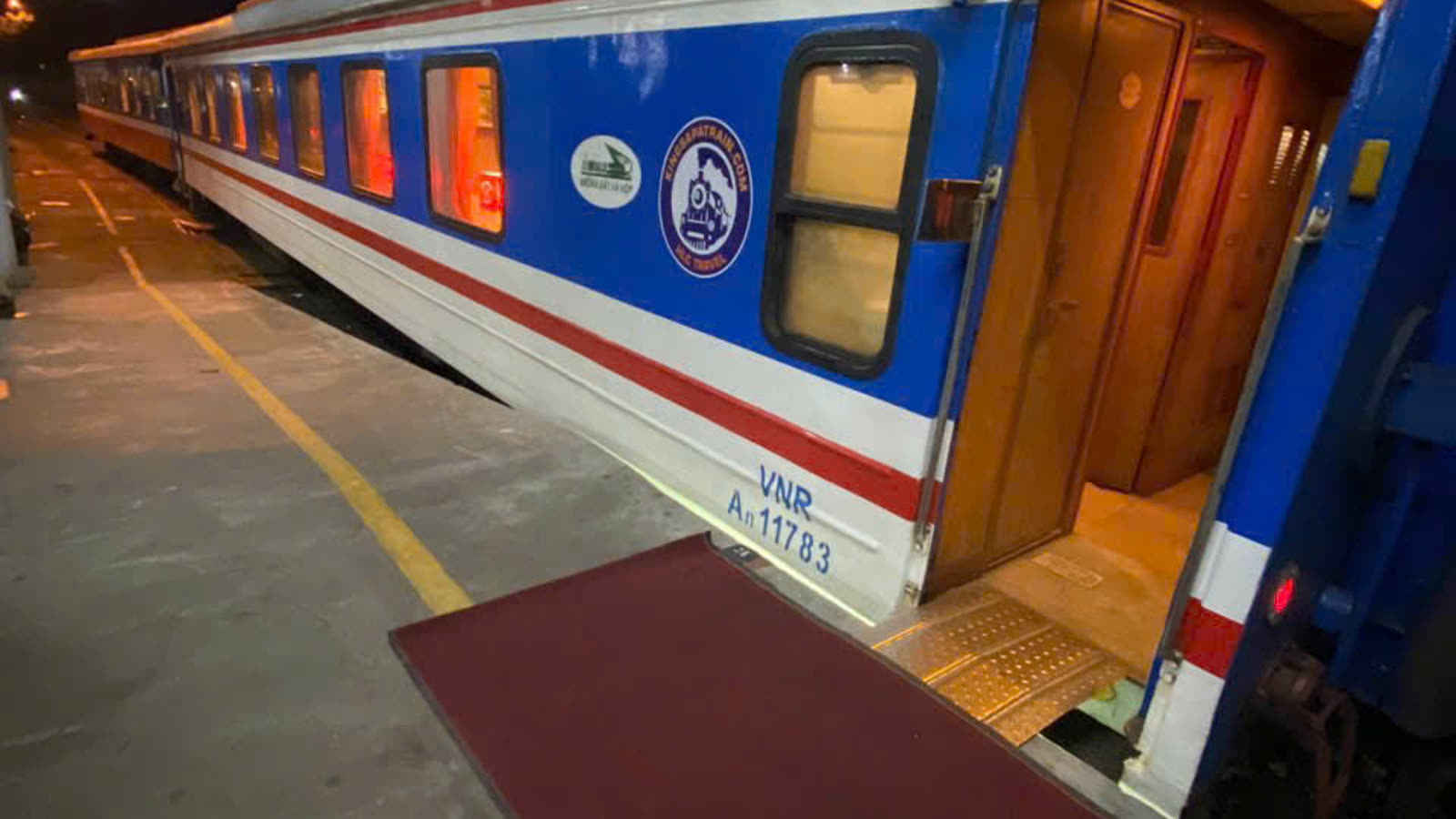 Best Sleep
Overnight Train
King Sapa Train & Chapa Express · ~8 hrs · No mountain road at night
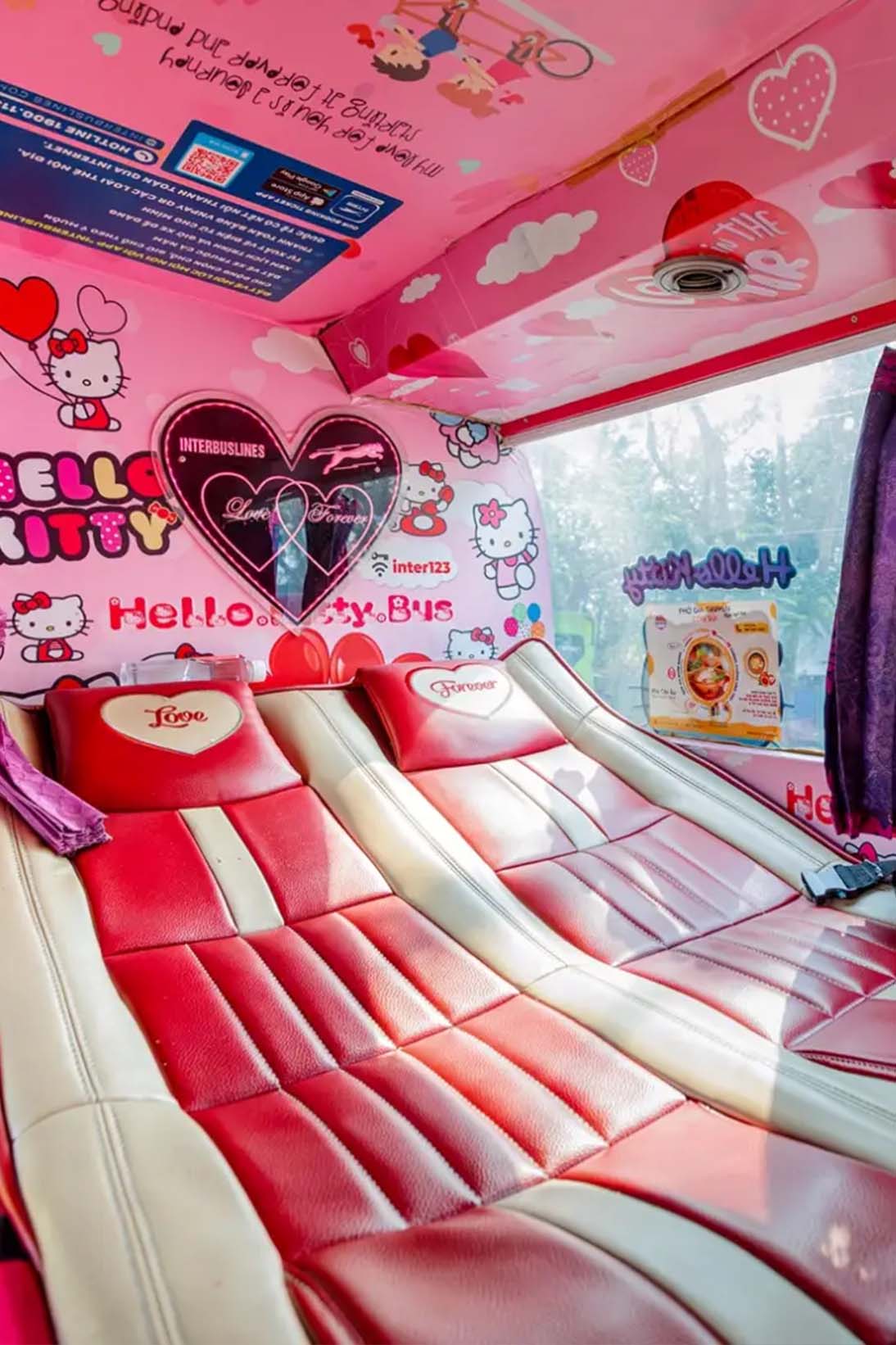 Fastest
Limousine Van
Door-to-door express · ~5–6 hrs · Straight to Sapa town
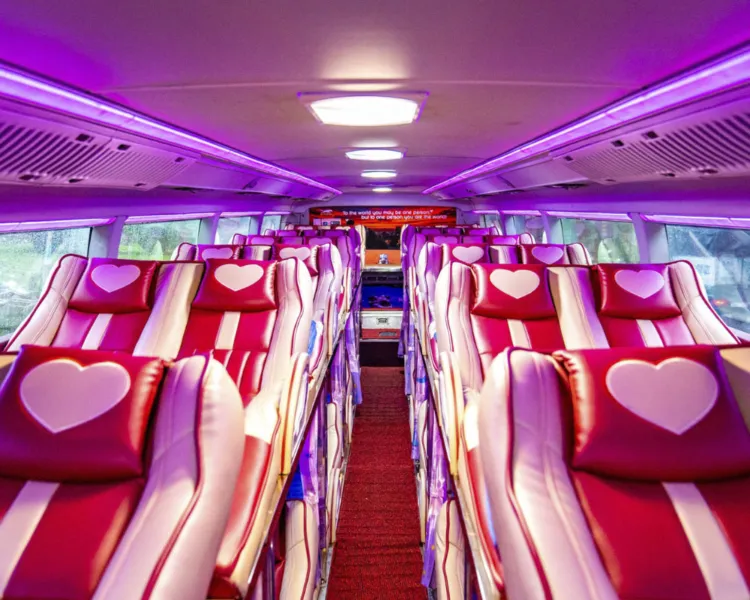 Cheapest
Sleeper Bus
Cabin & sleeper options · 5–6 hrs · Direct to Sapa
Most Flexible
Private Car
Groups & families · ~5–6 hrs · Any departure time
The road up to Sapa is a genuine mountain pass with switchbacks. If you or a travel companion are prone to car sickness, take something before you leave the station — an hour of hairpin bends first thing in the morning, on top of a night's train travel, catches people out. Sit up front if you can, and keep water within reach.
King Sapa Train vs the road: which should you book?
The honest answer is that the train wins on comfort and experience, while the road wins on speed, price, and actually reaching Sapa. If you sleep badly on moving vehicles, or you simply want the journey to be part of the holiday, take the King. If you want to be on the trail as fast and cheaply as possible, take a limousine van. And the train is often the more reliable choice in bad weather — when heavy rain or a landslide hits the mountain highway in the June-to-August wet season, the railway keeps running on its own dedicated line while road transfers can be delayed. Here is the trade-off laid out plainly across all three ways to travel.
| Option | Time (door to door) | From | Best for |
|---|---|---|---|
| King Sapa Train + transfer | ~9–10 hrs overnight | $40 / person | Comfort, sleep, avoiding the night road, saving a hotel night |
| Limousine Van | ~5–6 hrs | $30 / person | Speed, door-to-door drop-off, straight to Sapa town |
| Sleeper Bus | ~5–6 hrs | $17 / person | The tightest budget, direct to Sapa |
One more nuance worth knowing before you decide. The King only runs at night, so if you actively want to see the countryside — the delta paddies, the limestone hills, the climb into the mountains — a daytime van or the SP8 day train gives you scenery the overnight service simply passes in the dark. Match the choice to what you value: rest, or the view.
King Sapa Train vs Chapa Express
Travellers often ask us to compare the King Sapa Train with the Chapa Express, the other well-known private operator on this line. Both run to the same overnight schedule, both terminate at Lao Cai, and both are a genuine step up from a standard state carriage. The practical difference is range and price: the Chapa Express sells five classes topping out in a lavish Suite Queen, and its fares run higher; the King keeps things to four well-judged classes at friendlier prices, which is why it is the sleeper we book most for our own guests. If you'd like the full breakdown of the alternative, read our companion Chapa Express train review — and if you're still unsure which suits your trip, just message us and we'll steer you to the right cabin on the right train.
Longer Sapa Adventures
Most Loved
Rice Terraced Fields & Homestay
Two days deep in Muong Hoa Valley — perfect bookended by two overnight trains.
Experience The Real Sapa
Three days through quieter valleys the day-trippers never reach — our signature route.
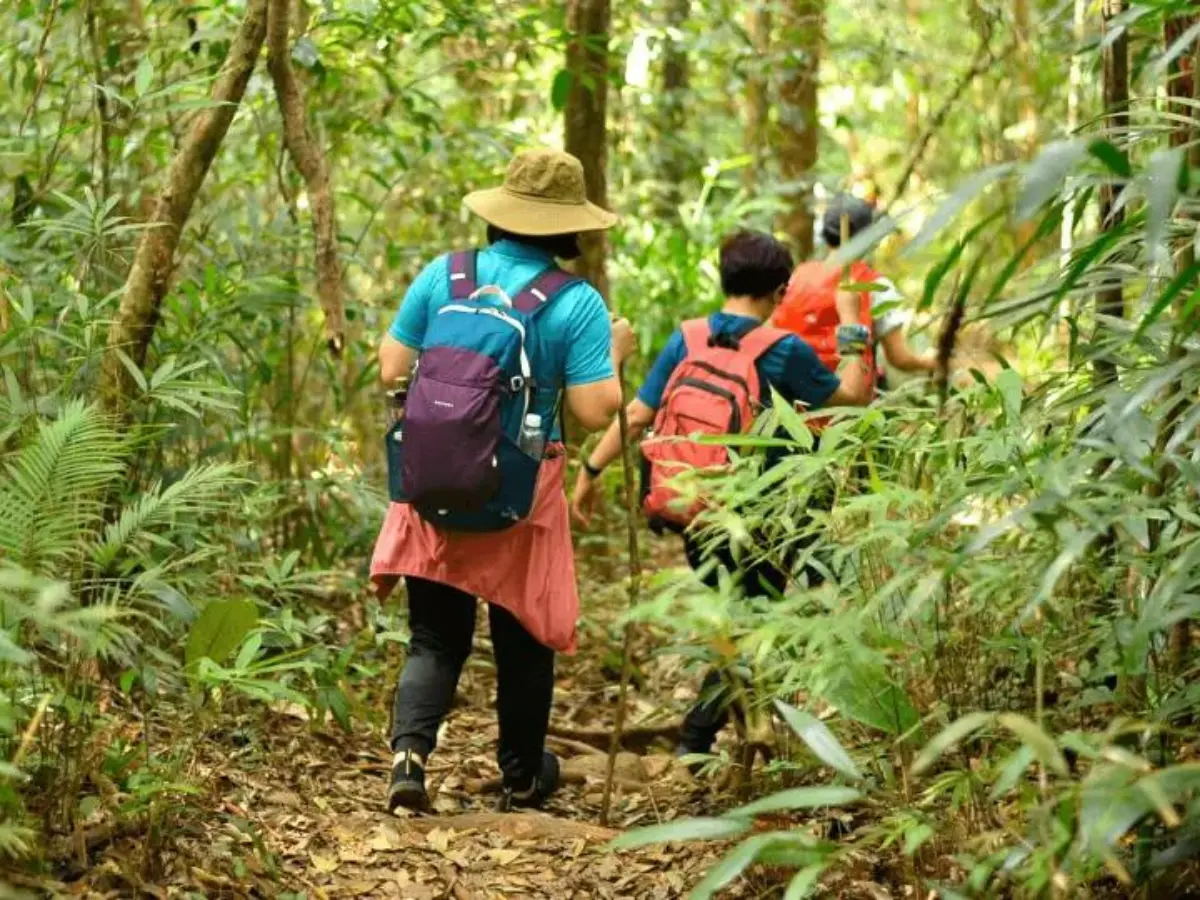
Fansipan Trek One Day Tour – Roof of Indochina
Summit Indochina's highest peak — a big day out that pairs well with the train's early arrival.
Dining, service and comfort on board
The King Sapa Train carries a restaurant car, so unlike a bare sleeper you can grab a hot bowl or a drink onboard rather than depending entirely on what you brought from Hanoi. That said, this is still a train built around a good night's rest, not a dining experience — I'd have a proper dinner in the Old Quarter before you board, and treat anything onboard as a nice extra. Each cabin has power outlets to charge through the night and Wi-Fi that works when the terrain allows. The crew pass through shortly after departure to help with beds and answer questions, and in the Suite and VIP cabins the welcome tray is waiting when you arrive.
Comfort-wise, the air-conditioned cabins hold a steady temperature, but personal preference varies, so a light layer is wise — the delta can be warm at boarding and the mountains are cool by dawn. Bring an eye mask if you're a light sleeper and a downloaded film or book for the stretch before you drift off. None of this is complicated; the King gets the fundamentals right, which for an overnight train is exactly what you want. Arrive rested, and you've got a full day in Sapa ahead of you instead of a groggy recovery morning.
How to book the King Sapa Train and can you cancel?
Booking is straightforward: message us on WhatsApp with your travel date and cabin choice, and we confirm availability within 5 to 10 minutes during working hours. We'll hold your cabin, arrange the Lao Cai–Sapa transfer, and slot the whole journey into your trekking itinerary, so it's one seamless plan rather than three separate bookings to juggle. Because we book this line every week, we also know which departures fill first and can steer you to the right train and the right cabin.
On timing, we ask that you book at least two days before you'd like to travel — it gives us room to confirm your cabin, line up the transfer, and match everything to your trek. Cabins on the popular Friday, Saturday, and holiday departures sell out well ahead during the September–October harvest peak and around Vietnamese public holidays, so those are the dates to lock in early. Cancellation is free up to 30 days before departure; closer in, charges rise as the date approaches, so the rule of thumb is simple — book once your dates are firm.
Whether you choose the King Sapa Train, a van, or a bus, message us at least two days before you'd like to travel. It gives us time to confirm your cabin or seats, arrange the Lao Cai transfer, and line everything up with your trek — so your Hanoi-to-Sapa journey runs without a hitch.
Rent at Our Office Before You Trek
 Gear Rental
Trekking Boots Rental
Waterproof ankle-support boots. Cleaned and checked before each rental. Available at 105 Thach Son Street.
 Gear Rental
Walking Poles Rental
Trekking poles available to rent at $2/day at our office, 105 Thach Son Street. Essential for descents.
Frequently Asked Questions
No. The King Sapa Train runs overnight between Hanoi and Lao Cai station. Lao Cai is about 38 km (24 miles) from Sapa town, roughly a 45-minute to 1-hour drive up the mountain. You finish the trip by shared minivan, private car, or taxi. We arrange the Lao Cai to Sapa transfer for you when you book.
King Sapa Train fares are 40 USD per person for a bed in a shared 4-berth Deluxe cabin and 45 USD per person in a 4-berth Suite. Private cabins are sold whole for two: the VIP Twin with two single beds is 180 USD per cabin and the VIP Double with one double bed is 210 USD per cabin. The Lao Cai to Sapa transfer is separate, from about 5 USD per person on the shared minivan.
The 4-Berth Deluxe and 4-Berth Suite are sold per person as one bed inside a shared four-person cabin, so unless your group fills the cabin you may share with other travelers. The Private VIP Twin and Private VIP Double are sold as a whole cabin for two adults, with your own lockable door and no strangers.
Northbound to Lao Cai, the King Sapa carriages run on the evening departures — typically the SP3 at around 22:00 and the SP7 at around 22:40 — arriving Lao Cai near dawn. Coming back, the SP4 leaves Lao Cai in the late evening while the SP8 is a daytime service, so you can pick an overnight or a day return.
The train itself takes about 8 hours overnight from Hanoi to Lao Cai. Add roughly 45 minutes to an hour for the Lao Cai to Sapa road transfer. Most travelers board late in the evening, sleep through the ride, arrive in Lao Cai near dawn and reach Sapa town by early morning.
Message us on WhatsApp with your travel date and cabin choice and we confirm within 5 to 10 minutes. We suggest booking at least two days before you travel so we can hold your cabin and line up the Lao Cai transfer. Cancellation is free up to 30 days before departure, then charges rise as the date approaches, so book once your dates are firm.