Most travelers arrive in Sapa without the right gear and realize it at 7am on the first wet morning. The good news is that you can fix almost anything in two hours of shopping on Cau May Street. I have guided thousands of people through the rice terraces of the Muong Hoa Valley and across the ridges above Ta Van, and the gear failures I see repeat themselves every season: sports shoes on clay after rain, no rain jacket in June, and walking poles left behind because someone thought they could manage without. This guide tells you exactly what you need, where to get it, and what not to waste money on.
Sapa town is a proper trekking hub with a fully developed gear market. Whether you need a full kit from scratch or just a poncho and a pair of socks, you will find it here. The prices are honest by regional standards, and the shop owners on Cau May generally know what the trails actually demand — most of them have climbed Fansipan themselves.
Where the Trekking Stores Are
Sapa's gear market is concentrated in four areas, each with a different price point and product mix.
Cau May Street is the main strip. Around 15–20 shops sell everything from boots and sleeping bags to quick-dry clothing, rain ponchos, walking poles, and merino wool base layers. The stores here are open from 8am to 9pm every day, including during Tet. If you arrive in Sapa and need a full kit before your trek the next morning, this is where you go. Quality ranges from very good to functional-but-cheap, and prices are negotiable at most stores. Budget around 1–2 hours if you need to try on multiple items.
Ham Rong Street runs closer to the mountain trail entrance that leads up toward Hang Da and the ridgeline above town. A handful of stores here cater to last-minute purchases — poles, socks, basic rain gear — for people who have already started walking and realized they are missing something. Selection is narrower than Cau May, but the location is convenient if your hotel is on that side of town.
The central market area (Cho Sapa) is the place for the cheapest options: locally produced ponchos, basic rain gear, buffs, thin gloves, and the kind of quick-dry shirts that cost 80,000–100,000 VND and survive one wet season. Genuine outdoor brand gear is not sold here. If you need a cheap backup poncho or a few pairs of walking socks for a trip that does not involve a serious mountain route, the market is efficient and inexpensive.
Trekking Tour Sapa office at 105 Thach Son Street is the starting point for every trek we run. Walking poles and waterproof boots are available to rent at $2/day each — book online at our gear rental page or just show up the morning of your trek. We also carry backup rain ponchos for emergency use during tours, and there is free secure bag storage so you can leave your main luggage while you are on the trail.
If you are arriving in Sapa the evening before your trek, walk Cau May Street at around 6–7pm. The light is good, the stores are at their quietest, and you have time to compare options without rushing. Most Cau May sellers are used to guiding solo travelers through what they need — tell them how many days you are trekking and they will give you a practical shortlist.
What to Rent vs What to Buy
The rent-vs-buy decision depends mostly on how many days you are trekking and what you will do with the gear afterward. Here is the practical breakdown.
Rent
Rental is available from most stores on Cau May Street and at our office at $2/day for poles and boots.
- Walking poles: 30,000–50,000 VND per day ($1.20–2 USD) at Cau May Street stores. Also available at the Trekking Tour Sapa office for $2/day. Worth renting rather than buying unless you trek frequently — a quality pair costs 400,000–700,000 VND and most travelers do not want to carry them home.
- Rain poncho: 50,000–80,000 VND per day rental at most stores, or 60,000–100,000 VND to buy cheaply and leave behind. If you are doing one trek, renting makes sense. If you plan multiple outings, the cheap buy-and-leave option is better value.
- Waterproof jacket (basic): 80,000–120,000 VND per day. The rental jackets at most Cau May stores are functional but not Gore-Tex. Fine for a day of light rain on a lower-altitude trail. Not adequate for a summit approach on Fansipan or a multi-day trek in heavy rain.
Buy
- Hiking boots or trail shoes: If your shoes are not waterproof, buying a pair here will save your trip. Expect 300,000–800,000 VND ($12–32 USD) for functional options in the mid-range. The clay and limestone trails above Lao Chai and Ta Van become genuinely slippery after rain, and sports shoes offer no grip on wet root sections.
- Merino wool or moisture-wicking socks: 3 pairs for 150,000–200,000 VND at outdoor stores. Wet socks cause blisters faster than anything else on the trail. These are worth buying if you did not bring adequate pairs from home.
- Quick-dry t-shirts: 80,000–150,000 VND each. Light, dry fast, and worth having when Sapa's humidity hits 90% in summer. Cotton shirts stay wet for hours after a river crossing or a sudden downpour.
- Waterproof backpack cover: 50,000–80,000 VND. Essential if your pack does not already have a built-in cover. Camera gear, extra layers, and your day's food do not benefit from a soaking on the descent from Sa Seng Mountain.
Bring From Home
- Full-face sunscreen (SPF 50+): Available in Sapa but at tourist-price markup. Bring from home or buy in Hanoi before you travel north.
- Insect repellent (DEET-based): The trails through Hang Da and Hau Thao have mosquitoes in the early morning from May through September. Local options exist but are weaker — DEET 30–50% from home is more reliable.
- Blister plasters (Compeed): Not sold in Sapa. Standard plasters are available, but Compeed specifically is imported and rare. If you are prone to blisters, bring a full pack.
- Headlamp (for multi-day treks above 2,000m): A basic headlamp is available on Cau May Street, but quality and battery life are unpredictable. For a Fansipan summit start or any trek that involves an early-morning departure from a homestay, bring your own.
- Your own properly fitted trekking boots: If you have them, bring them. No rental boot is as comfortable as your own broken-in pair. The trails between Y Linh Ho and Ta Van involve 12–15 km / 7–9 miles of walking — foot comfort matters significantly by the second half of the day.
| Item | Decision | Price in Sapa |
|---|---|---|
| Walking poles | $2/day at TTS office | 30,000–50,000 VND/day at stores |
| Rain poncho | Buy cheap | 60,000–100,000 VND to own |
| Waterproof jacket (basic) | Rent | 80,000–120,000 VND/day |
| Hiking boots / trail shoes | Buy quality | 300,000–800,000 VND |
| Moisture-wicking socks (3 pairs) | Buy | 150,000–200,000 VND |
| Quick-dry t-shirt | Buy | 80,000–150,000 VND each |
| Waterproof pack cover | Buy | 50,000–80,000 VND |
| Sunscreen, insect repellent, blister plasters | Bring from home | Overpriced or unavailable locally |
Gear Quality — Genuine vs Replica
Cau May Street sells both genuine outdoor brand gear and replicas. Understanding the difference will save you from buying a rain jacket that soaks through by lunchtime on your first wet trail day.
Genuine products are available. North Face, Columbia, and Mammut genuine products are stocked at several Cau May Street stores, usually imported via distributors in Hanoi. Prices run at 60–80% of Western retail — a genuine North Face Venture jacket that costs $100 in the US or UK will be around $65–80 here. Quality is genuine; these are not grey market items but legitimate products sold through Vietnamese authorized channels.
The majority of cheap gear is replica. A North Face rain jacket for 250,000 VND ($10 USD) is not a real North Face jacket. The branding is identical. The fabric is not. Replica gear is made with unrated synthetic materials that offer water resistance for short periods in light rain, then saturate. For a 1-day trek in dry conditions on an easy trail, replica gear is genuinely functional. For a 3-day wet-weather multi-day trek through the Muong Hoa Valley, it will fail by day two.
How to tell the difference: Genuine waterproof gear uses branded membranes — Gore-Tex, OutDry, H2No — and this will be stated on an attached tag with a product code, not just verbally by the seller. The zipper quality is the most reliable signal: genuine outdoor brands use YKK zippers, which pull smoothly and have the YKK stamp on the zipper pull. Replica zippers are noticeably stiffer and have no branding. Price is also a clear signal — if it feels too cheap for the brand name shown, it is a replica.
Replica waterproof boots look identical to genuine trail shoes in the store. The way to tell: genuine waterproof membranes (Gore-Tex, OutDry) will be mentioned in the store's written label, not just verbally. Replica "waterproof" boots are water-resistant for about 45 minutes on a wet trail, then soak through. For 1-day treks in dry conditions: fine. For multi-day treks or rain season (May–September): spend the extra money. Cold, wet feet on a 6-hour trail through the rice paddies above Ta Phin are not a comfort issue — they become a safety issue if the temperature drops.
What You Actually Need for Each Trek Type
The gear required changes significantly depending on which route you are doing, which season you are visiting in, and how long you are out on the trail. Here is a practical reference by trek type.
| Trek Type | Walking Poles | Waterproof Jacket | Good Boots | Rain Poncho |
|---|---|---|---|---|
| 1-Day Easy (dry season) | Nice to have | Optional | Comfortable shoes fine | Optional |
| 1-Day Easy (wet season, May–Sep) | Recommended | Yes | Waterproof preferred | Yes |
| 2D1N with homestay | Yes | Yes | Waterproof | Yes |
| 3D2N or longer | Yes | Yes, quality | Proper trekking boots | Yes |
| Fansipan summit trek | Mandatory | Quality Gore-Tex | Ankle-support trekking boots | Yes |
One thing I see every season: people underpacking for the 2D1N routes because the first day looks easy on paper. The trail from Y Linh Ho to Lao Chai is well-graded, but the second day — particularly the climb back from Ta Van toward the drop-off point — involves sustained uphill on clay paths that drain slowly after rain. Walking poles and proper grip make a real difference on day two when your legs are already tired.
Our Office — What We Provide
When you book a trek with us and arrive at 105 Thach Son Street on the morning of your trek, here is what is already waiting for you:
- Walking poles — available to rent at $2/day. Ask at check-in and we will set them to your height. We carry enough pairs for full group bookings.
- Backup rain ponchos — if rain arrives unexpectedly mid-trek, we carry ponchos in the guide's pack. These are emergency use, not for replacement if you forgot to bring your own, but we have never left a customer wet on the trail without a solution.
- Secure bag storage — leave your main luggage at the office while you are out. Free of charge. Your bag is locked in a designated storage area and waiting for you when you return. This matters especially on 2D1N treks where you carry only a light daypack to the homestay.
If you are arriving in Sapa the evening before your trek, message us on WhatsApp and tell us what gear you are unsure about. We will reply within 10 minutes and give you a specific list of what to buy and where on Cau May Street. No general advice — we will tell you the exact store section and the price you should pay.
Fully Equipped? Book the Trail.
 Best Seller
Trekking Through Rice Terraced Fields
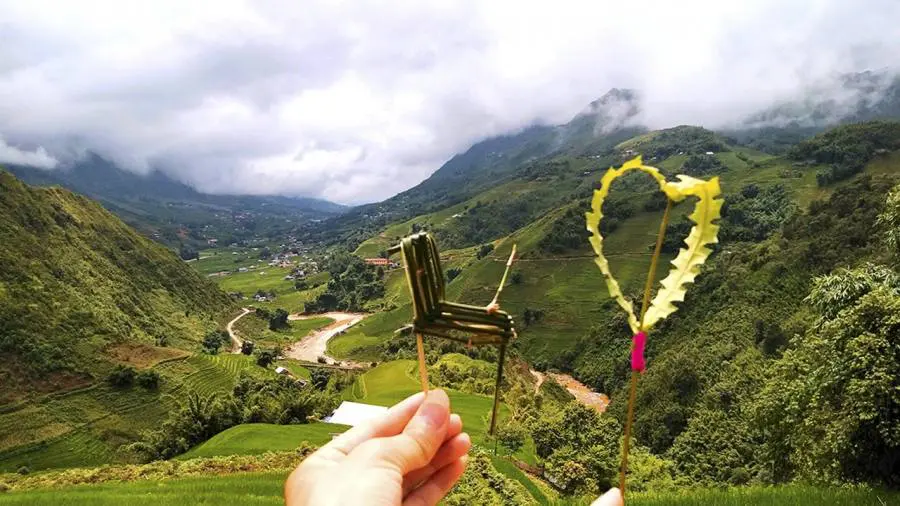
Walking poles provided at the office. 12 km round trip on good trail through Lao Chai and Ta Van.
2D1N Rice Terraced Fields & Homestay
Pack light — your guide carries emergency gear. Ponchos available at the start of the trek.
Fansipan Trek One Day
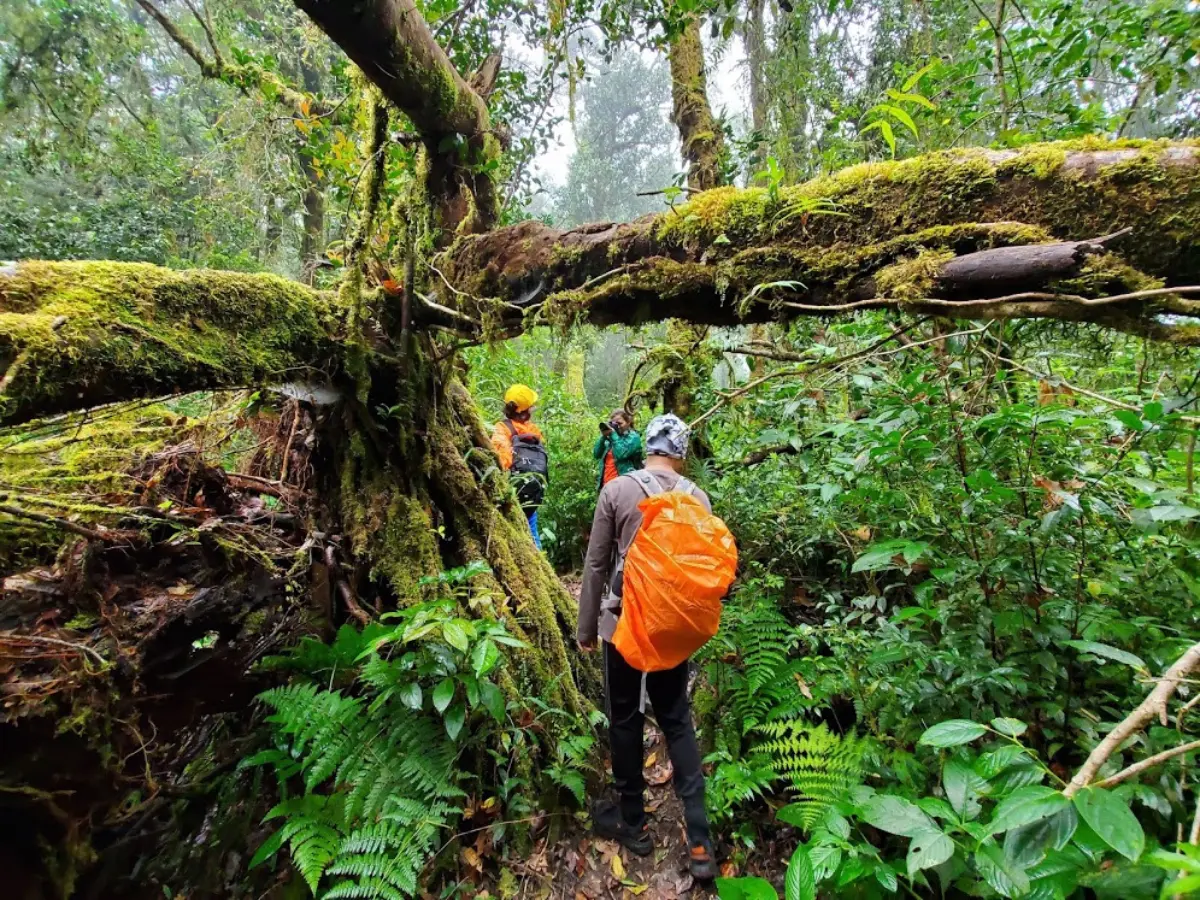
This route requires proper trekking boots and a quality rain layer — no exceptions.
Gear Ready? These Trails Are Waiting
Best Seller
Trekking Through Rice Terraced Fields
12 km on good trail through Lao Chai and Ta Van. Walking poles available to rent at $2/day at our office.
Mountain Views and Villages Trek
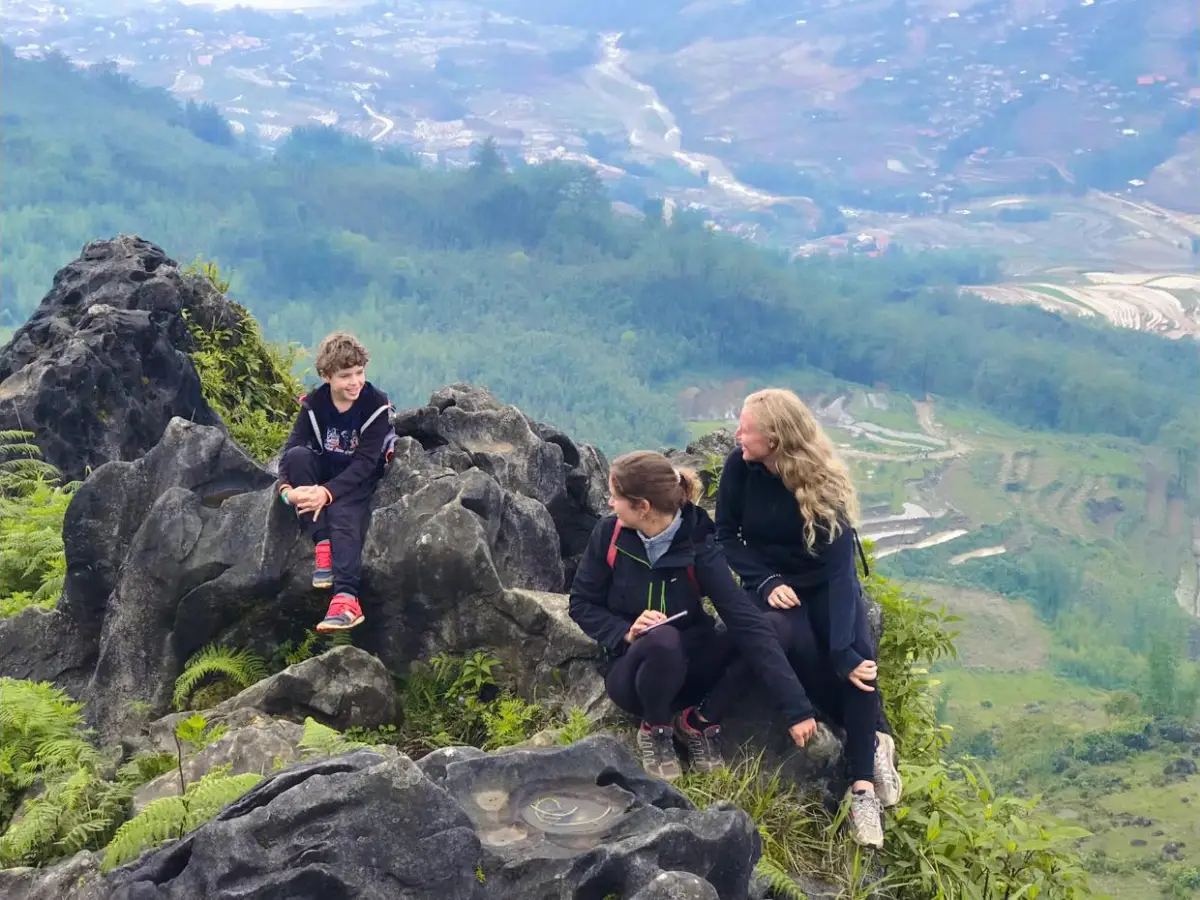
Ridge trail with panoramic valley views. Good boots recommended — rent at our office for $2/day.
 Very Easy
Sapa Easy Trekking For Seniors
Flat trail, slower pace, full private group. Walking poles and soft-sole boots essential — both available at our office.
Rent at Our Office Before You Trek
Gear Rental
Trekking Boots Rental
Waterproof ankle-support boots. Cleaned and checked before each rental. Available at 105 Thach Son Street.
 Gear Rental
Walking Poles Rental
Trekking poles available to rent at $2/day at our office, 105 Thach Son Street. Essential for descents.
Frequently Asked Questions
Yes — Cau May Street in Sapa town has around 15–20 outdoor gear shops. They stock everything from boots and rain jackets to walking poles, quick-dry clothing, and sleeping bag liners. Prices are generally lower than Western outdoor retailers.
Yes — rental is available from stores on Cau May Street for 30,000–50,000 VND per day. Trekking Tour Sapa also rents walking poles at $2/day at our office at 105 Thach Son Street.
Some are, some are replicas. Genuine outdoor brand gear is available at a handful of higher-end shops, usually at 60–80% of Western retail. The majority of cheap branded gear on Cau May Street is replica. Ask the seller directly and check for YKK zippers and correct label stitching.
Comfortable walking shoes (waterproof preferred), a light rain layer or poncho, sunscreen, water (1.5 litres minimum), and a small daypack. Walking poles are highly recommended for the descents — available to rent for $2/day at our office.
Not necessarily. Unless you need specialty items like quality trekking boots already broken in, most gear needs can be met in Sapa on arrival. Budget 1–2 hours for shopping if you are arriving without gear.
Most stores stock similar inventory — the quality differences are in the proprietor's sourcing. Stores in the upper section of Cau May (closer to the main Sapa square) tend to stock higher-end options. Look for stores that display actual brand certificates on the wall, not just logos.