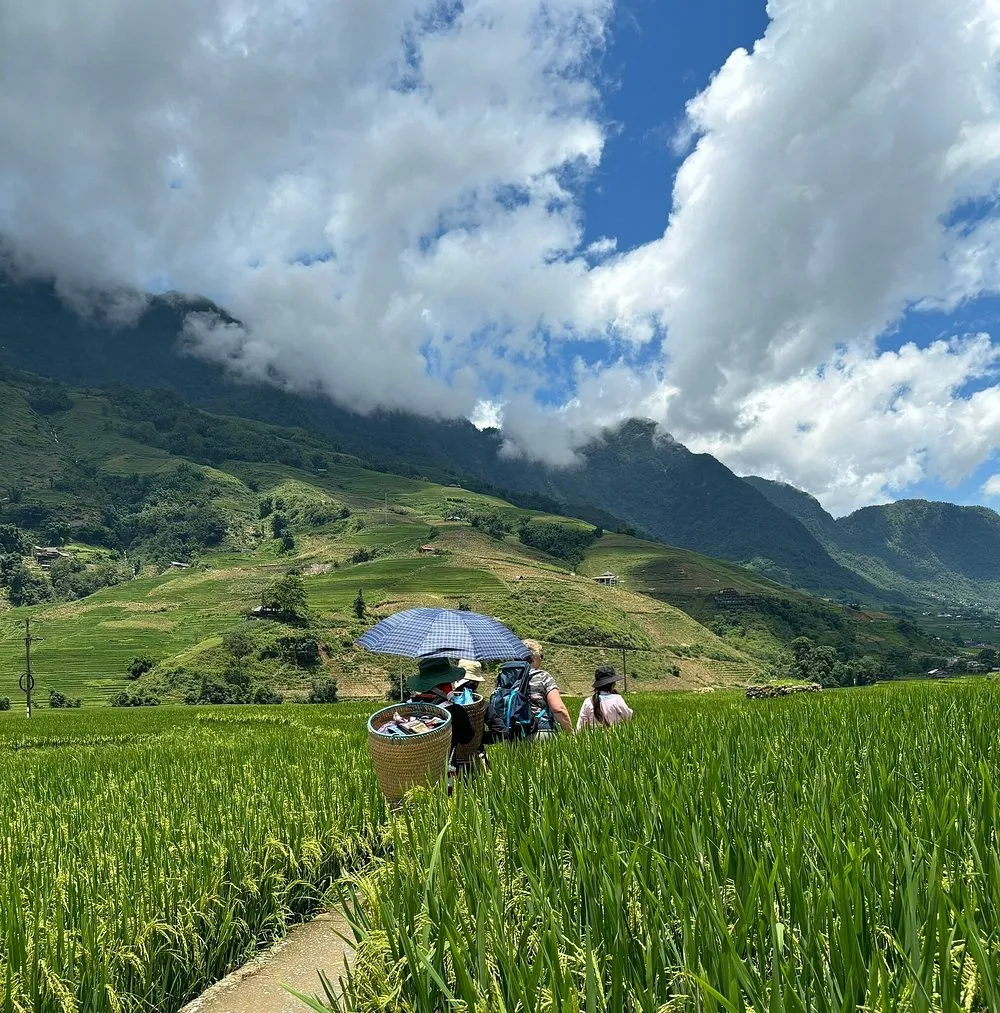
 Sinh Giang
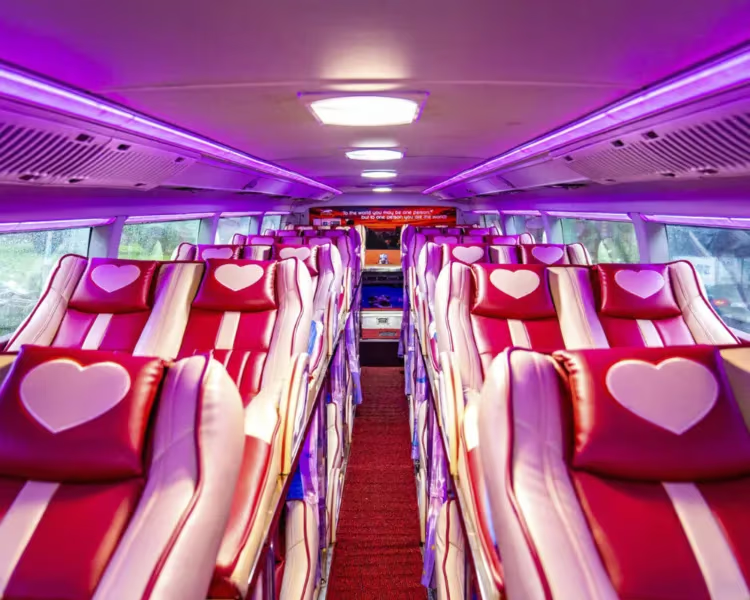
Getting to Sapa is part of the adventure. There's no airport up here in the mountains, so every traveler makes the same journey overland from Hanoi — roughly 320 kilometres north-west, climbing from the Red River delta into the Hoang Lien Son range. The good news is that it's easy, scenic and cheaper than you'd expect, and you have several genuinely good options: a comfortable limousine van, an overnight sleeper bus, the old-school night train, a private car, or — for the brave — your own motorbike.
This guide lays out every option honestly: how long each takes, what it costs, how comfortable it is, and who it suits, plus exactly how the journey works so you arrive relaxed and ready to trek. We run the Hanoi–Sapa transfer ourselves, day in and day out, so this is the practical, current version — not a years-old blog post quoting the train that barely runs anymore. If you already know how you want to travel and just need exact departure and arrival times, our companion Hanoi to Sapa timetable lists every day and overnight departure in both directions.
The short version, if you're in a hurry: most travelers are happiest on a limousine van by day or a sleeper bus overnight. But let's look at all of them so you can pick the one that fits your trip.
One thing worth understanding up front: until about a decade ago, the only realistic way to reach Sapa was the slow night train, because the old road was narrow, winding and slow. Then the Noi Bai–Lao Cai expressway opened, cutting the drive almost in half, and buses and vans took over. That's why a lot of older advice online still over-sells the train — this guide reflects how people actually travel to Sapa today.
Hanoi to Sapa at a Glance
The journey in four numbers, before we get into the options.
Every Option Compared
Here's the whole picture at a glance — the five ways to get from Hanoi to Sapa, side by side, so you can match one to your budget, your schedule and your comfort level.
| Option | Time | From | Comfort | Best for |
|---|---|---|---|---|
| Limousine van | 5.5–6.5 hrs | $18 | High | Most travelers, daytime |
| Sleeper bus | 6–7 hrs | $17 | Medium | Budget, overnight |
| Train + transfer | ~8 hrs (overnight) | $45 | Medium–High | Old-school romance, nervous road travelers |
| Private car | 5–6 hrs | $230 / car | Highest | Families, comfort, flexibility |
| Motorbike | 1–2 days | fuel only | Low | Experienced riders only |
Since the Noi Bai–Lao Cai expressway opened, the road journey has dropped to about five and a half hours, which is why buses and vans have overtaken the train as the most popular choice. Below, each option in detail.
A note on prices and times: the figures above are typical 2026 ranges and vary by operator, season and exactly where you start and finish. Times assume the now-standard expressway route; a rest stop is built into every road journey. Whatever you pick, the last stretch up to Sapa town climbs into the mountains, so the final 45 minutes are slower and more winding than the highway that precedes them.
Distance-wise, think of it as two halves: the first two-thirds is fast, modern expressway across the lowlands, and the final third climbs off the highway at Lao Cai and winds up into the mountains. That climb is where the views begin — terraced hillsides, deep valleys and often cloud — so if you travel by day, keep your camera handy for the last hour.
Limousine Van — The Sweet Spot
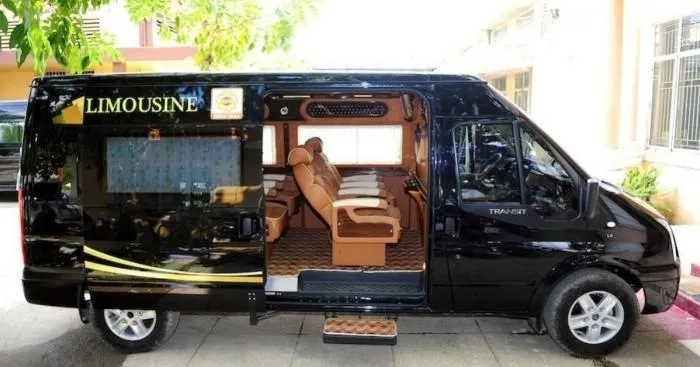
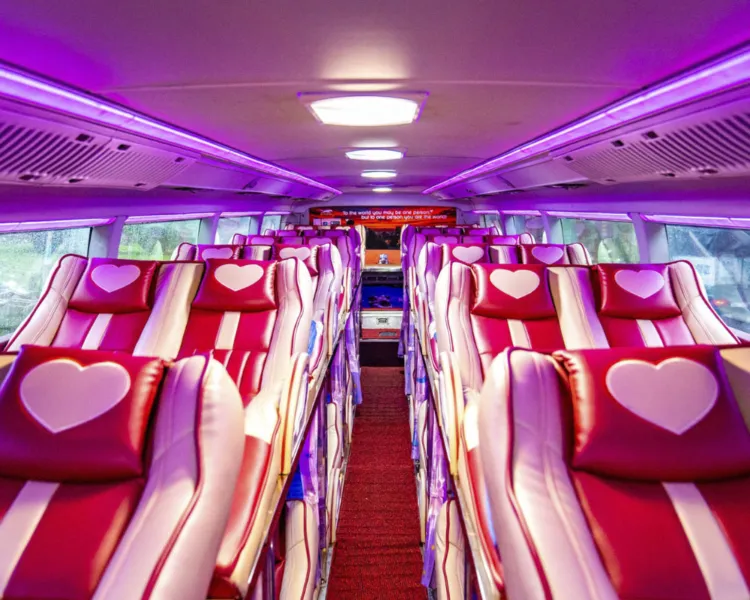
For most travelers, the limousine van is the best balance of comfort, speed and price. These are not the old cramped minibuses: a "limousine" in Vietnam means a refitted van with a handful of wide, reclining leather seats, air-conditioning, water and Wi-Fi, running door-to-door from your Hanoi Old Quarter hotel to your Sapa hotel in about five and a half hours. There are daytime and evening departures, and because it picks you up and drops you off, there's no faffing with taxis at either end.
It's our most recommended option for daytime travel — you get the scenery of the expressway and the mountain climb, arrive rested, and pay only a little more than the bus. Book a seat or two in advance, especially in peak season, and you're sorted.
Vans run frequently through the day and into the evening, so you can usually find a departure that suits your schedule, and the small-vehicle size means fewer stops and a quicker door-to-door time than a big coach. It's the option we point most first-time visitors to: low stress, genuinely comfortable, and barely more than the bus once you factor in that it takes you right to your hotel at both ends.
If you're prone to motion sickness, the van's reclining seats and forward-facing position are easier on the stomach than a sleeper-bus berth, and far easier than driving yourself; sit toward the front and take a tablet before the mountain section if you're sensitive. Most travelers, though, find the van journey relaxing — many simply doze, read or watch the scenery roll by.
Vans do have one limit worth noting: luggage space is more modest than a big coach, so if you are travelling with large or multiple suitcases, mention it when booking or consider a private car instead. For the daypack-and-one-bag traveler, though, there is plenty of room, and the trade-off of a smaller, nimbler vehicle is well worth it.
Book Your Comfortable Transfer
Sleeper Bus — The Budget Overnight
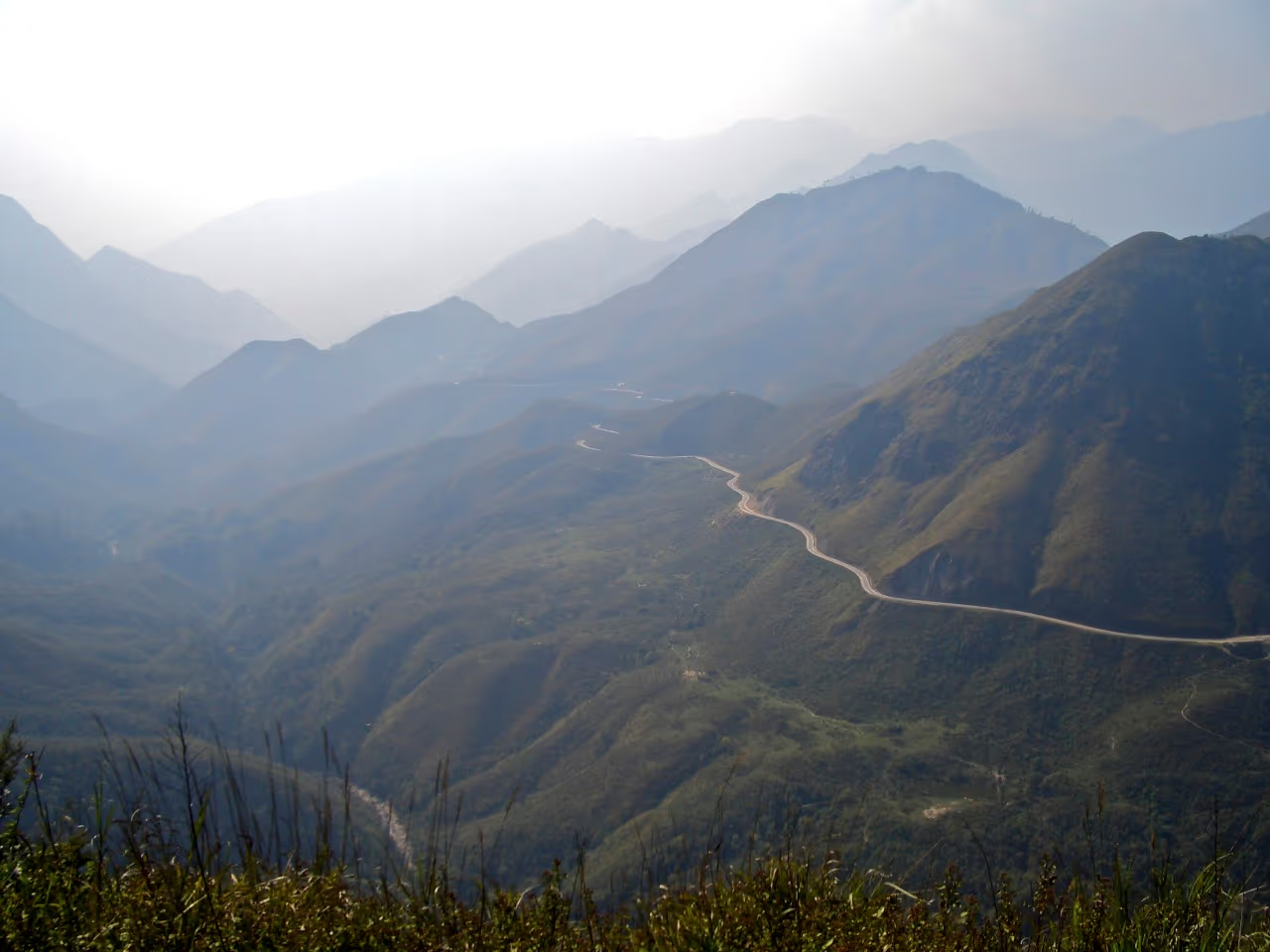
The overnight sleeper bus is the backpacker classic and the cheapest comfortable way to travel. Modern sleeper buses have rows of lie-flat berths (single pods, or cosy double cabins on the newer "cabin" buses), with blankets, charging points and curtains. You leave Hanoi around 10pm, sleep through the journey, and arrive in Sapa around dawn — which means you save a night's hotel and don't lose a daytime to travel.
It's not for everyone: the mountain road makes for a bumpy, swaying sleep, and light sleepers may struggle. But for budget travelers and anyone wanting to maximise their days, it's brilliant value, and the cabin-style buses in particular have made the overnight far more comfortable than it used to be. Choose a reputable operator and a berth toward the middle of the bus for the smoothest ride.
Worth knowing: sleeper buses in Vietnam are no-shoes vehicles — you'll be given a plastic bag for your footwear at the door — and the berths are sized for average frames, so very tall travelers can find them a squeeze. Bring socks, an eye mask and earplugs, keep your valuables in the berth with you rather than in the hold, and you'll travel comfortably. For the price, it remains one of the best-value overnight journeys in Vietnam.
Train — The Old-School Way
For decades the night train was the way to reach Sapa, and it still has a romance the buses can't match. Vietnam Railways and private operators run overnight services from Hanoi to Lao Cai, with soft-sleeper cabins of four berths (private cabins available on the tourist carriages). You board in Hanoi in the evening, rattle north through the dark, and arrive in Lao Cai in the early morning — from where it's still about an hour by bus or taxi up the mountain to Sapa town itself.
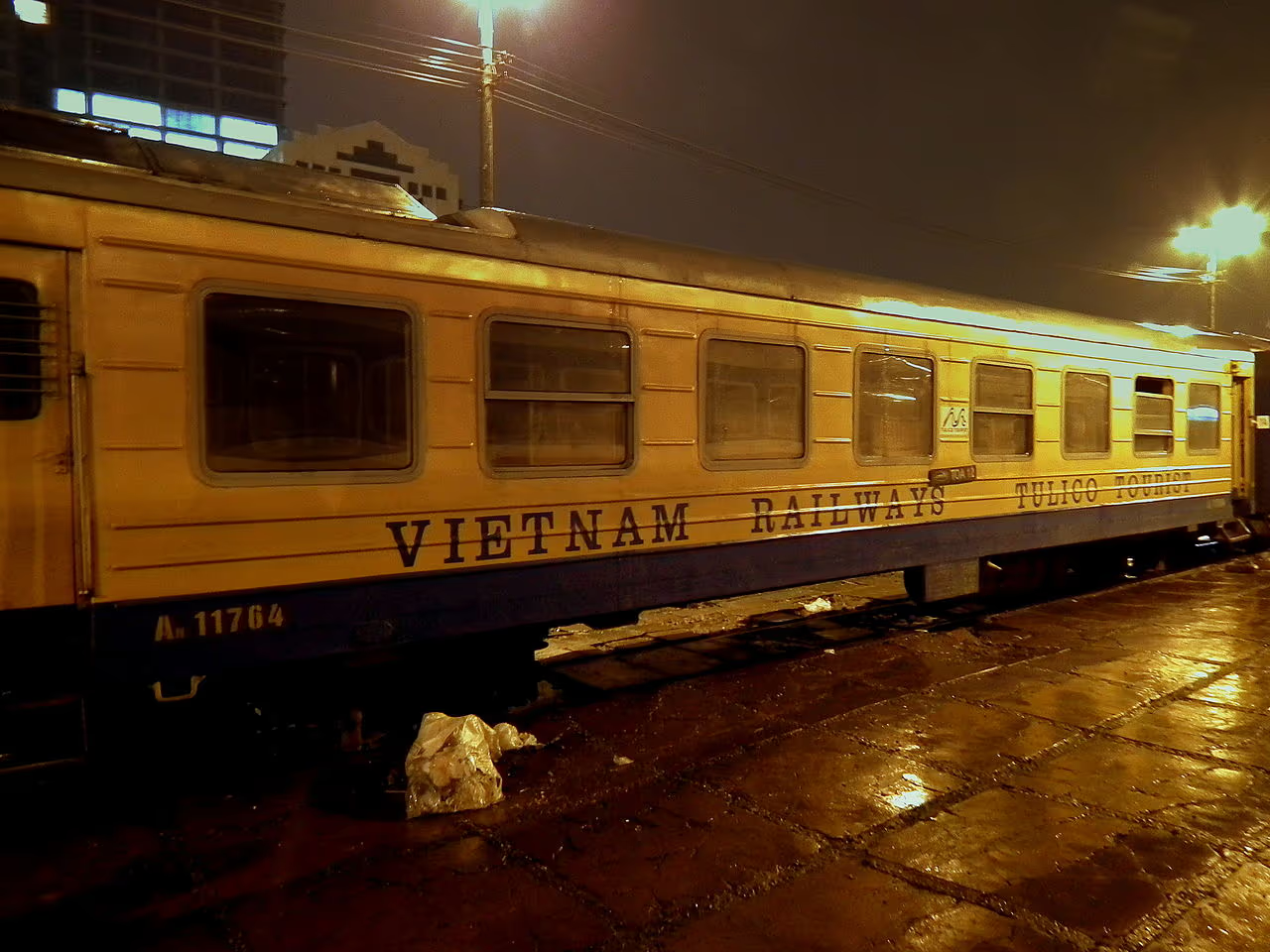
The train is slower overall than the bus (you still need the Lao Cai–Sapa transfer at the end) and usually a bit pricier, so most travelers now choose the direct bus or van. But if you love train travel, get motion-sick on winding roads, or want a gentler, flatter overnight, the sleeper train is a lovely, characterful choice — book a soft-sleeper or a tourist cabin rather than the hard-seat carriages.
How it works in practice: trains leave Hanoi station in the evening and reach Lao Cai in the small hours or early morning, where minibuses and taxis wait to run passengers the final 35 km (about an hour) up the mountain to Sapa. The private tourist carriages (operated by companies like Chapa, Victoria and others) are attached to the regular Vietnam Railways service and offer plusher cabins, bedding and sometimes breakfast. It's the most comfortable way to sleep en route — just remember the train doesn't actually reach Sapa itself.
There's also a nice way to combine the two: some travelers take the night train up to arrive fresh and relaxed, then book a comfortable daytime van back to Hanoi so they get to see the scenery in at least one direction. It's a lovely best-of-both approach if you have a soft spot for the railway but don't want to do the slower train both ways.
Private Car & Motorbike
A private car with driver is the most comfortable and flexible option, and best shared between a few people: door-to-door on your own schedule, with stops for photos or food along the way, in five to six hours. It's the top choice for families, groups, travelers with lots of luggage, or anyone who values comfort and privacy over saving money.
At the other extreme, riding a motorbike the whole way is possible and an adventure in itself, but it's a serious, two-day undertaking on busy highways and mountain roads — for experienced riders only, and honestly not something we'd recommend just to "get to" Sapa when a comfortable van costs so little. If you want the riding adventure, the Ha Giang Loop is the better place for it; for reaching Sapa, let someone else drive.
On cost, a private car makes most sense for three or four people travelling together: split between you, a full car works out at about $58 each one way, well above the van, but you get a vehicle to yourselves, your own schedule, and the freedom to stop at viewpoints or for lunch along the way. Solo travelers and couples on a budget will find the shared van or sleeper bus far better value — the private car is about comfort and control, not saving money.
Which Option Is Right for You?
Still deciding? Here's the quick local recommendation by traveler type. First-time visitors and couples who want comfort without overspending: take the daytime limousine van one way and an overnight service the other. Budget and backpacker travelers: the overnight sleeper bus (cabin style if you can) is unbeatable value and saves a hotel night. Families, groups and anyone with lots of luggage: a private car is worth the extra for the comfort, door-to-door service and freedom to stop.
And the edge cases: if you get carsick on winding roads or simply love trains, the night train to Lao Cai is the gentlest ride; if you're an experienced motorbiker chasing adventure, riding up is possible but better saved for the Ha Giang Loop. For the large majority of travelers, though, it comes down to the van (by day) versus the sleeper bus (overnight) — and you can't go wrong with either.
Whatever you choose, the single biggest comfort upgrade is booking a service that goes door-to-door and confirming your exact pickup point the night before. The difference between a smooth start and a stressful one in Hanoi's Old Quarter is almost always whether the vehicle knows where to find you — which is exactly the kind of detail we handle when you book a transfer with us.
It also pays to build a little buffer into your plans on arrival day. Mountain weather and traffic can add time, and you do not want a tight onward connection (or a trek start) the moment you step off a long journey. Arrive with a few hours to spare, settle into your hotel, and start fresh — Sapa rewards an unhurried first day far more than a rushed one.
How the Options Rate
Travel time and price aside, here's how our travelers rate each option overall for the Hanoi–Sapa journey — a quick gut-check when you're deciding.
The van and private car score highest for comfort and convenience; the bus and train rate well on value and character. The motorbike's lower score reflects the real effort and risk of riding the whole way — thrilling for some, exhausting for most.
How the Transfer Works, Step by Step
If you book a van or sleeper-bus transfer with us, here's exactly how it goes — so there are no surprises on the day.
Book ahead & share your hotel
Reserve your seat (a day or two ahead, more in peak season) and tell us your Hanoi hotel and Sapa hotel. We confirm the pickup window on WhatsApp.
Before you travelHotel pickup in the Old Quarter
The van collects you from your hotel (or a nearby corner if the lane is too narrow). No need to find a bus station — just be ready in the lobby at the pickup time.
DepartureThe journey — expressway & mountains
Smooth highway out of Hanoi, a rest stop around the halfway mark, then the scenic climb into the mountains. About 5.5 hours by van; overnight on the sleeper bus.
On the roadDrop-off at your Sapa hotel
You're delivered right to your accommodation in Sapa town — no transfer, no taxi haggling. Sleeper-bus travelers arrive around dawn.
ArrivalRest, then trek
Settle in, grab breakfast, and meet your guide. Most travelers trek the same day (afternoon) or the next morning — we'll line it up with your transfer.
That's the whole journey — genuinely straightforward. The only thing to get right is timing your arrival with your plans: if you take the dawn-arriving sleeper bus, you can often start an easy trek that same morning after breakfast; if you arrive by afternoon van, you'll usually trek the next day. Tell us your transfer details when you book and we'll schedule your guide to match, so no time is wasted at either end.
In SapaGetting to Sapa from Elsewhere
Coming from somewhere other than Hanoi? A few quick pointers. From Ha Giang, there are direct buses to Sapa (about 6–7 hours) so you don't have to backtrack to Hanoi — handy if you're combining the two northern highlights. From Ha Long Bay or Ninh Binh, the simplest route is usually back through Hanoi and onward, though some direct tourist buses run in peak season. From Da Nang, Hoi An or Ho Chi Minh City, fly to Hanoi first (Noi Bai Airport) and then take the van, bus or train up — there's no faster way, since Sapa has no airport of its own. Lao Cai, where the train terminates, is also the border crossing to/from Yunnan in China.
One more tip for multi-stop trips: you don't always have to return to Hanoi between destinations. If Sapa is part of a bigger northern loop with Ha Giang, ask about the direct mountain buses rather than backtracking. And if Sapa is your first stop after landing in Hanoi, you can go straight from Noi Bai Airport to Sapa on some services without overnighting in the city — handy if your flight lands early and you'd rather head for the mountains.
However you arrive, give yourself a little grace on the first morning: Sapa sits at altitude and the air is noticeably cooler and thinner than Hanoi, so a relaxed breakfast and a gentle start beat rushing straight onto a hard trail. That's part of why we often pair an overnight arrival with an easy first-day trek — you ease in, then go deeper on day two.
Finally, a quick word on what to carry on the journey itself: keep a warm layer, any medication, your phone and a power bank, water and some snacks in your daypack rather than the hold, so you have everything you need through the ride and on arrival. Everything else can stay in your main bag — and on an overnight trek, you can leave that main bag at your Sapa hotel and travel light to the homestay.
Getting Around Once in Sapa
Sapa town itself is small and walkable — you can stroll between hotels, restaurants, the lake and the market easily. For the trailheads and outlying sights, your trek includes transport, and otherwise taxis, the Grab app and rented motorbikes are all available. If you're trekking with us, you don't need to arrange anything: pickup and drop-off in town are part of every tour, so you can leave the logistics to your guide and focus on the mountains.
If you're not trekking with a guide, getting to the nearby villages is still easy: Cat Cat is a short walk from town, while the Muong Hoa Valley villages, Silver Waterfall and Tram Ton Pass are quick taxi or motorbike rides. Just bear in mind that the most beautiful, quiet trails — the reason most people come to Sapa — aren't reachable by road; you walk to them, which is exactly why a guided trek is the heart of a Sapa visit.
Once you're settled, distances in and around town are tiny: most hotels, the lake, the market and the restaurants are within a ten-minute walk of each other. You really don't need your own transport in Sapa unless you plan to explore independently — and even then, a half-day with a local driver or an easy rider is cheaper and safer than navigating the steep, often foggy mountain roads yourself.
Planning to trek once you arrive? You don't need to fly with hiking boots — rent waterproof boots and poles at our office in town the day before you set off.
Boots & Poles, Rented in Town
 Gear Rental
Trekking Boots Rental
Waterproof ankle-support boots, cleaned and checked before each rental. At 105 Thach Son Street.
 Gear Rental
Walking Poles Rental
Trekking poles at $2/day from our office at 105 Thach Son Street. Essential for the descents.
And once you've arrived and rested, the reason you came — the rice terraces of the Muong Hoa Valley, walked with a local guide:
Trek the Sapa Rice Terraces
 1 Day Trek
Trekking Through Rice Terraced Fields
Muong Hoa Valley with a local guide and a family lunch — the classic Sapa day.
 2D1N Homestay
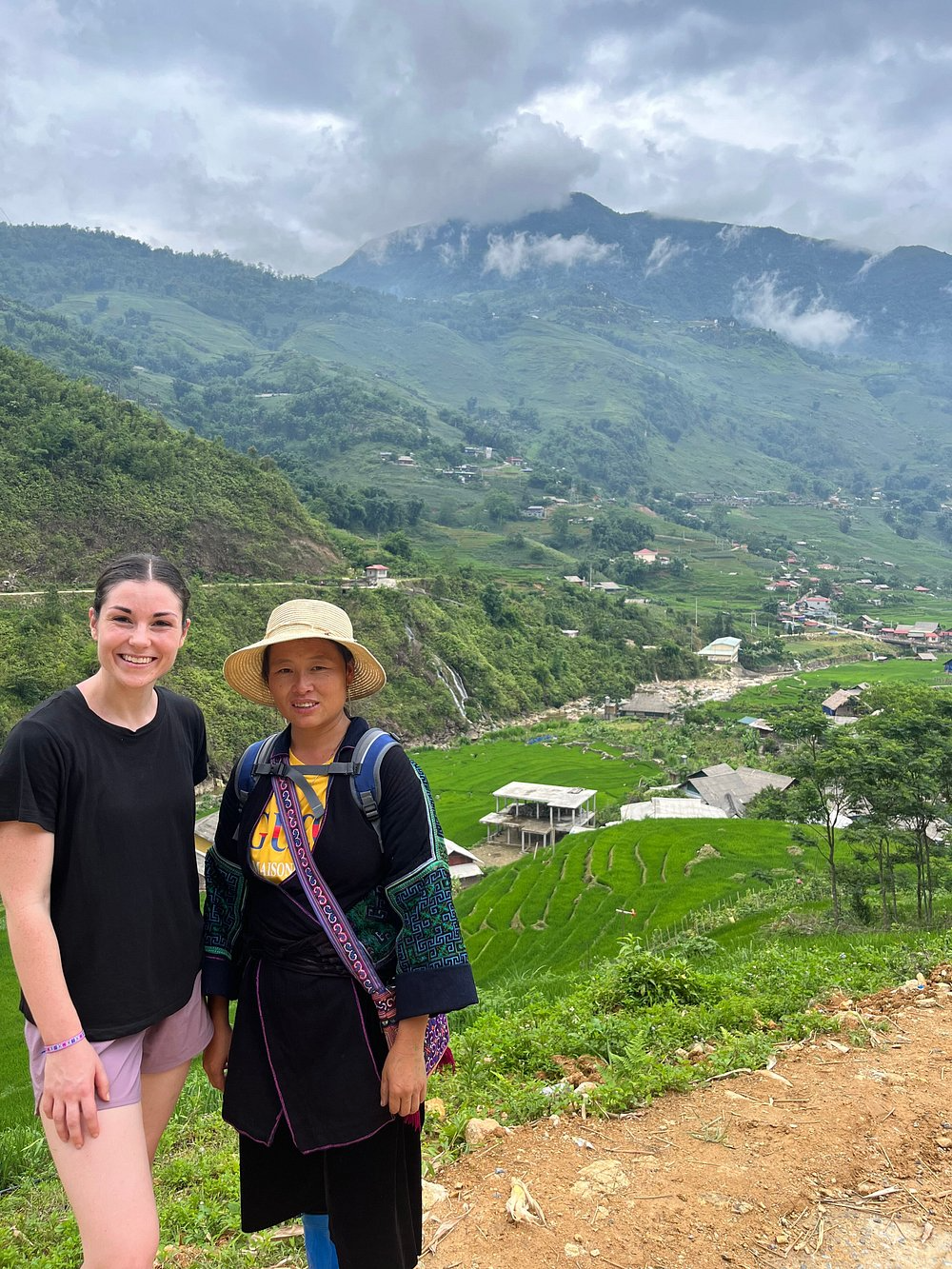
Rice Terraced Fields & Homestay
Two days trekking and a night with a valley family — the full experience.
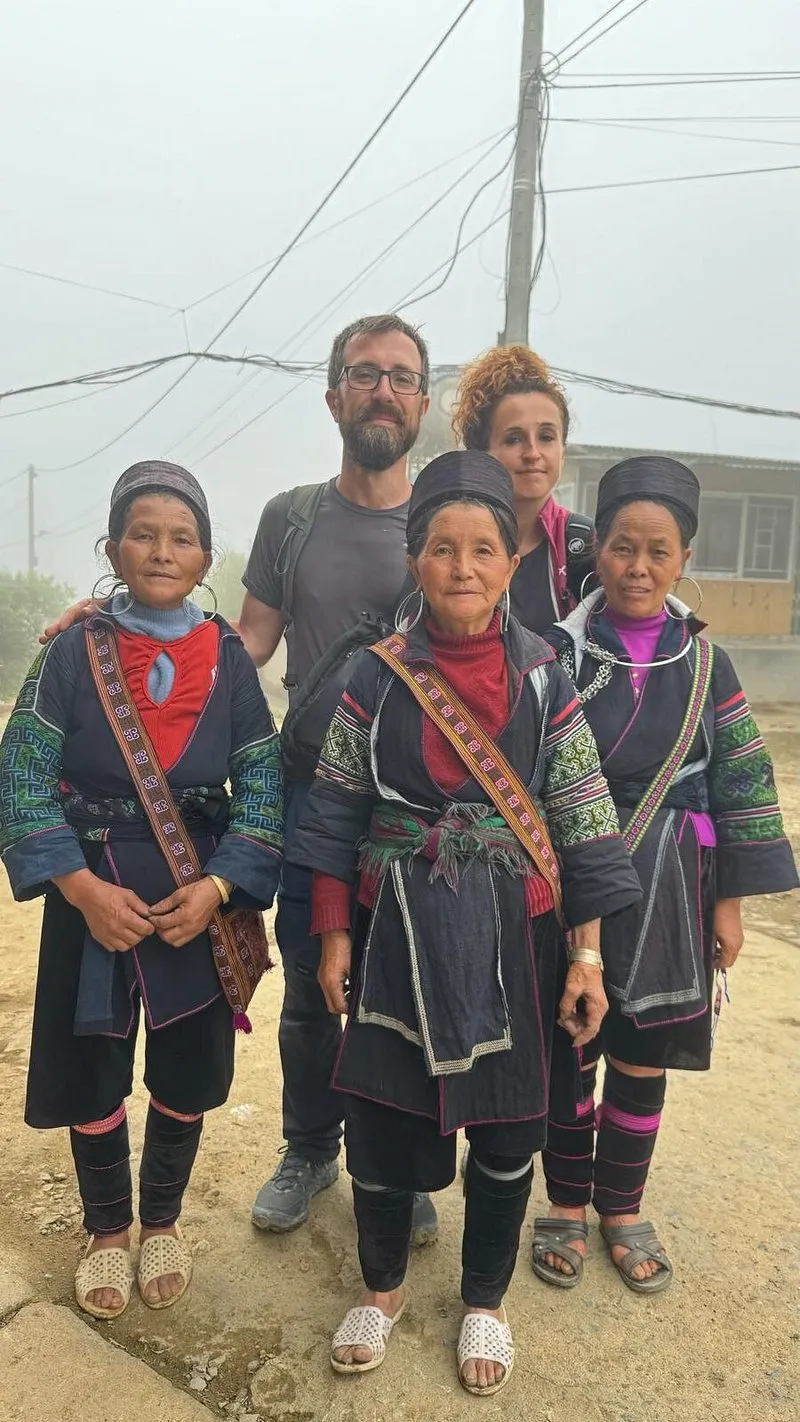 Families & Seniors
Sapa Easy Trekking For Seniors
Gentle, flat paths where poles can be rented at our office — perfect for 60+ travelers and families.
Travel Tips for the Hanoi–Sapa Trip
- Book ahead in peak season. September to November and weekends fill up fast — reserve your van, bus or train a few days out.
- Use an overnight leg. Sleeping on the bus or train one way saves a hotel night and a day of travel.
- Choose door-to-door. A van or private car that picks you up and drops you off saves the hassle of taxis and bus stations at both ends.
- Sit toward the middle on a sleeper bus for the smoothest, least swaying ride on the mountain road.
- Pack a layer in your daypack. You leave warm Hanoi and arrive in cool, often misty Sapa — you'll want it on arrival.
- Line up your trek with your transfer. Tell us your arrival time and we'll schedule your guide so no time is wasted — we reply on WhatsApp in 5–10 minutes.