 Sinh Giang
Hanoi is the most characterful city in Vietnam, and the best things to do here aren't really "sights" at all — they're experiences. You don't tick Hanoi off a list; you let it happen to you, over a bowl of pho on a plastic stool, in the tangle of the Old Quarter, on a bench by Hoan Kiem Lake at dawn. This guide covers the dozen things genuinely worth your time, grouped so you can build them into a day or three, plus the day trips that turn a city stop into the trip of a lifetime.
We're a Sapa company, so we'll be honest about the one thing every Hanoi guide buries at the bottom: the single best "thing to do in Hanoi" is often to leave it for a day or two — the rice terraces of Sapa are a night's bus away and consistently the highlight of our travelers' entire trip. We'll get to that. But Hanoi itself deserves at least two full days, and here's how to spend them.
A quick note on how this guide is organised: we've grouped the twelve things by area and theme rather than ranking them one to twelve, because the best Hanoi day mixes them — a temple, then a meal, then a wander, then a coffee over the street. Read it as a menu to assemble, not a queue to join.
The good news: almost everything that matters sits within walking distance of the Old Quarter, the thousand-year-old heart of the city. Start there.
Hanoi at a Glance
Before the list, the essentials — the quick orientation that makes planning Hanoi painless.
First, the lay of the land. Hanoi sits in the Red River delta in the north of Vietnam, and its Noi Bai International Airport — about 45 minutes from the centre by car or airport bus — is the main gateway to the whole region. Once you're in, the historic core around Hoan Kiem Lake is small enough to explore entirely on foot, which is exactly why we recommend staying in or right beside the Old Quarter. Get that one decision right and the city opens up effortlessly.
The Old Quarter & Hoan Kiem Lake
This is where Hanoi happens. The Old Quarter and the lake at its edge are the city's beating heart, and the first three things on any list all live here.
The Old Quarter has been Hanoi's commercial heart for a thousand years, and it still works the way it always has: each street a trade, each shophouse a workshop, the whole grid humming from before dawn until late at night. It's loud, cramped, and gloriously alive — the kind of place where you'll pass a family eating breakfast, a man welding, and a woman selling flowers from a bicycle, all within ten metres. Don't try to "do" it; just dissolve into it.
1. Get lost in the Old Quarter's 36 streets
The Old Quarter is a thousand-year-old maze where 36 streets still carry the names of the medieval guilds once based on them — Hang Bac (silver), Hang Gai (silk), Hang Ma (paper offerings). The single best thing to do in Hanoi is simply to walk it with no plan: dodge the motorbikes, watch families cook on the pavement, buy nothing and see everything. Come back after dark when Ta Hien "beer street" fills with plastic stools and the whole quarter glows.
Anchor your wandering on a few landmarks so you don't just go in circles: Dong Xuan, the city's largest covered market; the neo-Gothic St Joseph's Cathedral, a slice of Paris dropped into the old town; and Hang Ma street, ablaze with paper lanterns and decorations year-round and especially before festivals. But the real joy is in the gaps between them — the tiny temples, the hidden courtyards, the stalls selling one perfect thing they've sold for generations.
2. Circle Hoan Kiem Lake at dawn
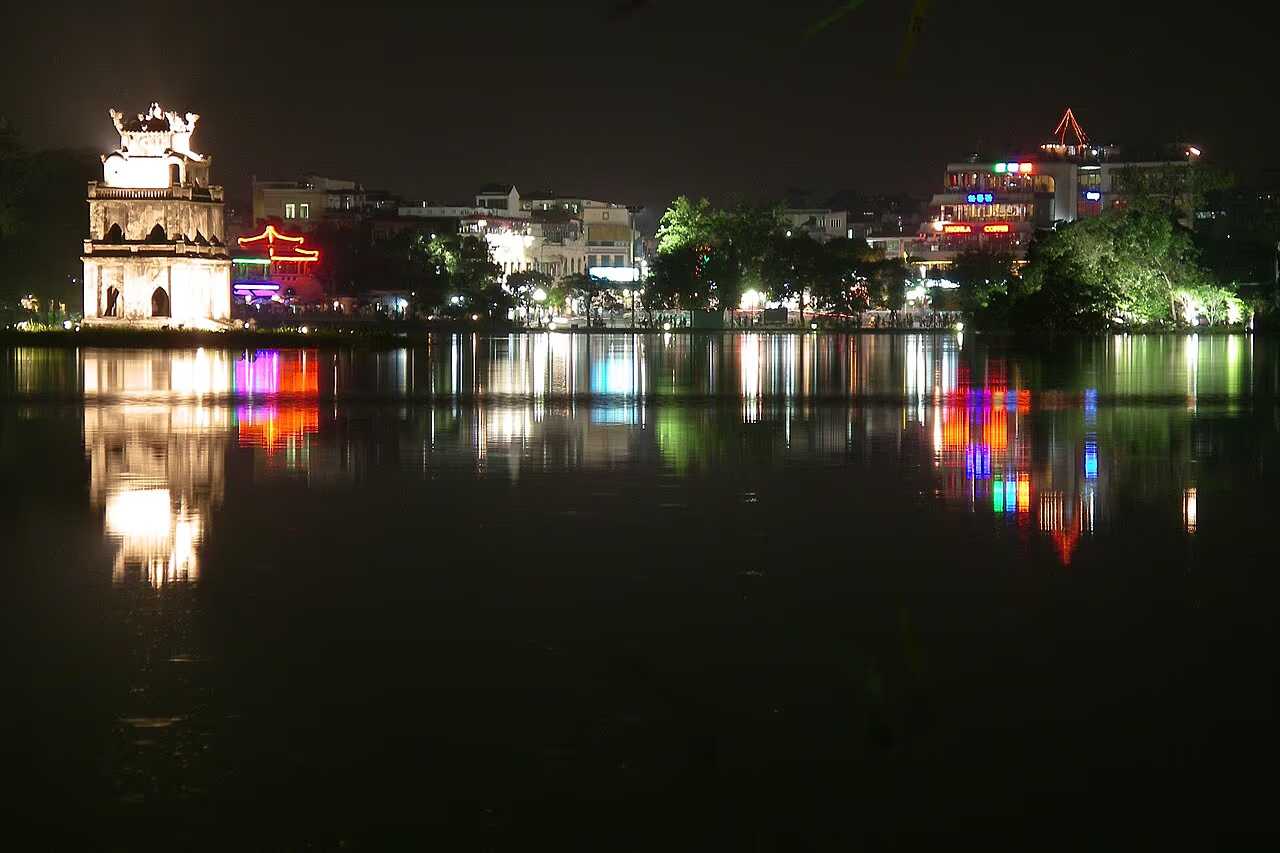
Hoan Kiem — the "Lake of the Returned Sword" — is the city's green lung and its soul. At first light it belongs to locals doing tai chi, jogging, and dancing in groups under the trees, long before the motorbikes wake up; cross the scarlet Huc Bridge to the little Ngoc Son Temple on its island, and you've found the calmest spot in the city centre. At weekends the surrounding streets close to traffic and become a pedestrian carnival.
3. Photograph the Train Street
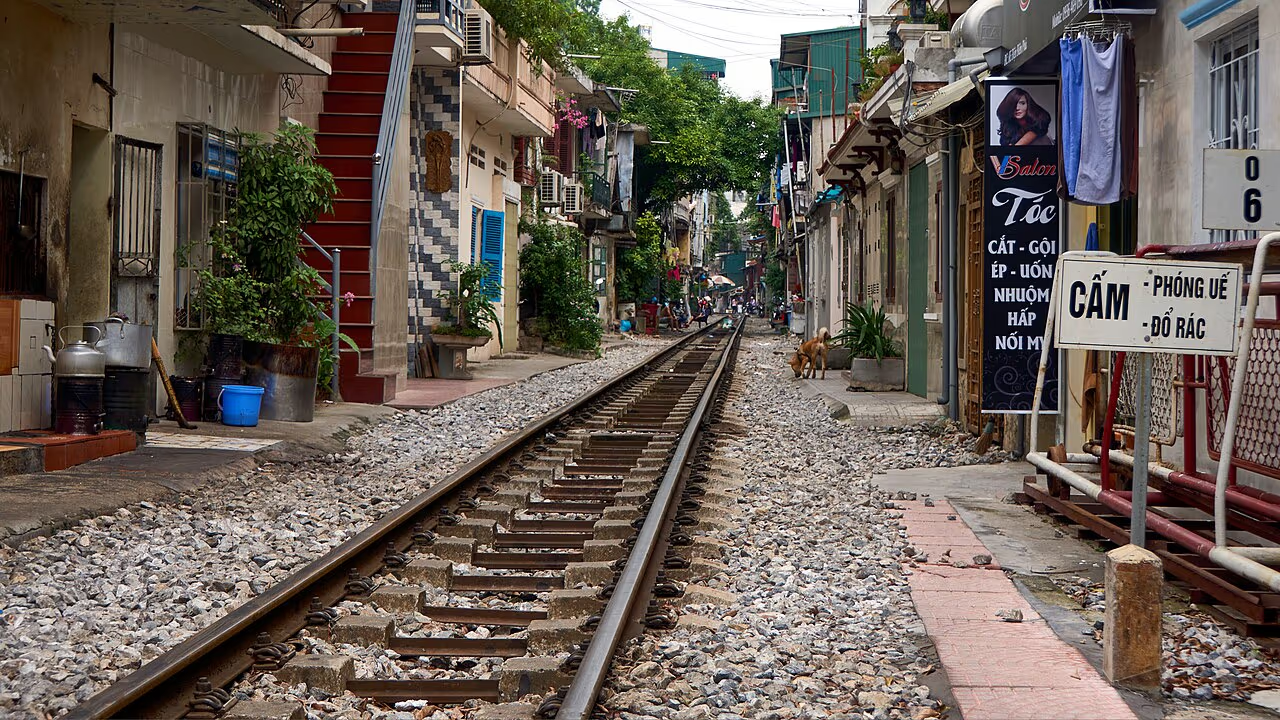
One of Hanoi's most famous oddities: a working railway line that runs so close to the houses you could pass a coffee through the windows as the train rumbles by. The cafes lining the tracks have made it a social-media sensation — sit with an iced coffee and watch the train squeeze through inches from your table. Check the timetable locally, mind the safety rules, and go early to beat the crowds.
A word of caution: the railway is real and active, and the authorities periodically close the trackside cafes for safety. Never stand on the rails for a photo when a train is due, follow the cafe staff's instructions, and you'll be perfectly fine — a train rumbling past an arm's length from your coffee is the whole, slightly surreal point.
History & Culture
Hanoi has been the capital, on and off, for over a thousand years, and it wears that history openly. These four stops are the ones worth your time.
4. Walk the Temple of Literature
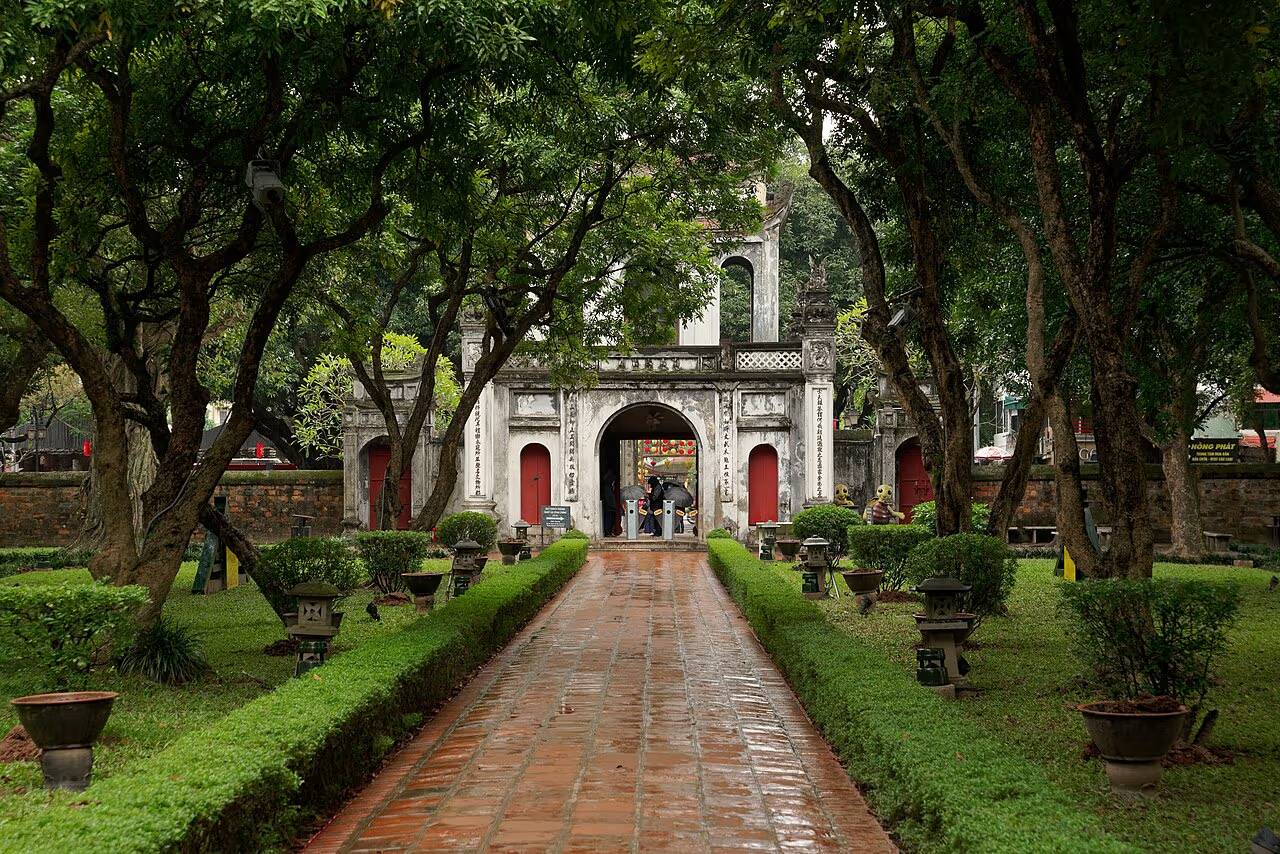
Founded in 1070, the Temple of Literature was Vietnam's first university, and it remains the most serene and beautiful corner of the city centre — a sequence of walled courtyards, lotus ponds, and pavilions, with stone stelae recording the names of scholars who passed the royal exams centuries ago. It's the rare Hanoi sight where the noise of the city genuinely falls away. Give it an unhurried hour.
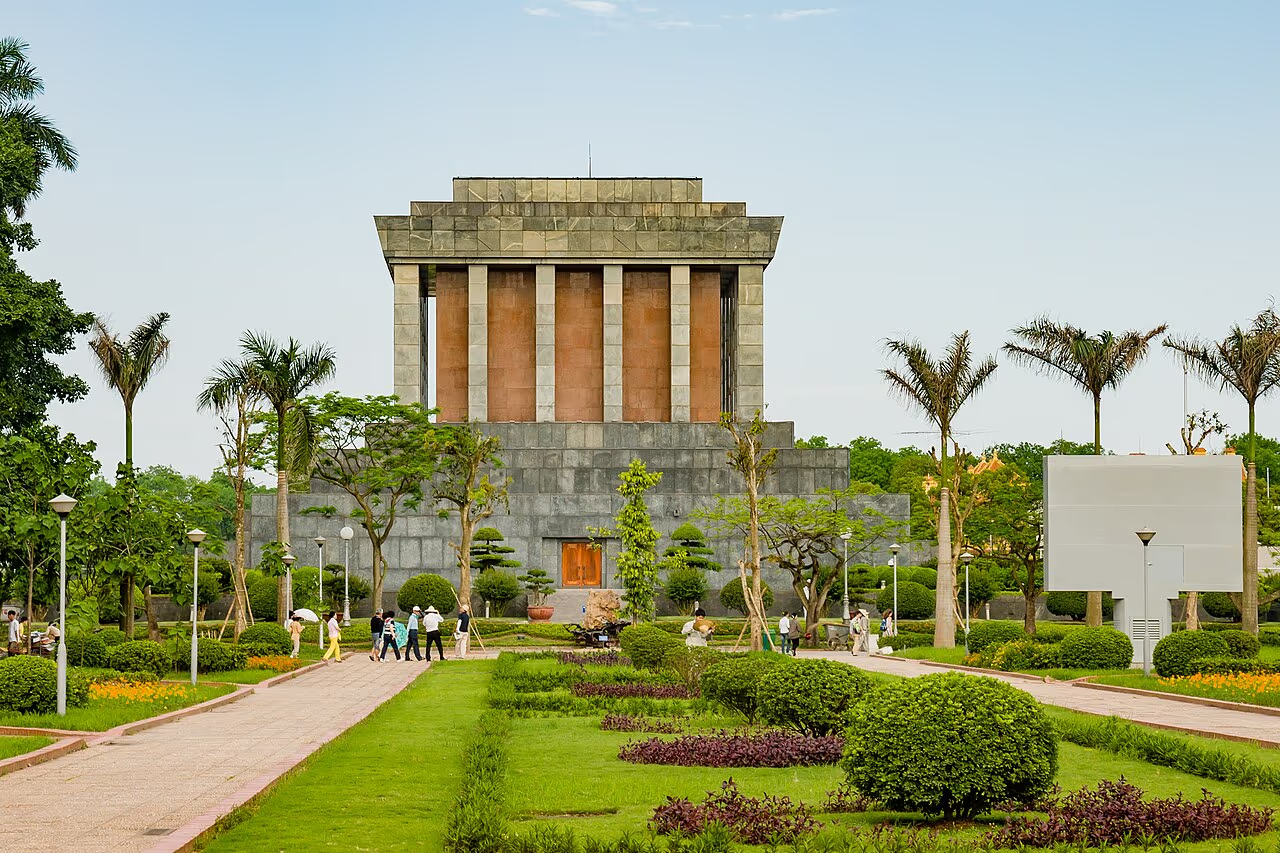
5. See the Ho Chi Minh Mausoleum complex
Whatever your politics, the Ho Chi Minh Mausoleum is central to modern Vietnam, and the wider complex makes a rewarding morning: the granite mausoleum itself (where the embalmed leader lies in state), the simple stilt house where he lived, the One Pillar Pagoda, and the excellent Ho Chi Minh Museum. Dress modestly, arrive early, and note it closes on Mondays and Fridays and for annual maintenance.
Two more stops reward the historically curious. Hoa Lo Prison — darkly nicknamed the "Hanoi Hilton" — tells the sobering story of both French colonial rule and American POWs, and is one of the city's most affecting museums. And a little further out, the superb Vietnam Museum of Ethnology unpacks the country's 54 ethnic groups, including the Black H'mong and Red Dao communities you'll meet if you trek in Sapa — it's the perfect primer before heading into the mountains.
6. Watch a water-puppet show
Water puppetry is a thousand-year-old art form born in the flooded rice paddies of the Red River delta, and the Thang Long Water Puppet Theatre by Hoan Kiem stages it nightly. Lacquered wooden puppets dance across a pool of water to live traditional music, retelling village legends and harvest scenes. It's touristy, it's an hour long, and it's genuinely charming — the most accessible window into northern folk culture in the city.
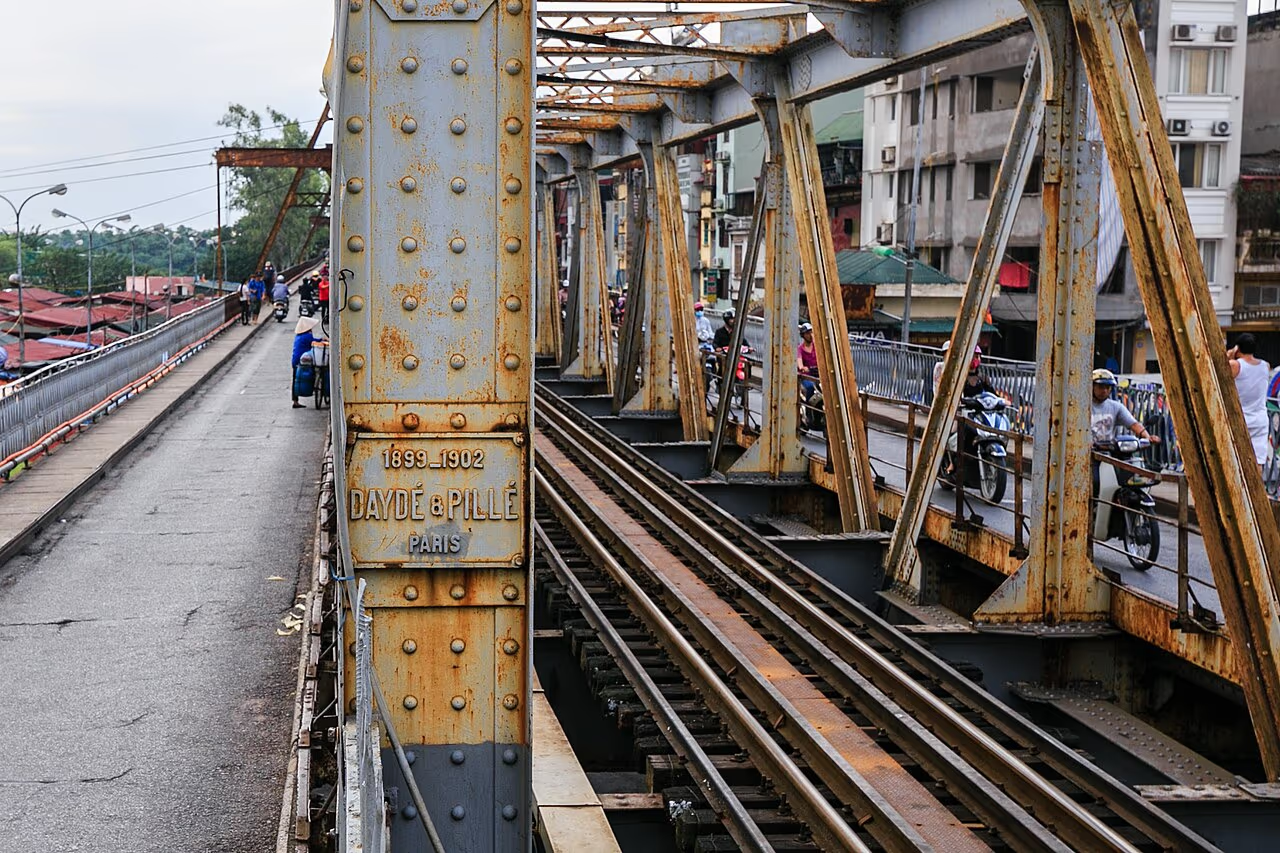
7. Cross the Long Bien Bridge
The rusting iron Long Bien Bridge, designed in the workshops of Gustave Eiffel and built in 1902, once carried the railway from Hanoi toward the coast and survived heavy bombing during the war. Today it's a slow, atmospheric walk or cycle above the Red River, lined with locals fishing and selling fruit, with the best light at sunset. It's living history you can walk across — and refreshingly free of tour groups.
Eat & Drink Your Way Through Hanoi
Here's the truth most travelers discover: the food is the main thing to do in Hanoi. The city is one of the world's great street-food capitals, and three experiences are non-negotiable.
8. Eat the city's legendary street food
Hanoi invented dishes the whole world now copies. Start with pho at a stall that's served nothing else for forty years; move on to bun cha (grilled pork over noodles in a sweet-sour broth — Hanoi's signature lunch, famously eaten here by Barack Obama and Anthony Bourdain); and never skip a banh mi from a busy cart. Eat where the locals queue, sit on the little stools, and follow your nose — the best meals of your trip will cost a couple of dollars.
9. Drink a Hanoi egg coffee
Egg coffee — ca phe trung — was invented here in the 1940s when milk was scarce: a thick, sweet meringue of whipped egg yolk and condensed milk floated on strong Vietnamese coffee, like drinking a warm tiramisu. Seek out one of the hidden, upstairs cafes down a narrow alley near the lake, take a tiny balcony seat over the street, and watch the city flow past. It's the quintessential Hanoi pause.
10. Pull up a stool for bia hoi
As the afternoon cools, join the ritual of bia hoi — fresh, light draft beer brewed daily and sold for around 25 cents a glass on street corners, most famously at the "bia hoi junction" where Ta Hien meets Luong Ngoc Quyen. You sit on a knee-high plastic stool on the pavement, clink glasses with strangers, and watch the Old Quarter come alive. No other city does cheap, social, open-air drinking quite like it.
The fastest way to crack Hanoi's food scene is a walking food tour on your first evening — a couple of hours with a local guide who leads you to stalls you'd never find alone, explains what you're eating, and gives you the confidence to explore on your own afterwards. If you'd rather go it alone, the rule is simple: eat where there's a crowd of locals and a tiny menu, sit down, point, and trust it. Plastic stools are a good sign; an English menu and a tout out front are not.
"We came to Hanoi for one night before Sapa and ended up staying three. The food, the chaos, the egg coffee, the bia hoi on tiny stools — we fell for it completely. Then Sapa topped even that. Give the north your time; it rewards it."
— Marco & Lena T., Munich, Germany (November 2025)
West Lake & the Quieter Side
When the Old Quarter's intensity gets too much, north-west is the antidote — the breezy, lake-side neighbourhood where Hanoians go to slow down.
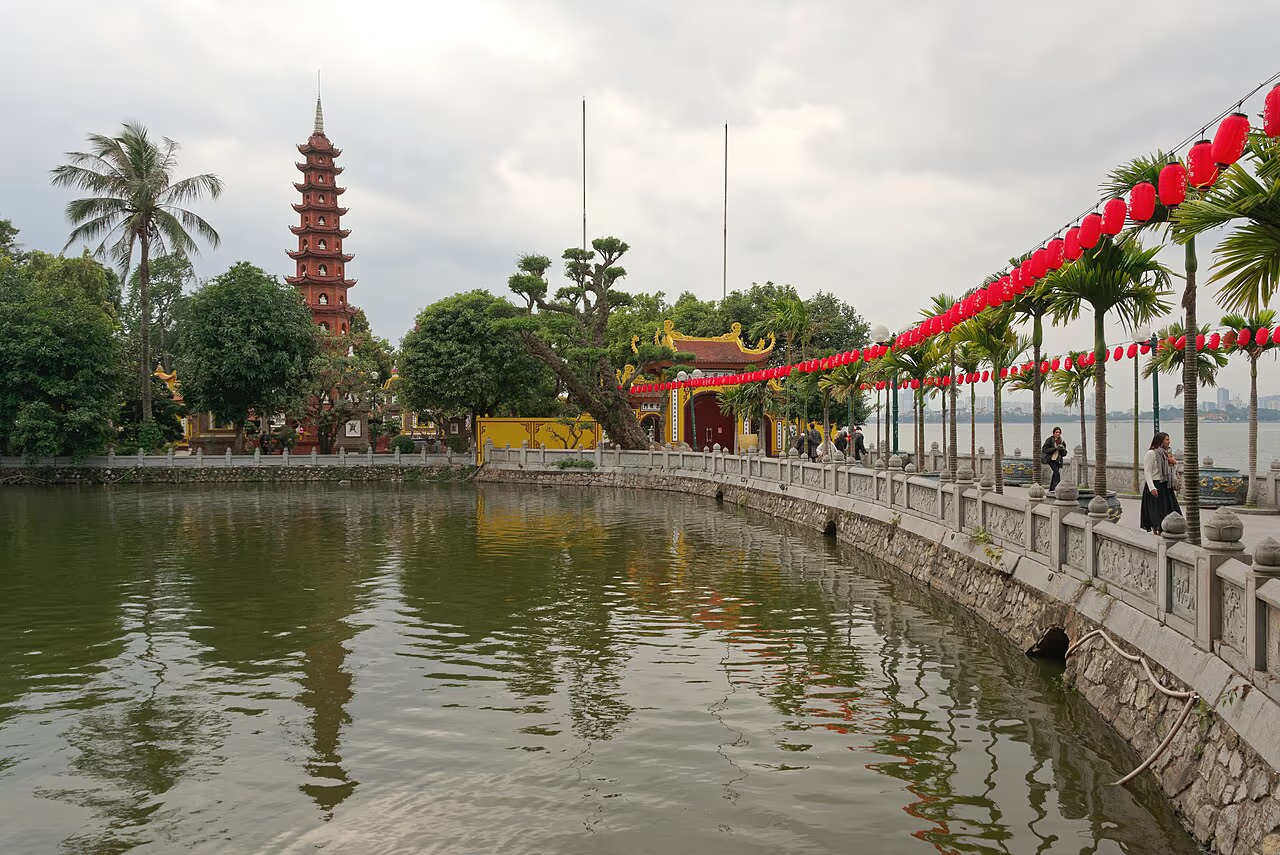
11. Visit Tran Quoc Pagoda on West Lake
West Lake (Ho Tay) is many times the size of Hoan Kiem, ringed by cafes, gardens and some of the city's best brunches. On a small causeway juts Tran Quoc Pagoda, the oldest Buddhist temple in Hanoi, founded in the 6th century, its red-brick stupa rising above the water and glowing at sunset. Rent a bike, ride the lakeside loop, and stop for a drink as the light drops — it's the city at its most relaxed.
The whole north-west of the city runs at a different tempo from the Old Quarter — lower, leafier, more local. Beyond Tran Quoc, the Quan Thanh Taoist temple, the flower gardens of Nghi Tam, and a string of lakeside cafes make it a lovely half-day escape when the centre's intensity starts to wear. Time it for late afternoon, when the light turns golden over the water and the city seems, briefly, to exhale.
The Best Day Trips from Hanoi
Hanoi's greatest asset is what it can reach. The capital is the launchpad for the whole of northern Vietnam, and the experiences just outside it are, honestly, the ones travelers remember most.
It's worth being clear-eyed about this. Hanoi is wonderful, but it's a city — busy, hot, and intense. The reason so many trips to the north are unforgettable isn't the capital itself; it's the contrast between the capital and what surrounds it. Two days of urban energy followed by a day in the cool, quiet rice terraces is a near-perfect rhythm, which is why we always tell travelers to leave room in their Hanoi plans for at least one trip out of the city.
12. Take a trip out of the city — especially to Sapa
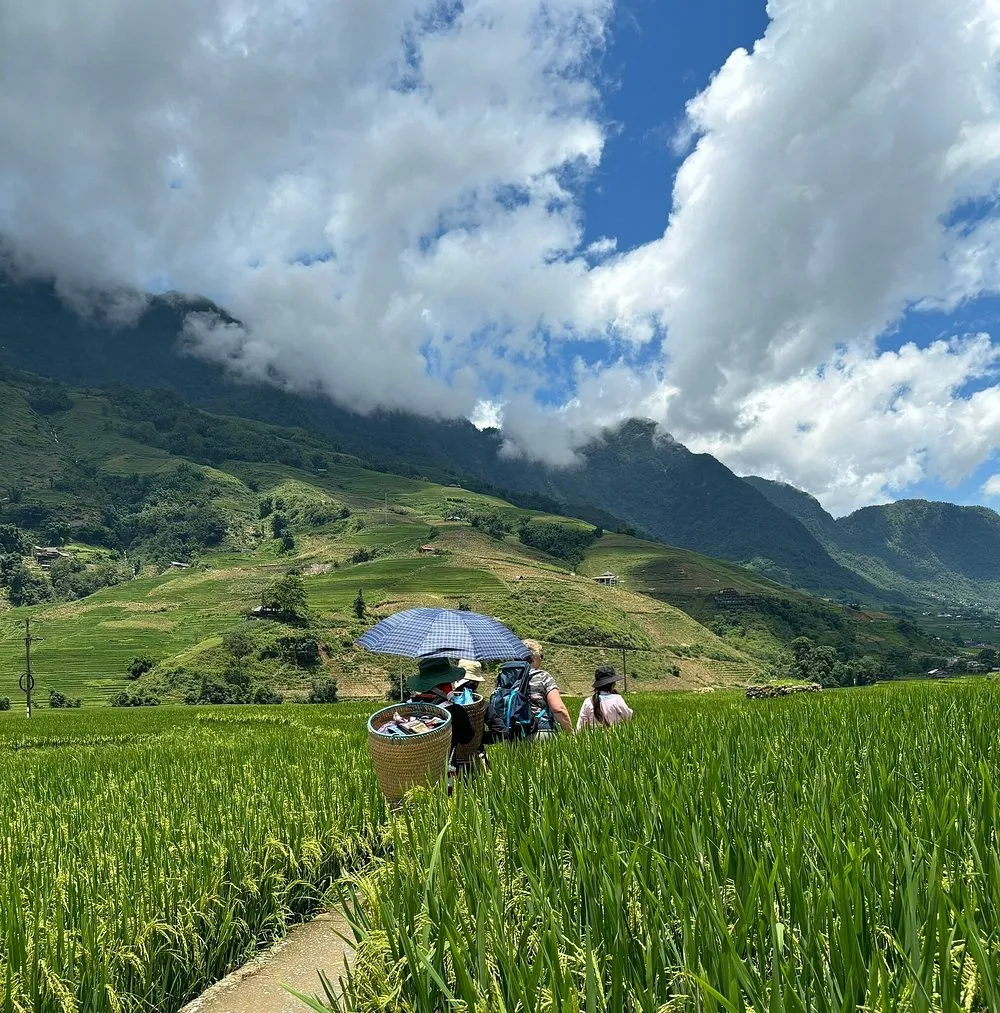
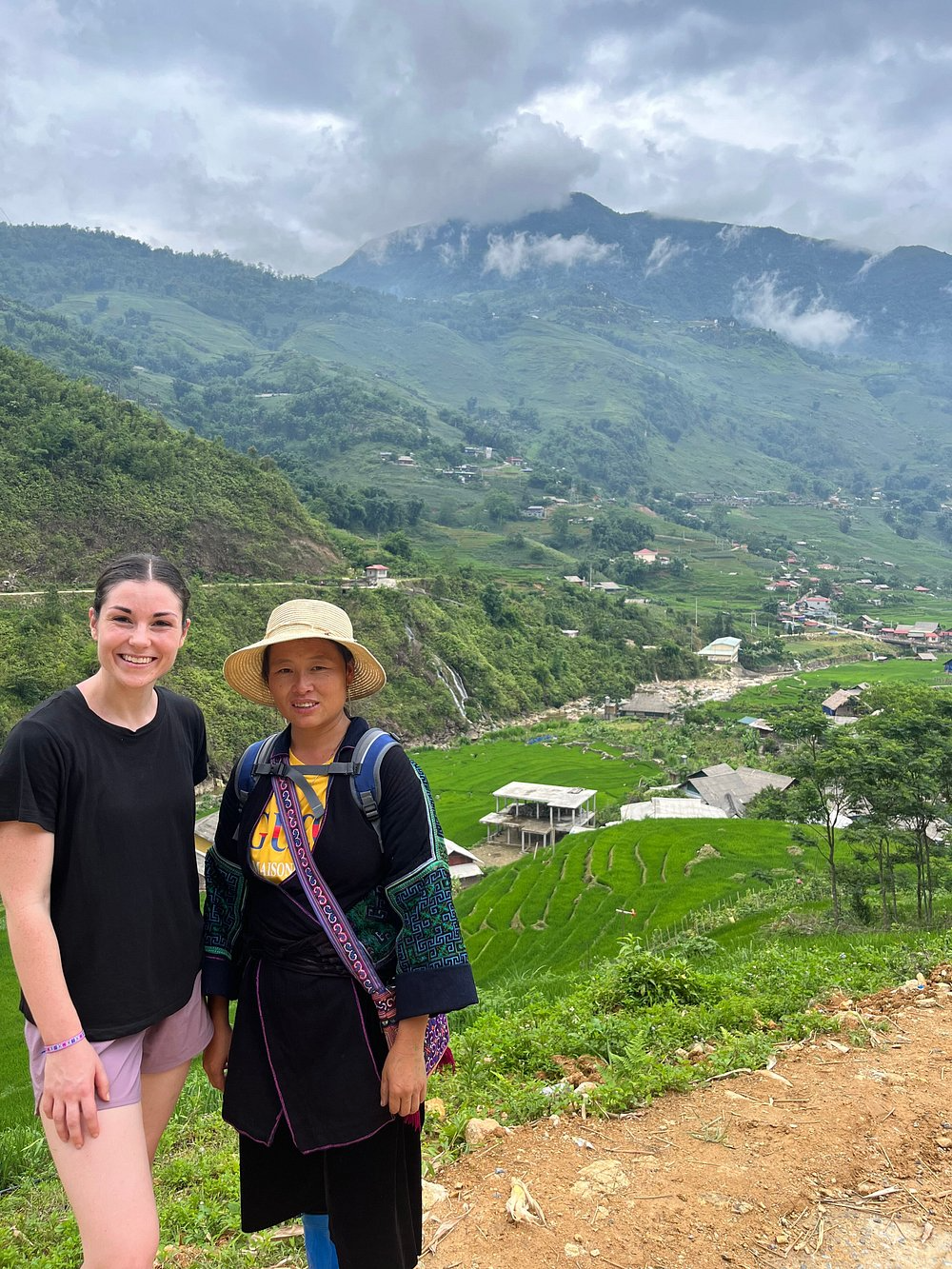
Three day trips define the north. Ninh Binh, two hours south, is "Ha Long Bay on land" — karst towers you drift through by rowing boat. Ha Long Bay, three hours east, is the famous limestone seascape, best as an overnight cruise. And five to six hours north-west — an easy overnight sleeper bus — is Sapa, where you trek the rice terraces and share a home-cooked lunch with a Black H'mong family. It's the one our travelers rate above everything else, Hanoi included. If you can spare two nights from the city, spend them here.
Trek the Sapa Rice Terraces
 1 Day Trek
Trekking Through Rice Terraced Fields
Muong Hoa Valley — Lao Chai, Ta Van, Y Linh Ho — with a local guide and a family lunch.
 2D1N Homestay
Rice Terraced Fields & Homestay
Two days on the trail and a night in a valley homestay — the full Sapa experience from Hanoi.
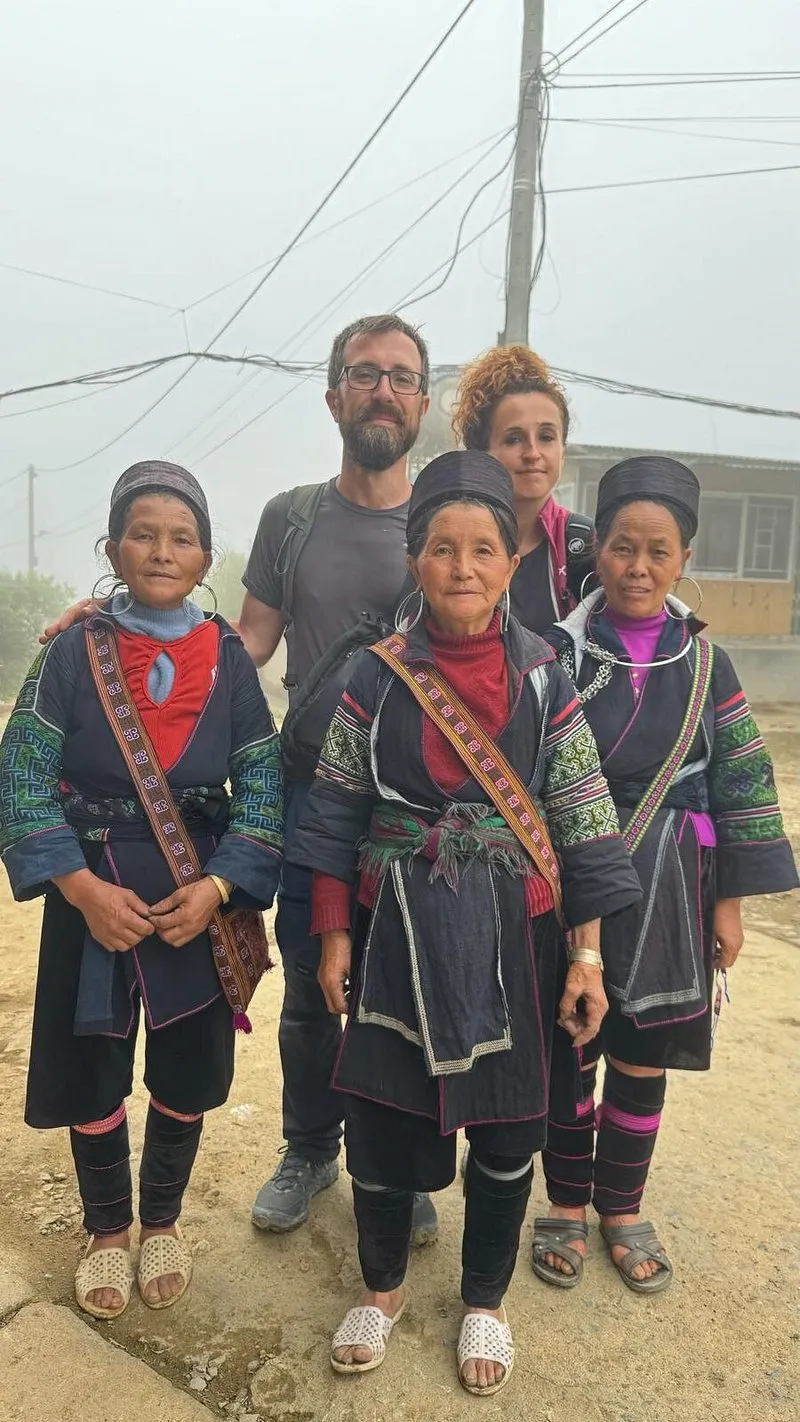 Families & Seniors
Sapa Easy Trekking For Seniors
Gentle, flat paths where poles can be rented at our office — perfect for 60+ travelers and families from Hanoi.
A Perfect Day in Hanoi
Only have one full day? Here's how to fit the best of the city into it, dawn to night, without rushing.
Hoan Kiem dawn
Tai chi by the lake, the red Huc Bridge before the crowds
Pho + egg coffee
Breakfast like a local, then a balcony cafe
Old Quarter
Wander the 36 streets and the Train Street
Bun cha + Temple
Lunch, then the calm of the Temple of Literature
West Lake sunset
Tran Quoc Pagoda and a lakeside drink
Bia hoi night
Plastic stools, street food, Ta Hien buzz
Don't feel chained to the clock, though — the best Hanoi days have slack in them. If you fall into a three-hour lunch or lose an afternoon in a single cafe watching the street, you're doing it right. Swap any stop above for another that catches your eye; the point is the rhythm of the city, not the checklist.
What to Love & What to Brace For
Hanoi is intense, and a little honesty helps you arrive ready to enjoy it rather than be rattled by it.
❤️ What you'll love
- Street food among the best on Earth, for a couple of dollars
- A walkable, thousand-year-old Old Quarter
- Deep history and serene temples beside the chaos
- Incredible value — your money goes a long way
- The perfect base for Sapa, Ha Long and the north
⚠️ What to brace for
- Traffic that never stops — crossing the road takes nerve
- Constant motorbike noise and busy pavements
- Persistent vendors and the odd overcharge in tourist spots
- Hot, humid summers and grey, drizzly winter days
- It's a sensory overload — build in quiet breaks
Getting Around Hanoi
Central Hanoi is best on foot — the Old Quarter, the lake and most sights are walkable. For longer hops, the Grab app (ride-hailing by car or motorbike) is cheap, cashless and avoids taxi haggling. And when you're ready for the best day trip of all, the Hanoi–Sapa transfer is the one journey worth booking properly so you arrive in the mountains rested.
From the Old Quarter to the Mountains


Heading up to Sapa for a trek? Don't bother flying in with hiking boots — rent good waterproof boots and poles at our office in town the day before you walk.
Boots & Poles for Your Sapa Trek
 Gear Rental
Trekking Boots Rental
Waterproof ankle-support boots, cleaned and checked before each rental. At 105 Thach Son Street.
 Gear Rental
Walking Poles Rental
Trekking poles at $2/day from our office at 105 Thach Son Street. Essential for the descents.
Tips for Hanoi
- Stay in or beside the Old Quarter. You'll walk to almost everything and step straight into the city's best food and nightlife.
- Use Grab, not street taxis. The app fixes the price up front and removes the meter games that catch out visitors.
- Carry small cash. Street food, bia hoi and markets are cash-only; keep small notes and a little change.
- Eat where the locals queue. The busiest, most basic-looking stalls almost always serve the best food — follow the crowds.
- Build in a day trip. Two city days plus a Sapa trek or a Ha Long cruise is the ideal northern combination — the city and its surroundings complete each other.
- Book the Sapa leg on WhatsApp. Small-group treks (max 12) sell out in peak season; our team confirms availability in 5–10 minutes.