
 Sinh Giang
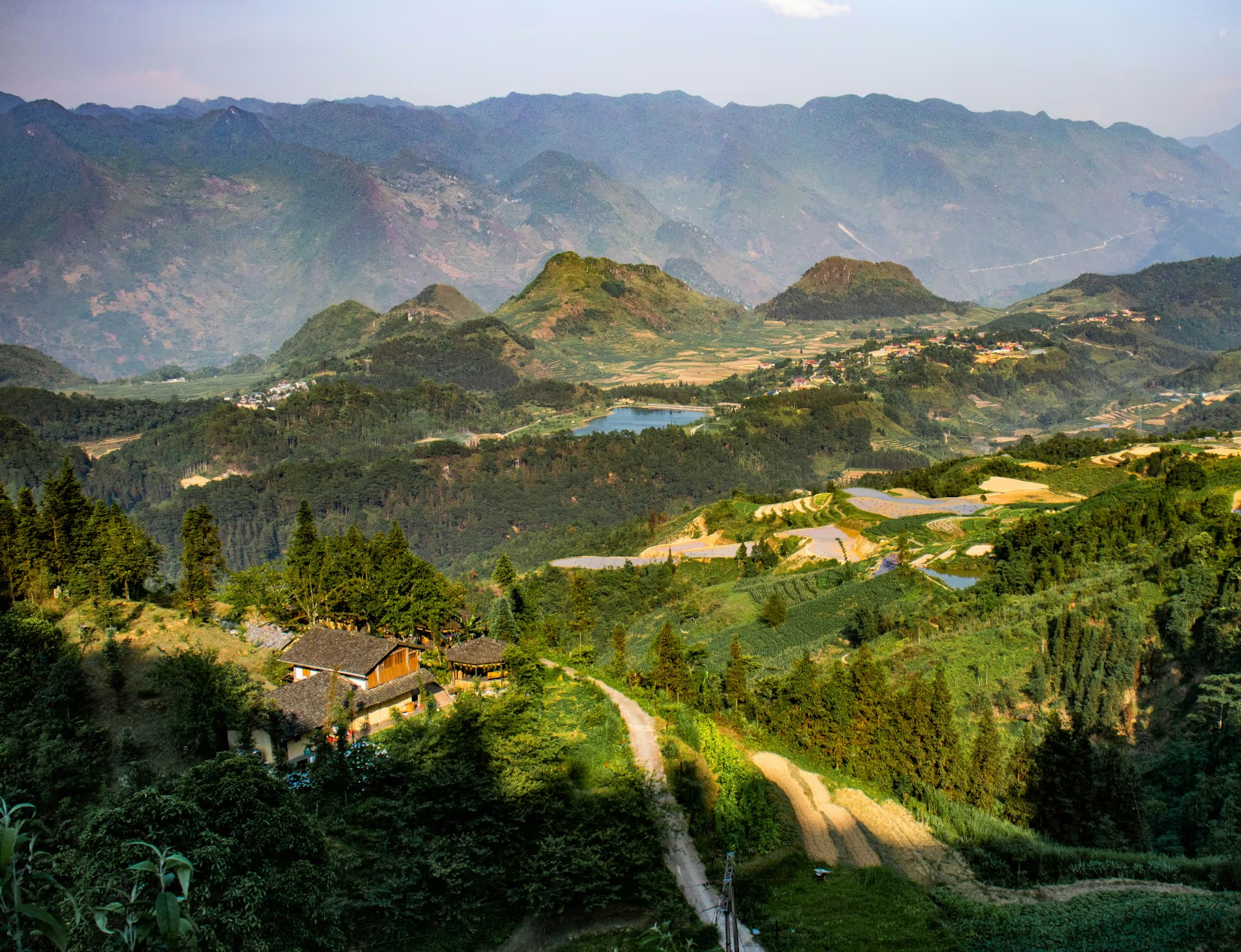
Vietnam has a crowd problem in exactly six places. Ha Long Bay in season, Hoi An at midday, the Cat Cat path in Sapa, the front rows of the Golden Bridge — the famous spots can feel less like travel and more like queueing. The good news is that the country is long, mountainous, and gloriously under-visited the moment you step off the main circuit. This guide is about the other Vietnam: the valleys, islands, caves, and villages that the tour buses haven't found yet.
We've spent years guiding travelers into exactly these places — not the curated "hidden gems" that ten thousand other lists already share, but the genuinely quiet corners we send our own guests to when they tell us they want the real thing. Some are a few hours off a famous route; some take real effort to reach. All of them give you back the thing the headline spots have lost: space.
And here's the honest twist. You don't always have to go far. Even Sapa — on every Vietnam list ever written — has valleys a single ridge away from the crowds where almost no foreign foot lands. We'll get to those at the end. First, the simplest way to plan an off-the-beaten-path trip: swap.
Skip the Crowds — Swap the Famous for the Hidden
The fastest route to a quieter Vietnam isn't a secret map — it's a set of straight swaps. For every overrun headline spot, there's a near-identical place an hour or two away with a fraction of the crowd. Plan your trip around the right-hand column and you'll see the same Vietnam, minus the queues.
| Instead of (crowded) | Explore (hidden) | Why it's better |
|---|---|---|
| Ha Long Bay main circuit | Lan Ha & Bai Tu Long Bay | Same karst scenery, a tenth of the boats |
| Sapa's Cat Cat village | Ta Giang Phinh / Ban Ho valleys | Real villages, almost no foreign visitors |
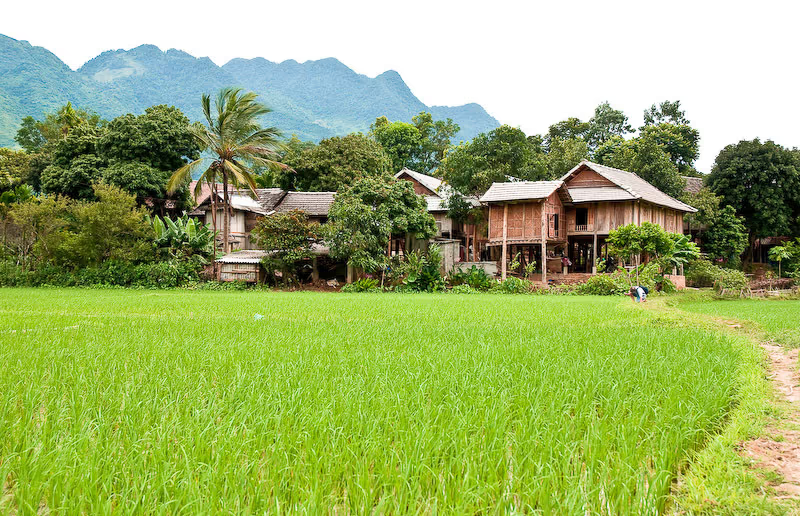
| Tam Coc (Ninh Binh) | Pu Luong | Greener terraces, stilt-house homestays, quiet |
| Nha Trang beaches | Quy Nhon | Cleaner sand, Cham towers, years behind the crowds |
| Phu Quoc resorts | Con Dao Islands | Empty beaches, turtles, marine national park |
| Hoi An by day | Phong Nha | The world's great caves, barely touristed |
| The Ha Giang Loop (now busy) | Cao Bang & Ban Gioc | Bigger waterfall, emptier roads, no permit queues |
| A Mekong day-tour from Saigon | Ba Be Lake | Vietnam's largest natural lake, Tay homestays, silence |
A word of honesty about the word "hidden". Nowhere with a paved road and a homestay is truly undiscovered, and we'd rather not pretend otherwise. What these places still have is breathing room — the chance to stand somewhere remarkable without sharing it with a tour group. Go now, go gently, support the family-run stays, and you'll find the Vietnam the famous spots were before they became famous.
Hidden Places in the North
The north is where Vietnam hides its best secrets, because the mountains make travel slow and the slow travel keeps the crowds out. These are the northern places we send travelers who've "done" Sapa and Ha Long and want what comes next.
1. Pu Luong — Terraces Without the Tour Buses
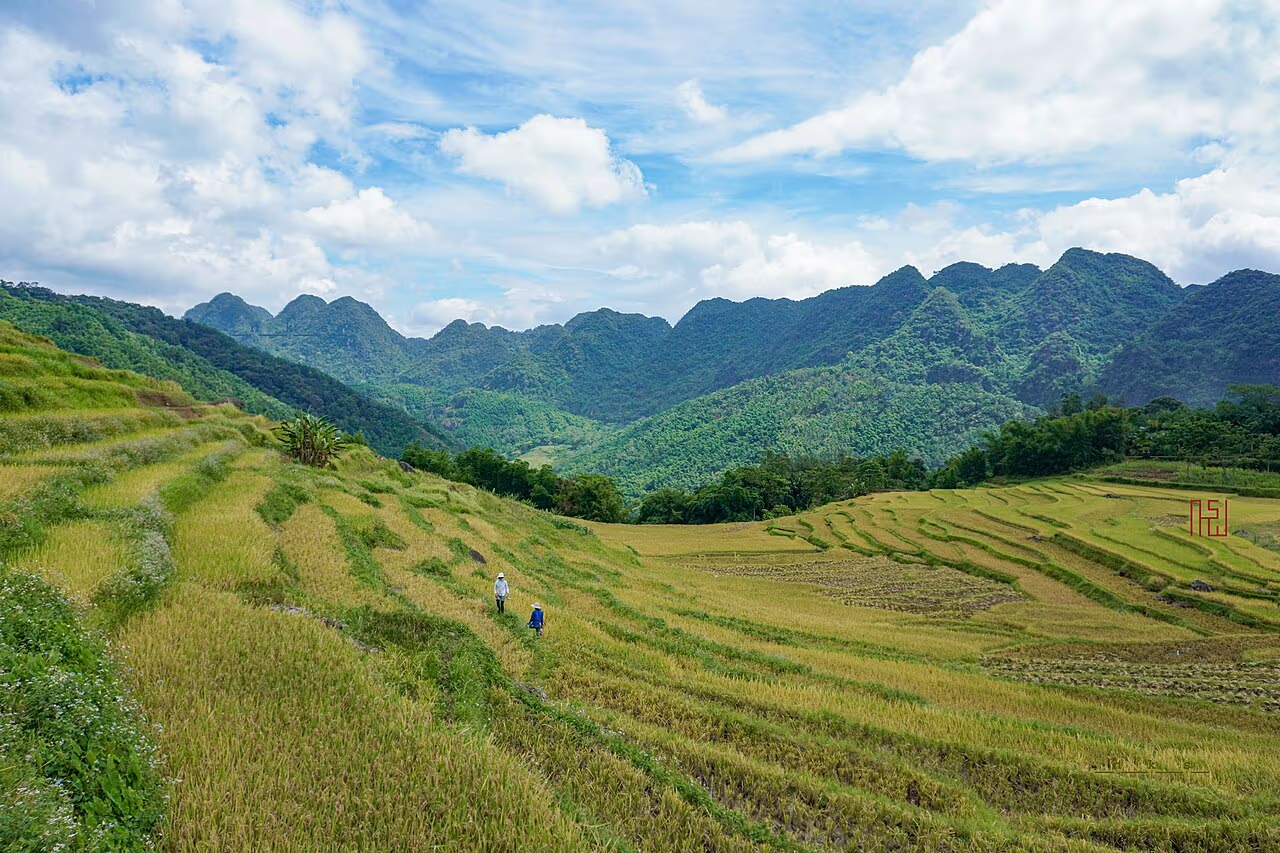
Three to four hours from Hanoi, the Pu Luong Nature Reserve is what Sapa looked like twenty years ago: stacked green rice terraces, White Thai stilt-house villages, bamboo waterwheels turning along the rivers, and trekking that's quieter and gentler than the famous valleys further north. There are a handful of beautiful eco-lodges and homestays, a few infinity pools that have quietly gone viral, and almost no tour groups. Two or three days here is one of the most relaxing things you can do in northern Vietnam.
Practically, Pu Luong works as a two-or-three-night loop from Hanoi, and the range of stays is what makes it special — from simple village homestays at around $10 a night to design eco-lodges with infinity pools hanging over the valley. Days are spent on gentle treks between hamlets, swimming beneath bamboo waterwheels, and cycling the flat valley floor. It's the rare northern destination that suits hardcore trekkers and travelers who just want to read a book above a green valley equally, which is why we send couples and families here as often as hikers.
2. Ha Giang's Quiet Edges — and Cao Bang Beyond
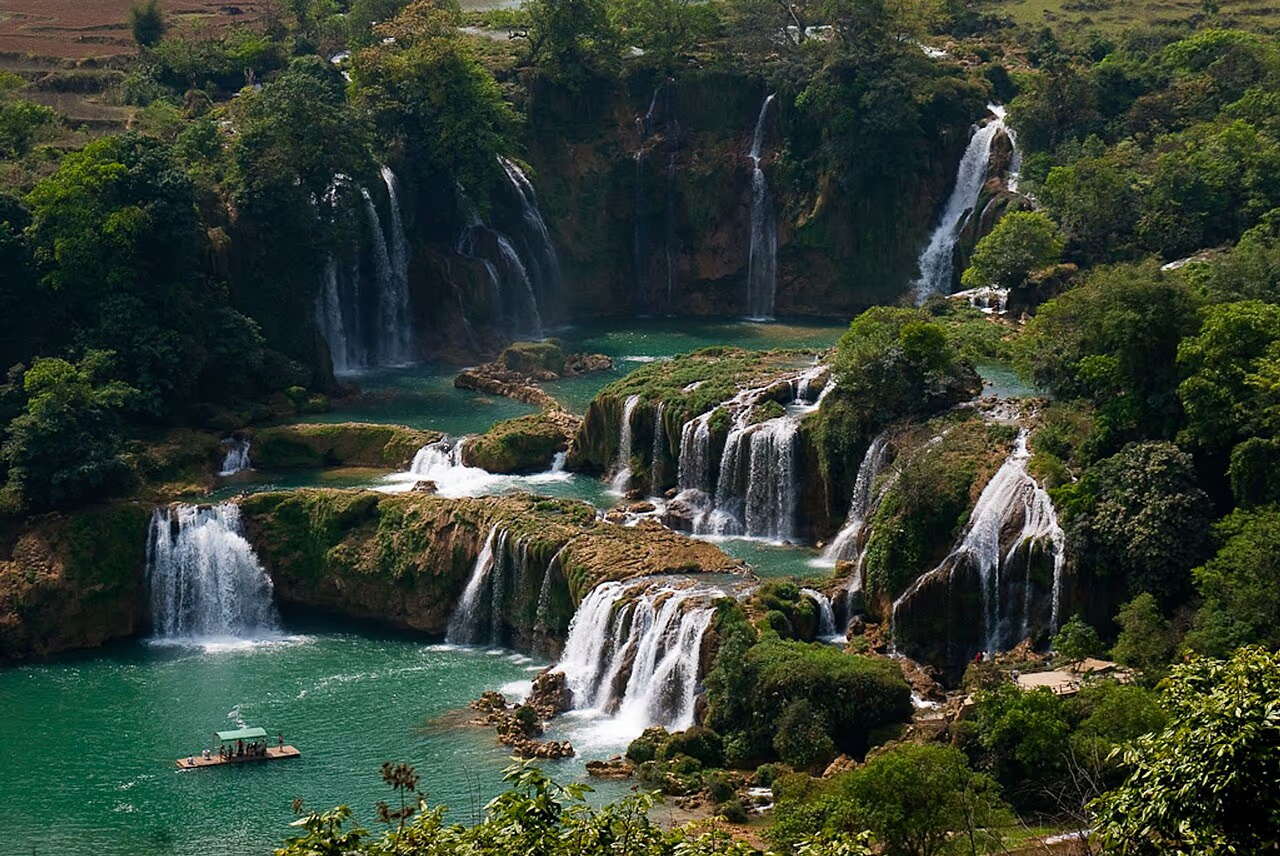
The Ha Giang Loop has become busy enough to make this list ironic, but its edges are still wild — the villages off the main loop, the markets the riders skip, the homestays in Du Gia and Khau Vai. And further east, Cao Bang remains genuinely off-radar: the thundering, tiered Ban Gioc Waterfall on the Chinese border (the widest in Vietnam), the Nguom Ngao cave beside it, and the still lake of Thang Hen. Six hours from Hanoi and a fraction of the traffic.
Cao Bang pairs naturally into a loop of its own — the Ban Gioc falls, the Pac Bo cave where modern Vietnamese history began, and the photogenic Thang Hen lakes — over three or four unhurried days. The roads are good, the homestays are warm, and the whole northeast still sees a tiny fraction of the riders who now pack the Ha Giang Loop a province to the west. It's the trip for travelers who liked the idea of Ha Giang but wanted it quieter.
3. Ba Be Lake — Vietnam's Quietest Big Landscape
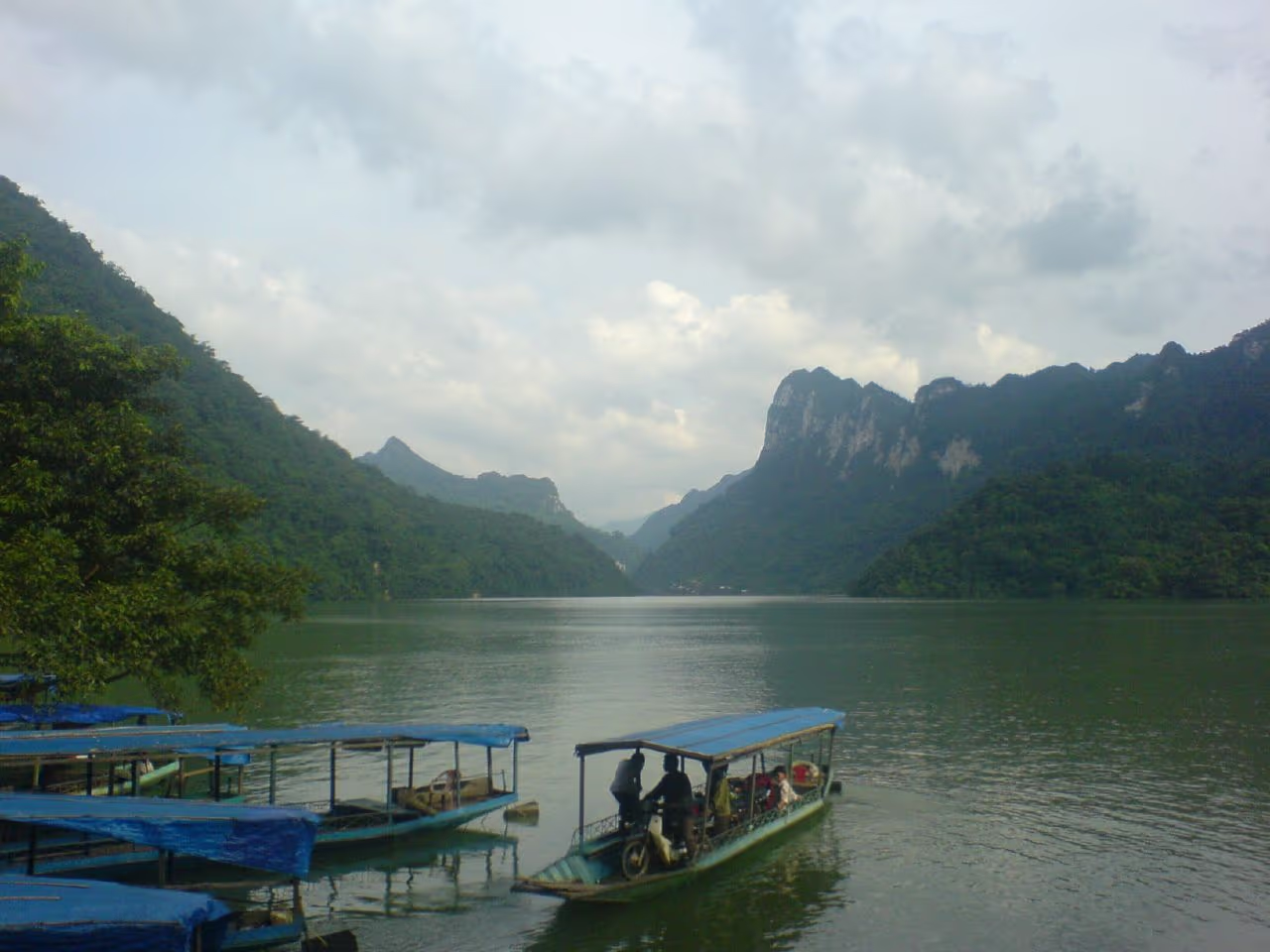
Ba Be is the largest natural lake in Vietnam, ringed by limestone cliffs and Tay stilt-house villages, and it is almost completely missing from foreign itineraries. You come here to do very little: a slow boat across the water, a kayak into a cave, a night in a wooden homestay on stilts, the sound of nothing much at all. It's a six-hour trip from Hanoi that feels like a different decade.
Getting to Ba Be takes commitment — the last stretch winds slowly up mountain road — but that's exactly the filter that keeps it pristine. Once there the rhythm is gloriously simple: a wooden boat across the three linked lakes, a paddle into the Puong Cave where the river runs underground, a walk to the Dau Dang waterfall, and nights in a Tay stilt-house homestay eating whatever the family cooked that day. There's no nightlife, no souvenir strip, and barely a word of English — and for the travelers who make it here, that is precisely the point.
4. Mai Chau & Mu Cang Chai — The Softer and the Wilder
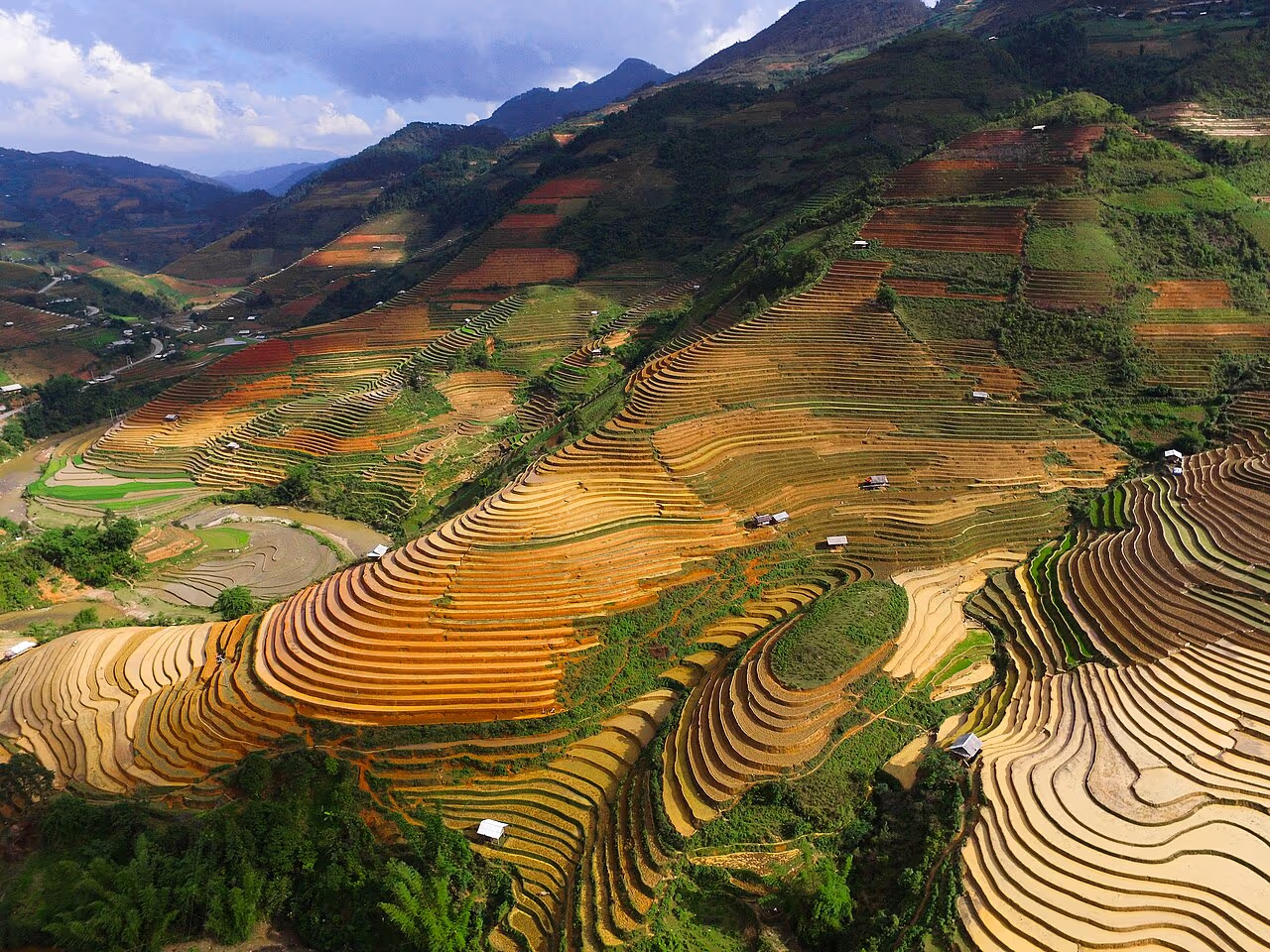
Two more northern alternatives, at opposite ends of the effort scale. Mai Chau is a gentle White Thai valley closer to Hanoi than Sapa — flat, easy cycling between stilt houses, a soft first taste of ethnic-minority Vietnam that's perfect for families. Mu Cang Chai, by contrast, is for the terrace purists: some of the most spectacular stacked rice fields in the country, three to four hours past Sapa in Yen Bai, blindingly gold in mid-September and visited by a tiny fraction of the people who crowd Sapa's viewpoints.
Both are doable from Hanoi without a flight. Mai Chau is just a 3-to-4-hour drive and makes an easy overnight; Mu Cang Chai is a longer 6-to-7-hour haul, best tied into a wider northern loop or reached via Sapa. For Mu Cang Chai, time it for the harvest in the second half of September, when the terraces of La Pan Tan and Che Cu Nha turn solid gold and the only other people on the ridges are Vietnamese photographers who have kept the secret for years.
5. Lan Ha Bay & Cat Ba — The Smart Way Into the Karsts
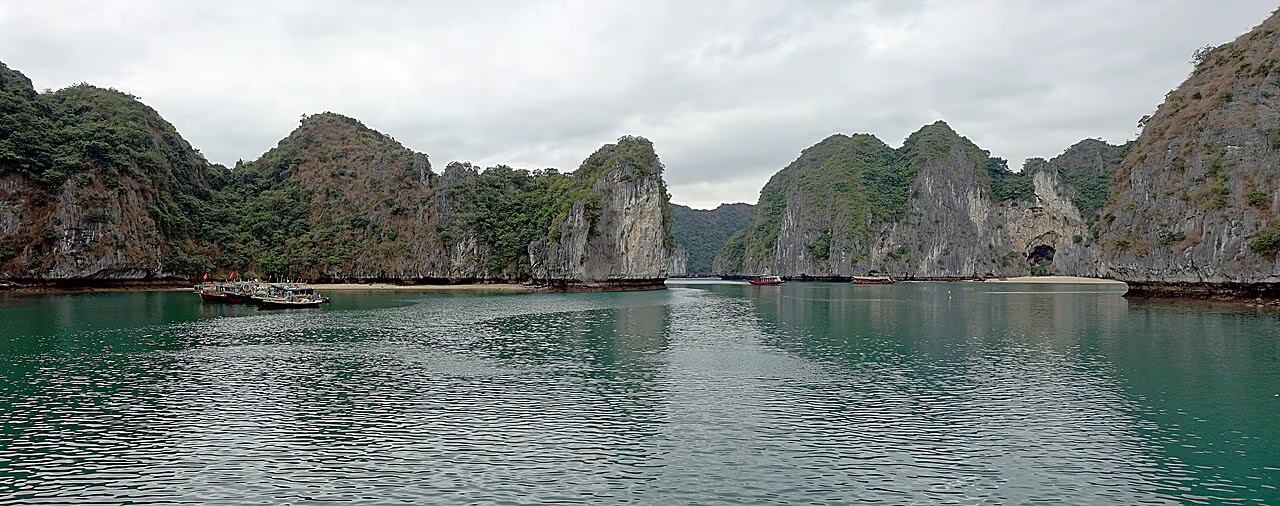
If Ha Long Bay is the famous one, Lan Ha Bay is the one to actually visit. Launched from Cat Ba Island just to the south, it has the identical towering-karst scenery with a tiny fraction of the boats — plus hidden beaches, kayak-only lagoons, and a national park you can hike. Cat Ba itself is a proper island with jungle trails and quiet coves. Book a cruise that runs through Lan Ha rather than the main Ha Long circuit, and the difference is night and day.
The practical trick is the boat you choose. Many "Ha Long Bay" cruises now quietly run their routes through Lan Ha and Bai Tu Long to escape the congestion, so look for an itinerary that names those bays and launches from Hai Phong or Cat Ba rather than the main Tuan Chau pier. Two days and one night on the water is the sweet spot: enough to reach the quiet anchorages, kayak the lagoons at dusk, and wake to mist on an empty bay instead of a queue of two hundred identical boats.
Trek the Quiet Valleys Most Visitors Never See
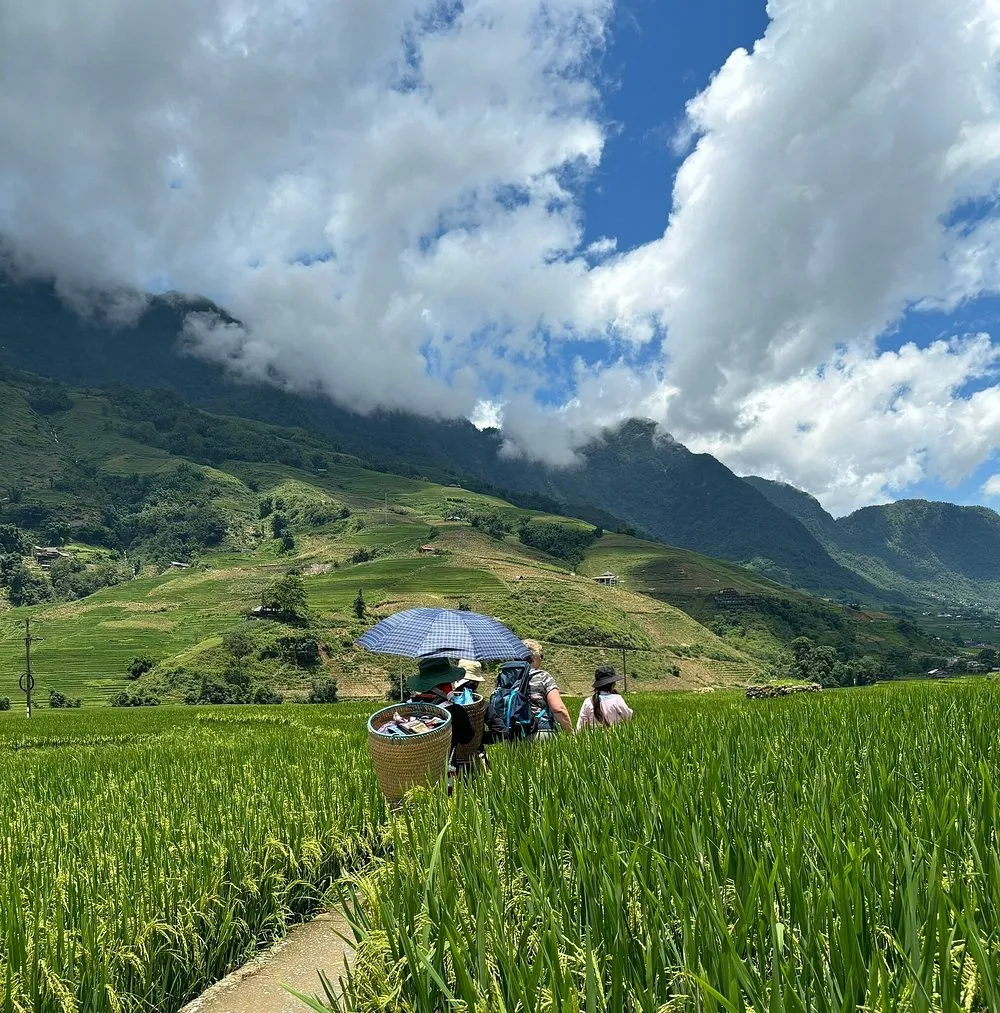 Non-Touristic
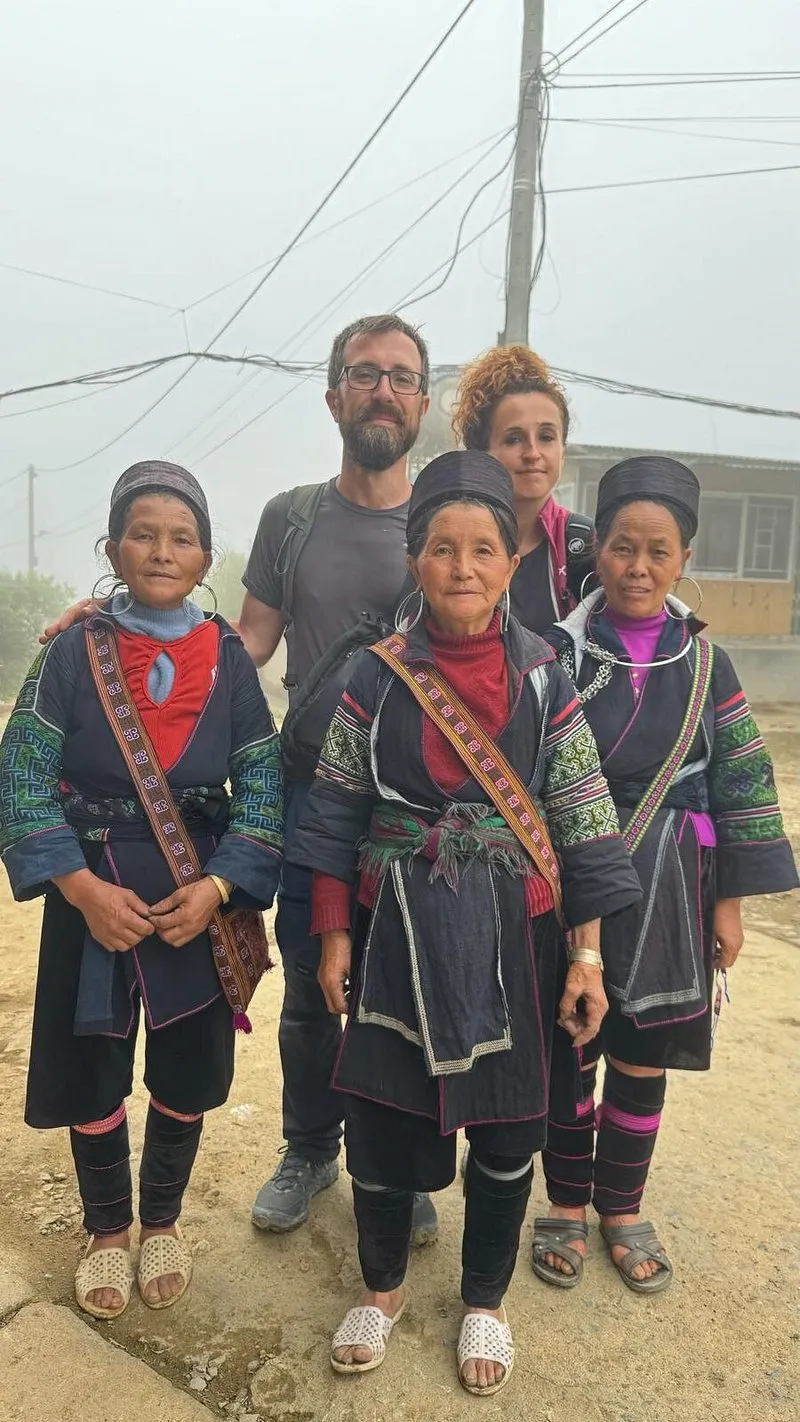
Sapa Trekking & Homestay (Non-Touristic)
Off the main trail into the far valleys — the villages the day groups never reach. Sleep in a local home.
 Adventure
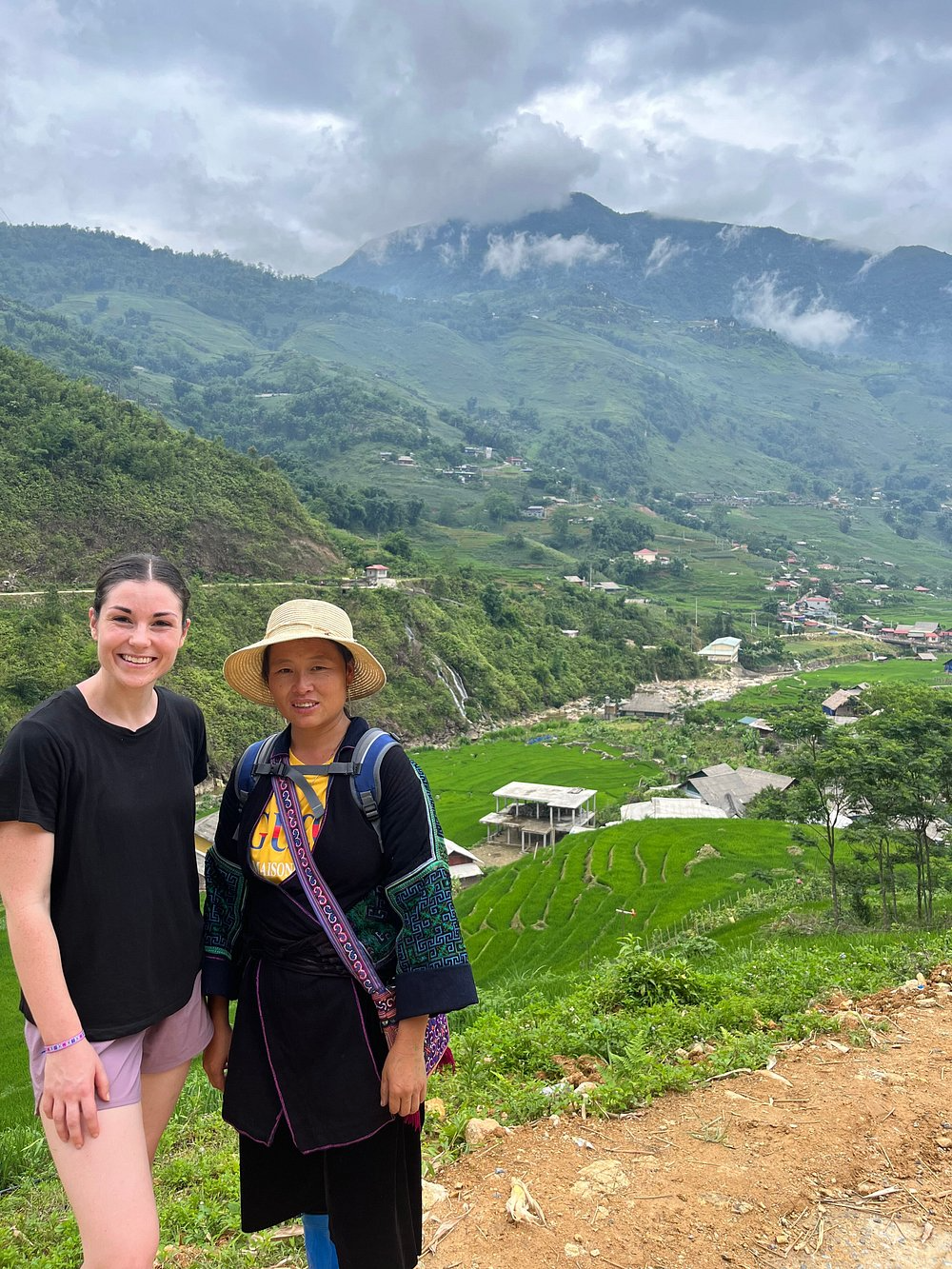
Sapa Adventure Tour – No Touristic
A harder, wilder route for travelers who want the trails without the crowds. Real villages, real trekking.
 2D1N Homestay
Rice Terraced Fields & Homestay
Two days into the Muong Hoa Valley, a night with a local family — the quieter side of the famous terraces.
"We asked our guide to take us somewhere with no other tourists. Two hours later we were eating lunch in a Red Dao kitchen in a valley I still can't find on Google Maps. That afternoon — not Ha Long, not the Old Quarter — was the trip."
— Hannah W., Portland, USA (November 2025)
Hidden Places in the Centre & South
The crowds thin fast once you leave the central coast's headline towns and the southern beaches. These are the places worth the detour.
6. Phong Nha — The Greatest Caves You've Never Queued For
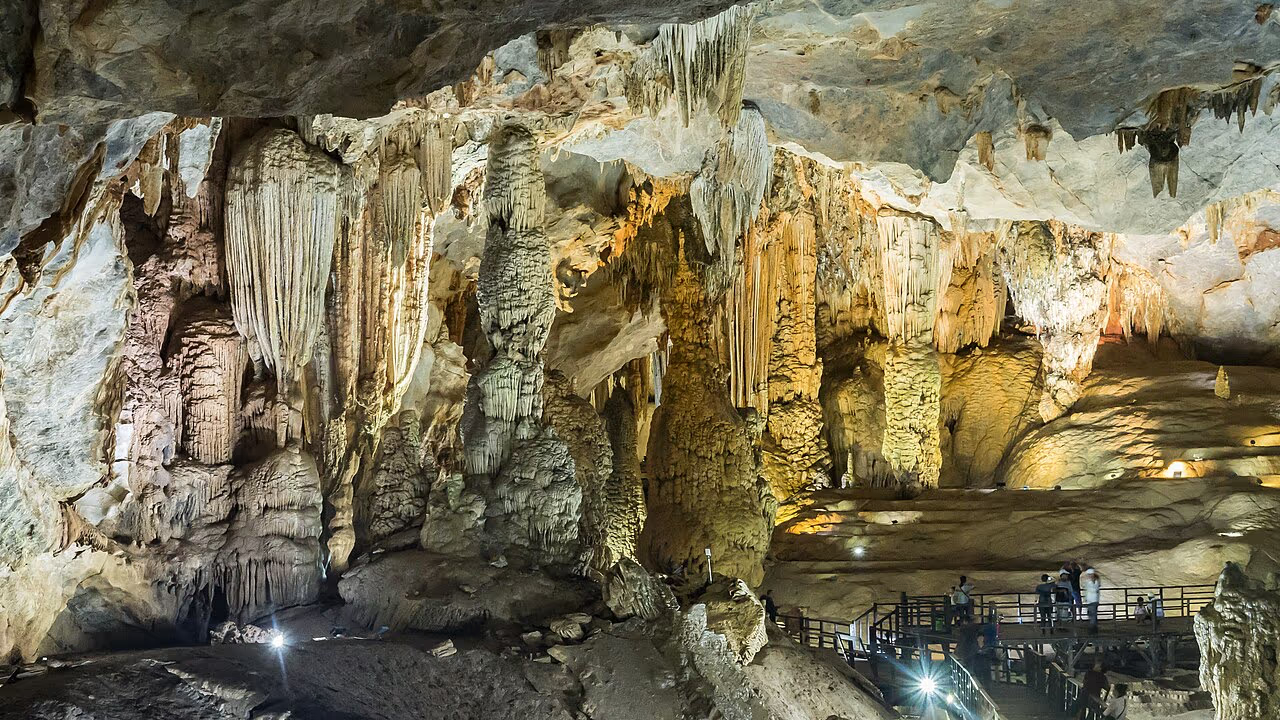
In the narrow central waist of the country, Phong Nha-Ke Bang is home to the largest cave on Earth and dozens more — and it remains astonishingly quiet for what it is. Paradise Cave is a paved, cathedral-sized chamber you can walk straight into; the Dark Cave adds a zipline, a swim, and a mud bath; and the multi-day Son Doong expedition (booked a year ahead) is the holy grail of caving. The little town of Phong Nha has become a relaxed backpacker base of riverside homestays and bicycle trails, with none of Hoi An's crush.
Phong Nha town has grown into one of Vietnam's most likeable bases without losing its soul — a single easy strip of family-run homestays and riverside restaurants, ringed by karst mountains and buffalo fields you can cycle through in an afternoon. Beyond Paradise and the Dark Cave, the boat-entered Phong Nha river cave and the harder Tu Lan and Hang En expeditions give you days of caving at every difficulty level. It's three to four hours by train or bus from Hue or Dong Hoi, and almost everyone who detours here wishes they had given it longer.
7. Quy Nhon — The Beach City Time Forgot
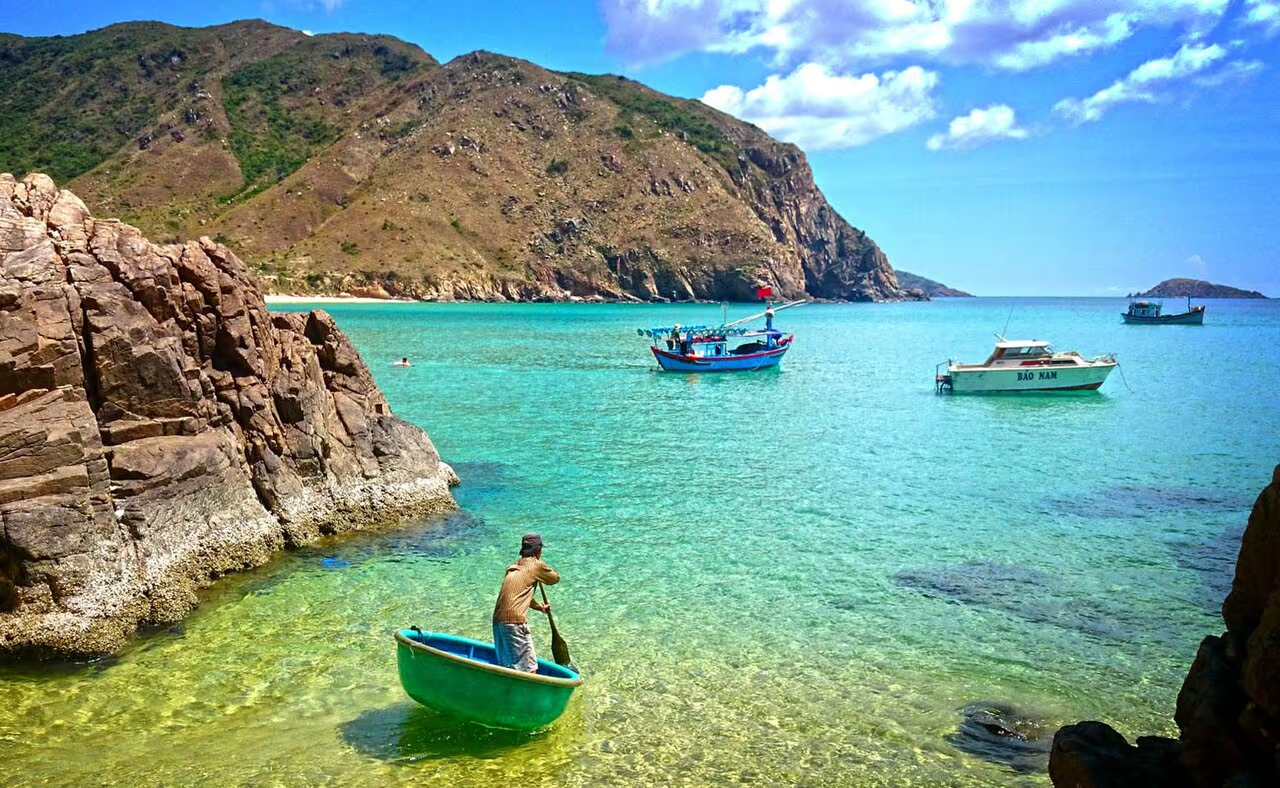
While Nha Trang and Da Nang boomed, the central-coast city of Quy Nhon was quietly left alone — which is exactly its appeal. Clean, long beaches; the ancient Cham towers of Banh It on the hills above; fishing villages and the red-rock coves of Ky Co and Eo Gio nearby; and seafood as good and cheap as anywhere in the country. It's the beach city to visit before everyone else does.
Quy Nhon makes the easiest off-beat add to a coast trip — it sits on the main train line and has its own airport, yet still feels like a city tourism forgot. Base yourself on the long municipal beach, ride out to the surreal red-rock coves of Ky Co and the windswept cape of Eo Gio, climb to the thousand-year-old Banh It Cham towers, and eat banh xeo and fresh seafood for a fraction of Nha Trang's prices. Go before the developers do.
8. Con Dao — Empty Beaches and a Heavy History
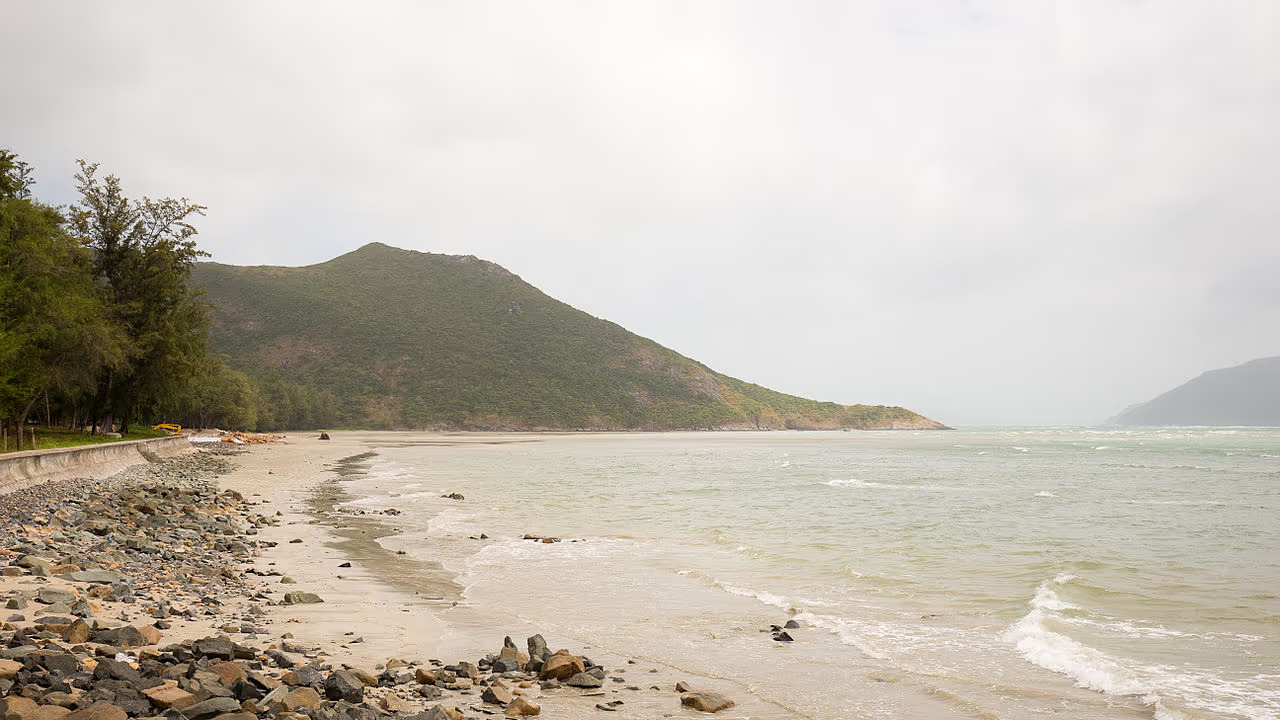
An hour's flight off the southern coast, the Con Dao archipelago is a former prison island turned protected marine park, and one of the most beautiful, least-developed places in Vietnam. The beaches are empty, the diving is the country's best, sea turtles nest on the sand in season, and the sobering prison history gives the islands a depth most beach escapes lack. It takes a flight and a little planning, which is precisely why it stays quiet.
Con Dao rewards slowing right down. Rent a scooter and you can circle the main island in an afternoon, stopping at empty coves, the moving prison museums, and the temple to the national heroine Vo Thi Sau, where locals come to pray at midnight. The diving and snorkelling are genuinely the best in the country, and between June and September green turtles haul up to nest on protected beaches — an experience you can join responsibly through the national park. It is, simply, the most beautiful and least spoiled island in Vietnam.
9. Chau Doc & the Deep Mekong — Beyond the Day-Tour
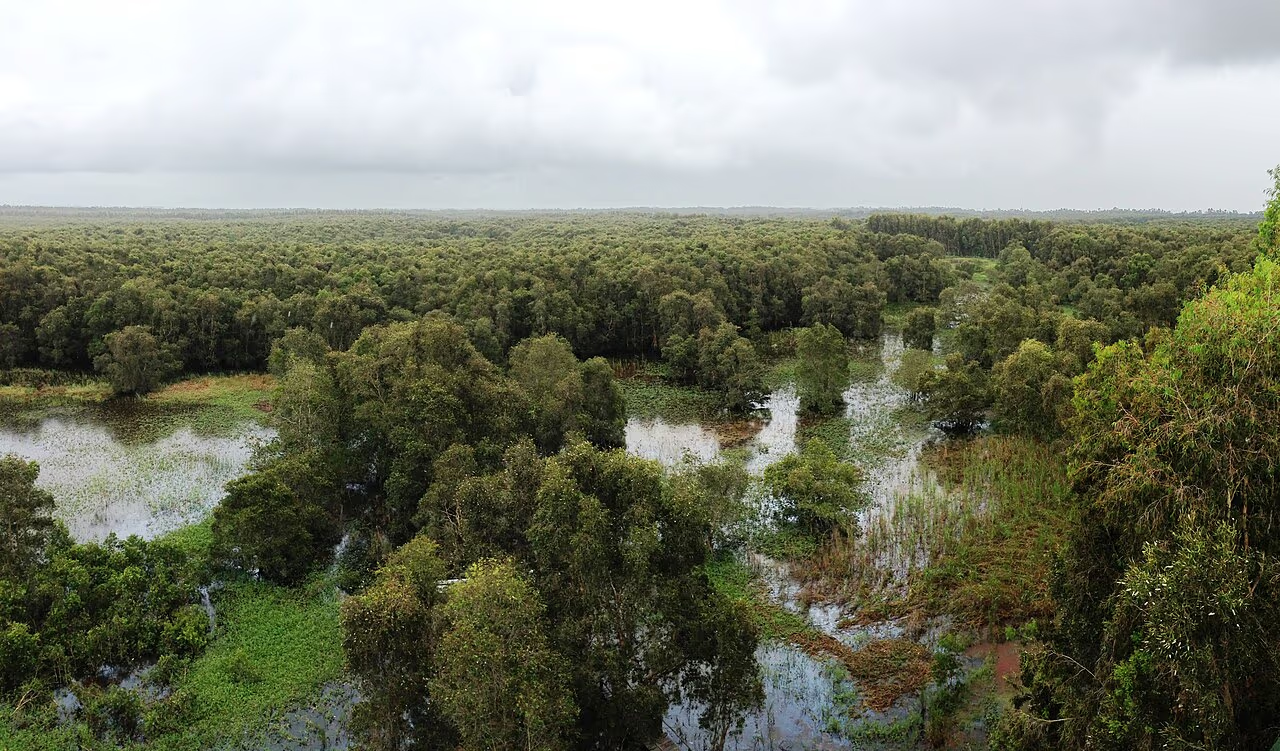
Most travelers "do" the Mekong on a rushed day-trip from Saigon and never see the real delta. Go deeper instead. Chau Doc, near the Cambodian border, has floating fish-farm villages, the Khmer and Cham communities of Sam Mountain, and the surreal flooded Tra Su cardamom forest you explore by sampan. Sleep a night, take a sunrise boat, and the delta stops being a photo stop and becomes a place.
The deep Mekong rewards a slower clock. From Chau Doc you can climb Sam Mountain for sunset over a chequerboard of rice fields stretching into Cambodia, drift through the Tra Su flooded forest by sampan as kingfishers scatter overhead, and visit the floating villages where whole families live and farm fish beneath their houses. It's also the classic slow-boat crossing into Cambodia, gliding up the river toward Phnom Penh — one of the most atmospheric border crossings in Southeast Asia.
The Secret Side of Sapa
You don't have to choose between famous and hidden. Sapa is the most visited mountain destination in Vietnam — and one ridge away from its day-trip path, it's also one of the emptiest. The crowds funnel onto a single route to Cat Cat village; almost nobody walks the far valleys. The map below shows the difference between where the buses go and where we take travelers who ask for quiet.
This is the access that doesn't come from a booking system. Reaching the quiet villages means walking trails that aren't on any map, to homes where the welcome runs through relationships our Black H'mong guides have built over a lifetime. It's the same Sapa everyone photographs — just the half of it the day-trippers never see.
One thing the far valleys demand that the easy loops don't: proper footing. The off-trail clay gets genuinely slippery, and there's no shop at the trailhead. Rent boots and poles at our office in town before you head out.
Kit Out Before the Off-Trail Valleys
 Gear Rental
Trekking Boots Rental
Waterproof ankle-support boots, cleaned and checked before each rental. At 105 Thach Son Street.
 Gear Rental
Walking Poles Rental
Trekking poles at $2/day from our office at 105 Thach Son Street. Essential for the off-trail descents.
Pack for the Road Less Travelled
Off-the-beaten-path Vietnam asks for a slightly different kit than the cities. The further you go, the more cash-only, signal-free, and shop-free it gets — so a little preparation buys a lot of freedom. Here's what actually matters.
Getting to the Hidden Places
The catch with hidden Vietnam is that "hidden" usually means "harder to reach". Public transport thins out, signage disappears, and a wrong bus can cost you a day. For the north — where most of these gems are — the smartest move is to base in Sapa and use it as a launchpad into the quiet valleys, and to make the Hanoi–Sapa leg itself a proper transfer rather than a gamble.
For the gems further out, the realistic options are a hired car with driver (the most flexible way to reach Ba Be, Cao Bang or Pu Luong, and surprisingly affordable split between a few people), the local sleeper buses that grind out to most provincial towns overnight, or domestic flights to the far-flung spots like Con Dao. Trains are slow but scenic for the Hanoi-to-Phong Nha run. Whatever you choose, build in buffer time — the last hour to a hidden place is almost always the slowest.
The Reliable Way Into the Northern Hills


How to Travel Off the Beaten Path in Vietnam
- Go one valley further. You rarely need a remote province — the quiet is usually a single ridge beyond the famous viewpoint. Ask your guide to skip the obvious stop.
- Hire local, not just licensed. The access to off-map villages comes from guides who grew up there, not from a booking screen. That relationship is the whole product.
- Travel midweek and shoulder-season. Even the busy spots empty out on a Tuesday in May or late November. Timing beats distance for dodging crowds.
- Carry cash and patience. The further off-grid you go, the more cash-only and signal-free it gets. Download offline maps and don't over-schedule.
- Say yes to the homestay. A night in a family's home in a quiet valley is the single thing our guests rate above every famous sight. It only exists off the trail.
- Use WhatsApp to plan the quiet routes. Off-trail treks (max 12) need a guide who knows the conditions; our team replies in 5–10 minutes.