 Sinh Giang
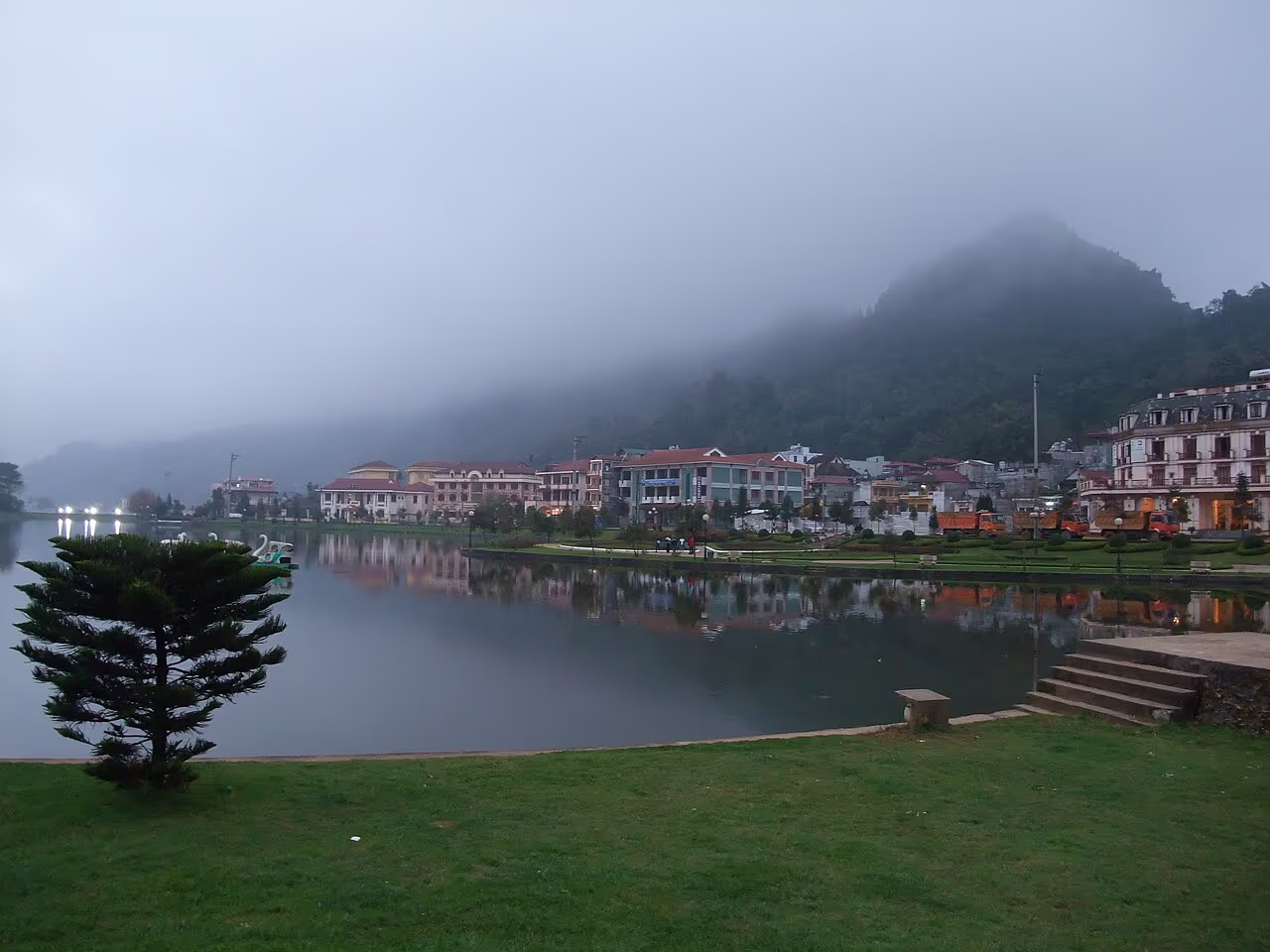
For a trekking trip, the simplest answer is to base yourself in a hotel in Sapa town near the centre or Sapa Lake for your first and last night — it is a short, flat walk to our trekking office at 105 Thach Son Street, to breakfast before an early start, and to the shops where you sort out any last-minute gear. If your trip includes overnight trekking, you then add a valley homestay in Ta Van or Lao Chai for the nights on the trail. A budget guesthouse in town starts around $12 a night, a comfortable mid-range hotel runs $25 to $45, and valley-view hotels and resorts climb from there. That combination — a town hotel to arrive to and come home to, a homestay in the middle — is what most of our guests book, and it works.
This guide to where to stay in Sapa is written from the town our own guides walk out of every morning, so it is practical rather than a list of hotel names. It covers which area to sleep in, what each price tier of hotels in Sapa actually gets you, how a hotel compares to a homestay for a trekking trip, what to look for in a room as a trekker, how you reach your hotel from Hanoi and Lao Cai, and how our free hotel pickup works.
Where Should You Stay in Sapa for a Trekking Trip?
Stay in a Sapa town hotel near the centre or the lake — that is the base that makes a trekking trip easy. It puts you within a five to ten-minute walk of the trekking office at 105 Thach Son Street, of the cafés that open early enough to feed you before a trek, and of the pharmacies and gear shops you might need. From that base we collect you each morning and return you each afternoon, and your main luggage sits safely in town while you carry only a daypack into the valley.
There is a second, less obvious reason town is the right base: Sapa's weather turns fast, and a walkable hotel gives you flexibility. If the morning comes in with heavy mist or rain, being five minutes from the office means we can adjust a start time or swap a trail without you stranded at the far edge of town. The travelers who struggle are the ones who book a beautiful but isolated resort several kilometres out, then find every trek day begins and ends with a taxi. For a trekking trip specifically, convenience beats a view — though as you will see below, you can often have both.
The Best Areas of Sapa Town to Base Yourself
Sapa town is small enough to walk across in twenty minutes, but where you sleep still changes your trip, mostly in the trade-off between convenience and a valley view. When people ask us where to stay in Sapa, most of the hotels in Sapa town that suit trekkers fall into four areas — from the busy centre out to the quiet rim.
Town centre — Cau May and Fansipan Street
The heart of Sapa runs along Cau May Street and Fansipan Street, a short climb up from Sapa Lake. This is where the hotels, restaurants, tour offices, ATMs and North Face gear shops (mostly the copy variety, useful for a cheap poncho) are packed closest together. If you want to roll out of bed, eat a banh mi, and walk to the trekking office at 105 Thach Son Street without thinking about transport, stay here. The trade-off is noise: Cau May has bars and karaoke that run late, so ask for a room at the back or a floor up if you are a light sleeper before an early trek.
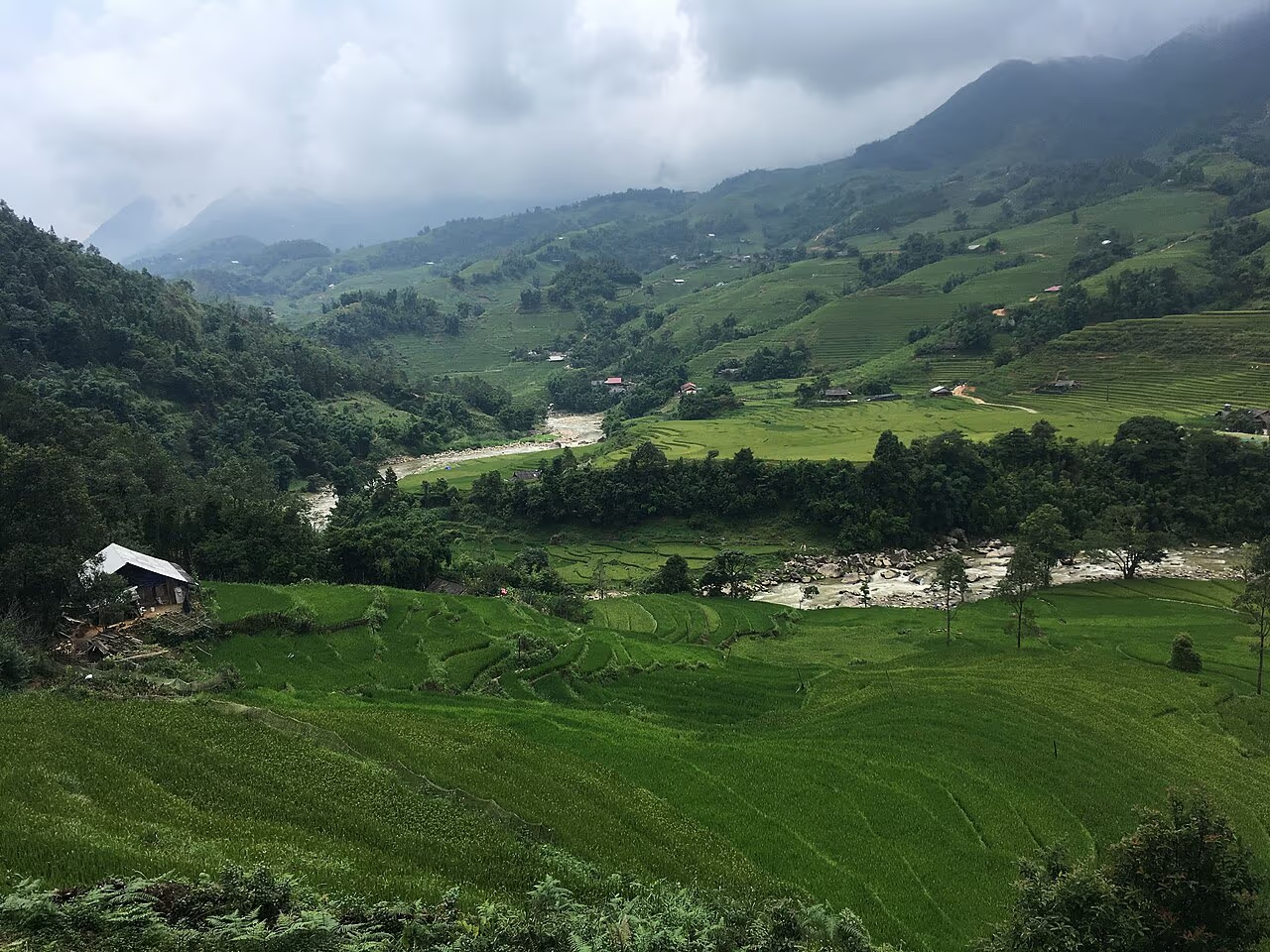
Around Sapa Lake
The streets ringing Sapa Lake and the stone church are a notch calmer than Cau May while staying central. You are still a flat five to ten-minute walk from our office, but with a bit more air and some hotels that look over the water rather than a karaoke bar. This is the area we most often suggest to first-time visitors: central enough for a trekking trip, pleasant enough to enjoy the evening you are not out in the valley.
The Ham Rong side and the southern rim
Climb toward Ham Rong Mountain, or drop to the southern edge of town where the streets fall away toward the valley, and the hotels start selling the real Sapa view — terraces and mountains instead of rooftops. The valley-facing rooms here are stunning, especially at dawn when the mist lifts off the Muong Hoa Valley. You pay for it in a slightly longer, sometimes uphill walk back from the centre after dinner. For a trekking trip this is a lovely first or last night, as long as you are happy with a ten to fifteen-minute walk, or a very short taxi, to reach the office and restaurants.
The quiet edges and near-valley stays
Beyond the rim, some places market themselves as "eco" lodges or hillside bungalows on the road toward Y Linh Ho and the valley. These are peaceful and photogenic, but they are a genuine drive from the centre and from us. They suit a honeymoon or a slow few days more than an active trekking trip, where every morning you want to be near the office and the trailheads. If a valley setting is what you are after, a homestay in Ta Van gets you deeper into it for less money — more on that below.
One practical note that catches people out: Sapa's town centre is built on a steep hillside, so two hotels that look equally central on a map can be a five-minute flat stroll apart or a breathless staircase apart. If you or anyone in your group finds stairs hard, say so when you book the room and ask specifically about lifts and how many steps lie between the street and reception. It is a small question that saves a lot of grumbling after a long trek day, and it matters far more here than the exact street name.
Whichever area you pick, message us your hotel name once you book it. We know the town street by street, and we will tell you honestly whether the pickup is a two-minute stop or whether you are better off meeting us at the office — and roughly how long the walk into the centre takes from your door.
Sapa Hotel Price Tiers: Budget to Luxury
A hotel in Sapa costs less than most first-time visitors expect: solid mid-range comfort sits around $25 to $45 a night, and even the view hotels rarely reach European or Australian city prices. Here is what each tier of the Sapa trekking hotel market actually gets you, with rough US dollar and Vietnamese dong ranges for a double room in 2026.
| Tier | Price / night | What you get | Best for |
|---|---|---|---|
| Budget guesthouse | $12–$20 (≈300k–500k VND) |
Clean private double or dorm, shared or basic en-suite, hot water, usually simple breakfast. Family-run, central. | Backpackers and trekkers who only sleep in town before and after the trail. |
| Mid-range hotel | $25–$45 (≈600k–1.1m VND) |
Comfortable en-suite room, reliable hot shower, heating, Wi-Fi, lift, cooked breakfast, sometimes a small view. | The sweet spot for most trekkers — comfort and location without paying for a resort. |
| Valley-view hotel | $45–$90 (≈1.1m–2.2m VND) |
Larger rooms with balconies over the Muong Hoa Valley, better breakfast, sometimes a small pool or spa. | Couples and anyone who wants a terrace-view morning bookending the trek. |
| Luxury resort | $120 and up (≈3m+ VND) |
Full resorts with pools, spa, restaurants and top-floor valley views, on the rim or just outside town. | A pampered start or finish, honeymoons, travelers not counting the pennies. |
Two things are worth understanding about paying for a Sapa hotel. First, rooms are almost always priced and best paid in Vietnamese dong, even where a booking site shows you dollars — carry enough cash, since some smaller guesthouses add a fee for card payments and a few take cash only. There are ATMs around the lake and on Cau May Street, but they can run empty on a busy weekend, so draw what you need before you head into the valley where there is nothing. Second, "breakfast included" ranges from a genuine cooked spread at a mid-range hotel down to instant noodles and a banana at the cheapest guesthouses; if breakfast before a trek matters to you, ask what it actually is rather than assuming.
A few honest caveats on these numbers. Prices climb on weekends, over Vietnamese public holidays such as Tet and the April 30 – May 1 break, and through the golden harvest weeks of late September, when the whole country wants to see the rice turn gold. In the cold, misty depths of January and February you can negotiate hard and find mid-range rooms at budget prices. "Heating" is worth checking specifically: Sapa genuinely gets cold from November to February, and not every budget guesthouse has more than a thin blanket. For the month-by-month picture of weather and crowds, our guide to the best time to visit Sapa lays it out.
Day Treks You Can Do From a Town Hotel
Base in a Sapa town hotel and trek the valley on day trips — back for a hot shower and dinner in town each evening. Add a homestay night only if you want one.
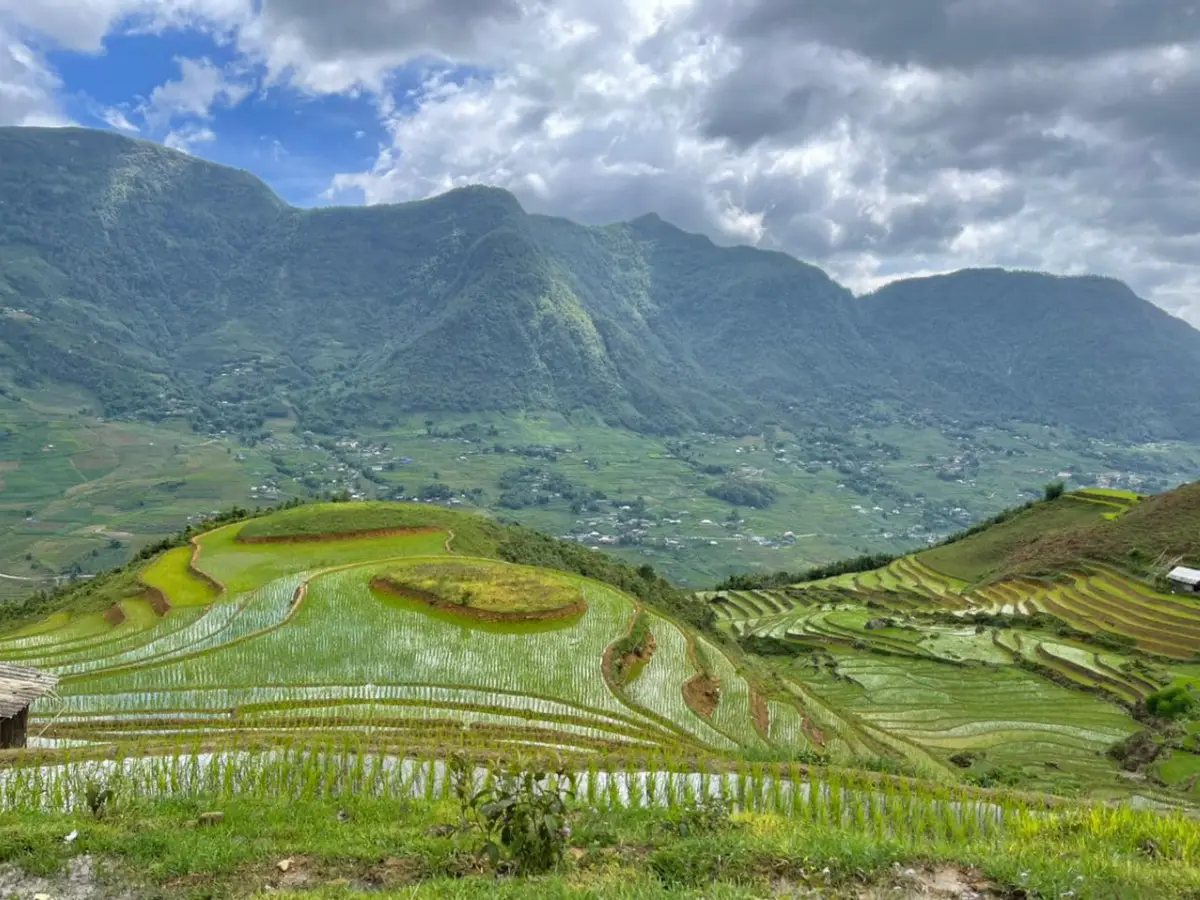 Best Seller
Rice Terraced Fields & Homestay
The classic — a full day through the terraces and a night with a family in Ta Van.
 2D1N
2D1N
Mountain Views & Muong Hoa Valley Trek
Higher viewpoints and more valley ground, with a homestay night among the fields.
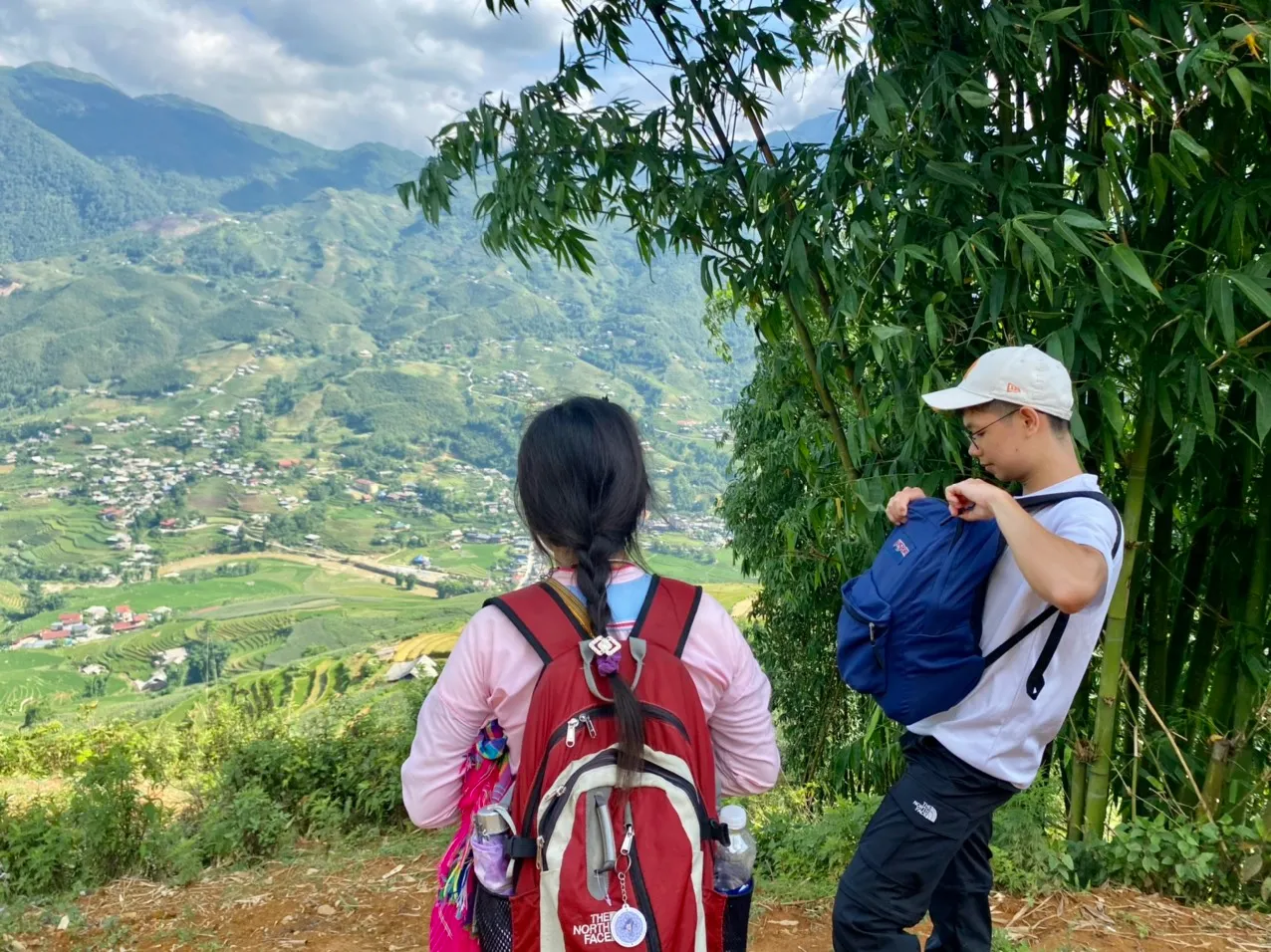 Quieter Trails
Explore Nature and Homestay
A quieter, more off-the-beaten-track route for a deeper night away from the crowds.
Hotel or Homestay for a Trekking Trip?
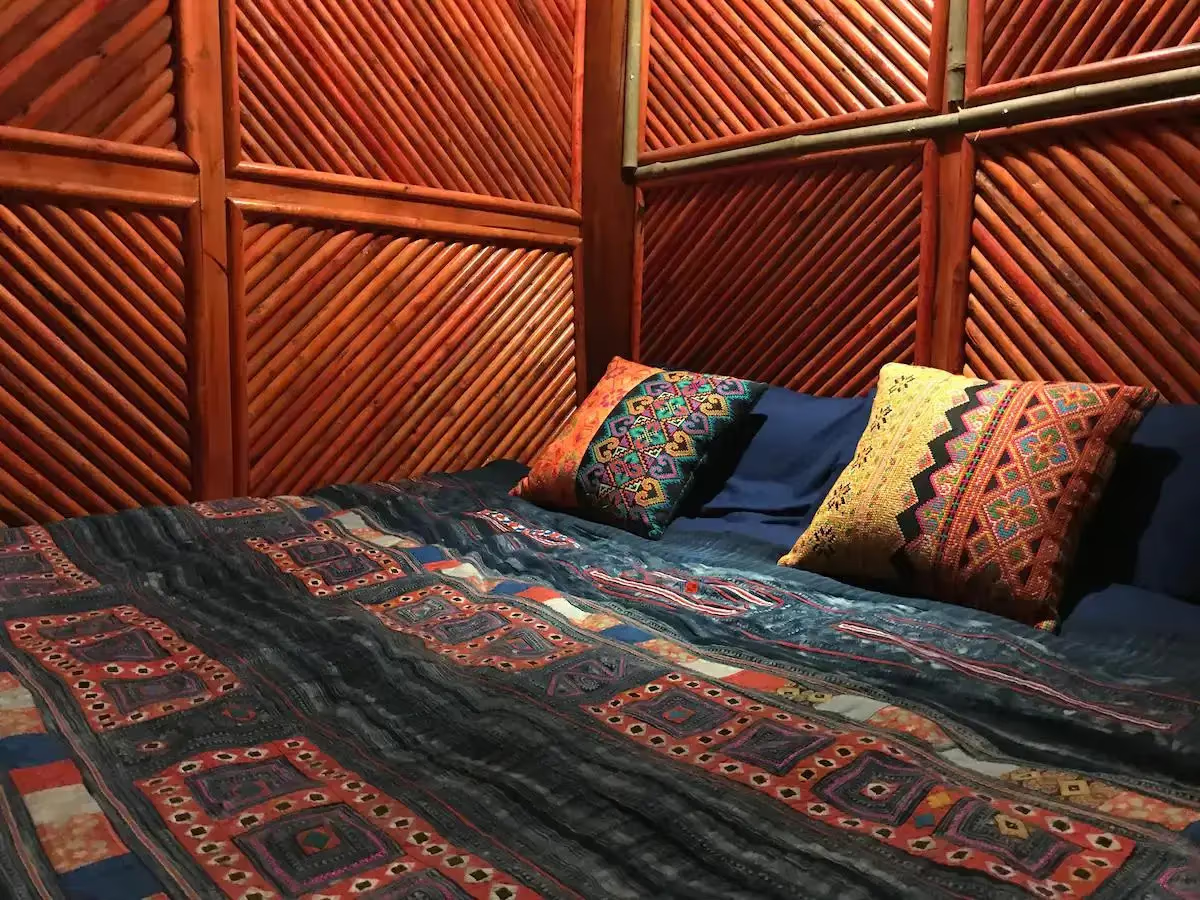
For a trekking trip you do not have to choose — the honest answer is that a town hotel and a valley homestay do different jobs, and most guests use both. The hotel is comfort, a private hot shower and a base to store your bag; the homestay is the evening with a Black H'mong or Red Dao family that people remember for years. Here is the straight comparison so you can weight them for your own trip.
A town hotel wins on
- A private room with a reliable hot shower and en-suite bathroom
- Heating and Wi-Fi — real comfort before and after the trail
- Restaurants, cafés, ATMs and gear shops on your doorstep
- Free luggage storage and an easy base for day treks
- Flexibility if you are travelling with very young children
A valley homestay wins on
- Waking among the terraces in the morning mist, not in a town
- Dinner with a local family — the part guests remember most
- The quiet valley after the day-trippers drive back to town
- Home-cooked food you will not get in a tourist restaurant
- Directly supporting the families who farm the Muong Hoa Valley
Our usual advice for a two, three or four-day trip: a town hotel for the first night (you arrive tired from the Hanoi leg and want a shower), a homestay for the middle of the trek, and back to a town hotel for the last night before you travel on. That way you get the comfort where it counts and the experience where it matters. If shared, simple sleeping genuinely worries you, base entirely in a town hotel and do day treks instead — nobody should force a homestay if it will keep them awake and miserable. For the full picture of the homestay side, from the food to how you actually sleep, read our companion guide to the Sapa trekking homestay.
What to Look for in a Sapa Trekking Hotel
As a trekker, the things that make a Sapa hotel good are not the things a normal city traveler checks — you care less about the lobby and more about whether it works around early starts and muddy returns. These are the six things worth confirming before you book.
- Walkable to the pickup point. A room within a five to ten-minute walk of 105 Thach Son Street and the lake means no taxi juggling on trek mornings. Anything further out, check the walk time honestly.
- Free luggage storage while you trek. You only carry a daypack into the valley. Almost every hotel stores your main bag for free, often even after checkout on your last day — confirm it so you can travel light.
- Reliable hot water and heating. You come back cold and muddy. A dependable hot shower is worth more than a view here, and from November to February heating is not a luxury — it is the difference between a good night and a shivering one.
- Early breakfast, or a flexible one. Treks often leave around 8am. Ask whether breakfast starts early enough, or whether they will do a packed or early option. Many mid-range hotels happily set aside a coffee and bread if you ask the night before.
- Laundry. After a couple of days on the trail your clothes need it. Most guesthouses run a cheap same-day laundry by the kilo — handy if you are moving on to Ha Giang or Hanoi afterwards.
- A valley-facing room, if the budget allows. Not essential, but a balcony over the Muong Hoa Valley at dawn is one of Sapa's quiet pleasures. Ask specifically for a "view room" — many hotels have both, at different prices.
Photos lie a little in Sapa. A hotel advertised with a spectacular valley view may have only two or three rooms that actually face it, with the rest looking at the building next door. When you book a view room, put "valley-facing / view room" in writing in the reservation, and if it matters to you, message the hotel to confirm.
Which Base Suits Which Traveller?
The right base depends less on your budget than on how you travel and how you sleep. Here are three common types of Sapa visitor and where each one is happiest for a trekking trip.
The active trekker
The comfort couple
The budget backpacker
Whichever of these you are, the underlying advice is the same: stay central for a trekking trip, and spend your view budget on the homestay and the trail rather than a resort you will barely see between treks. If you are not sure which trek length fits your days, our guide to Sapa trekking packages lays every option side by side.
Getting From Hanoi and Lao Cai to Your Hotel
Almost everyone reaches Sapa from Hanoi, roughly 5 to 6 hours by overnight sleeper bus, limousine van or train — the last of which stops at Lao Cai, an hour short of town. Whichever you take, plan to arrive in the morning so you can drop your bag at your hotel, breakfast, and start trekking the same day.
How Travelers Reach Sapa From Hanoi
Cover the Hanoi–Sapa leg the night before, arrive in the morning, check in, and you are on the trail by lunchtime.
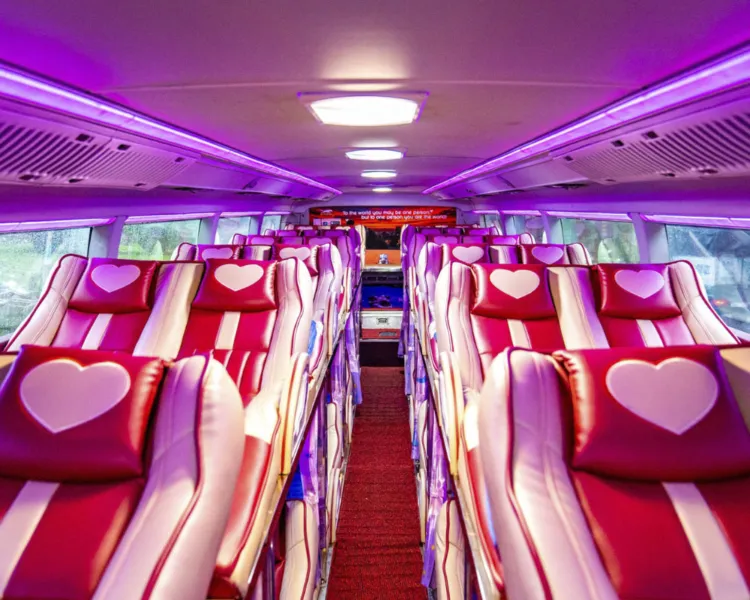 Budget
Sleeper Bus
Overnight or day departures, flat reclining seats.
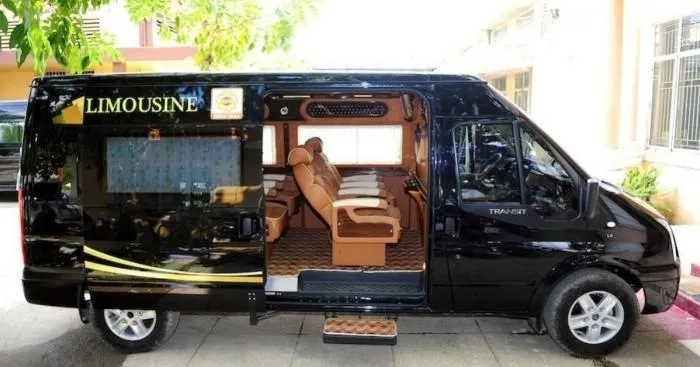 Popular
Limousine Van
Door-to-door hotel pickup, 9-seat comfort van.
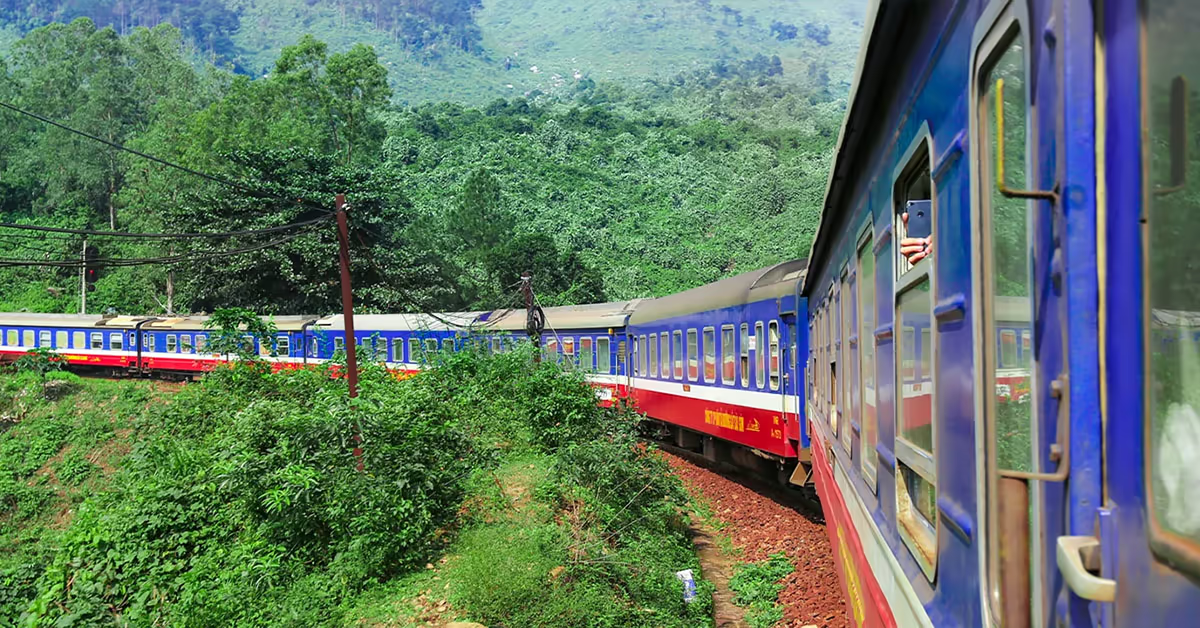 Scenic
Overnight Train
Hanoi to Lao Cai, then a 1-hour transfer to Sapa.
A word on that last leg. The train ends at Lao Cai, the border city down in the valley, not in Sapa itself — from the station it is about an hour by shared minibus or taxi up the mountain to your hotel. The limousine vans and most sleeper buses run door to door, dropping you at or near your hotel in Sapa town, which is why they are the easier choice if you are heading straight into a trek. Whichever you book, give the driver your hotel name; Sapa's one-way streets mean the drop point is sometimes a short walk from the door. For times, current prices and how to book each option, see our full guide on how to get to Sapa.
How Our Free Hotel Pickup Works
You do not need to make your own way to any trailhead — our hotel pickup is free and we collect you from wherever you are staying inside Sapa town. On the morning your trek begins, a guide meets you at your hotel, usually between 8 and 8:30am, and walks or drives you to the start of the day's route.
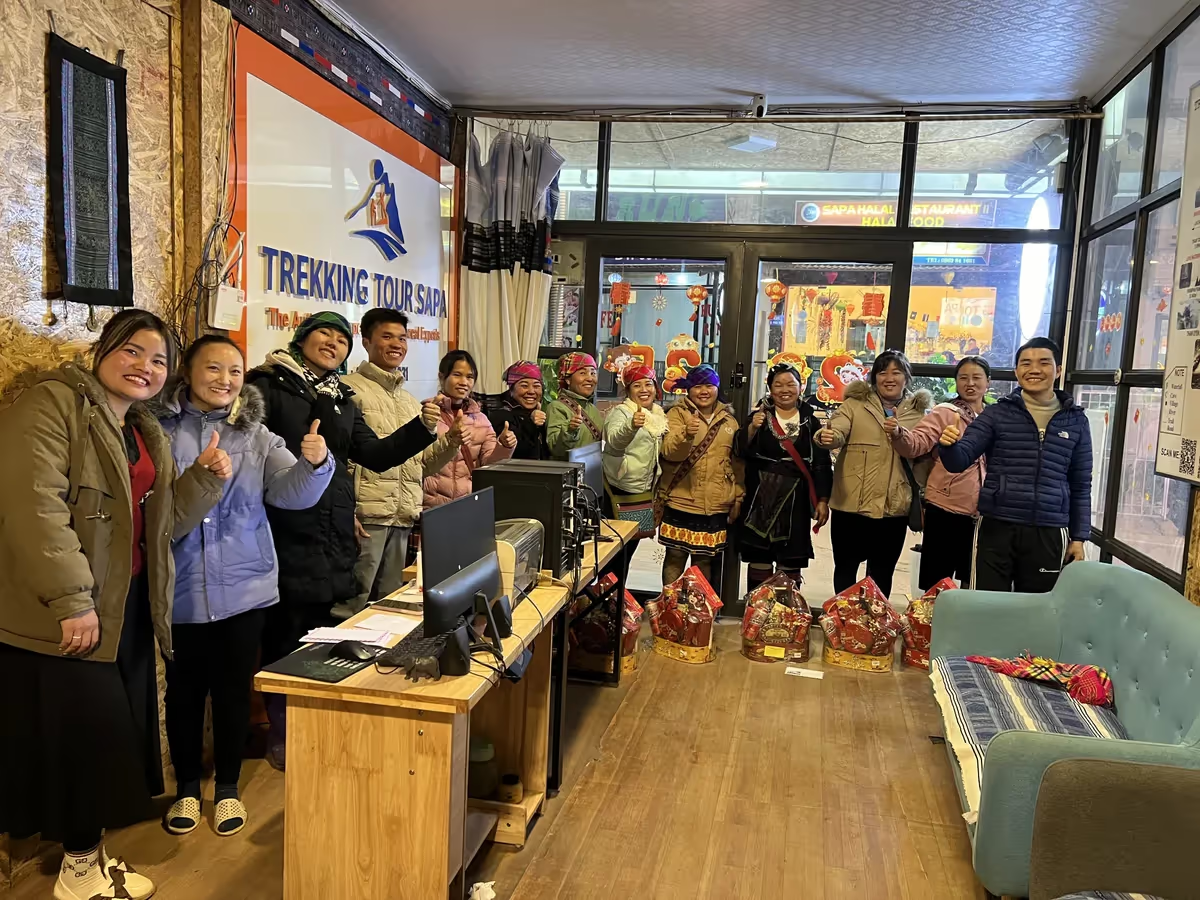
It works like this. When you book, you tell us the name of your hotel or guesthouse. The evening before your trek, we message you on WhatsApp to confirm the exact pickup time and where the guide will wait — usually the hotel lobby or the nearest point a vehicle can reach, since a few of Sapa's steepest lanes are foot-access only. If you would rather not wait, you are always welcome to walk to our office at 105 Thach Son Street near the lake and start from there. Either way there is no extra charge, and it means you can pick your hotel on comfort and location without worrying about how to reach the trail.
The pickup is one of the quiet reasons we tell guests not to over-think the hotel choice. Because we come to you and store your bag if you need, the difference between a hotel two streets from the office and one on the far rim of town is a few minutes each morning, not a logistical headache. Choose the room you will actually be happy in — the one with the shower and the view and the price you like — and let us handle the gap between the hotel door and the first stretch of terrace. That is the whole point of a local operator working from an office in the middle of town rather than an agent booking you from Hanoi.
If you arrive in Sapa the same morning your trek starts — say off an overnight bus at 6am — tell us when you book. We can hold your luggage at the office, let you grab breakfast, and start a little later so you are not walking straight off the bus onto the trail.
Where to Sleep Across a 2D1N or 3D2N Trek
For a multi-day trek the tidiest plan is a town hotel to bookend the trip and a homestay for the middle, so you are always comfortable when you arrive and when you leave. Here is how that looks for the two most common trip lengths we run.
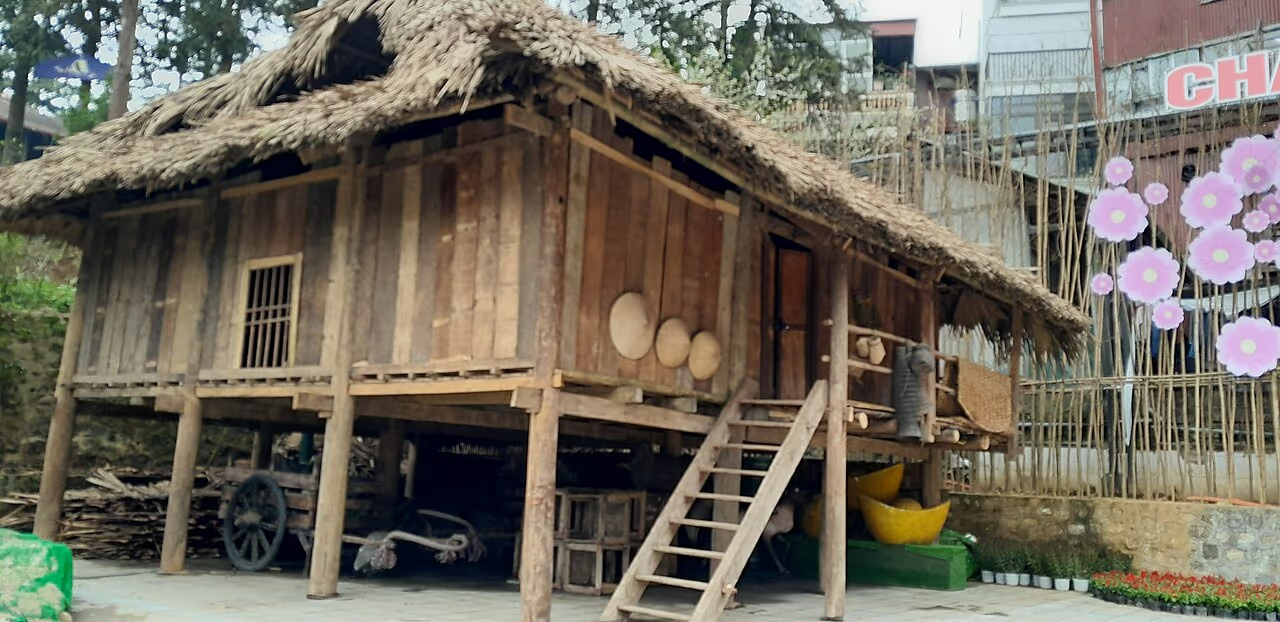
Arrive from Hanoi, check into a central hotel near the lake, shower off the journey, eat in town and sleep in a real bed before the trek.
One night on a 2D1N, two on a 3D2N — sleep with a family in Ta Van or Lao Chai, deep in the Muong Hoa Valley, main bag left back in town.
Trek out, collect your luggage, and take a last hot shower and a good sleep in town before the bus or train onward to Hanoi or Ha Giang.
You do not have to book three separate hotel nights and juggle the homestay yourself — when you book a two, three or four-day trek with us, the homestay nights are included in the trek, and you only arrange your own hotel for the town nights on either side. Many guests book the same town hotel for the arrival and departure night and simply leave their big bag there through the whole trek. If you would rather skip the overnight trekking entirely and stay in a hotel every night, our Sapa itinerary guide shows how to string day treks together from a town base.
Multi-Day Treks With the Homestay Built In
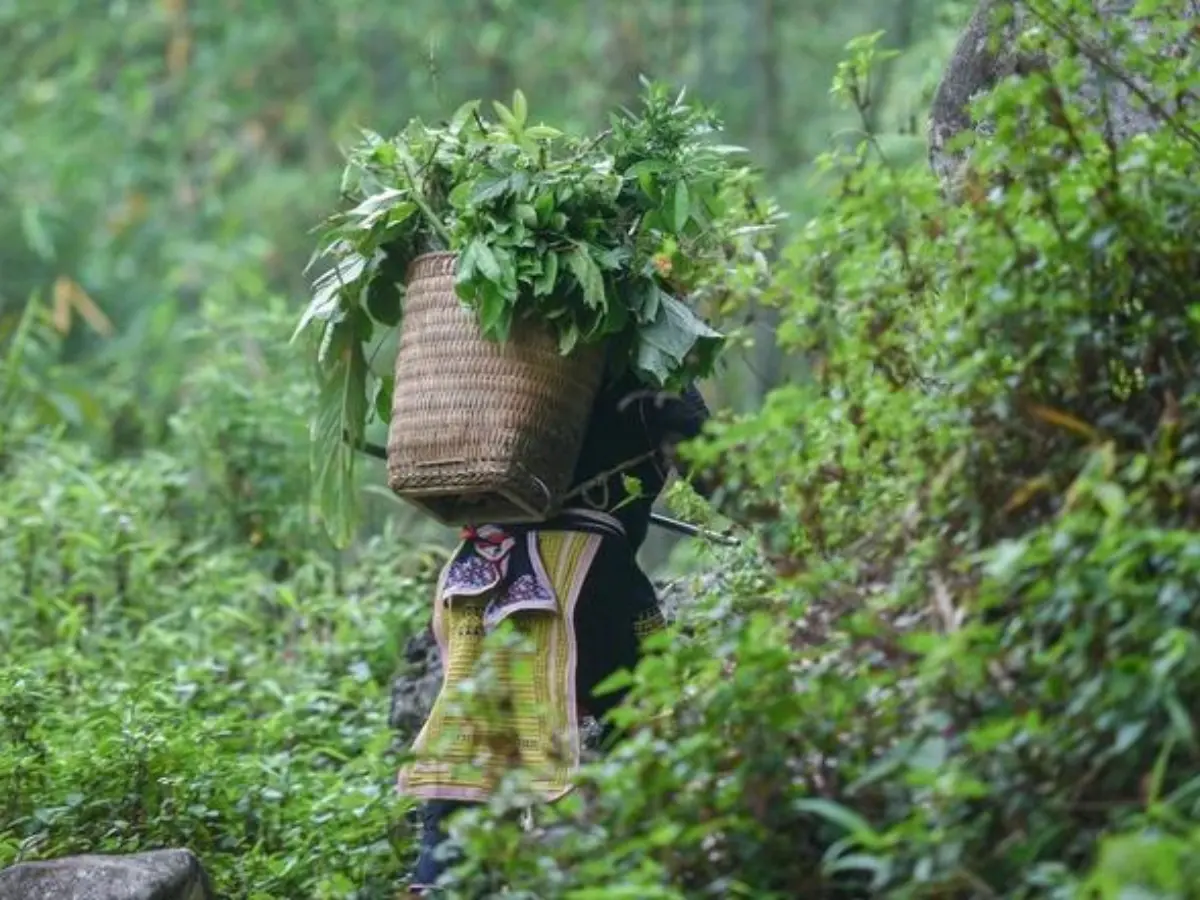 3D2N
3D2N
Experience The Real Sapa
Three days and two homestay nights through the quieter reaches of the valley.
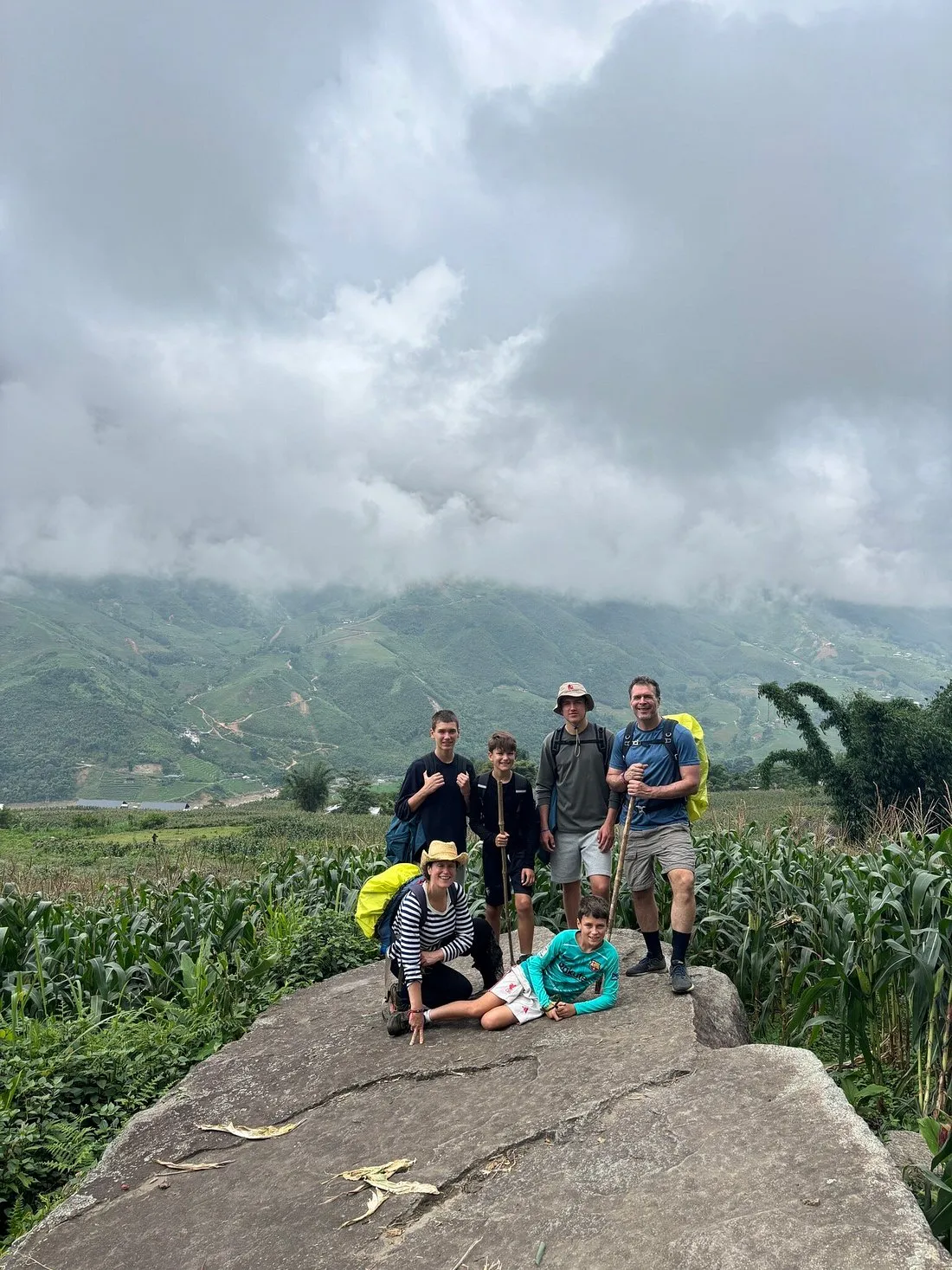 4D3N
4D3N
Sapa Trekking & Homestay — Non-Touristic
Four days and three homestays deep in the valley, well off the day-tour routes.
Booking Tips and the Best Time to Book
Book your first night ahead and stay flexible on the rest — Sapa has plenty of rooms, but the good-value central ones fill fast on weekends and in peak weeks. A little planning saves you both money and the hassle of hunting for a bed off an early bus.
- Lock in the arrival night at least a week ahead in peak season. Late September (golden harvest), Tet, and the April 30 – May 1 holiday are the busy stretches when central hotels sell out and prices jump. Outside those, you can often book a day or two ahead.
- Book directly or on the big platforms — both work. Rates on Booking and Agoda are competitive in Sapa, but messaging a family-run guesthouse directly on Facebook or WhatsApp sometimes beats them and gets you a friendlier check-in.
- Do not overpay for all your nights. Since your homestay nights are included in the trek, you usually only need one or two hotel nights in town. Book those, not a solid week you will not use.
- Ask about the early-checkout and late-arrival reality. Buses and trains arrive and leave at odd hours. A hotel that will hold your bag after checkout, or check you in early off a night bus, is worth choosing over a slightly cheaper one that will not.
- Weekdays are cheaper and quieter. Sapa fills with domestic tourists on weekends. Trekking Tuesday to Thursday means quieter trails and softer room rates.
If you tell us your rough dates when you enquire about a trek, we are happy to point you toward the right area and price of hotel for your plan — we are not a booking agent and make nothing on your room, so the advice is straight. The best time overall to combine good weather, ripe terraces and manageable crowds is covered in our best time to visit Sapa guide.
Accessibility, Seniors and Families
Sapa is a mountain town of steps and slopes, so a little care in choosing your hotel makes a real difference for older travelers, families with young children, or anyone with limited mobility. The single most useful thing is to book a central hotel with a lift and step-free access from the street, and to avoid the hillside places reached by long stair climbs.
For families, a mid-range town hotel with a lift, a bathtub or reliable hot water, and a breakfast that starts early suits the rhythm of small children far better than a homestay's shared floor sleeping. You can still give the kids the valley on an easy day trek and be back for a nap. For older travelers who want the culture without the stairs, tell us when you book: we run gentler, flatter routes, arrange transport closer to the trailheads, and can pick homestays with beds and sit-down toilets rather than floor mattresses where they exist. Nobody should be put off Sapa by a fear of the terrain — there is almost always a version of the trip that works, and matching it to the right hotel is the first step.
What to Bring for a Sapa Trek
You leave your main luggage at your hotel and trek with a small daypack, so packing for the trek itself is light. A few things make the difference on the trail, and you can rent the bulkier gear at our office rather than carry it from home:
- Grippy walking shoes and poles — the terrace trails are muddy and uneven; poles are cheap to rent at our office if you would rather not pack them.
- A rain jacket or poncho — Sapa weather changes fast in any season; always carry one even on a clear morning.
- Warm layers — the valley is cool at night even in summer and genuinely cold from November to February.
- A small daypack, water and snacks — 1.5 to 2 litres of water, plus a head-torch and power bank for homestay nights.
- Cash in small notes — for drinks, handicrafts and tips; the valley is cash-only.
For the full seasonal list, see our guide on what to pack for Sapa trekking.
Rent at Our Office Before You Trek
 Gear Rental
Trekking Boots Rental
Waterproof ankle-support boots. Cleaned and checked before each rental. Available at 105 Thach Son Street.
 Gear Rental
Walking Poles Rental
Trekking poles available to rent at $2/day at our office, 105 Thach Son Street. Useful on any valley trek.
Frequently Asked Questions
For a trekking trip, base yourself in a Sapa town hotel near the centre or Sapa Lake for your first and last night — it is walkable to the trekking office at 105 Thach Son Street and to the restaurants and shops, and it is where we collect you for the trek. If your trip includes overnight trekking, add a valley homestay in Ta Van or Lao Chai for the trek nights. Budget guesthouses start around $12 a night, mid-range hotels run $25 to $45, and view hotels and resorts cost more.
A budget guesthouse in Sapa town costs roughly $12 to $20 a night, a comfortable mid-range hotel $25 to $45, a valley-view hotel $45 to $90, and a luxury resort $120 and up. Prices climb on weekends, over Vietnamese public holidays, and during the golden harvest weeks of late September, so book a little earlier for those dates. Most rates include breakfast.
The town centre around Sapa Lake, Cau May Street and Fansipan Street is the most convenient base for trekkers — you can walk to our office at 105 Thach Son Street, to breakfast before an early start, and to everything you need to sort out gear. The quieter edges of town toward the Ham Rong side and the valley rim give you better rice-terrace views but a slightly longer walk into the centre.
Most guests do both: a town hotel for the first and last night for comfort and easy access to the trekking office, and a valley homestay in the middle for the trek itself. A hotel gives you a private room, hot shower, heating and Wi-Fi; a homestay gives you the evening with a Black H'mong or Red Dao family and a quiet valley morning. Do at least one homestay night if your comfort level allows it.
Yes. Our hotel pickup is free and we collect you from any hotel or guesthouse inside Sapa town on the morning your trek begins, usually between 8 and 8:30am. You can also just walk to our office at 105 Thach Son Street near the lake if you prefer. When you book, tell us your hotel name and we confirm the pickup time by WhatsApp the evening before.
Yes. Almost every hotel and guesthouse in Sapa town stores luggage for free while you trek, and many hold it even after checkout on your last day. You only carry a small daypack for the overnight and leave the rest behind. If your hotel cannot store it, you can leave your main bag safely at our office at 105 Thach Son Street instead.
Still weighing up where to base yourself? Start with our hub of Sapa trekking tours to see the routes, or browse more planning guides in our Sapa travel guides. Once you have your dates and a rough idea of your comfort level, message us and we will help you line the hotel and the trek up together.