
 Sinh Giang
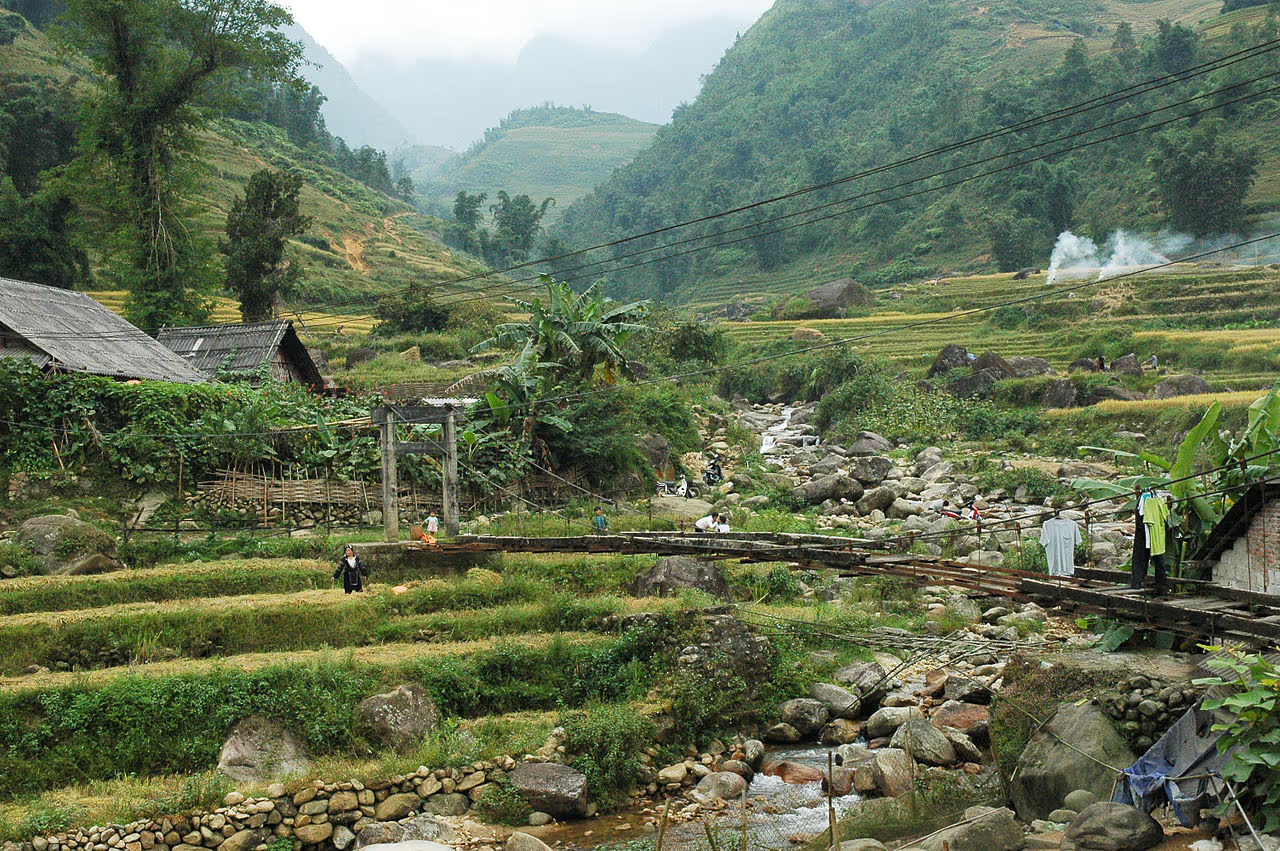
A Sapa trekking homestay is a guided trek through the Muong Hoa Valley that ends with a night in a local Black H'mong or Red Dao family's stilt house, usually in Ta Van. You walk the terraced trails by day, share a home-cooked dinner with the family in the evening, and sleep on a simple mattress under a mosquito net before trekking out again the next morning. It is the single most popular way our guests choose to see Sapa — and the part of the trip most of them remember longest.
This guide covers what a homestay night is actually like, from the trek in to dinner to how you sleep, so nothing about it surprises you. It sets out which villages host the homestays, how a two-day trek is structured, how a homestay compares to a hotel in Sapa town, and who these trips suit. It is written from the valley our own guides walk every week, so the detail here is what we would tell a friend, not a brochure.
If you take one thing from it, take this: the homestay is comfortable and clean rather than luxurious, and that is the whole point. You are trading a hot-shower hotel room for an evening in a working farming home and a valley that goes quiet and misty once the day-trippers drive back to town.
What Is a Sapa Trekking Homestay?
A Sapa trekking homestay is an overnight guided trek where you sleep in a village family's home rather than a hotel — a two-day, one-night trip is the standard, though three and four-day versions go deeper into the valley. Here is what is typical across the homestay treks we run.
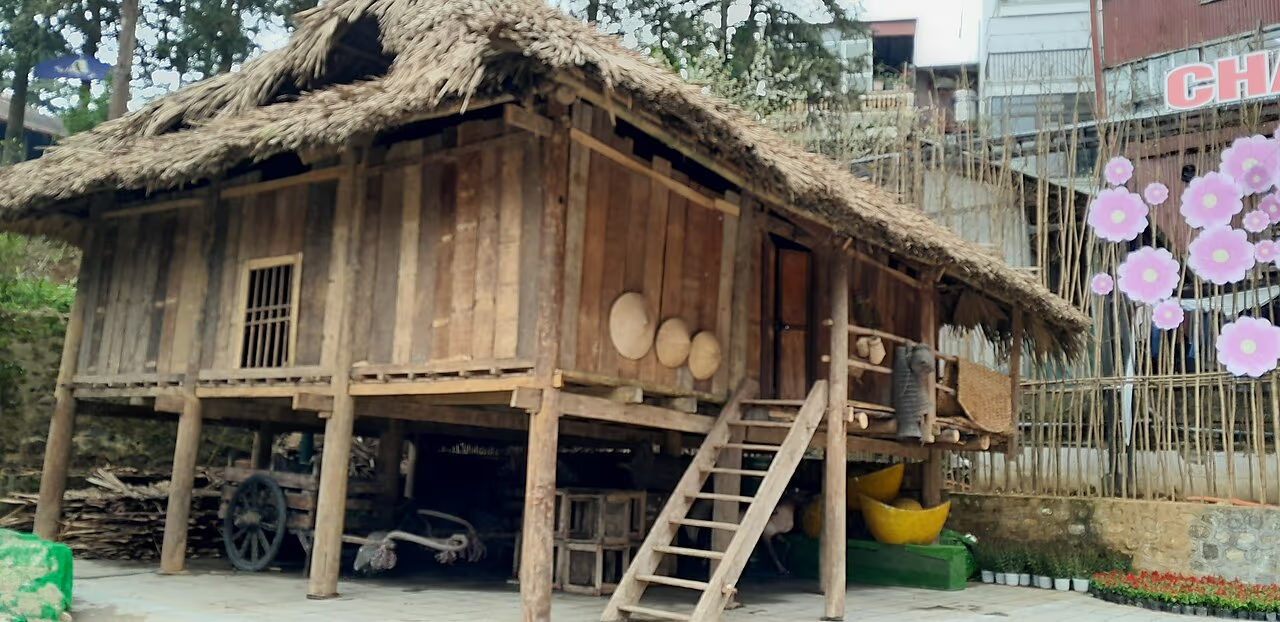
The word "homestay" in the valley covers a range, from a family's own home with a few guest mattresses to a purpose-built guesthouse run by a local family. What they share is that a Sapa family hosts you, cooks for you, and lives in the same building — this is not a hotel with a village address. The trek itself follows the same terraced trails covered in our Sapa trekking guide; the homestay is what turns a day walk into an overnight stay among the people who farm these hills.
What a Night in a Homestay Is Really Like
The evening is the heart of it: you arrive in the late afternoon, wash off the trail, help or watch dinner being cooked, then eat a big shared meal with the family before an early, quiet night. Here is how it actually unfolds, hour by hour, so you know what you are walking into.
Arriving (late afternoon). You reach the homestay after the day's trek, usually between 3 and 5pm. There is time to drop your bag, rinse off the mud, and change into dry clothes before the evening cools. Many families keep a kettle going, and a cup of green tea on the balcony as the mist settles over the terraces is one of the trip's quiet highlights.
Dinner (around 7pm). The meal is the centrepiece — a table crowded with dishes cooked in the family kitchen: steamed rice, stir-fried morning glory and other greens from the garden, tofu, spring rolls, an omelette, and pork or chicken, with a plate of chips that always disappears fastest. It is far more food than you expect. A bottle of homemade rice wine — the locals call it "happy water" — usually appears, and you are welcome to join in or politely pass. Tell us in advance if you are vegetarian or have allergies and the family will cook around it.
The evening. After dinner there is no nightlife and that is the appeal. People sit around, the family's children practise a few words of English, cards come out, and the rice wine loosens conversation between travelers who were strangers that morning. By 9 or 10pm the valley is completely dark and quiet, and most people are ready to sleep after a day on the trail.
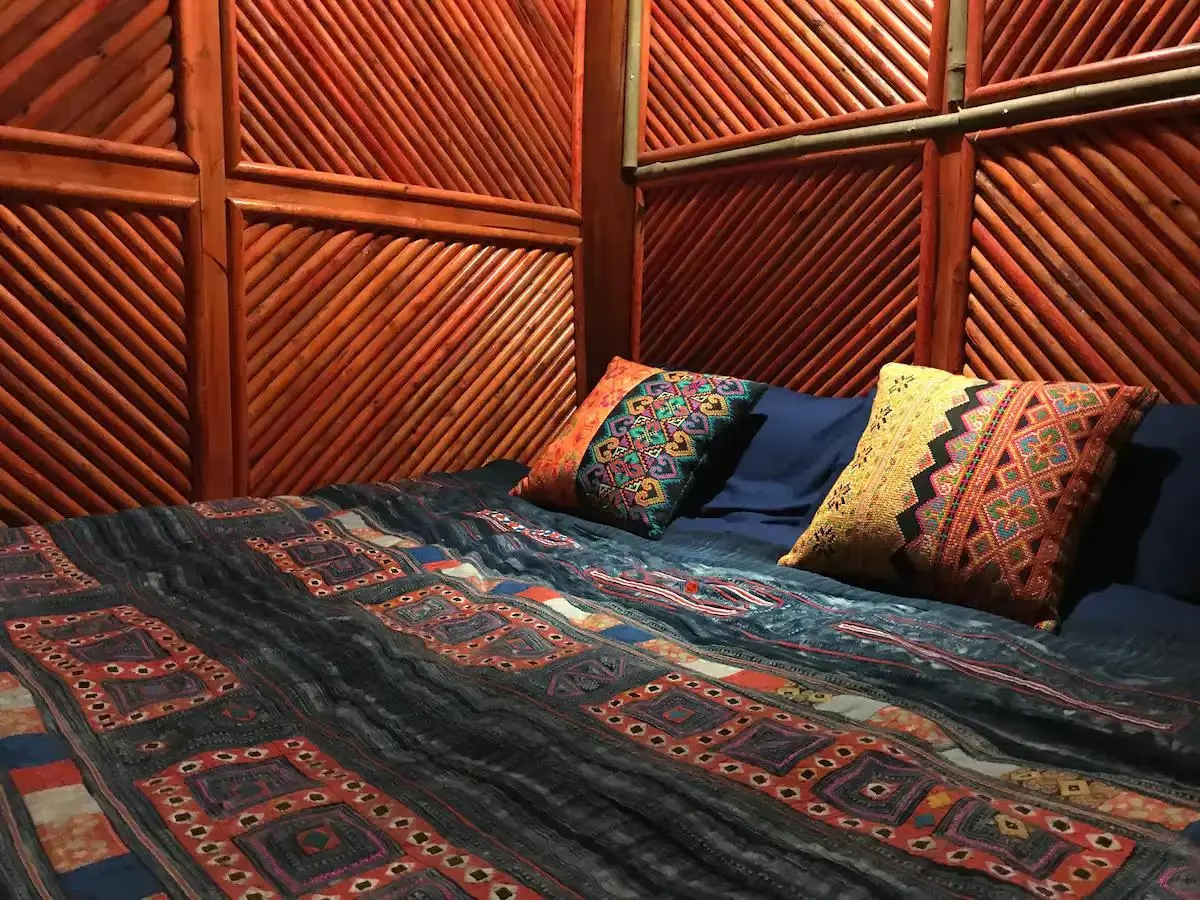
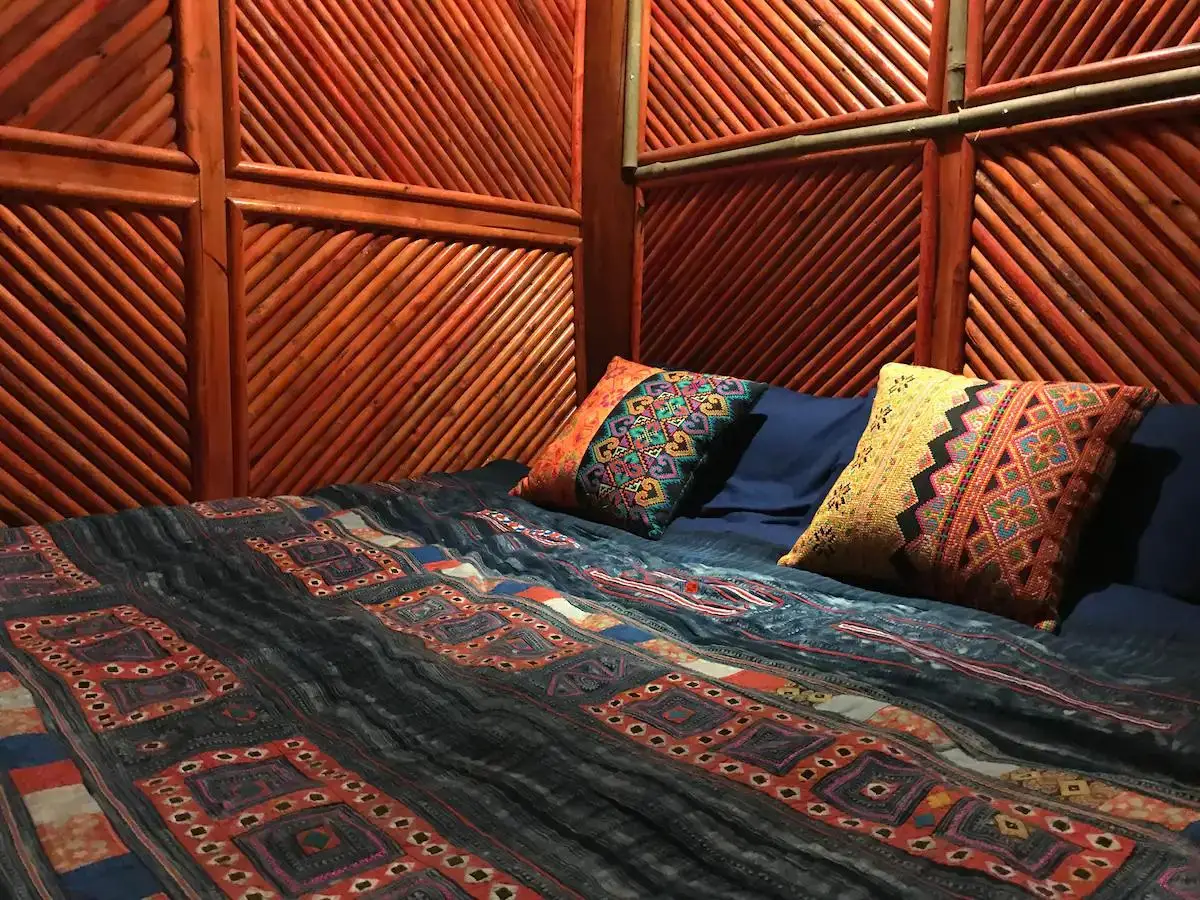
Sleeping. You sleep on a firm mattress on a raised wooden platform, usually in a shared open room or dormitory area, with a mosquito net and a stack of thick blankets. Nights in the mountains are cool even in summer and genuinely cold from November to February, so the blankets matter. Bathrooms are shared; many homestays now have hot water and sit-down toilets, but not all, and it is best to assume simple rather than expect en-suite comfort.
Bring a small torch or head-torch and a power bank. Village electricity can flicker, paths to the bathroom are unlit, and there is rarely a socket next to your mattress. A pair of earplugs also helps if you are a light sleeper — roosters in the valley do not wait for sunrise.
Morning. The valley wakes early. Breakfast is usually pancakes, eggs, fruit and coffee or tea, taken while the mist is still lifting off the terraces — the best light of the day. Then you trek out on a different route back toward the road, so you are not retracing yesterday's steps, and you are usually back in Sapa town by early afternoon.
What a 2-Day Trek and Homestay Looks Like
A standard two-day, one-night homestay trek breaks into three clear parts: a trekking day down into the valley, the evening with the family, and a second trekking day back out. This is the shape of the most-booked homestay trip we run.
Morning pickup in Sapa town, then trek down through Lao Chai and the terraces toward Ta Van — 4 to 5 hours with a family lunch stop along the way.
Arrive mid-afternoon, wash off the trail, share a home-cooked dinner and rice wine, and sleep in the family's stilt house once the valley goes quiet.
Breakfast in the morning mist, then a shorter trek out on a different trail — often via Giang Ta Chai — back to the road and into Sapa by early afternoon.
That is the template, but the exact villages and trails flex with the season, the weather and your group's pace. In the wet months of July and August we may pick lower, less slippery trails; in the golden harvest weeks of late September we route you where the rice is ripest. The pace is always yours — these are small groups, not a forced march.
2-Day Homestay Treks in the Muong Hoa Valley
 Best Seller
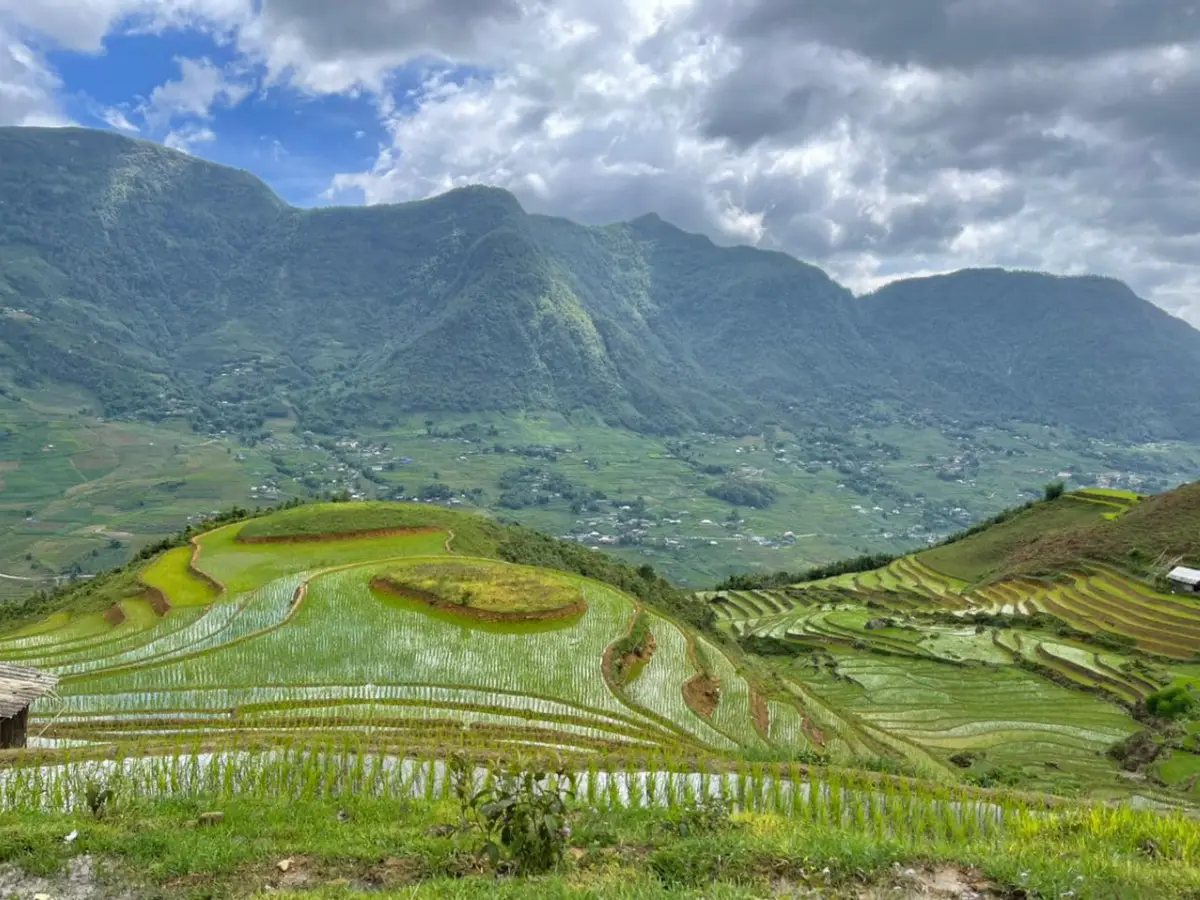
Rice Terraced Fields & Homestay
The classic — a full day through the terraces and a night with a family in Ta Van.
 2D1N
2D1N
Mountain Views & Muong Hoa Valley Trek
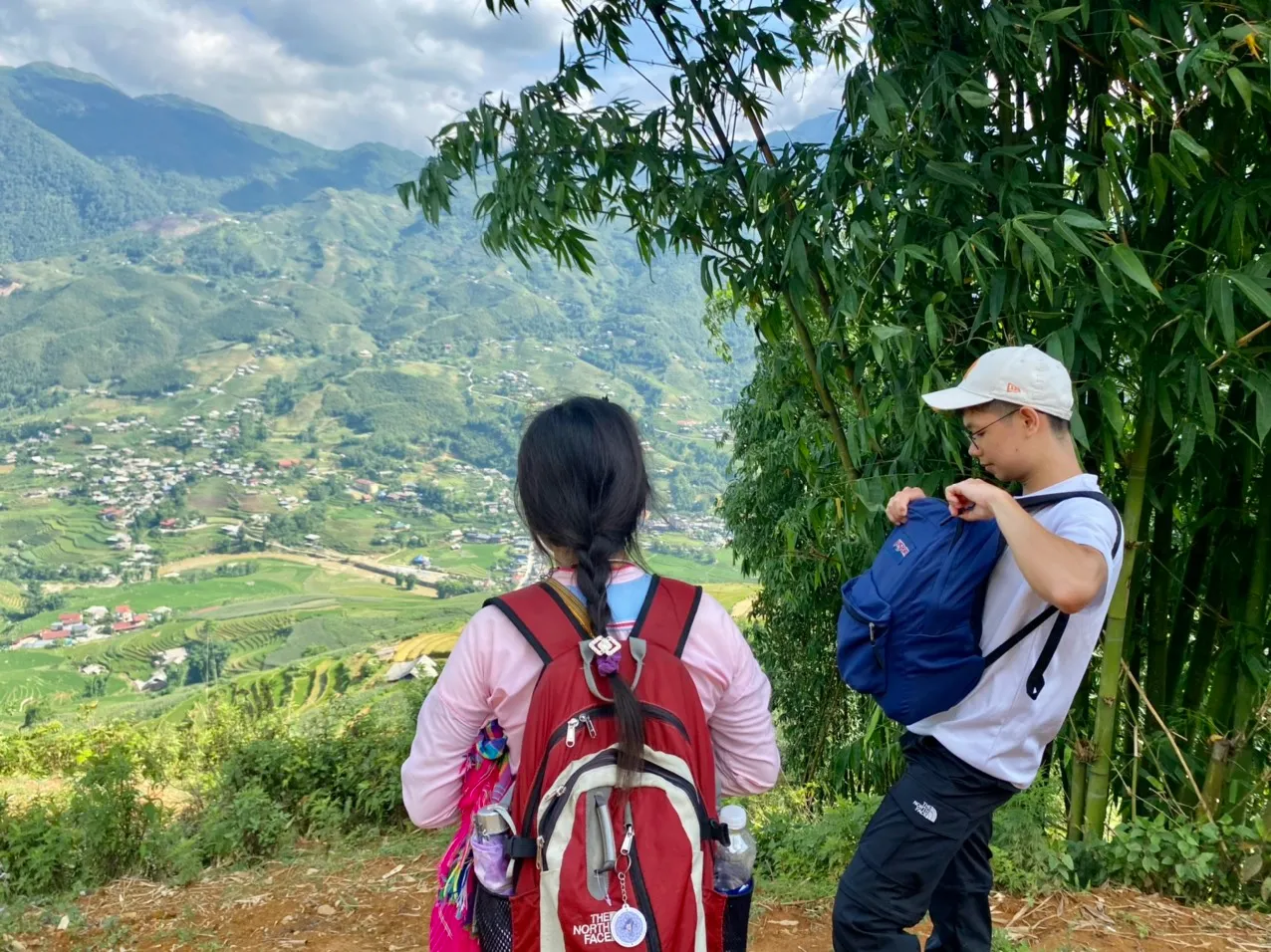
Higher viewpoints and more valley ground, with a homestay night among the fields.
 Quieter Trails
Explore Nature and Homestay
A quieter, more off-the-beaten-track route for a deeper homestay night away from the crowds.
Which Villages Host the Homestays?
The main homestay villages are Ta Van and Lao Chai in the Black H'mong heart of the Muong Hoa Valley, with Giang Ta Chai and Ta Phin on the Red Dao side — Ta Van is the most common overnight base. Each has a slightly different character, and where you stay shapes the evening as much as the trek does.
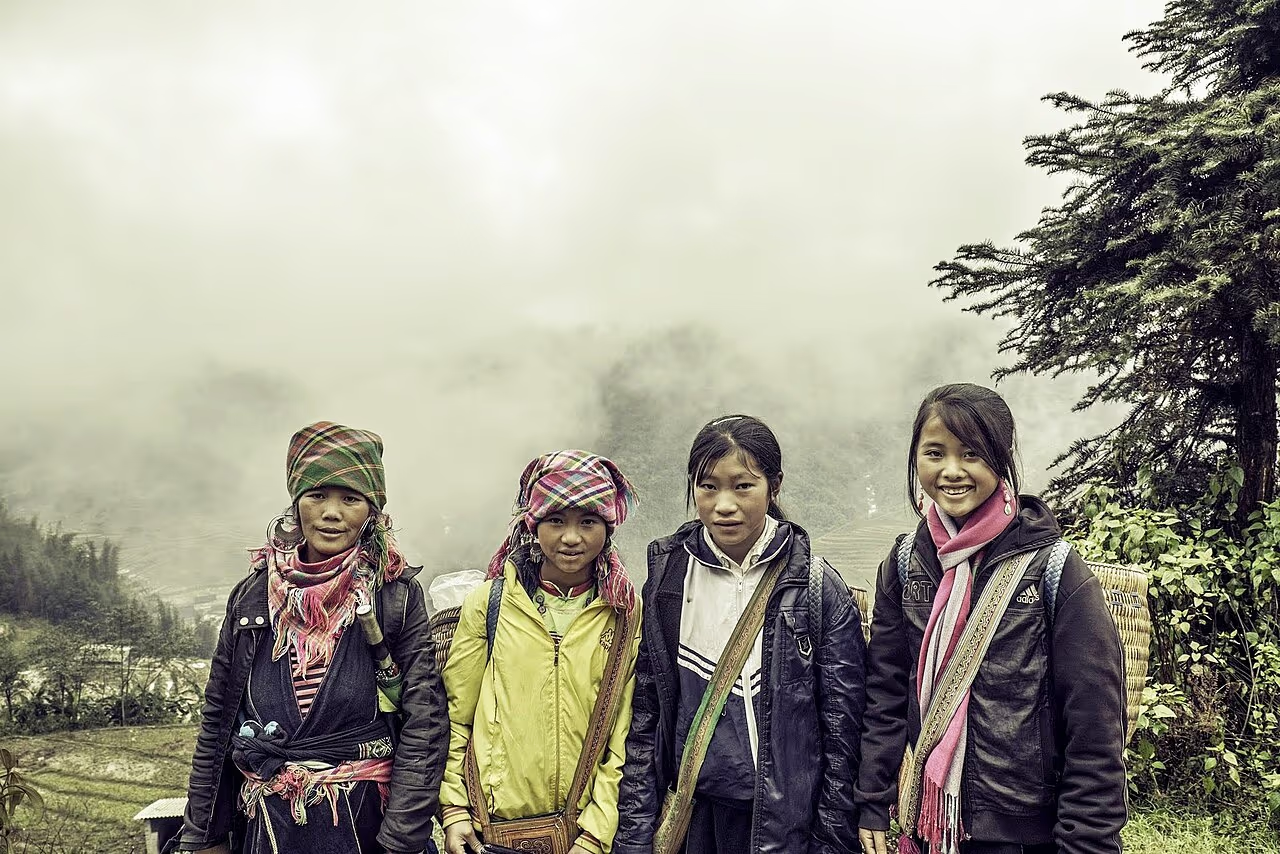
Ta Van is the classic choice: a Black H'mong and Giay village far enough down the valley to empty out once the day tours leave, but with enough established homestays to be comfortable. It sits right among the terraces beside the Muong Hoa Stream, and it is where most of our two-day treks spend the night. Our Ta Van village guide covers it in full.
Lao Chai is closer to town and higher up the valley, the first big Black H'mong village most treks pass through. Staying here means a shorter first day and quicker access to the upper terraces around Y Linh Ho. Giang Ta Chai, across the stream, is a Red Dao village with a bamboo forest and waterfall — a good option if you want the quieter, greener side of the valley.
Ta Phin, north of Sapa town, is a Red Dao and Black H'mong area known for its herbal bath tradition and a different, less-visited landscape than the main valley. A homestay here is the choice for travelers who have seen the Muong Hoa Valley before, or who want the Red Dao culture specifically. To compare all of them side by side, see our roundup of the best villages near Sapa.
Homestay or Hotel in Sapa Town?
The honest answer is that they serve different trips: a hotel in Sapa town is more comfortable and flexible, while a homestay is the experience most people actually come to the valley for. Here is the straight comparison so you can choose with your eyes open.
A homestay wins on
- Waking up among the terraces with morning mist instead of in a town
- The evening with a local family — the part guests remember most
- Home-cooked valley food you will not get in a tourist restaurant
- The quiet valley after the day-trippers have gone back to town
- Directly supporting the families who farm the terraces
A town hotel wins on
- A private room, reliable hot shower and en-suite bathroom
- Heating, Wi-Fi, and a proper bed if you sleep badly
- Restaurants, cafés and shops on your doorstep
- Flexibility if you are travelling with very young children
- Coming and going on your own schedule
Our usual advice: do at least one homestay night if your trip and comfort level allow it — it is the difference between seeing Sapa and staying in it. If you are worried about the shared, simple sleeping, book a single homestay night rather than several, or base in a town hotel and do a full-day trek instead. Nobody should force a homestay if it will keep them awake and miserable; both are valid ways to see the valley.
Is a Trekking Homestay Right for You?
A homestay trek suits most travelers who are reasonably mobile and open to simple comforts — but it genuinely is not for everyone, and it is better to know that before you book than to be disappointed in the valley.
A great fit if you…
Maybe not if you…
If you land in the right-hand column, a full-day trek from a town hotel gives you the terraces and the villages without the overnight — see the day options in our Sapa itinerary guide. If you are somewhere in between, message us; we place a lot of first-time homestay guests every week and can match the trek and the family to how adventurous you actually feel.
Getting to Sapa for Your Homestay
Your homestay trek starts in Sapa town, so the journey to plan is the Hanoi–Sapa leg — an overnight sleeper bus, limousine van, or train, roughly 5 to 6 hours. Once you are in town, we handle the short transfer into the valley and the walk to the homestay.
How Travelers Reach Sapa From Hanoi
Cover the Hanoi–Sapa leg the night before your trek, arrive in the morning, and you are on the trail by lunchtime.
 Budget
Sleeper Bus
Overnight or day departures, flat reclining seats.
 Popular
Limousine Van
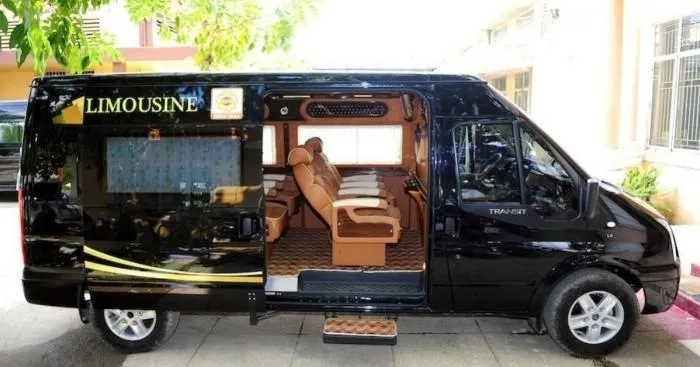
Door-to-door hotel pickup, 9-seat comfort van.
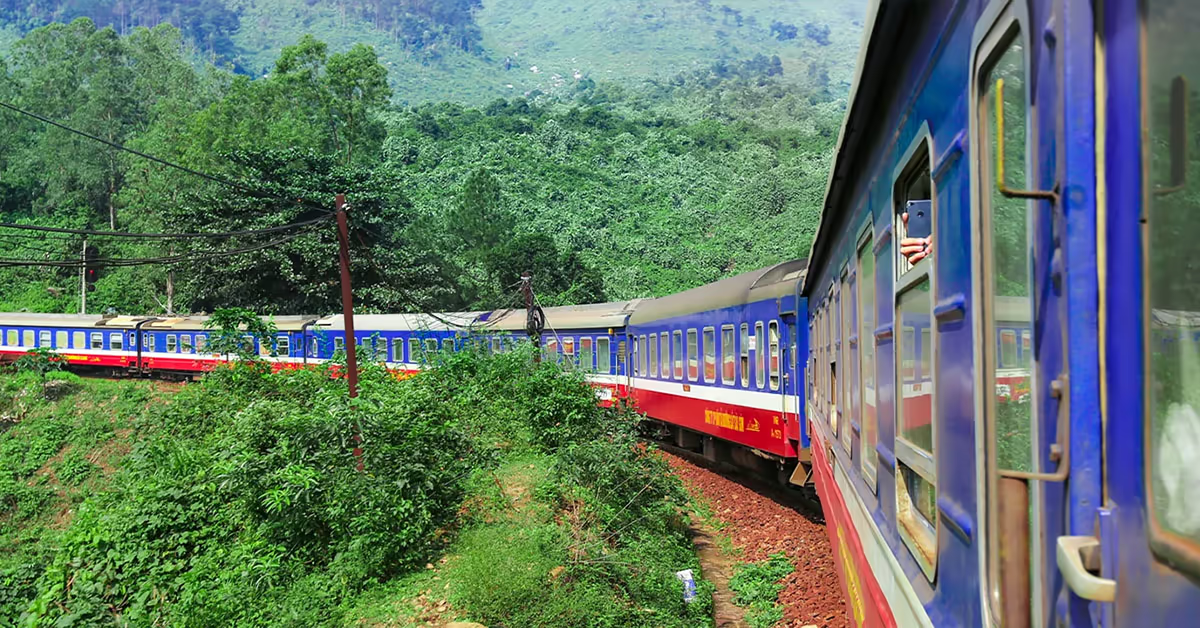 Scenic
Overnight Train
Hanoi to Lao Cai, then a 1-hour transfer to Sapa.
We pick you up at your hotel anywhere in Sapa town on the morning your trek begins, or you can meet us at our office at 105 Thach Son Street. For the full breakdown of times, prices and how to book the Hanoi leg, see our guide on how to get to Sapa.
Going Deeper: 3 and 4-Day Homestay Treks
If one night in the valley is not enough, longer treks string together several homestays and reach villages the two-day trips never touch. A three-day trek adds a second night and quieter, higher trails; a four-day trek gets right off the tourist routes into the far corners of the valley. These are the trips for travelers who want the walking and the homestays to be the whole point of their time in Sapa.
Multi-Night Homestay Treks
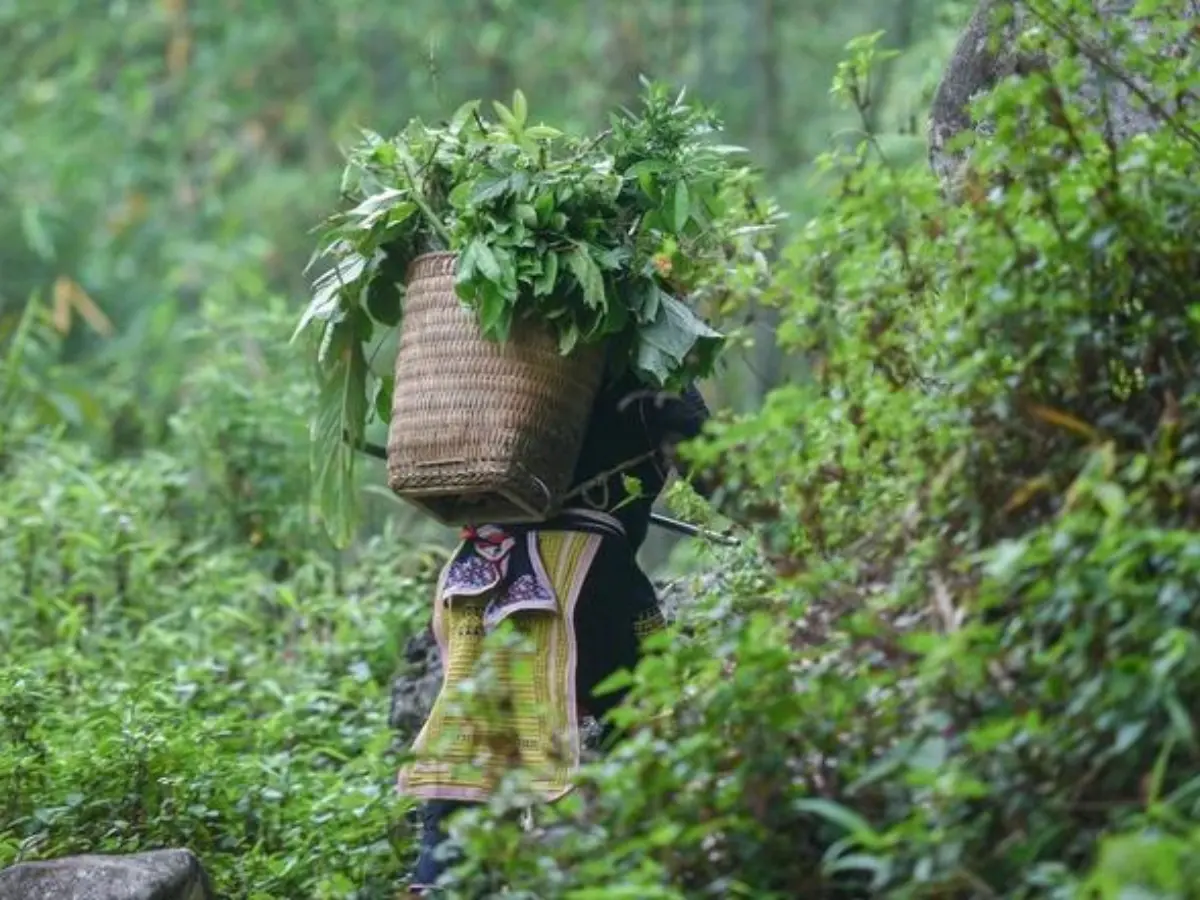 3D2N
3D2N
Experience The Real Sapa
Three days and two homestay nights through the quieter reaches of the valley.
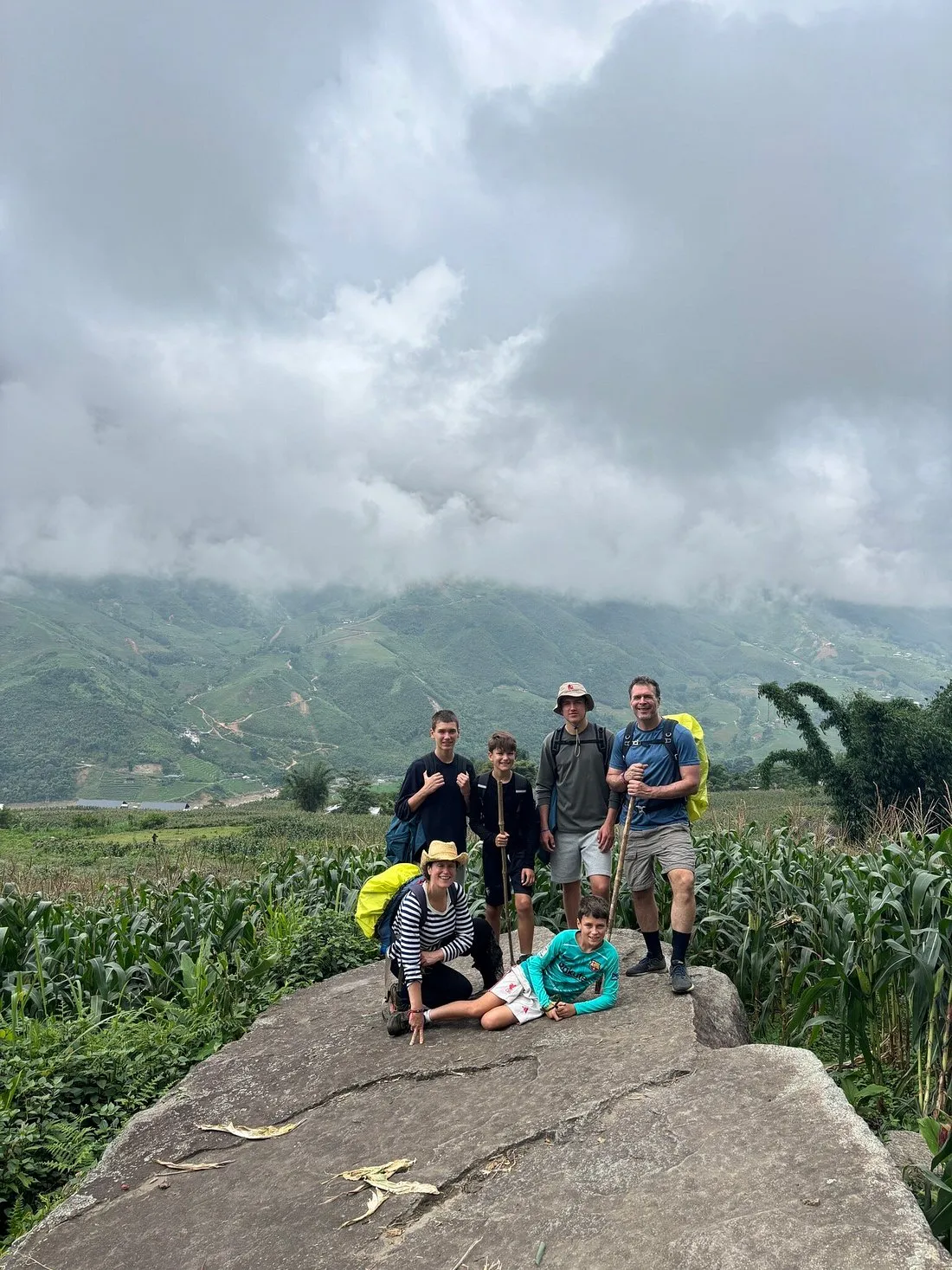 4D3N
4D3N
Sapa Trekking & Homestay — Non-Touristic
Four days and three homestays deep in the valley, well off the day-tour routes.
Not sure which length fits your trip? Our guide to Sapa trekking packages lays every option side by side — one-day walks through to four-day homestay treks — with what is included and how to choose.
What to Bring for a Homestay Trek
You will trek with a small daypack and leave your main luggage at your hotel in Sapa town or our office, so pack light for the overnight. A few things make the homestay night more comfortable:
- A change of dry clothes for the evening — trekking clothes will be damp with sweat or rain by the time you arrive.
- Warm layers — the valley is cool at night even in summer and cold from November to February; the homestay blankets help but a fleece is worth its space.
- A head-torch and power bank — for unlit paths and unreliable sockets.
- A small towel and basic toiletries — homestays provide bedding but not always towels.
- Cash in small notes — for drinks, snacks, handicrafts and tips; the valley is cash-only.
- Walking poles and grippy shoes — the terrace trails are muddy and uneven; poles can be rented at our office if you would rather not pack them.
For the full list across seasons, see our guide on what to pack for Sapa trekking.
Frequently Asked Questions
A Sapa trekking homestay is a guided trek through the Muong Hoa Valley that ends with a night in a local Black H'mong or Red Dao family's stilt house, usually in Ta Van or Lao Chai. You walk the terraced trails by day, share a home-cooked dinner with the family in the evening, and sleep on a simple mattress under a mosquito net before trekking out the next day.
Most valley homestays are wooden stilt houses with clean shared or dormitory-style sleeping on floor mattresses, mosquito nets, warm blankets, and a shared bathroom. Many now have hot water and Western-style toilets, but not all, and Wi-Fi is patchy. They are comfortable and clean rather than luxurious — the point is the family and the setting, not hotel facilities.
Dinner is a home-cooked spread shared around one table: rice, stir-fried greens from the family's garden, tofu, spring rolls, pork or chicken, and often a plate of chips the kids love. Rice wine (happy water) is usually offered. Breakfast is typically pancakes, eggs, fruit, and coffee or tea. We can cater for vegetarians and most dietary needs if you tell us when you book.
The main homestay villages are Ta Van and Lao Chai in the Black H'mong heart of the Muong Hoa Valley, plus Giang Ta Chai and Ta Phin on the Red Dao side. Ta Van is the most common overnight base — far enough from town to be quiet once the day-trippers leave, but still an easy trek in.
Yes. Two-day homestay treks are graded easy to moderate and the pace is set by your group, so beginners, families and reasonably fit older travelers all manage them. The walking is 3 to 5 hours a day on valley trails with some steep, uneven sections. If anyone in the group is worried about fitness, tell us and we will pick a gentler route.
Message us on WhatsApp with your dates and group size and we will confirm availability, the price, and which family you will stay with. We pick you up at your hotel anywhere in Sapa town, or you can meet us at our office at 105 Thach Son Street. A small deposit secures the booking and the balance is paid on the day; cancellation is free up to 7 days before, and a date change is free with 48 hours' notice.
Rent at Our Office Before You Trek
 Gear Rental
Trekking Boots Rental
Waterproof ankle-support boots. Cleaned and checked before each rental. Available at 105 Thach Son Street.
 Gear Rental
Walking Poles Rental
Trekking poles available to rent at $2/day at our office, 105 Thach Son Street. Useful on any valley trek.