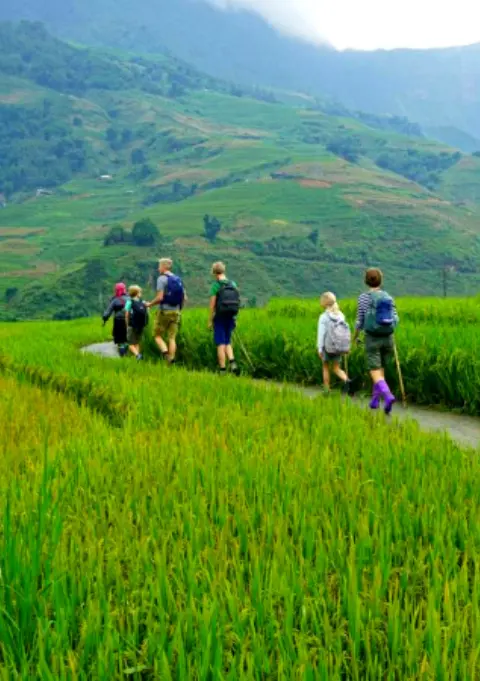
 Sinh Giang
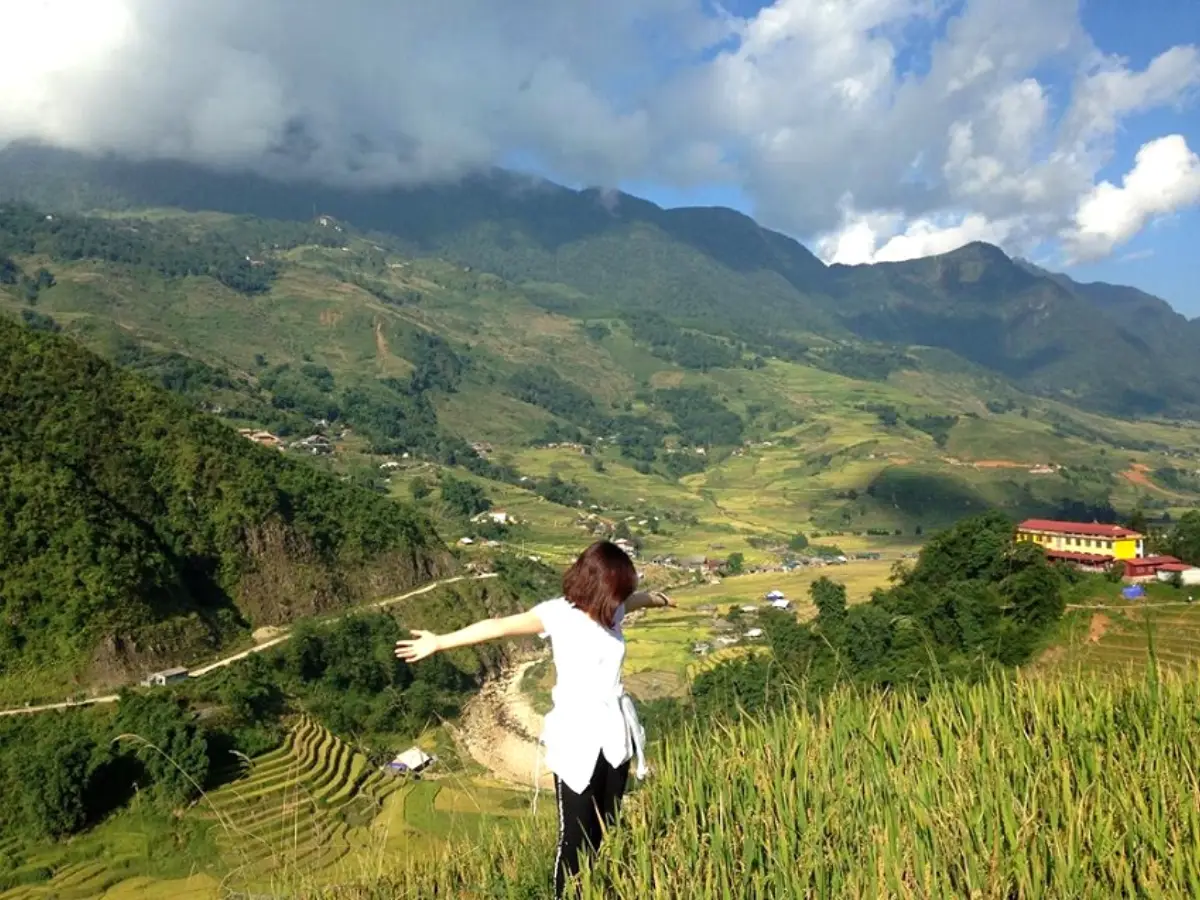
The alarm goes off at 4:15am and the room is cold — colder than you expected for June. That first shock of early mountain air is the thing I always mention when people ask me about sunrise in Sapa. You will be standing on a trail above Lao Chai village with a thermos of tea and the whole Muong Hoa Valley below you, still dark, still quiet except for the sound of water moving through the terraces. And then the Hoang Lien range turns pink along the eastern ridge, and for about twelve minutes the light does something to the rice paddies that no photograph ever quite captures. You come back the next morning anyway.
I have walked these routes with guests from Australia, the United States, France, and Germany, and the sunrise and sunset viewpoints here are consistently the moments they remember most. This guide covers every spot worth visiting — from the ones you can reach on your own from town, to the ridge trails above Ta Van and Lao Chai that require leaving in darkness with a local guide. I have included exact times, honest difficulty ratings, and what to bring. No padding.
Best Sunrise Spots in Sapa
The best sunrise spots in Sapa are all east-facing, elevated above the Muong Hoa Valley floor, and accessible before the light peaks. The three locations worth the early start are: the ridge trail above Lao Chai village, the Fansipan cable car upper station, and the viewpoint above Y Linh Ho on the road toward Ta Phin. Each gives a different kind of light — here is what to expect from each.
Lao Chai Ridge Trail — The Classic Terrace View
This is the spot I take guests to first. The trail leaves the edge of Lao Chai village — a Black H'mong settlement in the Muong Hoa Valley — and climbs about 200 metres in elevation along a narrow earthen path between the upper paddy walls. There is no signage. At the top there is a flat section of rock and trodden grass where the valley opens up in both directions: Ta Van to the south, and the valley narrowing toward Hang Da to the north. When the mist is sitting low in the valley and the ridges are clear, this view is genuinely one of the most striking in northern Vietnam.
In September and October, when the rice is fully mature and turning from green to gold, the terraces below you catch the first horizontal light in a way that makes the paddy steps visible from a kilometre away. It is the photograph most people come to Sapa wanting to take — and this is the place to take it. The walk from town to the start of the ridge trail is about 8 km / 5 miles, which means leaving town at 4:30am for a summer sunrise. We bring walking poles from the office — the descent back can be slippery before the path dries.
The mist sits lowest in the valley between 5:00am and 6:30am. If you wait until 7am you will usually find it has burned off — and the photograph you came for is gone. Leave town by 4:30am and be on the ridge before first light. Our guides know exactly where to position you for the best angle on the terraces below.
Fansipan Upper Station — Above the Cloud Line
On clear mornings in October and November, the Fansipan cable car to the summit of Indochina's highest peak (3,143 metres / 10,312 feet) gives you a view that is genuinely different from anything at valley level. The cloud layer sits below you. The sunrise appears on the far eastern horizon — you are watching it from above. The temperature at 3,000 metres before dawn is typically 6–10°C even in late autumn, so this is the one viewpoint where I say: full waterproof jacket, not just a fleece. The cable car does not run at 5am — the usual approach for serious sunrise photography is to stay overnight on the mountain and watch from the summit access paths near the cable car upper terminal.
Y Linh Ho Overlook — Less Crowded, Equally Good Light
The road between Sapa town and the Red Dao village of Ta Phin passes through Y Linh Ho, a Black H'mong village set on a hillside with an east-facing aspect that catches the first light across the paddy fields below. There is a viewpoint here that almost no one uses — partly because it requires knowing where to stop on an unmarked road bend, and partly because most visitors never make it this far before sunrise. On a clear September morning, the light across the Y Linh Ho terraces is comparable to Lao Chai, with fewer people and a quieter atmosphere. This is the viewpoint I recommend if you are coming a second time and want something you have not seen before.
Our 3 Most Popular Sapa Trekking Tours
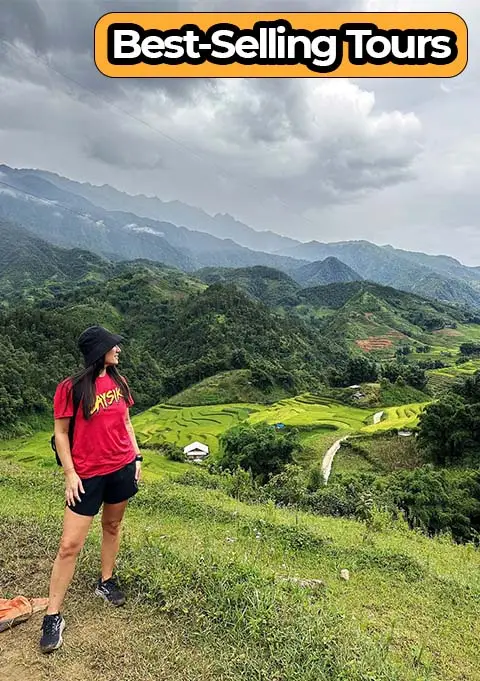 Best Seller
Trekking Through Rice Terraced Fields
Walk the Muong Hoa Valley floor through Lao Chai and Ta Van — the best single-day terrace photography route.
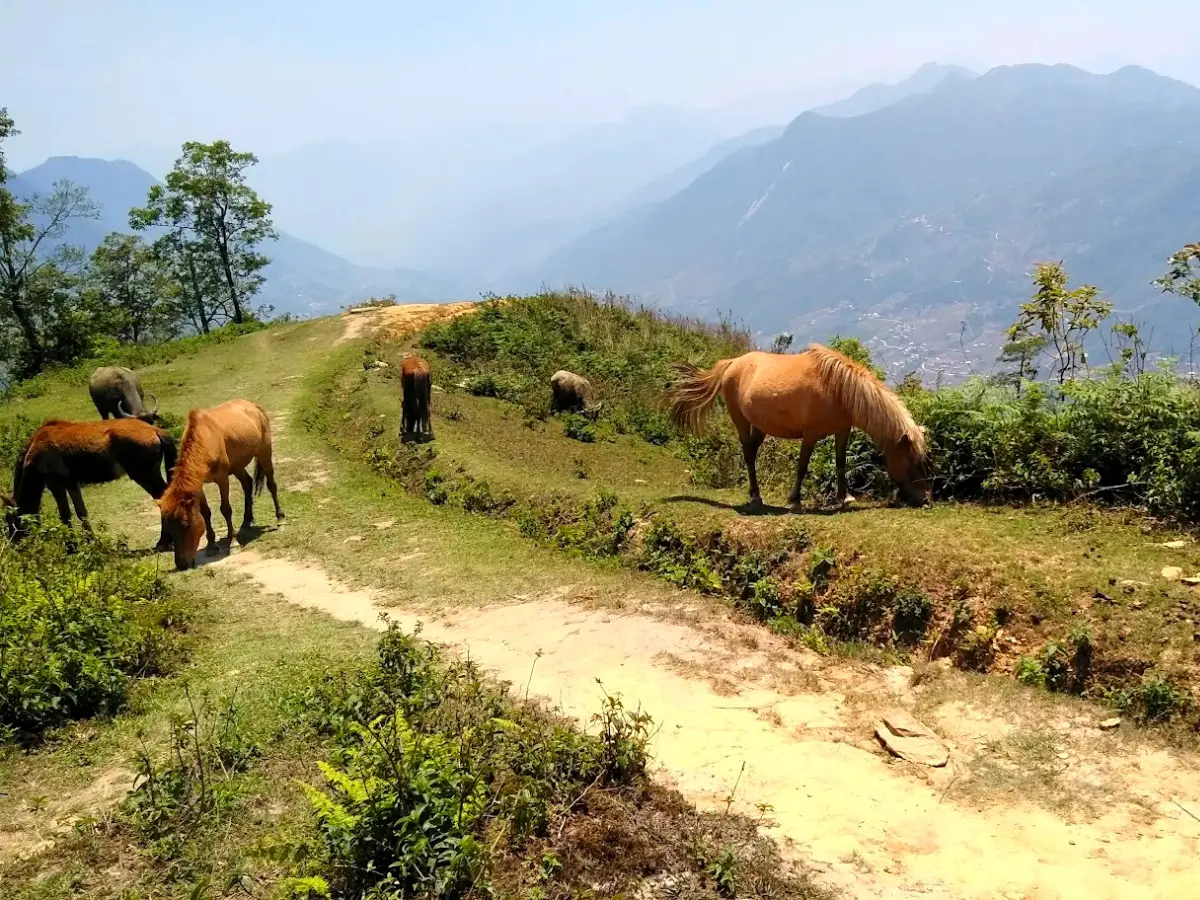
Mountain Views and Villages Trek
Panoramic ridge trails — the elevated views on this route make it ideal for photography in morning light.
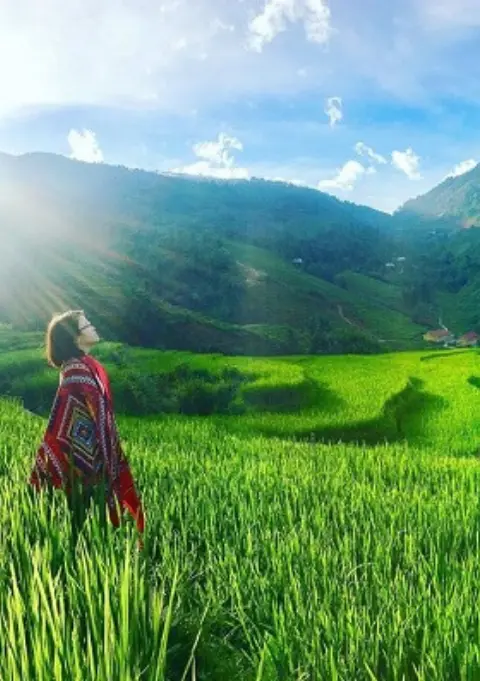
Rice Paddies and Cultures – Easy Hiking
Valley-level walking through working paddies — superb soft light on the terraces in the morning hours.
Best Sunset Spots in Sapa
The best sunset spots in Sapa face west toward the Hoang Lien Son mountain range, which runs northwest to southeast along the Vietnamese-Chinese border. Two locations stand out: Ham Rong Mountain above Sapa town, and the hilltop above Ma Tra village, which requires a short drive and is best reached as part of a guided afternoon. Ham Rong is the easier option — and it is consistently impressive when the conditions are right.
Ham Rong Mountain — The Town Viewpoint
Ham Rong Mountain (Dragon's Jaw Mountain) rises directly above the Sapa market. The main viewing terrace sits at roughly 1,800 metres / 5,906 feet and faces west across the Hoang Lien range. In clear weather between October and December — after the summer monsoon has cleared but before the heavy winter fog settles in — the sunset here turns the clouds orange against a darkening blue sky, and the valley below fills with the cooking smoke from Black H'mong and Red Dao villages at the same time. It is the kind of scene that makes you understand why people come back to Sapa year after year.
Practically: the entrance to Ham Rong Mountain is a 15-minute walk from the market square. There is an admission fee. The path to the main terrace above the Cloud Garden pagoda takes another 20 minutes. Arrive at least 45 minutes before sunset — the best light is the 15 minutes before the sun reaches the ridgeline, not the moment of actual sunset. No guide required for this one. However, if you want to visit the orchid gardens and the ethnic minority market on the way back, a local guide adds context that you will not get from a sign.
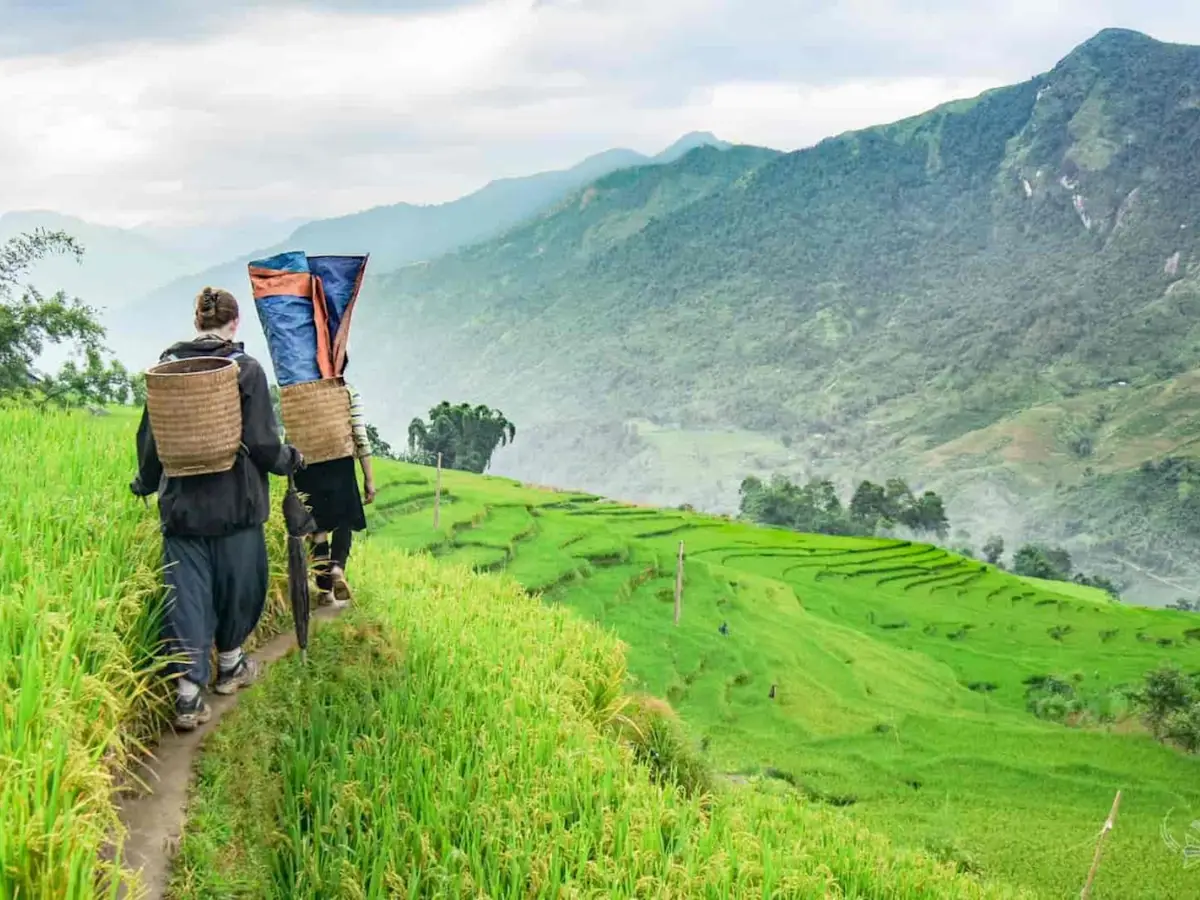
Muong Hoa Valley Overlook — For Rice Terrace Photography
The Muong Hoa Valley — a 30 km / 19 mile basin that runs from below Sapa town southeast toward Ta Van and Hang Da — is the primary landscape for rice terrace photography in northern Vietnam. The valley floor sits at roughly 900–1,000 metres / 2,950–3,280 feet, and the terraces step up both sides to around 1,400 metres / 4,593 feet on the west side and 1,600 metres / 5,249 feet on the east. For sunset, the west-facing terraces on the Hau Thao side of the valley catch long golden light from about 4:30pm onward — but they are best reached with a guide who knows the upper field paths, since most visitors only walk the valley floor.
For dedicated photographers, the two-day-one-night Trekking Through Rice Terraced Fields tour follows a route designed to catch the best morning light. We time the upper ridge section specifically for the first hour of light, when the horizontal rays catch the individual paddy walls and create the shadow contrast that makes the terraces visible. This is not something you stumble into by arriving at the valley at 8am — the light window is roughly 45 minutes, and positioning matters.
When to Go for the Best Light
September and October are the months I recommend most consistently. The summer monsoon typically ends in late August or early September in the Lao Cai region, which means the sky clears from weeks of heavy cloud. The rice in the Muong Hoa Valley is fully mature and golden by mid-September — the combination of clear post-monsoon skies and golden paddies is the ideal photography condition. By November the rice harvest is complete and the terraces are bare, which changes the character of the landscape dramatically. December through February brings heavy fog — beautiful in its own way, but often for days at a stretch, which eliminates sunrise and sunset views entirely.
March and April bring a second clear window. The paddies are replanted (bright green, vivid and reflective) and the fog is less persistent than in January and February. The light in March is softer than September — lower sun angle, longer golden hours — which many photographers prefer. The Sapa spring bloom on Ham Rong is also in progress, which adds colour to the foreground of any west-facing composition from the town viewpoint.
| Month | Sky Condition | Rice Terrace Colour | Photography Rating |
|---|---|---|---|
| September | Mostly clear after monsoon | Full gold — harvest approaching | Peak |
| October | Clear, dry, cool mornings | Gold — harvest in progress | Peak |
| March–April | Mostly clear, softer light | Bright green — newly planted | Good |
| May–August | Variable — monsoon season | Deep green, terraces full of water | Fair |
| Nov–December | Clear but cooling | Bare after harvest | Fair |
| January–February | Persistent fog, low cloud | Bare or flooded for next planting | Avoid |
What to Bring for Sunrise Photography in Sapa
The practical list is shorter than most people expect, but two items are non-negotiable regardless of month: a warm layer and walking poles. At 1,600 metres / 5,249 feet, the pre-dawn temperature on the Lao Chai ridge trail is 12–16°C even in July. Standing still for 30 minutes waiting for the light to peak makes that cold feel colder. A windproof fleece or a light down jacket goes in the bag without discussion.
- Windproof jacket or fleece — non-negotiable, even in summer
- Walking poles — the ridge trails above Lao Chai are uneven; descent after sunrise can be slippery before the path dries. Available for rent at our office at 105 Thach Son Street, $2/day
- Headlamp or phone torch — you will walk the first 30–40 minutes in full darkness if you leave town at 4:30am
- Thermos with tea or coffee — worth preparing the night before; there is no cafe open at 4:30am near the trailhead
- Camera or phone fully charged — the photography window is about 45 minutes; do not arrive with 30% battery
- Waterproof shoes or light hiking boots — the terrace walls are wet in the mornings and muddy after any overnight rain
- Small daypack — to carry layers as it warms up after 7am
The ridge trail above Lao Chai has no signage and multiple forks. Several guests who have attempted it independently have ended up on the wrong path and missed the light entirely — and one arrived at the right spot two hours after sunrise. If this is the photograph you have come to Sapa for, go with a guide. Our team leaves from 105 Thach Son Street. Message us on WhatsApp and we will confirm the morning meeting time.
Rent at Our Office Before You Trek
 Gear Rental
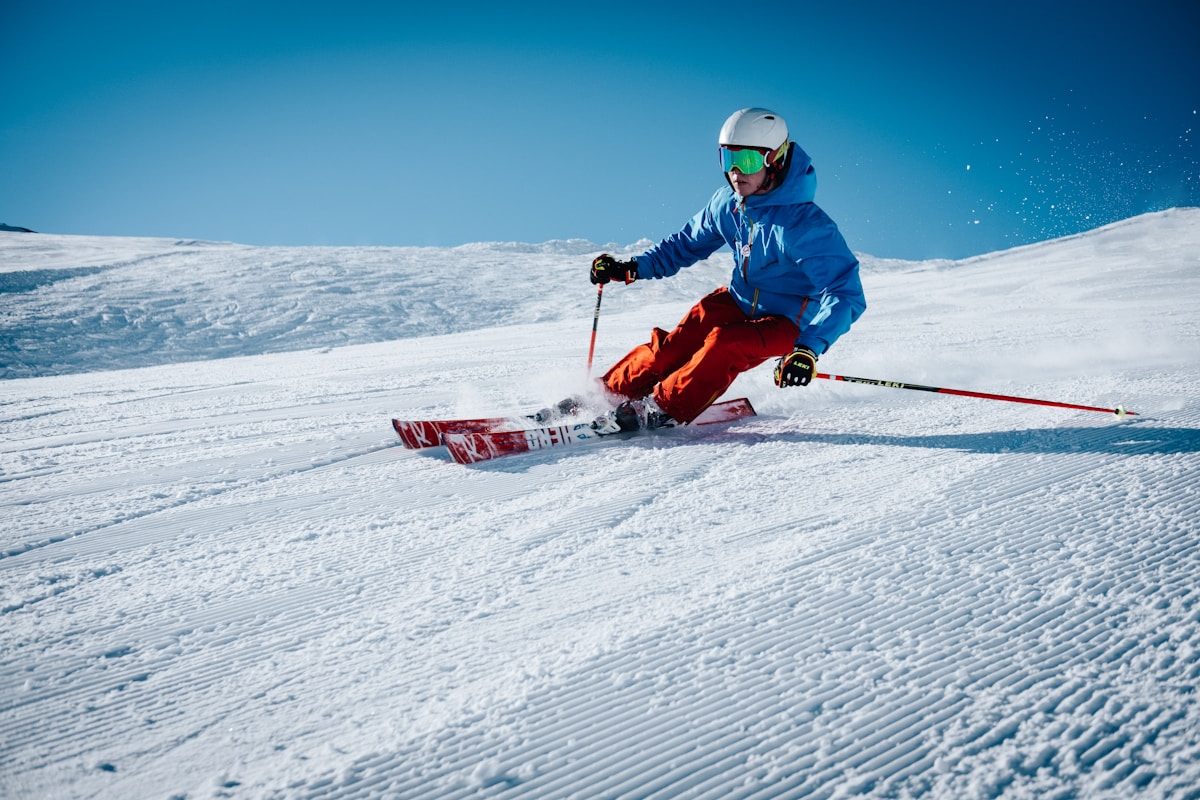
Trekking Boots Rental
Waterproof ankle-support boots. Cleaned and checked before each rental. Available at 105 Thach Son Street.
 Gear Rental
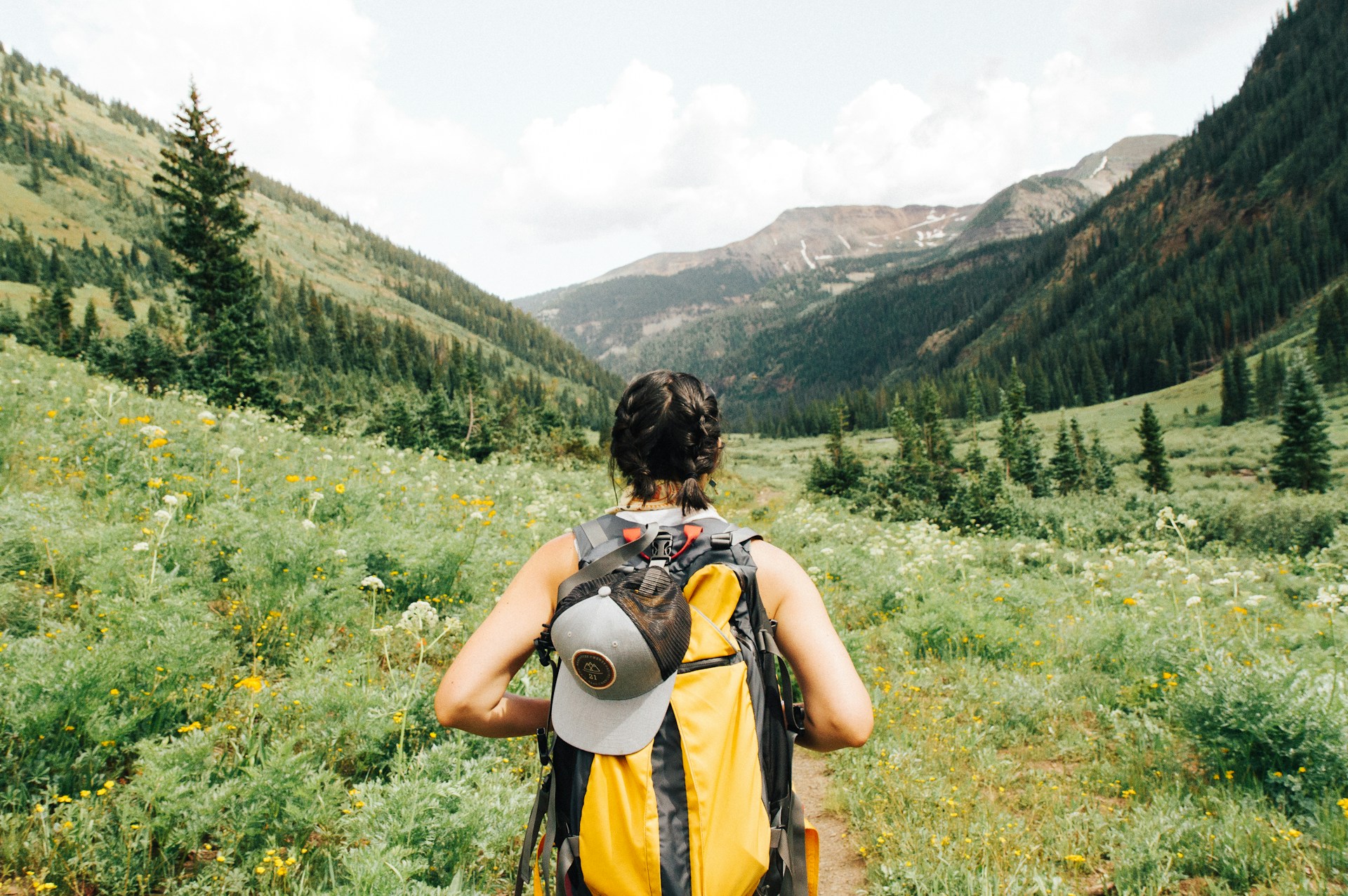
Walking Poles Rental
Trekking poles available to rent at $2/day at our office, 105 Thach Son Street. Essential for descents.
Frequently Asked Questions
In June–August (summer), sunrise is around 5:15–5:30am. In October–December, sunrise shifts to 6:15–6:30am. Plan to arrive at your viewpoint 30–40 minutes before sunrise.
The Fansipan cable car at dawn gives the highest viewpoint — above the clouds on clear mornings. For rice terrace sunrise, the ridge trail above Lao Chai village gives an unobstructed east-facing view over the Muong Hoa Valley.
Even in summer, pre-dawn temperatures at altitude can be 12–16°C (54–61°F). Bring a light fleece or windproof jacket — it warms up quickly once the sun clears the ridge, but the wait is cold.
The best sunset view from town is Ham Rong Mountain (Cloud Garden). The west-facing terrace above the pagoda gives a clear view of the sky turning orange over the Hoang Lien range. No special transport required — 15 minutes walk from the market.
Ham Rong Mountain is accessible independently. The Lao Chai ridge trail and Fansipan are best with a guide — the ridge trail has no signage, and you will want to leave town at 4:30am in darkness.
September and October are the top months. The sky clears after the summer monsoon, morning mist stays low in the valley while the ridges are clear, and the rice paddies are turning golden — making the landscape itself part of the photograph.