 Sinh Giang
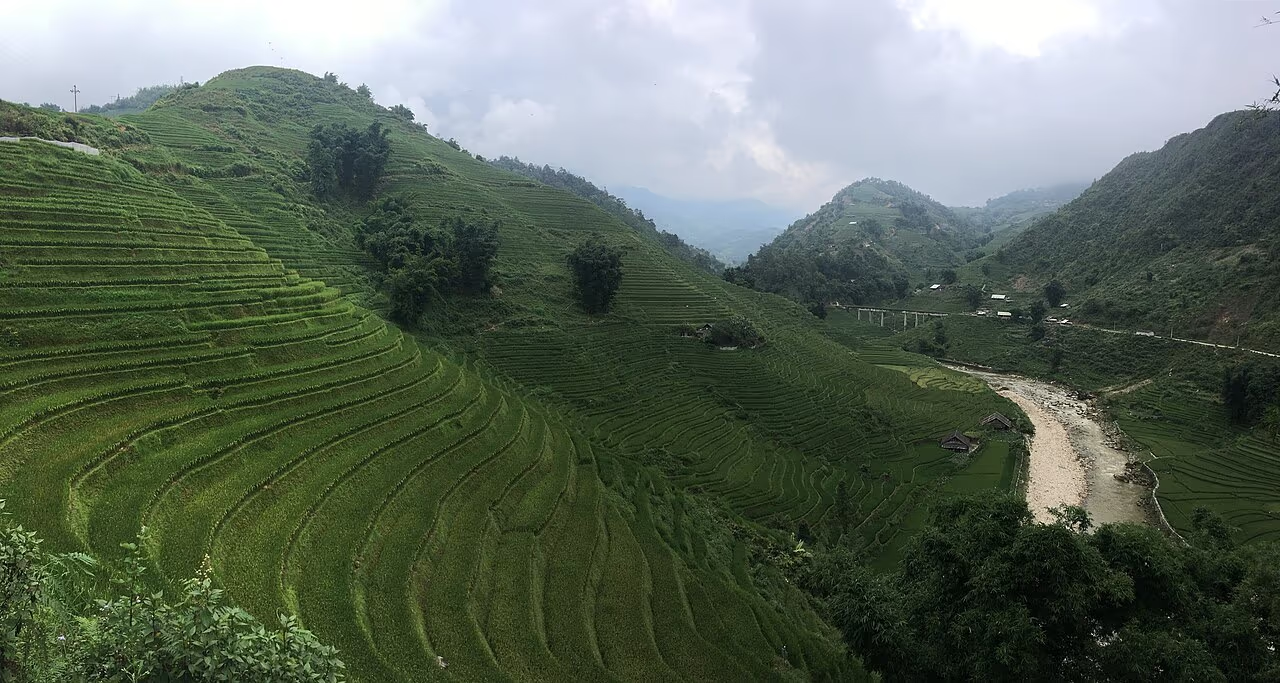
A guided Sapa trekking tour costs between $30 and $65 USD per person for a full day, and roughly $60 to $170 for a two-day trek with a homestay — guide, permits, and a hot lunch included. Once you add getting to Sapa from Hanoi, food off the trail, and a little gear, most independent travellers spend somewhere around $120 to $260 all-in for a two-day Sapa trekking trip. That is the honest short answer, and the rest of this guide breaks down every line of it.
I am Sinh Giang, and I book these trips for travellers every day from our office at 105 Thach Son Street. The numbers below are the real prices we and our neighbours charge in 2026 — not a marketing range designed to look cheap. I will show you where the money actually goes, where you can trim it without ruining the trip, and the two places where spending a few extra dollars is worth every cent. Prices are in US dollars; you will usually pay in Vietnamese dong at the day's rate.
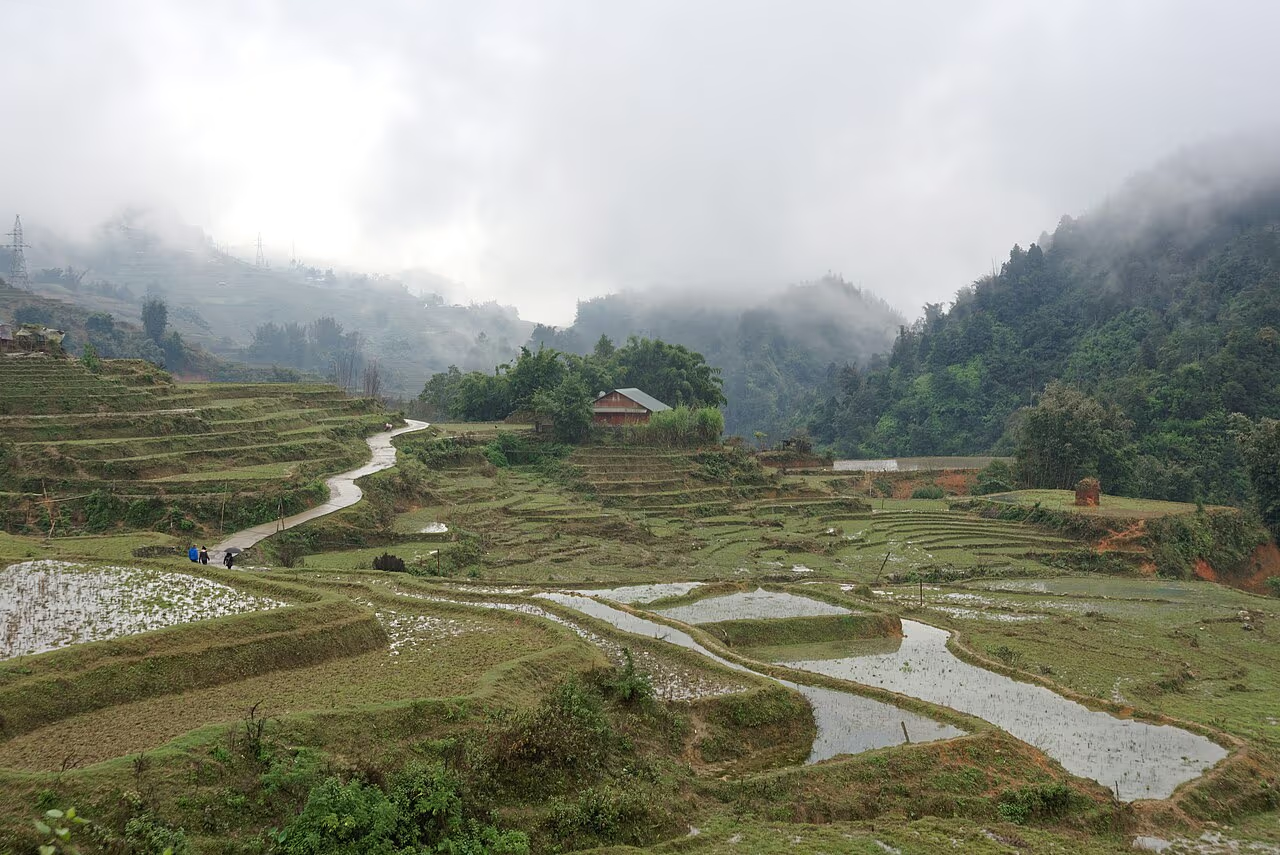
How Much Does Sapa Trekking Cost in 2026?
Sapa trekking costs less than almost any comparable mountain trek in Southeast Asia — the guided day rate has barely moved in years because the guides are local and the trails are on their doorstep. Here is the shape of a typical budget before we open each line:
Two things surprise people about this list. The first is how small the guiding fee is relative to the experience — a licensed local guide for a full day costs less than a single museum ticket in a European capital. The second is how much the transport line swings your total: choose an overnight train cabin over a bus seat and you can add more to your budget than the trek itself costs. We will deal with that head-on in the transport section.
The Full Sapa Trekking Budget, Line by Line
Here is where the money actually goes on a two-day, one-night Sapa trek for one person — the most common trip we sell. The bars show the share of a mid-range budget of about $190, the kind of trip where you take a comfortable bus, do a guided homestay trek, rent a little gear, and eat well without splurging.
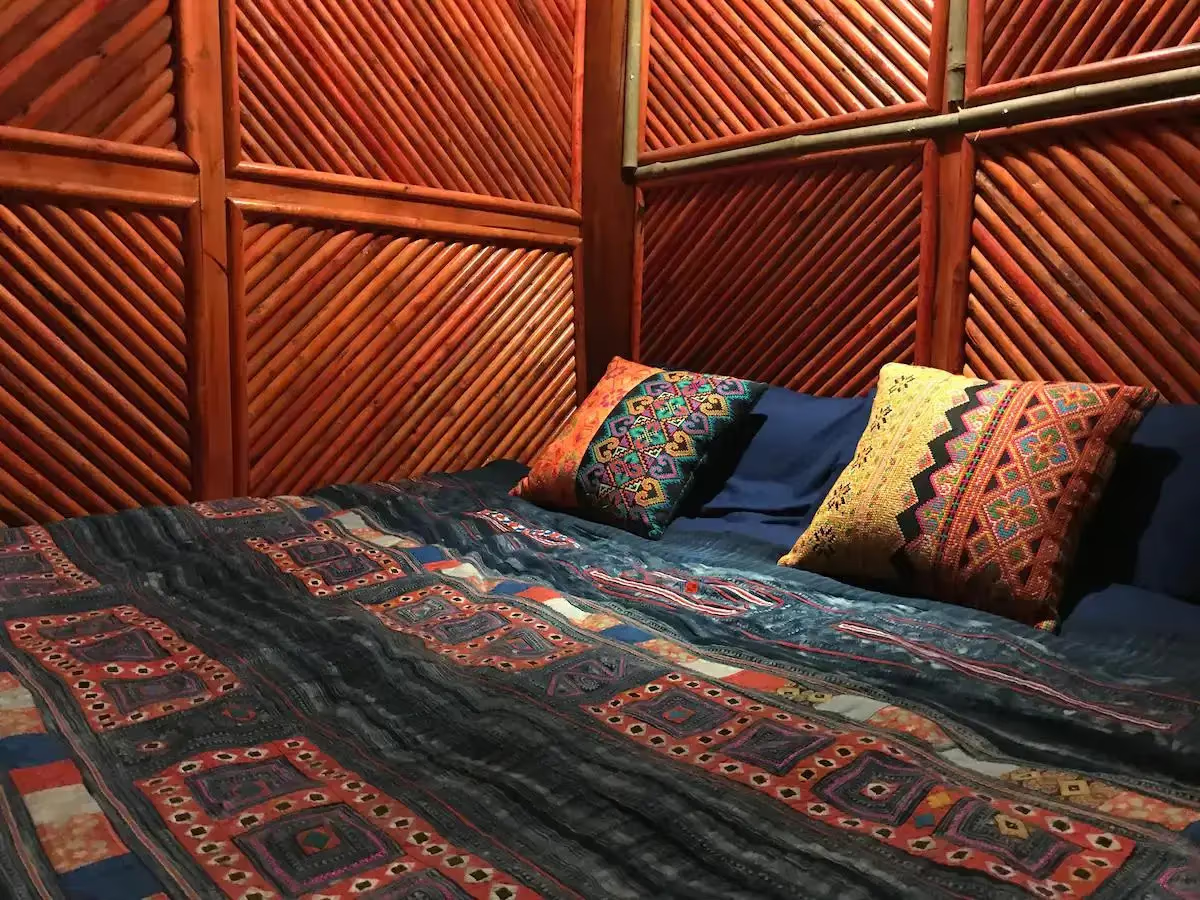
The single biggest number on that list is the trek itself, and that is exactly as it should be — it is the part that includes a licensed guide, your accommodation, dinner and breakfast at the homestay, lunch on the trail, and the small village entry fees along the Muong Hoa Valley. Almost everything else on the list is a choice you control. Skip the tip and take a shared bus, and the same trip drops toward $150. Take a soft-sleeper train cabin and eat at the nicer places in Sapa town, and it climbs past $250. The trek price is the anchor; everything around it is a dial.
When you compare tour prices, always ask what the number includes. Our day-trek prices include the guide, lunch, water, and every village fee. Some cheaper-looking quotes leave the $1–$2 village entry fees and the lunch off, so you pay them on the trail — and the "cheaper" tour ends up costing the same.
Guided Tour Prices — What You Actually Pay
A guided Sapa tour is priced per person for group treks and as a flat rate for private treks, so the per-head cost falls fast as your group grows. These are our real 2026 prices for the treks travellers ask about most:
| Tour | Duration | Difficulty | From (per person) |
|---|---|---|---|
| Mountain Views and Villages Trek | 1 day | Easy | $30 |
| Trekking Through Rice Terraced Fields | 1 day | Easy | $35 |
| Rice Paddies and Cultures – Easy Hiking | 1 day | Easy | $35 |
| Sapa Easy Trekking For Seniors | 1 day | Very Easy | $45 |
| Fansipan Trek One Day Tour | 1 day | Difficult | $65 |
| Rice Terraced Fields & Homestay | 2 days | Moderate | $70 |
| Experience The Real Sapa | 3 days | Moderate | $153 |
| Sapa Trekking and Homestay (Non-Touristic) | 4 days | Moderate | $192 |
The gap between the $30 Mountain Views trek and the $65 Fansipan day tour is not a difference in guiding quality — it is what the day itself costs to run. Fansipan includes a cable-car segment and a much longer, harder route, so more goes into it. For the classic valley walk through Lao Chai, Ta Van and Y Linh Ho, the $30–$35 day treks give you the full Muong Hoa experience for the price of a nice dinner back home.
Private treks cost more as a flat fee but can work out cheaper per person once you are four or more, and they let you set the pace — worth it for families, older walkers, or anyone who does not want to keep step with strangers. If you are weighing group against private, message us your group size and we will send both prices side by side so you can see the per-head number.
Our Most-Booked Value Treks
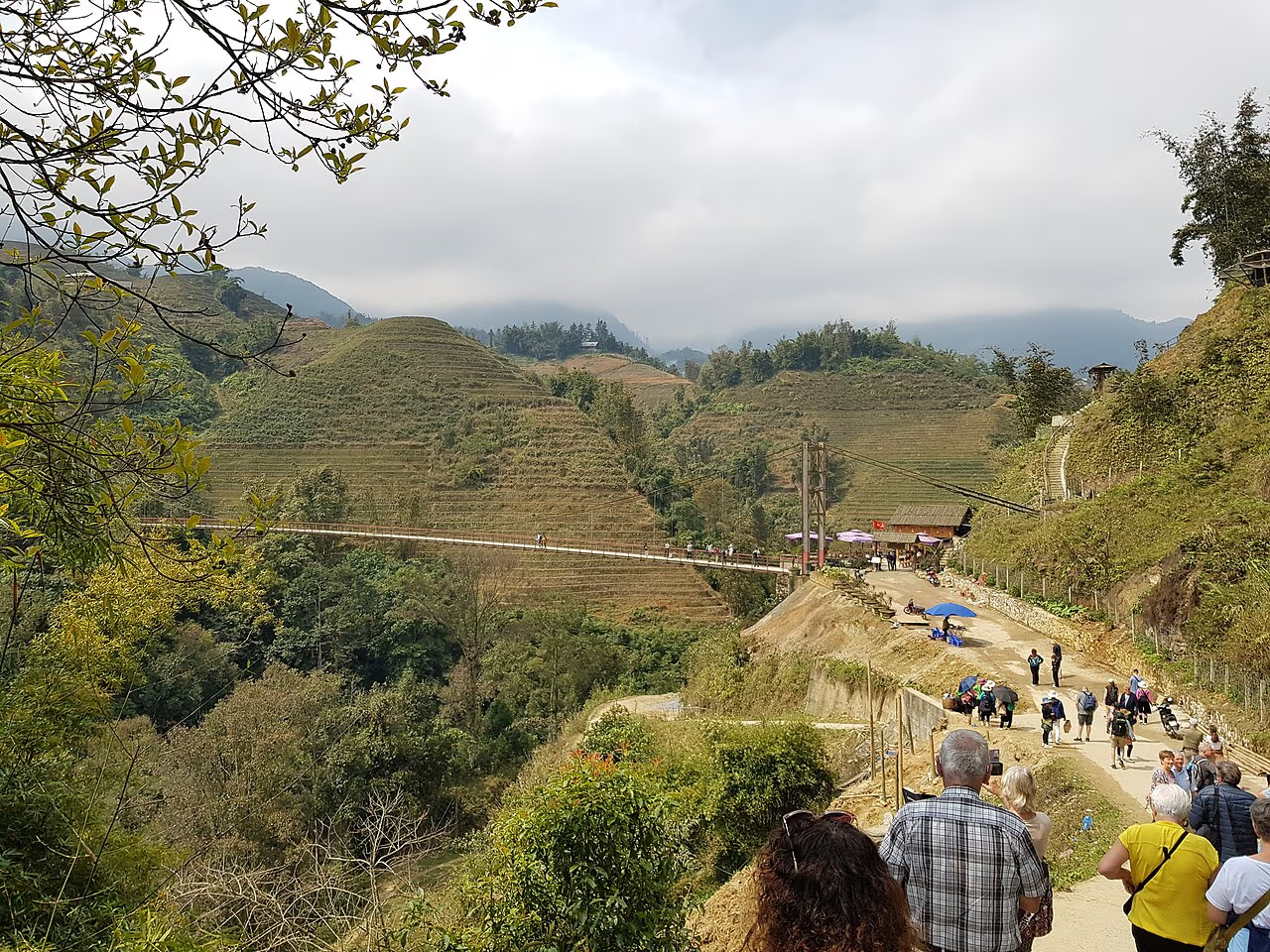
Mountain Views and Villages Trek
Ridge paths above the valley through Y Linh Ho and Lao Chai — the cheapest full day out.
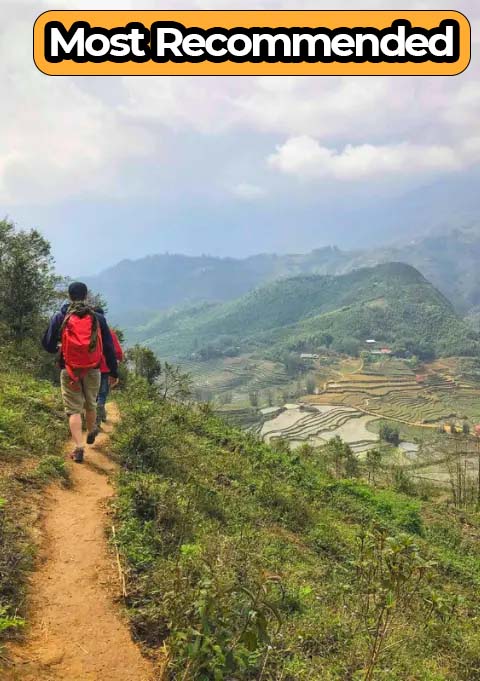 Best Seller
Trekking Through Rice Terraced Fields
Walk the Muong Hoa Valley floor through Lao Chai & Ta Van — our most-booked day trek.
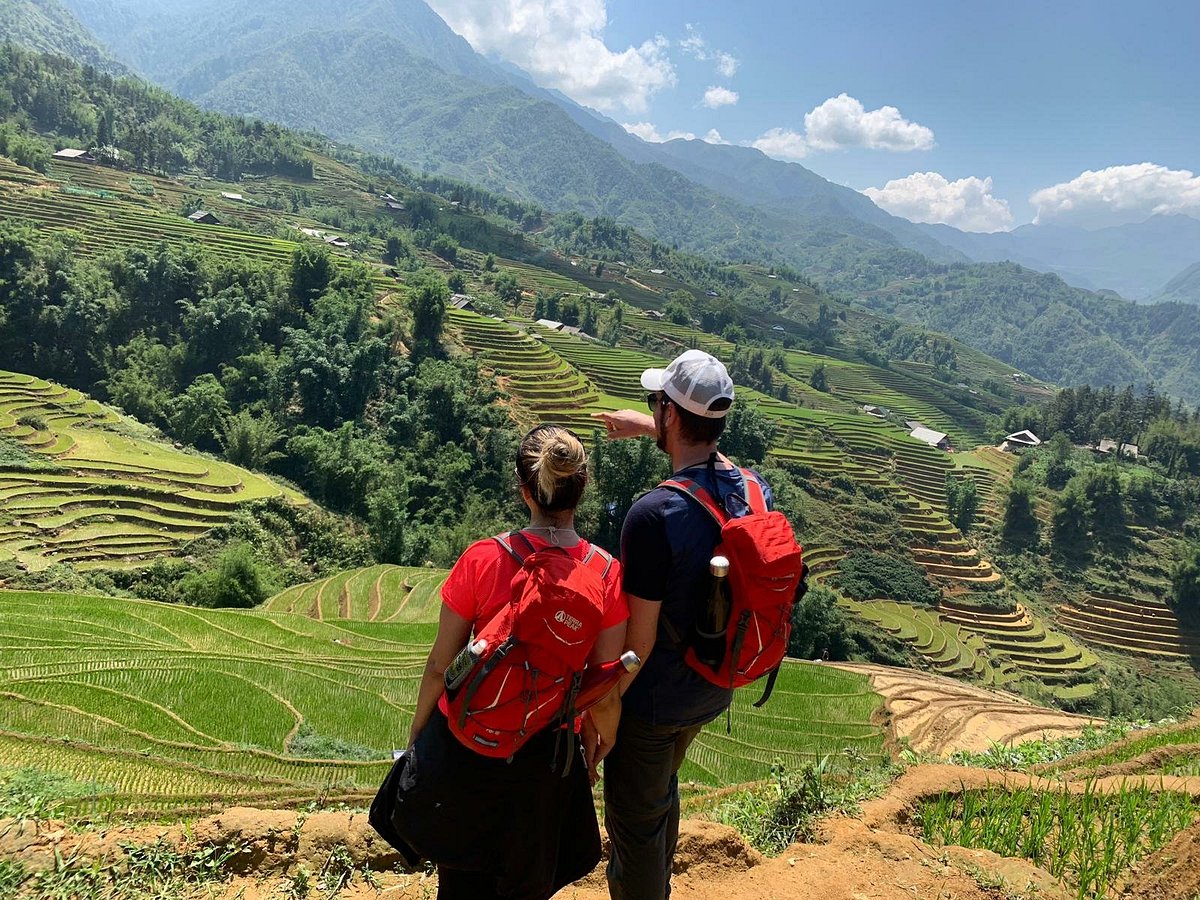
Rice Terraced Fields & Homestay
Overnight with a Black H'mong family in Ta Van — dinner, rice wine, terraces at dawn.
Getting to Sapa From Hanoi — The Transport Cost
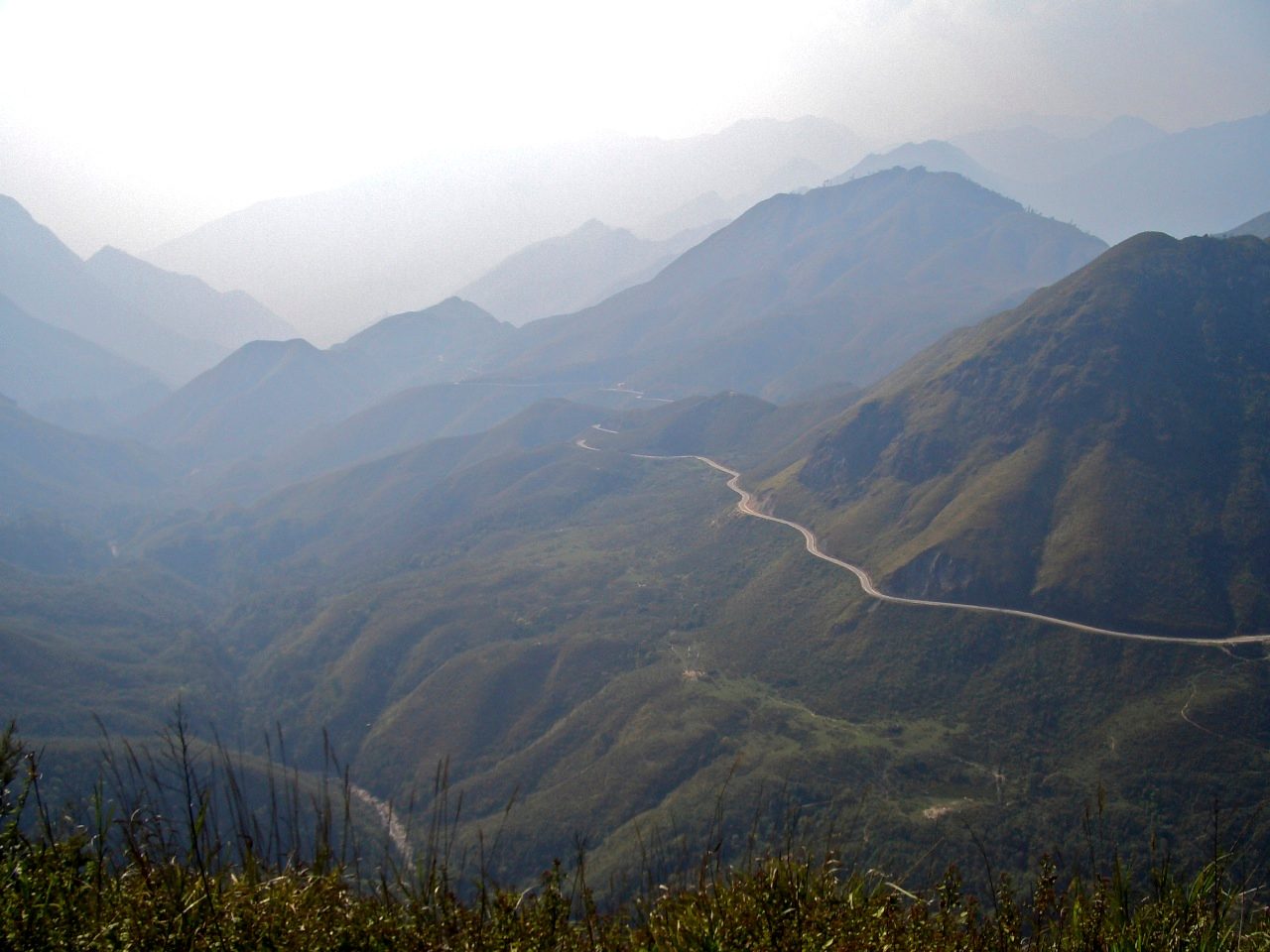
Transport from Hanoi is the cost most people underestimate, and it can double your total if you choose the wrong option for the wrong reason. Sapa sits about 320 km / 200 miles northwest of Hanoi, and there is no airport — you travel overland by road or by rail to Lao Cai and then up the mountain. Here is what each realistic option costs and what you are really paying for.
Getting from Hanoi to Sapa is the single biggest travel cost after the trek itself, and it is the one most people budget wrong. When you book a tour with us we include a transfer from Hanoi — here are the three options travellers choose between:
 Cheapest
Sleeper Bus
Sleeper & cabin options · 5–6 hours · From $17
 Fastest
Limousine Van
Door-to-door express · ~5.5 hours · Direct highway
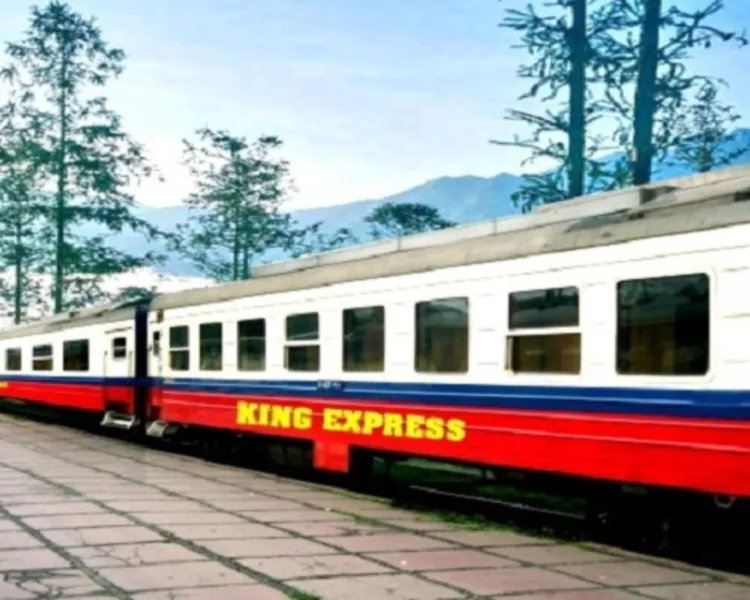 Most Comfortable
Overnight Train
Hanoi–Lao Cai sleeper · ~8 hours · No mountain road
My honest advice on this line: the sleeper bus at around $17 each way is what most of our younger travellers take, and it is perfectly good. The overnight train costs more because you are paying for a bed on rails and a night's accommodation rolled into one — if you value arriving rested and skipping the winding mountain road, it earns its price. The limousine van is the middle path: faster and more comfortable than the bus, cheaper than a train cabin. When you book a trek with us, we arrange whichever one you choose so you are not standing in a Hanoi ticket office guessing.
The cheapest bus tickets you see online are often one-way and to the bus station, not your hotel. Budget for the round trip and for the short taxi or shuttle from where the bus drops you. It is a small number, but it is the one that quietly breaks a tight budget.
Food, Water and Tips on the Trail
Food is the easiest place to save money in Sapa, because the best meals here are also the cheapest. Lunch on every one of our guided treks is already included — usually a hot meal cooked at a village home along the route — so your only real food spending is breakfast and dinner in Sapa town on the days you are not at a homestay.
A bowl of pho or a plate of grilled pork and rice at a local place runs $2–$4. A sit-down dinner with a beer at a traveller-facing restaurant near the lake is $8–$12. Bottled water is pennies, though we ask you to bring a refillable bottle where you can — the mountain does not need more plastic. Coffee, a Vietnamese speciality up here, is about a dollar and worth stopping for. Realistically, $8–$12 a day covers eating well; $20 covers eating like you are on holiday.
Tipping is not required and never built into our prices, but it is genuinely appreciated. If your guide made the day, $5–$10 for a day trek or $10–$15 for a two-day trek is a normal, warm gesture — many of our guides are supporting families and learned their English on these very trails. It stays entirely your call.
Gear You Need — Buy or Rent?
You do not need to arrive in Sapa with expensive trekking gear, and buying a full kit for a two-day walk rarely makes sense. The two things that genuinely matter are footwear with grip and a pair of walking poles for the descents — both of which you can rent from our office for a couple of dollars a day rather than carrying from home.
Waterproof boots with ankle support rent for $2 a day, cleaned and checked before each hire. Walking poles are another $2 a day and make a real difference on the steep, often-muddy drops down to the valley floor. That is $4 a day for the gear that actually protects your trip — cheaper than replacing a pair of shoes you ruined in the mud. Everything else on a Sapa packing list you almost certainly already own: a rain jacket, layers, a daypack, sunscreen.
Rent at Our Office Before You Trek
 Gear Rental
Trekking Boots Rental
Waterproof ankle-support boots. Cleaned and checked before each rental. Available at 105 Thach Son Street.
 Gear Rental
Walking Poles Rental
Trekking poles available to rent at $2/day at our office, 105 Thach Son Street. Essential for descents.
How to Trek Sapa on a Budget
You can do a superb Sapa trek for well under $150 all-in if you spend where it counts and save where it does not. The mistake budget travellers make is cutting the guide to save $30 and then getting lost, missing the villages that make the valley worth the trip, or walking straight past a homestay that would have been the highlight. Here is where to actually trim:
Take the bus, not the train. This is the single biggest saving on the whole trip — often $40 or more round trip — and the bus is genuinely fine. Choose a group trek over a private one if you are travelling solo or as a pair; you will meet people and pay the lowest per-head rate. Do a one-day trek instead of two if money is tight — you still walk the best of Muong Hoa Valley and sleep cheaply in Sapa town. Rent gear rather than buying it, and eat where the locals eat. Do all of that and a guided day trek plus a bus in and out comes to roughly $70–$90 for a full, real day in the mountains.
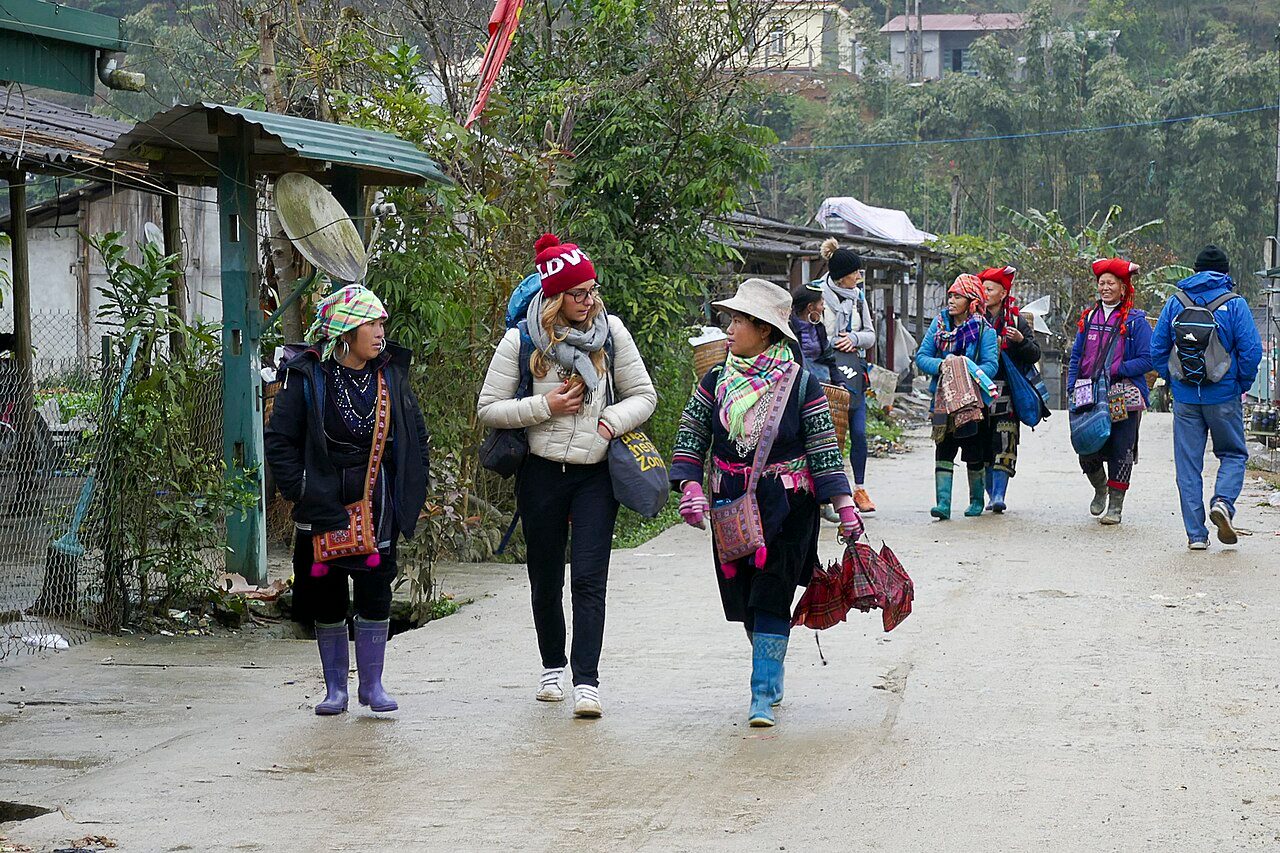
What I would not cut is the licensed guide. On paper you can walk parts of the valley alone, but the trails fork constantly, the weather turns fast, and the moments people remember — lunch with a family in Ta Van, the story behind a particular terrace — only happen with someone who lives here. That $30 is the best-spent money in your whole budget.
Is a Guided Sapa Tour Worth the Cost?
For almost everyone, yes — a guided Sapa tour is worth the cost, because the price buys far more than someone walking in front of you. It buys access to villages and homes that independent trekkers never see, a licensed guide who is responsible for your safety on exposed and slippery ground, and the small logistics — permits, village fees, a cooked lunch, a booked homestay — that would otherwise eat your day and your budget in fragments.
Weigh it against the alternative. Doing it fully independently might save you $30 on the guide, but you lose the introductions, the language, and the reassurance that someone knows the way down when the mist closes in at four o'clock. For a trip you have flown a long way to take, that is a poor trade. The travellers who tell us the tour was worth every dollar are, without exception, the ones who spent the day inside the valley's life rather than looking at it from a path.
Book a Trek That Fits Your Budget
Best Seller
Trekking Through Rice Terraced Fields
Walk the Muong Hoa Valley floor through Lao Chai & Ta Van — our most-booked day trek.
Sapa Easy Trekking For Seniors
Flat, unhurried paths and a private-tour option — the gentlest way to see the valley.
Rice Terraced Fields & Homestay
Overnight with a Black H'mong family in Ta Van — dinner, rice wine, terraces at dawn.
Does the Season Change What You Pay?
The trek price itself stays the same all year — we do not raise our guiding fee for peak months — but the season changes your total in quieter ways worth planning around. The most beautiful and busiest window is mid-September to mid-October, when the rice terraces of Muong Hoa Valley turn gold before the harvest. In those weeks the treks fill fast and Sapa town hotels and buses charge more, so booking early protects both your spot and your budget.
The green season from May to August is warm, the paddies are lush and freshly planted, and demand is lower, so accommodation and transport tend to be cheaper. The trade-off is afternoon rain — trails through Lao Chai and Ta Van get slippery, which is exactly when the $2 walking-pole rental earns its keep. Winter, from December to February, is the quietest and often the cheapest time to come, but Sapa sits high enough that mornings turn genuinely cold and misty; the terraces are bare, so you are trekking for the mountain scenery and the villages rather than the rice. Whichever window you pick, the guiding fee does not move — only the crowds and the cost of everything around the trek do.
How to Book and What You Pay Up Front
Booking a Sapa trek with us is simple and low-commitment: you reserve with a small deposit, and pay the balance on the day. Most travellers message us on WhatsApp with their dates and group size, we confirm availability and send the full price with nothing hidden, and you hold the spot with a deposit by card or PayPal. There is no need to pay the whole trip in advance, and we never add booking fees on top of the tour price you were quoted.
We ask you to book at least two days ahead where you can, especially in the busy September–October window — it lets us match you with the right guide, arrange your Hanoi transfer, and confirm a homestay if your trek includes one. Cancellation is free up to 7 days before departure and a date change is free with 48 hours' notice, so an early booking does not lock in your money if plans change. If you are still weighing which trek or which transport option fits your budget, send us a message and we will reply within 5–10 minutes with a straight answer — no pressure, just the real numbers.
Frequently Asked Questions
A guided Sapa trekking day tour costs from $35 to $65 per person in 2026. The classic valley treks through Lao Chai and Ta Van are $30–$45, and the harder Fansipan day tour is around $65. The price includes your licensed local guide, a hot lunch, drinking water, and all village entry fees.
Our tour price includes a licensed Black H'mong guide, lunch on the trail, drinking water, and all village fees along the route. On a two-day trek it also includes your homestay accommodation, dinner and breakfast. It does not include transport from Hanoi, personal drinks and snacks, gear rental, or optional guide tips.
Transport from Hanoi to Sapa costs from $17 one way on a sleeper bus, about $30 on a limousine van, and from $40 for an overnight-train cabin to Lao Cai plus the transfer up to Sapa. The bus is the cheapest and most popular; the train is the most comfortable. We arrange whichever option you choose when you book a trek.
Yes. A guided day trek plus a return sleeper bus from Hanoi can be done for roughly $70–$90 all-in. Take the bus rather than the train, choose a group trek over a private one, rent gear instead of buying it, and eat at local places. The one thing not to cut is the licensed guide — it is the best-value part of the whole budget.
Tipping is never required and is not built into our prices, but it is appreciated. If you enjoyed the day, $5–$10 for a day trek or $10–$15 for a two-day trek is a normal gesture. Many of our guides support families and learned their English on these trails, so it goes a long way — but it stays entirely your choice.
For almost everyone, yes. The guide fee buys access to villages and family homes independent trekkers never reach, safety on slippery and forking mountain trails, and all the permits and logistics handled for you. Trekking alone might save $30, but you lose the introductions, the local knowledge, and the security of someone who knows the way down when the mist rolls in.