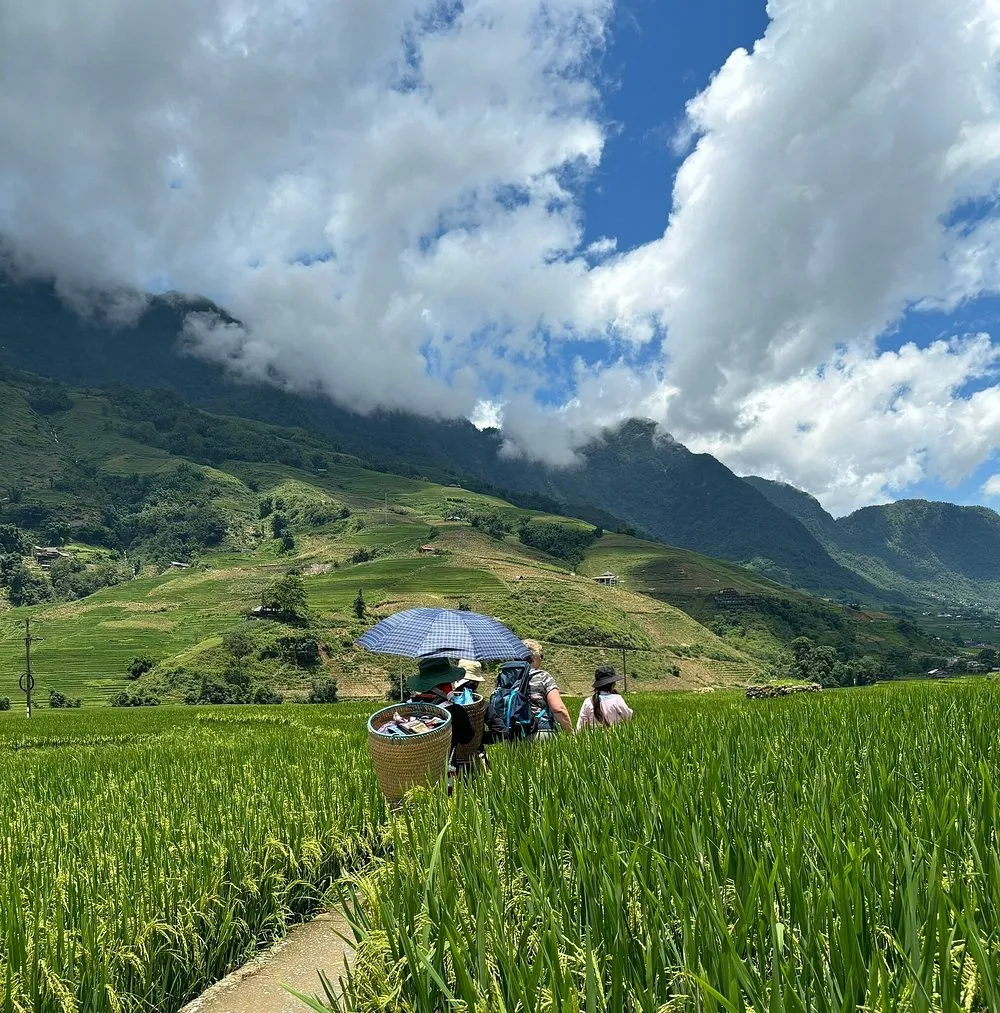
 Sinh Giang
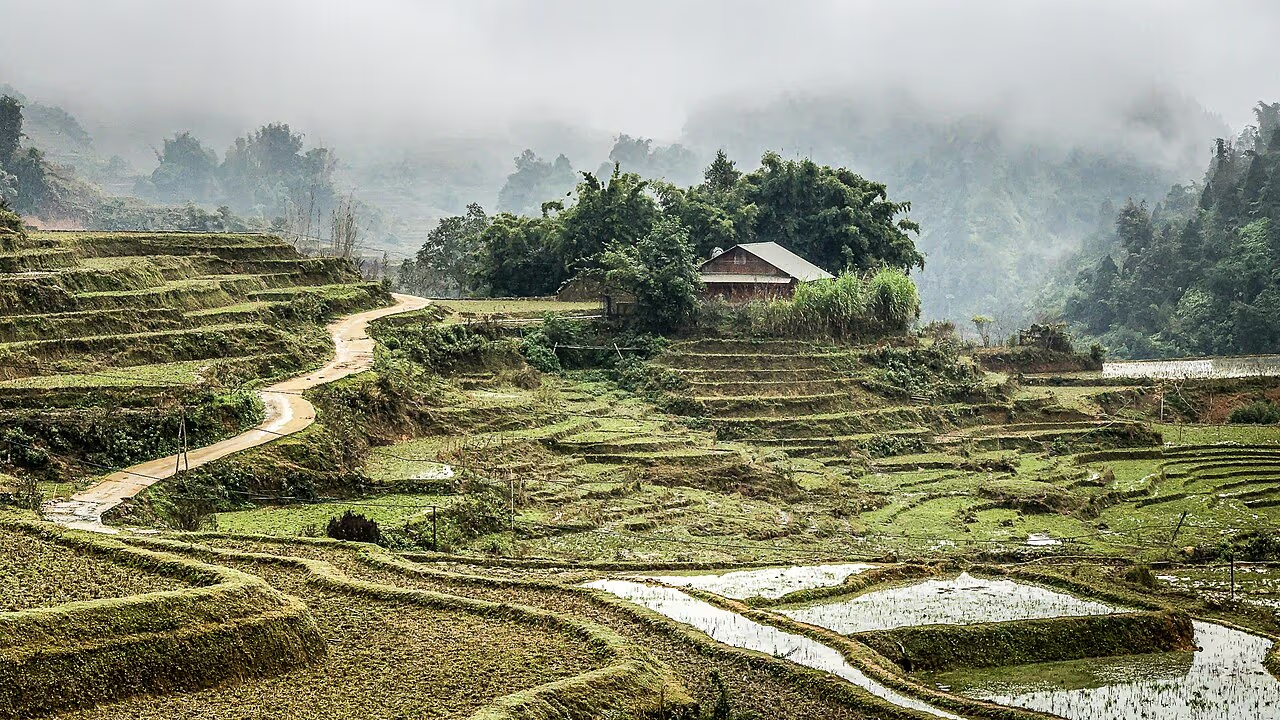
Sapa weather by month divides neatly into two seasons: a cool, dry winter from October to April and a warm, wet summer from May to September. Because Sapa sits high in the Hoang Lien Son mountains at around 1,500 metres, it is far cooler than the rest of Vietnam — expect crisp mountain air, frequent morning mist, golden autumn harvests, and even the odd winter snowfall on Fansipan. The best months to visit are September to November and March to May, when the skies are clearest and the trails are at their finest. This month-by-month guide walks you through the temperature, rain and mood of every month in Sapa, so you can choose the right time for your trip and pack for exactly what the mountains will throw at you.
We are a local trekking team based in Sapa town, out on the Muong Hoa Valley trails in every season — frost, monsoon and golden harvest alike. What follows is the honest, on-the-ground version of Sapa’s weather, not a table copied from a forecast site. Here is what each month really feels like underfoot, and when we tell travellers to come.
Sapa Weather at a Glance
Before the month-by-month detail, here is the quick shape of Sapa’s year across its four seasons — the temperature range and the character of each.
The headline: Sapa is a year-round destination, but a very different one depending on when you come. Autumn is the crowd favourite for its clear skies and golden rice, spring is the quiet, green alternative, summer trades heat and rain for the lushest terraces of the year, and winter offers atmospheric mist and the country’s only real shot at snow. There is no bad time — only the right time for what you want to see.
Why Sapa Is So Much Cooler Than the Rest of Vietnam
Sapa feels like a different country from the Vietnamese lowlands because it effectively is a different climate. The town perches at roughly 1,500 metres in the Hoang Lien Son range, and as a rule of thumb the air cools by about 6–6.5°C for every 1,000 metres you climb. That alone makes Sapa some 10–15°C cooler than Hanoi, which sits near sea level five hours away by road.
So while Hanoi bakes at 35°C in July, Sapa is a comfortable 22–25°C. And while the capital shivers only mildly in January, Sapa can drop close to freezing, with frost on the terraces and, once or twice a winter, a dusting of snow on Fansipan — at 3,143 metres, the highest peak in Indochina, rising directly above the town. This elevation is exactly why the French built a hill station here in the 1920s to escape the delta heat, and it is why the rice, the mist and the whole mood of Sapa feel closer to a temperate mountain valley than to tropical Vietnam.
Sapa’s position also puts it in the direct path of winter cold fronts sweeping down from China. Several times each winter, a surge of cold northern air pushes across the border at Lao Cai and pours over the Hoang Lien Son range, dropping temperatures sharply for a few days at a time — this is what produces the frost, ice and occasional snow that make headlines in a tropical country. In summer the same mountains do the opposite job, wringing moisture out of the monsoon and handing Sapa some of the heaviest rainfall in northern Vietnam. Sitting at the meeting point of these systems is exactly what gives Sapa its outsized, changeable weather.
Two other forces shape the weather. First, the monsoon: warm, moisture-laden air pushes up against the mountains in summer, is forced to rise, and dumps heavy rain — which is why Sapa is both wetter and greener than the coast from May to September. Second, the cloud: at this height you are often inside the weather rather than under it, so mist forms and clears within minutes, and a grey morning can become a brilliant afternoon. Understanding these three levers — altitude, monsoon and cloud — explains almost everything about Sapa’s weather month to month.
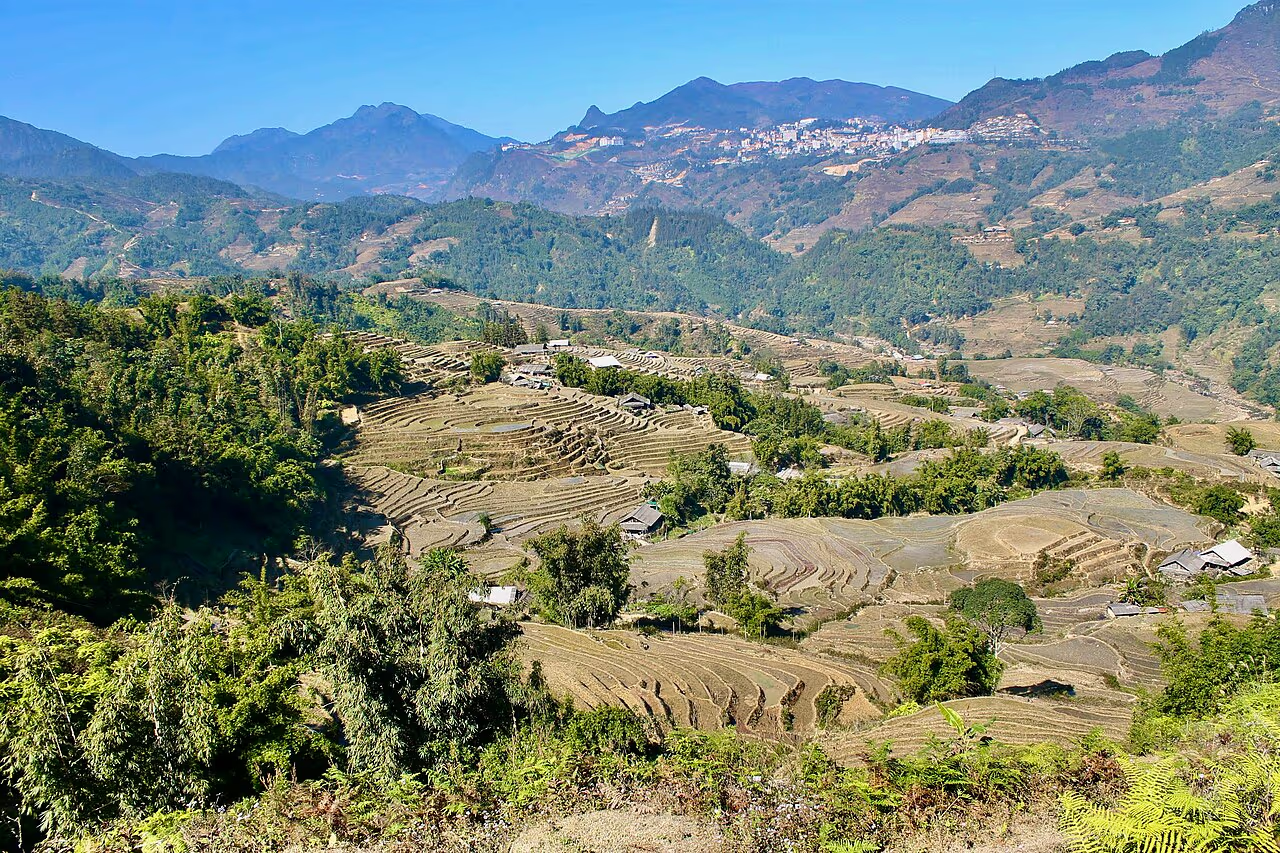
Sapa Weather Month by Month
Here is every month in Sapa at a glance — average high and low, how much rain to expect, and the overall character — followed by a season-by-season walk through the year. Temperatures are for Sapa town; the trails in the Muong Hoa Valley below run a degree or two warmer, and Fansipan’s summit is always far colder.
| Month | High / Low | Rain | Conditions & verdict |
|---|---|---|---|
| January | 9–15°C (48–59°F) | Low | Coldest month — fog, frost, rare snow on peaks. Atmospheric but cold. |
| February | 11–17°C (52–63°F) | Low–mod | Cold, misty, some drizzle. Tet festival — markets and colour. |
| March | 14–20°C (57–68°F) | Moderate | Spring arrives — skies clearing, wildflowers, occasional showers. Lovely. |
| April | 17–23°C (63–73°F) | Moderate | Warm, mild, pleasant. One of the best months to trek. |
| May | 19–25°C (66–77°F) | Mod–high | Warm; first heavy rains; terraces flooded for planting — mirror season. |
| June | 20–27°C (68–81°F) | High | Hot, humid, wet; terraces vivid green. Rain mostly afternoons. |
| July | 20–27°C (68–81°F) | Very high | Wettest month with August. Heavy downpours; muddy trails. |
| August | 20–26°C (68–79°F) | Very high | Hot and wet; terraces at full green. Watch for landslides after rain. |
| September | 18–25°C (64–77°F) | Moderate | Rain easing; rice turning gold from mid-month. Excellent, greening to gold. |
| October | 15–23°C (59–73°F) | Low | The best month — dry, clear, golden harvest, comfortable warmth. |
| November | 13–20°C (55–68°F) | Low | Dry, cool, crisp, clear. Quiet after harvest — superb trekking. |
| December | 10–17°C (50–63°F) | Low | Cold, foggy mornings, dry-ish. First frosts; bracing but beautiful. |
Spring in Sapa (March–May)
Spring is Sapa waking up. The heavy winter fog thins, wildflowers bloom along the trails, and the whole valley shifts from brown to fresh green — it is one of the most underrated windows of the year, and far quieter than autumn.
March is the turning point. Daytime temperatures climb into the mid-teens to around 20°C, the light gets brighter and clearer week by week, and the risk of all-day fog drops sharply. Peach and plum blossom lingers around the villages of Ta Phin and Cat Cat early in the month, and the ethnic-minority markets are colourful and unhurried. You still want a warm layer for the mornings, but afternoons are pleasant for walking.
April is arguably the best of the spring months and one of the best trekking months overall. Highs of 17–23°C, mild nights, and mostly dry, bright days make for near-perfect conditions along the Muong Hoa Valley to Lao Chai and Ta Van. There is the odd afternoon shower, and a rare pre-monsoon thunderstorm can roll through late in the month, but nothing that spoils a trek. The terraces are green and freshly worked, the crowds are thin, and prices are lower than in peak autumn.
May is warm and beautiful but marks the start of the wet season. This is the famous water season: farmers flood the terraces to prepare for planting, and on a still day the stepped fields become vast mirrors reflecting the sky — a photographer’s favourite. Expect highs around 25°C and the first heavy afternoon rains of the year, so start treks early and carry a poncho. Y Linh Ho and the lower Muong Hoa Valley look their glassy best right now.
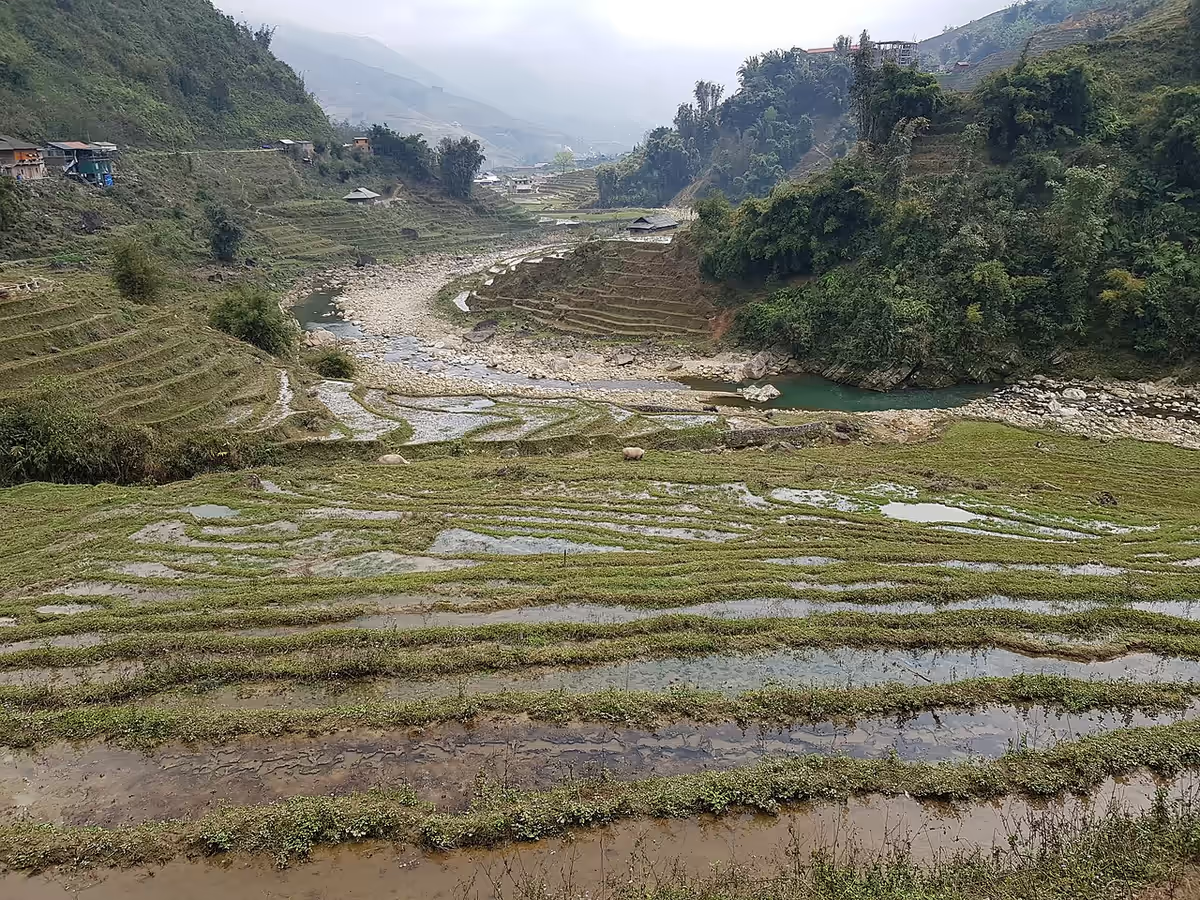
Trek the Muong Hoa Valley in the Best Season
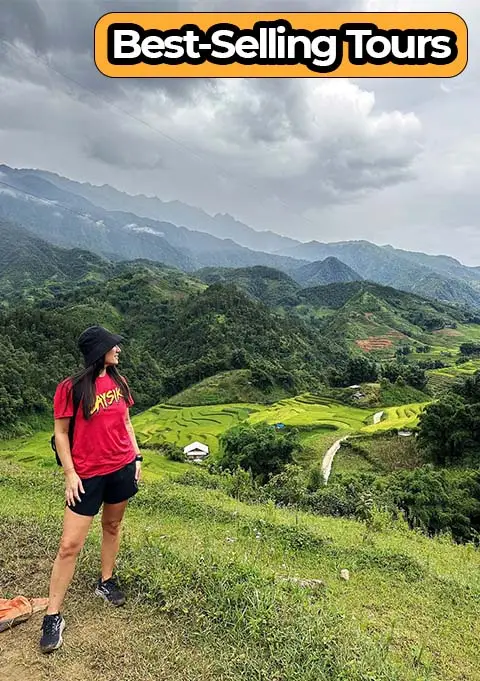 1 Day Trek
Trekking Through Rice Terraced Fields
The classic valley route — Ta Van, Lao Chai, Y Linh Ho. Best on clear spring and autumn days.
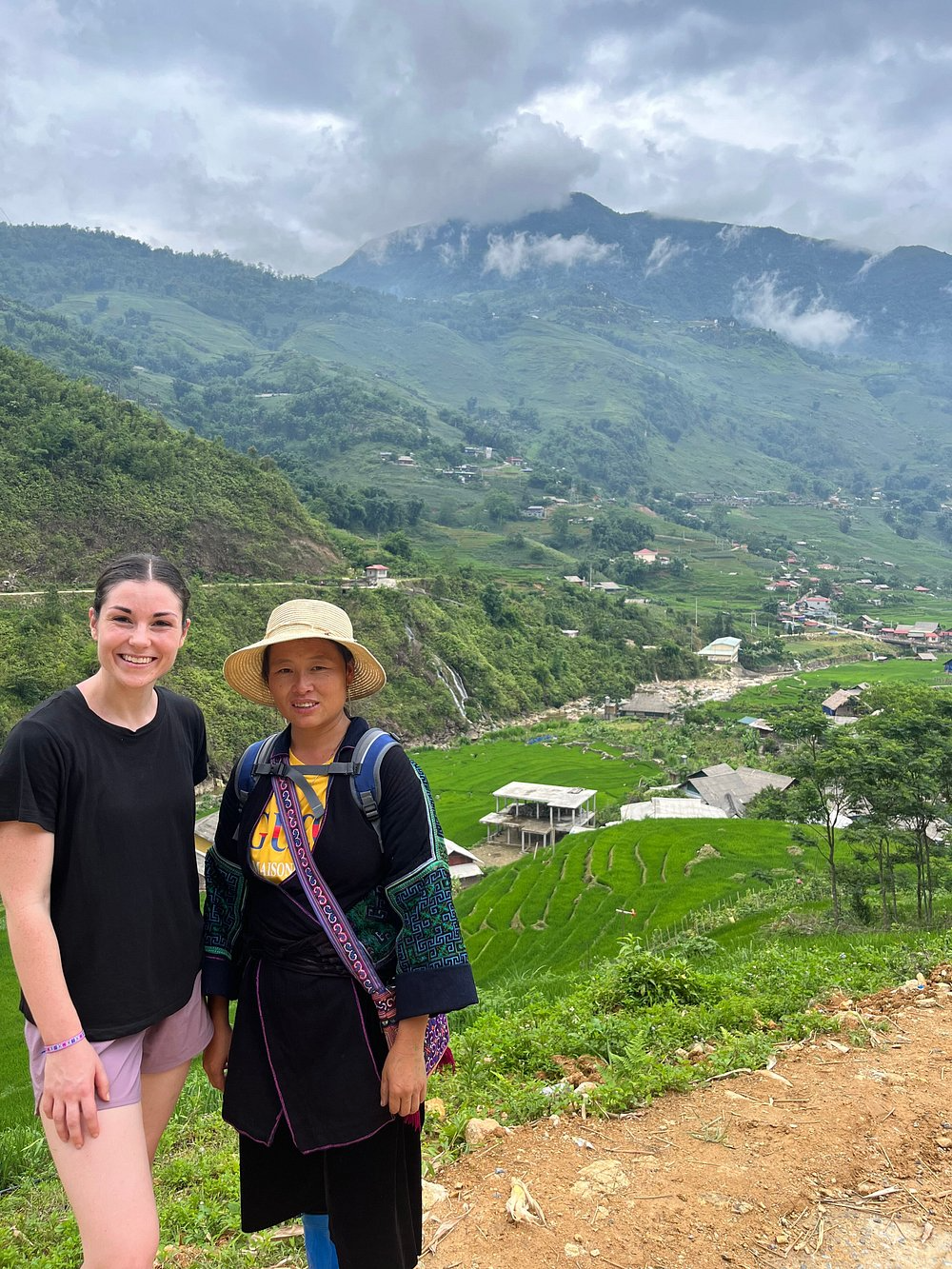 1 Day Trek
Mountain Views & Villages Trek
Ridge trail with wide valley views — superb clarity in April, October and November.
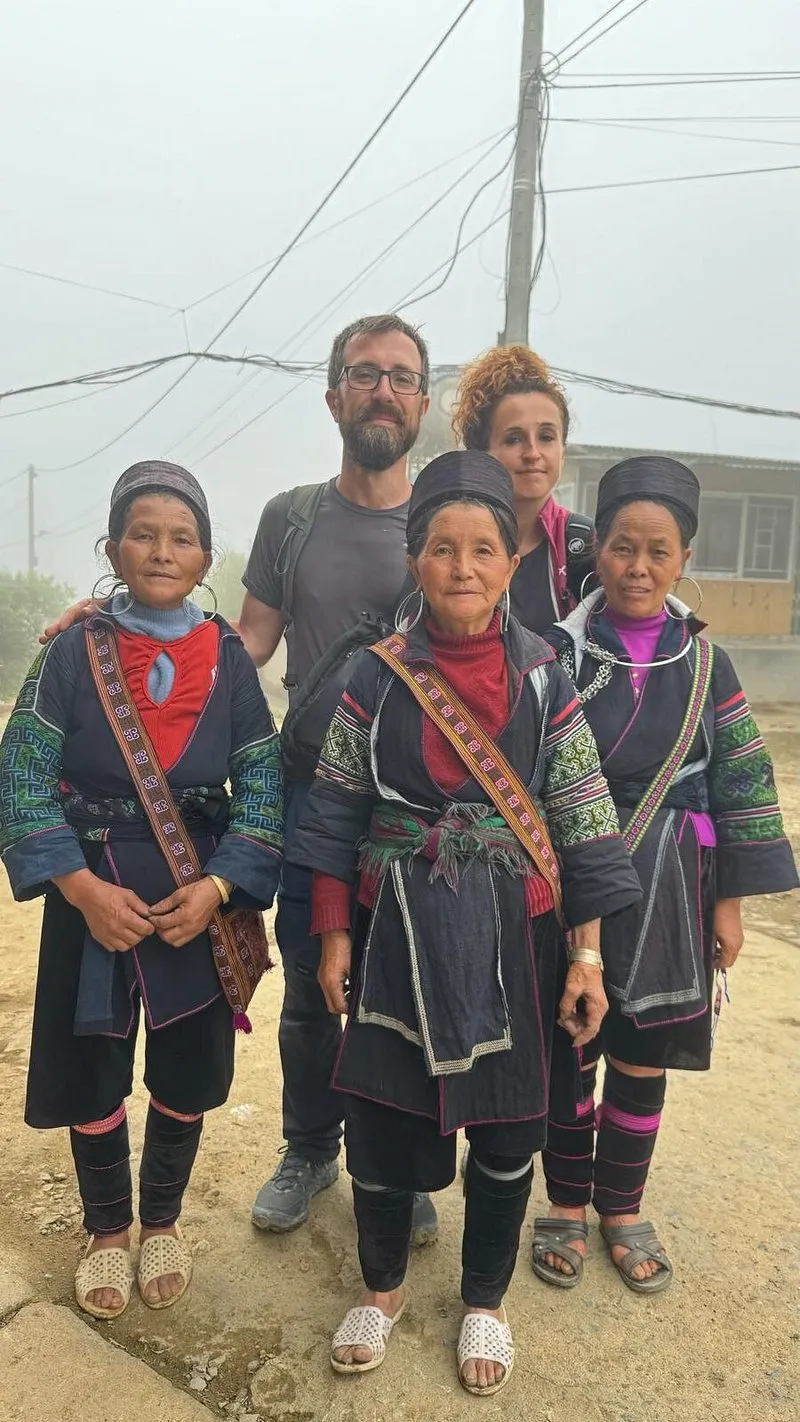 All Levels
Sapa Easy Trekking
Gentle flat paths, poles provided — a relaxed walk in any comfortable season.
Summer in Sapa (June–August)
Summer is the wet, hot, green season — the wettest months of the year, but also the lushest. If you can handle heavy afternoon rain and muddy trails, you are rewarded with the most vividly green terraces in Vietnam and very few of the crowds that pack Sapa in autumn.
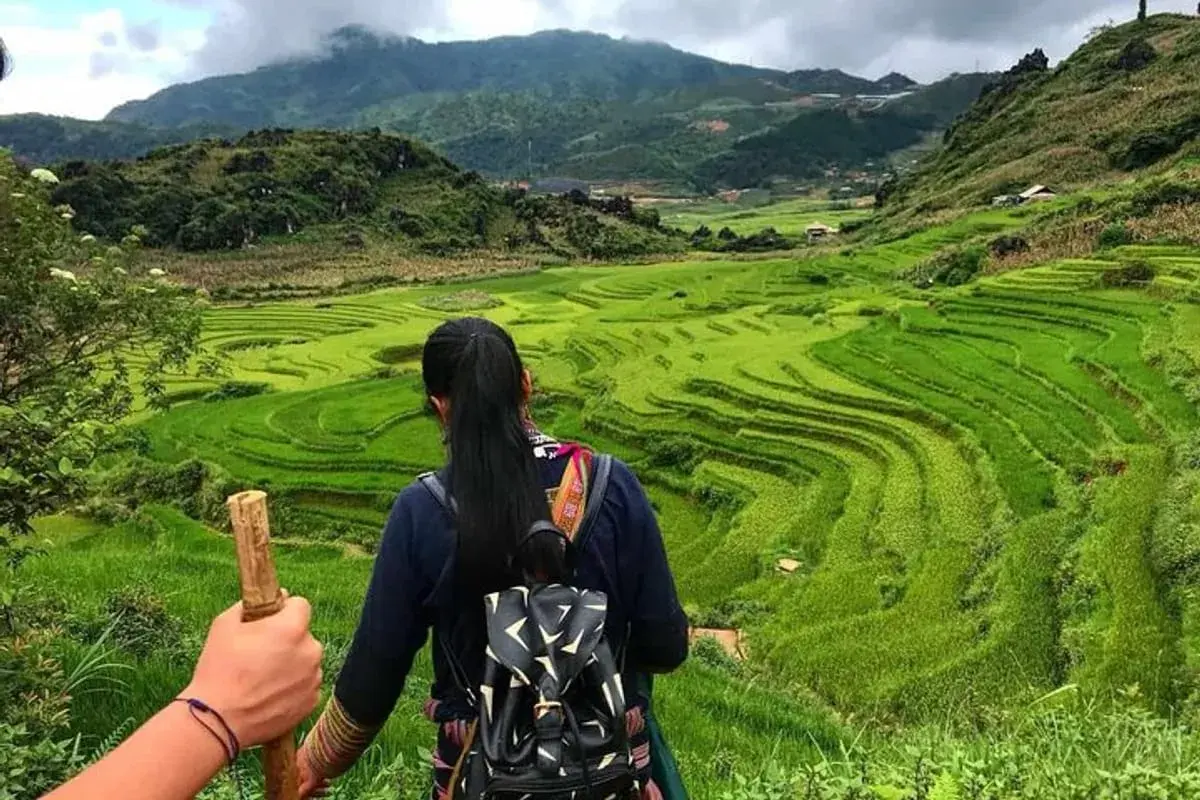
June opens the true monsoon. Highs sit around 25–27°C with high humidity, and the rains become frequent — but crucially they usually fall as concentrated afternoon and evening downpours, not constant drizzle, so mornings are often clear and perfectly good for trekking. The rice is well established and glowing green, the waterfalls at Silver Waterfall and Love Waterfall are thundering, and the valley smells of wet earth and cardamom. Bring a proper rain jacket and shoes with grip.
July is, along with August, the wettest month in Sapa. Expect heavy, sometimes daily rain, saturated trails, and the occasional washed-out mountain road between Lao Cai and Sapa. It is not a write-off — plenty of travellers trek happily in July, starting early and finishing by early afternoon — but flexibility matters, and this is the month where a local guide who knows which paths drain well truly earns their keep. The upside is dramatic, brooding scenery and the greenest photographs you will ever take.
August continues the pattern — hot, humid and wet — but by late month the rice begins to ripen and the very first hints of gold appear on the higher terraces. Landslide risk is at its yearly peak after prolonged downpours, so keep an eye on conditions and build slack into your plans. Come with the right expectations and August delivers a wild, green, uncrowded Sapa at its most alive.
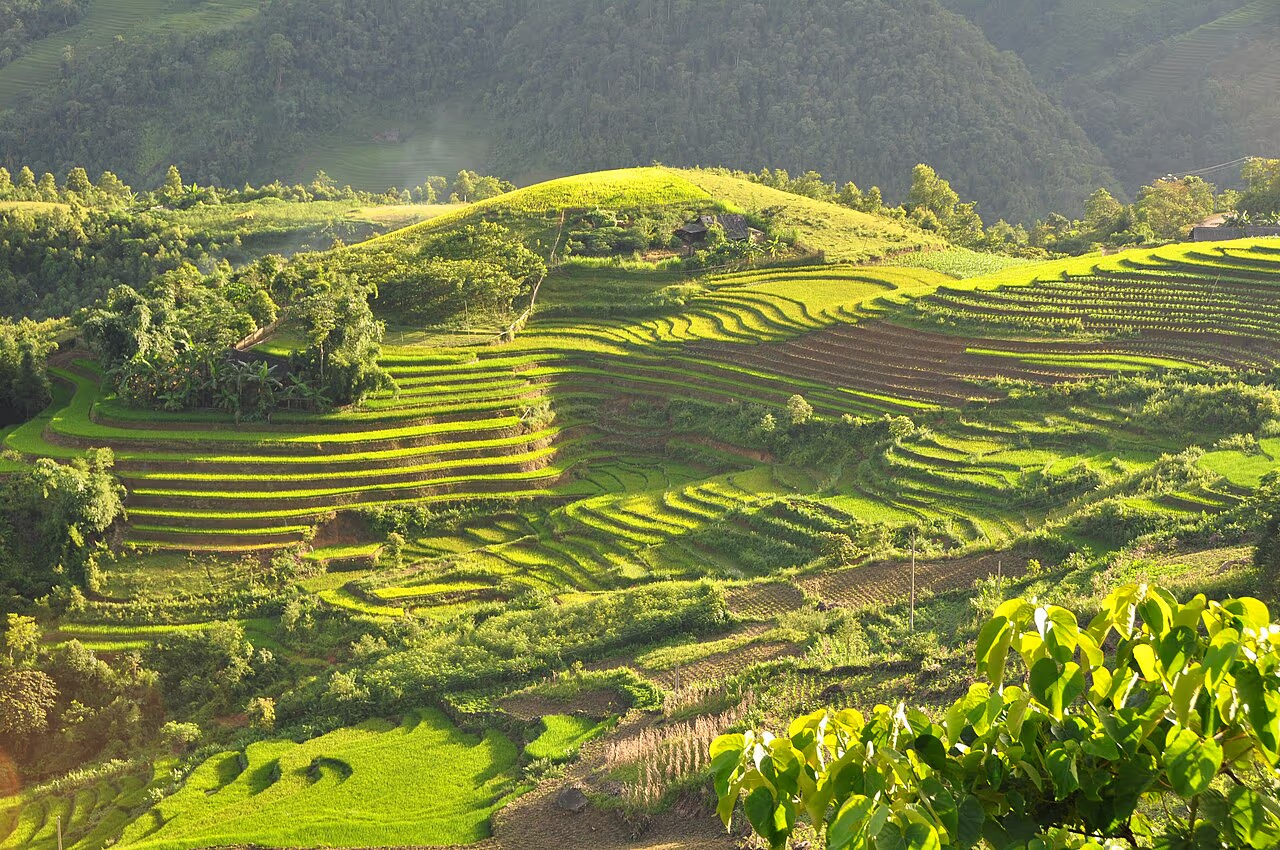
Hanoi to Sapa — Comfortable Year-Round Transfers


Autumn in Sapa (September–November)
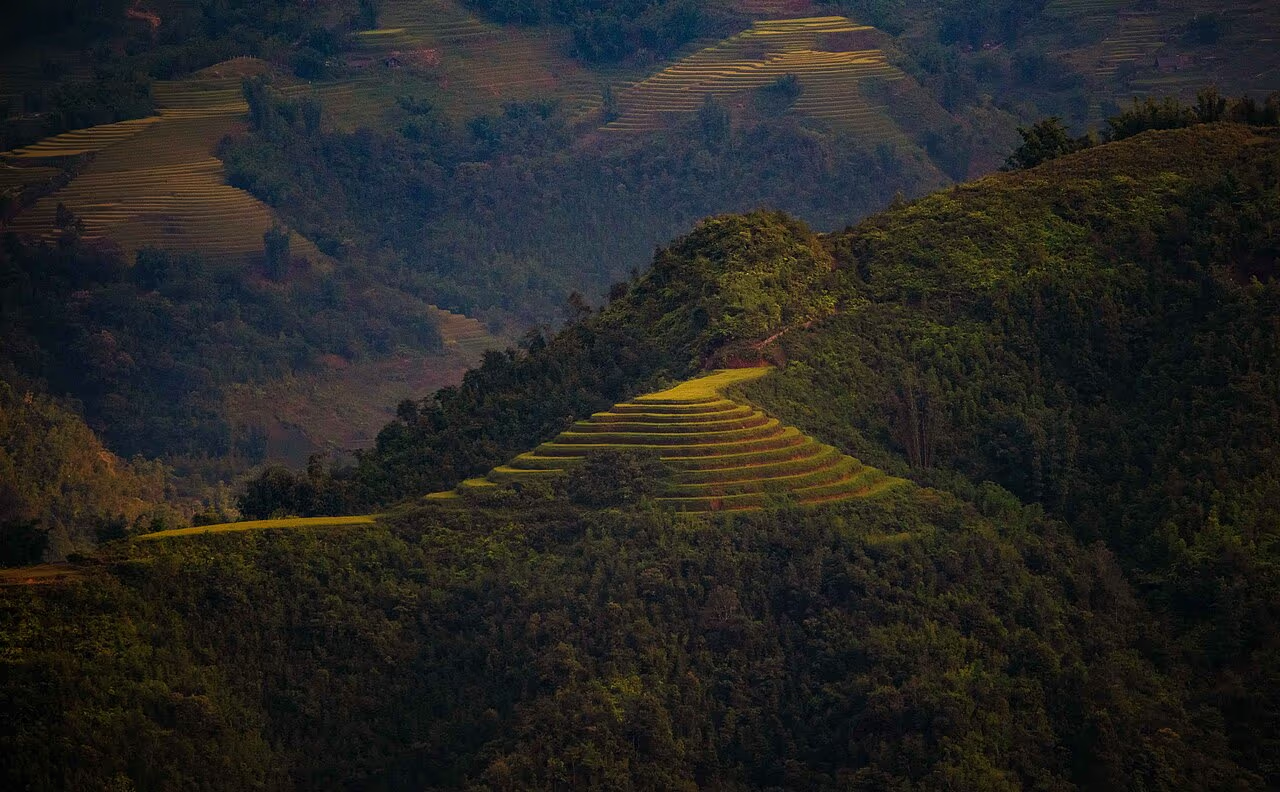
Autumn is Sapa at its most famous and, for most travellers, its best. The rains fade, the air turns clear and dry, and the rice terraces glow gold before the harvest — the images that put Sapa on every Vietnam itinerary are almost all taken now.
September is a month of transition and, many would argue, the single most photogenic. Early in the month the rain is still easing off and the terraces are green-gold; by mid-to-late September the rice ripens fully and the whole Muong Hoa Valley turns amber. Temperatures are comfortable at 18–25°C, the humidity drops, and clear spells lengthen. It can still shower, but the trend is firmly toward dry, bright days — a superb time to walk between Lao Chai, Ta Van and Giang Ta Chai.
October is, in our view, the best month of the entire year in Sapa. The harvest is in full swing, the terraces are a sea of gold, the skies are their clearest, and daytime warmth of 15–23°C is ideal for trekking — warm in the sun, cool in the shade, cold enough at night for a cosy homestay. This is peak season, so book treks, transfers and homestays ahead, but the payoff is Sapa at its absolute finest. If you can only come once and only in one month, make it October.
November keeps the clear, dry weather but cools noticeably, with highs of 13–20°C and crisp, sharp air. The gold has mostly been harvested, leaving handsome bare and stubbled terraces, and the crowds thin out after the October peak — making it a connoisseur’s month: excellent visibility, comfortable walking, lower prices and quiet trails. Bring a warm layer for the evenings, which start to bite.
Multi-Day Treks & Homestays for the Golden Season
Winter in Sapa (December–February)
Winter is Sapa’s coldest, mistiest and most dramatic season — not for beach-seekers, but wonderful for travellers who love atmosphere, quiet trails and the small chance of snow in the tropics.
December brings the first real cold, with highs of 10–17°C and chilly nights. Mornings are frequently thick with fog that burns off, partly or fully, through the day. Rain is low, so despite the grey it is a surprisingly good trekking month if you wrap up — the crowds are gone, the light is soft and moody, and the villages feel authentically lived-in rather than touristy. Frost starts to appear on the highest terraces.
January is the coldest month of the year. Daytime highs struggle to 9–15°C and nights can fall to near freezing, occasionally lower on the peaks. This is when Sapa makes national news for frost, ice and the rare snowfall on Fansipan — one of the only places in Vietnam it happens. Fog is common and views are hit-and-miss, but on a clear cold day the mountains are breathtaking. Homestays can be genuinely cold at night, so pack a proper warm layer and expect to huddle by the fire.
February stays cold but begins to ease, with highs of 11–17°C and the first sense of spring by month’s end. This is usually when Tet, the Lunar New Year, falls — a fascinating but busy time, when local markets brim with colour and many H’mong and Red Dao families celebrate. Some services close briefly over the Tet holiday itself, so plan around the dates. Mist and drizzle persist, but the mood is festive and the flowers are starting to return.
The Best (and Worst) Months to Trek Sapa
If your priority is trekking — clear views, comfortable temperatures and firm trails — the year sorts into a few clear tiers. Here is how the trekking calendar actually plays out.
Cold & misty
Dry but chilly and foggy. Quiet trails; wrap up warm.
Green & mild
Clearing skies, wildflowers, few crowds. Excellent.
Hot & wet
Lushest terraces but heavy rain and mud. Trek mornings.
Golden peak
Clearest, driest, harvest gold. The best window — book ahead.
Best overall: September to November. Clear skies, dry trails, comfortable warmth and the golden harvest make this the standout window, with October the single best month. The only catch is crowds and higher prices at the October peak, so reserve early. Best value and quiet: March to May. Spring is nearly as good for weather — mild, green and increasingly clear — with far fewer people and lower prices, though May starts to see the first heavy rains. April is the sweet spot.
Most atmospheric: December to February. Cold and often foggy, but dry, quiet and hauntingly beautiful, with the only real chance of snow. Bring serious warm layers and accept that some views will be lost to cloud. Wettest and muddiest: June to August. Not off-limits — the terraces are at their greenest and the crowds thinnest — but you trek around the rain, start early, and stay flexible. July and August are the two months we would steer weather-sensitive travellers away from.
One more consideration: the rice cycle, which many travellers care about as much as the weather. The water season (flooded mirror terraces) peaks in May and early June; the lush green runs June to August; and the famous golden harvest lands from mid-September into October. If a specific look is on your bucket list, time your visit to the rice, not just the temperature — our guide to the Sapa rice harvest season breaks down the exact windows.
Fog, Cloud and Mountain Views in Sapa
Sapa is famous for its mist — and for good reason. At 1,500 metres you are often level with the clouds, so fog forms, drifts and clears constantly, and whether you get a sweeping view or a soft grey wall can come down to timing and a little patience. Understanding the rhythm of the cloud helps you plan around it.
As a general rule, mornings are the mistiest and skies tend to open up as the day warms. Fog settles into the valleys overnight and often lingers until mid-morning, then lifts — which is why our treks start early but the biggest views frequently come around late morning and midday. The clearest, most reliable skies of the year belong to autumn, from late September through November, when the dry air keeps the peaks sharp for days at a time. December to February is the foggiest stretch, with whole days occasionally lost to cloud, while the summer months mix brilliant clear mornings with dramatic afternoon storm cloud.
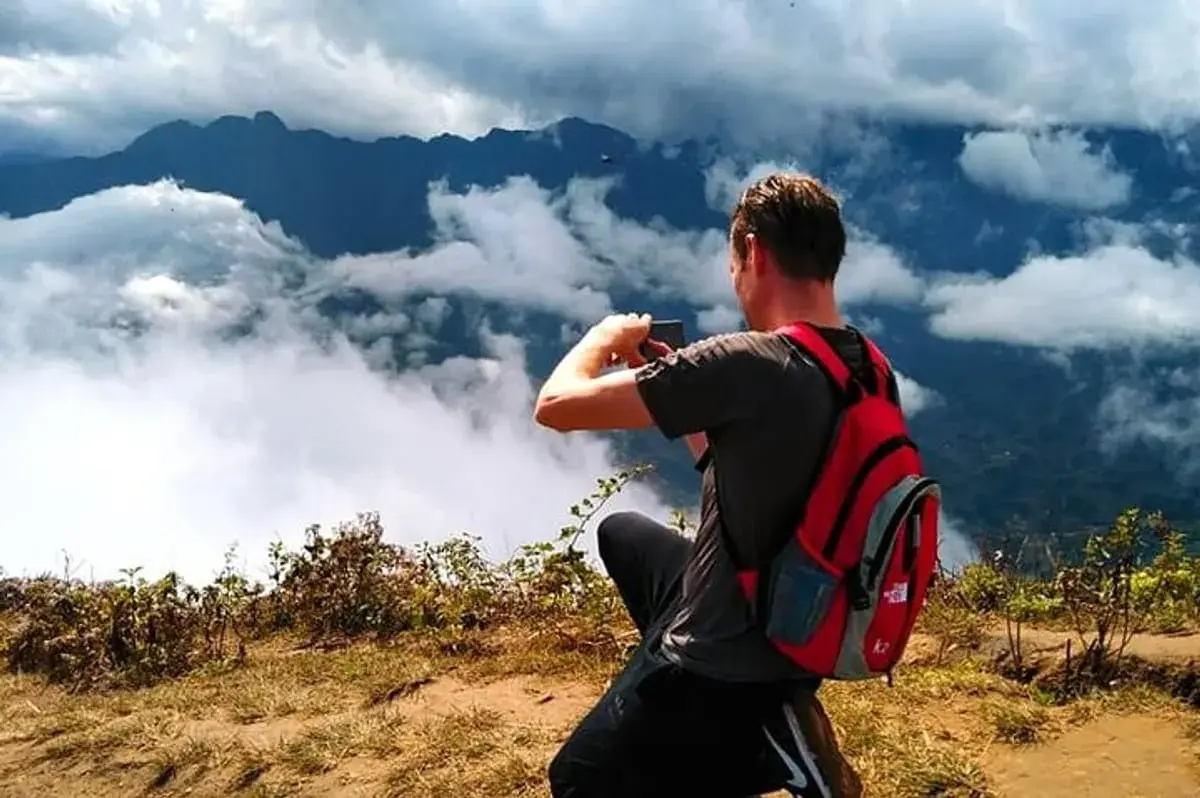
The upside of all this cloud is one of Sapa’s most magical sights: the sea of clouds, when you climb above an inversion layer and look out over a white ocean of mist filling the valleys, with only the highest ridges poking through. The best places to catch it are the summit of Fansipan (reached by cable car or a two-day trek), the O Quy Ho Pass (also called Tram Ton) on the road west of town, and Ham Rong Mountain right above Sapa. Dawn on a clear, cold autumn or winter morning gives the best odds. The lesson for every visitor is the same: do not judge Sapa by a foggy breakfast — give the day time, keep your camera ready, and the mountains usually reveal themselves when you least expect it.
Trekking Sapa in the Rain: Is It Worth It?
Plenty of travellers visit Sapa in the wet months and love it — the question is whether the trade-offs suit you. Here is the honest balance of trekking Sapa in the rainy season, from people who guide it all summer.
What you gain in the wet months
- The greenest, most dramatic terraces of the year
- Thundering waterfalls at Silver and Love Waterfall
- Far fewer crowds and lower prices
- Rain often falls in the afternoon — clear mornings
- Rich, atmospheric light and cloud for photography
What to plan for
- Muddy, slippery trails — poles and grip shoes matter
- Occasional washed-out roads between Lao Cai and Sapa
- Small landslide risk after prolonged downpours
- Leeches on wetter, forested paths (easily managed)
- Some views lost to low cloud — build in flexibility
Our verdict: yes, trekking Sapa in the rain is well worth it if you come prepared and keep your plans flexible. The single biggest factor is timing your walking — because the rain is usually an afternoon event, an early start often means a dry, clear morning on the trail and rain only after you are back. Good waterproofs, sturdy shoes and walking poles turn a muddy path from a nuisance into an adventure, and a local guide who knows which of the Muong Hoa routes drain fastest keeps the day safe and enjoyable. We only ever adjust or reschedule a trek in the rare event of a serious storm or a genuine landslide warning — safety first, always. For most of the summer, the rain is simply the price of admission to the greenest Sapa of the year.
Which Season Suits Your Sapa Trip?
The “best” month depends entirely on what you want from Sapa. Here is how we match travellers to the season, based on the kind of trip they are after.
For photographers, aim for two windows: the water season in May and early June, when the flooded terraces around Ta Van and Y Linh Ho turn to mirrors, and the golden harvest from mid-September into October, when the whole Muong Hoa Valley glows amber under clear skies. Both deliver Sapa’s postcard images; the difference is green-and-reflective versus gold-and-warm.
For first-time trekkers and families, the shoulder and autumn months are ideal — October and November, or March and April — when days are dry and mild, trails are firm underfoot, and the gentle valley routes to Lao Chai and Ta Van are at their most comfortable. Our easy, senior- and family-friendly walks are at their best in exactly these conditions.
For serious trekkers and Fansipan climbers, the clear, dry, stable weather of September to November is unbeatable, with April a strong second. Avoid the summer, when heavy rain makes the summit trail slippery and views scarce, and the depths of winter, when ice can make the highest sections genuinely hazardous.
For budget travellers and those chasing solitude, come in the summer green season (June to August) or in late spring and November, when prices dip and the trails empty out. You trade a little weather certainty for a quieter, cheaper, and in summer far greener Sapa. For snow-chasers, there is only one realistic window — the coldest days of January — and even then it is a long shot best treated as a bonus rather than a plan.
For culture and festivals, time your visit to February’s Tet for New Year colour, or come any Sunday for the ethnic markets at Bac Ha and Coc Ly, which run year-round whatever the weather. Whatever draws you, there is a season built for it — the trick is simply matching the month to the moment you are hoping to catch.
What to Pack for Sapa's Weather, by Season
Packing for Sapa comes down to one rule: layers and a waterproof, whatever the month. The mountains can serve up sun, mist and rain in a single afternoon, so you dress to add and shed layers rather than for one fixed temperature. Here is the season-by-season shortlist.
- Warm season (May–September): light, quick-dry trekking clothes; a good rain jacket or poncho; grippy trail shoes or trekking boots for mud; sun protection for clear spells; and a small dry-bag for your phone and camera.
- Shoulder months (Mar–Apr, Oct–Nov): the same, plus one warm mid-layer (fleece or light down) for cool mornings and evenings. This is the easiest season to pack for — mild days, cold-ish nights.
- Cold season (December–February): add a proper warm layer — a fleece plus a down or insulated jacket — along with a hat, gloves, a windproof outer shell and warm socks. Homestays can be cold at night, so thermals are worth their weight.
- All year round: sturdy footwear with grip, a daypack with 1.5–2 litres of water, sunscreen and sunglasses for bright days, insect repellent, and a headlamp if you are staying in a village homestay.
You do not need to carry heavy trekking gear across Vietnam just for a day or two in Sapa. Boots and walking poles — the two things that make the biggest difference on wet or steep terraces — can be rented cheaply at our office in Sapa town, so you can travel light and kit up only for the trek itself.
Rent at Our Office Before You Trek
 Gear Rental
Trekking Boots Rental
Waterproof, ankle-support boots — the key to grip on muddy wet-season terraces. At 105 Thach Son Street.
 Gear Rental
Walking Poles Rental
Essential on slippery descents in the rain and on steep golden-season terraces. $2/day at our office.
Whenever you choose to come, Sapa rewards travellers who plan around its weather rather than fight it — time your trip to the season you want, pack your layers, and let the mountains do the rest. For help choosing your dates, read our guide to the best time to visit Sapa; for a deeper look at one popular month, see Sapa weather in June; and for the summit’s own climate, our guide to Fansipan weather through the year. Planning the wider trip? Our Vietnam weather by month guide sets Sapa in the national picture, and when you are ready to walk, browse our Sapa trekking tours for every season and fitness level.