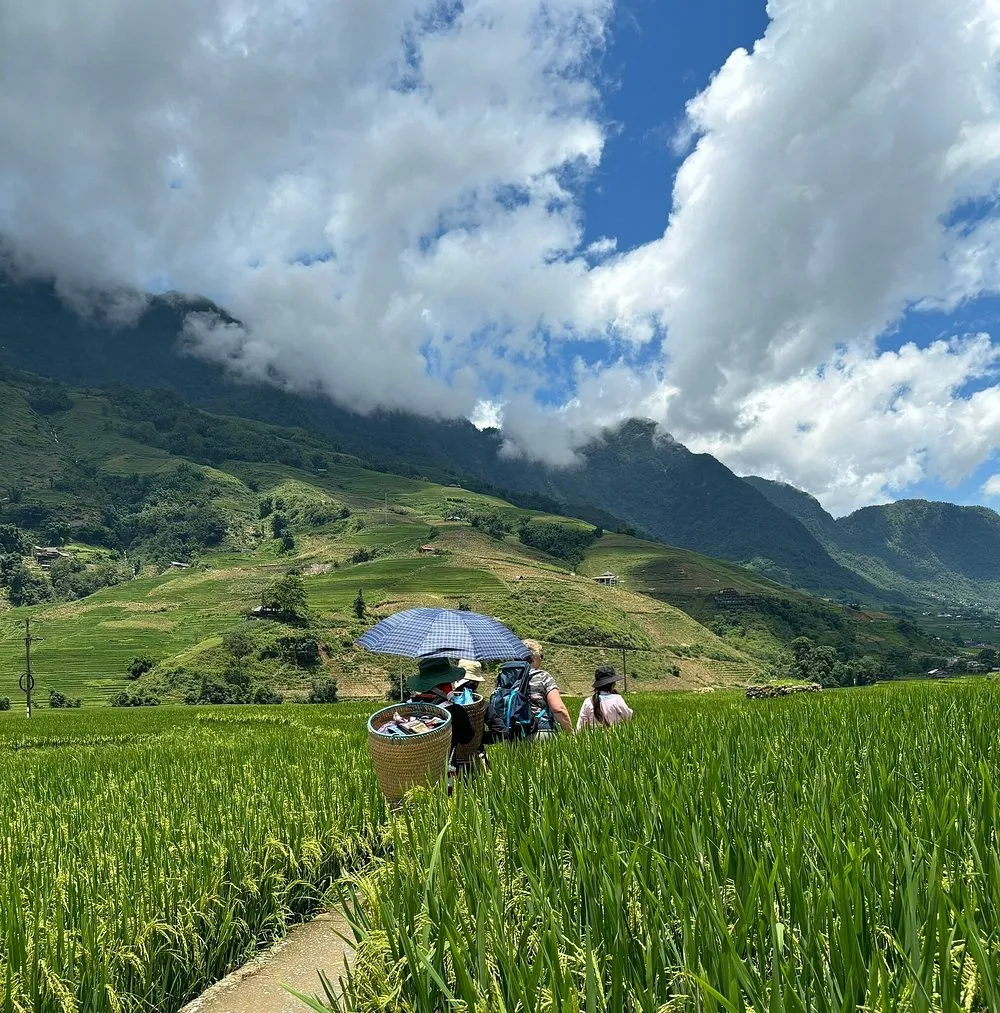
 Sinh Giang
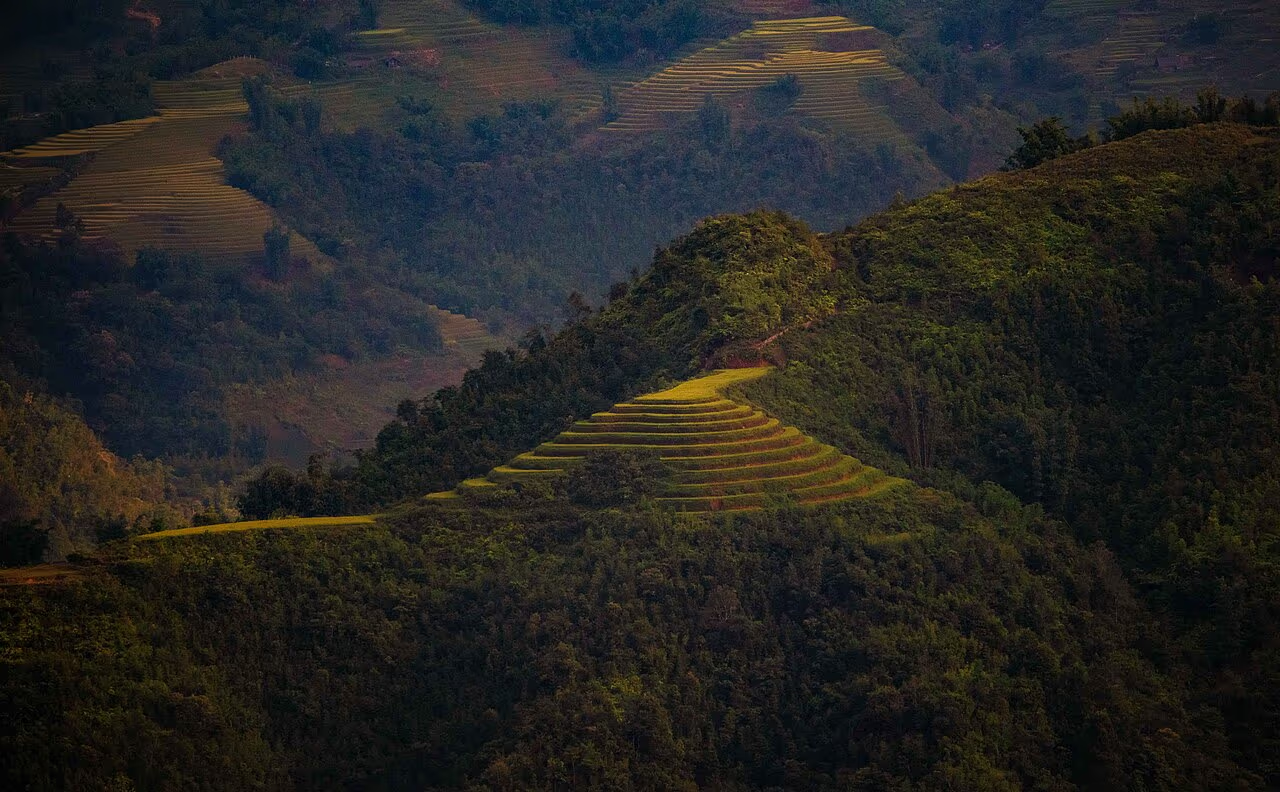
The Sapa rice harvest season runs from about mid-September to mid-October, when the rice terraces of the Muong Hoa Valley turn a brilliant, glowing gold just before the rice is cut. It is the most spectacular sight of the Sapa year — and the most popular time to trek. There is a second beautiful window too: the mirror season in May and June, when the terraces are flooded with water for planting and reflect the sky like a staircase of mirrors. In short, come in late September to early October for gold, or May to June for the water reflections.
This guide walks you through the whole Sapa rice cycle so you can time your trip to catch the terraces exactly as you picture them: the harvest gold, the mirror water, or the deep summer green. We are a local team based in Sapa, out on these trails through every stage of the rice year, so these notes come from watching the terraces change season after season. For the full month-by-month climate, pair this with our best time to visit Sapa weather guide. Here is when, where and how to see the rice terraces at their best.
When Is the Sapa Rice Harvest?
The headline dates for planning your trip around the rice, before we go stage by stage.
So the two star windows are the golden harvest (mid-September to mid-October) and the mirror water season (May to June), with lush green filling the summer in between. From November to April the terraces are bare and brown after the harvest — still a fine time to trek for the culture and mountains, just without the rice. The rest of this guide breaks down each stage in detail.
The Sapa Rice Cycle, Month by Month
Sapa grows a single rice crop a year, so the terraces run on one long, predictable cycle. Here is what they look like each month.
In plain terms: the terraces are bare and brown from November through February (cold, quiet, misty), being ploughed and repaired in March and April, flooded into mirrors in May and June for planting, growing lush green through July and August, turning gold in September, and harvested through October. If your heart is set on a particular look, this single cycle tells you exactly when to come.
One thing to keep in mind: because Sapa grows just a single rice crop each year, there is no second harvest to fall back on — miss the gold in October and the next one is a full year away. That is why the harvest window feels so precious, and why it pays to build your trip around it if the golden terraces are your dream. For the weather side of the decision — temperatures, rain and fog by month — our best time to visit Sapa guide covers the full picture.
The Stages of the Rice Season
Watching the terraces move through the year is part of the magic of Sapa. Here is the rice season stage by stage.
Ploughing & prep
The bare terraces are repaired and ploughed, often with water buffalo. Quiet, brown and cool — the calm before the season.
Flooding & transplanting
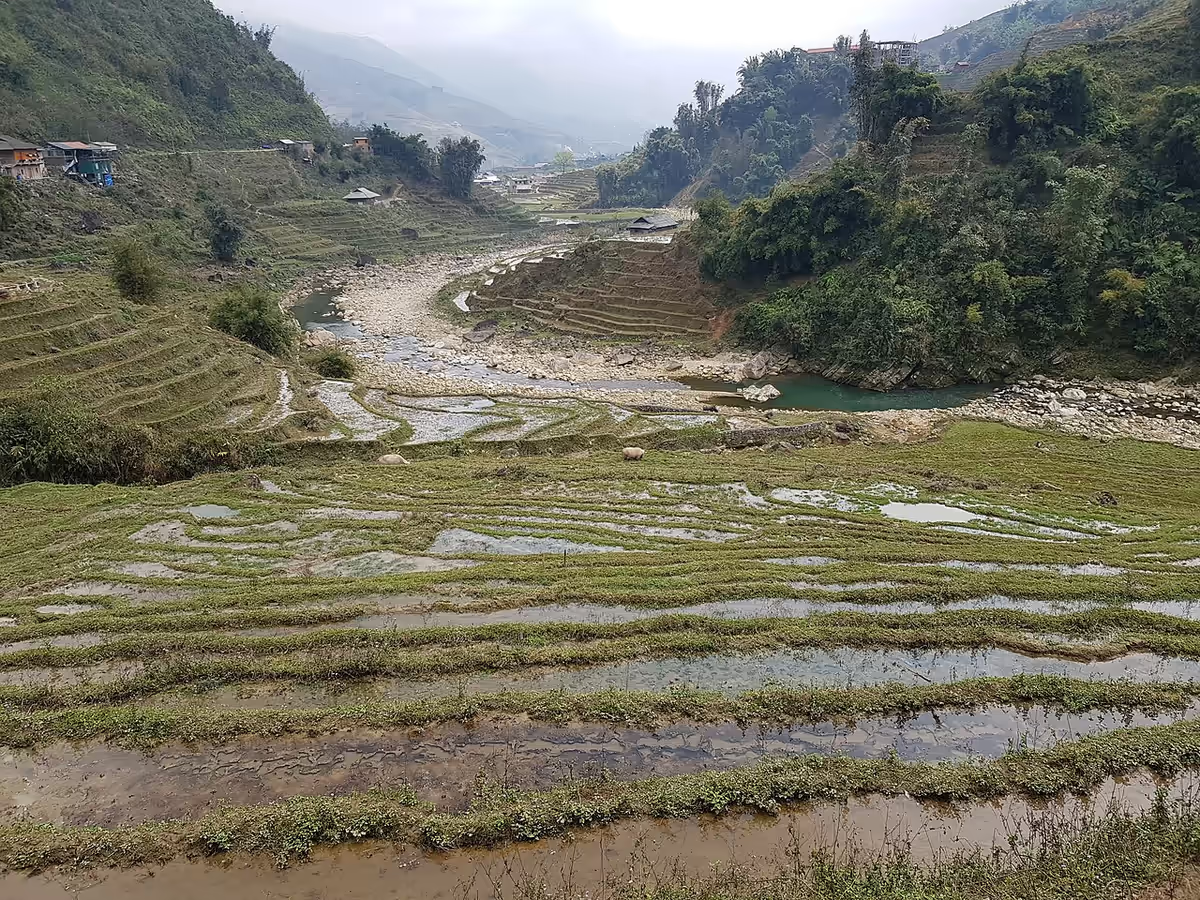
Farmers flood the terraces and plant the young rice by hand. The water turns every step into a mirror — the reflective season.
Growing green
The rice shoots up and the whole valley glows an impossibly deep green. Wettest months, but lush and quiet.
Ripening to gold
The green turns yellow-gold from early September, building to peak gold by the last week — the start of the famous harvest look.
The golden harvest
Peak gold, then the rice is cut and threshed. The single most beautiful — and busiest — window of the year.
Bare & fallow
After the harvest the terraces are bare and brown, and the valley turns cold and misty. Peaceful, uncrowded trekking.
Trek the Muong Hoa Rice Terraces
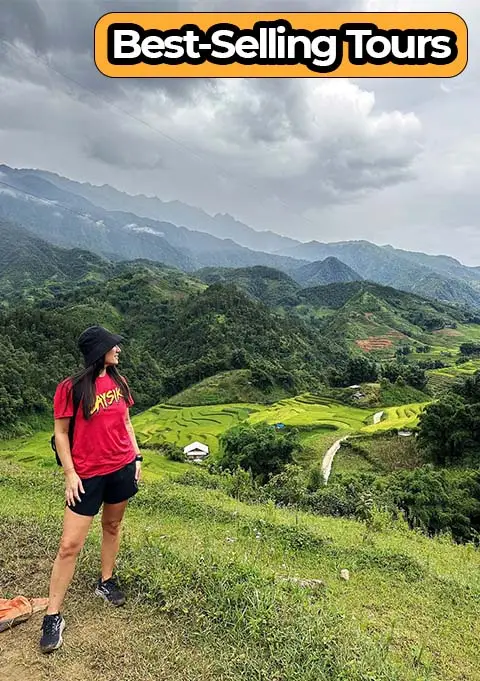 1 Day Trek
Trekking Through Rice Terraced Fields
The classic Muong Hoa Valley day trek — golden in autumn, mirror-bright in early summer.
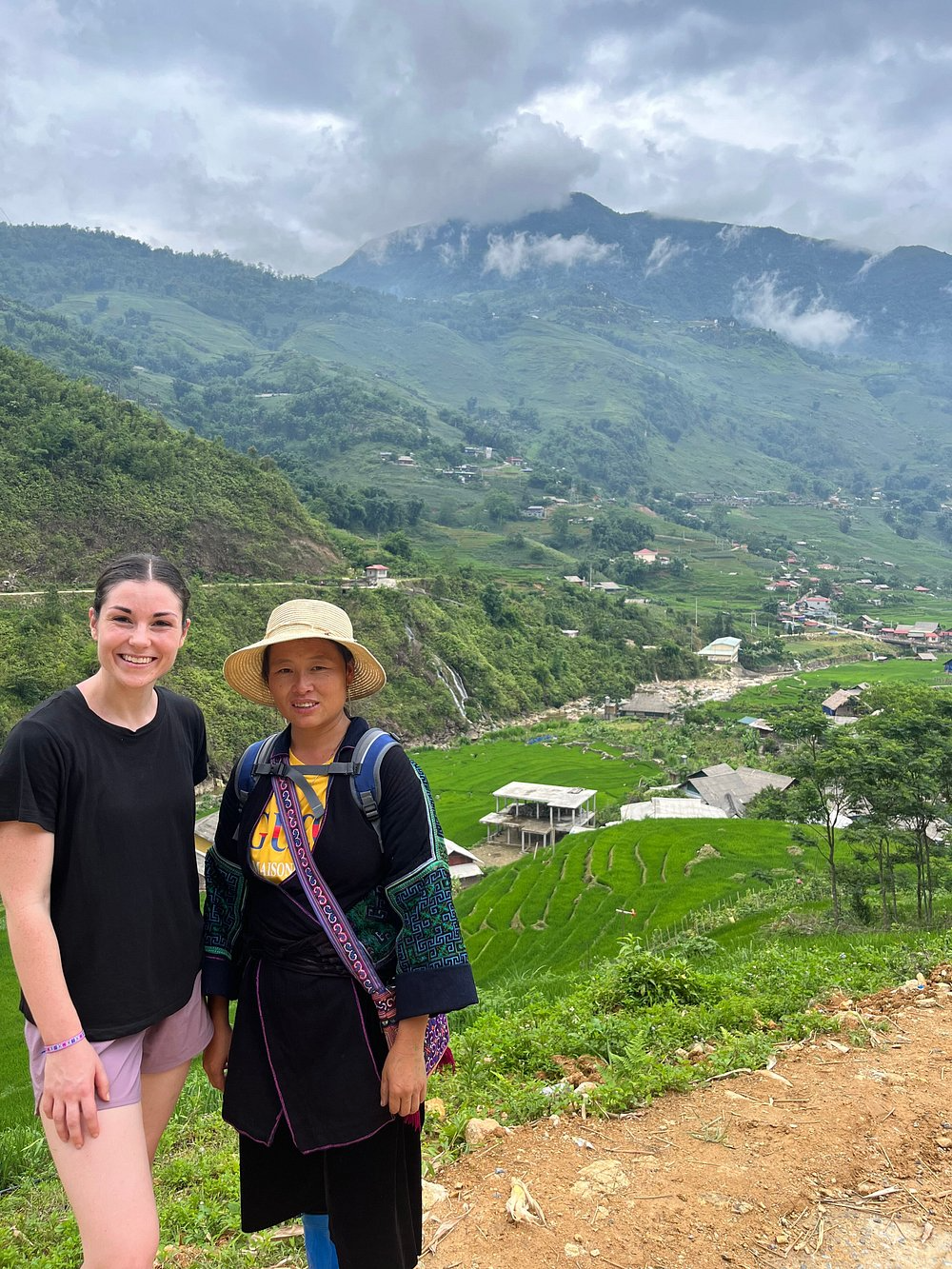 2D1N Homestay
Rice Terraced Fields & Homestay
Two days in the valley with a village homestay — wake up among the terraces at harvest.
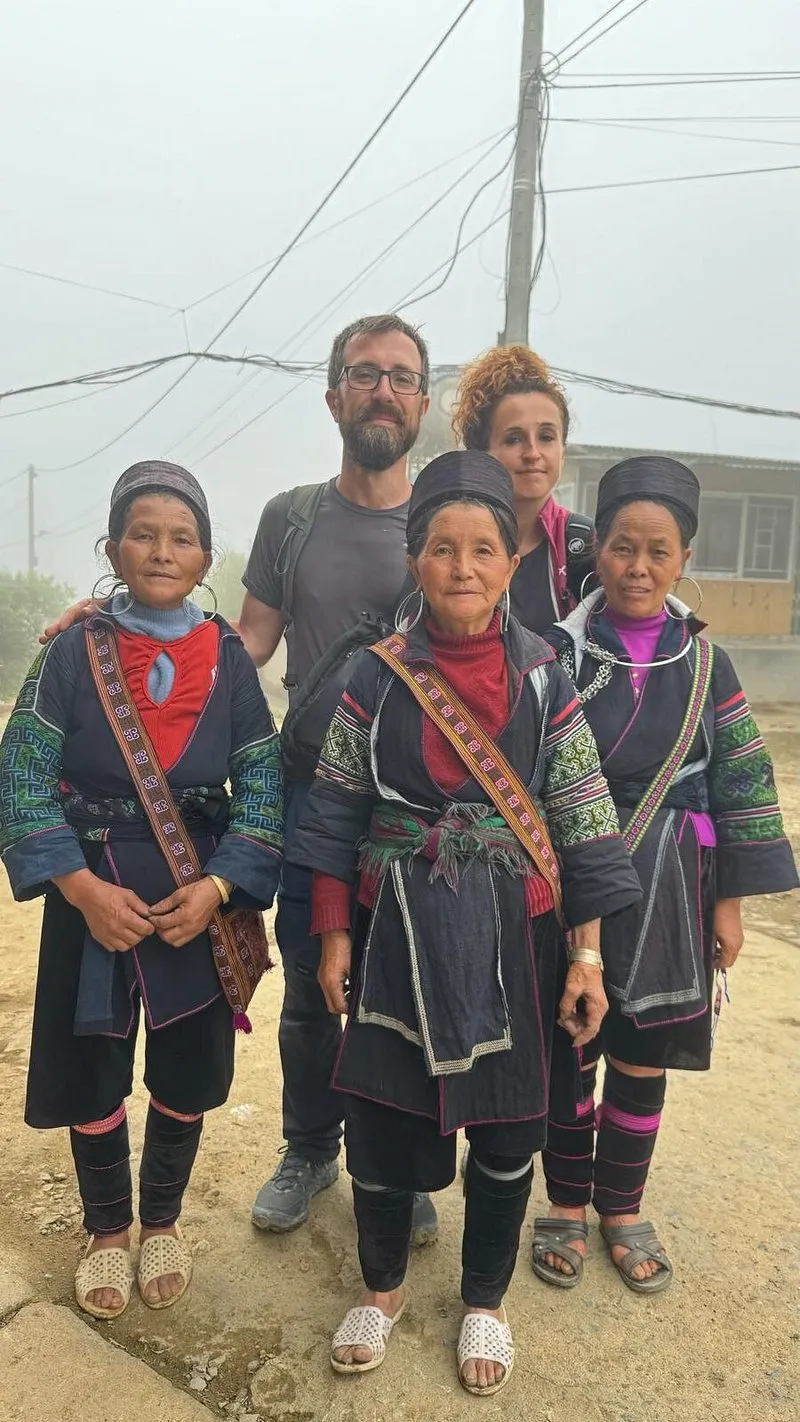 Families & Seniors
Sapa Easy Trekking For Seniors
A gentle valley walk with poles provided — terrace views without the climbs.
Peak Golden Season: Mid-September to Mid-October
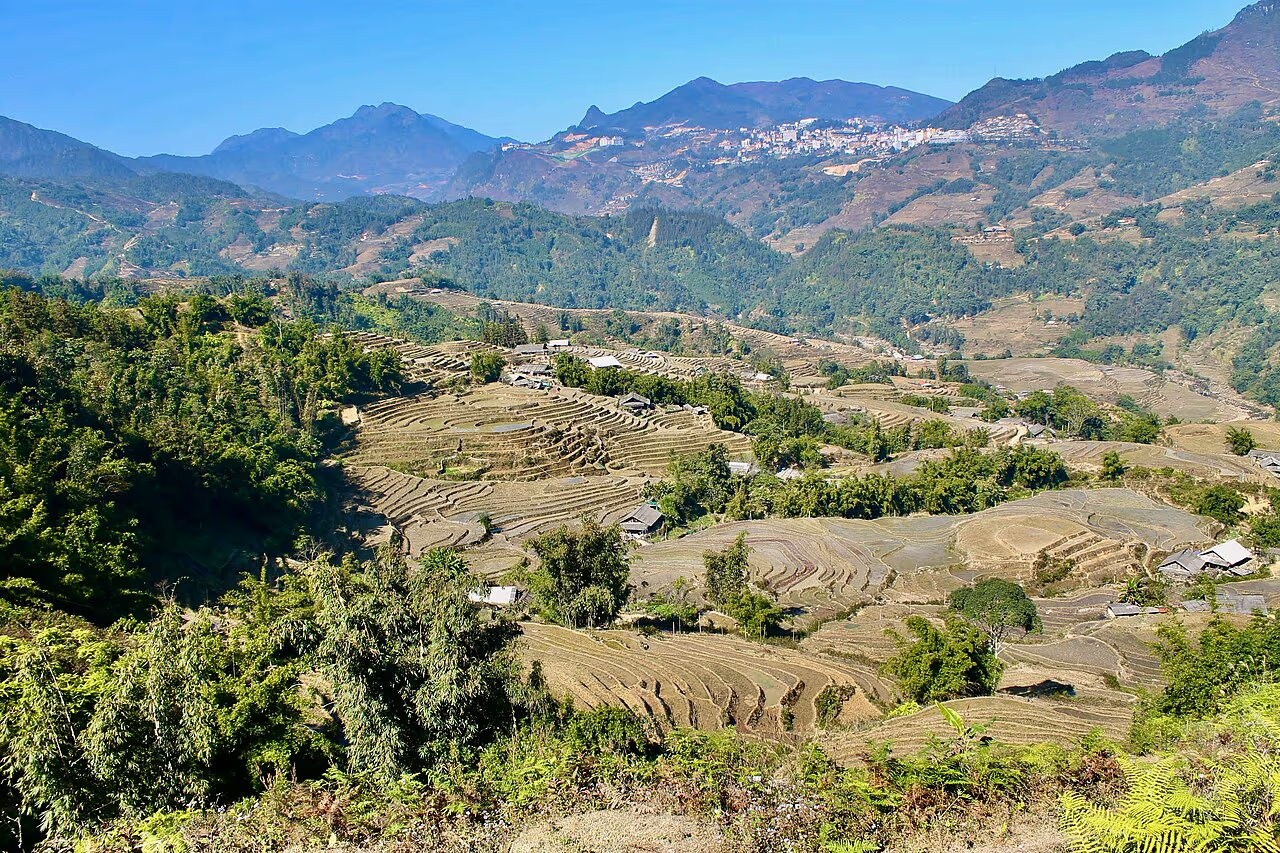
This is the sight people picture when they imagine Sapa: whole hillsides of terraces glowing gold in the morning light, farmers cutting the rice by hand, the air smelling of cut straw. The golden window is short — roughly mid-September to mid-October — and the exact peak shifts a little each year with the weather, so aim for the last two weeks of September into early October to be safe.
It is also the busiest time in Sapa. The best homestays and guides book out weeks ahead, and prices are at their highest, so reserve early. If you can, come mid-week and start your treks at dawn, both to beat the day-trippers and to catch the low golden light on the terraces. The reward is worth it: there is nothing quite like walking the Muong Hoa Valley when the whole staircase of terraces is ripe and shining.
Where to See the Golden Terraces
The terraces are all around Sapa, but a few places show them off best — and trekking through them beats viewing from the road every time.
| Place | Best for | Notes |
|---|---|---|
| Muong Hoa Valley | Gold & mirror | The classic — terraces down both valley sides; the Lao Chai–Ta Van trek runs right through them. |
| Lao Chai | Gold & green | Wide Black H'mong terraces on the valley floor; easy, beautiful walking. |
| Ta Van | Gold & green | Giay village with homestays — stay overnight among the terraces. |
| Y Linh Ho | Green & gold | Steep, dramatic terraces on a quieter trail; great for photos. |
| Ta Phin | Green & gold | Red Dao area — mixed terraces, hills and herbal-bath villages. |
| Hills above Sapa town | Gold | Easy viewpoints (Ham Rong, the Sapa–Ta Phin road) if you have little time. |
For most visitors, the Muong Hoa Valley trek through Lao Chai and Ta Van is the highlight — you walk right among the terraces, stop in villages, and, on the two-day version, sleep in a homestay surrounded by rice. See our Muong Hoa Valley guide and Ta Van village guide for more, and our Vietnam rice terraces guide if you want to compare Sapa with other regions like Mu Cang Chai.
Wherever you go, remember that the terraces are working farmland, not a park — the families who tend them live and work among the rice. Walking through with a local guide means you see the harvest the way it really happens, learn how the terraces are farmed, and put your visit directly into the hands of the community that makes the landscape what it is.
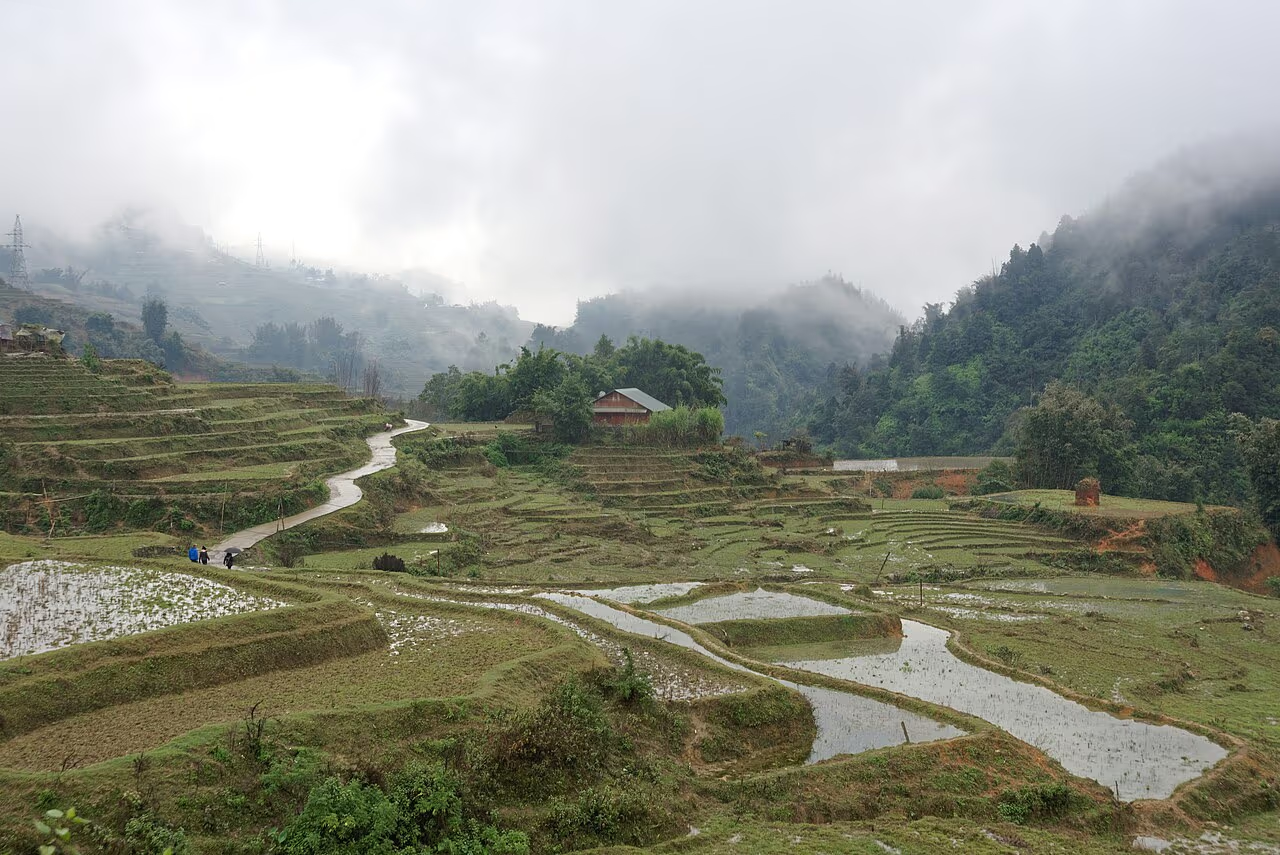
Get to Sapa for the Harvest


The Mirror Season: May to June
If you miss the gold, the mirror season is every bit as beautiful and far less crowded. In May and June, farmers flood the terraces with water to plant the new rice, and for a few weeks each step becomes a shining pool that reflects the sky, the clouds and the green ridges above. Photographers often prefer it to the harvest — the reflections are magical in the soft morning light, and you will share the trails with a fraction of the autumn crowds.
It is warm and humid by then, with the first summer showers, so bring a light rain layer — but the mornings are often bright and the newly planted terraces are a vivid, fresh green between the water. For many of our returning guests, the quiet mirror season is their favourite time of the whole rice year.
Harvest or Mirror — Is the Golden Season Worth the Crowds?
The golden harvest is the headline event, but it is also the busiest and priciest window in Sapa. Here is an honest way to decide whether to chase the gold or pick a quieter alternative.
Come for the golden harvest if…
- Seeing the terraces at peak gold is the whole point
- You can travel in late September or early October
- You will book your trek and homestay weeks ahead
- You do not mind sharing the trails and higher prices
Pick the mirror or green season if…
- You prefer quiet trails and lower prices
- Water reflections (May–Jun) appeal more than gold
- Your dates fall in early summer, not autumn
- You want homestays and guides available at short notice
Both are wonderful — there is no wrong answer. The golden harvest is the once-in-a-lifetime spectacle; the mirror and green seasons give you the same beautiful valley with room to breathe. Whichever you choose, timing your Sapa rice harvest season trip a little either side of the peak (mid-week, shoulder of the window) buys you thinner crowds without losing the view.
Photographing the Rice Terraces
Few landscapes reward a camera like the Sapa terraces, and getting the timing and light right makes all the difference. For colour, plan around the two peaks: gold in the second half of September into early October, and the mirror water reflections of May and June. Both look their best in the low, warm light of early morning and late afternoon, when the sun rakes across the terraces and every edge and curve stands out.
A few practical notes: mornings are usually the clearest, as cloud and mist tend to build over the valley by the afternoon — though that drifting mist can make for moody, atmospheric shots of its own. Shoot from the trail itself rather than the roadside for the best layered compositions, be respectful and ask before photographing farmers at work, and protect your gear with a dry bag in the wet summer months. Handled right, the Sapa rice harvest season delivers some of the most photogenic scenery in Vietnam.
Tips for the Rice Season
- For gold, come late Sep to early Oct; for mirrors, May to June; for deep green, July to August.
- Book early for the harvest — it is the busiest window and the best homestays and guides fill up weeks ahead.
- Shoot at dawn and dusk — low light brings out the terrace contours; mornings are clearest before the afternoon cloud.
- Trek through the terraces rather than viewing from the road — the Muong Hoa Valley is made for walking.
- Pack for changeable mountain weather — a rain layer and grippy footwear, even in the golden season.
- Rent boots and poles at our office rather than carrying them — the terrace paths can be muddy after rain.
Boots & Poles for the Terrace Trails
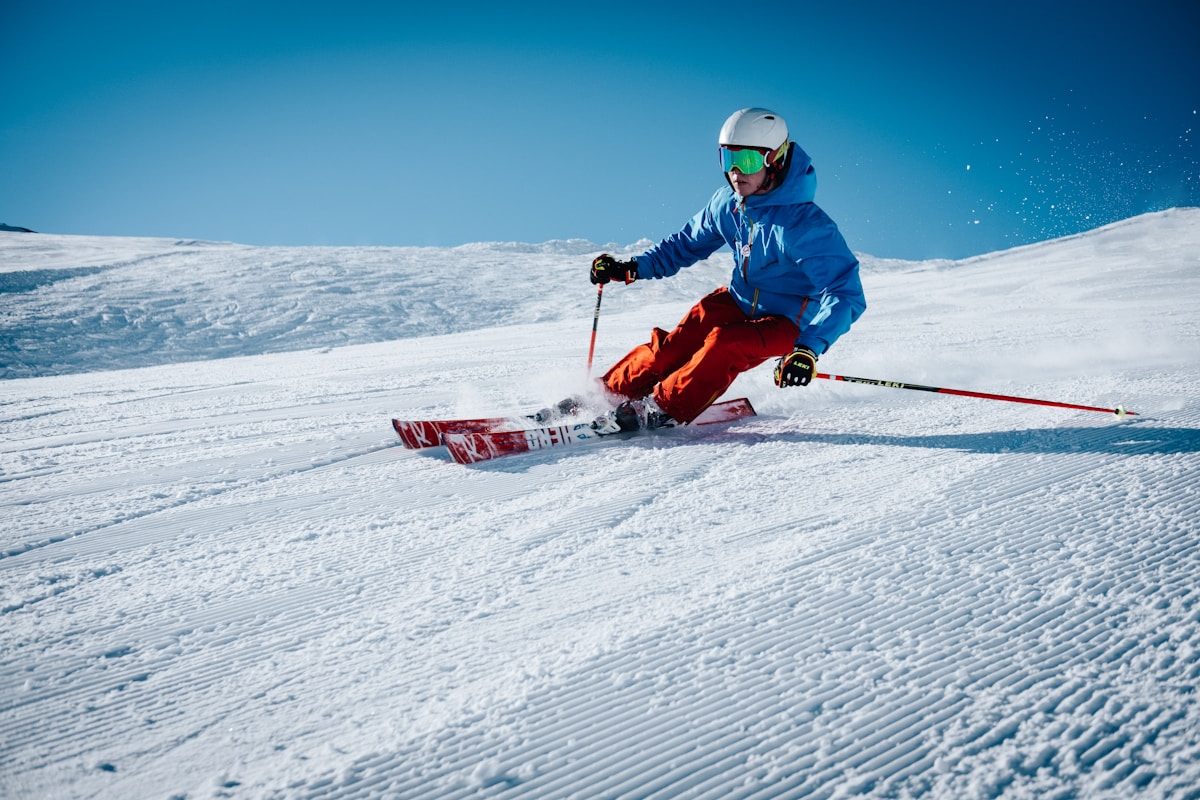 Gear Rental
Trekking Boots Rental
Waterproof ankle-support boots — ideal for muddy terrace paths. At 105 Thach Son Street.
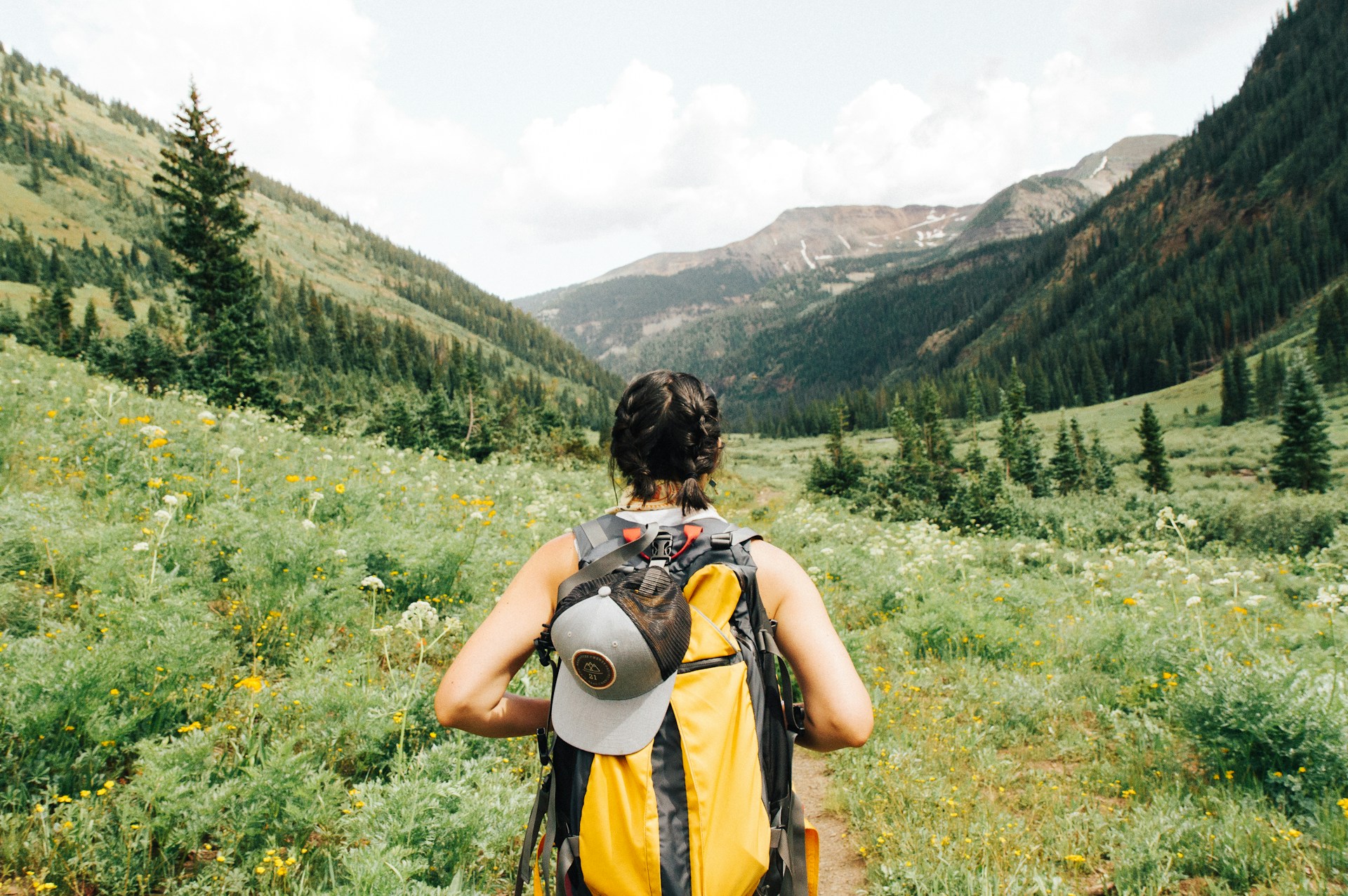 Gear Rental
Walking Poles Rental
Trekking poles at $2/day — steadying on wet, narrow terrace edges. At 105 Thach Son Street.
Trekking the Harvest with a Local Guide
The best way to experience the rice season is on foot, with someone who grew up in these valleys. We are a local team and we guide in the Muong Hoa Valley all year, so we know which terraces are gold first, which trails drain best after rain, and where to stop for a home-cooked lunch with a family in Ta Van. Whether you come for the harvest gold, the mirror water or the summer green, tell us your dates and we will shape a route to catch the terraces at their best.