 Sinh Giang
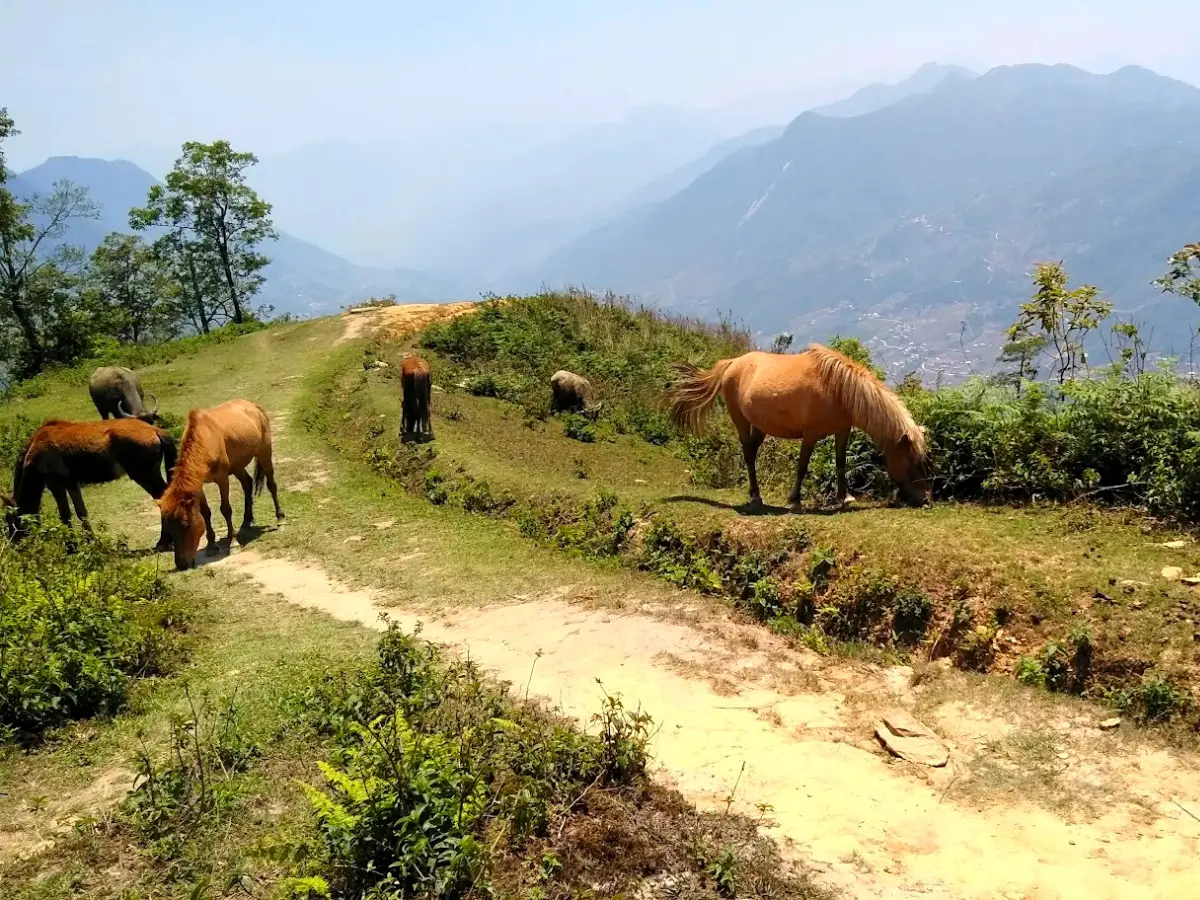
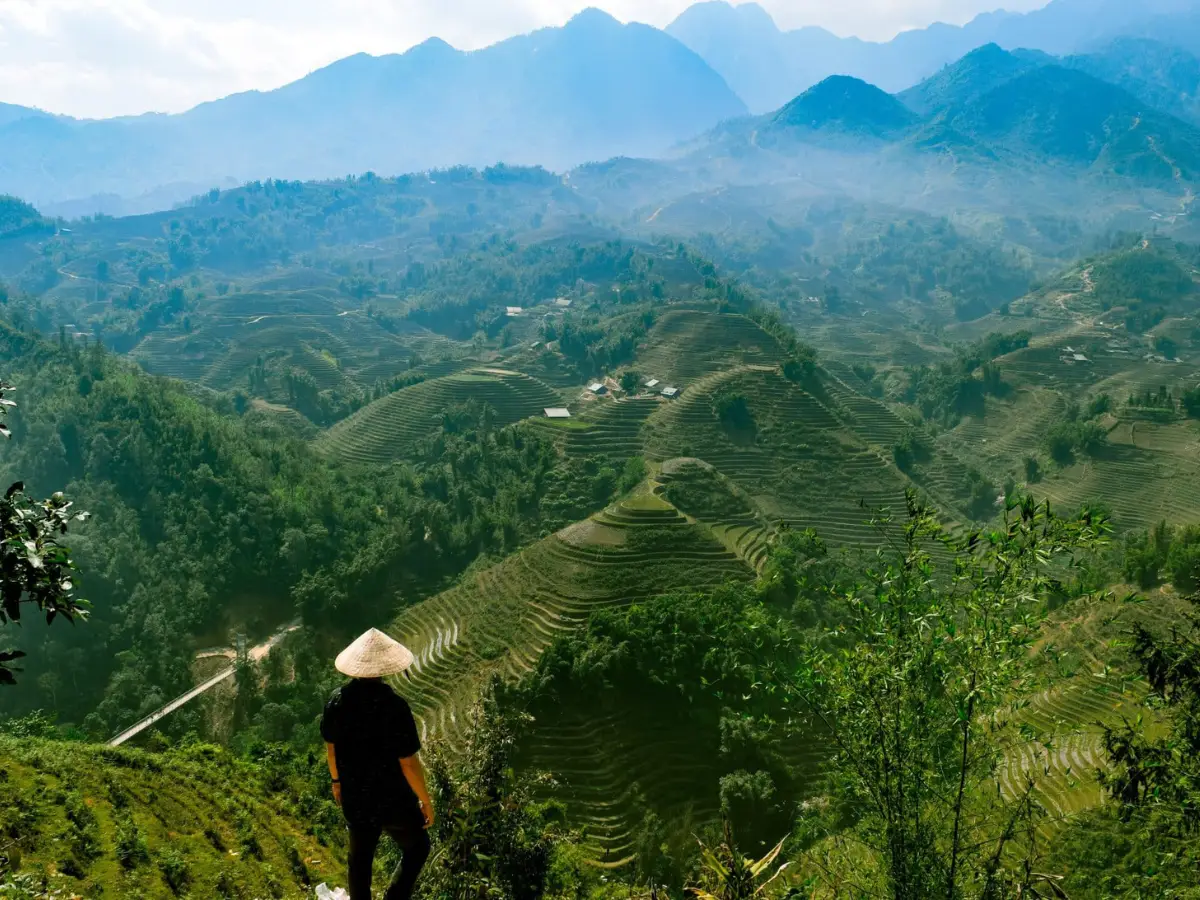
By 7am, the Muong Hoa Valley has already disappeared. You step out of your hotel in Sapa Town and there is nothing below — just a white ceiling of cloud sitting right at road level, the smell of damp earth and something green you cannot quite name. By 9:30am on a good June day, that same valley is fully visible: flooded terraces catching the overcast light like a series of broken mirrors, Black H'mong farmers knee-deep planting rice seedlings in Lao Chai and Ta Van, water buffalo moving slowly along the bunds between the paddies.
June is one of those months that people write to me and ask about with uncertainty. "Is it worth visiting?" My honest answer: it depends on what you want. If you want golden terraces and dry trails, wait until September. If you want the valley at its most alive — the beginning of the rice cycle, the mist, the smell of the soil — then June is genuinely special. I grew up here in Sapa, and June is the month the whole valley wakes up.
Sapa in June: Temperature and Rainfall
June marks the beginning of the southwest monsoon in Sapa, Lao Cai Province, northern Vietnam. Daytime temperatures in Sapa Town sit between 18–22°C (64–72°F) — noticeably cool if you have come from Hanoi, where the heat in June is often 35°C+. At higher elevations above Sapa — on the trails toward Fansipan or in the villages of Ma Tra and Ta Phin — it can feel closer to 15°C in the early morning, especially when the cloud is low.
Rainfall in June is approximately 200–240mm for the month. That sounds like a lot, and technically it is one of the wetter months of the year. But the pattern matters more than the total: rain in June does not mean all-day downpours. In most years, June rain falls as afternoon showers, typically beginning between 2pm and 4pm and lasting 1–3 hours. Mornings — from first light until roughly noon — are usually dry and often clear. That is the window we work with on all our June treks.
In June, we always schedule guest pickups at 8am — before the heat builds and long before the afternoon rain arrives. If you can be on the trail in the Muong Hoa Valley by 8:30am, you will have 5–6 hours of walking before the first clouds come in. I tell every guest the same thing: set your alarm, skip the long hotel breakfast, and eat in the village. The trail from Lao Chai down to Ta Van is at its clearest and most beautiful before 11am.
Is June a Good Time to Visit Sapa?
Yes — with the right expectations. June is a good time to visit Sapa if you accept the rain as part of the experience rather than something to avoid. The valley looks completely different from any other month. The terraces in the Muong Hoa Valley are flooded and bright green, or in the process of being flooded for planting. Black H'mong and Red Dao farmers are active in the fields every single day. This is working agricultural land at its most productive, and you see that clearly in June in a way you do not in September when harvest is already beginning.
The practical advantages of June are also real. Tourist crowds are substantially lower than the October–November peak. Hotels in Sapa Town are 15–25% cheaper than in peak season. Our tours still run with full small-group format (maximum 12 people), but spaces are easier to find on short notice. You will often have entire sections of the trail in Hau Thao or Y Linh Ho to yourself — something that simply does not happen in October.
What You Will See in June — Rice Planting Season
The rice planting season in Sapa typically begins in late May and runs through June. In the villages of Ta Van, Lao Chai, and Y Linh Ho along the floor of the Muong Hoa Valley, you will see the paddies completely flooded — sheets of water that catch the overcast sky and turn the valley into a study in grey-blue and green. Black H'mong women in their distinctive indigo clothing work in lines across the paddies, pressing seedlings into the mud at regular intervals. The water buffalo stand in the shallower sections, used for ploughing before planting starts.
Up toward the village of Ma Tra and along the ridge trails above Hang Da and Hau Thao, the scenery is different from the valley floor — the upper terraces have already been planted and the first shoots are just appearing, a vivid yellow-green against the darker vegetation around them. Sa Seng Mountain and the ridges descending from Fansipan are frequently wrapped in cloud at this time of year, which gives the landscape a layered, dramatic quality that many photographers prefer to the blue-sky clarity of November.
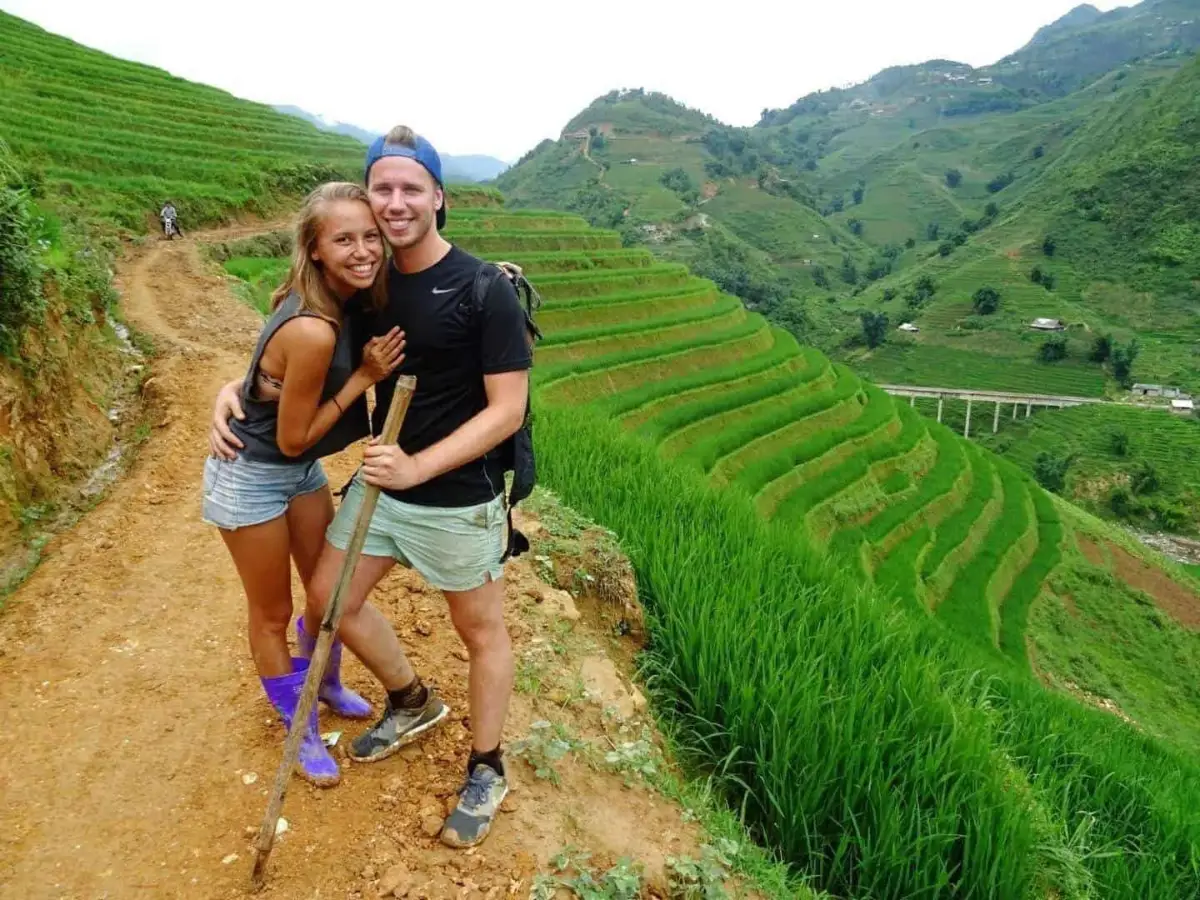
Trail surfaces between Ta Van and Lao Chai can become genuinely slippery after rain. The clay soil in this section of the Muong Hoa Valley is the worst for mud — it compacts and becomes like wet soap underfoot. We always carry walking poles for guests on June treks. If you have not already packed poles, you can rent them from our office at 105 Thach Son Street for $2 per day. Do not underestimate the descents in wet conditions.
Our Best June Trekking Tours
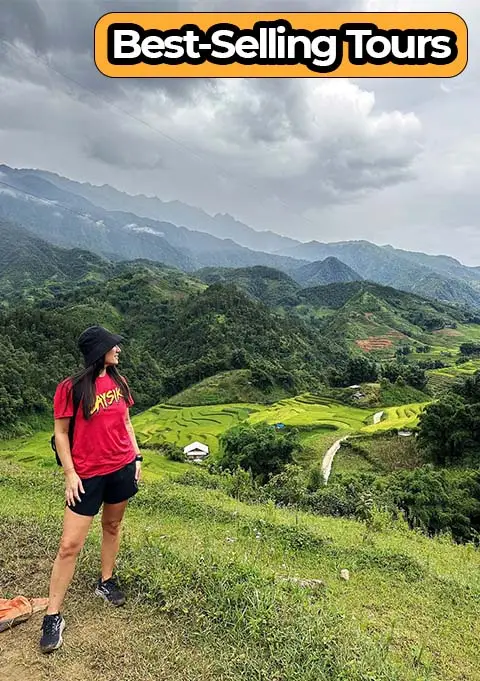 Best Seller
Trekking Through Rice Terraced Fields
Walk the flooded Muong Hoa Valley floor through Lao Chai and Ta Van — best June for planting season reflections.
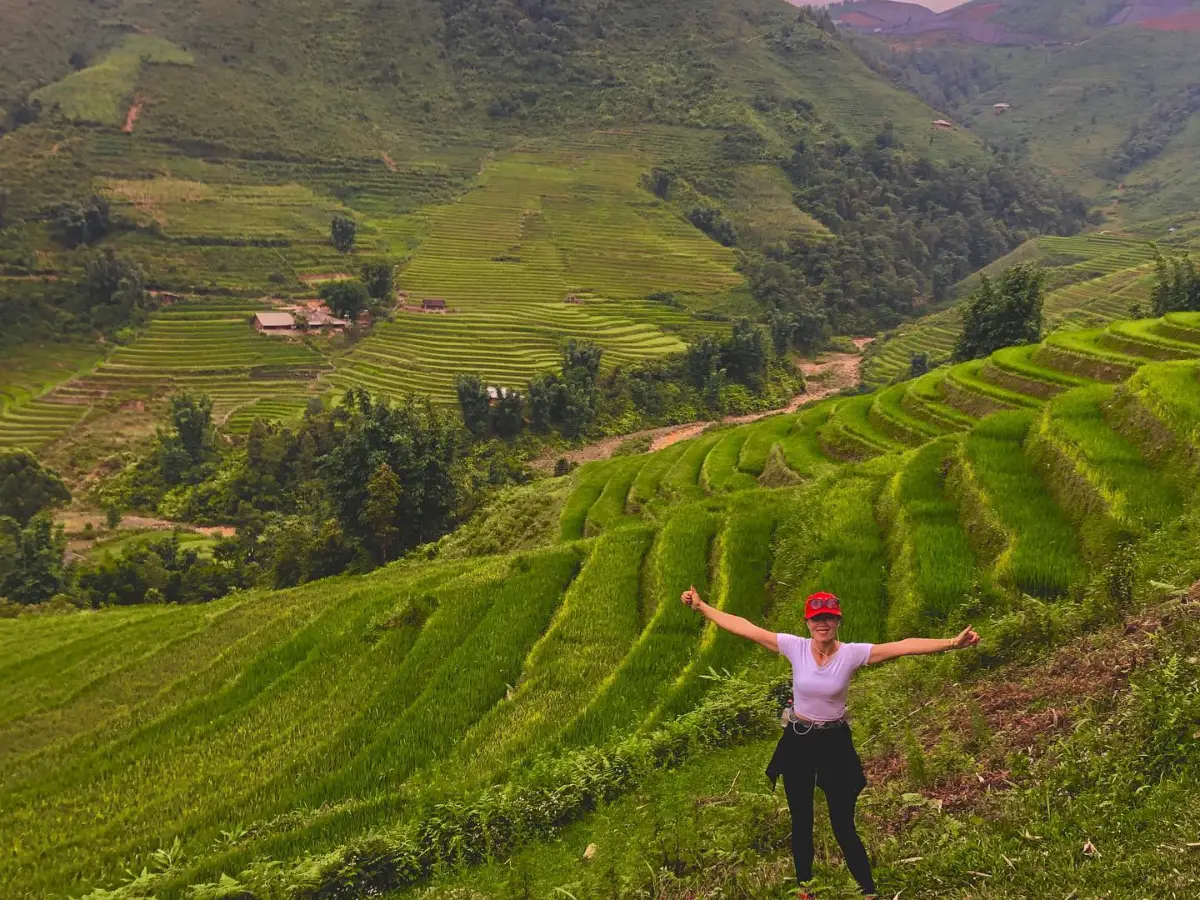
Rice Paddies and Cultures – Easy Hiking
Flat valley route past working rice paddies with Red Dao family stops — ideal when trails are muddy.
 Seniors & Families
Sapa Easy Trekking For Seniors
Gentle paths, walking poles provided. No steep sections — designed for 60+ travelers and those wanting a relaxed pace in any season.
What to Wear in Sapa in June
Packing for Sapa in June requires taking the rain seriously. Here is what I recommend based on running tours through June and July every year:
- Waterproof jacket or poncho — this is not optional in June. A lightweight packable rain jacket is better than a poncho for trekking because it stays in place on descents. Bring it on every walk, even if the morning looks clear.
- Quick-dry trousers or shorts — cotton gets heavy and cold when wet. Synthetic or merino trekking trousers dry in under an hour if the rain passes.
- Waterproof boots or sturdy waterproof trail shoes — the Muong Hoa Valley trails have sections of clay mud after rain. Lightweight trainers become slippery and uncomfortable. Ankle-support waterproof boots are the safest choice.
- Light fleece or mid-layer — early mornings on the ridge above Ta Phin or Hang Da feel noticeably cool. 15–17°C with cloud cover and slight wind feels colder than the number suggests.
- Dry bag for electronics — cameras and phones should not be in an open daypack when the afternoon rain arrives.
- Hat — not for sun, but for warmth in the early morning and to keep rain off your face on the trail.
If you do not have waterproof boots, you can rent trekking boots from our office at 105 Thach Son Street for $2 per day. Walking poles are also available at $2 per day — on wet terrain I consider them essential.
What to Do in Sapa in June
June trekking works best when you plan around the weather pattern rather than ignoring it. The rule I give all guests arriving in June: be on the trail by 8:30am and plan to be back in Sapa Town by 2pm. That gives you five to six hours of walking in the best weather window of the day. Every tour we run in June is structured around this timing.
The Trekking Through Rice Terraced Fields route through the Muong Hoa Valley — from Sapa Town down through Y Linh Ho, Lao Chai, and finishing at Ta Van — is the best single-day option for June. The valley floor terrain is easier on wet trails than ridge routes, and the flooded terraces on this route are at their absolute best during planting season. The Black H'mong families we pass through have been farming these same terraces for generations; in June, you see their work at its most active.
If you prefer a flatter, more cultural route, the Rice Paddies and Cultures – Easy Hiking tour stays on lower ground through the Muong Hoa Valley and focuses on Red Dao village visits. It avoids the steepest sections entirely, which is a genuine advantage in wet conditions. The Sapa Easy Trekking For Seniors route is the best option for travelers who want to see the terraces without navigating muddy descents — our local guide designed this route specifically for guests who prefer gentle ground.
Beyond trekking, June is a good month to visit the Sapa market on Saturday evenings, where Black H'mong and Red Dao women from villages including Hang Da and Hau Thao sell hand-embroidered fabric and silver jewellery. The rain does not stop the market. If you want to visit the villages of Ta Phin — home to one of the largest Red Dao communities in the Lao Cai area — June is quieter than peak season and you are more likely to be invited in for tea rather than surrounded by other tour groups.
June vs September in Sapa — Which Is Better?
September is the better month by most objective measures — the harvest begins in the Muong Hoa Valley, the terraces start turning from green to gold in the lower sections around Ta Van and Lao Chai, the weather is drier, and the trail surfaces are at their firmest. For a first visit to Sapa where you want reliable weather and the best light for photography, September–October is the answer.
That said, June has things September does not. The terraces in planting season look nothing like the terraces in harvest. The flooded paddies in June reflect the sky in a way that the golden ripe rice in September cannot — it is a different kind of beautiful, and photographers who have visited both months often tell me they found June more interesting compositionally. The farmers are more active in June too: planting is a community effort in a way that harvest is not, and you see entire villages coordinating across the valley simultaneously.
The crowds and price difference are also real. A hotel that costs $80 per night in October often costs $55–65 in June. Our tours run at the same price year-round, but in June you can almost always book with two or three days' notice instead of the week or more of lead time that September and October sometimes require.
My recommendation: if you have the flexibility, September–October is the premium period. If June is what you have, come — pack for rain, book an 8am pickup, and you will not be disappointed.
Rent at Our Office Before You Trek
 Gear Rental
Trekking Boots Rental
Waterproof ankle-support boots. Cleaned and checked before each rental. Available at 105 Thach Son Street.
 Gear Rental
Walking Poles Rental
Trekking poles available to rent at $2/day at our office, 105 Thach Son Street. Essential for descents.
Frequently Asked Questions
June is the start of the monsoon season in Sapa. Average daytime temperatures are 18–22°C (64–72°F). Rainfall increases significantly from May — expect 2–3 days of rain per week, often as afternoon showers rather than all-day rain. Mornings are frequently misty. The valley fills with mist by 7am and clears by 9–10am on good days.
Yes — June is the beginning of the rice planting season, which is one of the most photogenic periods in the Muong Hoa Valley. The terraces are flooded with water and reflect the sky. The landscape looks completely different from the golden harvest of September. Crowds are lower than peak season (October), and prices are slightly cheaper.
Sapa receives approximately 200–240mm of rainfall in June — one of the wetter months. Rain is mostly concentrated in afternoon hours (2pm–6pm). Mornings are often clear. Plan outdoor activities and trekking for early morning starts (8am pickup) and expect to be back in town by 2–3pm.
Pack a waterproof jacket or poncho (mandatory — not optional in June), quick-dry clothing, waterproof trekking shoes or boots, and a dry bag for electronics. Temperatures at altitude feel cooler than you expect, especially when it is raining. A light fleece or mid-layer is useful for early mornings and evenings.
Yes, but the trails are muddier than in the dry season. Our guides know which routes have the best drainage and which to avoid after heavy rain. We always carry walking poles for guests when trekking in June and July. The rice terrace routes through Lao Chai and Ta Van are still very beautiful — flooded terraces reflecting the cloudy sky are stunning.
September is the best month overall — the harvest begins, the terraces turn golden, and the weather is drier. June has more rain but the flooded terraces are beautiful in their own way. If you can only visit in June, come — just pack for rain and plan early morning treks. If you have flexibility, September–October is the premium period.