 Sinh Giang
Vietnam's weather changes dramatically by month and by region — there is no single "rainy season" for the whole country. Because Vietnam is over 1,600 km long, the north, centre and south each have their own climate, so the best month depends on where you go. As a quick answer: February to April is the best all-round window (dry across most of the country), and October to November is superb in the north (cool, clear, golden rice harvest) though wet in the centre.
This complete Vietnam weather by month guide breaks down the climate of all three regions so you can pick the right time for your trip — whether you want sunny beaches in the centre, dry days in the south, or clear skies for trekking in Sapa. We are a local team based in Sapa, guiding here year-round, so the notes below reflect what the weather actually does on the ground, not just the averages. Use this Vietnam weather by month guide to plan around the region you care about most, and you will find a great-weather window almost any time of year. Here is the complete picture.
Vietnam Weather at a Glance
The essentials before we go month by month.
Why Vietnam Has 3 Different Climates
The single most important thing to understand about Vietnam's weather is that the country has three distinct climate zones — what's true in one is often the opposite in another. Planning around "Vietnam weather" as a whole leads to disappointment; plan around your region instead.
The practical upshot is that the question isn't really "what's the weather in Vietnam in March?" but "what's the weather in the north (or centre, or south) in March?" Once you think in regions, the planning gets much easier — and you realise there's almost always somewhere in Vietnam having beautiful weather, whatever month you can travel. The rest of this guide gives you both views: a month-by-month rundown across all three regions, and a quick per-region verdict so you can match your dates to where you most want to go.
The North (Hanoi, Sapa, Ha Long Bay)
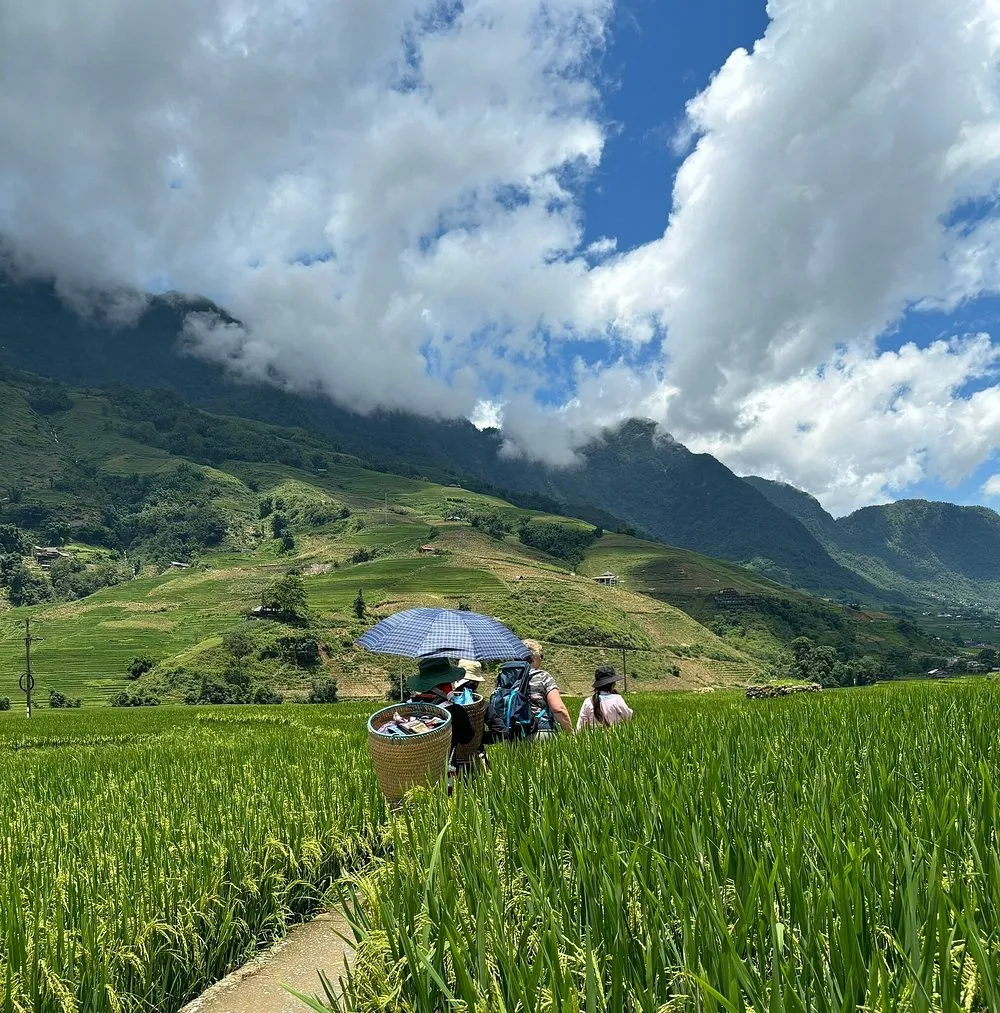
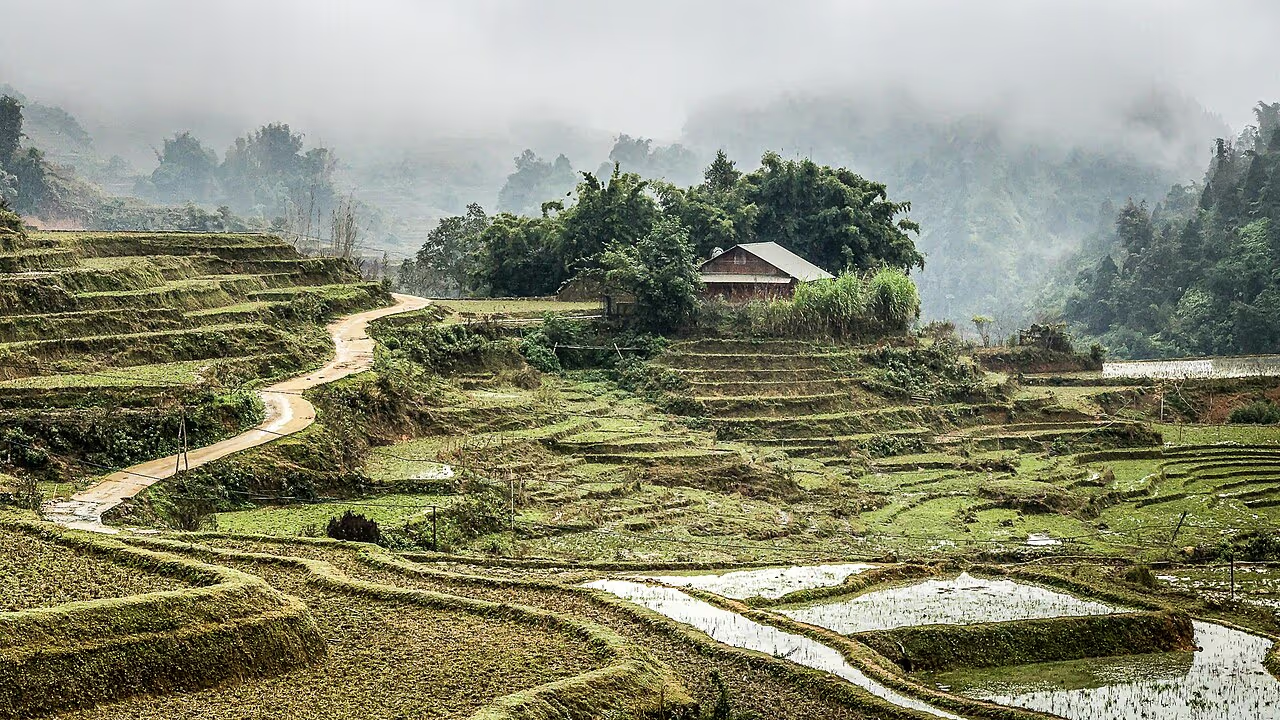
The north has four real seasons. Winter (December–February) is cool to cold and often grey, with the Sapa mountains dropping near freezing and wrapped in fog. Spring (March–April) is mild with light drizzle. Summer (May–August) is hot, humid and the wettest time, with the heaviest rain in July and August. Autumn (September–November) is the gem: cool, clear and dry, with the Sapa rice terraces turning gold for the harvest.
Rough temperatures: Hanoi swings from about 15–20°C in winter to 30–35°C and humid in summer, while Sapa, up at 1,500m, runs roughly 8–15°C in winter (occasionally near 0°C on the peaks) and a pleasant 18–25°C in summer. The north is the only part of Vietnam where you'll genuinely want a warm jacket, and the only part where the seasons feel like Europe's — which is exactly what makes its autumn so special.
Central Vietnam (Hue, Hoi An, Da Nang)
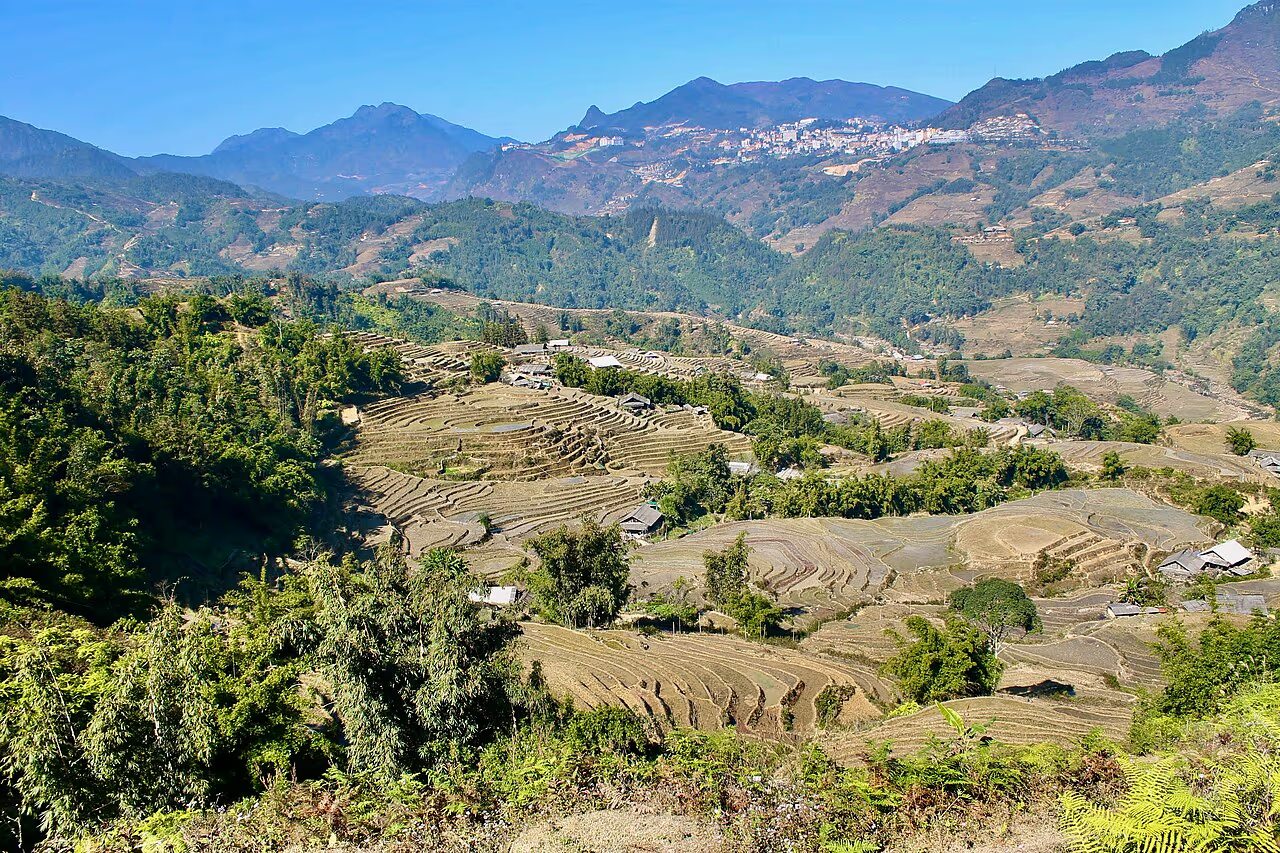
The centre runs on a different clock: a long hot, dry season from February to August (peak beach weather, very hot in June–July) and a wet, storm-prone season from September to December. The heaviest rain — and the risk of flooding in Hoi An and Hue — falls in October and November, which is exactly when the north is at its best. This mismatch is why a single trip can't catch perfect weather everywhere.
Temperatures in the centre are warm to hot most of the year: Da Nang and Hoi An sit around 24–28°C in the cooler months and climb to 33–38°C at the height of summer, with warm sea temperatures that make the beaches swimmable from spring through autumn. The big variable here isn't heat but rain — the autumn deluge is heavy and can arrive fast, so the central coast is the one region where we'd most strongly steer you away from a specific window (October–November).
The South (Ho Chi Minh City, Mekong, Phu Quoc)
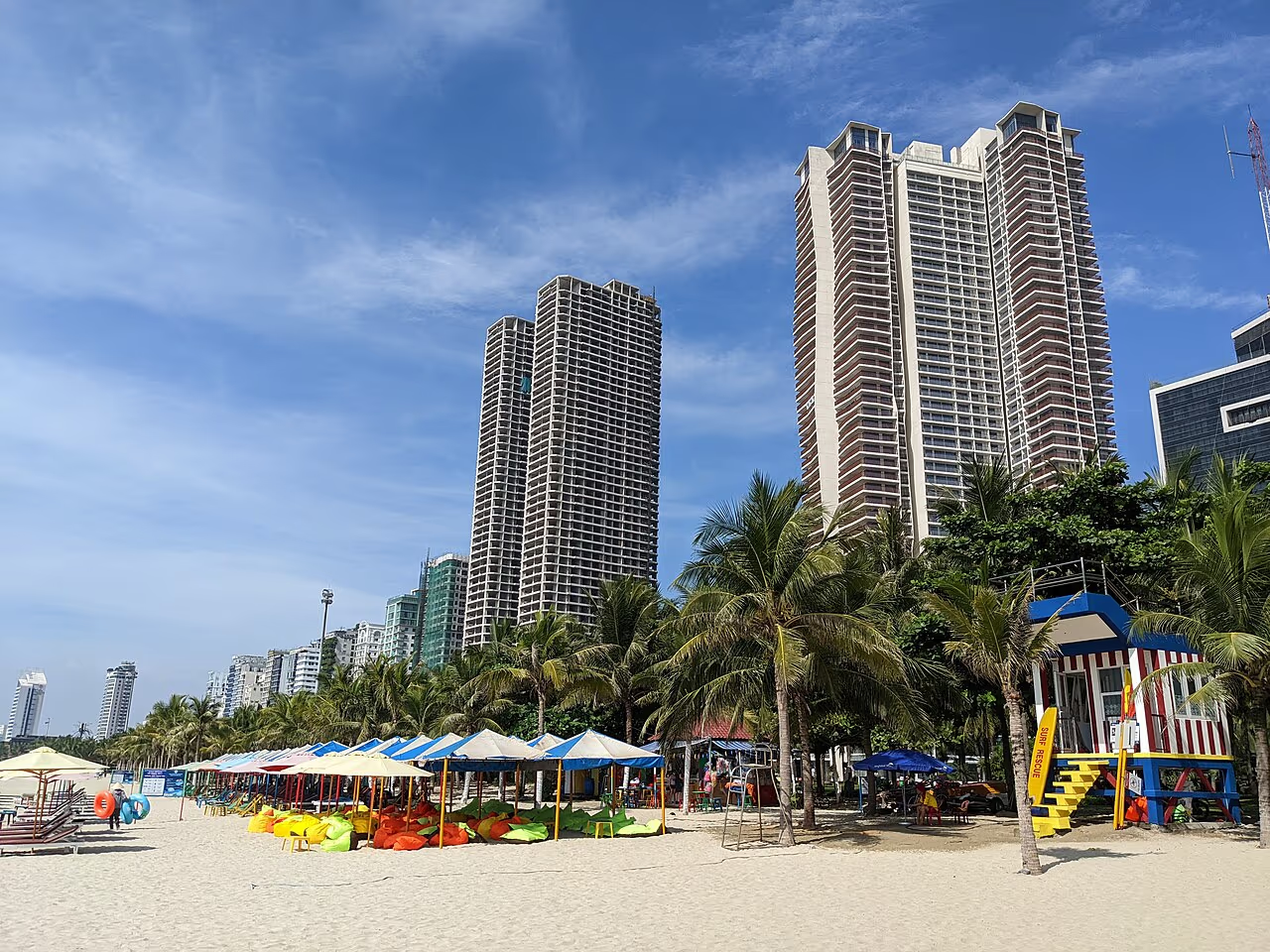
The south is tropical and warm all year (typically 26–35°C), with just two seasons: a dry season from November to April (the best time) and a wet season from May to October. Don't let "wet season" put you off the south — the rain usually comes as short, heavy afternoon downpours that clear quickly, not all-day grey. Mornings are often bright even in the wet months.
Temperatures in the south barely move: Ho Chi Minh City and the Mekong hover around 26–35°C all year, hottest just before the rains in March–April and a touch cooler and fresher during the wet season. Phu Quoc and the southern islands follow the same pattern and are at their best from November to April. Because it's reliably warm, the south is the safe fallback in any month — if the rest of your trip is weather-dependent, you can always end on a southern beach.
Vietnam Weather Month by Month
Here is the year at a glance for an overall trip, followed by a detailed Vietnam weather by month breakdown for each month across all three regions. Remember: a "poor" overall month can still be perfect in one region.
For each month below we note the broad picture plus what's happening in the north, the centre and the south, so you can see at a glance whether your travel window suits your plans. Where it matters, we've added rough daytime temperatures for the main bases — Hanoi and Sapa in the north, Da Nang for the centre, and Ho Chi Minh City for the south.
January
A good month overall, especially for the south. The north is cold and often overcast — Hanoi sits around 15–20°C, and Sapa can drop near freezing with thick fog that hides the views, though it's dry. The centre is cooler with its wet season tailing off (some rain in Hue and Hoi An). The south is in its dry-season prime: warm, sunny, low humidity — ideal for Ho Chi Minh City, the Mekong and the islands. Great for beach-and-city trips that stay south; bring warm layers if you head to Sapa.
Rough temps: Hanoi 15–19°C, Sapa 8–13°C (chilly, often foggy), Ho Chi Minh City 26–32°C and sunny.
February
One of the best months to visit Vietnam. The north begins to warm and dry into spring, though Sapa is still cool and can be misty. The centre is dry and pleasant, the beaches waking up. The south stays warm, dry and sunny. February often includes Tet (Lunar New Year) — magical to witness, but transport books out and many businesses close for several days, so plan around the exact dates.
Rough temps: Hanoi 17–22°C, Da Nang 22–26°C, Ho Chi Minh City 26–33°C. Humidity is low and comfortable nationwide.
March
Arguably the best all-round month. The north is mild and increasingly dry — lovely in Hanoi and comfortable for early-season Sapa trekking. The centre is warm, sunny and dry, with excellent beach weather building. The south is hot and dry. Across the whole country the skies are mostly clear and the humidity is manageable — if you want one month for a north-to-south trip, March is hard to beat.
Rough temps: Hanoi 20–24°C, Da Nang 24–28°C, Ho Chi Minh City 27–34°C. Clear skies and gentle humidity make this the photographer's favourite month.
April
Another excellent month, and the last of the cool-ish window before summer heat. The north is warm and pleasant, good for trekking. The centre is hot and dry with prime beach conditions in Da Nang and Hoi An. The south is at its hottest just before the rains, often 34–36°C in Ho Chi Minh City. Great country-wide, just expect real heat in the south and centre.
Rough temps: Hanoi 24–29°C, Da Nang 26–31°C, Ho Chi Minh City 28–36°C (its hottest). Stay hydrated and plan outdoor activities for the morning.
May
The shoulder month when the rains begin. The north turns hot and humid with the first summer showers; the Sapa terraces are flooded and mirror-like as planting begins — beautiful, if greener and wetter underfoot. The centre stays hot and dry (still great for beaches). The south starts its wet season with short afternoon downpours but plenty of morning sun. A good-value month with fewer crowds.
Rough temps: Hanoi 26–32°C, Da Nang 27–33°C (great beaches), Ho Chi Minh City 27–34°C with afternoon showers.
June
Hot across the board. The north is hot, humid and increasingly wet. The centre hits peak beach season — hot, dry and sunny, the best time for Da Nang, Hoi An and Nha Trang. The south has daily afternoon rains that clear quickly. If your priority is the central beaches, June is excellent; for the north, expect sticky heat and some downpours.
Rough temps: Hanoi 28–34°C and humid, Da Nang 28–34°C (peak beach), Ho Chi Minh City 26–32°C with brief afternoon rain.
July
Peak summer. The north is at its hottest and wettest — heavy rain is common and storms can disrupt Ha Long Bay cruises and make Sapa trails muddy. The centre is hot and dry, still prime for beaches. The south continues with afternoon showers. Family-holiday high season, so beaches are busy. For trekking in the north, July is the toughest month — doable with a poncho, but be ready for rain.
Rough temps: Hanoi 29–35°C (hottest, very humid), Da Nang 28–35°C, Ho Chi Minh City 26–32°C. School-holiday crowds at the beaches.
August
Similar to July, with the north's rain often heaviest and a risk of localised flooding. The north is hot and wet (Ha Long cruises occasionally cancelled for storms); the Sapa valleys are at their lushest green. The centre remains hot and mostly dry. The south keeps its wet-afternoon pattern. Late August starts to ease in the north, hinting at the lovely autumn to come.
Rough temps: Hanoi 28–34°C, Da Nang 28–34°C, Ho Chi Minh City 26–31°C. The Sapa valleys are at their greenest.
September
A turning point, and the start of the north's best season. The north begins to cool and clear, and by mid-to-late September the Sapa rice terraces start turning gold — one of the most beautiful sights in Vietnam. The centre is still warm but the typhoon season is beginning, so watch forecasts for the coast. The south is still wet (afternoon rains). Excellent for the north; a little unsettled for the central coast.
Rough temps: Hanoi 25–31°C easing, Sapa 16–23°C (lovely for trekking), Da Nang warm with rising rain. Watch coastal forecasts for early typhoons.
October
Spectacular in the north, difficult in the centre. The north is cool, clear and dry with the Sapa harvest in full gold — for many travelers, October is the single best time to trek here. The centre, however, is at its wettest, with heavy rain and the real risk of flooding in Hoi An and Hue. The south's wet season is easing. Plan a northern trip around October; be cautious with the central coast.
Rough temps: Hanoi 23–28°C and pleasant, Sapa 15–22°C (ideal for trekking), Da Nang warm but wet. October is peak Sapa — book treks and homestays ahead.
November
A strong month for both ends of the country. The north stays cool, dry and clear — great for Hanoi, Ha Long and late-harvest Sapa. The centre is still wet early in the month (lingering typ/rain risk) but improves toward the end. The south transitions into its dry season — warm, sunny and excellent. A great pick if you focus on the north and south and treat the centre as a maybe.
Rough temps: Hanoi 21–26°C and crisp, Sapa 13–19°C, Ho Chi Minh City 26–32°C and drying out. One of the best months for a north-plus-south trip.
December
Good, with the south at its best. The north turns cold and dry — crisp clear days in Hanoi but genuinely cold and foggy up in Sapa. The centre is drying out as its wet season ends. The south is in dry-season prime: warm, sunny and perfect for beaches, the Mekong and the islands over the festive period. Pack warm clothes for the north; enjoy the sun in the south.
Rough temps: Hanoi 16–21°C, Sapa 9–14°C (cold, foggy), Ho Chi Minh City 26–32°C and sunny — the festive-season sweet spot in the south.
Trek the Sapa Terraces in the Best Weather
 1 Day Trek
Trekking Through Rice Terraced Fields
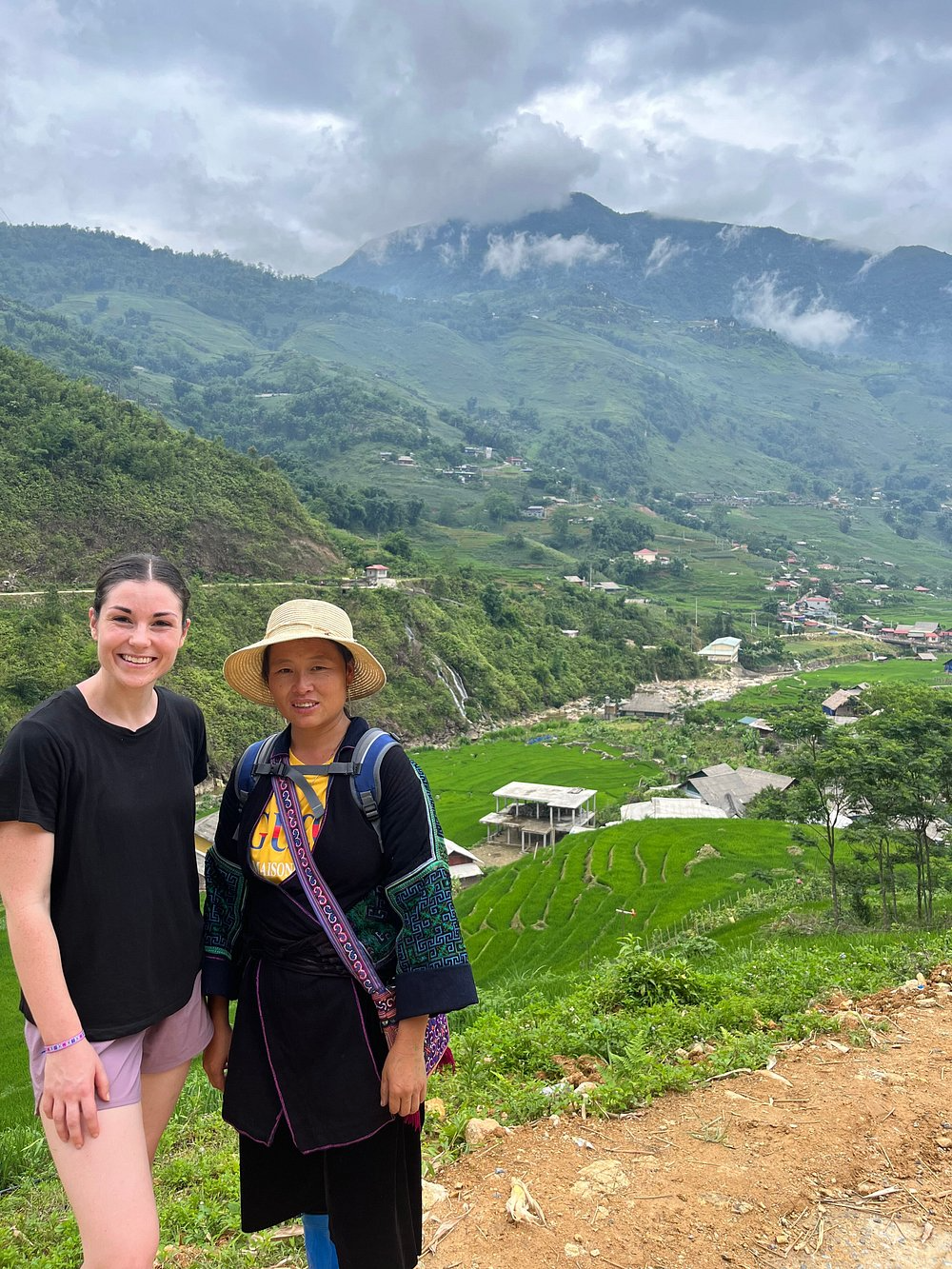
The classic Muong Hoa Valley day trek — golden in autumn, mirror-green in early summer.
 2D1N Homestay
Rice Terraced Fields & Homestay
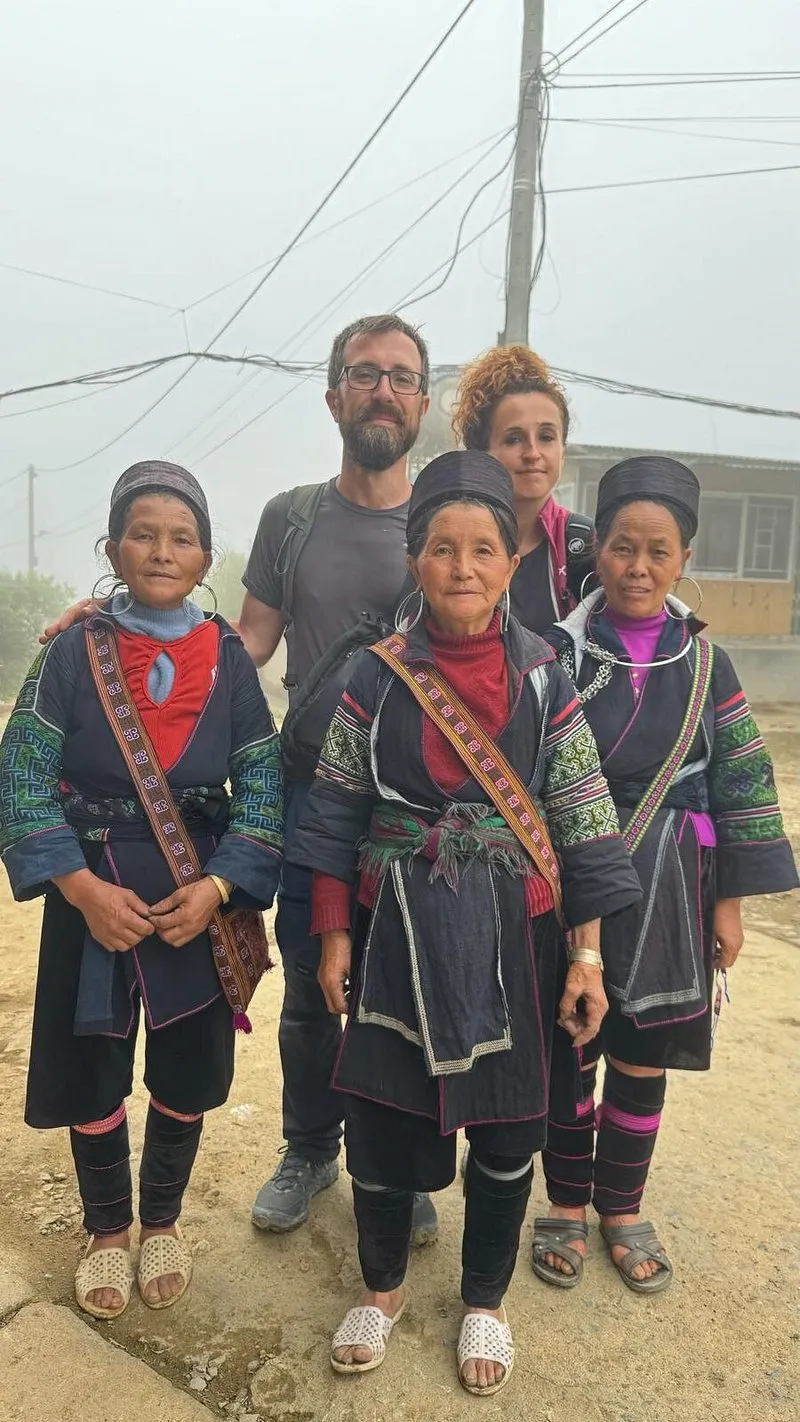
Two days on the trail and a village homestay — book autumn for the harvest.
 Families & Seniors
Sapa Easy Trekking For Seniors
A gentle valley walk with poles provided — comfortable in cooler months.
Festivals & the Weather Around Them
A few of Vietnam's biggest events fall in specific seasons, and they affect both the atmosphere and the practicalities of a trip — worth knowing as you pick your dates.
- Tet (Lunar New Year), late Jan or Feb: the country's biggest holiday, in the cool-dry northern season and the southern dry season — beautiful to witness, but transport and hotels book out and many shops close for several days. Plan around the exact dates.
- Hung Kings' & Reunification / Labour holidays, late Apr–early May: warm, dry and busy with domestic travelers, especially at the beaches — book ahead.
- Mid-Autumn Festival, September: lanterns and mooncakes, falling right as the north turns clear and the Sapa harvest begins — a lovely time to be up in the mountains.
- National Day, 2 September: a long weekend with domestic crowds; weather is warm with the north just starting to cool.
- Sapa rice harvest, mid-Sep to mid-Oct: not a festival but the visual highlight of the year — the terraces turn brilliant gold. This is peak season for trekking, so book early.
In short, the most photogenic weather (the northern autumn) happens to coincide with the harvest and Mid-Autumn Festival, making September–October a wonderful — and popular — time in the north. If you want that window, reserve your Sapa trek and homestay well ahead.
It's also worth knowing that Vietnamese domestic travel peaks around these holidays and the summer school break (June–August). If you can avoid Tet, the late-April/early-May long weekend and mid-summer, you'll find quieter sights and easier bookings — another reason the shoulder months of March and late September/October are such a sweet spot, pairing good weather with thinner crowds.
Best Time to Visit by Region
If you're focusing on one region, here's the quick verdict on when to go — and when to think twice.
| Region | Best months | Avoid / caution |
|---|---|---|
| North (Hanoi, Sapa, Ha Long) | Sep–Nov & Mar–Apr | Jul–Aug (hot, wettest); Dec–Jan cold in Sapa |
| Centre (Hue, Hoi An, Da Nang) | Feb–Aug (dry, beaches) | Oct–Nov (heavy rain, flood risk) |
| South (Saigon, Mekong, islands) | Nov–Apr (dry season) | May–Oct (afternoon downpours) |
For a whole-country trip, the overlap that works best is February to April: the north is dry, the centre is in beach season, and the south is in its dry prime. The other sweet spot is the north's golden autumn (October–November) if you're willing to treat the central coast as a wildcard.
If you genuinely can't compromise on weather anywhere, the cleanest answer is to keep the trip shorter and regional: a northern trip in autumn or spring, or a central-and-south trip in the February–April dry overlap. Trying to chase perfect conditions across all three regions in one long trip is the surest way to hit rain somewhere — better to pick the region whose best season matches your dates and go deep there.
Best Weather for Each Activity
If your trip is built around one experience, plan the weather around that rather than the calendar.
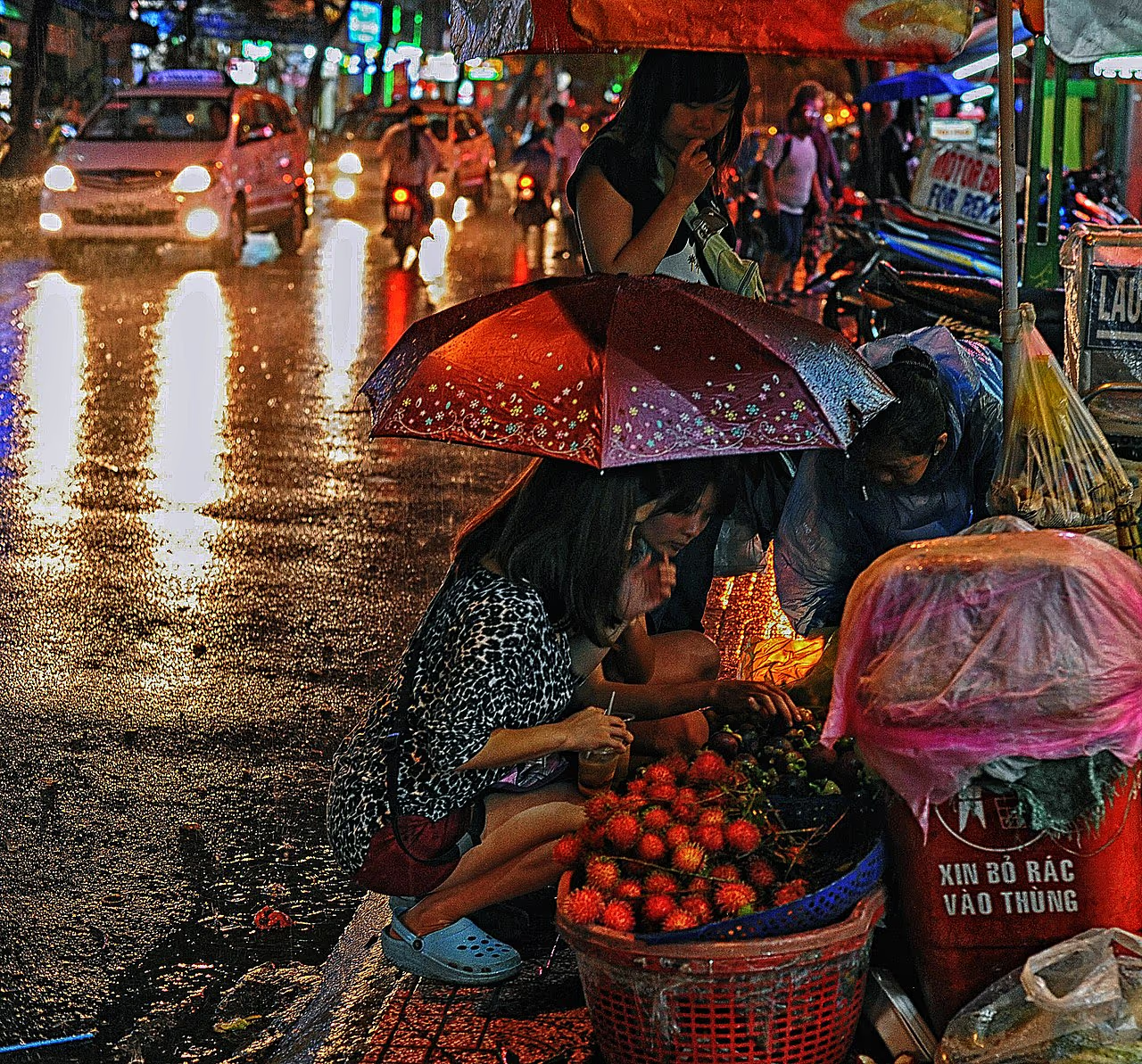
Different experiences peak in different months — and some of the country's best weather for one activity overlaps with the worst for another. Here's how to line up the conditions with what you came to do.
- Trekking in Sapa & the north: September to November (cool, clear, golden harvest) and March to May (mild, green) are best. Avoid the cold fog of December–February up high and the heaviest rain of July–August. See our Sapa treks →
- Beaches (Da Nang, Hoi An, Nha Trang): February to August, with June–July the hottest and sunniest. Skip October–November on the central coast.
- Ha Long Bay cruises: October to April for the calmest, clearest conditions; summer storms (Jul–Aug) can cancel sailings.
- Mekong & the south: November to April for dry, sunny days; the wet season is still fine with morning sun.
- Photography of the rice terraces: mid-September to mid-October for gold; May to June for flooded, mirror-like paddies.
One more activity worth timing: caves and national parks such as Phong Nha in the centre are best in the drier spring and early summer, since heavy autumn rain can flood lower cave sections and close some tours. And for city sightseeing in Hanoi, Hoi An and Saigon, almost any month works — you are rarely far from a cafe, a museum or a covered market when a shower passes through, so a little rain barely dents a city day.
How Hot & Cold? Temperatures by City
Vietnam's temperatures vary as much as its rainfall, so it helps to know roughly what each base feels like across the year. These are typical daytime ranges — useful for deciding what to wear and when to schedule active days.
- Hanoi (north lowland): ~15–20°C and grey in winter (Dec–Feb), mild 20–28°C in spring and autumn, hot and humid 30–36°C in summer (May–Aug).
- Sapa (northern mountains, 1,500m): the coolest place in the guide — ~8–15°C in winter (near freezing on the peaks, frost and rare snow), a fresh 18–25°C in summer. Always pack a layer here.
- Hue & Hoi An / Da Nang (centre): ~22–28°C in the cooler months, climbing to 33–38°C at the peak of summer; warm sea from spring to autumn.
- Ho Chi Minh City & the Mekong (south): hot and steady all year, ~26–35°C, hottest in March–April, slightly fresher during the wet season.
- Phu Quoc & southern islands: ~27–33°C year-round; driest and best November to April.
The takeaway: only the north has a true cold season. Everywhere else, "winter" simply means warm and dry rather than hot — which is why December to February is such a popular time to combine the southern beaches with a crisp (if chilly) few days up north.
A note on how the heat feels: Vietnam is humid, so a 33°C day in the lowlands feels hotter and stickier than the number suggests, especially in the summer months. Drink plenty of water, plan demanding activities for the cooler morning hours, and take it easy in the midday heat. Up in Sapa the opposite is true — the mountain air is dry and fresh, and evenings are cool enough for a jacket even after a warm afternoon, which is part of why trekking here is so comfortable compared with the sweaty lowlands.
Typhoons, Floods & Storms
Vietnam's coast, especially the centre, sees tropical storms and typhoons mainly between September and November. They're worth understanding, but they shouldn't put you off — they're seasonal, forecastable, and easy to plan around.
Central coast (Hue, Hoi An, Da Nang): this is the area most affected. Heavy rain and the occasional typhoon can cause flooding in low-lying Hoi An and Hue, particularly in October and November. If you travel then, keep a flexible day or two, watch the forecast, and have indoor plans (museums, cooking classes, tailors) ready.
Ha Long Bay (north): summer storms (mainly July–August) occasionally lead cruise operators to delay or cancel sailings for safety. Reputable operators will rebook or refund — build a buffer day around your cruise in those months.
The south: largely spared from typhoons; its wet season is about daily downpours, not storms. Sapa and the inland north don't get typhoons either, though heavy summer rain can make trails muddy and, very rarely, trigger localised landslides on mountain roads — another reason we choose routes carefully in the wet months. Travel insurance that covers weather disruption is always a sensible idea for a Vietnam trip in the storm season.
Finally, don’t let storm season scare you off the country entirely — even at the peak of the central rains in October and November, the north is enjoying its single best month and the south is drying into its dry season. With a flexible, region-aware plan you can travel Vietnam in any month of the year and still catch beautiful weather somewhere; the trick, as always, is to follow the seasons rather than fight them. Tell us your dates and we’ll help you build the trip around the conditions.
What to Pack for Vietnam's Weather
Because you may cross several climates in one trip, pack in layers. Bring light, breathable clothes for the hot lowlands and the south; add a warm layer and a rain jacket for the north, especially Sapa, which is cool to cold and often wet whatever the season. A compact umbrella or poncho is useful everywhere, sun protection is essential, and for any Sapa trekking you'll want grippy footwear — though you can rent waterproof boots and poles at our office rather than flying with them.
Boots & Poles for Any Season in Sapa
 Gear Rental
Trekking Boots Rental
Waterproof ankle-support boots — ideal for the muddy trails of the wet months. At 105 Thach Son Street.
 Gear Rental
Walking Poles Rental
Trekking poles at $2/day — essential on wet, slippery terraces. At 105 Thach Son Street.
Getting Around by Season
Weather shapes how you travel, too. In the rainy months, allow buffer time around flights and the Ha Long cruise (summer storms can delay or cancel sailings), and prefer comfortable transfers over open-air options. For the north's star trip, you reach Sapa from Hanoi by limousine van or overnight sleeper bus year-round — both are enclosed and comfortable whatever the weather. Sorting that Hanoi–Sapa leg in advance keeps your trip smooth in any season.
Comfortable in Any Weather


Weather Tips for Vietnam
- Plan by region, not by "Vietnam". The north, centre and south have different — often opposite — weather in the same month.
- February to April is the safest all-round window for a north-to-south trip.
- Don't fear the south's wet season — rain is usually short afternoon downpours with sunny mornings.
- Time Sapa for autumn (Sep–Nov) for the golden harvest, or spring for green, mild trekking.
- Watch the central coast in Oct–Nov for heavy rain and flooding before booking Hoi An or Hue then.
- Pack for two climates — hot lowlands plus a warm, waterproof layer for the cool, often-wet north.