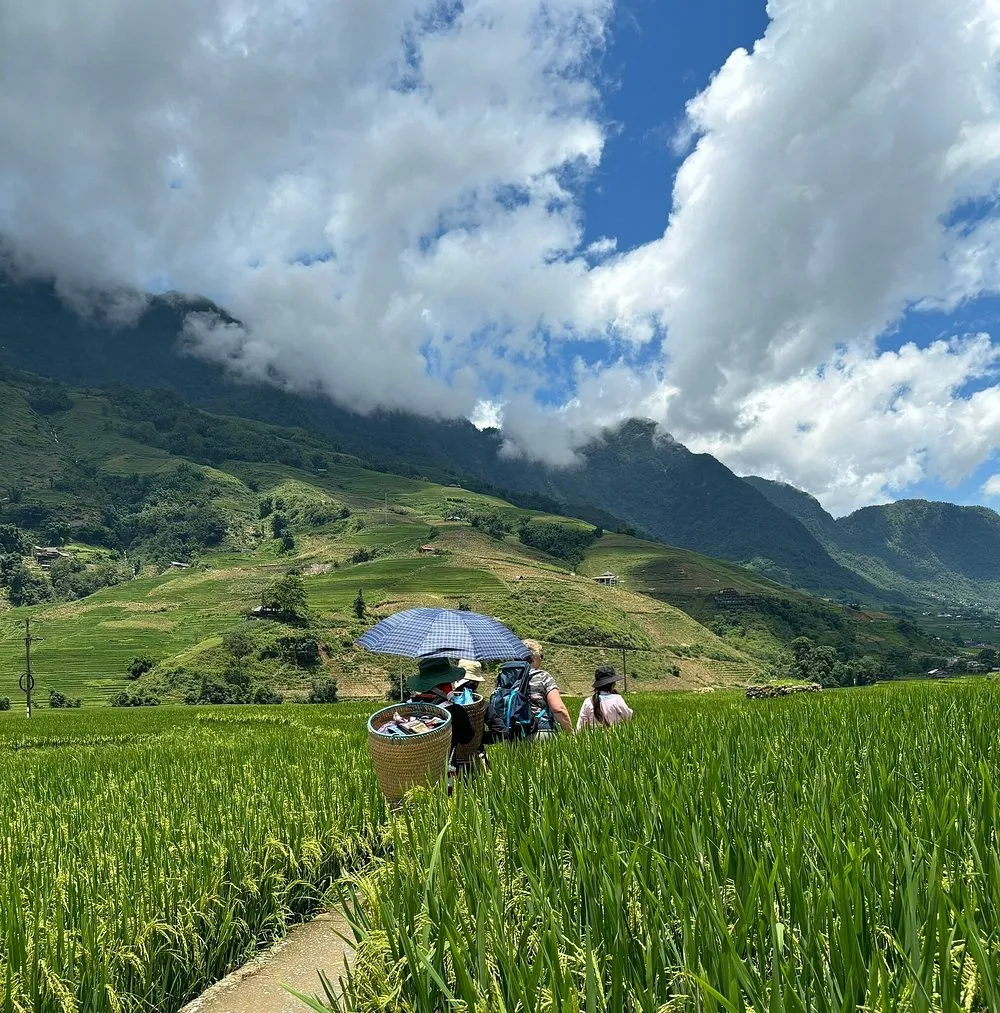
 Sinh Giang
Vietnam is one of the best countries in the world for a first-time visitor — safe, affordable, friendly and packed with variety, from the mountains of the north to the beaches and cities of the south. For your first time in Vietnam, the simple formula is: pick the regions that fit your days (most first-timers do the north, or north plus centre), travel in one direction, fly between regions to save time, and don't try to see everything at once.
The essentials are easy: you'll likely need an e-visa (arranged online before you fly), the best months are roughly October to April, a mid-range trip costs around $50–80 a day, and the food is some of the cheapest and best on earth. We're a local company based in Sapa, so this guide is the honest, practical advice we give our own guests — where to go, how to get around, what to budget, what to eat, and the small cultural things that make a first trip smoother. Get the basics right and the rest takes care of itself. Here's everything a first-timer needs to know.
Is Vietnam Good for First-Timers?
Yes — Vietnam is genuinely one of the easiest and most rewarding places in Asia for a first trip. It's very safe, exceptionally good value, and used to international travelers, with English widely spoken in tourist areas and a tourism network that makes booking treks, cruises and transfers straightforward. The variety is the real draw: in one trip you can trek rice terraces, cruise a karst bay, wander an ancient town, eat unforgettable street food and relax on a beach. The only real adjustment for newcomers is the busy traffic and the heat in the lowlands — both easy to handle once you know what to expect.
It's also a forgiving place to learn the ropes of independent travel. Tourist infrastructure is excellent and inexpensive, locals are patient with newcomers, and the classic trail — Hanoi, the bay, the mountains, the ancient towns — is well worn and easy to follow. You don't need to be an experienced traveler or speak a word of the language to have a brilliant time; you just need a rough plan and an open mind. That combination of ease, safety and sheer variety is exactly why so many people choose it for their first big trip to Asia.
It suits almost everyone, too — couples, families, solo travelers, older visitors and backpackers all do well here. Families find the food familiar enough and the people endlessly welcoming to children; older travelers appreciate the easy private transfers and gentle walking options; and solo travelers find it sociable and safe. Whatever group you're in, the trip flexes to your pace, which is another reason it earns its reputation as a first-timer favourite.
For solo travelers in particular, it's an easy place to meet people: group treks in Sapa, overnight cruises and walking-street evenings throw travelers together naturally, and the homestay nights are wonderfully social. If you're nervous about going alone, a guided trek or two takes the pressure off and gives you instant company, while still leaving plenty of free time to explore at your own pace.
Couples and honeymooners are equally well catered for, with a romantic spread of experiences — a private cabin on a Ha Long cruise, a candlelit dinner in lantern-lit Hoi An, a sunrise over the Sapa terraces — at prices that feel like a steal compared with other honeymoon destinations. Whatever brings you, the country has a knack for delivering more than first-timers expect for the money.
Where to Go on a First Trip
Vietnam has three regions, and you don't need to see them all on a first visit. Here's how they rank for first-timers, weighing ease, variety and that all-important "wow" factor.
The north tops it for a first trip because it packs the most variety into the smallest area — a great capital in Hanoi, the world-famous Ha Long Bay, and the rice-terraced mountains of Sapa, all within a few hours of each other. The centre is a close second, relaxed and rich in food and history. The south is wonderful but more spread out, and often best saved for a longer trip. If you only have a week or so, focus on the north; with two weeks you can comfortably add the centre too.
A quick orientation, since the regions feel quite different. The north is cooler and mountainous, home to the capital and the most dramatic scenery; the centre is the warm, coastal middle, with imperial history, the best beaches and arguably the finest food; and the south is hot, flat and fast-moving, built around the energy of Ho Chi Minh City and the watery Mekong Delta. Knowing this shape helps you choose: pick the region whose character appeals most, rather than trying to sample all three in a hurry.
The reason this matters so much is distance. The country runs over 1,600 km from top to bottom, so hopping between regions means flights and lost half-days. First-timers who try to "do it all" in a week or ten days often spend more time in transit than in the places themselves, and come home tired rather than thrilled. The travelers who pick one or two regions and slow down are, without fail, the ones who rave about the trip afterwards. Less really is more on a first visit.
Not sure how many days you need? As a rule of thumb: 5 days or a week suits one region (the north), 10 days covers north plus centre, 2 weeks does the whole country, and 3 weeks adds the hidden gems. Match your route to your time, not the other way around.
If we had to name a single best first trip, it would be ten days to two weeks covering the north and centre — enough for Hanoi, a Sapa trek, a Ha Long cruise, and the charm of Hue and Hoi An, all at a relaxed pace. But there's no wrong answer: a focused week in the north is a superb introduction, and even five days is plenty to fall for the place. Choose the trip that fits your time and energy, and you'll already be planning a return before you leave.
Wherever you focus, build the trip around a highlight or two rather than a long checklist. For most first-timers that highlight is a Sapa trek with a homestay — the single experience our guests most often call the best part of their trip — with a Ha Long Bay cruise close behind. Anchor your days on one or two of these, and the smaller stops and city days arrange themselves naturally around them.
This "anchor" approach also makes booking far less daunting. Once your one or two highlight experiences and your internal flights are set, the rest of the trip is just joining the dots — and those dots (city hotels, day tours, meals) are cheap, plentiful and easy to arrange on short notice. You get the security of a solid plan without locking yourself into a rigid day-by-day schedule, which is the sweet spot for a relaxed first visit.
If planning still feels overwhelming, remember that you don't have to do it solo. Telling a local operator your dates, your budget and what you're into, and letting them shape the trickier parts of the route, is often the single best decision a first-timer makes — it trades hours of research for honest, on-the-ground advice. That's especially true for the northern mountains, where local knowledge of trails, homestays and weather makes a real difference to the experience.
What Kind of First-Timer Are You?
The "best" first trip depends on what you love. Find the traveler that sounds most like you — it points to where to focus.
The Scenery & Culture Seeker
The Beach & Relax Traveler
The Adventurer
The Foodie
How to Plan Your First Trip
Planning a first trip to Vietnam is simpler than it looks. Here's the whole process in five steps.
Pick your dates
Aim for the dry season, roughly October to April. September to November is especially lovely in the north for the Sapa rice harvest.
WhenChoose your regions
Match the route to your days: one region for a week, north plus centre for ten days, the whole country for two weeks or more.
WhereBook the fixed pieces
Lock in the things that need timing — a Sapa trek, a Ha Long cruise, internal flights and Hanoi–Sapa transfers — then fill in hotels around them.
BookSort your visa & money
Apply for the e-visa online a couple of weeks ahead, tell your bank you're travelling, and plan to carry Vietnamese dong in cash for daily spending.
AdminPack smart & arrive
Pack light, layered clothes and a rain jacket, download Grab and an offline map, and treat day one as a gentle settle-in.
GoVisa, Money & Practical Basics
The practical side of a first Vietnam trip is refreshingly simple. Here's what you need to know before you go.
- Visa: Most nationalities need a Vietnam e-visa — apply online at the official government portal a couple of weeks before you fly. It's valid for 90 days and inexpensive. A few countries get short visa-free stays; check your own before booking.
- Money: The currency is the Vietnamese dong (VND). Vietnam is largely a cash economy outside hotels and bigger restaurants, so carry cash for markets, street food and the villages. ATMs are everywhere in cities but scarce in the mountains.
- Costs: Budget around $50–80 a day mid-range (nice hotels, tours, eating well); backpackers manage on $25–35, while comfort travelers spend $150+.
- Connectivity: Buy a local eSIM or SIM on arrival — data is cheap and fast, and you'll want it for Grab and maps.
- Health: Drink bottled or filtered water (not tap), and consider basic travel insurance. No special vaccinations are required for standard tourism.
- Plugs: 220V; sockets usually take European-style two-pin plugs, so bring a universal adapter.
One reassuring point for nervous first-timers: you don't have to arrange all of this alone. A good local operator can handle the trickiest pieces — the Sapa trek and homestay, the Hanoi transfers, even your Ha Long cruise — and advise on timing and routing, leaving you to enjoy the trip rather than wrestle logistics. That local support is especially valuable on a first visit, when you're still finding your feet.
It's also worth booking the time-sensitive experiences a little ahead, especially in the busy autumn months. A reputable Ha Long cruise, a good Sapa guide and your internal flights can fill up, and the cheapest last-minute options are often the ones that disappoint. Everything else — hotels, day trips, restaurants — you can happily sort as you go; the country rewards a bit of spontaneity once the big pieces are locked in.
Getting Around
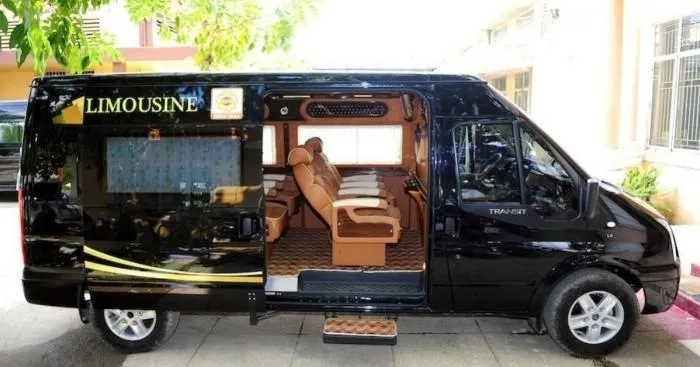
Between regions, short and cheap domestic flights save days — Hanoi, Da Nang and Ho Chi Minh City are all an hour or two apart by air. Within a region you travel overland: trains, buses and private transfers. For the north's star attraction, Sapa, there's no airport, so you go from Hanoi by comfortable limousine van or overnight sleeper bus. In cities, the Grab app (taxis and motorbike rides) is a first-timer's best friend — fair fixed prices, no haggling. Sorting the Hanoi–Sapa leg in advance is the one piece of northern logistics worth getting right.
Within cities, you'll rarely need anything more than Grab and your own two feet — Hanoi's Old Quarter, Hoi An and central Saigon are all walkable, and rides between neighbourhoods cost a dollar or two. For longer overland hops, comfortable tourist buses and the Reunification Express train link the main stops, and private transfers are cheap enough to be worth it when you value the time. The golden rule: fly the long distances between regions, and keep the short hops overland where the journey is part of the experience.
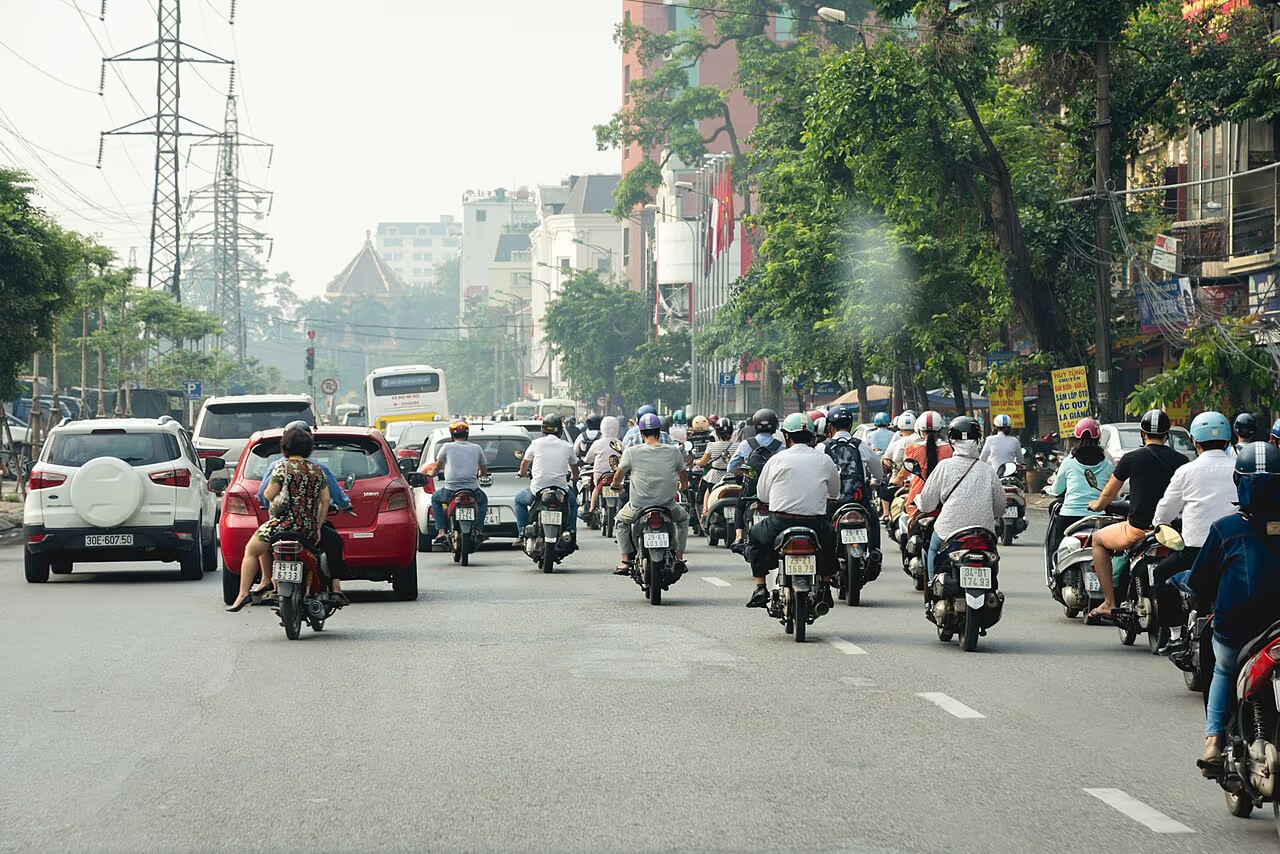
A word on the famous traffic, since it unnerves a lot of newcomers: the rivers of motorbikes look chaotic but follow a smooth, predictable flow. To cross a busy road, step off the kerb steadily, keep a constant pace, and let the bikes part around you — don't stop suddenly or run. Within a day or two you'll be crossing like a local. It's one of those first-timer worries that turns into a small badge of honour by the end of the trip.
You won't be driving yourself anyway, so the traffic is really just something to walk through and watch. Renting a motorbike isn't recommended for first-timers — the roads take getting used to, and licence and insurance rules can catch you out. Stick to Grab, taxis, private transfers and your own feet, and getting around stays easy and stress-free from day one.
The Easy Way to the Mountains

Food: What to Eat
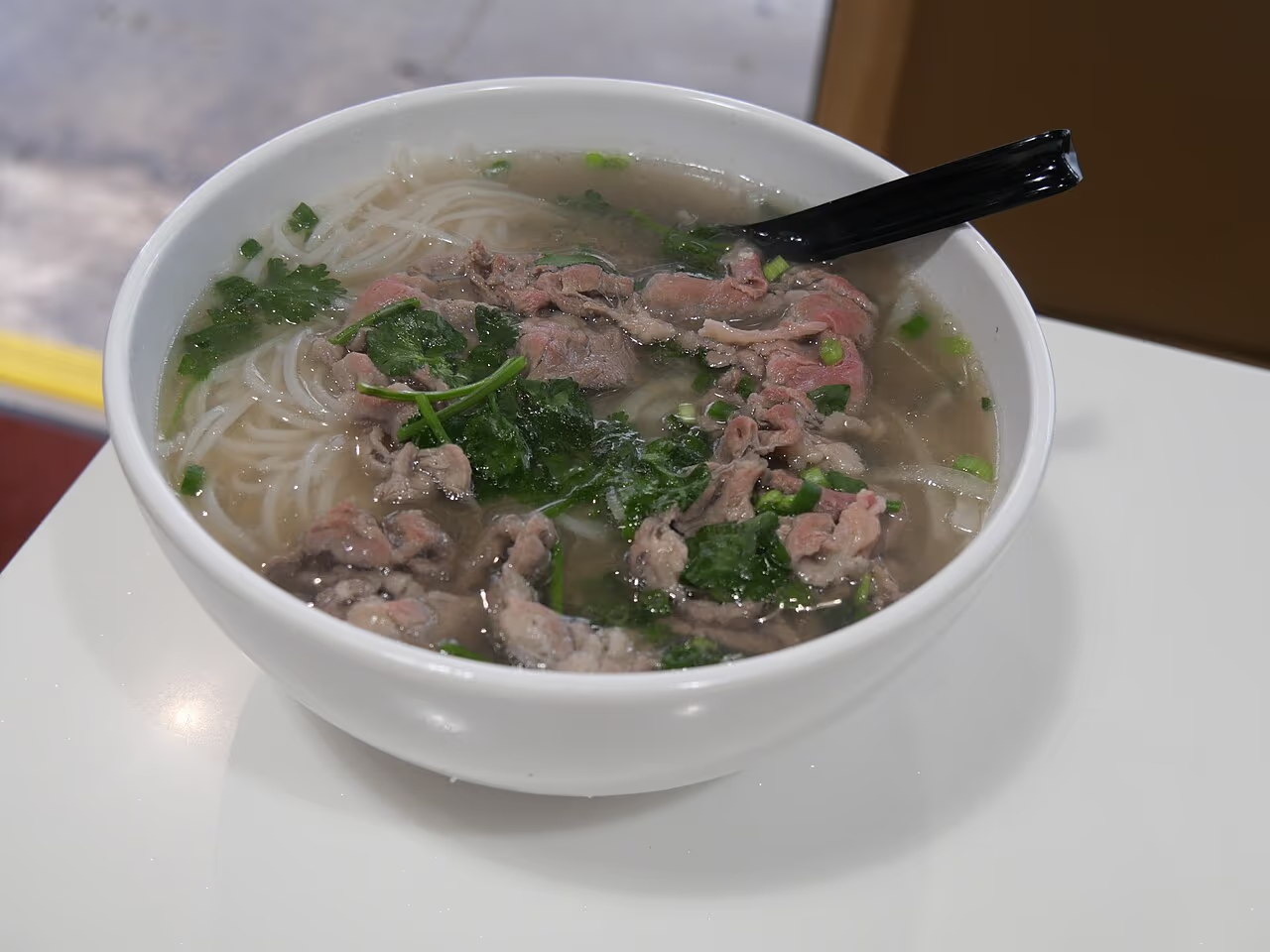
Vietnamese food is one of the great joys of a first trip — fresh, light, endlessly varied and absurdly cheap. Start with the classics: pho (the famous noodle soup), banh mi (a baguette sandwich, a French-colonial legacy), bun cha (grilled pork with noodles, a Hanoi specialty), fresh spring rolls, and Vietnamese coffee — strong, sweet and often iced. The best meals are usually at busy street stalls and family-run spots, not fancy restaurants, so follow the crowds of locals and don't be shy of plastic stools.
A few first-timer food tips: eat where it's busy (high turnover means fresh food), start your day with a street-side bowl of pho or a banh mi, and try the regional specialities as you travel — bun cha in Hanoi, cao lau in Hoi An, broken rice in Saigon. Vietnamese food is generally light and herb-forward, easy on sensitive stomachs, and very vegetarian-friendly if you ask for "an chay". And do try the coffee culture — an egg coffee in Hanoi or an iced ca phe sua da is a small revelation.
If you have dietary needs, you'll cope easily. Vegetarians and vegans are well served — just say "an chay" — and gluten-free is manageable with care (rice noodles and rice paper are everywhere). Spice is usually mild by default with chili served on the side, so you control the heat. The one habit worth keeping is to eat at busy, popular spots: high turnover means fresh ingredients and is your best guard against an upset stomach.
Culture & Etiquette: A Few Do's and Don'ts
Vietnamese people are warm and forgiving with visitors, but a few small courtesies go a long way and show respect.
- Do dress modestly at temples and pagodas — cover shoulders and knees, and remove your shoes where asked.
- Do ask before photographing people, especially ethnic-minority villagers — a smile and a gesture is enough.
- Do bargain politely at markets, but keep it friendly and good-natured — and don't haggle over tiny sums.
- Don't touch people's heads or point with your feet — both are considered rude.
- Don't be alarmed by the traffic — to cross the road, walk slowly and steadily, and let the motorbikes flow around you.
- Do learn a couple of words — "xin chao" (hello) and "cam on" (thank you) earn instant smiles.
None of this is about walking on eggshells — locals are relaxed and genuinely happy to see visitors. These small courtesies simply show respect and tend to be repaid with warmth, a better price at the market, or an invitation to sit and chat. A smile is the universal currency here, and a little effort with the culture turns a good trip into a memorable one.
The same warmth runs even deeper in the hill-tribe villages around Sapa, where a homestay puts you at a family's table and around their fire. It's the kind of genuine, unstaged hospitality that's increasingly rare in travel, and the reason a Sapa trek tops so many first-timers' highlights. Come with curiosity and respect, and you'll be welcomed as a guest rather than treated as a tourist — which is, in the end, what makes a first trip unforgettable.
Put it all together and the picture is simple: a first trip to Vietnam is easy to plan, gentle on the wallet, safe, and far more varied than most newcomers imagine. Choose a region or two, get the basics sorted, lean on local help for the highlights, and leave room to be surprised. Do that, and you'll join the long list of travelers whose first visit turned into a lifelong love of the place — and who started planning their next trip before the first one was even over.
Common First-Timer Mistakes to Avoid
A few easy traps catch first-timers — sidestep these and your trip runs far smoother.
- Trying to see too much. The biggest mistake. Vietnam is long; cramming the whole country into a week means a blur of airports. Pick a region and go deeper.
- Underestimating the north's weather. Sapa is cool to cold and often misty — pack a warm layer even in summer.
- Only carrying cards. So much of Vietnam runs on cash — always have dong on hand.
- Skipping Sapa. Many first-timers stick to cities and miss the mountains — the trekking and homestays are what most people end up loving most.
- Over-booking day one. Flights often land late; treat your first day as a gentle arrival, not a sightseeing marathon.
The thread running through all of these is the same: slow down and go deeper. A first trip is not your only trip — almost everyone who comes once comes back — so there's no need to cram everything in. Choose well, leave a little room for the unexpected, and you'll return home with vivid memories instead of a blur, and a long list of reasons to plan trip number two.
Trek the Rice Terraces in Sapa
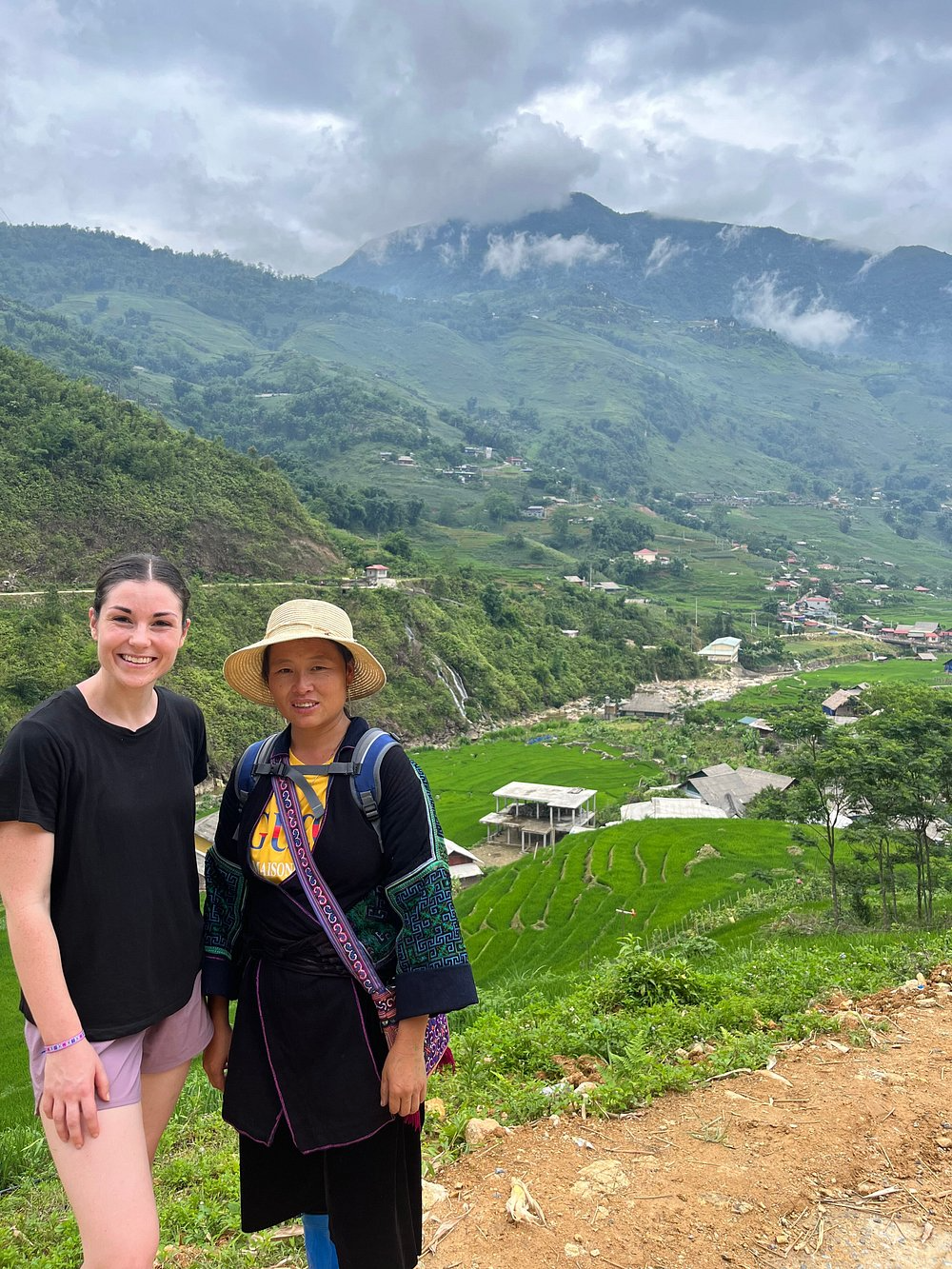 2D1N Homestay
Rice Terraced Fields & Homestay
Two days trekking the valley and a night with a local family — the classic first-timer experience.
 1 Day Trek
Trekking Through Rice Terraced Fields
The classic Muong Hoa Valley day trek with a local guide and a family lunch.
 Families & Seniors
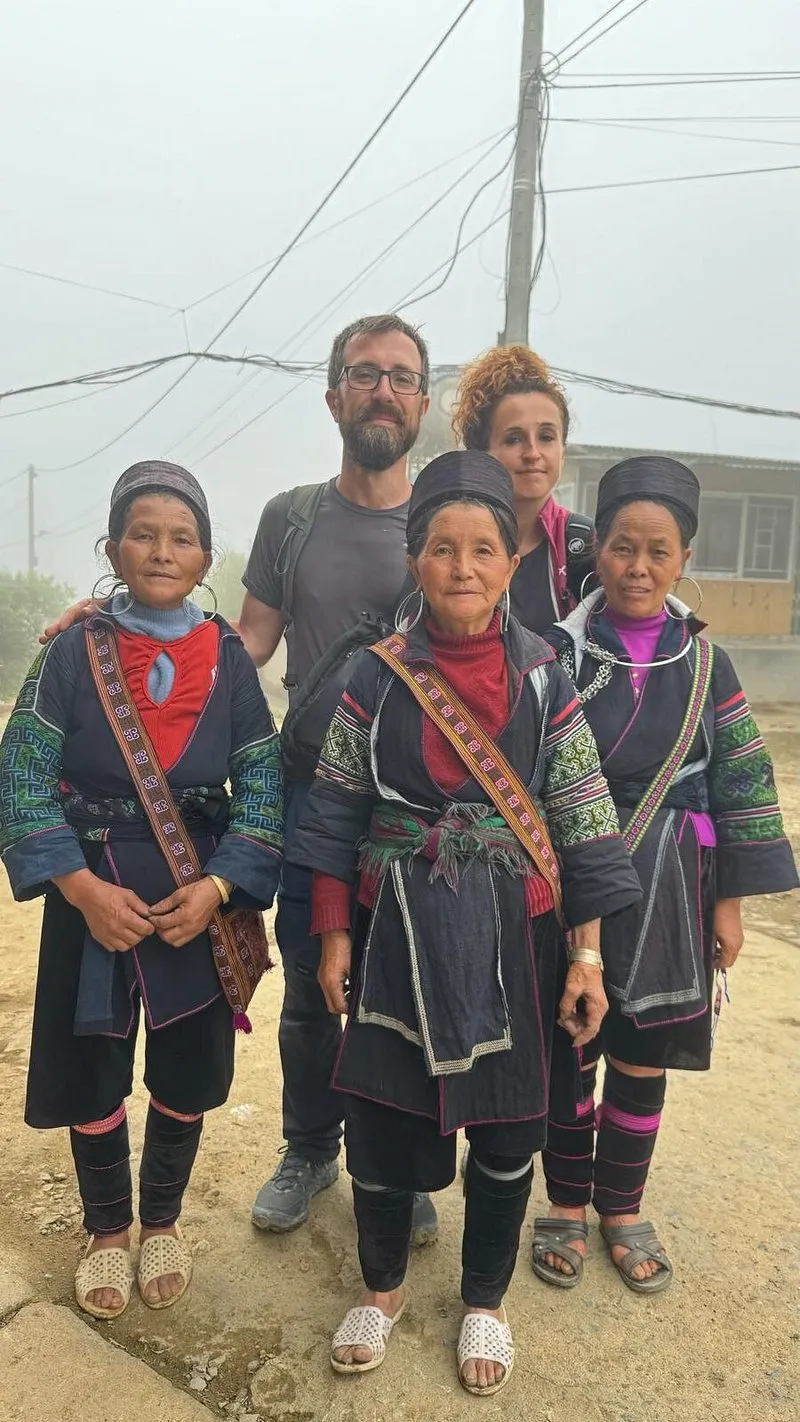
Sapa Easy Trekking For Seniors
A gentle valley walk where poles can be rented at our office — for 60+ travelers and families.
What to Pack
Pack light and layered. Vietnam runs hot and humid in the lowlands, so bring breathable clothes, but the north — especially Sapa — is cool to cold and often wet, so add a warm layer and a rain jacket. For the Sapa trek you'll want grippy footwear; you don't have to fly with boots, though — rent waterproof boots and trekking poles at our office in Sapa the day before.
Boots & Poles for the Sapa Leg
 Gear Rental
Trekking Boots Rental
Waterproof ankle-support boots, cleaned and checked before each rental. At 105 Thach Son Street.
 Gear Rental
Walking Poles Rental
Trekking poles at $2/day from our office at 105 Thach Son Street — great on the muddy terraces.