 Sinh Giang
With 3 weeks in Vietnam you can travel the entire country, north to south, without rushing — and still go beyond the highlights into the places most travelers miss. Our recommended 21-day route runs region by region: Week 1 in the north (Hanoi, Ha Long Bay, Sapa, Ninh Binh), Week 2 in the centre (Phong Nha caves, Hue, Hoi An), and Week 3 in the south (Da Lat, Mui Ne, Ho Chi Minh City and the Mekong) — with room to slow down and add hidden gems like Ha Giang.
Three weeks is, frankly, the dream length for Vietnam. Where a one or two-week trip forces hard choices, 21 days lets you see all three regions and linger — a multi-day Sapa trek, an overnight cruise, time on the beach, a slow Mekong morning. We're a local trekking company based in Sapa, so we'll show you exactly how to structure the three weeks, when to go, what it costs, and the off-the-beaten-path stops worth your extra days — the trip we wish more visitors gave themselves the time to do. Here's the perfect route, week by week.
3 Weeks at a Glance
The shape of a complete Vietnam trip, in four numbers.
Why 3 Weeks Is the Dream Length
Trip length isn't just about how much you see — it's about how deeply you see it. Here's where three weeks sits on the spectrum from a fast highlights tour to a deep, off-the-beaten-path trip.
Three weeks is the first length where you can have it all — every region and the time to go deep.
That extra week changes the trip entirely. Instead of a flight every two days and a constant scramble, you get breathing room: a second day trekking in Sapa, a night kayaking off a quiet Ha Long beach, an afternoon doing nothing in Hoi An, a detour to a cave or a quiet beach few tour buses reach. Three weeks is when Vietnam stops being a checklist and starts being a journey.
One thing to decide early is direction. Most travelers run the trip north to south, starting in Hanoi and finishing in Ho Chi Minh City, which builds nicely from the cool, cultural north to the hot, lively south and usually matches cheaper flight routing (in one end, out the other). South to north works equally well if your flights suit it. The golden rule, exactly as on a shorter trip, is to follow the country in one line and never backtrack — with three weeks you simply get to linger longer at each stop along the way.
It also helps to picture Vietnam's geography, because it shapes the whole route. The country is shaped like a long letter S, more than 1,600 km top to bottom, with the three regions strung along the coast. That's why you fly between regions but travel overland within them, and why a sensible three-week trip moves steadily in one direction rather than zig-zagging. Think of it as three distinct mini-trips — mountain north, historic centre, tropical south — joined into one.
One more planning win for a long trip: book your international flights as an open-jaw ticket — into Hanoi and out of Ho Chi Minh City (or the reverse). Flying into one end and out of the other saves you a wasted day backtracking to your arrival city, and the fares are usually similar to a standard return. It's the single smartest booking decision for a north-to-south Vietnam route, and it frees up a precious extra day for the trip itself.
Week 1: The North (Days 1–7)
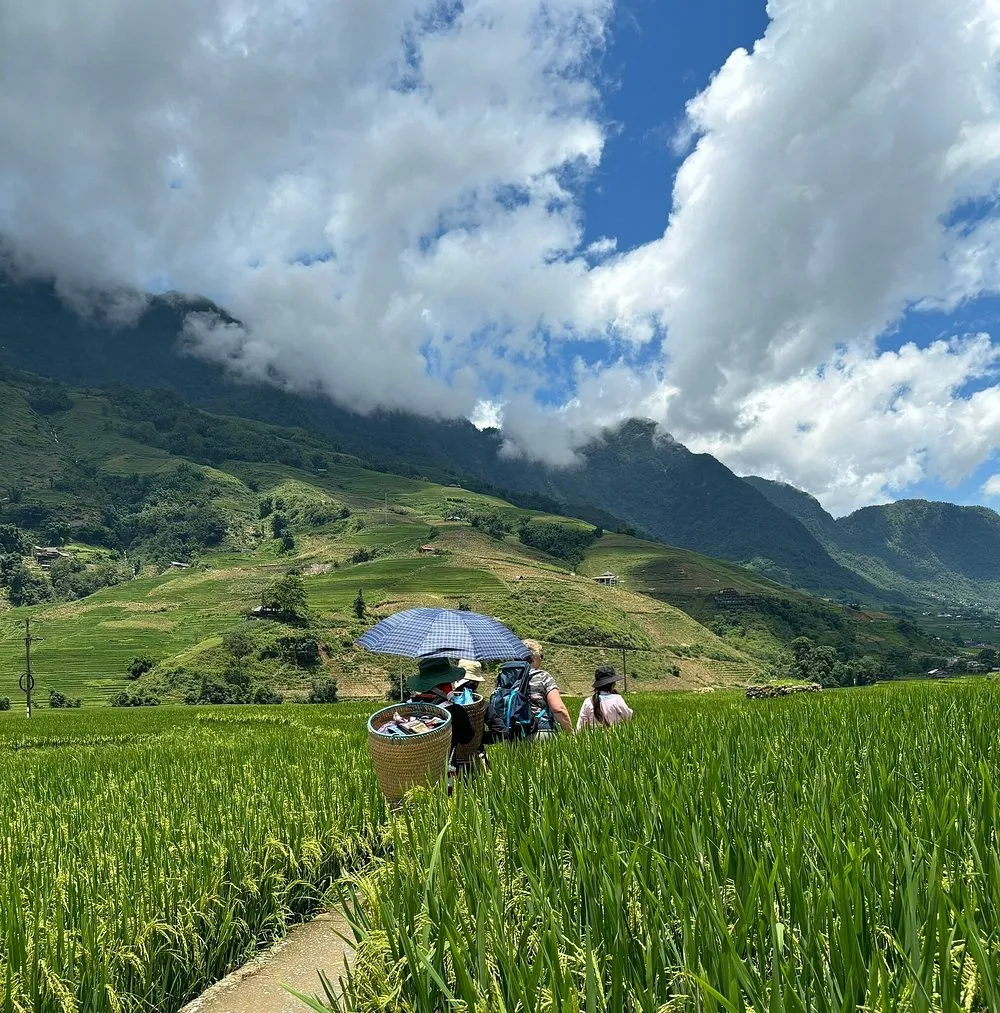
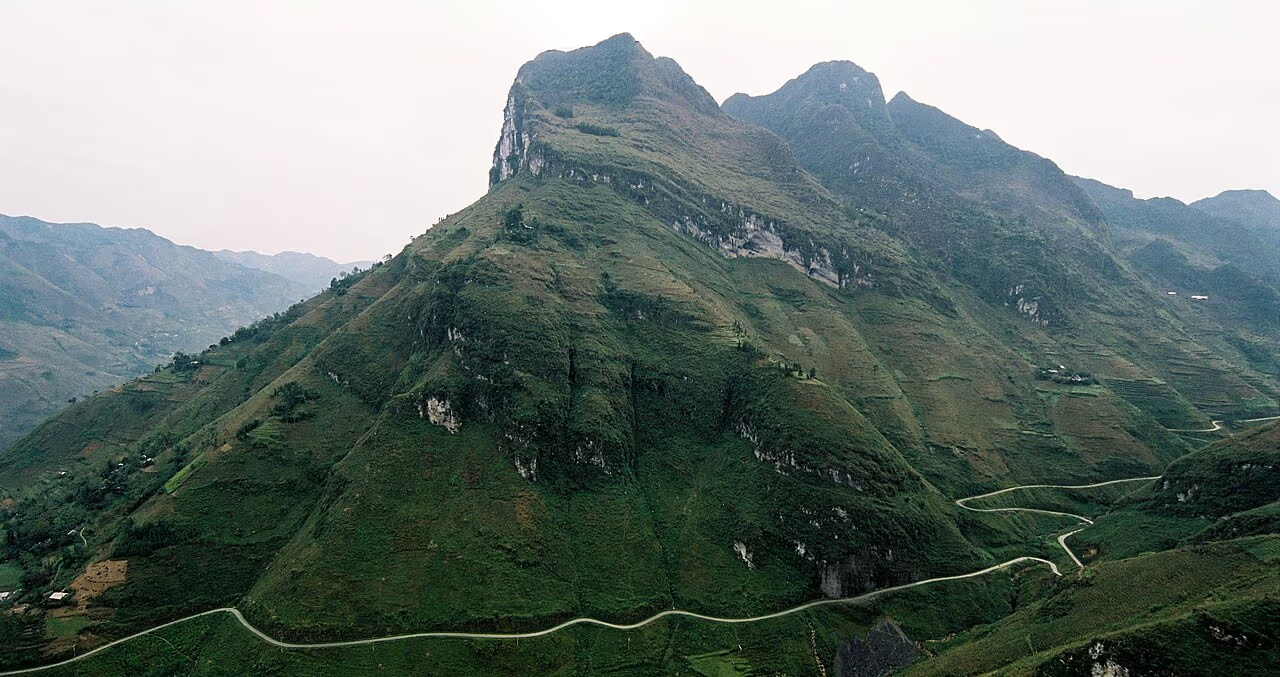
Begin in the north, the most distinctive region in the country. Two days in Hanoi to ease in and eat well, an overnight Ha Long Bay cruise, and three days in Sapa trekking the rice terraces and sleeping in a village homestay — the highlight of most people's whole trip. With three weeks, you also have time to add the karst landscapes of Ninh Binh ("Ha Long Bay on land"), or, for the adventurous, swap it for the epic Ha Giang Loop.
Why give the north a full week? Because it's the most distinctive region in Vietnam and the one a rushed trip shortchanges most. Seven days lets you properly trek the Sapa valleys over two days with a homestay night, enjoy a relaxed one-night Ha Long cruise rather than a flying visit, and still spend two unhurried days in Hanoi. Adding Ninh Binh or Ha Giang on top is the kind of luxury only a three-week trip allows — and for many travelers the northern week alone justifies the whole itinerary.
Trek & Homestay in Sapa
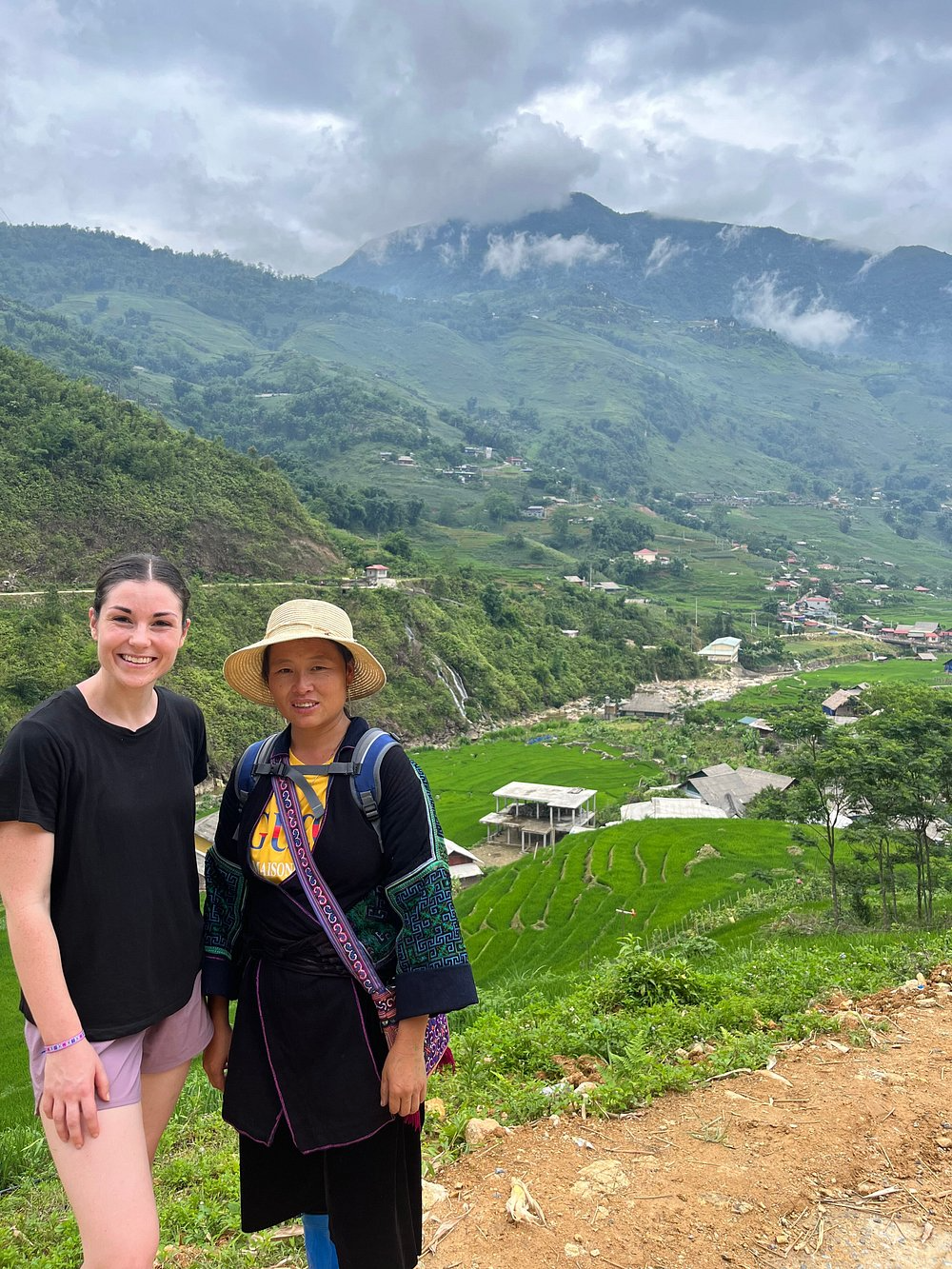 2D1N Homestay
Rice Terraced Fields & Homestay
Two days trekking and a night with a valley family — the heart of the northern week.
 1 Day Trek
Trekking Through Rice Terraced Fields
The classic Muong Hoa Valley day trek with a local guide and a family lunch.
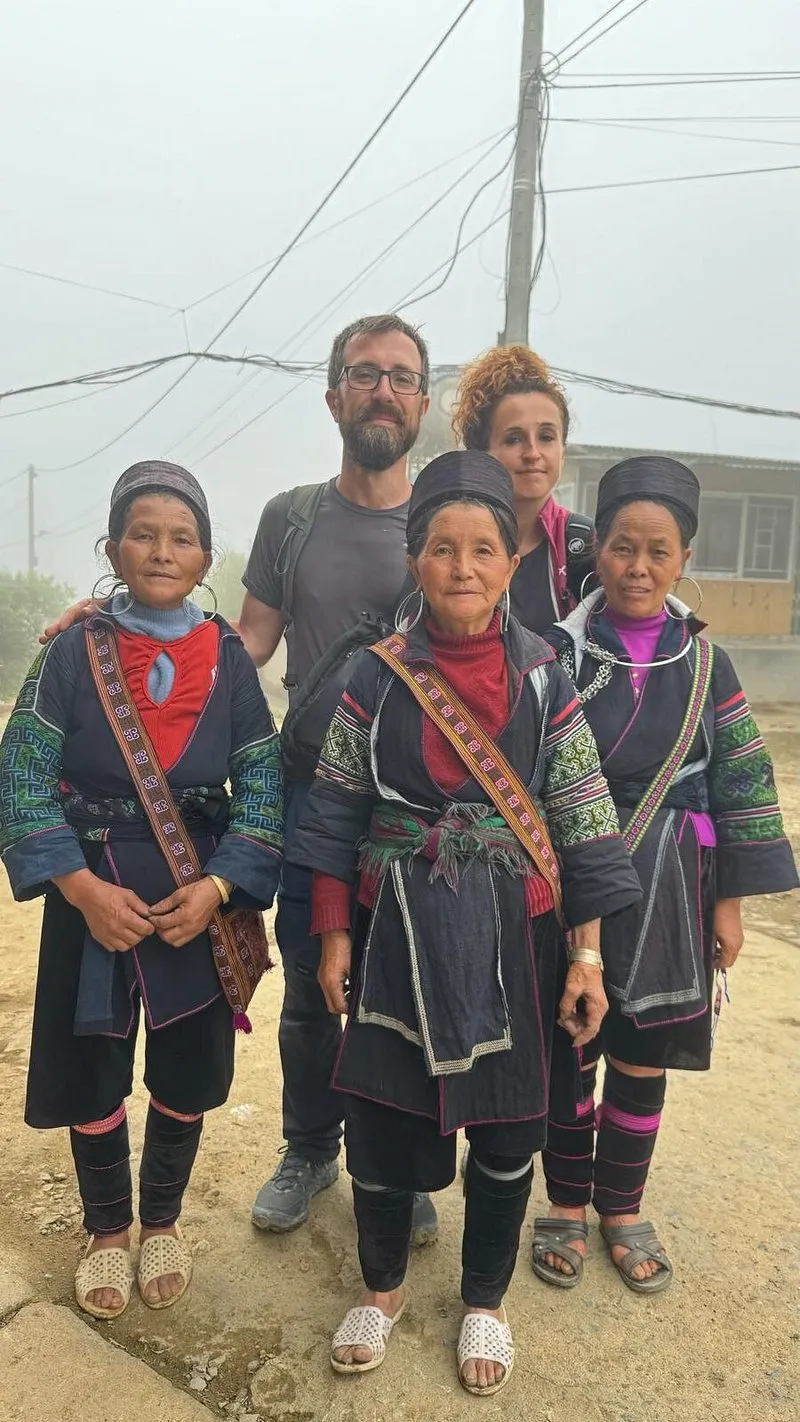 Families & Seniors
Sapa Easy Trekking For Seniors
A gentle valley walk where poles can be rented at our office — for 60+ travelers and families.
Week 2: The Centre (Days 8–14)
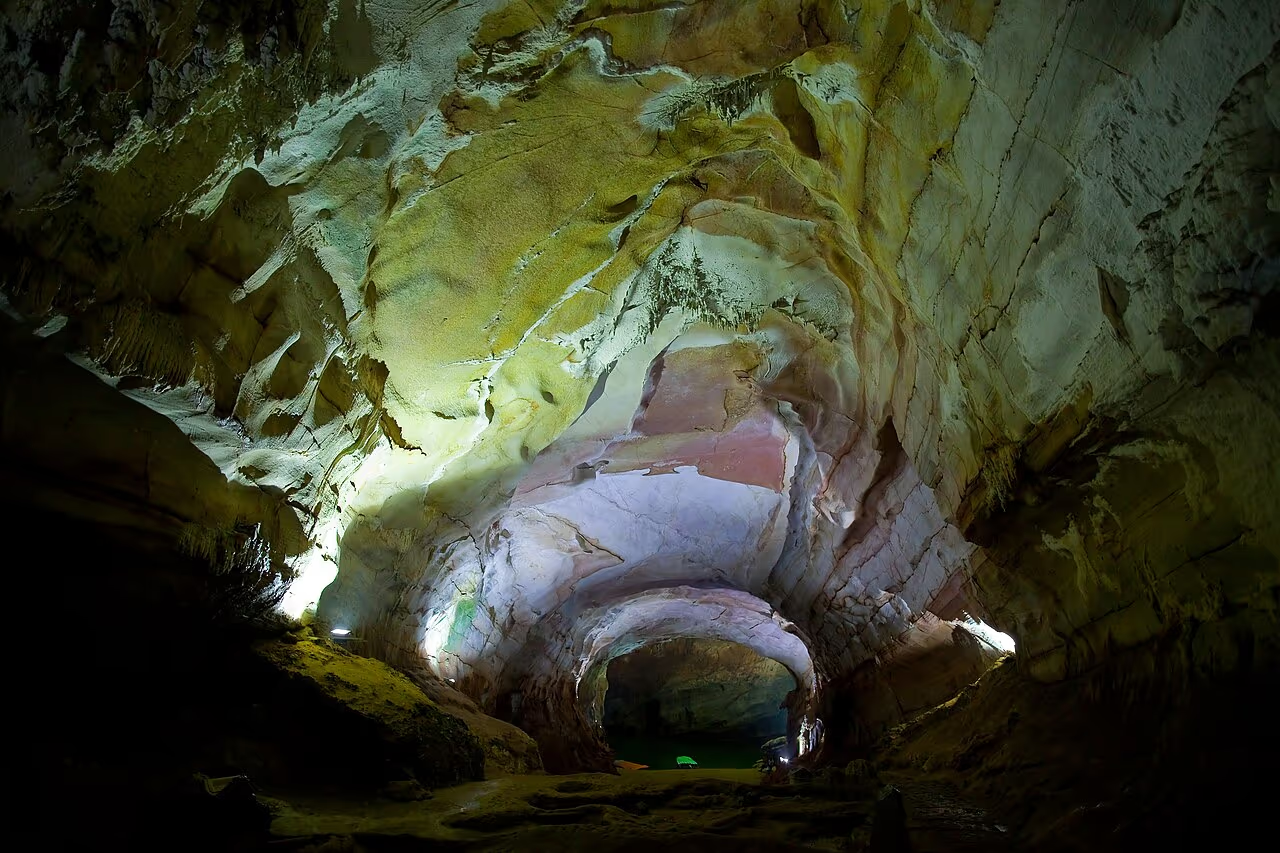
Fly south to the centre for a change of pace and landscape. The extra days of a three-week trip let you add Phong Nha-Ke Bang — home to some of the largest caves on Earth — which shorter itineraries skip entirely. From there, head to the imperial city of Hue, cross the scenic Hai Van Pass, and finish in lantern-lit Hoi An, with its tailors, cooking classes and nearby beaches. This is the relaxed, cultural heart of the trip, and the region where three weeks really pays off.
The caves are the revelation here. Phong Nha's Paradise Cave and Phong Nha Cave are vast, otherworldly spaces of stalactites and underground rivers, and the surrounding national park is a green, sleepy contrast to the cities. It's the kind of place you only reach with time to spare — exactly what a 21-day trip gives you, and a highlight that sets a three-week route apart from a rushed two-week dash.
Practically, you'll fly from Hanoi to Dong Hoi (for Phong Nha) or straight to Da Nang, then travel overland through the centre — it's a compact region where Hue, the Hai Van Pass, Da Nang and Hoi An sit close together. Give Hoi An the most time: its old town, tailors, cooking classes, cycling and beaches reward two or three slow days, and it's many travelers' favourite place in the country to simply unwind in the middle of a long trip.
The centre is also where the pace naturally eases. After the activity of the northern week — trekking, cruising, early starts — Hue and Hoi An are about wandering, eating and relaxing rather than ticking off big sights. It's a deliberate midpoint breather before the energy of the south, and one of the reasons a three-region trip flows so well in this order.
If you'd rather not fly at all into the centre, the Reunification Express train is a characterful alternative for one leg — the Hue–Da Nang stretch along the coast is one of the most scenic rail journeys in Southeast Asia. It's slower than flying, but with three weeks you have the luxury of trading a little time for a memorable, only-in-Vietnam experience on at least one connection.
Week 3: The South (Days 15–21)
Finish in the warm, fast-moving south. Many travelers add the cool highland town of Da Lat (pine forests, waterfalls, French-era charm) or the beaches and sand dunes of Mui Ne and Nha Trang, before the energetic finale of Ho Chi Minh City — museums, markets, street food and the Cu Chi Tunnels. End with a day or two in the Mekong Delta: floating markets, fruit orchards and sampan rides through the coconut canals, a gentle green farewell before you fly home from Saigon.

The south is where you can dial the pace up or down to taste. Beach lovers linger in Mui Ne or Nha Trang; culture and history fans give Ho Chi Minh City and the Mekong more time; and anyone craving cool air after the lowland heat detours to Da Lat. With a week to play with, the south flexes around whatever you're in the mood for after two busy weeks up north.
If you're flagging after two weeks of movement, the south is also the easiest place to build in a genuine rest. Tack two or three nights onto a beach — Mui Ne, Nha Trang, or fly to the island of Phu Quoc — and you arrive home rested rather than wrung out. Alternatively, history buffs can give Ho Chi Minh City and the Cu Chi Tunnels more time, and foodies can eat their way through Saigon's incredible street-food scene. The south flexes to whatever you need by week three.
For the grand finale, Ho Chi Minh City makes a fitting contrast to where you began: where Hanoi is old and contemplative, Saigon is fast, modern and buzzing. Spend a day or two on its history and street food, take the popular Cu Chi Tunnels half-day, then drop into the Mekong Delta for a final, gentle day among the floating markets and coconut canals before flying home. It's a high-energy, satisfying end to three weeks that began in the quiet mountains.
And if you simply want to wind down rather than end on a city high, flip the last few days: finish on a beach or an island instead of in Saigon, flying home from Ho Chi Minh City after a couple of restful nights on Phu Quoc. After three weeks of travel, plenty of visitors prefer to end horizontal on the sand — and the south makes that easy. There's no single right ending; choose the one that matches how you like to finish a big trip.
When to Go (Month by Month)
Because a three-week trip spans the whole country — and Vietnam's regions have different climates — the best months are the ones that work reasonably everywhere. The sweet spot is roughly February to April, dry across most of the country. Here's the year at a glance for a full-country trip.
A practical tip: no single month is perfect in all three regions, so don't over-think it. February to April is the safest overall; October and November are lovely too (and catch the Sapa rice harvest), with a small risk of late central-coast rain. The summer months (July–August) bring the heaviest rain to the centre and south, but even then a flexible three-week route can dodge the worst by adjusting which region you're in when.
If you have any flexibility, late September into early November is our other favourite window for a full-country trip: you catch the golden Sapa rice harvest and the clearest northern skies, and by late October the central coast is usually drying out. Whenever you travel, remember the north is always cooler than the south, so a three-week trip genuinely means packing for two climates — shorts for the Mekong, a warm layer for a misty Sapa morning.
What 3 Weeks in Vietnam Costs
Vietnam is superb value, so even a full three weeks needn't break the bank. For a comfortable mid-range trip — decent hotels, a Ha Long cruise, a guided Sapa trek, a few domestic flights and plenty of great food — budget roughly $2,000–2,800 per person, excluding international flights to and from Vietnam.
Backpackers can travel three weeks for around $1,200–1,700 using hostels, sleeper buses and street food, while travelers wanting boutique hotels, a luxury cruise and private guides throughout might spend $4,500–7,000+. The longer trip actually lowers your daily cost, since slow travel and overland legs are cheaper than constant flights. As always, the two things worth not skimping on are a reputable Ha Long boat and a good local Sapa guide — small premiums that make a big difference.
A few ways the longer trip saves money: travel overland where the scenery is part of the experience (the Hanoi–Sapa sleeper bus, the Reunification Express train) rather than flying every leg; eat at street stalls and family restaurants, which are both cheapest and often the best; and book your fixed pieces — the Ha Long cruise, the Sapa trek, the internal flights — a few weeks ahead. Spread over 21 days, the daily cost of Vietnam is genuinely low, which is part of why it's such a rewarding place for a longer trip.
For a sense of where the money goes: accommodation over 20 nights and the standout experiences (a Ha Long cruise, the Sapa trek, perhaps a Phong Nha cave tour) are the biggest line items, while food, local transport and entry fees stay remarkably cheap throughout. Internal flights are usually well under 50 US dollars each if booked ahead. Even a comfortable three-week trip rarely feels expensive day to day, which is a big part of Vietnam's enduring appeal for longer travels.
Hidden Gems to Add
The real luxury of three weeks is having time for the places shorter trips skip. If you have a spare day or two, these are the off-the-beaten-path stops we'd add first.
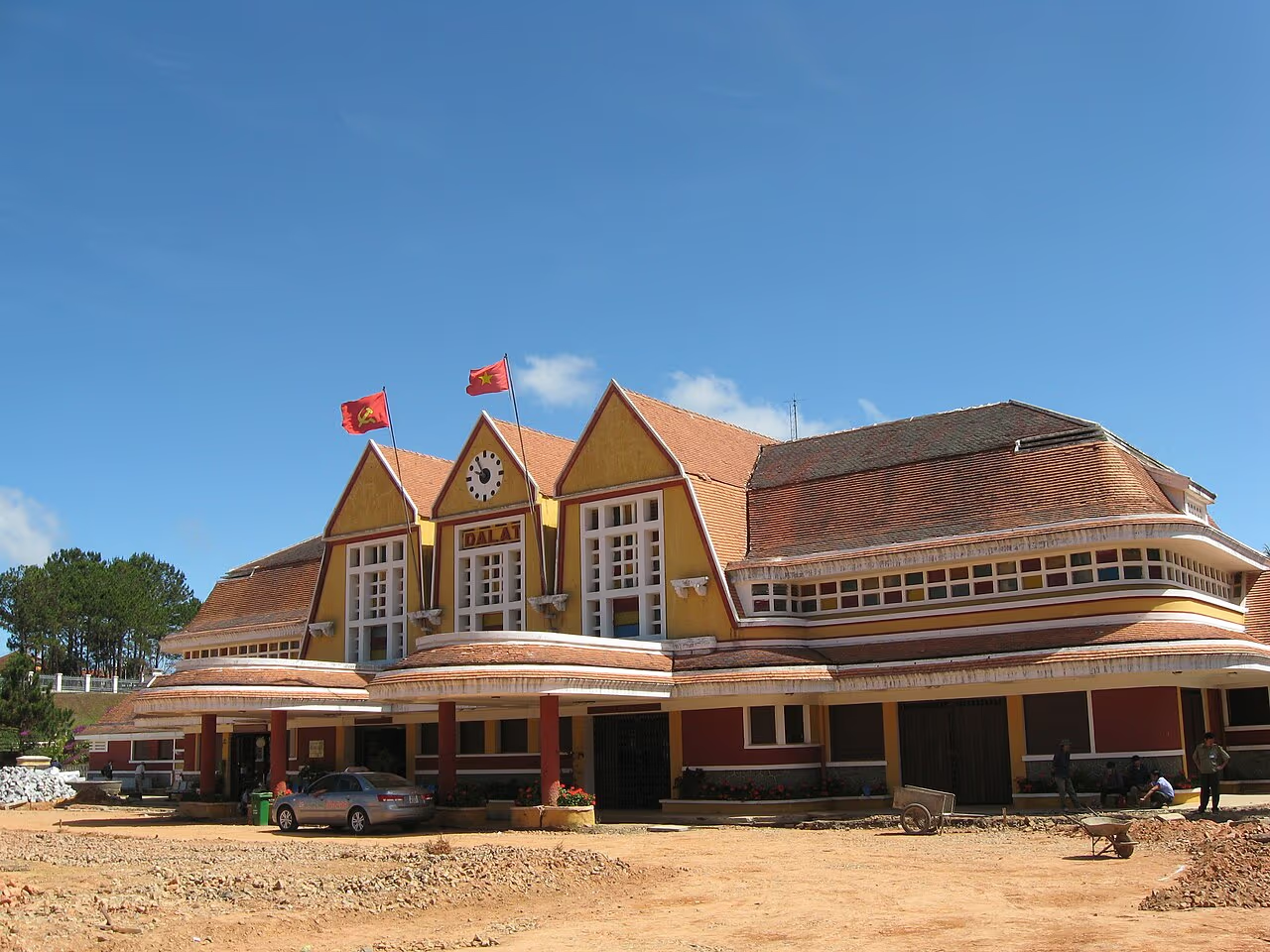
- Ha Giang Loop — the most spectacular motorbike (or easy-rider) road trip in the country, in the far north beyond Sapa.
- Phong Nha-Ke Bang — vast caves and quiet countryside in the centre (built into Week 2 above).
- Ninh Binh — "Ha Long Bay on land", an easy and stunning add to the northern week.
- Da Lat — pine-clad highlands, waterfalls and a cool-climate change of pace in the south.
- Cat Ba & Lan Ha Bay — a quieter, more active alternative or addition to Ha Long.
- Con Dao or Phu Quoc — islands for a few days of real beach time to end the trip.
You won't fit all of these into 21 days — pick one or two that match your interests. Our advice: if you love mountains and adventure, add Ha Giang; if you want nature and space, add Phong Nha; and if you simply want to end on a beach, finish on an island.
What we'd gently steer you away from is trying to add all of them. The most common three-week mistake is treating the extra week as licence to cram in five more places, which just reintroduces the airport-hopping a longer trip is meant to avoid. Pick one or two additions that genuinely excite you, and spend the rest of the time going deeper where you already are. Depth, not breadth, is what makes 21 days special.
How to Tailor Your 3 Weeks
This region-by-region route is the all-rounder, but it bends easily to your style. Adventurers swap Ninh Binh for the Ha Giang Loop and add a tougher multi-day Sapa or Fansipan trek. Beach lovers trim a central or northern day and end with three or four nights on Phu Quoc or in Nha Trang. Families and older travelers favour private transfers over sleeper buses, choose the gentle Sapa valley walk, and build in more rest days — three weeks is wonderfully forgiving for a slower pace.
By interest, the tweaks are simple: foodies add cooking classes in Hanoi, Hue, Hoi An and Saigon; history fans give Hue, the DMZ and the Cu Chi Tunnels more time; nature lovers lean into Phong Nha, Cat Ba and Cuc Phuong; and culture seekers add more hill-tribe time around Sapa and Ha Giang. The framework stays the same — north to south, region by region, no backtracking — you simply dial each region up or down. Tell us what you're into and we'll shape the northern weeks around the rest of your plan.
However you tailor it, keep two principles front of mind: protect the Sapa days (the trek and homestay are the trip's emotional high point for most travelers), and leave genuine breathing room in the schedule. The single biggest difference between a good three-week trip and a great one isn't an extra destination — it's the unhurried days you keep free to wander, rest and follow whatever you fall in love with along the way.
Getting Around
A three-week, full-country trip uses a mix of transport: a few short domestic flights between regions (Hanoi–Da Nang, Da Nang–Ho Chi Minh City), plus overland legs within each region. In the north, you travel overland to Ha Long Bay and to Sapa by comfortable limousine van or overnight sleeper bus (there's no airport in Sapa). With three weeks you can also enjoy the scenic Reunification Express train for a leg or two. Sort the Hanoi–Sapa transfer first — it's the trickiest piece of the northern week.
The Comfortable Way North


What to Pack
Three weeks spanning the whole country means packing for genuinely different climates: hot and humid in the lowlands and the south, but cool to cold and often wet in the northern mountains, especially Sapa. Bring breathable clothes plus warm layers and a rain jacket. For the Sapa trek you'll want grippy footwear — but you don't have to fly with boots, you can rent waterproof boots and trekking poles at our office in Sapa the day before.
Boots & Poles for the Sapa Leg
 Gear Rental
Trekking Boots Rental
Waterproof ankle-support boots, cleaned and checked before each rental. At 105 Thach Son Street.
 Gear Rental
Walking Poles Rental
Trekking poles at $2/day from our office at 105 Thach Son Street — great on the muddy terraces.
Tips for Your 3-Week Trip
- Go region by region, north to south. Follow the country in one line and don't backtrack — it's the most efficient flow.
- Use the extra week for depth, not just more places. A second Sapa day or a slow Hoi An stretch beats cramming two more cities.
- Add one or two hidden gems — Ha Giang, Phong Nha or an island — rather than trying to add five.
- Mix transport. Fly between regions, go overland within them, and try the night train for one scenic leg.
- Pack for two climates. Hot lowlands and a cool, wet north — layers are essential.
- Leave open days. Three weeks is long enough to slow down — build in rest so you finish refreshed, not frazzled.