 Sinh Giang

The best 1-week Vietnam itinerary is to pick one region and do it well — and for most first-timers, that region is the north. Our recommended seven days: two days in Hanoi, an overnight Ha Long Bay cruise, and three days trekking and homestaying in Sapa (with Ninh Binh as an easy swap). It needs no internal flights and never feels rushed.
Why not the whole country? Vietnam stretches over 1,600 km, so trying to fit Hanoi, Hoi An and Saigon into a week means three flights and a tiring blur — you'd spend much of the trip in airports. With seven days, focusing on the north gives you the most distinctive scenery and culture in Vietnam, at a pace you can actually enjoy. We're a local trekking company based in Sapa, so we'll be straight about the trade-offs and show you exactly how to spend the week, plus two alternative routes if the north isn't your priority. Get the choice right and seven days is plenty for a trip you'll remember — rushed wrong, it just becomes a week of airports. Here's the plan.
The Golden Rule: One Week, One Region
When deciding what to see in a week, the golden rule for 7 days in Vietnam is simple: choosing a single region beats racing the country every time. Here's how Vietnam's regions rank for a seven-day trip — weighing variety, distinctiveness and how relaxed the week feels.
The north tops it because it packs the most variety into the smallest area — a great capital, a world-famous bay and the rice-terraced mountains of Sapa, all within a few hours of each other and reachable without flying. The centre (Hue, Hoi An, the beaches) is a close, more relaxed second. The south is wonderful but spread out and better as its own trip. And "trying to do it all" scores worst: in a week it just means stress.
There's a simple reason the maths works against doing everything. Vietnam's three regions are each a flight apart — Hanoi to Da Nang and Da Nang to Ho Chi Minh City are over an hour in the air each, plus airport time at both ends. Add two or three of those to a seven-day trip and you can lose two full days just moving between regions, before you've even seen anything. Stay in one region and those days become experiences instead: an extra morning in the terraces, a slower lunch, a second village. That's the whole case for focus in one sentence.
For a quick mental map: the north (Hanoi, Ha Long, Sapa, Ninh Binh) is cool, mountainous and the most distinctive; the centre (Hue, Da Nang, Hoi An) is the coastal, historic heart with the best beaches and food; and the south (Ho Chi Minh City, the Mekong) is hot, flat and fast-moving. In one week you can do any one of these properly. The north simply offers the widest variety in the smallest, most flight-free area — which is why it wins for a first trip.
The Best One-Week Routes
There's more than one good way to spend seven days — and more than one set of one-week highlights worth chasing. Here are the three routes that work best — pick the one that matches what you're after.
Route 1: Northern Highlights (our pick)
The all-rounder, and what this guide details below: Hanoi, a Ha Long Bay cruise, and Sapa for trekking and a homestay. It gives you city, sea and mountains in one relaxed week, with no internal flights — the richest, most varied seven days in the country, and the one we'd recommend to almost any first-timer.
It also has a lovely natural rhythm: the buzz of Hanoi to start, the calm of a night on Ha Long Bay in the middle, and the active, immersive finish of trekking and a homestay in Sapa. City, sea, mountains — three completely different experiences, none more than a few hours apart, and a satisfying arc from arrival to highlight. For a first taste of Vietnam in a week, it's hard to beat.
Route 1 also suits the widest range of travelers. Couples, friends, solo travelers, families and older visitors all do well on it, because the pace is gentle and the Sapa leg can be tuned to any fitness — a hard valley trek for the active, or an easy, flat walk with poles for families and the over-60s. You get the same scenery and the same homestay welcome either way; only the effort changes.
The Ha Long leg deserves a quick word too. A one-night cruise is the sweet spot for a week — long enough for kayaking, a cave, sunset and a sunrise, short enough not to eat a second day — and choosing a boat on the quieter Lan Ha or Bai Tu Long bay rather than the busiest central route makes a real difference to the experience. If you are short on time or prone to seasickness, a full-day cruise (no overnight) is a fine alternative that frees up an extra night in Hanoi or Sapa.

Route 2: Hanoi + Sapa, deep
The slow-traveler's choice: skip Ha Long and spend more time in the mountains — Hanoi, then four or five days trekking deeper around Sapa (with quieter valleys and a second homestay), optionally adding the karst scenery of Ninh Binh. Ideal if you love landscapes and culture over ticking off famous names, and want the gentlest possible pace.
Route 2 is also the easiest on the logistics: with no Ha Long cruise to time, you simply transfer up to Sapa and settle in for several days, which suits travelers who'd rather unpack once and walk than keep moving. It's our quiet favourite for repeat visitors and for anyone who came to Vietnam mainly for the mountains and the hill-tribe culture.
If you choose Route 2, a great way to fill the extra Sapa days is to combine a classic Muong Hoa Valley trek with a quieter route — Ta Phin for Red Dao culture and a herbal bath, or the far villages where few tourists go — plus, if you add Ninh Binh, a day of rowing-boat trips through the karst at Trang An. It's the most immersive, slowest version of a Vietnam week, and the one repeat visitors most often pick.
And a note for the truly time-pressed: if you only have five or six days rather than a full seven, simply trim Ha Long to a day trip (or drop it) and keep Hanoi and Sapa. Two nights in Hanoi and two to three days trekking and homestaying in Sapa is a wonderful short trip in its own right — the absolute essence of the north, with almost no time lost to transit. When in doubt, protect the Sapa days and cut elsewhere.

Route 3: Central Vietnam
If beaches, food and history appeal more than mountains, fly into Da Nang and spend the week in the centre: Hue's imperial sights, Hoi An's lantern-lit old town and tailors, and the beaches in between. It's the most relaxed, low-effort route — though you'll miss Sapa, which most travelers rate the highlight of Vietnam.
Route 3 needs one flight (into Da Nang) but then stays put in the centre, so it's still relaxed once you arrive. It's the warmest of the three in winter, when the north can be cool and misty, making it a good cold-season alternative — just go in knowing you're trading the mountains for the coast.

The Recommended Week, Day by Day
Here's Route 1 in detail — the northern highlights, with no flights and the Sapa trek as its heart.
Day 1 — Arrive Hanoi
Land, settle into the Old Quarter, shake off the jet lag with an easy first evening of street food and a stroll around Hoan Kiem Lake.
HanoiDay 2 — Hanoi
The Old Quarter, the Temple of Literature, a water-puppet show and egg coffee. A gentle day to enjoy the capital.
HanoiDay 3 — Ha Long Bay
An overnight cruise among the limestone karsts — kayaking, a cave, sunset and a night on the water.
Ha Long BayDay 4 — Back to Hanoi → Sapa
Cruise until late morning, return to Hanoi, then take the overnight transfer up to Sapa — no daytime lost.
TravelDays 5–6 — Sapa trek & homestay
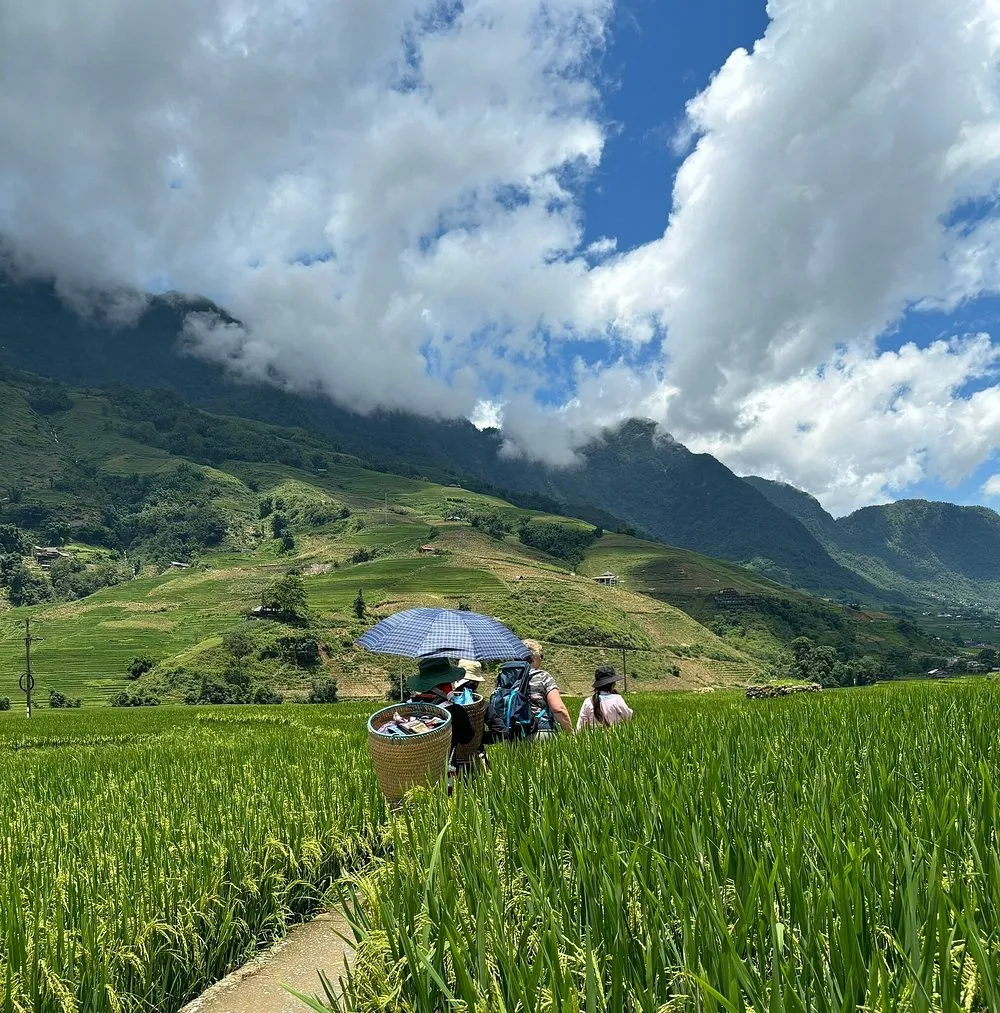
Trek the Muong Hoa Valley terraces with a local guide, lunch and sleep in a village homestay, and ride the Fansipan cable car. The highlight of the week.
SapaDay 7 — Return & depart
Transfer back to Hanoi (an overnight service the night before works well) and fly home, or add a final Old Quarter evening.
DepartNotice there's not a single internal flight — everything is within a few hours of Hanoi, which is exactly what makes a northern week so relaxed and good value. If you'd rather not do the overnight transfers, swap Ha Long for a closer Ninh Binh day trip and keep Sapa.
A couple of timing notes for the week. The overnight transfers are what make it flight-free and efficient: an evening sleeper bus or train up to Sapa on day 4, and (if you like) another overnight back so you wake in Hanoi for your flight home. If overnight travel isn't for you, you can do the Hanoi–Sapa legs by daytime van instead — you'll just trade a little daylight for a more comfortable sleep. Either way, keep day 7 flexible around your departure time.
A realistic note on day 1: international flights often land in Hanoi in the evening, so treat day 1 as an arrival-and-settle day rather than a sightseeing day, and don't schedule anything demanding. Likewise on day 7, leave comfortable time before your flight home — arriving back in Hanoi the evening before on an overnight service is the safest way to avoid a stressful dash to the airport. Building in those two soft edges is what keeps a seven-day trip feeling relaxed rather than tight.
Your Sapa Trek (Days 4–6)
 2D1N Homestay
Rice Terraced Fields & Homestay
Two days trekking the valley and a night in a village home — ideal for the Sapa leg of the week.
 1 Day Trek
Trekking Through Rice Terraced Fields
The classic Muong Hoa Valley day trek if your Sapa time is shorter.
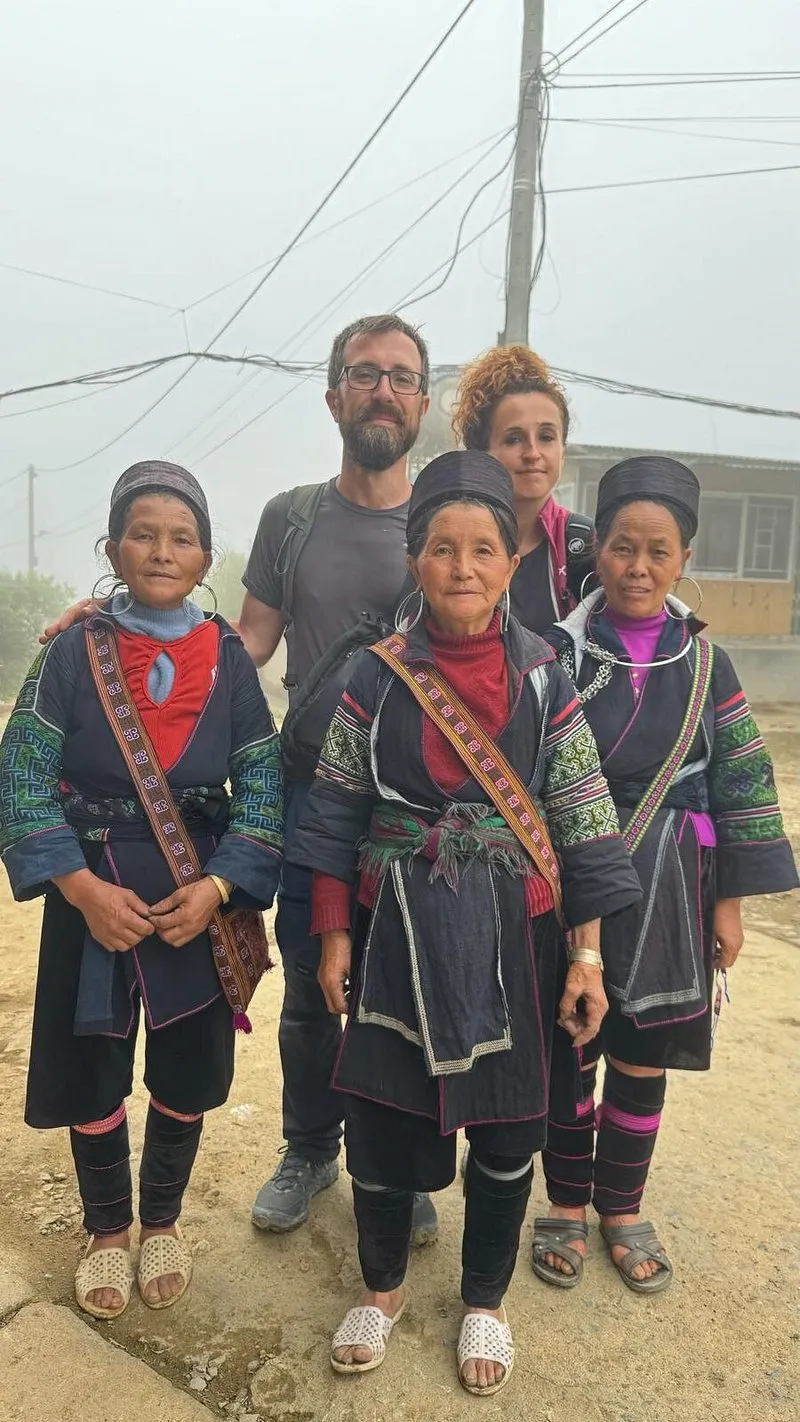 Families & Seniors
Sapa Easy Trekking For Seniors
A gentle valley walk where poles can be rented at our office — for 60+ travelers and families.
Is One Week Enough?
A focused week is a genuinely great trip — but it's not right for everyone. Here's an honest gut-check.
A week works if you…
Consider 10–14 days if you…
If several of the right-hand points sound like you, it's worth finding a few more days — see our 10-day and 2-week itineraries. But if the left-hand list fits, a focused northern week will be a superb trip with zero regrets.
Honestly, the travelers who struggle with a one-week trip are almost always the ones who refused to choose — who tried to bolt Hoi An or Saigon onto the northern week and ended up exhausted. The ones who embraced the focus came home raving. A week isn't a compromise if you plan it as a week; it's only a compromise if you plan it like a fortnight and run out of time.
One more reassurance: you really won't run out of things to do in a northern week. Between Hanoi's old streets and food, a night on the bay, two or three days trekking, a homestay, a market, the Fansipan cable car and simply soaking up the terraces, the days fill themselves richly. Most travelers finish the week pleasantly tired and already plotting a return for the centre and south — which is exactly how a great short trip should leave you.
It is worth saying plainly that a focused week often beats a rushed fortnight for sheer enjoyment. Two weeks spent dashing the whole country can leave you more tired and with shallower memories than seven unhurried days in one region. Length matters less than pace, and a calm, well-chosen week in the north consistently sends our guests home happier than a frantic tour of everywhere. Choose less, feel more — it is the through-line of every good Vietnam trip, and never truer than on a one-week visit.
"We only had a week and almost didn't come to Vietnam because of it. So glad we did — Hanoi, a night on Ha Long Bay, then two days trekking and a homestay in Sapa. It never felt rushed, and the Sapa nights were magic. A week was plenty done this way."
— Claire & Ben H., Edinburgh, UK (October 2025)
What One Week in Vietnam Costs
Spending 7 days in Vietnam this way — a focused northern week — is very affordable because it needs no internal flights. For a comfortable mid-range trip — decent hotels, a good Ha Long cruise, a guided Sapa trek and plenty of great food — budget roughly $700–1,000 per person, excluding international flights to and from Vietnam.
Backpackers can do the week for $450–600 using hostels, sleeper buses and street food, while travelers wanting boutique hotels, a luxury cruise and private guides might spend $1,500–2,500. Day to day your money goes a long way: a superb bowl of pho costs a dollar or two, and a full day's guided trekking in Sapa, with a local guide, lunch and a homestay, costs a fraction of equivalents almost anywhere else. The two things worth not skimping on are a reputable Ha Long boat and a good Sapa guide.
Because the week needs no internal flights, it's also one of the cheaper ways to see Vietnam per day — your money goes into experiences and nice hotels rather than airfares. A few easy savings: book the Ha Long cruise and Sapa trek a couple of weeks ahead, eat at street stalls and family restaurants (often the best meals anyway), and use the overnight bus or train to save a hotel night. Spend the savings on one really good night — a nicer cabin on the bay, or an extra homestay in Sapa.
Quick money practicalities: Vietnam runs largely on cash outside hotels and bigger restaurants, so carry Vietnamese dong for markets, street food and the villages, where cards and ATMs are scarce. Tipping isn't obligatory but is appreciated for guides, drivers and homestay hosts. And a simple e-visa, arranged online before you fly, covers the standard tourist stay — sort it a couple of weeks ahead so it's one less thing to think about.
When to Go
For a northern week, the best window is September to November — the Sapa rice terraces turn gold, the skies are clear, and the weather is crisp and comfortable for both trekking and cruising. March to May is the lovely runner-up, mild and dry with green or flooded terraces. Avoid the summer wet season (June to August) if you can, when heavy rain can disrupt both the trek and the bay, and pack warm layers for the cool northern mountains whatever the month.
If your dates are fixed and fall in the wetter summer months, don't panic — the trip still works. The Ha Long cruise and the Fansipan cable car run year-round, and the Sapa valleys are at their greenest and most dramatic in the rain (just bring a poncho and grippy boots for the muddier trails). The terraces are flooded and mirror-like from May into June, and lushest in July and August. There's a good version of this week in every season; the scenery simply changes character.
If you want the single best week of the year for this route, aim for late September into October: the Sapa rice terraces are gold for the harvest, the northern skies are at their clearest, and Ha Long Bay is past the worst of the summer storms. Book a little earlier for that peak window, as it's popular with both foreign and Vietnamese travelers — but the reward is the north at its most photogenic.
Where to Stay
You only need to book a few places for the week, which keeps it simple. In Hanoi, stay in or beside the Old Quarter so you can walk to the sights, the food and the lake — it's also where transfers pick up. On Ha Long Bay, your bed is the cruise boat itself; choose a reputable operator on the quieter Lan Ha or Bai Tu Long bay over the busiest central route, and pay a little more for a window cabin. In Sapa, the standout is a village homestay on your trek (arranged as part of the tour), optionally bookended with a night in a Sapa-town hotel with valley views.
Because you're only booking three or four places, you can often afford nicer ones than on a multi-stop dash — one good Old Quarter hotel, one quality cruise, the homestay — for a sensible overall budget. Vietnam's hotels and homestays are some of the best value in Asia, and outside the peak holidays you rarely need to book more than a few weeks ahead.
Getting Around
The beauty of the recommended week is that it needs no internal flights at all — everything is within a few hours of Hanoi. You travel overland: Hanoi to Ha Long Bay by road, and Hanoi to Sapa by comfortable limousine van or overnight sleeper bus (Sapa has no airport). Getting that Hanoi–Sapa transfer right is the key to a smooth, relaxed seven days.
The Comfortable Way North


What to Pack
Pack light and layered. Hanoi and Ha Long are warm and humid, but the north — especially Sapa — is cool to cold and often wet, so add a warm layer and a rain jacket. For the Sapa trek you'll want grippy footwear; you don't have to fly with boots, though — rent waterproof boots and trekking poles at our office in Sapa the day before.
Boots & Poles for the Sapa Leg
 Gear Rental
Trekking Boots Rental
Waterproof ankle-support boots, cleaned and checked before each rental. At 105 Thach Son Street.
 Gear Rental
Walking Poles Rental
Trekking poles at $2/day from our office at 105 Thach Son Street — great on the muddy terraces.
Tips for Your 1-Week Trip
- Pick one region. A week is for going deep, not wide — the north is the best single choice for first-timers.
- Protect the Sapa days. The trek and homestay are the highlight; build the week around them.
- No flights needed. The whole northern week is within a few hours of Hanoi — keep it overland and relaxed.
- Use overnight transfers. The Hanoi–Sapa sleeper bus or train saves a hotel night and a day of travel.
- Don't over-schedule. Seven days is enough only if you resist cramming — leave room to slow down.
- Get an e-visa in advance and download Grab for easy, fair-priced rides in Hanoi.
- See the best of one week in Vietnam, not a little of everything. A focused north covers a city, a bay and the mountains — the highlights that matter most in seven days.