 Sinh Giang
The view from the Fansipan summit is only available to you under specific weather conditions. At 3,143m / 10,312 ft — the highest point in Indochina — the mountain creates its own weather, and the difference between a clear summit day and a whiteout is often a matter of choosing the right month. The weather on Fansipan is not the same as Sapa weather 1,500m below, and this guide breaks down what you can realistically expect month by month.
The Hoang Lien Son range creates a significant orographic effect — moisture-laden air from the south hits the range and rises, producing cloud and rain predominantly on the southern slope. The northern slope on the Lai Chau side tends to be drier. What this means in practice: conditions on Fansipan can be dramatically different from what you see in Sapa town on the same morning. Understanding this difference is the single most useful thing you can know before planning your climb.
Fansipan vs Sapa Weather — Why They Are Different
The altitude gap between Sapa town (approximately 1,500m) and the Fansipan summit (3,143m) is 1,643m of vertical. Using the standard atmospheric lapse rate of roughly 6-7°C per 1,000m of elevation, if Sapa is 18°C on a given morning, you can expect somewhere between 7°C and 9°C at the summit. On a cool Sapa morning of 12°C, the summit will be close to 1-3°C. Wind chill at the exposed summit ridge pushes those numbers lower still.
This temperature gap creates an interesting phenomenon during the dry season. The cloud base that sits over Sapa at around 1,600m on many mornings means the summit is often above the clouds — which creates the spectacular sea-of-clouds views the mountain is known for. However, when the cloud base drops below 2,000m (common in monsoon season and during frontal weather systems), the entire mountain disappears into fog from the cable car station upward.
The Fansipan cable car base station sits at approximately 1,900m. On mornings when Sapa has low cloud, the cable car ride itself becomes dramatic — you ascend from mist into clear blue sky. This happens most reliably in October, November, and March.
Fansipan Weather by Month — Full Season Table
The table below gives you a direct reference for summit conditions across the full year. All temperature ranges are for the summit at 3,143m — subtract 8-12°C from Sapa forecasts to estimate summit conditions.
| Month | Summit Temp | Rainfall | Visibility | Trek Difficulty | Rating |
|---|---|---|---|---|---|
| January | 2–8°C | Low | Good–Excellent | Hard (ice risk above 2,800m) | FAIR |
| February | 2–9°C | Low–Moderate | Moderate | Moderate-Hard (fog increases) | FAIR |
| March | 5–12°C | Low | Good | Moderate (best value month) | GOOD |
| April | 8–15°C | Low | Excellent | Easy-Moderate (rhododendrons bloom) | PEAK |
| May | 12–18°C | Moderate | Good | Easy-Moderate (last clear month) | GOOD |
| June | 15–20°C | High | Poor | Hard (muddy, monsoon begins) | AVOID |
| July | 17–22°C | Very High | Very Poor | Very Hard (peak monsoon) | AVOID |
| August | 17–21°C | High | Poor | Hard (leeches, mud) | AVOID |
| September | 14–20°C | Moderate | Fair–Good | Moderate (late Sept improving) | FAIR |
| October | 10–16°C | Low | Excellent | Easy-Moderate (sea of clouds) | PEAK |
| November | 6–12°C | Very Low | Excellent | Easy-Moderate (best month) | PEAK |
| December | 3–8°C | Low | Good | Moderate (cold, frost above 2,800m) | GOOD |
Month-by-Month Breakdown
January
January sits in the cold, dry phase of the Fansipan weather cycle. Summit temperatures of 2-8°C are typical, but the cold comes with a genuine upside: visibility is often excellent, and the trail above Sapa is quiet. The crowds that fill the cable car during October and November have largely dispersed, and you can have the summit ridge to yourself on a weekday.
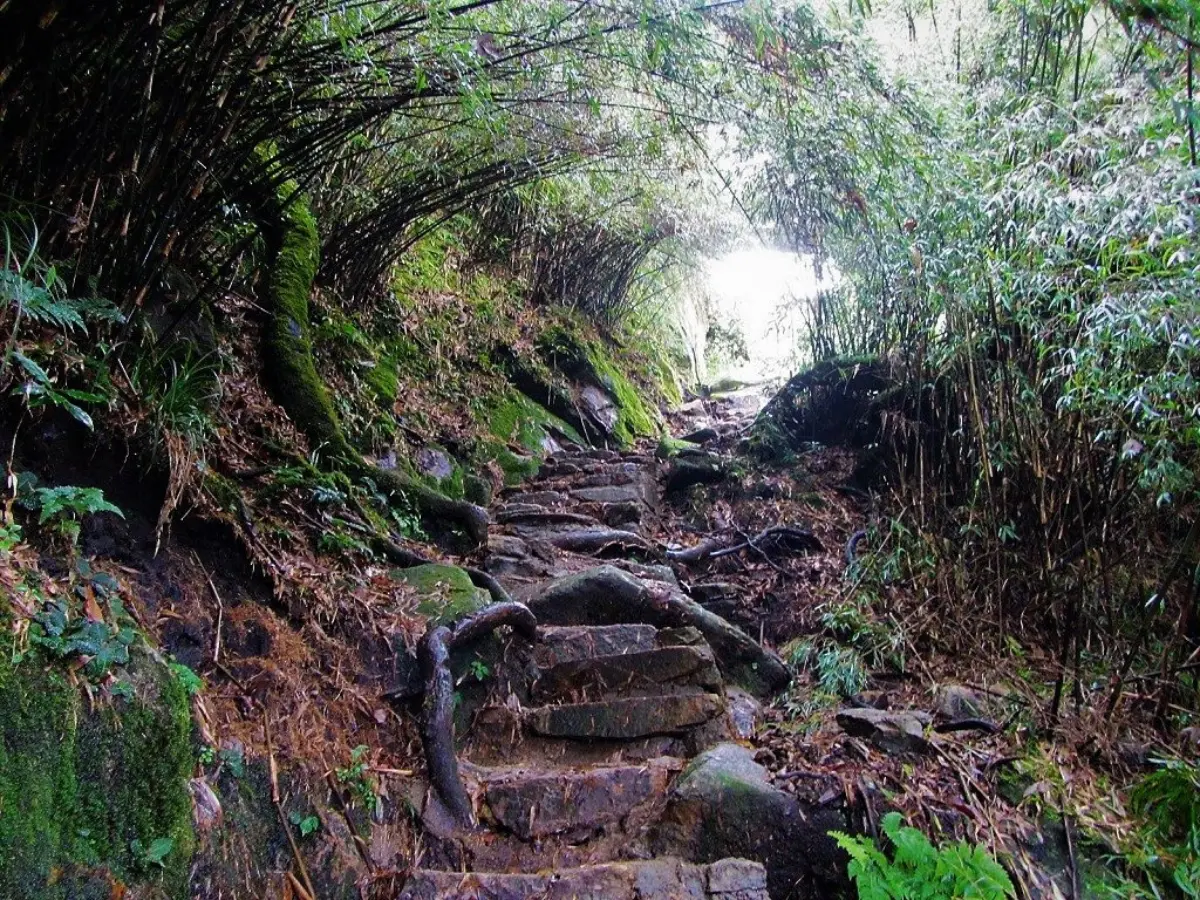
The honest risk in January is ice. The upper trail above 2,800m — particularly the stone steps that lead to the summit shrine — can be icy on mornings after cold clear nights. The stone surfaces are smooth and unforgiving when glazed with frost. Crampons are not standard equipment on this route, but if you are trekking rather than taking the cable car, warm layers and awareness of the conditions are essential. The cable car itself sometimes suspends operation when sustained winds exceed 40km/h, which is more common in January during cold-front passages.
If the cold does not deter you, January can be genuinely rewarding. The air is clear, the crowds are minimal, and the summit has a stillness that the peak-season months cannot match.
February
Lunar New Year (Tet) falls in late January or February depending on the calendar year, and this creates an unusual crowd pattern: the cable car and summit facilities can be at or near capacity during the Tet holiday period, then extremely quiet in the weeks immediately after. If your dates fall in the Tet window, book the cable car well in advance.
The weather in February is less reliable than January. The mist that defines Sapa's atmosphere thickens as spring approaches, and summit views become more variable. Cloud tends to sit lower than in January, which means more days where the summit is socked in even when the valley looks clear. It is not uncommon to arrive at the cable car base on a blue-sky Sapa morning and step into fog at 2,200m.
February is not recommended as a first-time Fansipan visit. The combination of cold, fog variability, and the Tet holiday crowd dynamics makes it a challenging month to plan around. If you have flexibility, March is a noticeably better choice.
March
March is the transition month and one of the better-kept secrets on the Fansipan calendar. Temperatures begin to climb — 5-12°C at the summit — the frost risk is receding, and the trail is drying out after winter. The rhododendrons that line the trail between 1,800m and 2,200m are starting to produce their first flowers, with the full bloom arriving in April.
The practical advantage of March is that it sits just before the peak season. The cable car queues are shorter, accommodation in Sapa is easier to book, and prices have not yet reached their April-May peak. Visibility is generally good, and the sea-of-clouds phenomenon on clear mornings is still active. For travelers with a tight schedule who want the best possible chance of a clear summit day without fighting crowds, March is one of the most underrated months to visit Fansipan.
April
April is the flagship month on Fansipan. The mountain is at its most photogenic — rhododendrons (primarily Rhododendron arboreum and related species native to the Hoang Lien Son range) bloom in pink and white at elevations between 2,200m and 2,800m. The summit temperature reaches 8-15°C, which is comfortable for both the trek and the time spent at the top. Visibility is excellent on most days.
The "sea of clouds" phenomenon is at its most reliable in April on clear mornings before 9am. Standing on the summit ridge and looking south, the valley below is filled with a flat layer of white cloud with the peaks of the Hoang Lien Son range rising through it. This is the image that appears on most Fansipan photography, and April is when you have the best statistical chance of seeing it.
The one downside of April is popularity. Weekend cable car queues can be significant, particularly during Vietnamese holiday periods. If you are visiting in April, book the cable car ticket in advance and plan an early start — the first gondola of the morning offers the best cloud inversion views and the shortest queues.
May
May is the last clear month before the monsoon begins to assert itself. Temperatures at the summit warm rapidly to 12-18°C, and humidity is rising. Visibility remains good in early May but becomes more variable as the month progresses. The rhododendrons at the highest elevations — above 2,600m — are still blooming in early May, though the lower-elevation flowers from April have finished.
Late May sometimes brings the first significant monsoon rains, making the trail muddy on the lower sections. If you are planning a trekking ascent rather than the cable car, late May requires some weather monitoring. The cable car option remains reliable through May regardless of conditions below. For trekkers, early May is meaningfully better than late May.
June
The monsoon begins in earnest in June. Daily rain becomes the norm from early in the month, and the trail at lower elevations — below 2,200m — becomes genuinely slippery and muddy. Visibility on the summit deteriorates sharply: above 2,800m, cloud cover is near-permanent on most days. The cable car continues to operate, but arriving at the summit station and stepping into white cloud is the typical experience rather than the exception.
The practical consequence is that the panoramic views — the sea of clouds, the Chinese border peaks of the Pu Si Lung range, the Muong Hoa Valley below — are simply not visible in June on most days. The misty atmosphere has its own drama, and some visitors find the summit shrine impressive regardless of weather, but if summit panorama is your reason for coming, June is the wrong month.
Trekking is not recommended for casual visitors in June. The trail condition, particularly on the steep sections near the summit, presents a genuine slip risk. The leeches that appear in the forest section between 1,800m and 2,400m are becoming active by late June.
July
July is the peak of the monsoon and the month our local guides most strongly advise against trekking. Rain is heavy and daily. The steep sections of the trekking trail — particularly the exposed ridge sections above 2,500m — are genuinely dangerous when wet. The rock surfaces that are manageable in dry conditions become treacherous, and the soil on the forest sections turns into deep mud that makes downhill movement exhausting and risky.
Leeches are at their most active in July, concentrated in the humid forest zone between 1,800m and 2,400m. They are not dangerous, but unprepared hikers find the experience unpleasant. The cable car views from the summit are essentially zero on almost all July days — the gondola ascends through thick cloud, and the summit station is fully enveloped in mist.
This is not tour-operator caution — it is genuine risk management. Our guides who have walked this trail in every month of the year will tell you directly that July on the trekking route is the one condition where the mountain genuinely pushes back. The cable car is the appropriate choice if you are visiting in July and want to reach the summit.
August
August remains firmly in monsoon conditions through most of the month. The rain begins to ease in the second half, and late August can occasionally produce a clearer day — experienced local trekkers sometimes plan a spontaneous trip in late August for exactly this reason. The trail is empty, the green is extraordinary after months of rain, and the mountain has a rawness that the dry season cannot replicate. But this requires flexibility and local weather knowledge to time correctly.
The leeches remain present through August. For the cable car, conditions are similar to July — the gondola runs but summit views are typically cloud. The cable car is also more likely to close temporarily during the typhoon-associated storm systems that track through northern Vietnam in August, bringing sustained winds above the 40km/h operating threshold.
September
September is the transitional month, and the timing within the month matters significantly. Early September is still wet and foggy — not meaningfully different from August. But from around September 20 onward, conditions begin to shift. The skies start to clear, the rice fields in the Muong Hoa Valley far below are turning their harvest gold, and the first genuinely clear summit days of the post-monsoon period begin to appear.
Late September is an underrated time to visit Fansipan. The cable car views improve substantially in the final ten days of the month. The crowds have not yet built to the October-November peak level, and the combination of the clearing weather and the golden rice terraces below creates some of the most striking photography of the year. If your travel window includes late September, it is worth prioritizing over early September.
October
October marks the official reopening of the prime season. The monsoon is over, the first genuinely clear month after the rains. Summit temperature settles into the comfortable 10-16°C range — cool enough for the trekking ascent to be enjoyable without requiring heavy cold-weather gear. The "sea of clouds" spectacle returns: on most mornings before 9am, a layer of cloud sits below 1,800m, and standing on the summit ridge at 3,143m you look out over a white ocean with mountain peaks rising through it.
October is one of the most photographed months on Fansipan for good reason. The combination of clear air, comfortable temperature, the sea-of-clouds phenomenon, and the tail end of the golden rice terrace season in the valley below makes it one of the most visually complete months to visit. Crowd levels are building toward the November peak but are still manageable on weekdays.
November
November is widely considered the best month to climb Fansipan, and the data supports that reputation. Rainfall drops to near-zero, visibility is consistently excellent, summit temperature sits at 6-12°C — cold enough to feel like a mountain, warm enough to be comfortable in proper layers. On very clear November days, the visibility extends to the Chinese border peaks of the Pu Si Lung range, visible as a dark line of ridges on the northern horizon from the summit.
The sea-of-clouds phenomenon is at its most reliable in November. On most clear mornings, the temperature inversion is present and the cloud layer sits below the cable car base station, making the gondola ride from mist into clear sky a consistent experience rather than an occasional one. Weekend crowd levels in November are high — the cable car ticketing fills up, and the summit area around the shrine can be busy by mid-morning. Weekday visits in November are exceptional: the quality of the experience on a clear Tuesday in November is as good as this mountain gets.
December
December brings cold, quiet clarity. Summit temperatures drop to 3-8°C, with frost forming on the upper trail above 2,800m on cold nights. The cable car resort at the summit is festively decorated for the Christmas and New Year period, and the summit shrine takes on a different character in the winter light. The views on a clear December day match November in quality, with the additional advantage of significantly fewer visitors — the cold deters casual tourists, and the experience on the summit is notably more spacious than the peak November crowds.
The step sections near the summit shrine can be icy on cold December mornings, particularly before the sun reaches the southern face. If you are trekking, waterproof footwear with good grip is essential. For cable car visitors, the cold at the summit (well below what Sapa town registers) catches many people unprepared — bring a proper jacket even if the weather in town feels mild.
The Sea of Clouds Phenomenon
The "sea of clouds" — bien may in Vietnamese — is Fansipan's most photographed sight and the feature that distinguishes the Fansipan experience from simply reaching a high point. It forms through a specific meteorological process: a temperature inversion traps humid air below approximately 1,700-2,000m, creating a flat, dense layer of cloud that fills the valley floor. From the Fansipan summit at 3,143m, you are above this layer, looking out over what appears to be a white ocean stretching to the horizon, with karst peaks and ridgelines rising through it like islands.
The conditions required are a clear sky above the inversion layer (which defines the good-weather months) and the inversion itself being present and strong enough to sustain the cloud layer. The best months are October through March, with November the most reliable. The timing within the day is critical: the inversion is strongest in the early morning, before the sun warms the lower atmosphere and the cloud layer begins to break up. By 10am on a sunny day, the cloud has often thinned or dissipated entirely.
Arrive at the summit before 9am for the sea of clouds at full strength. The cable car first departure is typically before 7:30am — take the earliest available gondola on a clear morning in October, November, or March.
The cable car base station at approximately 1,900m sits just at the top of the cloud layer on good inversion mornings. This makes the cable car ride itself dramatic: you depart from below the cloud ceiling in Sapa, ascend through the mist layer, and emerge into brilliant clear sky at around 2,000m. The contrast is striking enough that many visitors rate the cable car ascent as one of the memorable moments of the visit, separate from the summit experience itself.
What to Wear on Fansipan by Season
The layering approach for Fansipan follows the temperature data directly. The summit is not a place where light clothing is adequate at any time of year — even in the warmest month of July, the exposed summit ridge in wind feels significantly colder than the temperature suggests.
Cold & Clear Season
- Thermal base layer (top and bottom)
- Mid-layer fleece or insulating jacket
- Windproof outer jacket — mandatory
- Gloves and beanie hat
- Waterproof hiking boots with ankle support
- Warm socks (wool preferred)
- Sunglasses — UV at altitude is intense even in winter
Peak Season
- Light base layer
- Mid-layer sufficient for summit
- Waterproof outer for afternoon showers
- Light gloves (useful on summit ridge)
- Comfortable hiking shoes or light boots
- Sunscreen — altitude intensifies UV
- Hat for sun protection on exposed ridge sections
Monsoon Season
- Full waterproof jacket — not a rain cover, a proper jacket
- Waterproof trousers (rain is tropical, not drizzle)
- Waterproof hiking boots — trail runners saturate instantly
- Leech socks if trekking (available at our office)
- Change of dry clothes in a waterproof bag
- Trekking poles — essential for muddy descents
Transitional Month
- Waterproof jacket (rain still possible, especially early Sept)
- Mid-layer for summit
- Hiking boots rather than trail shoes
- Prepare for both warm valley conditions and cold summit
- Trekking poles recommended
Cable Car vs Trekking — Does Weather Matter?
The cable car and the trekking route have very different relationships with weather. Understanding this helps you make the right choice for your visit month.
Cable car: Runs in nearly all weather, but suspends operation when sustained winds exceed 40km/h. This occurs roughly 10-15 days per year, concentrated during typhoon-related storm systems (mainly August-October) and occasional winter storms in January-February. In monsoon season, the cable car still runs — but the views from the enclosed gondola will be zero, and arriving at the summit station means stepping into thick cloud. The cable car is the appropriate Fansipan option in June, July, and August.
Trekking route: The 2-day guided trek is significantly more weather-dependent. In June through August, the trail is technically passable but the combination of deep mud, slippery rock sections, and active leeches makes it genuinely unpleasant and higher risk than at any other time. Most reputable operators — including our team at Trekking Tour Sapa — suspend trekking recommendations in the wettest weeks of July and August. The trail is at its best in October through May, with the March-May and October-November windows being the sweet spots for the full trekking experience.
If you are visiting June-August and want to reach the summit, take the cable car rather than trek. The trekking route requires dry trail conditions to be safe and enjoyable. No reputable guide will recommend the full trekking ascent in July without significant experience and the right equipment.
Summit the Roof of Indochina
1 Day
Fansipan Trek One Day Tour
Summit Indochina's highest peak in a single day. 14km / 1,643m vertical with local guide.
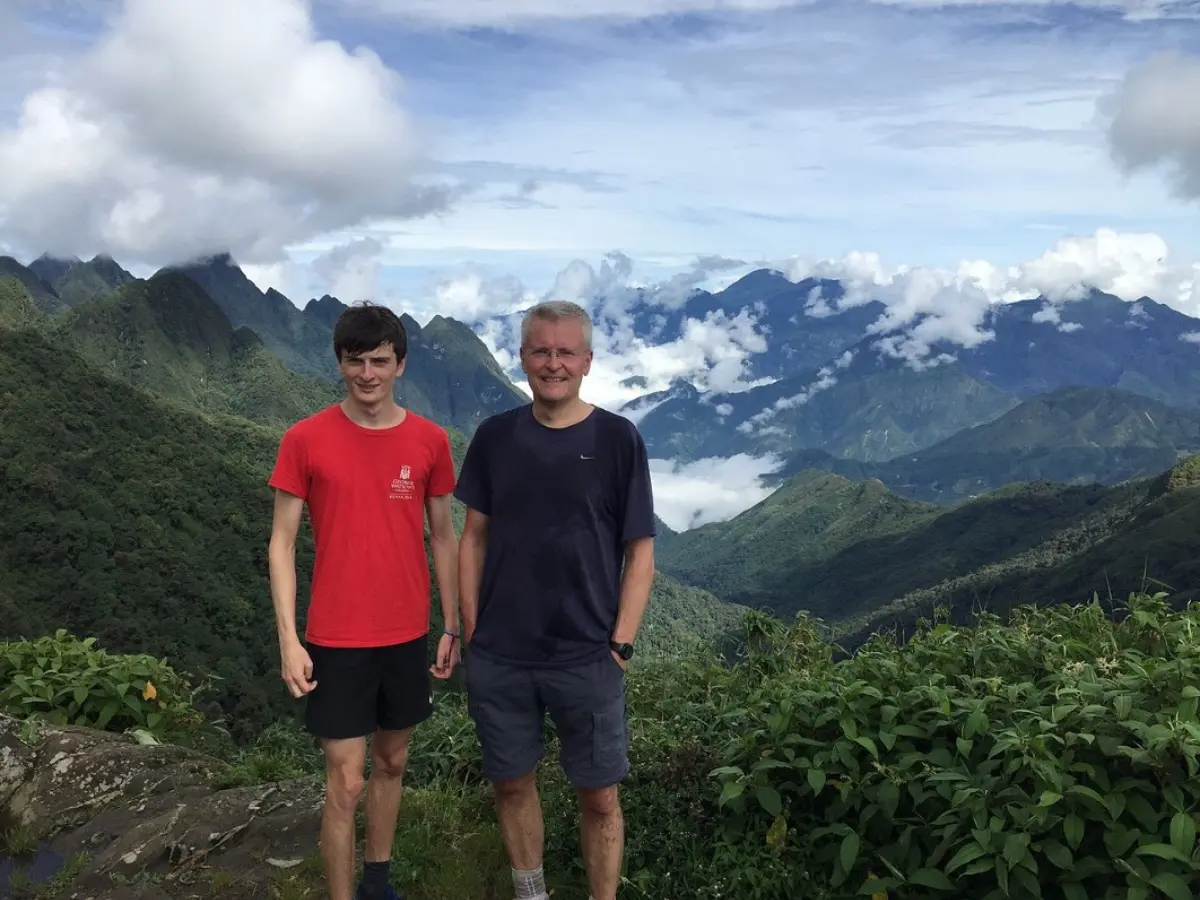 2D1N
2D1N
Mount Fansipan 2 Days Trek
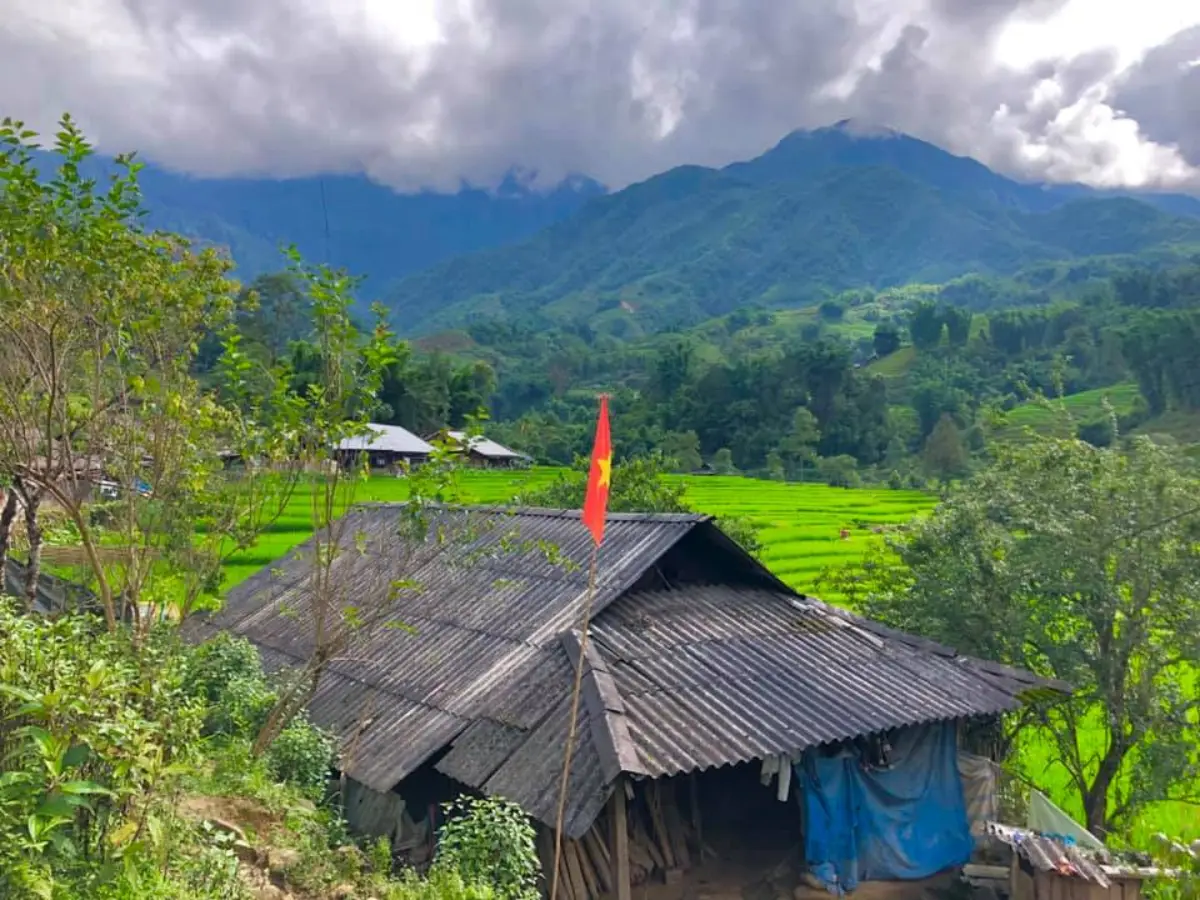
Overnight summit camp at 2,800m. Watch sunrise from Indochina's highest point.
 1 Day
1 Day
Trekking Through Rice Terraced Fields
Easy alternative to Fansipan — Ta Van village and Muong Hoa Valley terraces.
Rent at Our Office Before You Trek
 Gear Rental
Trekking Boots Rental
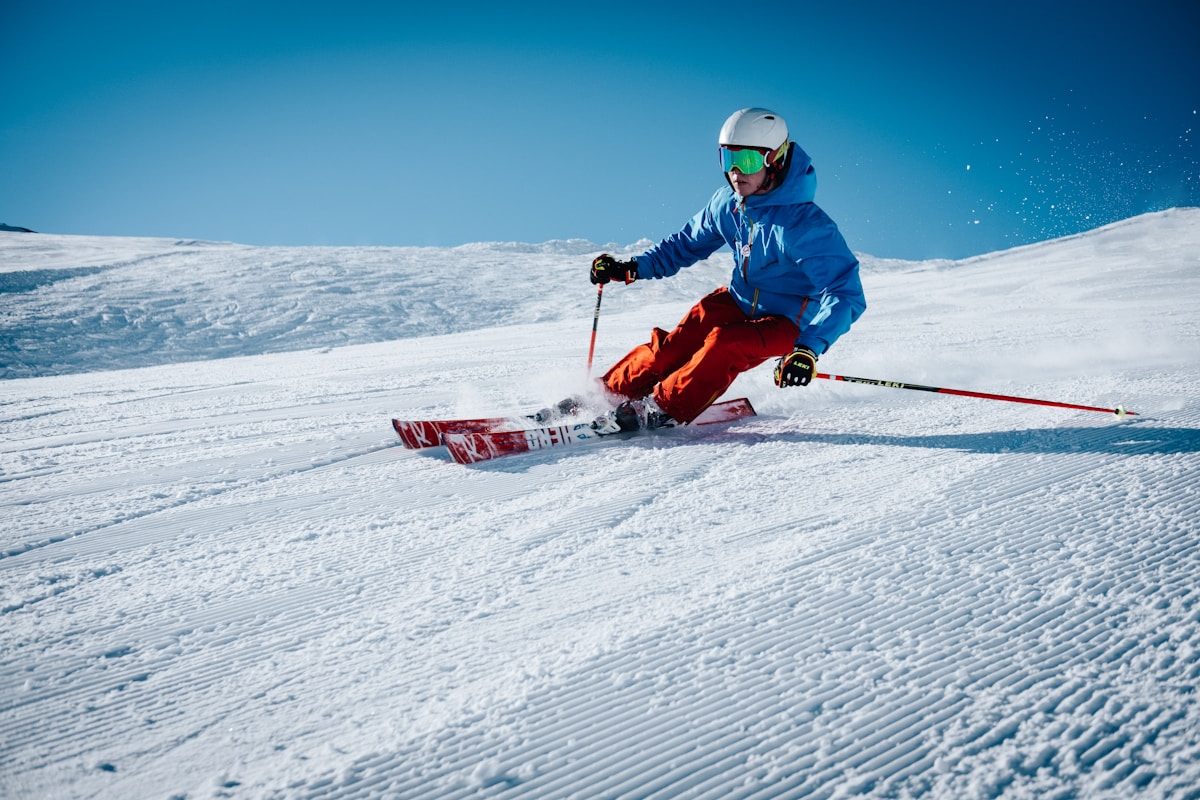
Waterproof ankle-support boots. Cleaned and checked before each rental. Available at 105 Thach Son Street.
 Gear Rental
Walking Poles Rental
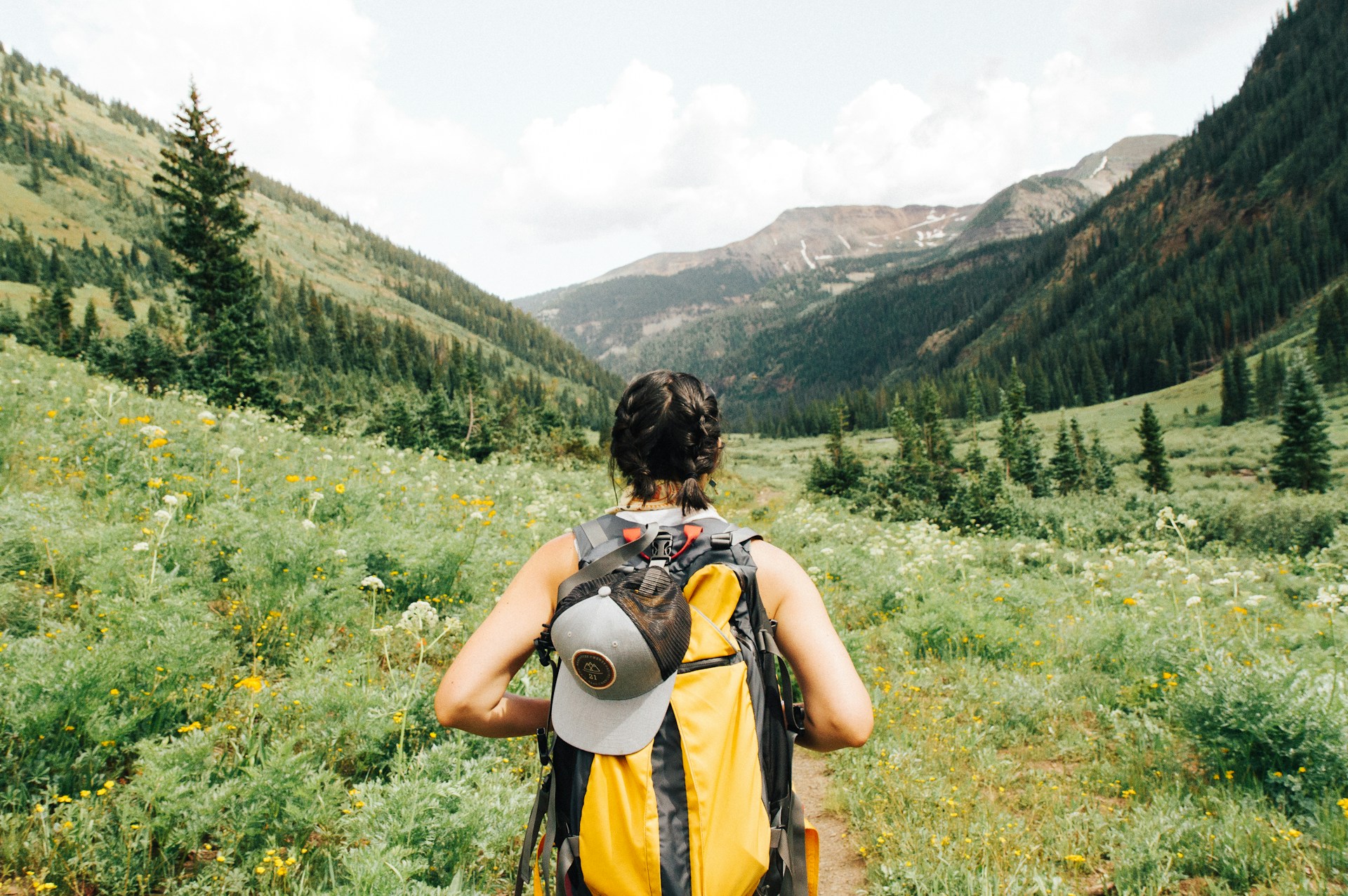
Trekking poles available to rent at $2/day at our office, 105 Thach Son Street. Essential for descents.
Frequently Asked Questions
November is the best month — the clearest skies, lowest rainfall, and good temperature (6-12°C summit). October and April are close seconds. All three offer the sea-of-clouds morning phenomenon consistently. November weekdays offer the best overall experience: excellent weather with lower crowd levels than weekends.
Snow is rare but not unknown — light snowfall has been recorded at the summit in January. More common is frost and ice on the upper trail above 2,800m during January-February nights. The steps near the summit shrine can be icy on winter mornings before the sun reaches the southern face. In most years, what appears to be snow is actually frost or rime ice on the vegetation near the summit.
Yes via cable car — the gondola runs in all but storm conditions. The views from the summit will likely be cloud rather than panorama, but many visitors find the misty atmosphere and the summit shrine dramatic regardless of visibility. Trekking in June-August is not recommended due to mud, leeches, and slippery trail conditions. The cable car is the right choice for this period.
Summit temperature is typically 8-12°C lower than Sapa town at the same time of day. If Sapa is 22°C, expect 10-14°C at the summit. In winter (December-February), summit temperatures of 2-5°C are normal. Wind chill on the exposed summit ridge pushes the felt temperature lower still. Always bring a windproof jacket regardless of season — it is needed at the summit even on warm valley days.
The cable car closes temporarily during sustained winds above 40km/h. This happens during typhoon-related storm systems (mainly August-October) and occasional winter storms in January-February. Temporary closures of this kind occur roughly 10-15 days per year in total. Check with the Sun World Fansipan Legend operator directly on the day of your visit — closures are announced the morning of.
A guided 1-day trek from the base takes 7-9 hours depending on pace and fitness level. The route ascends 1,643m vertically over approximately 14km. Most operators now offer a cable car descent option after the trekking ascent, which saves 3-4 hours and is the recommended approach for the 1-day format — it lets you experience the physical achievement of the ascent while arriving back in Sapa at a reasonable hour.