 Sinh Giang
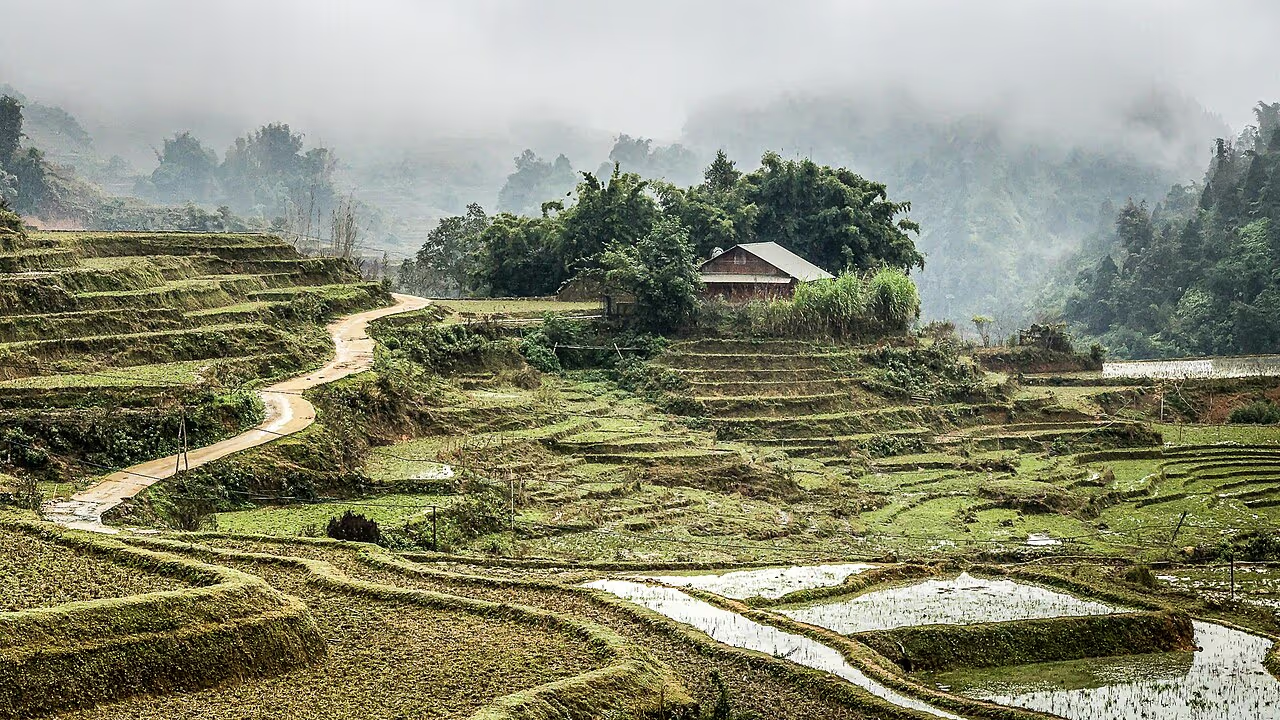
For most reasonably active travellers, Sapa trekking is moderate, not hard — the classic valley routes are long walks on uneven ground, not a technical climb. You do not need to be an athlete or own any special skills. What Sapa asks of you is the willingness to walk 8–15 km / 5–9 miles across a day on paths that go up, down, and often muddy, with a few steep sections you take slowly. Choose the right route for your fitness and it is genuinely achievable for people from their teens to their seventies. Choose Fansipan, and it becomes hard in a way you should respect.
I am Sinh Giang, and I match travellers to treks every day from our office at 105 Thach Son Street. The honest answer to "is Sapa trekking hard?" is "it depends entirely on which trek" — so below I break down exactly what each route demands, who each one suits, and how to read the difficulty ratings before you book. No route here is beyond an ordinary fit person who picks sensibly.
So, Is Sapa Trekking Hard or Not?
Sapa trekking sits at the "moderate" end of the scale for the routes most people do, and only becomes genuinely hard on the Fansipan summit climb. The difficulty comes from three things, none of them dramatic on their own: the distance, the up-and-down of the terrain, and the surface underfoot. Put together across a full day they will tire legs that are not used to walking, but they demand no climbing skill and no exceptional fitness.
Here is roughly how the main variables weigh on a standard valley day trek through Lao Chai and Ta Van — the trip most travellers are actually asking about:
Notice that the highest score is trail surface, not steepness or effort. That is the real character of Sapa trekking: the challenge is footing, not lung-busting climbs. The paths are earth and rock, they cross streams, and after rain they turn slick — which is precisely why we hand every trekker walking poles and recommend proper footwear. Get the footing sorted and the "hard" largely disappears.
The single thing that makes Sapa feel harder than it is: bad shoes. Smooth-soled trainers on a wet clay descent turn an easy path into a nervous shuffle. Grippy boots and a pair of poles change the whole day — both rent for $2 each at our office if you did not bring them.
How Much Climbing Is Involved?
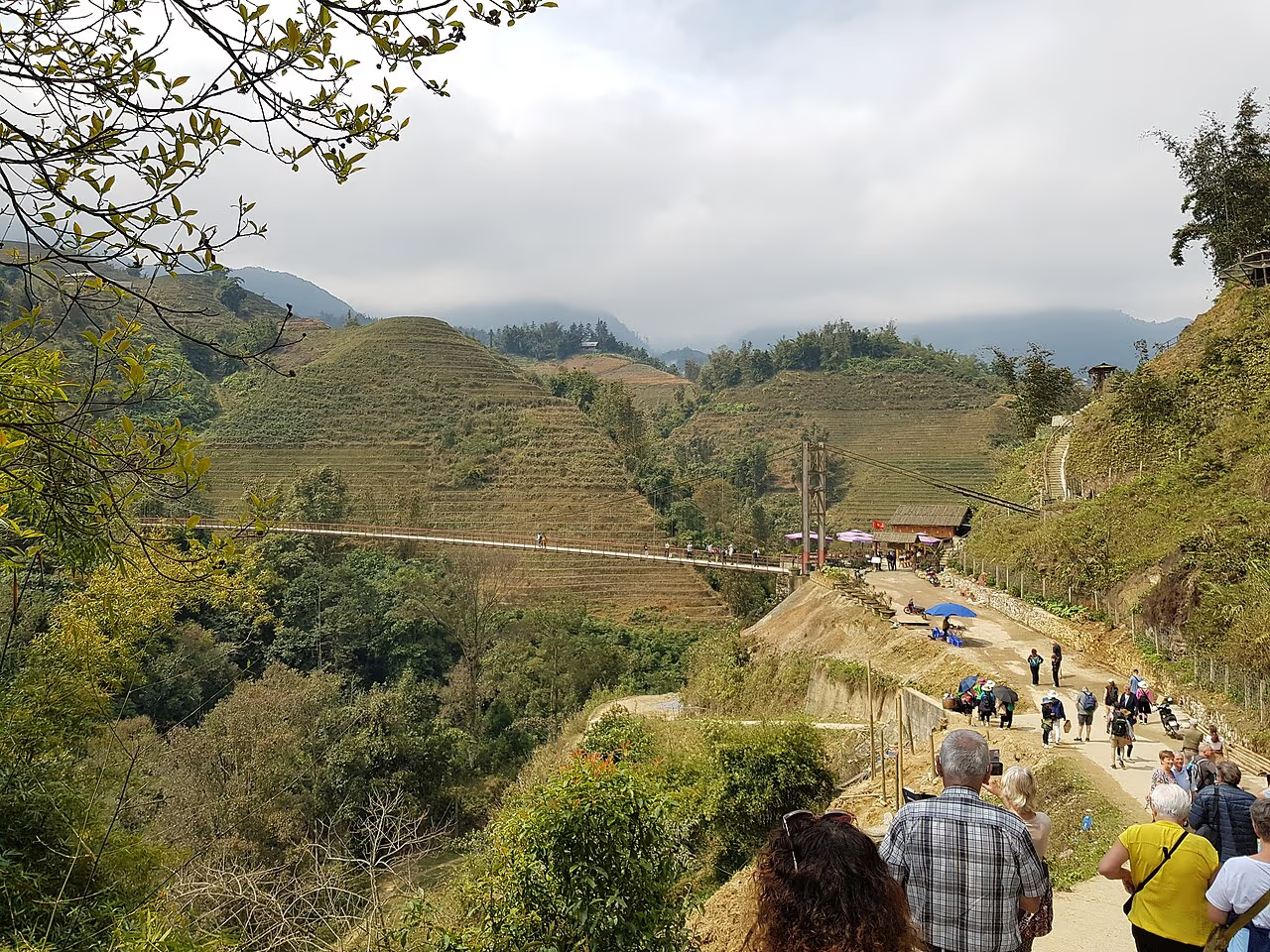
Less than most people fear — the valley treks lose and gain a few hundred metres across the day rather than climbing a mountain. You start in Sapa town at about 1,500 m / 4,900 ft and drop down into the Muong Hoa Valley, then undulate along the valley floor between villages before a transfer back up. The net elevation change on a classic day trek is gentle; it is the repeated small ups and downs, not one big ascent, that you feel. Here is the shape of a typical Lao Chai – Ta Van day:
Compare that with Fansipan, the "Roof of Indochina" at 3,143 m / 10,312 ft. Trekking the mountain on foot means climbing well over a kilometre of vertical in thin air over long hours, and that is a different animal entirely — properly hard, and only for fit, experienced walkers. Most travellers who want the summit take the cable car; the ones who trek it should train for it. If your question is "is Sapa hard," the answer swings almost entirely on whether you mean the valleys or the mountain.
Who Can Do It — and Who Should Pick an Easier Route?
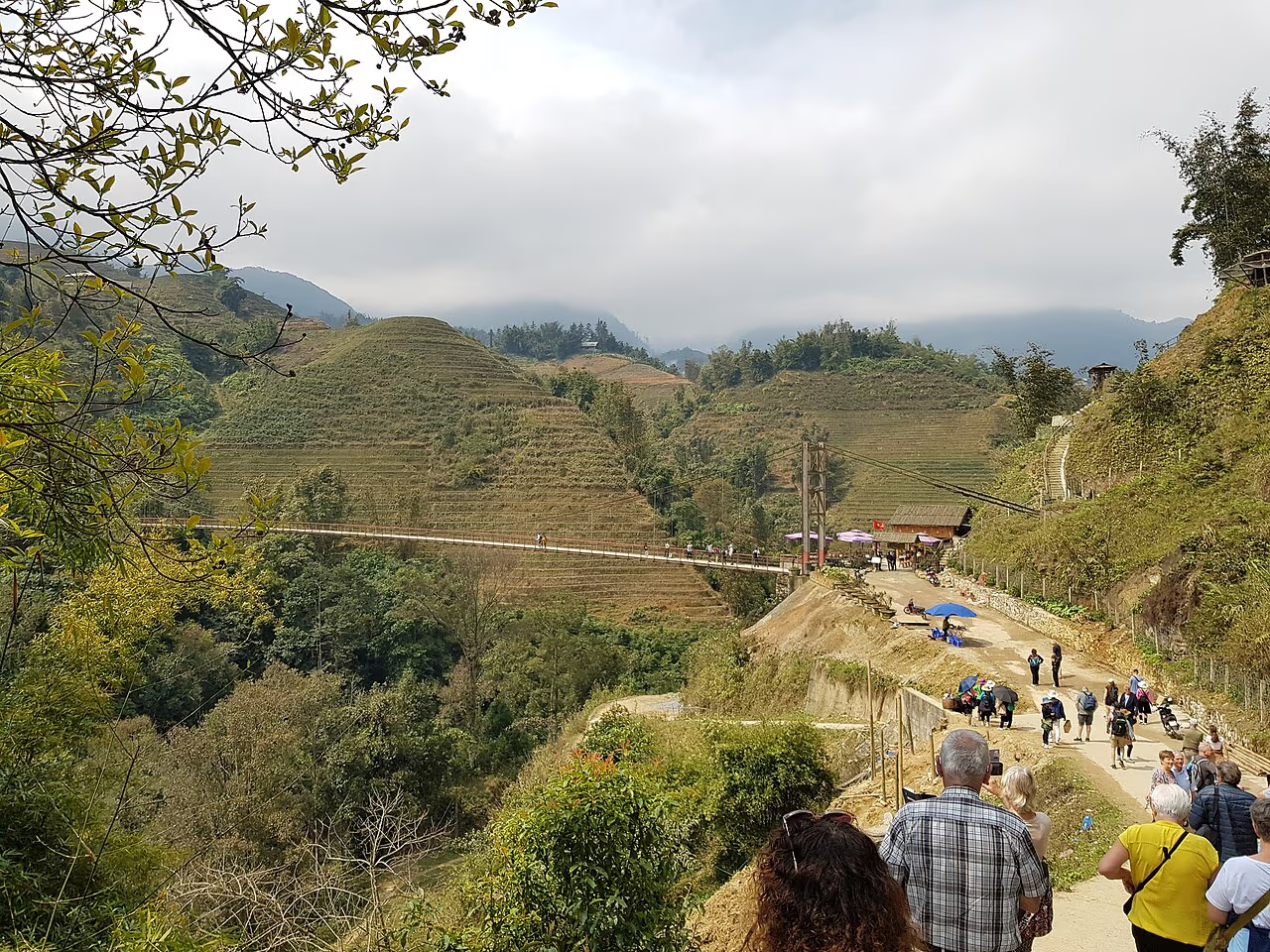
Almost anyone who can walk comfortably for a few hours can do a Sapa valley trek, provided they choose a route matched to their fitness. The mistake is not fitness — it is booking a route that does not fit. Here is the honest sorting we use when travellers ask us which trek to take:
A standard valley trek suits you if…
Choose an easier route or private tour if…
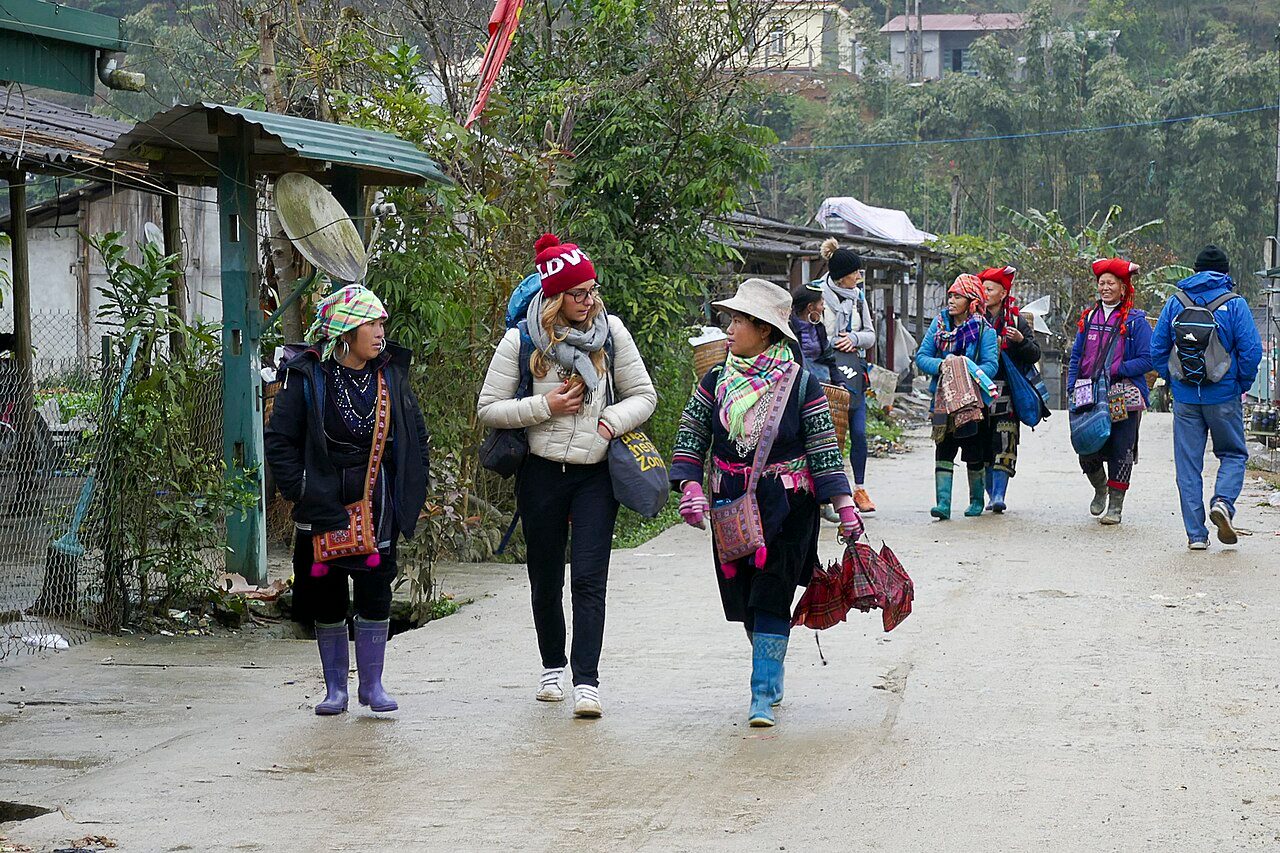
If you land in the right-hand column, do not write Sapa off — just pick the gentler option. Our Sapa Easy Trekking For Seniors route keeps to flatter, firmer paths and short distances, and any trek can be run as a private tour so you set the pace and stop when you like. We have taken travellers in their late seventies through the valley happily on the right route. The trek adapts to you; you do not have to be trek-fit to enjoy it.
Treks by How Hard You Want It
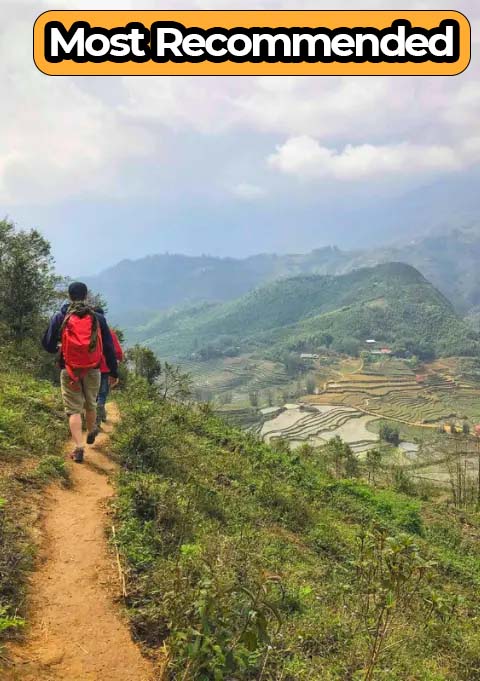
Sapa Easy Trekking For Seniors
Flat, unhurried paths and a private-tour option — the gentlest way to see the valley.
 Best Seller
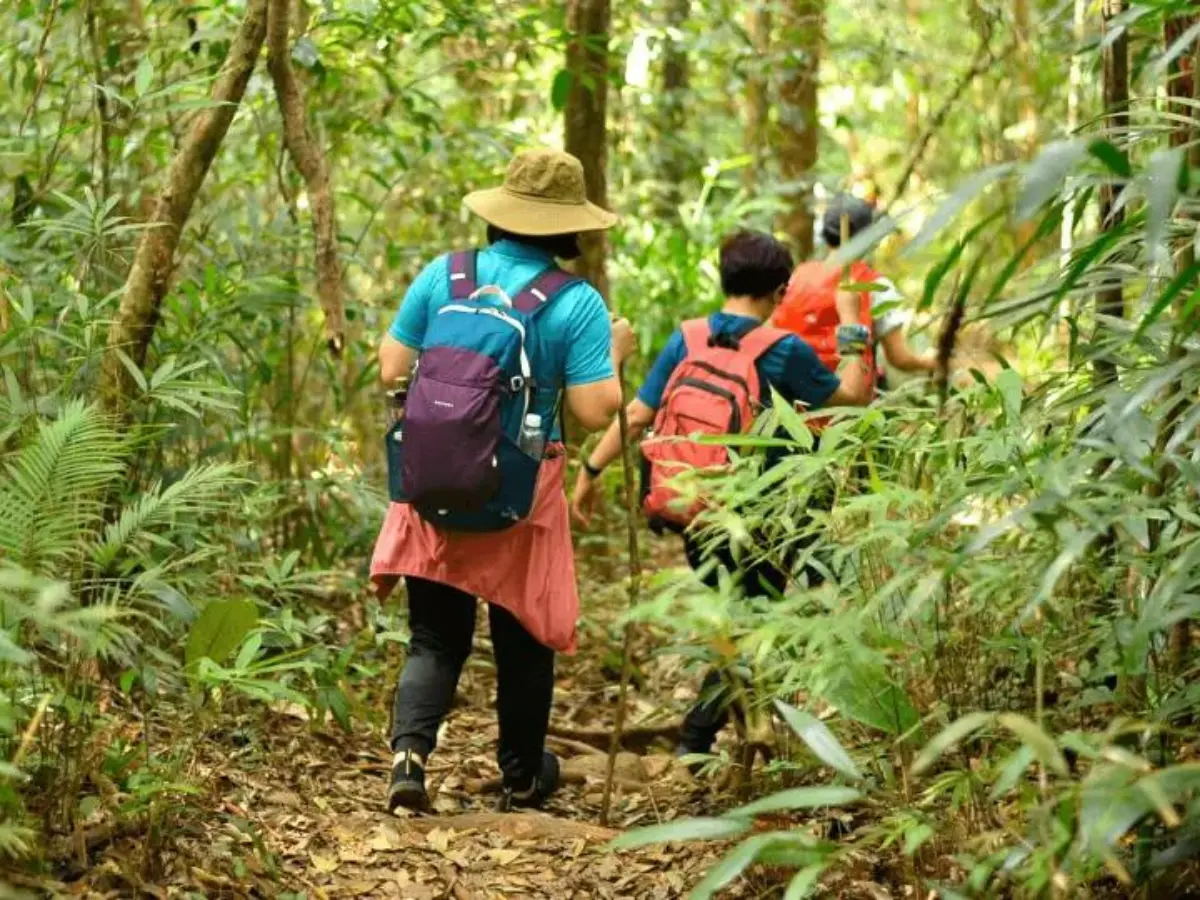
Trekking Through Rice Terraced Fields
Walk the Muong Hoa Valley floor through Lao Chai & Ta Van — our most-booked day trek.
 For the Fit
Fansipan Trek One Day Tour
The roof of Indochina at 3,143 m — a genuinely hard climb with a cable-car option down.
What Actually Makes a Day Feel Hard
The difficulty of a Sapa trek is set less by the map and more by four practical things you can largely control. Get these right and a "moderate" trek feels easy; get them wrong and an easy trek feels brutal.
Weather and mud. A dry-season valley trek and the same trek after a night of rain are two different days. Rain turns clay paths slippery and slows the descents, so the trail-surface score climbs. It is why we always send poles and why the green season, beautiful as it is, asks a little more of your footing. Your footwear. More travellers struggle from smooth soles than from unfit legs — grippy boots are the cheapest upgrade to your whole trip. The heat and humidity. Summer days are warm and sticky; you tire faster and need more water than you expect, so we build in shade stops and refills. Your pace. On a group trek you move with the group; on a private trek you move at yours. If you are unsure of your fitness, a private tour removes the pressure to keep up entirely.
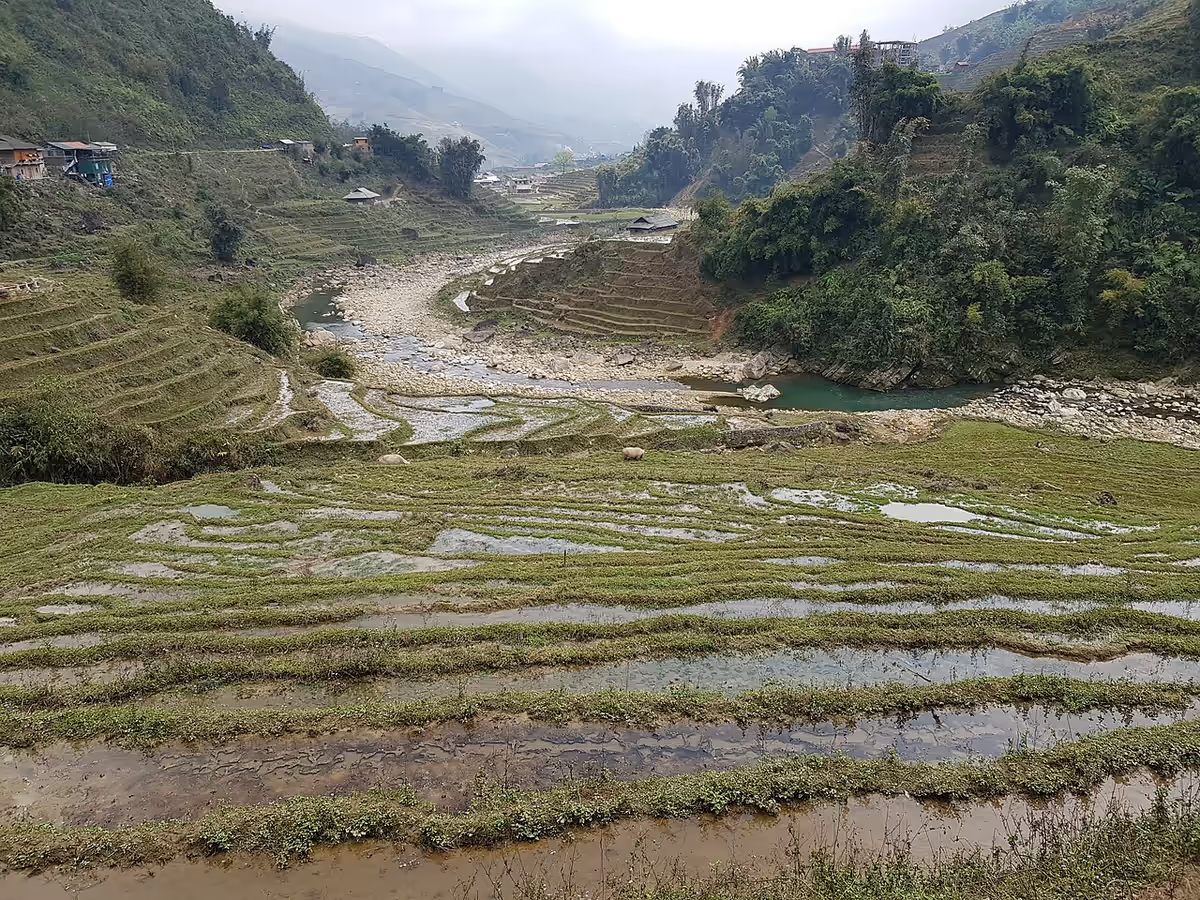
None of these is a reason to skip Sapa. They are simply the levers that decide whether your day feels like a pleasant long walk or a slog — and every one of them is something we plan around when you book. Tell us your fitness honestly and we will steer you to the route and the season that make it feel easy.
Rent at Our Office Before You Trek
 Gear Rental
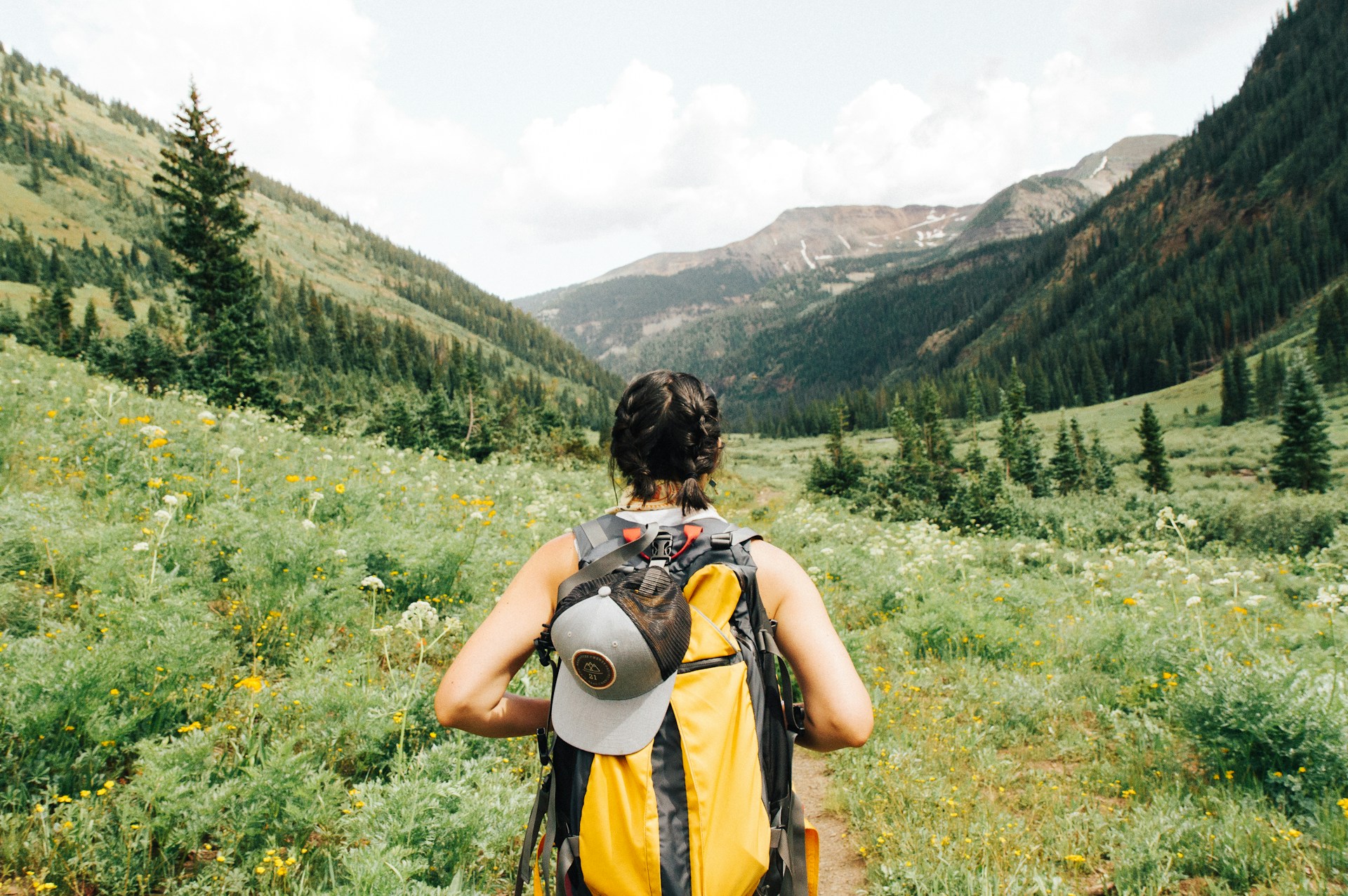
Trekking Boots Rental
Waterproof ankle-support boots. Cleaned and checked before each rental. Available at 105 Thach Son Street.
 Gear Rental
Walking Poles Rental
Trekking poles available to rent at $2/day at our office, 105 Thach Son Street. Essential for descents.
How Hard Is Each Sapa Trek? A Route-by-Route Guide
Difficulty in Sapa is really a question of which trek, so here is an honest route-by-route read on the ones travellers ask about most — from the gentlest valley stroll to the summit that earns its reputation.
Sapa Easy Trekking For Seniors (Very Easy). The gentlest we run. Short distances, flatter and firmer paths, frequent stops, and a pace set by you rather than a group. We keep it to the parts of the valley you can reach without steep, muddy descents, which is exactly what makes it work for older travellers, nervous knees, or anyone easing in. If your honest answer to "am I fit enough?" is "maybe not," this is your route.
Mountain Views and Villages Trek (Easy). A full, satisfying day on ridge and valley paths above Muong Hoa, through Y Linh Ho and Lao Chai, with big views and modest ups and downs. It walks longer than the seniors route but never asks for real climbing. Good first trek for a reasonably active traveller who wants scenery without a slog.
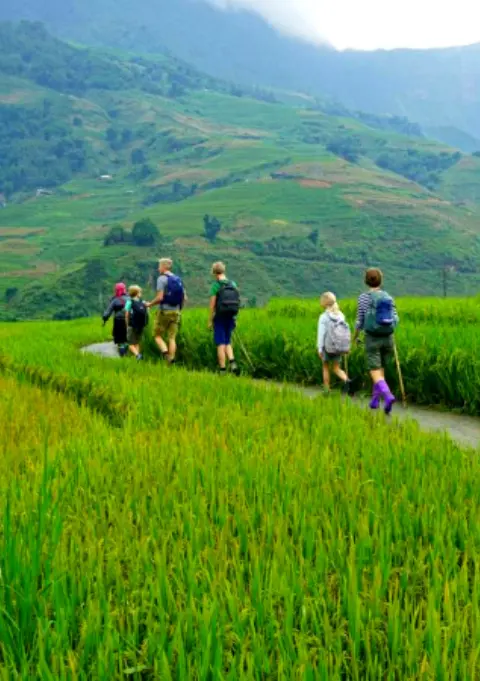
Trekking Through Rice Terraced Fields & Rice Paddies and Cultures (Easy). The classic Muong Hoa Valley days through Lao Chai and Ta Van — the trips most people picture when they think "Sapa trekking." Moderate distance, gentle net elevation, and the terrain scores highest for mud rather than steepness. With poles and boots these sit firmly in the easy-to-moderate band for anyone who walks a bit at home.
Two- and three-day treks with homestay (Moderate). The distance adds up across days and you carry a light daypack between villages, so stamina matters more than on a single day. None of it is technical, and the homestay night breaks the effort in two. Fit, active travellers find these the most rewarding — more valley, more villages, and the evening with a family that most remember best.
Fansipan summit trek (Difficult). The outlier. Trekking the 3,143 m peak on foot is a serious, long, steep climb in thin air and only for fit, experienced walkers who train for it. It is the one Sapa route where "hard" is the right word. Everyone else takes the cable car to the top and keeps their trekking to the valleys — no shame in it, and far more enjoyable for most.
From Gentle to Serious
Mountain Views and Villages Trek
Ridge paths above the valley through Y Linh Ho and Lao Chai — the cheapest full day out.
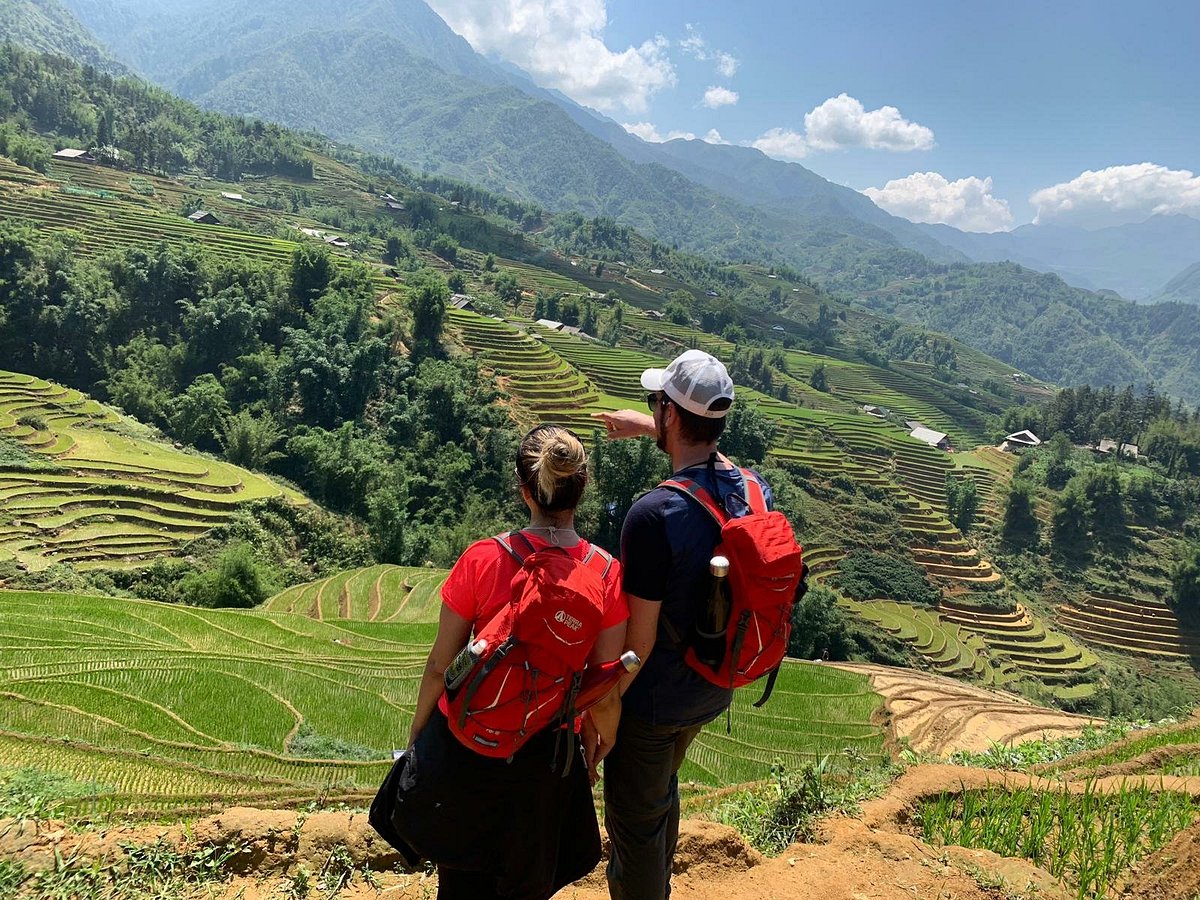
Rice Terraced Fields & Homestay
Overnight with a Black H'mong family in Ta Van — dinner, rice wine, terraces at dawn.
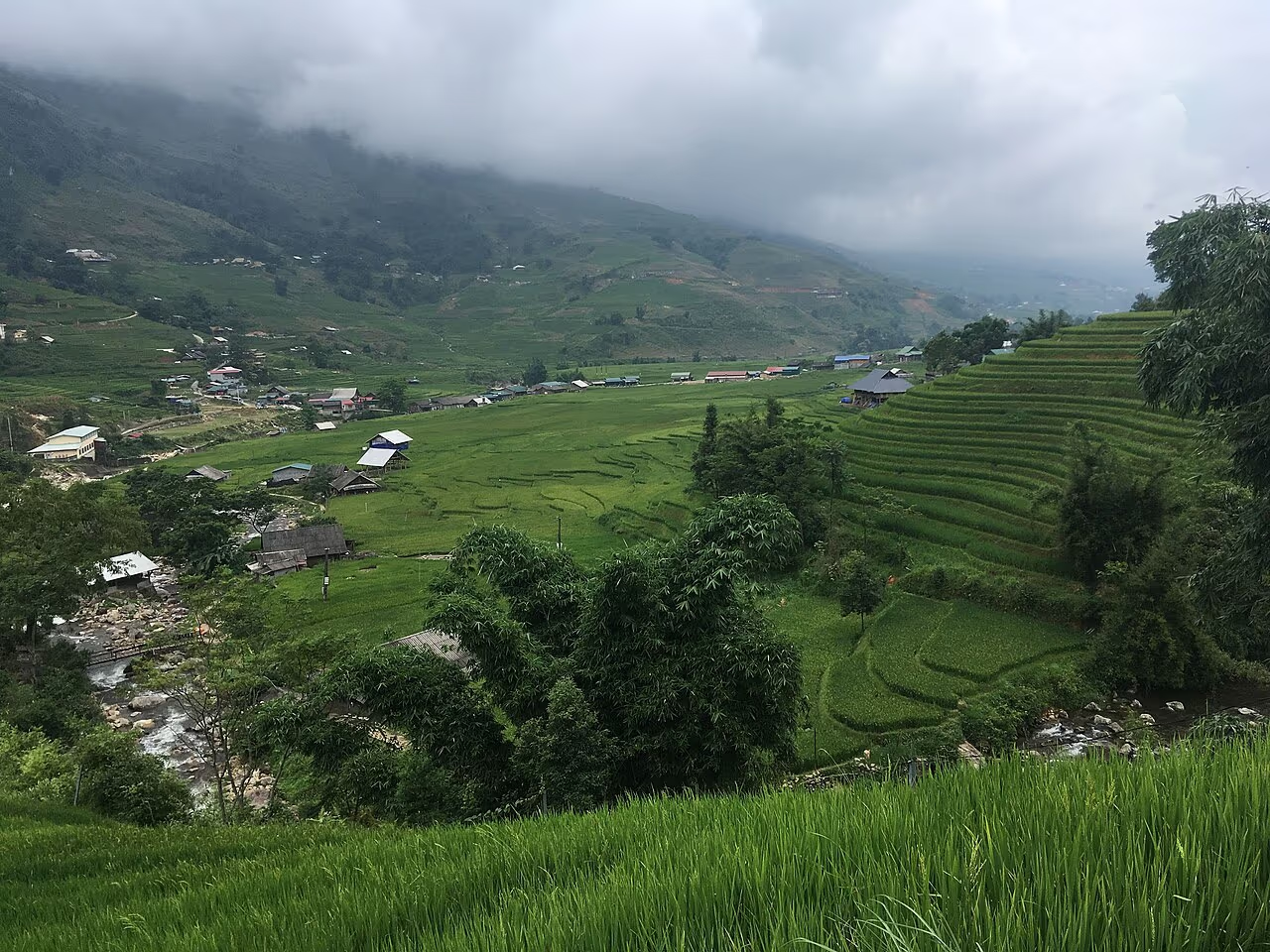
Experience The Real Sapa
Three days deep into the quieter valleys with two homestays — our signature slow trek.
How to Prepare So Your Trek Feels Easy
A little preparation turns a moderate Sapa trek into an easy one, and none of it requires a gym membership. The travellers who breeze through are rarely the fittest — they are the ones who arrived ready in a few small, practical ways.
Walk before you come. In the few weeks before your trip, build up to a couple of hours of walking with some hills or stairs. Your legs remember it, and the descents in Sapa stop being a surprise. Break in your shoes. If you are bringing your own boots, wear them enough that they are not stiff and blister-prone on day one; if you are renting ours, they are already worn in. Pack light and layer. A heavy pack makes any trek harder, so carry only water, a rain jacket and a layer — we can mind the rest. Hydrate and pace. The heat and humidity in the green season tire people faster than the walking does, so drink steadily and let your guide set an even pace rather than charging the first hill.
Do those four things and the difficulty ratings become almost academic. We have watched self-described "unfit" travellers finish a full valley day grinning, purely because they walked a bit beforehand and wore the right shoes. Preparation, not natural fitness, is what decides whether Sapa feels hard — and all of it is within anyone's reach.
Is Sapa Trekking Dangerous?
No — Sapa valley trekking is not dangerous when you go with a licensed local guide, which is exactly why we do not recommend walking the trails alone. The risks here are ordinary walking risks, not mountaineering ones: a slip on a wet descent, a rolled ankle on a rocky stretch, or losing the path where the trail forks between villages. None of them is serious with a guide who knows every turn, reads the weather, and picks the safe line across each stream and muddy slope.
The two things that turn a harmless trek risky are both avoidable. The first is poor footing — smooth soles on slick clay — which good boots and poles solve outright. The second is going without a guide and getting caught out when the mist rolls in around four o'clock and the paths all start to look the same. Our guides are Black H'mong who grew up in these villages; they have walked these trails their whole lives and they carry a phone signal and a plan for the weather. On a guided valley trek, the honest safety answer is that your biggest hazard is muddy trousers. Fansipan is a different, more serious undertaking — but for the valleys that nearly everyone comes to walk, safe is the accurate word.
How to Make Sure You Pick the Right Trek
The surest way to have an easy time in Sapa is to be honest about your fitness when you book, and let a local match you to the route. Difficulty ratings on a website only tell you so much — "moderate" means different things to a marathon runner and to someone who sits at a desk all week. When you message us, tell us how far you comfortably walk at home, whether descents bother your knees, who is in your group, and what you most want to see. From that we can tell you which of our treks will feel right, not just which one is technically "easy."
We also recommend booking at least two days ahead so we can arrange the right guide and, if the forecast turns wet, suggest swapping to a firmer route. Cancellation is free up to 7 days before you go and a date change is free with 48 hours' notice, so an early booking costs you little in flexibility. If you are weighing two routes and cannot decide, send us a message and we will reply within 5–10 minutes with a straight recommendation — including telling you if we think a gentler option would suit you better. We would rather you enjoy an easy trek than struggle through a hard one to prove a point.
Frequently Asked Questions
No — the classic Sapa valley treks are moderate and well within reach of a beginner who is reasonably active. You walk 8–15 km across a day on uneven, sometimes muddy ground, with no climbing skill needed. Wear grippy shoes, use walking poles, and pick a shorter route if you are unsure, and a first-timer manages it comfortably.
A typical Sapa day trek involves 3 to 5 hours of actual walking, spread across the day with stops for lunch, photos and village visits. Distances run about 8–15 km depending on the route. Easier routes sit at the lower end, and you can always take a private tour to go at your own pace with more breaks.
You need everyday fitness, not athletic fitness. If you can walk for a few hours with breaks and handle some hills, you can do a Sapa valley trek. Descents on muddy ground are the part that tests you most, which is why we provide poles. If you rarely walk far, choose a gentle route or a private tour and you will be fine.
Our Sapa Easy Trekking For Seniors route is the gentlest — flatter, firmer paths, shorter distances, and an unhurried pace. The Mountain Views and Villages and Rice Paddies day treks are also easy. Any of these can be run as a private tour for extra flexibility. The hardest by far is the Fansipan summit trek, which is only for fit, experienced walkers.
Yes — trekking Fansipan on foot is genuinely hard and in a different league from the valley treks. At 3,143 m it means climbing over a kilometre of vertical in thin air across long hours, and it suits only fit, experienced walkers who prepare for it. Most travellers who want the summit take the cable car instead and save their legs for the valley.
Grippy footwear is the single biggest thing — waterproof boots or shoes with good tread, because smooth soles on wet clay are what makes people struggle. Add walking poles for the descents, light layers you can adjust, and a rain jacket, since Sapa weather changes fast. Boots and poles both rent for $2 a day at our office if you did not pack them.