 Sinh Giang
No official source we could read says you must show travel insurance to enter Vietnam, but both the UK government and the US Centers for Disease Control tell visitors to have it, and for good reasons. A private hospital bill, an evacuation flight and a motorbike accident are the three costs that turn a good trip into a bad one, and a policy is how you stop any of them becoming your own debt. This guide explains what to look for, what usually is not covered, and what changes if you plan to trek in Sapa or ride a scooter.
We are a Sapa trekking company, not an insurer, and we do not sell or recommend a policy. What we can do is read the official travel advice and the published terms of a few providers, tell you what they say, and mark what we could not confirm. We checked the sources on 31 October 2026. Where a figure comes from a news article or an insurer’s web page and not from a legal text, we say so.
Key Takeaways
- The UK entry-requirements page for Vietnam does not mention insurance. The UK health page still says to have cover for local treatment and for unexpected medical evacuation, including an air ambulance (page current on 31 October 2026).
- The CDC (page reviewed 25 August 2026) says emergency care may not meet US standards, trauma centres are uncommon outside urban areas, and medical evacuation insurance can help.
- Riding a motorbike is where cover most often fails. You need both the 1968 international driving permit and your home licence, a fastened helmet, and third-party insurance, and one popular nomad plan excludes the cost of an accident where you were not properly licensed.
- For trekking, check the altitude limit. SafetyWing’s Essential plan does not cover activity at 4,500 m or higher; Fansipan, the highest point in Sapa, is 3,143 m.
- No source we read gave a Vietnam hospital or evacuation price. A jet air ambulance is quoted at S$5,000 to S$7,000 per flight hour in Singapore, so by our arithmetic a multi-hour flight reaches five figures in Singapore dollars.
The Short Answer: Do You Need Insurance?
You do not need it to cross the border, as far as the sources we read show, but you need it to travel safely, and the cheapest time to buy it is before you pay for your flights. The UK’s entry page tells British visitors they can come without a visa for up to 45 days and says nothing about insurance, while the UK health page says to make sure you have “appropriate travel insurance for local treatment or unexpected medical evacuation”. We could not open Vietnam’s own e-visa pages (the host failed a certificate check on our fetch), so we cannot say what its rules state. Our visa guide covers the entry side.
| Risk | Why it is expensive | What to look for |
|---|---|---|
| Hospital treatment | Private clinics bill foreigners directly; the UK says “medical bills can be expensive” | Full medical cover with a high limit |
| Evacuation | The CDC says trauma care is uncommon outside cities, so you may need transport to one | Evacuation by air ambulance, and a clear approval process |
| Motorbike accident | Many policies exclude it unless you hold the right licence and wear a helmet | Written cover for the engine size you will ride |
| Trekking injury | Cover often depends on altitude and on using marked paths | A stated altitude limit above your highest point |
| Cancelled trip or lost bag | Smaller bills, but they add up | Trip, baggage and delay cover, with receipts |
What the Governments Say
The two governments we could read are consistent: get cover, and make sure it matches what you plan to do. We could not read the US State Department page (it refused our request) or Australia’s Smartraveller page (it timed out), so the quotes below are from the UK and the CDC.
Cover medical bills, evacuation, repatriation
It says your policy should cover existing health conditions, an air ambulance to fly you home, full medical cover, repatriation of remains and repatriation of family if you must return because of illness or injury. It also says the British Embassy does not pay medical bills and cannot provide medical assistance.
Consider evacuation insurance
The CDC says to review your health plan for what it covers abroad and to consider travel health and medical evacuation insurance, because emergency care may not meet US standards and trauma centres are uncommon outside urban areas. It gives emergency numbers: 115 for an ambulance, 114 for fire and 113 for police.
The UK pages also tell you to contact your insurer quickly if you are referred to a medical facility for treatment, which matters because several policies require notice before major treatment. We found no figures for hospital stays or evacuations on any government page we read, so we cannot give you an official price.
Hospitals, Ambulances and Evacuation
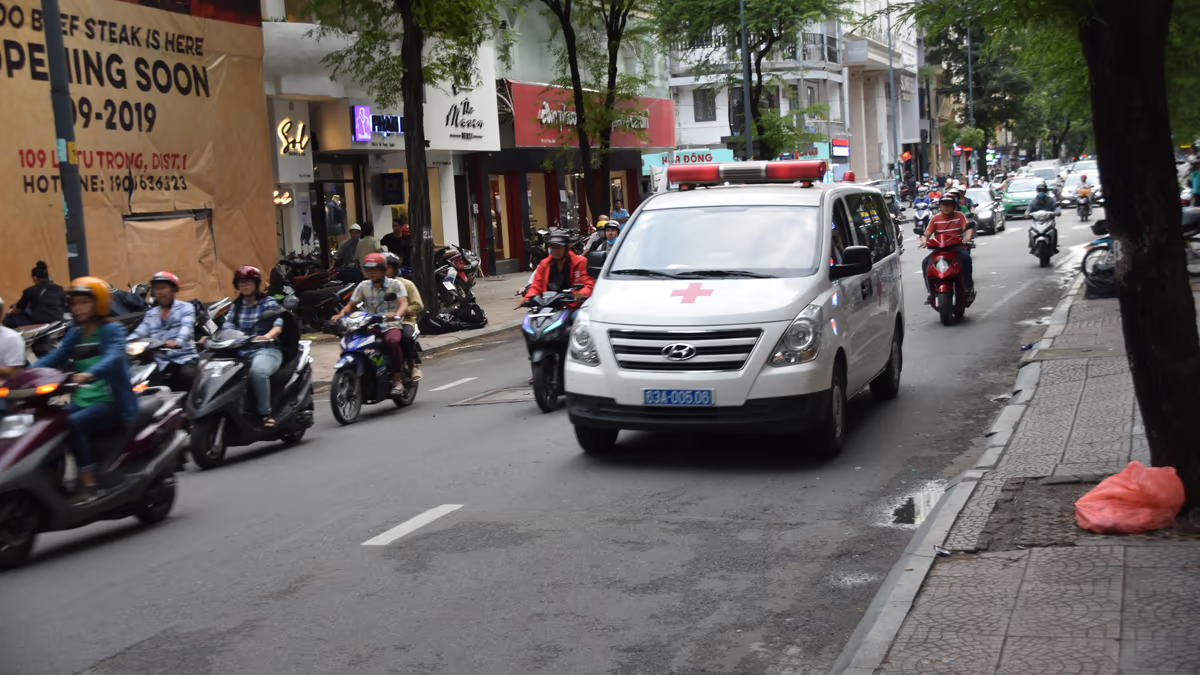
In a Vietnamese city you can usually reach a hospital quickly, but in the mountains the nearest good one can be far away, and the transfer is the expensive part. Dial 115 for an ambulance, as the UK and the CDC both say. The CDC adds that many foreign hospitals and clinics are accredited by Joint Commission International, so ask your insurer which facilities it already works with.
What an evacuation might cost
We found no published price for a flight out of Vietnam. The Singapore Medical Association says a jet air ambulance runs roughly S$5,000 to S$7,000 per flight hour, not including airport fees and other extras. That is a Singapore figure and only a benchmark, and flights from Vietnam to a hub such as Bangkok or Singapore are short, so the total depends on the plane, the crew and the fees. A scheduled airline with a stretcher is cheaper, but only if the patient is stable.
The Australian consulate in Ho Chi Minh City published a list of medical evacuation organisations in January 2026. It names providers in Ho Chi Minh City that can arrange flights to hubs such as Bangkok, Singapore and Darwin, including Family Medical Practice and Bangkok Hospital’s Skymed Asia Vietnam, which has a 24-hour hotline. We mention them because the first call in an emergency is normally to your insurer’s assistance line, and that line chooses the provider; we are not recommending any of them.
SafetyWing’s published terms say it “approves and coordinates the transport in advance”, and that on its Complete plan evacuation must be arranged in advance through the dashboard. If you pay for a flight yourself without approval, a claim can be refused. Read this clause in any policy you consider.
Rabies and bites
The CDC mentions evacuation insurance in connection with rabies, because treatment may not be available everywhere. Our Vietnam safety guide covers health risks in general, and the CDC page is the place to check vaccinations for your dates.
Motorbikes and Scooters: Where Cover Fails
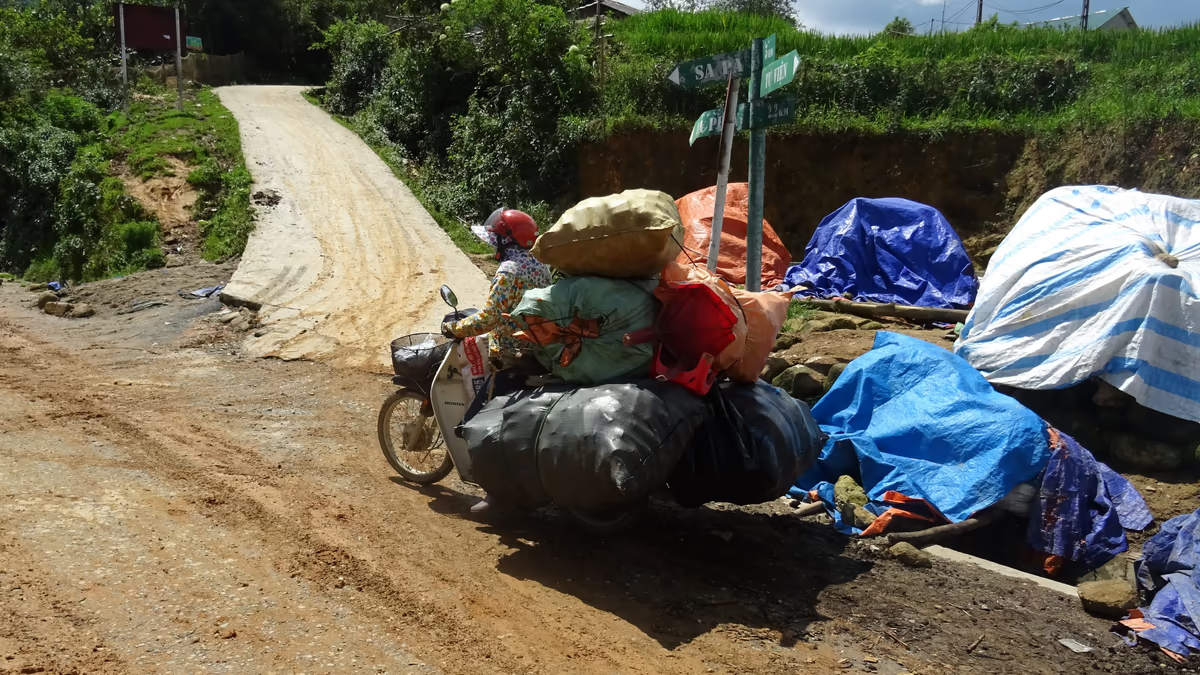
The surest way to void your insurance in Vietnam is to ride a motorbike without the right licence. The UK Foreign Office says: “Travelling by motorbike in Vietnam is much riskier than in the UK. Motorbike accidents are common and have killed and injured British nationals.” It also says you must carry both the 1968 version of the international driving permit and your home licence, that it is illegal to drive without third-party insurance, and to “make sure your travel insurance covers your planned activity”.
1968 permit plus home licence
The UK says you need both. The CDC says to get an International Driving Permit and carry it with your US licence at all times.
Required for rider and passenger
The UK says it is illegal for drivers and passengers to ride without one. Tuoi Tre and PLO reported on 2 November 2025 that the fine under Decree 168/2024 is 400,000 to 600,000 VND for each person.
Compulsory liability cover
The UK says it is illegal to drive without third-party insurance. Vietnamese news pages say the compulsory policy pays up to 150 million VND per person per accident for injury and costs 55,000 to 60,000 VND a year before VAT.
Those last Vietnamese figures come from news and advice pages and not from the decree itself, which we could not open. At 25,000 dong to the dollar, our own rate for rough sums, 150 million is about US$6,000. We also saw reports that the fine for riding without it is 200,000 to 300,000 VND since 1 January 2025, and one source says the Ministry of Finance is reviewing whether to drop the requirement for motorbikes, so check the current rule if it matters to you.
What insurers write about riding
SafetyWing’s published FAQ says it covers moped and scooter accidents “as long as you are properly licensed for the area where you are driving” and wearing a helmet. For the Essential plan, a bike larger than 50cc needs its Adventure Sports add-on. Its policy text excludes charges from an accident where you were not properly licensed, excludes drunk driving, and says personal liability is excluded for operating any vehicle. World Nomads lists motorbiking among its covered land activities but says not all activities are covered under every plan, and the pages we read gave no engine-size or licence terms.
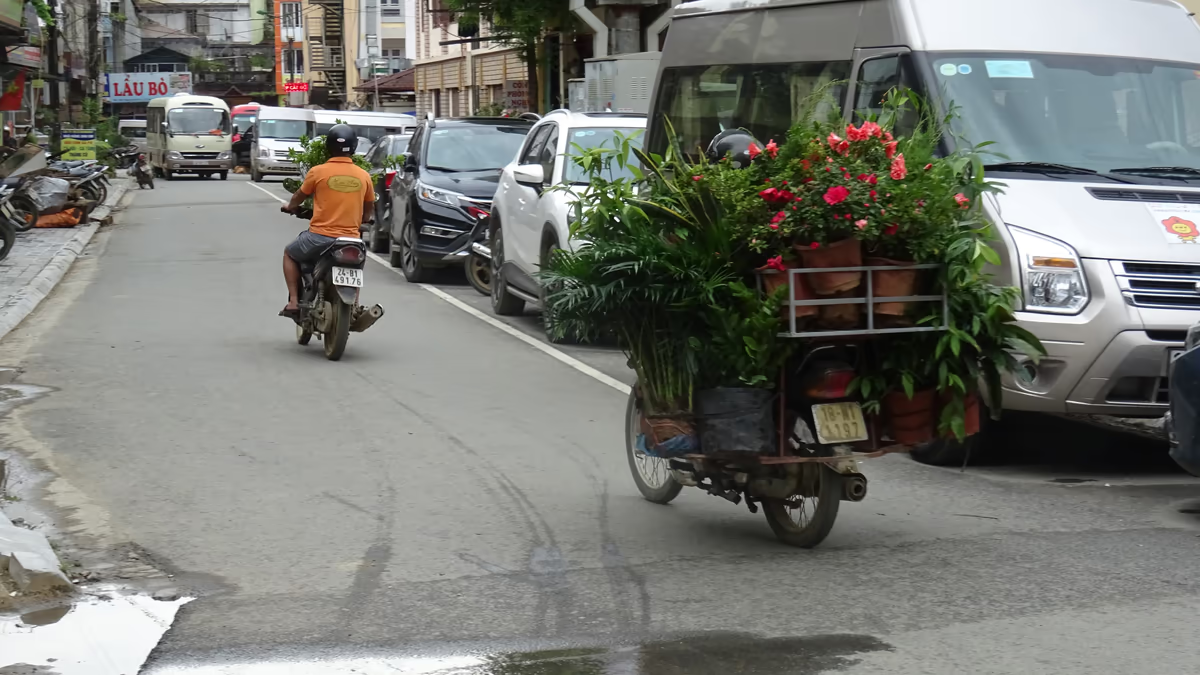
The practical lesson is that a rental shop’s paperwork is not insurance. The UK says to rent from a reputable organisation, never to hand your passport over as a guarantee, because shops can hold it against claimed damage. It also warns that foreign nationals in traffic accidents have been stopped from leaving Vietnam until police finish investigating and may face criminal charges or have to pay compensation, even for minor injuries. Our Hanoi to Sapa motorbike guide covers the ride itself.
Trekking, Altitude and Sapa
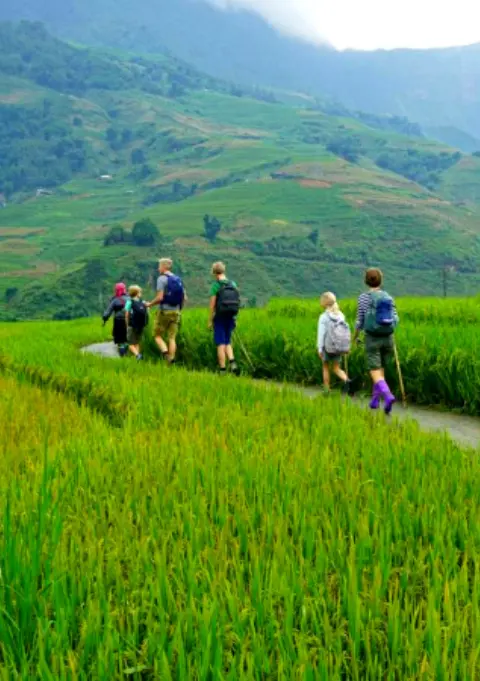
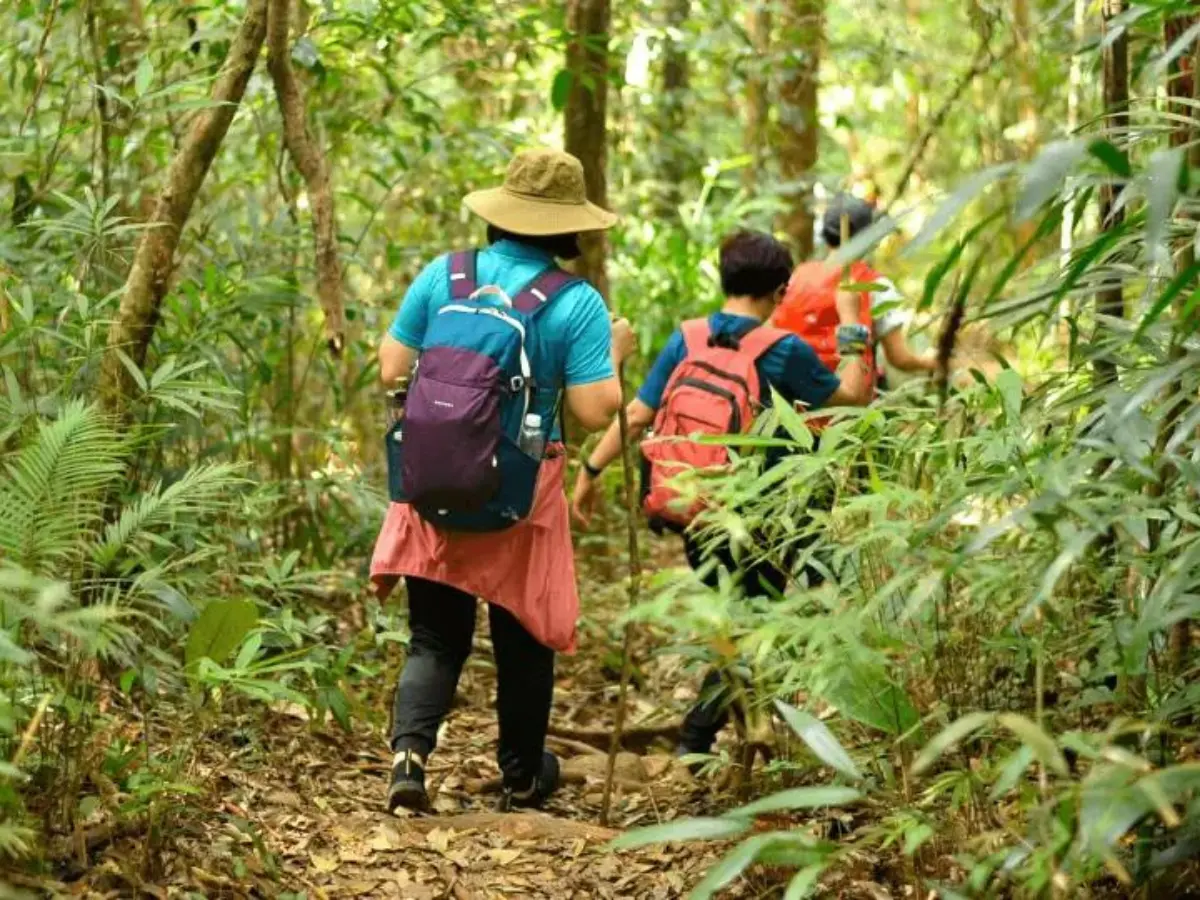
A guided day trek in the Muong Hoa Valley is gentle by hiking standards, but your policy may still ask about it, so say what you will do when you buy. The UK Foreign Office says British nationals have died or been injured in Vietnam in adventure tourism in rural and mountainous areas, and advises you to take a reputable guide, noting that in some places it is illegal to go without one. It says again to make sure your insurance covers your planned activity.
The altitude figures to compare
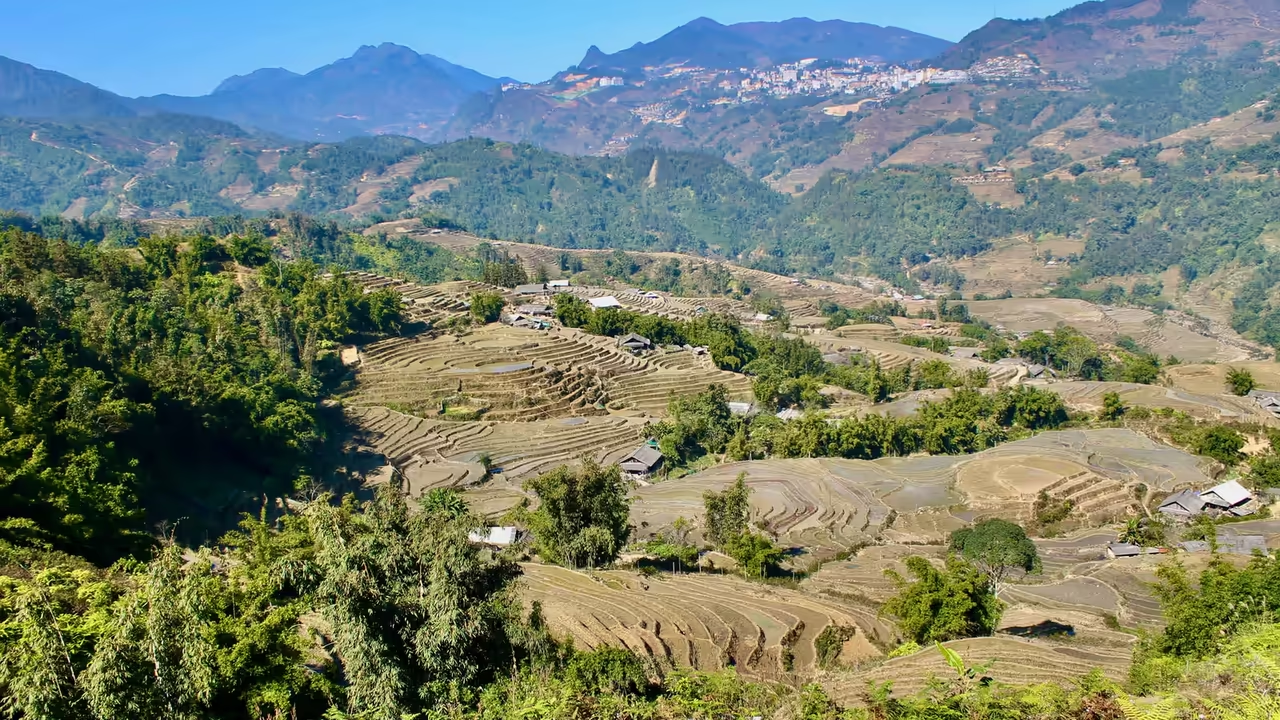
The highest point you will reach on a trek around Sapa town is far below the limits we found in published policies. Fansipan, the highest mountain in Indochina, is 3,143 m and is covered in our Fansipan guide; the valley villages sit much lower, and our altitude guide explains how altitude sickness may still appear. SafetyWing’s Essential description of coverage says any sport or activity at 4,500 m or higher is not covered, with an add-on that reaches 6,000 m. World Nomads, Allianz, AXA Partners and the UK consumer pages we read gave no altitude figure. The UK health page says altitude sickness is a risk in parts of Vietnam.
| Point | Figure | Source |
|---|---|---|
| Fansipan summit | 3,143 m | Our Fansipan guide |
| SafetyWing Essential, activity limit | Not covered at 4,500 m or higher | Description of coverage, 2026 |
| SafetyWing add-on | 4,500 m to 6,000 m, US$10 per 28 days | FAQ and policy, 2026 |
| World Nomads trekking | Listed as a land activity; no altitude figure on pages read | Activities page, undated |
Paths, guides and weather
SafetyWing’s terms say you are “only covered when using certified, official paths” and not when off-path or off-trail. That is one provider’s wording, but the point holds more widely: a guide who stays on the usual routes protects your claim as well as your ankles. Our safety guide and rainy-season guide explain when paths turn slick, and the packing list covers what to carry.
Sapa Treks With a Guide Who Knows the Paths
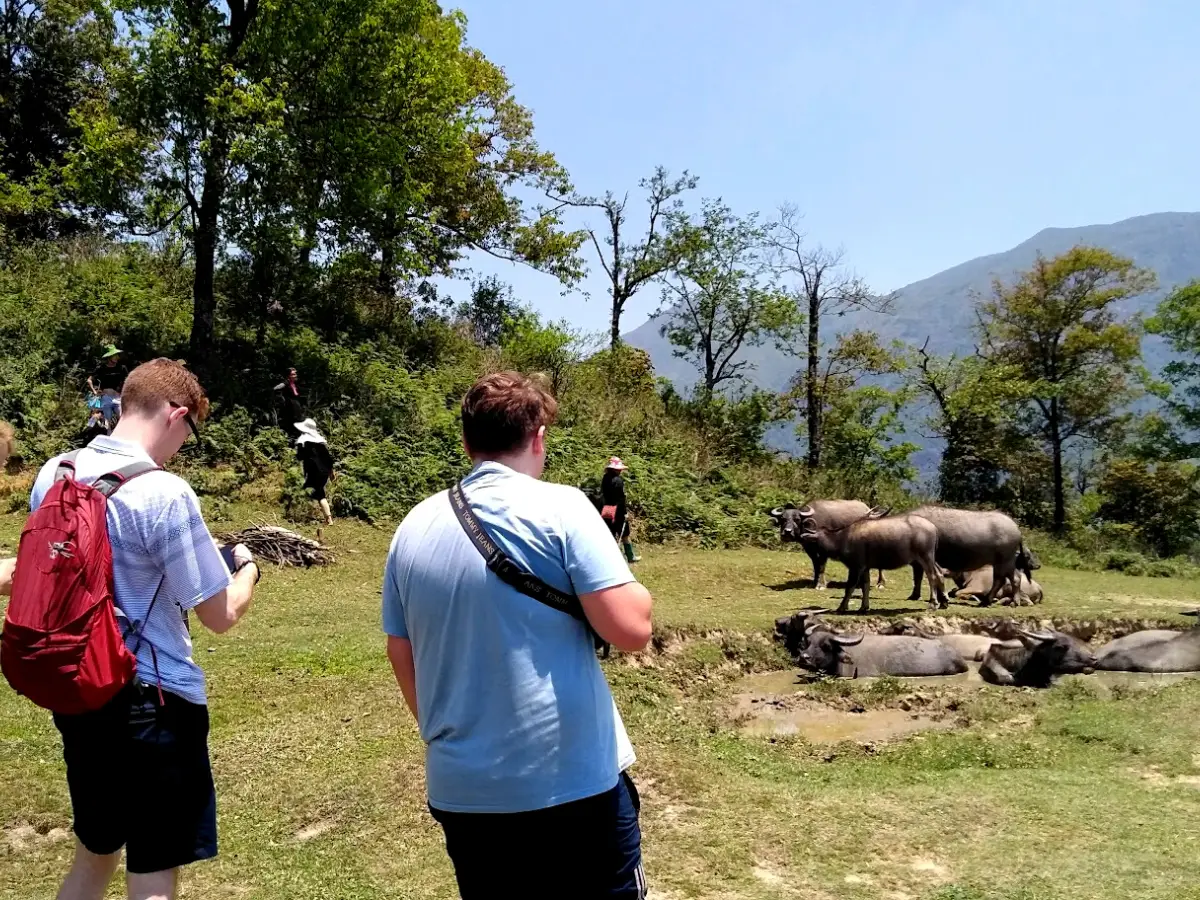 1-Day Trek
Trekking Through Rice Terraced Fields
Lao Chai to Ta Van with lunch at a family restaurant in Y Linh Ho.
 Homestay
Rice Terraced Fields & Homestay
Dinner and breakfast with a family in Ta Van, lunch on day one.
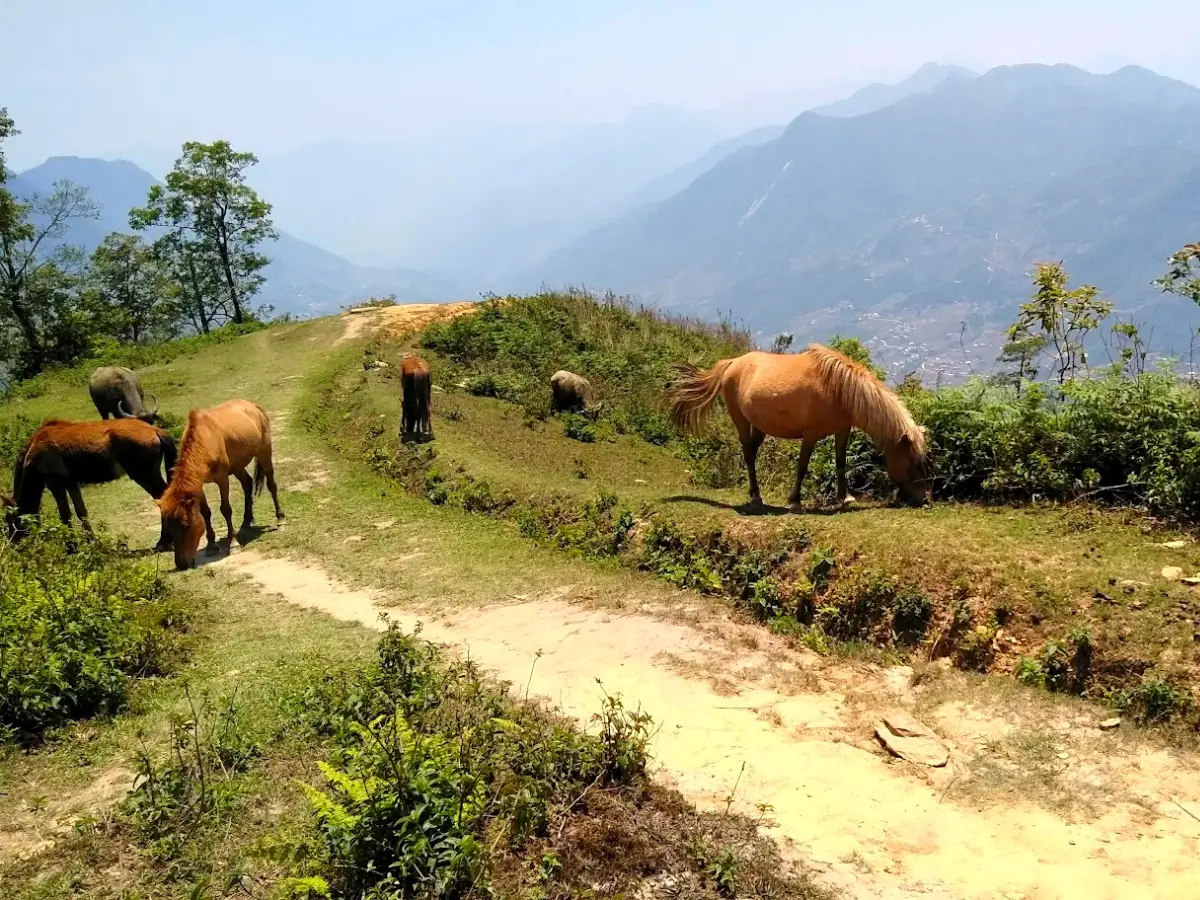 Local Favourite
Mountain Views and Villages Trek
Lunch at a restaurant run by local people in Hang Da village.
Seven Things to Check in a Policy
Compare policies on the same seven points, because headline prices hide the differences. This list is our own method, built from the terms we read, and not an official standard.
Medical limit and evacuation limit
Read both numbers and whether the evacuation is capped separately. SafetyWing Essential lists US$100,000 as a lifetime maximum for evacuation and says it does not cover search and rescue. World Nomads says benefit limits vary by plan.
Activities you will actually do
Match the list to your itinerary: trekking, scooters, cooking classes, rope-bike rides. Ask in writing if an activity is not named.
Altitude limit
Find the maximum metres and compare it with your highest point. Remember that the limit can differ between plan levels.
Motorbike terms
Look for licence, helmet, engine-size and alcohol clauses. If you will not ride, state that you do not need the cover, and do not ride anyway.
Pre-existing conditions
The UK says a policy should cover existing health conditions. World Nomads says it does not cover conditions that exist before you buy, with some exceptions; SafetyWing’s Essential page says it does not cover pre-existing conditions. Disclose honestly, because hidden conditions can void a claim.
Pay-and-claim or direct billing
SafetyWing says it is primarily a pay-and-claim plan, so you pay and then submit receipts. Ask whether the hospital can be billed directly in an emergency.
Claim deadline and notice rule
SafetyWing says to claim within 60 days of the end of cover, and to give notice of a hospital stay at the latest before you are discharged. Note both dates in your phone.
What Two Published Policies Actually Say
To show how much wording varies, here is what two providers publish, with the dates and limits we found. We chose them because their terms were readable on public pages, not because we rate them. Which? says on its insurance page that it may earn an affiliate commission and that its article does not constitute advice, so read independent comparisons with the same care.
| Topic | SafetyWing Essential | World Nomads |
|---|---|---|
| Evacuation | US$100,000 lifetime maximum; pre-approval needed | No dollar cap on pages read; limits vary by plan |
| Trekking and hiking | Listed; only on certified paths; not at 4,500 m or higher | Listed under land activities |
| Motorbike | If licensed and wearing a helmet; over 50cc needs add-on | Motorbiking listed; terms not on pages read |
| Pre-existing conditions | Plan page says not covered; policy text lists emergency treatment, so read it | Not covered, unless specific requirements are met |
| Claim steps | Pay, keep itemised invoices, claim within 60 days | Gather police reports, medical records, bills and receipts |
SafetyWing’s own text warns that if its description of coverage and its master policy disagree, the master policy controls, and World Nomads describes its pages as a brief summary. That is why the policy wording you receive after purchase is the document that counts, not the marketing page.
How a Claim Works in Practice
Most claims are won or lost on paperwork, so keep every document from the first day. The sequence below is built from the providers’ published steps, and your own insurer’s rules come first.
- First, contact the assistance lineTell your insurer as soon as you are referred to a facility, which is also what the UK health page advises. If an evacuation may be needed, get approval before you move.
- During treatmentAsk for itemised invoices and proof of payment. SafetyWing says it needs proof you paid the amount you claim, and that invoices should be itemised. Keep ambulance reports if you were taken by ambulance.
- If there was an accidentGet a police report where it applies. World Nomads tells claimants to gather documents such as police reports or medical records, and the UK warns that police can hold you in Vietnam until an investigation ends.
- AfterwardsSubmit the claim inside the deadline. SafetyWing gives 60 days from the end of the active period, and says each medical claim is checked for proof of payment and, when applicable, a police or ambulance report.
If Something Goes Wrong on a Trek
If you are hurt on a trek, the first minutes decide how the day goes, so know the steps before you leave. These are our general suggestions and not medical advice, and your guide’s instructions and local emergency services come first.
Stop, call, stay with the group
Tell your guide at once, and ask them to phone 115 if the injury is serious. Do not walk on alone, and keep your phone charged so a rescuer can reach you. Our trek cost guide explains what each tour includes.
Call your insurer before discharge
Give the policy number and the facility name, ask whether they can bill directly, and record the doctor’s name and diagnosis. SafetyWing says it must be told of a hospital stay at the latest before discharge.
Sapa is roughly 320 km from Hanoi by road, so serious injuries may mean a transfer to a larger city. We cannot give you a response time for any hospital or evacuation, because none has been published, and we do not guess. A good policy gives you an assistance line that works around the clock and names the nearest facility that can treat you.
Common Mistakes
The mistakes that cost the most are the same ones year after year. Avoid these and you avoid most disputes.
- Buying after leaving home. Many policies exclude conditions or events that existed before the start date; SafetyWing says anything you had before a new plan’s start date counts as pre-existing.
- Renting a scooter on a car licence alone. The UK says you need the 1968 permit and your home licence, and one insurer excludes accidents where you were not properly licensed.
- Assuming a guide’s company insures you. A tour operator’s liability is not the same as your own medical and evacuation cover; ask what each provides in writing.
- Leaving the path. SafetyWing excludes off-trail activity, so follow your guide’s route and do not go alone.
- Not keeping receipts. Photograph every bill and ambulance report the same day.
- Handing over your passport. The UK warns that rental shops can hold a passport against claimed damage; use a copy and a deposit instead.
For general safety, see is Vietnam safe, solo female travel and scams in Hanoi and Sapa. For budgeting the rest of the trip, read our Vietnam travel costs guide.
Sources and the Dates We Checked Them
We read these on 31 October 2026. We could not read the US State Department, Smartraveller or Vietnamese government pages, so rules that rest on them are marked as unverified in the text.
- UK Foreign Office, Vietnam health, page current on 31 October 2026.
- UK Foreign Office, Vietnam safety and security, same date. Motorbikes, permits, helmets, adventure tourism and accidents.
- UK Foreign Office, Vietnam entry requirements. No mention of insurance.
- US CDC, Vietnam traveller page, reviewed 25 August 2026.
- SafetyWing, description of coverage, FAQ; read 31 October 2026.
- World Nomads, activities and sports, undated.
- Which?, travel insurance, 23 June 2026; discloses an affiliate commission.
- Singapore Medical Association, air medical transport, December 2021, for the per-hour jet figure.
- Australian Consulate-General, medical evacuation organisations, January 2026.
- Tuoi Tre and PLO, helmet fines under Decree 168, 2 November 2025.
The Part We Do Sell
- Hanoi to Sapa transport — sleeper buses, limousines and the overnight train, bookable with your trek
- Hanoi to Sapa guide — what each option costs and how long it takes
- How to get to Sapa — the first leg, in detail
Rent at Our Office Before You Trek
 Gear Rental
Trekking Boots Rental
Waterproof ankle-support boots. Cleaned and checked before each rental. Available at 105 Thach Son Street.
 Gear Rental
Walking Poles Rental
Trekking poles available to rent at $2/day at our office, 105 Thach Son Street. Essential for descents.
Frequently Asked Questions
We found no source that says so. The UK entry-requirements page does not mention insurance, though we could not open Vietnam's own e-visa pages. The UK health page does say to have travel insurance for local treatment and unexpected medical evacuation, and the CDC advises considering medical evacuation insurance.
At least full medical cover, evacuation by air ambulance, repatriation, and the activities you will actually do. The UK says a policy should cover existing health conditions, an air ambulance, repatriation of remains and repatriation of family. Add trekking and motorbike cover if you plan them.
Sometimes, with conditions. SafetyWing's FAQ covers scooter accidents if you are properly licensed and wearing a helmet, and an Essential plan needs an add-on above 50cc. Its policy excludes charges from an accident where you were not properly licensed. The UK says you need the 1968 international driving permit and your home licence.
Usually, if the activity and altitude are within the policy. Fansipan is 3,143 m, below the 4,500 m limit SafetyWing Essential sets for any sport or activity. SafetyWing also says you are covered only on certified, official paths. World Nomads lists trekking and hiking but gave no altitude figure on the pages we read.
We found no published price for Vietnam. The Singapore Medical Association puts a jet air ambulance at roughly S$5,000 to S$7,000 per flight hour, excluding airport fees and extras, so a multi-hour flight reaches five figures. That is a benchmark from Singapore and not a quote, which is why evacuation cover matters.
Dial 115 for an ambulance, 114 for the fire department and 113 for the police, according to the CDC. The UK health page also says to dial 115. Call your insurer's assistance line as soon as you are referred to a medical facility.
Yes. World Nomads says it does not cover conditions that exist before you buy or extend a policy, with some exceptions, and SafetyWing's Essential page says it does not cover pre-existing conditions. The UK advises that your policy cover existing health conditions, so disclose them and read the wording.
Tell your guide at once, ask them to call 115 if the injury is serious, and stay with the group. At the hospital, contact your insurer before discharge, because SafetyWing says it must be told of a hospital stay at the latest before you are discharged. Keep itemised bills and any ambulance or police report.