
 Sinh Giang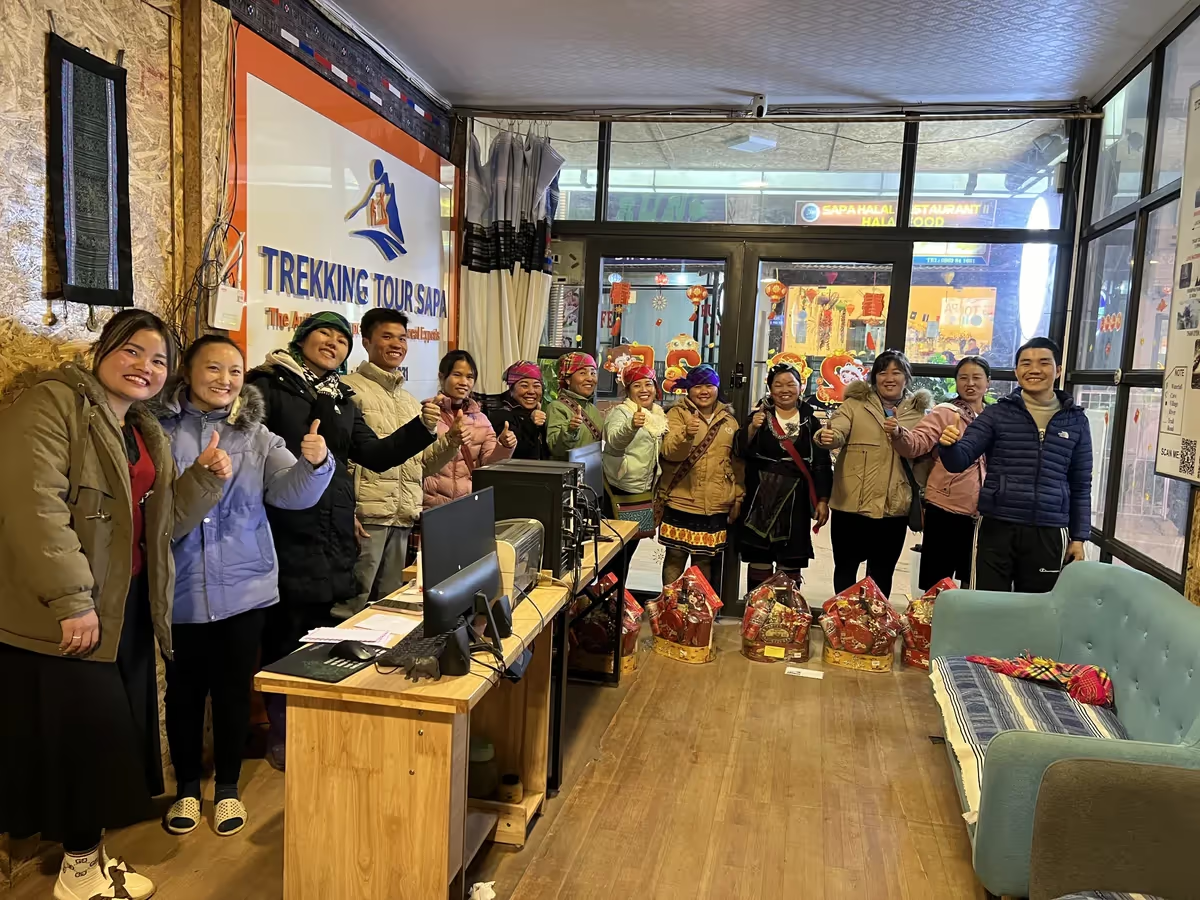
Is Sapa trekking safe? Yes — for the great majority of travelers, trekking in Sapa is a low-risk activity, and the honest risks are almost never the ones people worry about before they arrive. There is no dangerous wildlife on the valley trails, violent crime against tourists is very rare, and the routes most visitors walk — from Sapa town down through Lao Chai and Ta Van in Muong Hoa Valley — follow well-trodden paths past working rice terraces. The things that actually catch people out are ordinary and manageable: mud that turns slick after rain, weather that shifts in an hour, a stream that rises during a storm, and the simple mistake of walking off alone with no guide and no phone signal. Every one of those is handled by trekking with a licensed local guide, wearing the right shoes, and going in the morning. This guide walks through each real hazard honestly, rates how serious it is, and tells you exactly how our Black H'mong team keeps thousands of trekkers safe here every year — so you can decide, with clear eyes, whether Sapa trekking is right for you.
Is Sapa Trekking Safe? The Short Answer
Sapa trekking is safe for beginners, families, older travelers and solo visitors alike, provided you go with a guide and respect the weather. In more than a decade of leading treks through Muong Hoa Valley, the incidents we see are overwhelmingly minor — a slip in the mud, a rolled ankle, a blister, occasionally a stomach upset — and almost never anything that a first-aid kit, a phone call and a short motorbike ride cannot resolve. The numbers below are the ones we would want a friend to know before booking.
None of that means "nothing can go wrong" — trekking is an outdoor activity in a real mountain landscape, and pretending otherwise would be dishonest. But the gap between the imagined danger of Sapa and the reality on the ground is large. Most people who arrive nervous finish their first day wondering what they were worried about. The rest of this article is about closing that gap with specifics rather than reassurance.
The Real Trail Hazards in Sapa (And How Serious They Are)
The genuine risks of Sapa trekking are environmental, not human or animal — footing, water and weather, in that order. Here is how we rate each one, based on how often it actually causes a problem for the travelers we guide. The longer the bar, the more attention that hazard deserves from you on the trail.
Slippery mud and rice terraces
This is the number one cause of trips and falls in Sapa, by a wide margin. The clay soil of Muong Hoa Valley becomes genuinely slick after rain, and the narrow bunds between rice terraces near Lao Chai and Ta Van are the trickiest footing on the whole route — a few centimeters wide, with a drop into the paddy on either side. Falls are almost always low-consequence (a muddy backside, a wet shoe), but a badly placed foot can twist an ankle. The fixes are simple: proper grippy shoes or boots, a pair of walking poles for balance, and a guide who chooses the drier line and slows the group on the exposed sections. We hand out poles at our office before every trek for exactly this reason.
Sudden weather and mountain rain
Sapa sits at around 1,500 meters, and its weather changes faster than most first-time visitors expect. A clear morning can cloud over by noon, and a warm valley floor can feel cold once the mist rolls in over the terraces. The risk is less about danger and more about being caught unprepared — wet, chilled and demoralized. A packable rain jacket, a warm layer even in summer, and a guide who reads the sky and adjusts the route are all it takes. On the rare days the weather turns genuinely bad, we shorten or reschedule rather than push on, because no view is worth a group strung out on slick ground in a downpour.
Swollen streams and river crossings
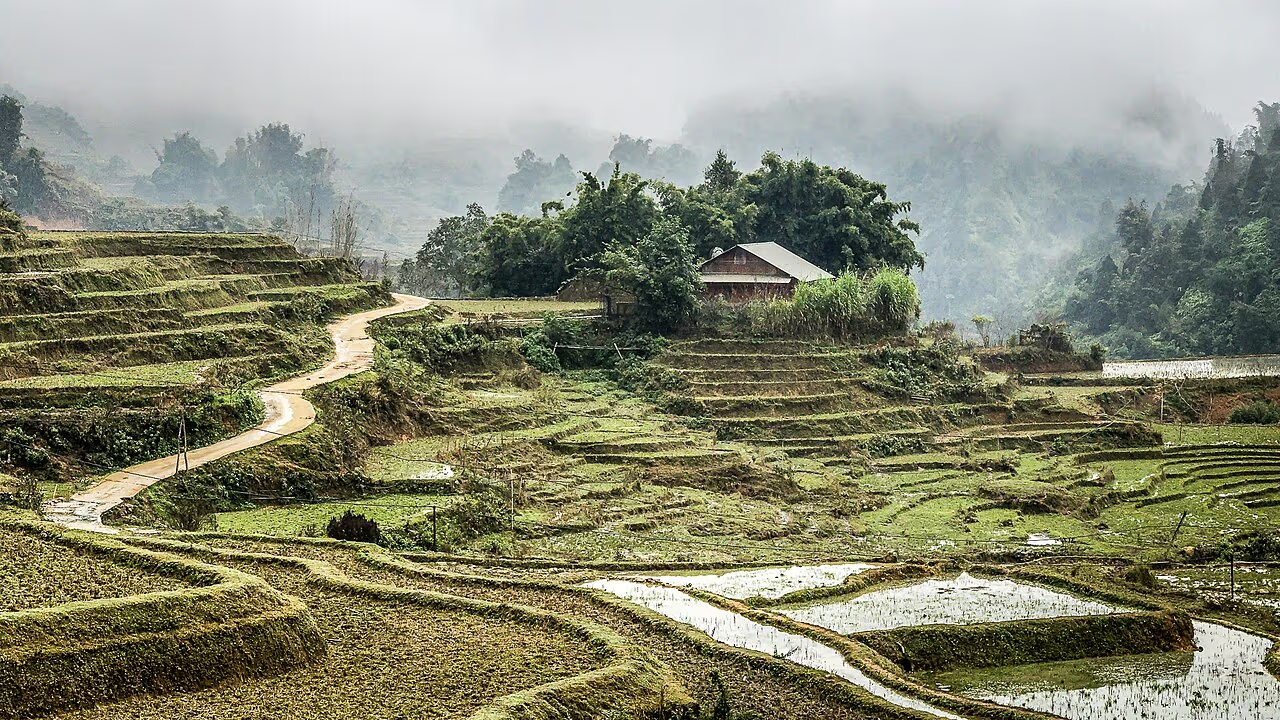
A handful of routes — particularly the longer treks toward Giang Ta Chai, Su Pan and the more remote reaches beyond Ta Van — cross streams on stepping stones or simple footbridges. In dry conditions these are trivial. During and just after heavy rain, in the May-to-September wet season, the same crossings can rise quickly and run fast. This is precisely the kind of local, day-by-day judgment a guide from the valley provides: they know which crossing is fine that morning and which one means taking a longer, higher path instead. Unguided trekkers who force a crossing in high water are taking the most avoidable serious risk in Sapa.
Getting lost without a guide
The trails through Muong Hoa Valley are a web of farming paths, buffalo tracks and shortcuts that fork every few hundred meters and are almost entirely unsigned. Phone maps are unreliable off the main road, and mobile signal comes and goes. Every season, a few independent trekkers end up badly off-route, sometimes into the evening. It is rarely dangerous in itself — but it turns an easy day into a stressful one, and combined with rain or darkness it is how minor situations become real ones. A guide removes this risk entirely, which is why we treat it as the most avoidable hazard on the list.
If you take one thing from this guide, make it this: the difference between a safe Sapa trek and a risky one is almost never the trail itself — it is whether you are with someone who knows it. A local guide is not an upsell here; it is the safety equipment.
The Easiest Way to Trek Safely: Go With a Local Guide
 Best Seller
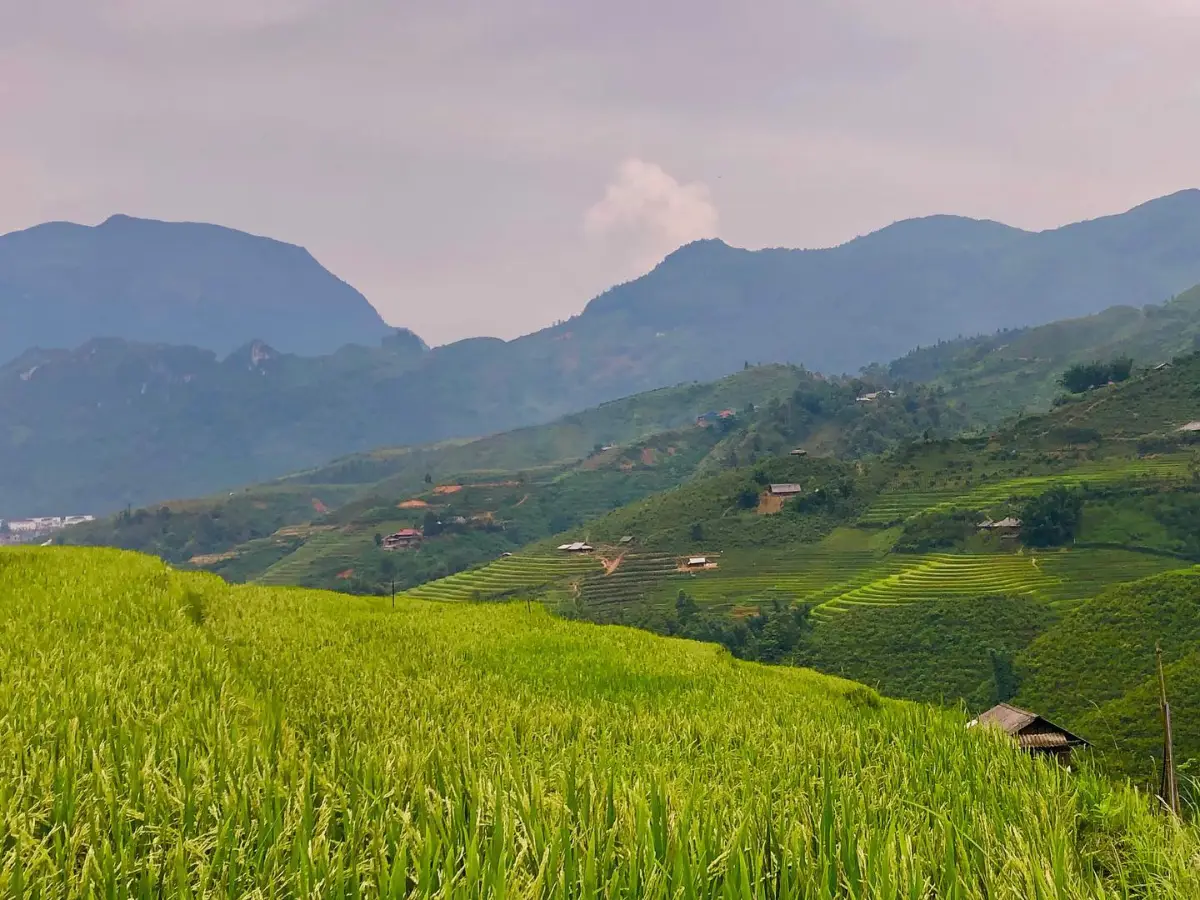
Trekking Through Rice Terraced Fields
1 Day Max 12
 Gentle Pace
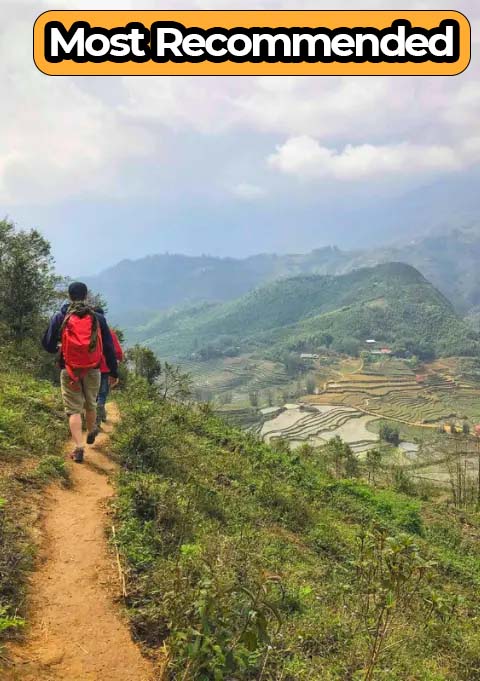
Sapa Easy Trekking For Seniors
1 Day Max 12
Mountain Views and Villages Trek
1 Day Max 12
Do You Need a Guide to Trek Safely in Sapa?
For anything beyond the paved, ticketed path to Cat Cat Village, yes — a licensed local guide is the most important safety decision you will make in Sapa. This is not a sales line dressed up as advice; it is the consistent lesson from every year of trekking here. The valley routes are unsigned and constantly forking, the surface changes with the weather, and help is not a phone-tap away when the signal drops. A guide who grew up in Lao Chai or Ta Van solves all three at once.
What a guide actually does for your safety is easy to underrate until you are on the trail. They set a sustainable pace so nobody overheats or falls behind; they read the day's conditions and pick the drier, safer line through the terraces; they know which stream crossing is fine and which to route around; they carry a phone and know exactly who to call and where the nearest motorbike track is; and they speak both Vietnamese and the local H'mong or Red Dao dialect, so if you need help from a village, it comes instantly. On the shorter, gentler trails you could technically manage without all of that — but "technically possible" and "sensible" are different things, and the cost of a guide is small against what they prevent.
The one place a guide genuinely is not required is Cat Cat Village itself: it is paved, signed, walkable in ordinary shoes, and busy enough that you are never truly alone. For everything deeper into Muong Hoa Valley — Y Linh Ho, Lao Chai, Ta Van, Giang Ta Chai, Ta Phin, Hau Thao — treat a guide as standard equipment.
Are Sapa's Trekking Guides Licensed and Trained?
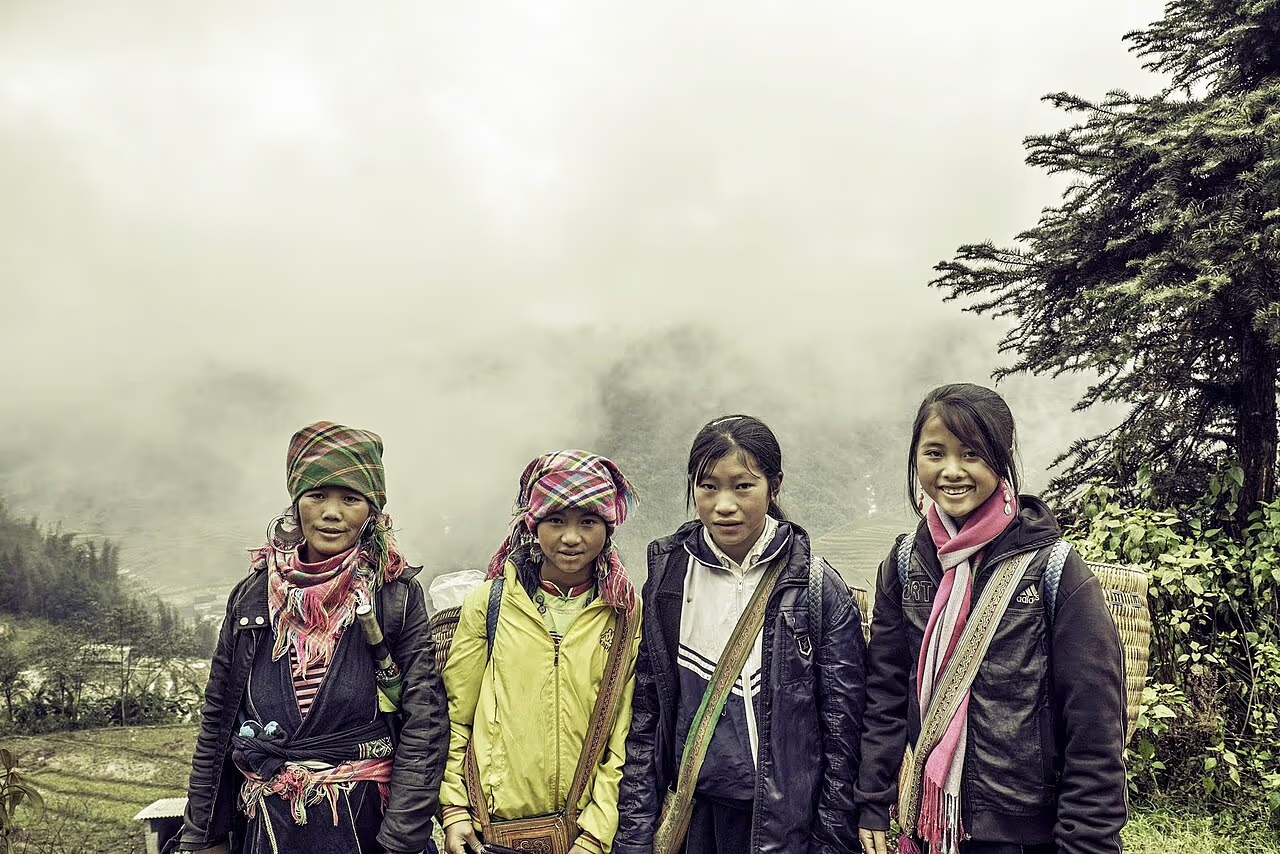
Reputable Sapa operators use guides who are both licensed by the Vietnamese authorities and, crucially, local to the valley — and those two things together are what make a guide genuinely safe rather than merely permitted. Our own team is drawn from the Black H'mong community around Sapa; guides like Tzu Hang and Lo Hu grew up walking these exact trails, learned English through years of daily contact with travelers, and now hold the professional tour-guide licensing required to lead international visitors.
Being local matters more than the paperwork on a day-to-day safety level. A guide from the community reads the weather the way a farmer does, knows every family whose house you pass, and can get a motorbike or a message moving in minutes because the person they are calling is a cousin or a neighbor. That network is invisible until you need it — and then it is the difference between a small problem and a stranded afternoon. When you book, it is completely reasonable to ask whether your guide is licensed and from the area; any honest operator will answer plainly.
Is Sapa Safe for Solo Travelers and Solo Female Trekkers?
Sapa is one of the safer trekking destinations in Southeast Asia for solo travelers, and that includes women travelling alone — a large share of our clients are solo female trekkers, and the honest experience they report back is overwhelmingly positive. Violent crime against tourists is very rare, opportunistic theft is uncommon on the trails (as opposed to crowded markets, where the usual city-travel sense applies), and the village communities along the routes are tight-knit places where a lone traveler is looked out for rather than targeted.
The one real precaution is not about people but about isolation: you do not want to be deep in Muong Hoa Valley entirely alone, off the main path, with no phone signal and nobody knowing your route. That is the scenario that turns a twisted ankle into a genuine problem. Trekking with a guide or joining a small group removes it completely, which is why we always steer solo travelers — women especially — toward a guided trek rather than a solo wander. If you would feel more comfortable with a female guide, that can be arranged on request; just ask when you book. Beyond that, the ordinary rules apply: keep valuables out of sight in busy Sapa town, agree taxi fares before you set off, and trust your instincts.
Who Is Sapa Trekking Right For — And Who Should Take Extra Care?
Sapa trekking suits far more people than most travelers assume, but being honest about fit is part of keeping it safe. Use the split below to place yourself before you book — and remember that "take extra care" almost never means "don't come," it means "choose the right route and tell your guide."
A good fit if you...
Take extra care if you...
If you land on the right-hand side of that split, the answer is almost never to cancel — it is to have a five-minute conversation before you book. Tell us about the knee, the heart condition, the age of the youngest walker, and we will match you to a route and pace that keeps the day safe and enjoyable. The mistake is staying silent and finding out mid-trail.
What Happens If You Get Injured or Sick on the Trail?
If something goes wrong on a guided trek, the response is quick and rehearsed, because your guide has done it before. Every guide carries a basic first-aid kit and a phone, and knows the fastest exit from each section of Muong Hoa Valley — in most places a motorbike can reach a nearby farm track within 20 to 40 minutes. Minor injuries and ailments — a rolled ankle, a scrape, a blister, a touch of heat — are dealt with on the spot, and the trek is shortened or paced down as needed.
For anything more serious, the escalation path is clear. Sapa town has a general hospital for urgent care, and Lao Cai city, about an hour away by road, has a larger provincial hospital with fuller facilities. For the small number of situations that need more, this is where travel insurance with medical evacuation earns its keep. It is worth saying plainly: the reason we insist on guided treks and recommend insurance is not liability box-ticking — it is that these two things together turn almost any trail mishap into an inconvenience rather than an emergency.
Do You Need Travel Insurance for Sapa Trekking?
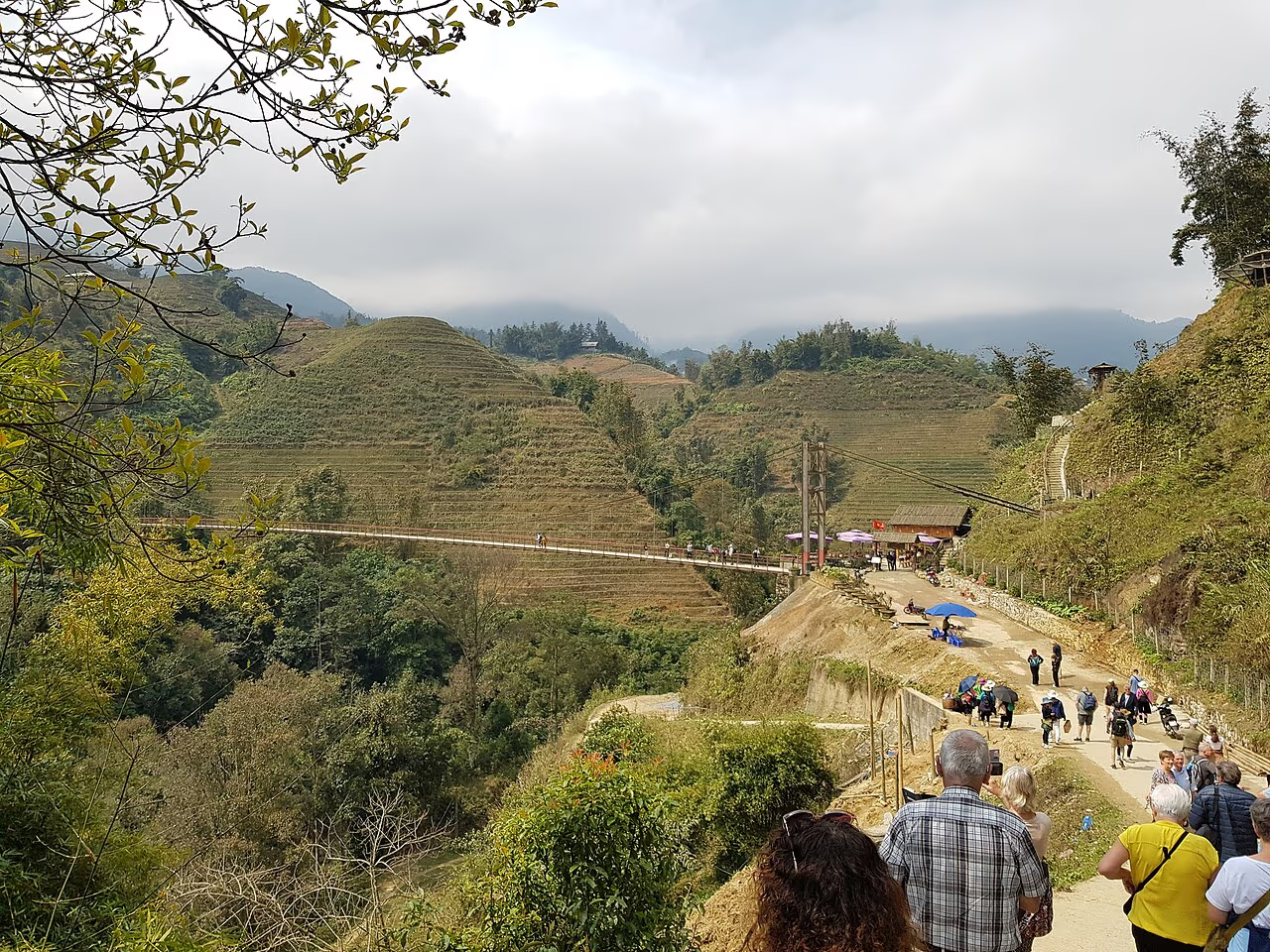
Yes — we recommend travel insurance for every trekker, and it is inexpensive relative to the peace of mind it buys. Sapa trekking is low-risk, but "low-risk" is not "no-risk," and a sprained ankle on a muddy descent, a stomach bug that needs a clinic, or a weather day that forces you to change plans can all carry costs a policy will cover. The key is to check one detail before you travel: make sure your policy explicitly lists hiking or trekking as an included activity, ideally up to the altitude of Fansipan (3,143 m) if you plan to climb it.
Most standard travel policies cover valley trekking without any special add-on, since the routes to Lao Chai, Ta Van and Ta Phin are well within ordinary hiking territory. If you are attempting Fansipan, Vietnam's highest peak, some insurers want a "trekking up to 4,000 m" tier — still cheap, but worth confirming rather than assuming. Whatever you choose, carry the policy number and the insurer's emergency line saved on your phone and written on paper, so it is reachable even if your battery dies.
Health, Altitude and Food: The Smaller Safety Questions
A few health questions come up often enough to answer directly. On altitude: Sapa town sits near 1,500 m and the valley treks stay well below that, so altitude sickness is not a concern on ordinary routes — you will notice the fresher, cooler air, nothing more. Only Fansipan, at 3,143 m, reaches an elevation where some people feel the thinner air, and even there the cable car and staged ascents make it manageable for most.
On food and water: stick to bottled or filtered water, which is what we provide and what every guesthouse serves, and you will avoid the most common cause of a ruined trekking day. The food on homestay treks — a hot meal cooked by a family in Ta Van or Lao Chai — is one of the highlights of trekking here and is prepared for visitors constantly; upset stomachs are far more often about a change of diet and cuisine than about hygiene. If you have a sensitive stomach, ease in gently and carry basic remedies. On sun and heat: even on cloudy days the mountain sun is strong, so sunscreen, a hat and enough water (1.5-2 liters) matter more than people expect. None of these is a reason for anxiety; they are the same sensible habits that make any trip smoother.
Staying Safe in Sapa: A Practical Pre-Trek Checklist
Almost everything that keeps a Sapa trek safe comes down to a handful of decisions made before you set off. Run through this list and you have handled the vast majority of the real risks discussed above.
Book a licensed local guide for any route beyond Cat Cat. Wear grippy shoes or rent boots. Pack a rain jacket and a warm layer, even in summer. Take walking poles for muddy descents. Start in the morning, not the afternoon. Carry water, sunscreen and any personal medication. Save your guide's number, your insurer's emergency line and your accommodation address on your phone. Tell someone your route and expected return time.
If you would rather not assemble gear you will use once, our office at 105 Thach Son Street rents the two items that matter most for footing and stability — waterproof boots and trekking poles — cleaned and checked before every rental. Picking them up the evening before your trek is the simplest way to cover the single most common hazard on this whole list.
Rent at Our Office Before You Trek
 Gear Rental
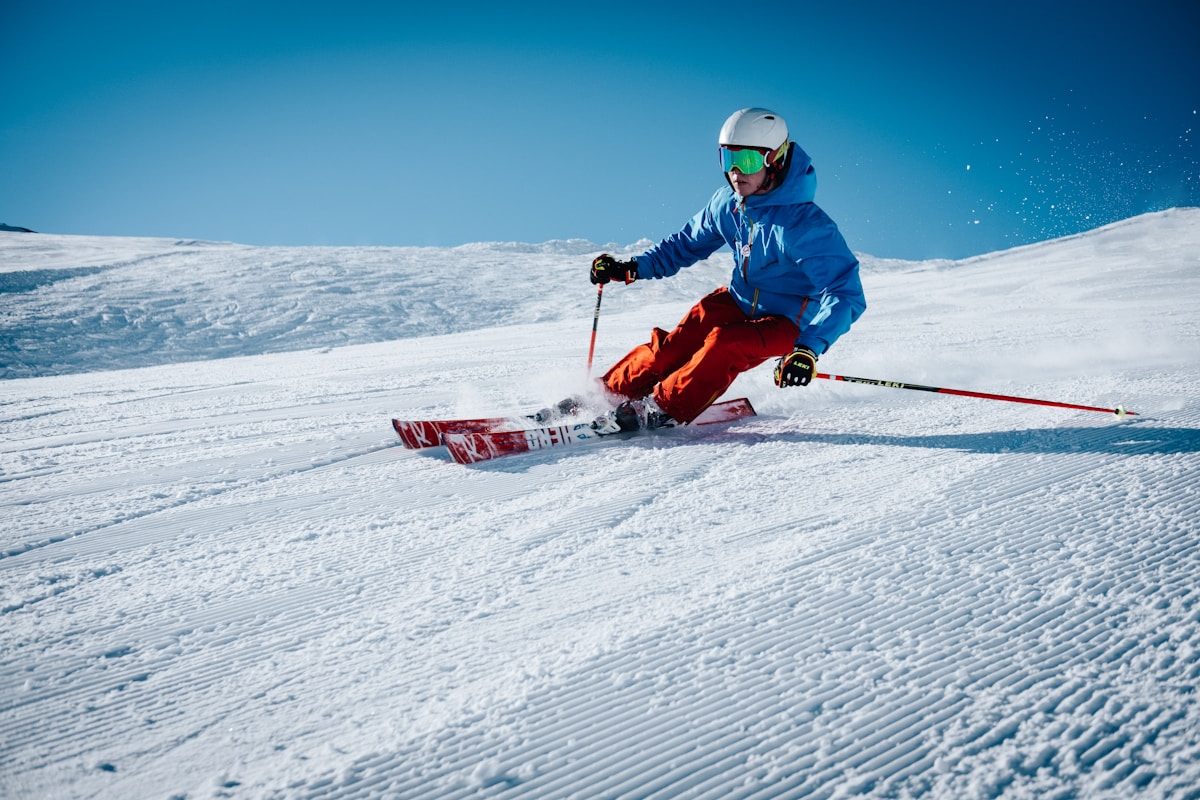
Trekking Boots Rental
Waterproof ankle-support boots — the single best defense against slippery mud. Cleaned and checked before each rental. Available at 105 Thach Son Street.
 Gear Rental
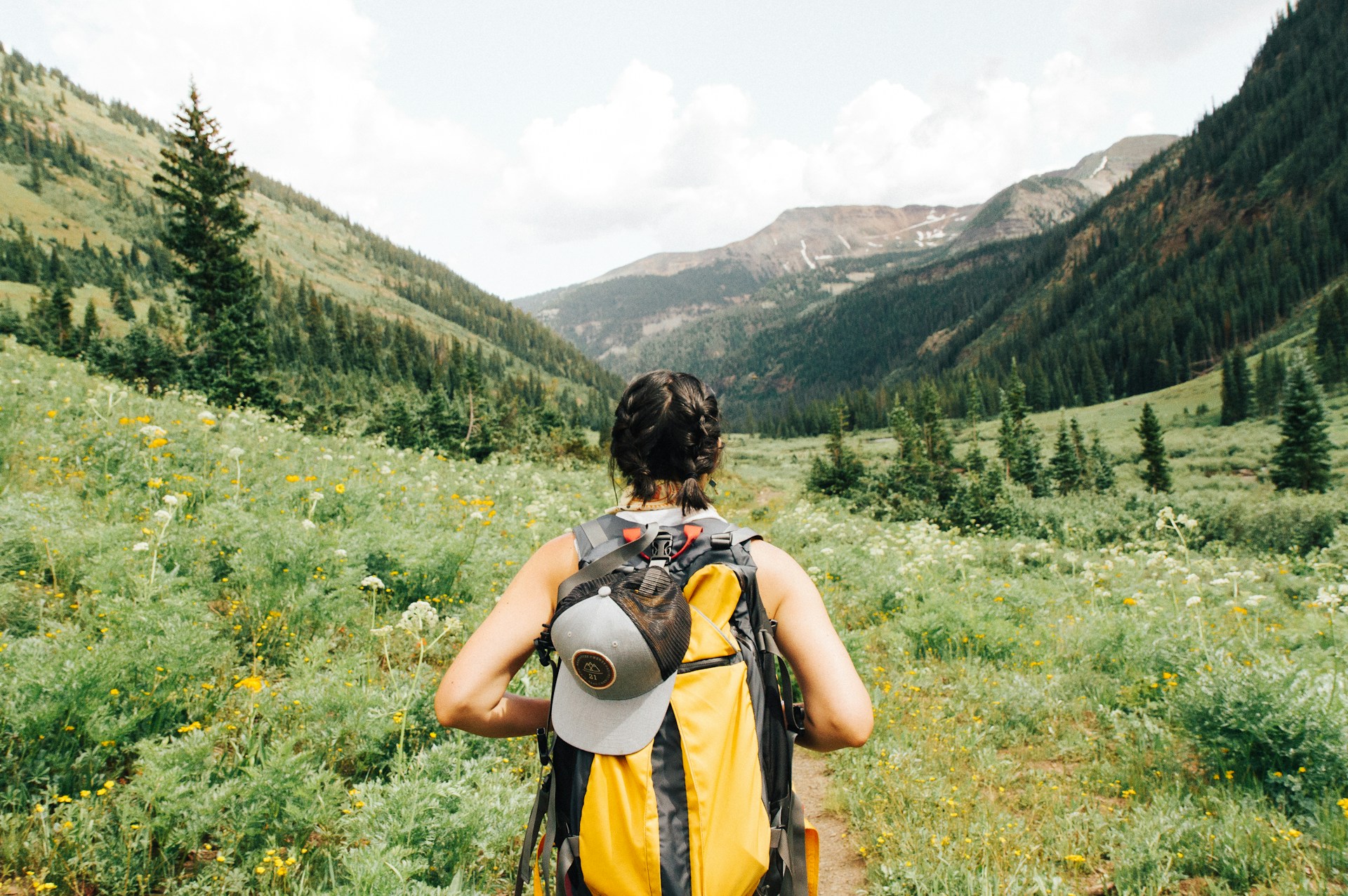
Walking Poles Rental
Trekking poles available to rent at $2/day at our office, 105 Thach Son Street. Essential for balance on wet descents.
Getting to Sapa Safely From Hanoi
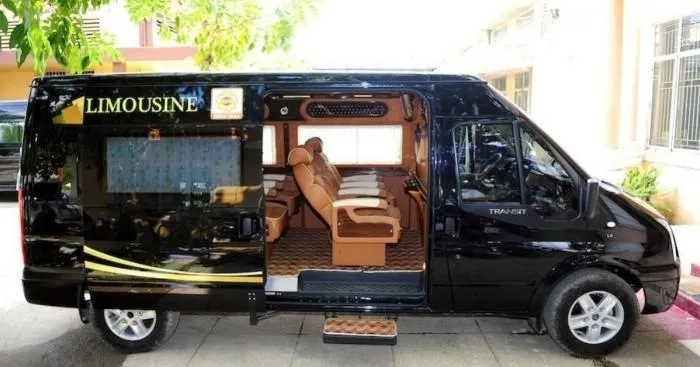
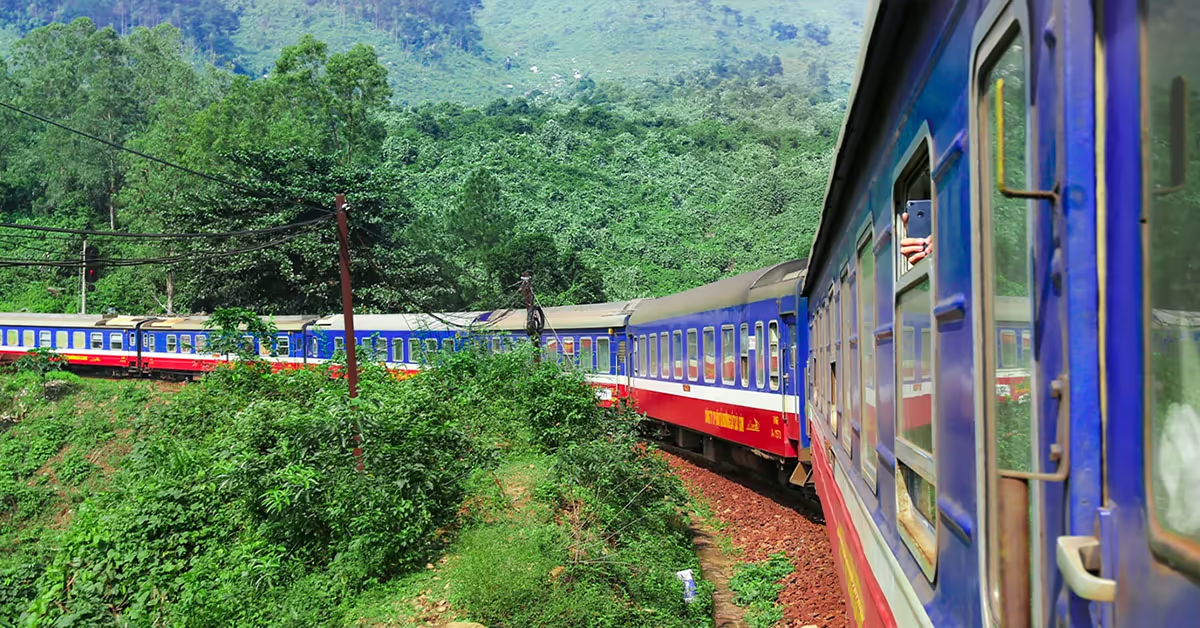
Safety on a Sapa trip starts before the trail, with the overnight journey from Hanoi — and the good news is that all the mainstream options are well-established and safe. The mountain road up to Sapa is winding, so if you are prone to motion sickness, an overnight sleeper bus or a comfortable limousine van with a steady driver beats a rushed daytime run. The overnight train to Lao Cai, followed by a one-hour transfer, is the gentlest option of all and a favorite for families and older travelers. Whichever you choose, book through a reputable operator rather than a random street counter, and you remove the small friction points before they start.
Safe, Comfortable Ways to Reach Sapa From Hanoi
 Budget
Sleeper Bus
Overnight or day departures, flat reclining seats.
 Popular
Limousine Van
Door-to-door hotel pickup, 9-seat comfort van.
 Gentlest
Overnight Train
Hanoi to Lao Cai, then a 1-hour transfer to Sapa.
So, Is Sapa Trekking Safe? The Honest Bottom Line
Is Sapa trekking safe? For nearly everyone who comes prepared, yes — and the preparation is genuinely light. Trek with a licensed local guide, wear shoes that grip, pack a rain layer and a warm one, start in the morning, and carry travel insurance, and you have addressed every meaningful risk on the trail. The valleys around Lao Chai, Ta Van, Ta Phin and Y Linh Ho are not a wilderness expedition; they are living, farmed landscapes crossed daily by the families who call them home, and by thousands of travelers a year who finish their trek muddy, tired and delighted rather than frightened. Come with clear eyes and the right shoes, put a local guide beside you, and Sapa is one of the most rewarding — and safest — places you can trek in Vietnam.
Frequently Asked Questions
Yes. The classic valley routes from Sapa town down to Lao Chai and Ta Van follow well-worn paths on gentle-to-moderate gradients, and they are the trails most first-time trekkers walk. The main risks are slippery mud after rain and misjudging your own fitness, both of which a local guide manages by setting the pace and choosing footing. Beginners who wear proper shoes, go with a guide and trek in the morning have very few problems.
For anything beyond the paved path to Cat Cat Village, yes — we strongly recommend a licensed local guide. The trails through Muong Hoa Valley fork constantly, are poorly signed, turn to slick clay after rain, and cross streams that rise fast in a storm. A guide from the community knows which fork is safe that day, carries a phone that works in the valley, and can get help quickly if something goes wrong. Trekking without a guide is the single most common way travelers get lost or hurt in Sapa.
Yes, but only in the wet months (roughly May to September) and only on damp, shaded, forested sections — not the open rice-terrace paths most day treks follow. Leeches in Sapa are small, painless and carry no disease; they are a nuisance, not a danger. Long socks, trousers tucked in, and insect repellent on your ankles keep almost all of them off. If one attaches, it is easily removed and the bite is harmless.
Sapa is one of the safer trekking destinations in Southeast Asia for solo women, and many of our clients are women travelling alone. Violent crime against tourists is very rare, and the villages along the trekking routes are close-knit communities. The sensible precaution is not to trek the valley trails entirely alone — go with a guide or a small group so you are never off-grid with no phone signal. Booking a female guide is possible on request.
Your guide carries a basic first-aid kit and a phone, and knows the fastest way out of each section of Muong Hoa Valley — often a motorbike can reach a nearby track within 20 to 40 minutes. Minor issues (a twisted ankle, a scrape) are handled on the trail. For anything serious, you are taken to Sapa General Hospital in town, and Lao Cai city, an hour away, has a larger provincial hospital. This is exactly why we insist on guided treks and travel insurance.
Yes — we recommend it for every trekker. Sapa trekking is low-risk, but a sprained ankle on a muddy descent or a stomach bug can still mean a clinic visit or a changed itinerary. A standard travel-insurance policy that covers hiking or trekking up to Fansipan's altitude (3,143 m) is inexpensive and covers medical care, evacuation and trip disruption. Check that your policy lists trekking or hiking as an included activity before you travel.