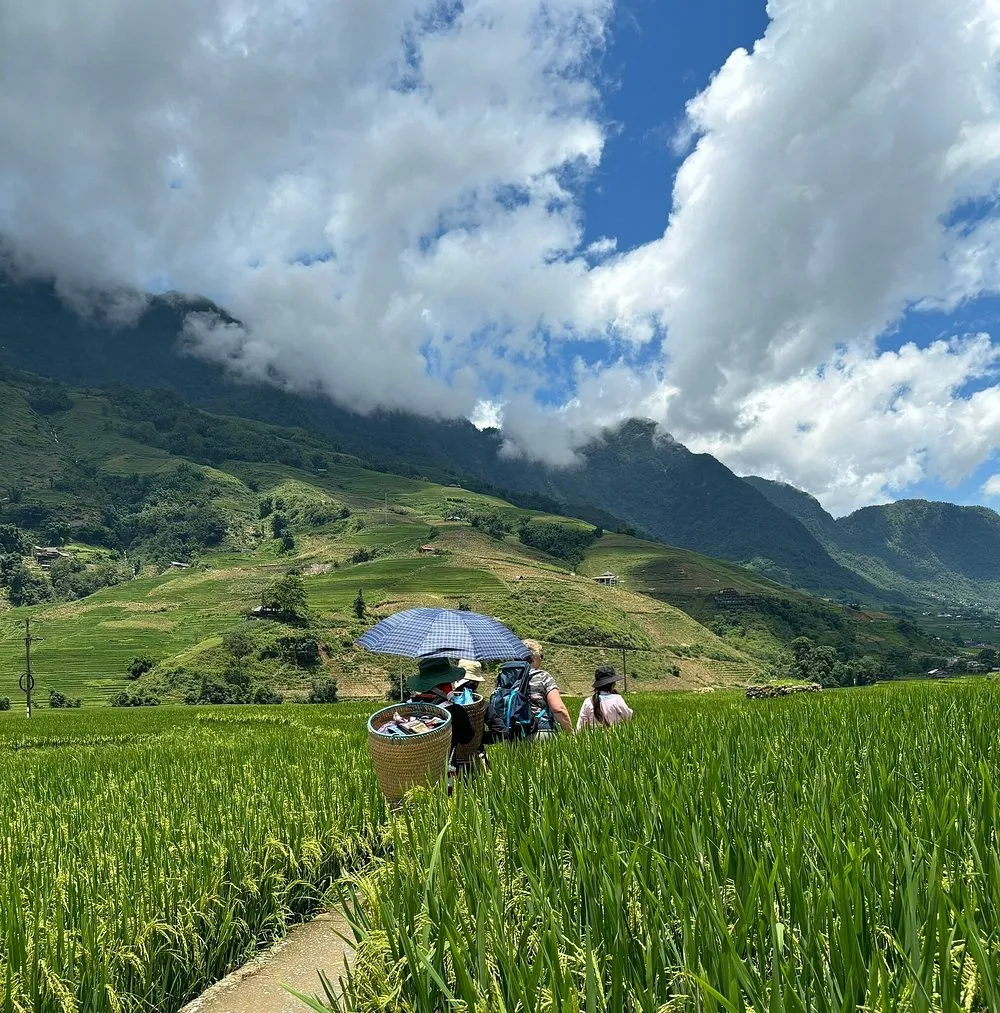
 Sinh Giang
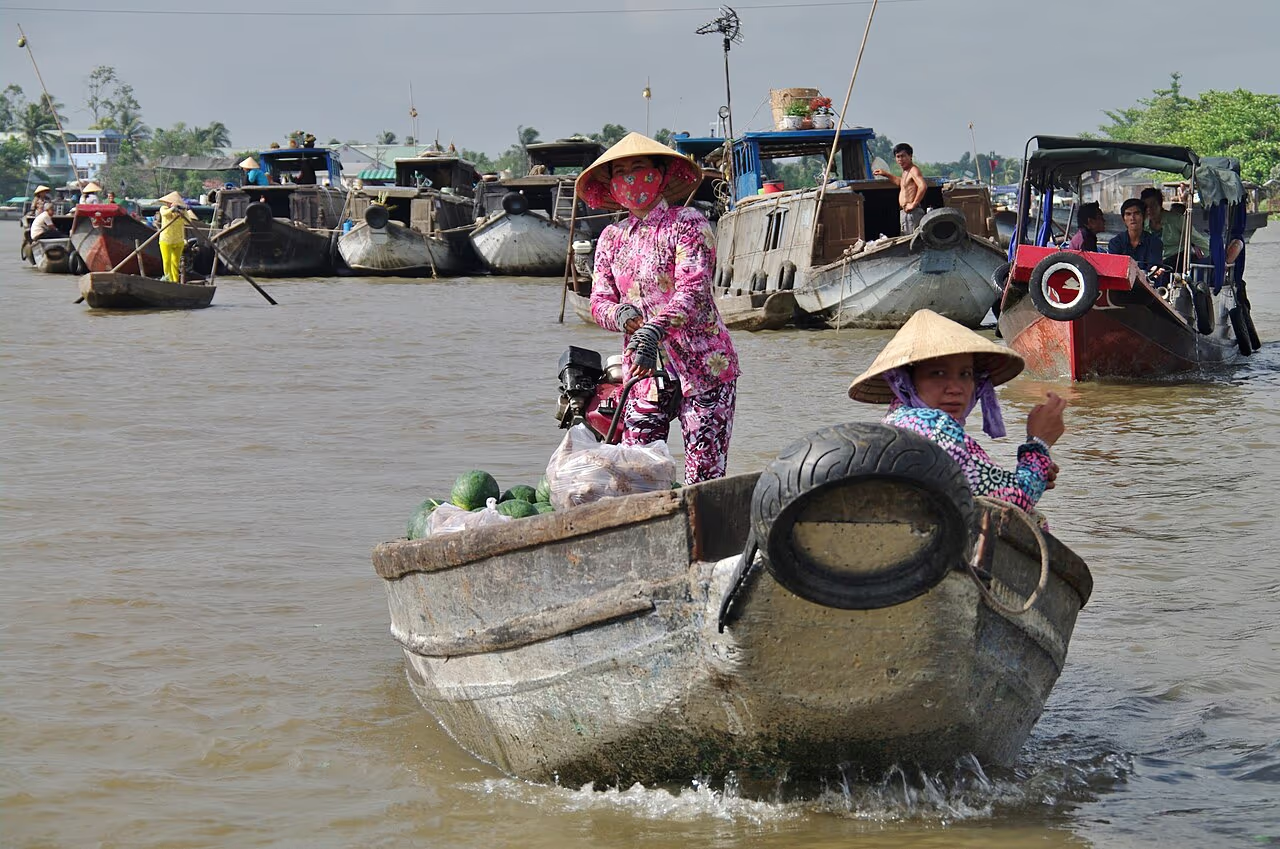
Vietnam travel costs are low — it is one of the cheapest countries in Asia to visit. Most travellers budget around USD 25–35 a day as a backpacker, USD 50–70 a day for comfortable mid-range travel, and USD 100–150+ a day for a higher-end trip. Street food costs a dollar or two, a local beer is under a dollar, and a comfortable hotel room is USD 25–50. This guide breaks down exactly what to budget: the daily cost by travel style, a full price list for food, rooms, transport and activities, sample totals for one and two-week trips, and how to keep costs down.
We are a local team based in Sapa, so we deal in real Vietnamese prices every day — not the inflated numbers you sometimes see online. Everything below is in US dollars for easy reference, though you will actually pay in Vietnamese dong (roughly 25,000 VND to USD 1 in 2026), which is why a simple coffee can cost "40,000" and still be under two dollars — the big numbers take a day to get used to. Let's start with the big picture.
Vietnam Travel Costs at a Glance
Your daily cost depends almost entirely on your travel style. Here is roughly what each type of traveller spends per day, all in.
The takeaway: even a mid-range budget stretches a long way in Vietnam. Unless you actively seek out luxury hotels and private guides, it is genuinely hard to spend a lot here day to day — your biggest costs are simply your room, your food and the occasional big tour or long-distance journey.
Daily Budget by Travel Style
Here is how each daily budget breaks down across the main categories, so you can see where the money actually goes and build your own number.
| Per day | Backpacker | Mid-range | Comfort |
|---|---|---|---|
| Accommodation | $6–10 (dorm) | $20–40 (hotel) | $60–120 |
| Food & drink | $8–15 | $15–30 | $30–60 |
| Local transport | $3–8 | $8–20 | $20–40 (private) |
| Activities | $5–12 | $15–30 | $30–60 |
| Daily total | $25–35 | $50–70 | $100–150 |
Long-distance transport between cities sits on top of these daily figures — budget roughly USD 10–25 per sleeper-bus leg, more for trains and flights. And a few big-ticket items, like an overnight Ha Long Bay cruise or a multi-day tour, are worth setting aside extra for whatever your style. Couples and pairs travel cheaper per head than solo travellers, since you split rooms, taxis and private tours — a twin room rarely costs much more than a single, so two people can each live comfortably on a mid-range budget for close to backpacker money.
A Guided Sapa Trek from $35
 1 Day Trek
Trekking Through Rice Terraced Fields
A full guided day in the mountains for the price of a nice dinner back home.
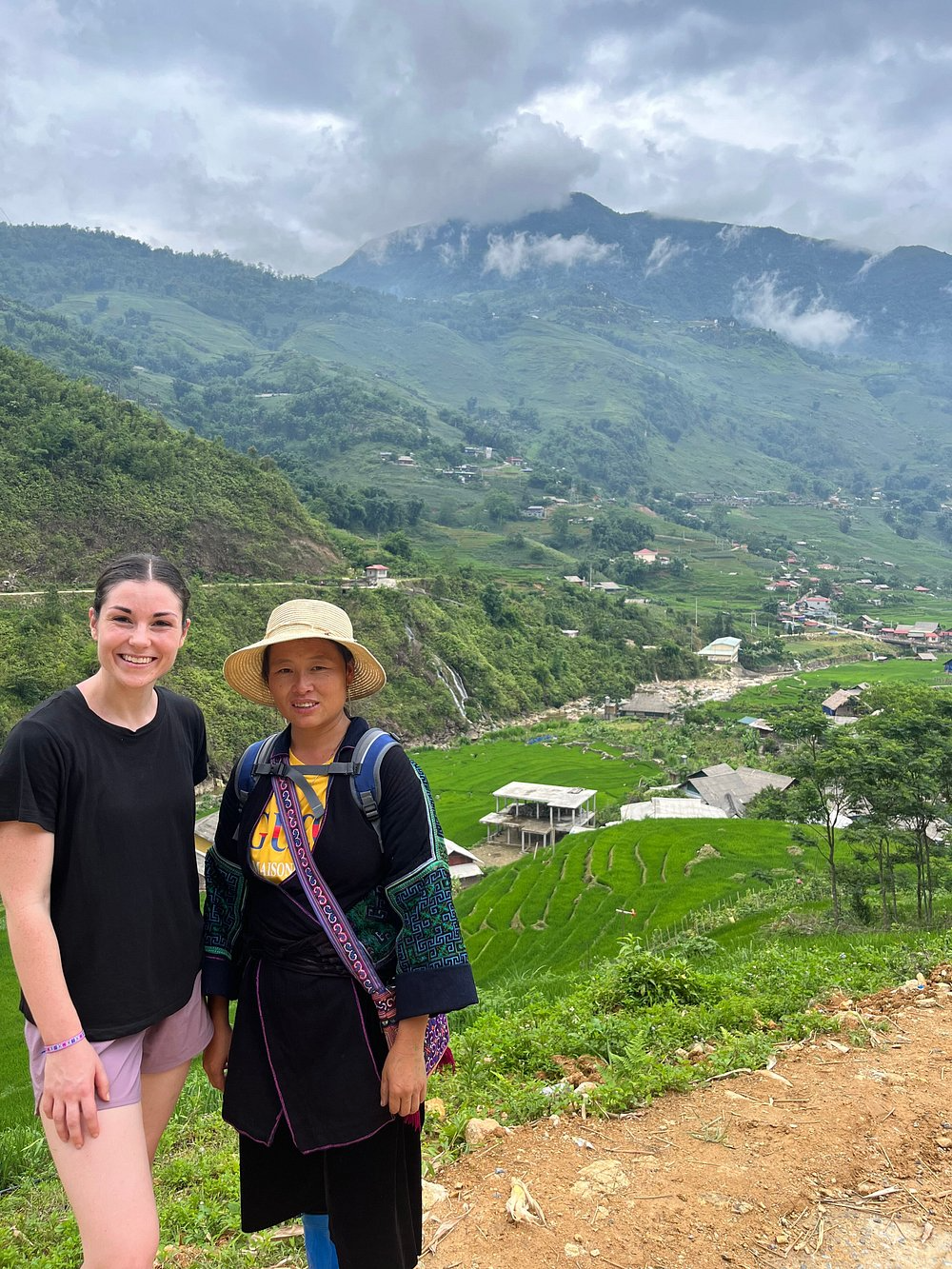 2D1N Homestay
Rice Terraced Fields & Homestay
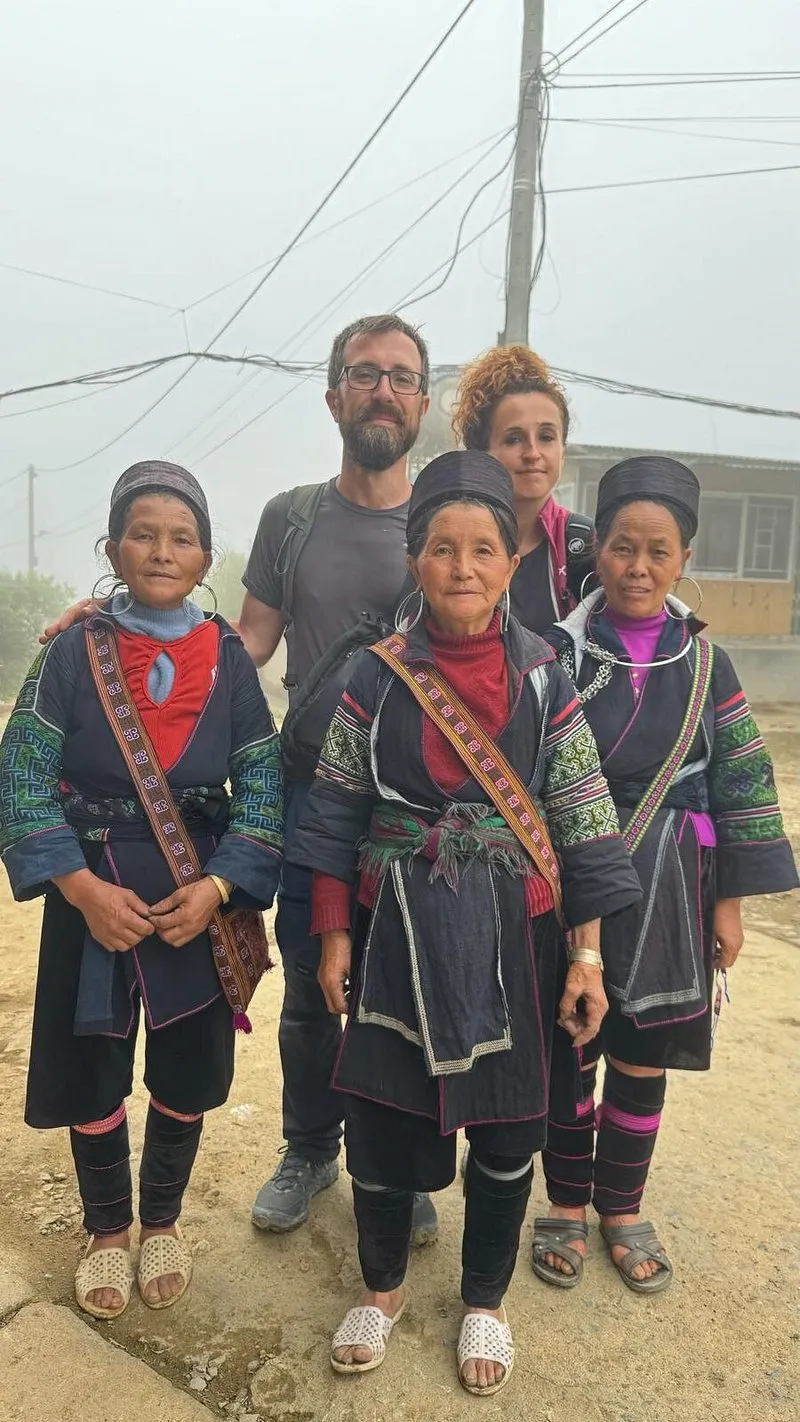
Two days, a homestay night and all meals — superb value at $60.
 All Levels
Sapa Easy Trekking
A gentle village walk — the scenery without the hard day, still just $45.
What Things Cost in Vietnam
Here is a full price list for the things you will actually buy, all in US dollars. These are typical, honest local prices — you will pay a little more in tourist hotspots and a little less off the trail.
Food & Drink
| Item | Typical price |
|---|---|
| Bowl of pho / bun / noodles (street) | $1.50–2.50 |
| Banh mi sandwich | $0.80–1.50 |
| Meal at a local restaurant | $3–6 |
| Meal at a Western / tourist restaurant | $8–20 |
| Local draught beer (bia hoi) | $0.30–0.80 |
| Bottled/craft beer or cocktail | $1.50–5 |
| Vietnamese coffee | $0.80–2 |
| Bottle of water | $0.30–0.50 |
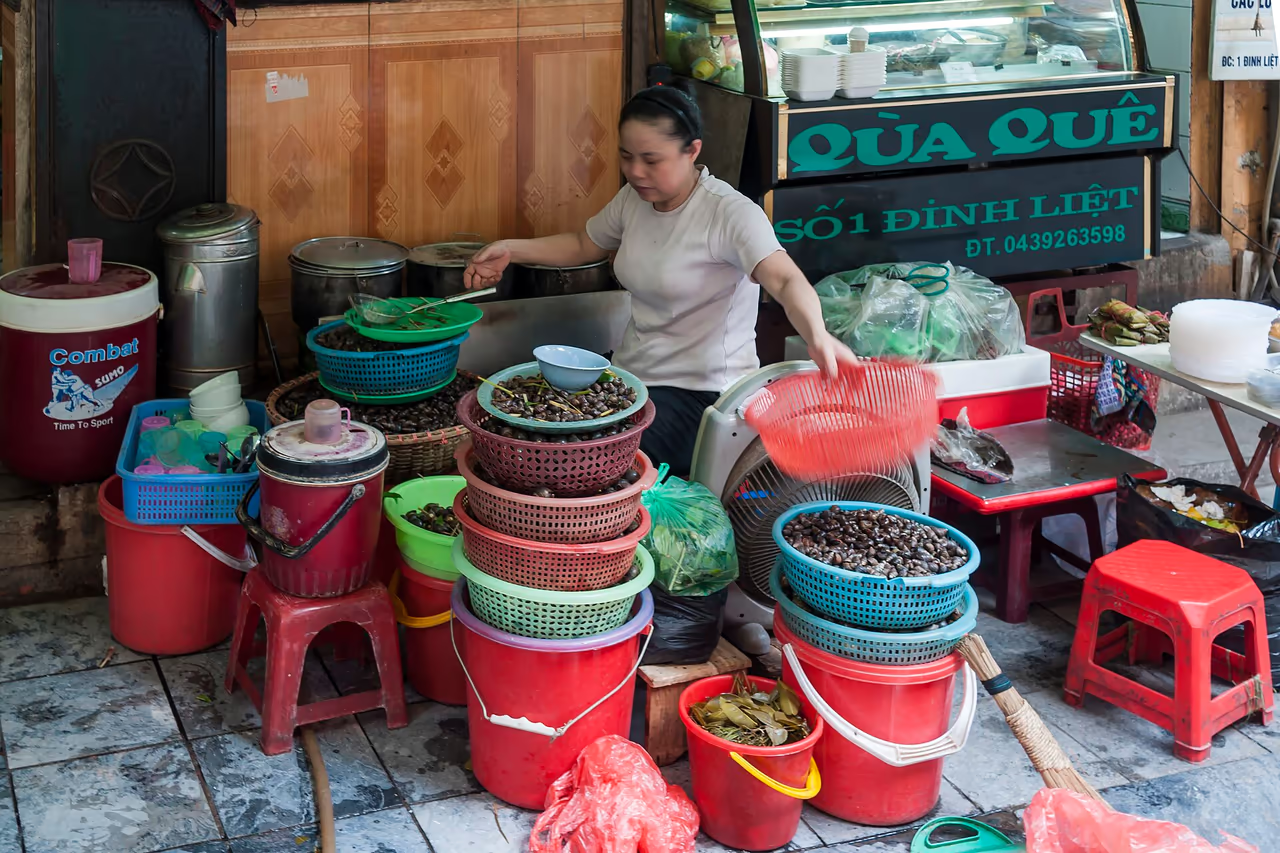
Two people can eat superbly for well under USD 20 a day between them if they stick to Vietnamese food. Prices only creep up in the obvious places — beachfront tourist strips, hotel restaurants and Western cafes — where a burger and a beer can cost as much as a whole day of street food. The rule of thumb: the plastic stools are cheap and delicious; the air-conditioned menus in English cost three times as much.
Accommodation (per night)
| Type | Typical price |
|---|---|
| Hostel dorm bed | $5–10 |
| Private room, guesthouse | $12–25 |
| Mid-range hotel (double) | $25–50 |
| Four-star hotel | $60–120 |
| Village homestay (incl. meals) | $10–25 |
Book your first nights online, then you can often find rooms cheaper by walking in after that, especially outside the busy December–April and summer-holiday periods. Dorm prices barely move, but hotel rates in Hanoi, Hoi An and the beach towns can spike around Tet (Vietnamese New Year) and public holidays, so lock in those dates ahead.
Transport
| Mode | Typical price |
|---|---|
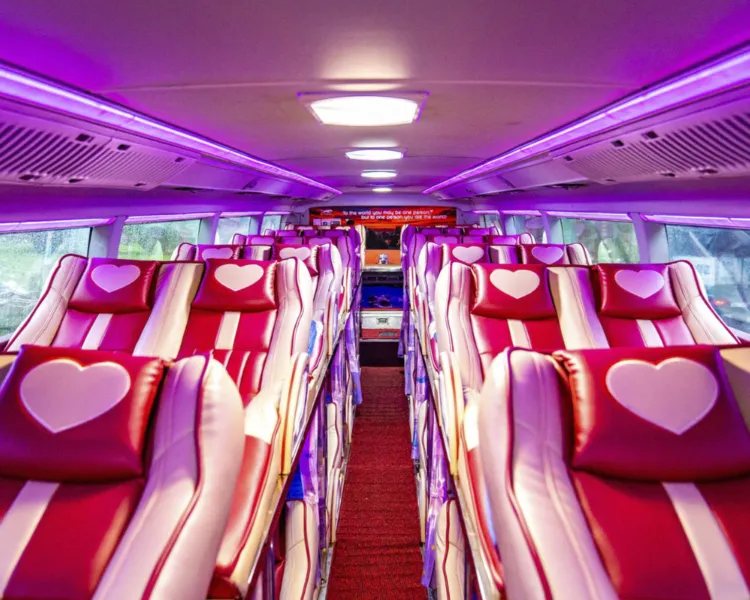
| Sleeper / open bus (per leg) | $10–25 |
| Train (per leg) | $20–45 |
| Domestic flight | $30–70 |
| Grab motorbike (in town) | $1–3 |
| Grab car (in town) | $3–6 |
| Motorbike rental (per day) | $8–12 |
| Airport taxi to city | $8–18 |
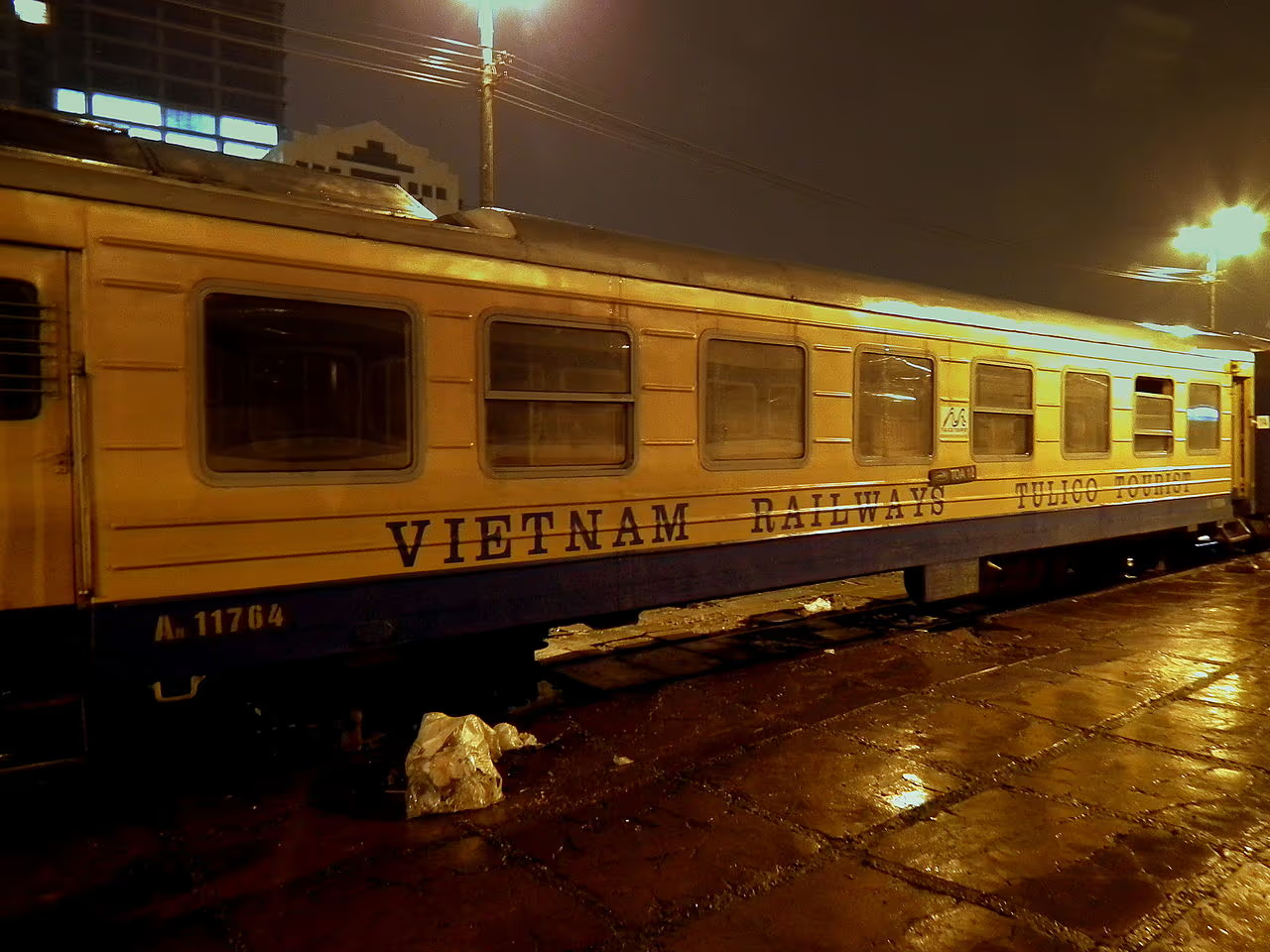
The single cheapest trick is the overnight sleeper bus, which covers a long leg while you sleep and saves a night's accommodation. Trains cost a little more but are far more comfortable and scenic — the Hue to Da Nang stretch along the coast is one of the world's great rail journeys. Save flights for the really long jumps, like Hanoi to Ho Chi Minh City, where the hours saved are worth the extra dollars.
Activities & Extras
| Item | Typical price |
|---|---|
| Guided day trek (Sapa) | $35–45 |
| Ha Long Bay day cruise / overnight | $30 / $90+ |
| Cooking class or food tour | $20–40 |
| Museum / site entry | $1–8 |
| Local SIM with data | $5–10 |
| e-Visa (90 days) | $25 official |
Free and cheap activities do most of the heavy lifting in Vietnam — beaches, markets, temples and simply wandering the old towns cost nothing. The bigger spends are the guided experiences that are genuinely worth paying for: an overnight Ha Long cruise, a multi-day trek, or a cooking class. Budget a couple of those into your trip and let the free stuff fill the rest.
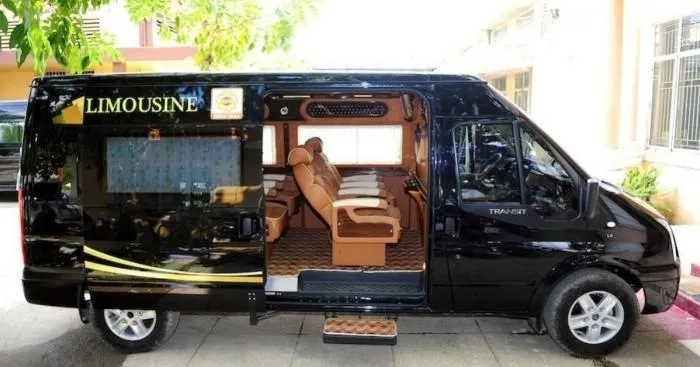
Hanoi to Sapa from $16
Sample Trip Costs
Put the daily budgets together and you get a realistic total for a whole trip. These figures cover accommodation, food, local transport and activities, but exclude international flights, which are usually your single biggest cost.
| Trip length | Backpacker | Mid-range | Comfort |
|---|---|---|---|
| 1 week | $200–350 | $400–700 | $800–1,200 |
| 2 weeks | $400–800 | $800–1,500 | $1,800–2,800 |
| 1 month | $800–1,600 | $1,600–3,000 | $3,500–5,500 |
Add roughly USD 500–1,200 return for international flights from Europe, North America or Australia, plus USD 25 for the e-visa and a little for travel insurance. Even so, Vietnam remains one of the best-value long-haul destinations there is — a two-week mid-range trip for two people, flights aside, often comes in under what a single week costs in Western Europe. The honest headline: your plane ticket in is likely to cost more than everything you spend once you land.
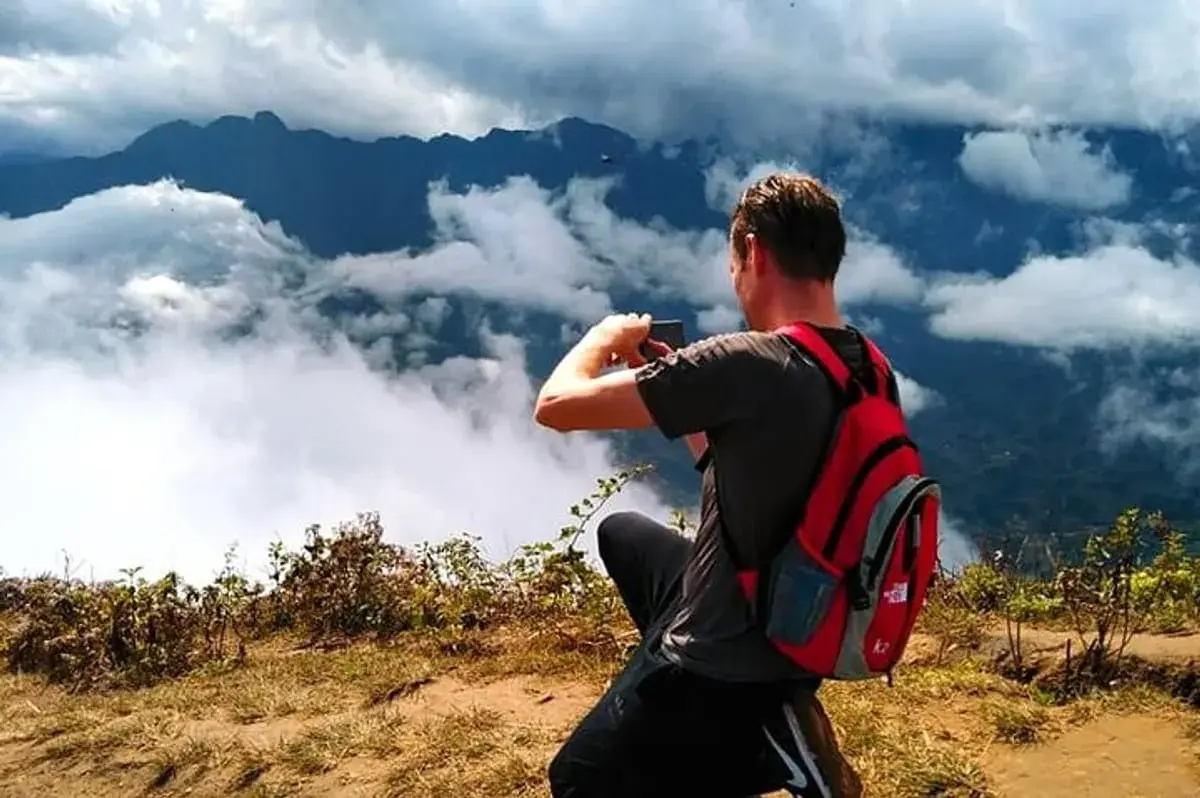
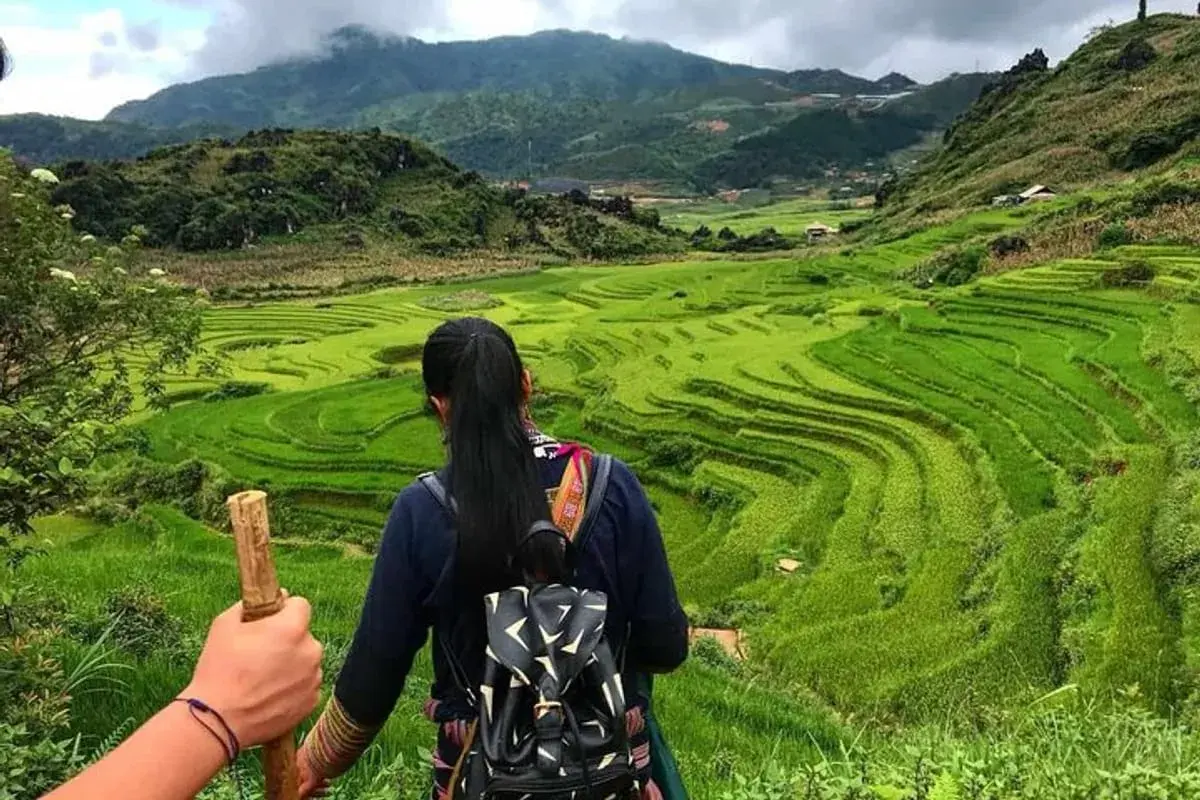
Multi-Day Treks — Meals & Homestay Included
Is Vietnam Expensive? How It Compares
No — Vietnam is cheap, and one of the best-value countries in Asia. It is a little cheaper than Thailand for food, transport and mid-range rooms, broadly in line with Cambodia and Laos, and far cheaper than Japan, Singapore or Western tourist spots for a similar experience. Where it can feel briefly "expensive" is only in the tourist bubbles — a beachfront cocktail bar, a five-star hotel buffet, a heavily-marketed cruise — and even those are cheap by global standards. Step one street back from the tourist strip and the real prices return. Here is roughly where it sits on the regional price scale.
The costs that do add up are the ones that are not really "Vietnam" prices at all: your international flights, guided overnight cruises and multi-day tours, and any nights you choose in international four and five-star hotels. Watch those, and the day-to-day spending will feel almost free by comparison. Where you travel in the country shifts the daily number a little too — here is how prices vary from north to south, and when to go for the best value of all.
How Much Vietnam Costs by Region
Vietnam's prices shift a little as you travel from north to south, but nowhere is expensive by global standards — the gap between the cheapest and priciest regions is a matter of a few dollars a day, not a different budget entirely. Broadly, the far north and the Mekong Delta are the best value, the big cities and beach resorts cost a touch more, and the central heritage towns sit in between. Here is roughly what a mid-range traveller spends per day in each part of the country.
| Region | Where | Mid-range / day |
|---|---|---|
| The North | Hanoi, Sapa, Ha Giang, Ninh Binh | $45–65 |
| The Centre | Hue, Da Nang, Hoi An | $50–75 |
| The South | Ho Chi Minh City, Mekong Delta, Phu Quoc | $50–80 |
Up in the north, Hanoi is one of the cheapest capitals in Asia — a bowl of pho on a plastic stool in the Old Quarter is still a dollar or two, and a comfortable room rarely tops USD 40. Push on to Sapa, Ha Giang or Ninh Binh and daily costs drop again, because so much of what you actually do — walking the rice terraces of the Muong Hoa Valley, riding the Ha Giang Loop, drifting through the Trang An caves — is either free or a low-cost guided day. A guided Sapa trek with a Black H'mong or Red Dao guide, lunch and hotel pickup included, runs USD 35–45; a night in a village homestay with dinner and breakfast is USD 10–25. This is where your money goes furthest for the richest experience.
The central coast — imperial Hue, beachy Da Nang and lantern-lit Hoi An — costs a little more once you factor in tailor-made clothes, riverside restaurants and the odd resort night, but it is still gentle on the wallet. Down south, Ho Chi Minh City is the country's priciest spot for nightlife and rooftop bars, yet street-side com tam and bia hoi remain pocket change; the Mekong Delta just beyond the city is as cheap as anywhere in Vietnam. Island time on Phu Quoc is the one genuine splurge, with resort prices edging closer to Thailand's. Wherever you go, the pattern holds: eat and sleep where locals do and the country stays remarkably cheap.
When to Go for the Best Value
The cheapest time to travel Vietnam is the shoulder seasons — roughly March to April and September to November — when the weather is kind across most of the country and room rates sit below their peaks. Prices climb in two windows: the December–February winter-sun season, when Western holidaymakers fill Hoi An and the southern beaches, and the June–August domestic summer, when Vietnamese families travel and coastal resorts book up. Avoid those and you will pay noticeably less for the same room.
The one date to plan around is Tet, the Vietnamese Lunar New Year in late January or February. It is a wonderful time to see the country at its most festive, but long-distance transport sells out, many family-run guesthouses and street kitchens close for a week, and prices spike. If your trip falls near Tet, book rooms and tickets well ahead, or aim for the quieter, cheaper weeks on either side.
Up in Sapa, cost and timing overlap in a happy way: our quietest, best-value months are also some of the loveliest. September brings the golden rice harvest across the terraces, and the shoulder-season weeks on either side of summer mean cooler trekking, emptier trails and softer homestay rates. The deep winter from December to February can be cold and misty in the mountains — bring layers — but it is also when the highlands are cheapest and most peaceful. For a full month-by-month breakdown, see our guide to the best month to visit Vietnam.
Hidden Costs to Watch
A few costs are easy to forget when you add up a daily budget, and together they can be a meaningful chunk of the total. Build these into your plan from the start.
- International flights — usually your single biggest cost, roughly USD 500–1,200 return long-haul.
- e-Visa — USD 25 official for a 90-day single entry; skip the pricier third-party "visa agent" sites unless you need one.
- Travel insurance — essential and cheap; never skip it on a trip with motorbikes, boats and treks.
- ATM fees — USD 1–2 per withdrawal on top of your home bank's charge, so take out larger amounts less often.
- Tourist-price markups — agree prices first at markets and with unmetered taxis, or use the Grab app so the fare is fixed.
- Tips — not expected everywhere, but a small tip for guides, drivers and homestay hosts is a kind touch.
- Big-ticket tours — an overnight cruise, the Ha Giang Loop or a Son Doong expedition are worth it, but budget for them separately.
Cash, Cards & ATMs: Paying for Things
Vietnam still runs largely on cash, so plan to carry Vietnamese dong for day-to-day spending — street food, local buses, markets, homestays and small guesthouses are almost all cash-only. Cards are accepted at mid-range and upmarket hotels, tourist restaurants and larger shops, but a card will not buy you a bowl of pho or a bus ticket in a mountain village. A useful rhythm is to withdraw a larger amount every few days and keep it split between your wallet and your bag.
ATMs are everywhere in the cities and in trekking hubs like Sapa, though most charge a withdrawal fee of USD 1–2 on top of your home bank's charges, and many cap each withdrawal at 2–3 million dong (about USD 80–120). Bank-branded machines from the likes of Vietcombank, BIDV and TPBank tend to have higher limits and are the safest bet. Bring a spare card in case one is not accepted, and tell your bank you are travelling so a withdrawal in Vietnam does not trip a fraud block.
A few practical habits save money and hassle. Tipping is not expected the way it is in the West, but a small tip for a trekking guide, a driver or a homestay family is a warm gesture and genuinely appreciated. Apps keep fares fair: Grab fixes taxi and motorbike prices so there is nothing to haggle, and e-wallets like MoMo are handy on longer stays. And keep a little cash in small notes — sellers at markets and roadside stops rarely have change for a 500,000-dong bill, and breaking a big note is a daily small headache otherwise.
How to Save Money in Vietnam
You do not need to try hard to travel Vietnam cheaply, but a few simple habits stretch your money a long way. The trick is knowing what is worth paying for and what is easy to do on the cheap.
Worth paying for
Easy to do cheap
Two more money habits pay off everywhere: carry cash in Vietnamese dong (many small places are cash-only, and you will get better prices), and agree the price first at markets and with taxis, or use the Grab app so the fare is fixed. Staying put in one place for several nights also unlocks weekly discounts at many guesthouses, and travelling in the shoulder months keeps room rates down. Do that, eat like a local, and Vietnam will feel almost impossibly cheap — most travellers come home having spent less than they budgeted, not more. For where to spend your souvenir money, see our guide to the best things to buy in Vietnam; for the full route, see our backpacking Vietnam guide.
Rent Trekking Gear in Sapa — From $2/Day
 Gear Rental
Trekking Boots Rental
Cheaper than buying — rent boots just for the trek. At 105 Thach Son Street.
 Gear Rental
Walking Poles Rental
Poles at $2/day at our office — grab them for the trek, hand them back after. At 105 Thach Son Street.