 Sinh Giang
Backpacking Vietnam means travelling the length of the country on a budget — usually USD 25–35 a day — along a well-worn trail between Hanoi and Ho Chi Minh City, sleeping in cheap hostels and hopping between towns by sleeper bus, train, budget flight and motorbike. It is one of the world's great backpacking routes: safe, friendly, ridiculously good value, and packed with mountains, beaches, caves, old towns and street food. Give it two to four weeks, follow the north-to-south (or south-to-north) trail, and you get an enormous amount of adventure for very little money. This guide covers the route, the daily budget, transport, hostels and the tips we wish every first-timer knew.
We are a local team based up in Sapa, at the northern end of the trail, so we meet a lot of backpackers at the start (or end) of their trip. This is the honest, practical version — what things really cost, how the buses actually work, and where the north fits into your plan. Let's start with the big picture.
Backpacking Vietnam at a Glance
Here are the headline numbers before the detail — the budget, the distance and the time most backpackers need.
The short version: Vietnam is cheap, the trail is well established, and you can do the whole country or just one half. Move north to south or south to north — it makes little difference which way you run it — and let the sleeper buses and trains do the long hauls while you sleep. The whole trail is set up for exactly this kind of trip, which is why so many first-time backpackers cut their teeth in Vietnam. Now, the money.
How Much Does Backpacking Vietnam Cost?
Most backpackers spend USD 25–35 a day on a shoestring and USD 40–60 for a comfier mid-range trip. Vietnam is one of the cheapest countries in Asia to travel, and your biggest daily costs are simply beds, food and the occasional tour. Here is where a typical shoestring day's money goes.
Long-distance transport between cities is on top of that — budget roughly USD 10–25 per sleeper-bus leg, more for trains and flights. Add it up and a two-week trip costs about USD 400–800 plus your international flights, and a month around USD 800–1,600, depending on how fast you move and how many paid tours you take. Here is how the daily budget scales with comfort.
| Style | Per day | What you get |
|---|---|---|
| Shoestring | $25–35 | Dorms, street food, sleeper buses, mostly free sights |
| Mid-range | $40–60 | Private rooms, a mix of restaurants, some tours & flights |
| Flashpacker | $70–100+ | Boutique stays, overnight cruises, tours, flights, comfort |
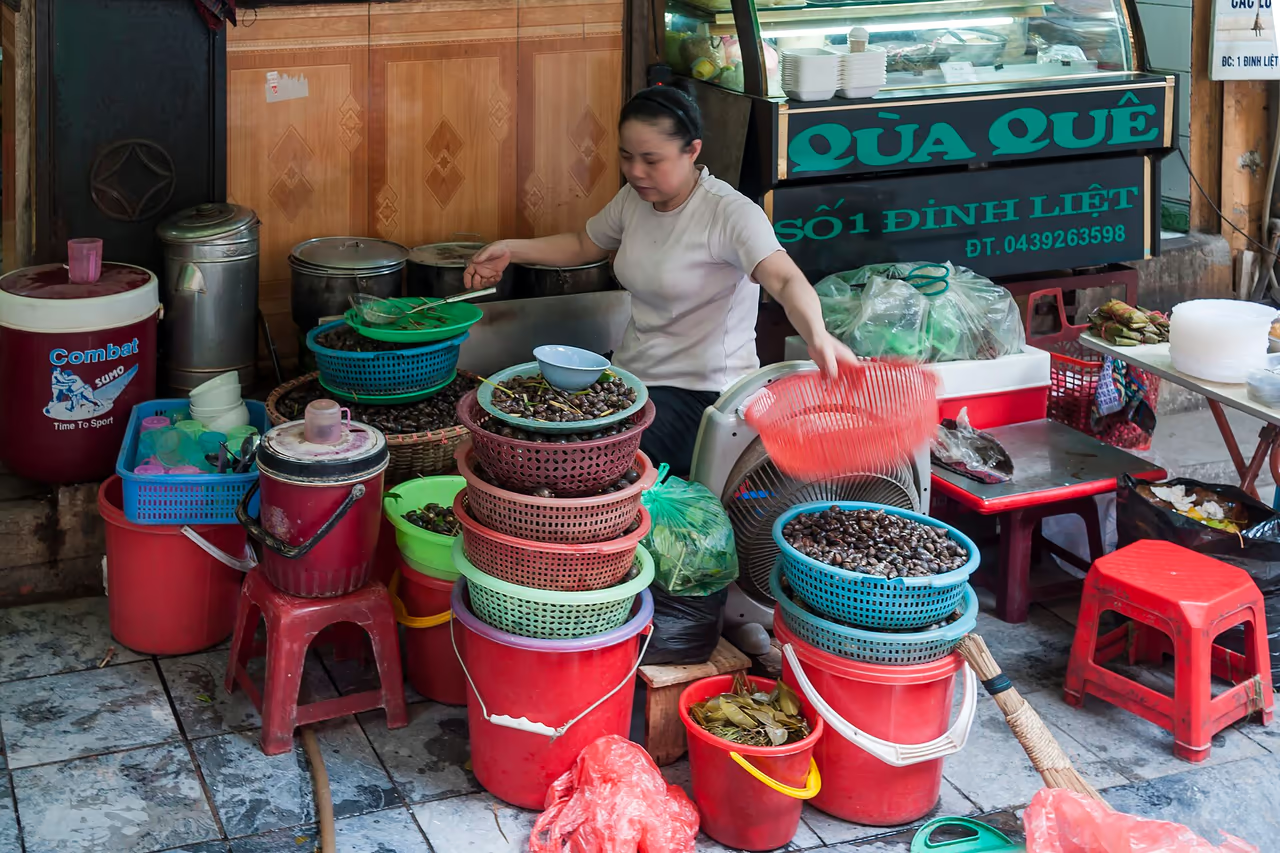
The single biggest way to keep costs down is to eat like a local: street stalls and small family restaurants serve better food than tourist places at a fraction of the price. After that, dorm beds, overnight buses (which double as your accommodation) and free activities — beaches, markets, town wandering, temple visits — do most of the work. Withdraw larger amounts at ATMs to spread the fixed fee, carry small notes for street stalls, and remember that a little overpaying here and there is normal — a few extra cents to a street vendor matters far more to them than to your trip.
The Classic North-to-South Route
The classic backpacking route runs the length of Vietnam between Hanoi and Ho Chi Minh City, and almost everyone follows some version of it in one direction or the other. Here is the trail from the north down, with the stops most backpackers link together.
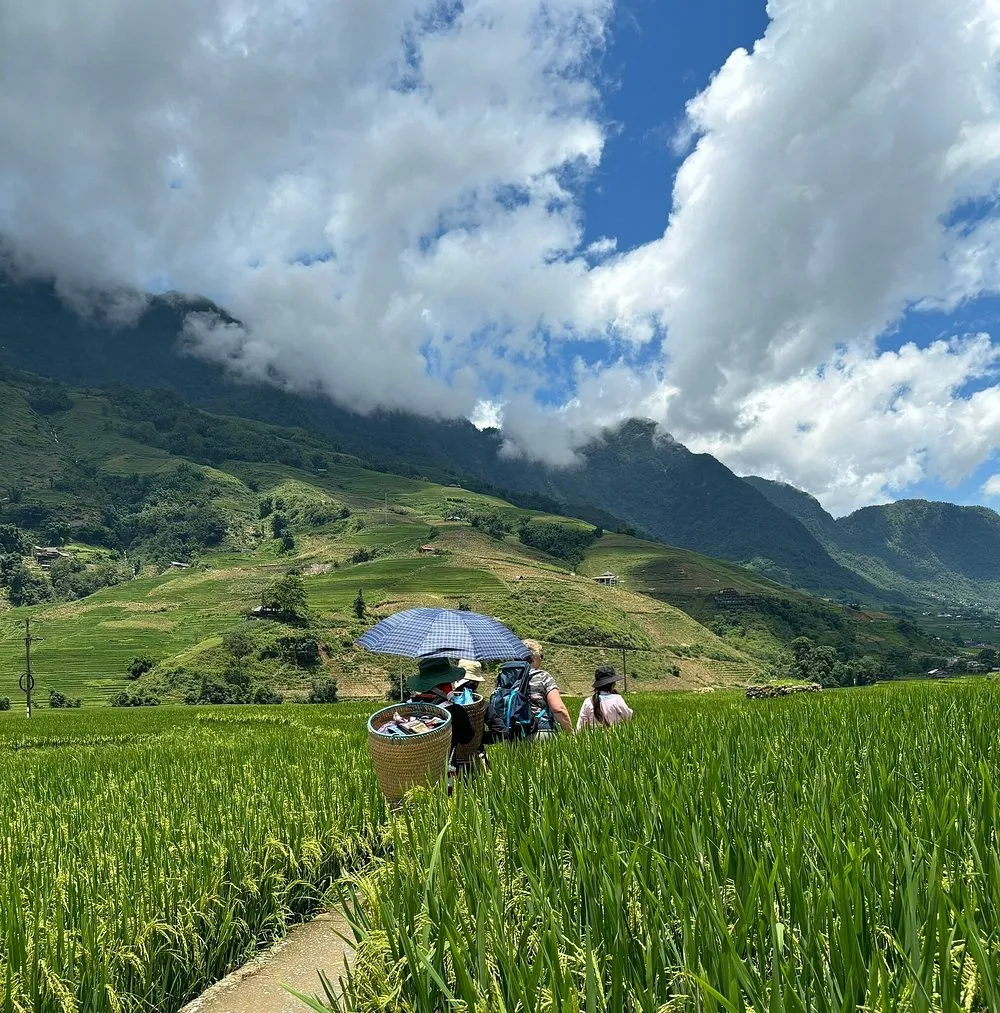
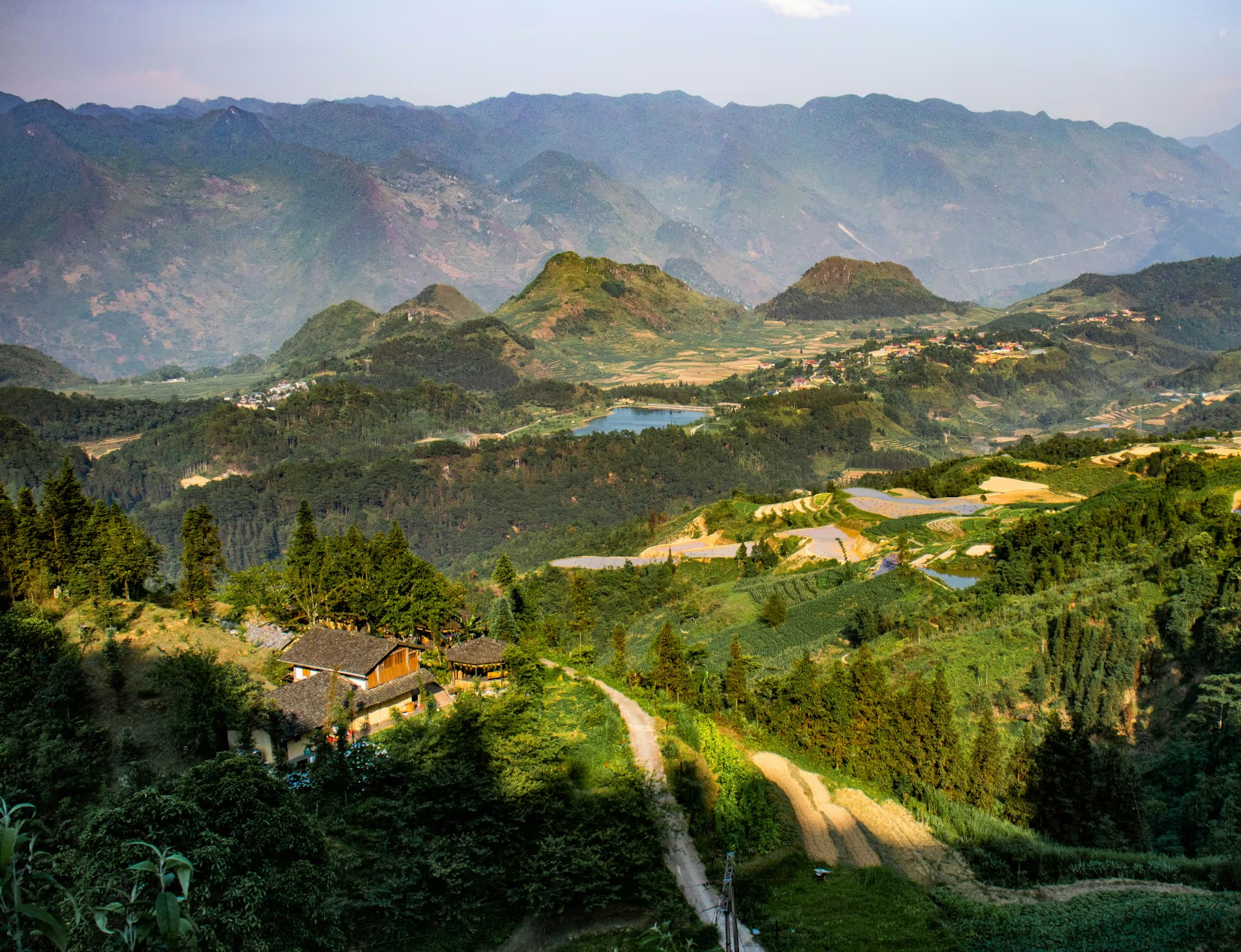
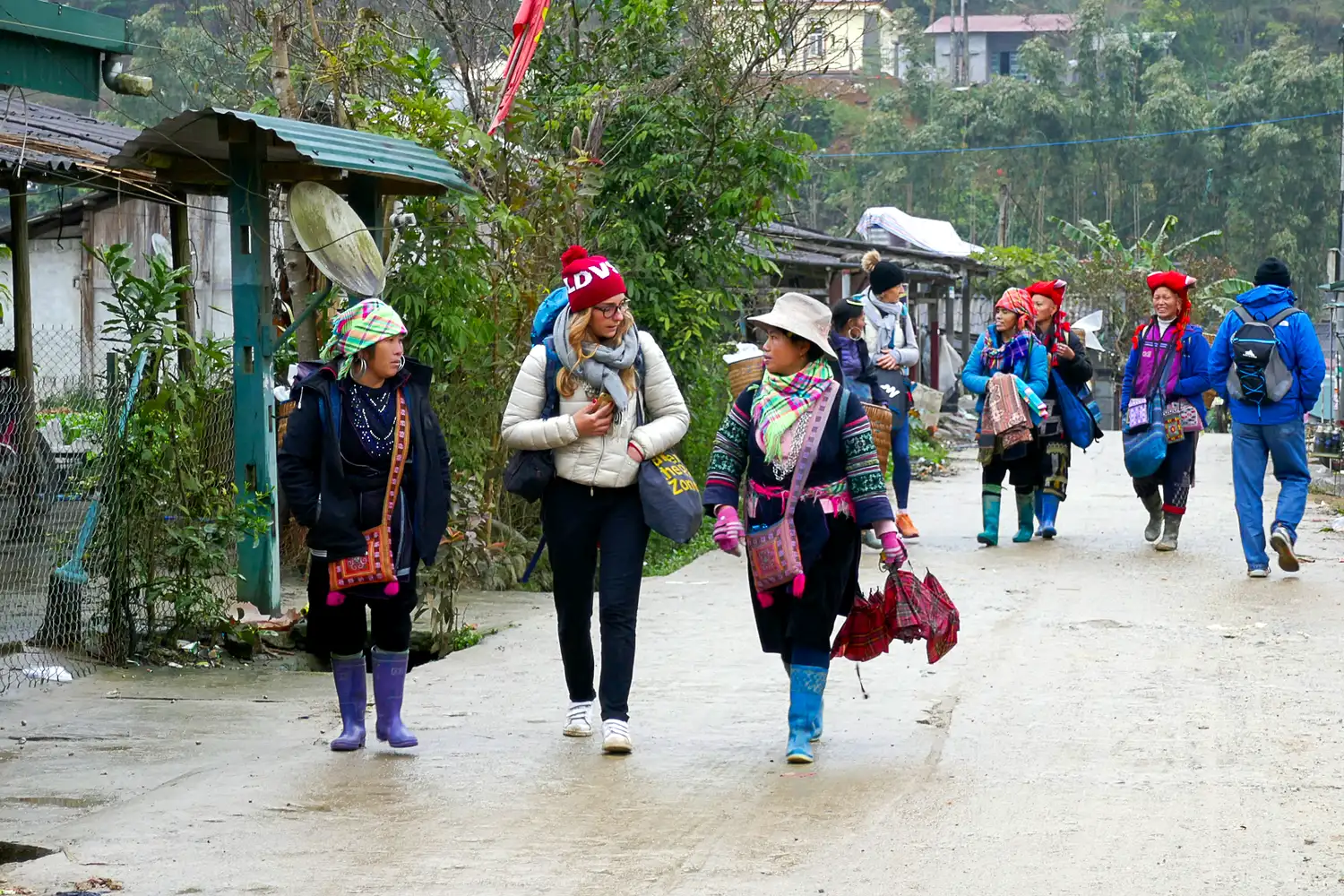
Start in Hanoi, the chaotic, charming capital — Old Quarter street food, the lake, a beer on the famous Bia Hoi corner, and the launch pad for every trip into the north. Give it a couple of days to find your feet, sort a SIM and a few tours, and adjust to the traffic before heading for the hills. From here most people loop up into the mountains: Sapa for rice-terrace trekking and hill-tribe homestays, and/or Ha Giang for the legendary three-to-four-day motorbike loop through the country's most dramatic karst scenery. Back near Hanoi, add an overnight cruise in Ha Long Bay (or quieter Lan Ha Bay) and a day or two among the karst towers and rivers of Ninh Binh, the "Ha Long Bay on land".
Heading south, Phong Nha brings the world's biggest caves; then the imperial city of Hue, and the lantern-lit old town of Hoi An with its tailors, beaches and cooking classes, reached over the spectacular Hai Van Pass from Da Nang. Further down, cool Da Lat offers canyoning and pine-forest hikes, and the beach towns of Nha Trang and Mui Ne offer diving, dunes and downtime.

Finally, buzzing Ho Chi Minh City (Saigon) anchors the south, with war history, rooftop bars and the tunnels of Cu Chi nearby, and the watery Mekong Delta and its floating markets a short trip away. From here you can fly home, or carry on to the beaches of Phu Quoc island. Run it in reverse if you are flying into Saigon — the trail works just as well south to north.
Trek the Sapa Mountains at the Top of the Trail
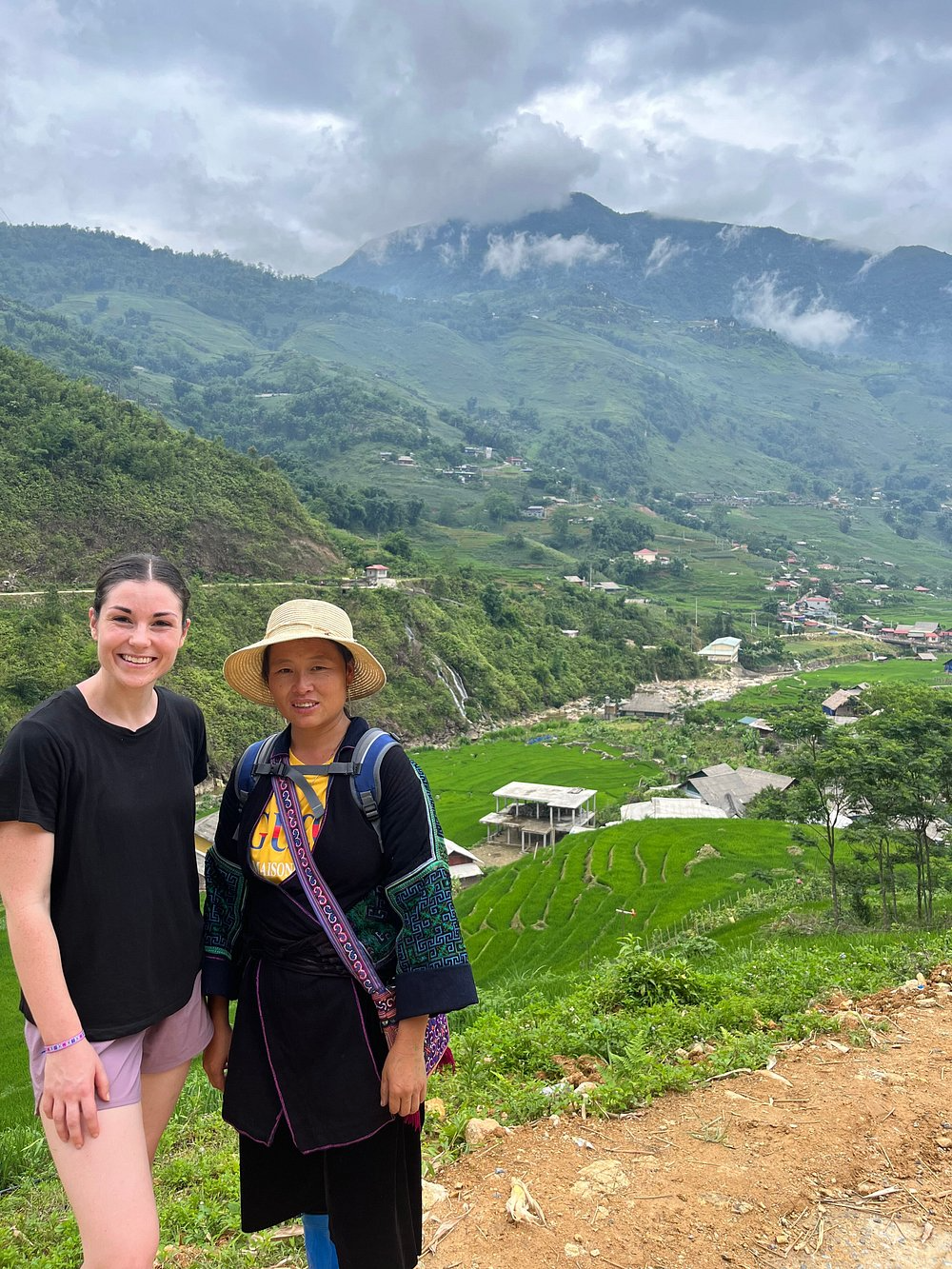
 1 Day Trek
Trekking Through Rice Terraced Fields
The classic Sapa day trek — big value and easy to slot into any backpacking route.
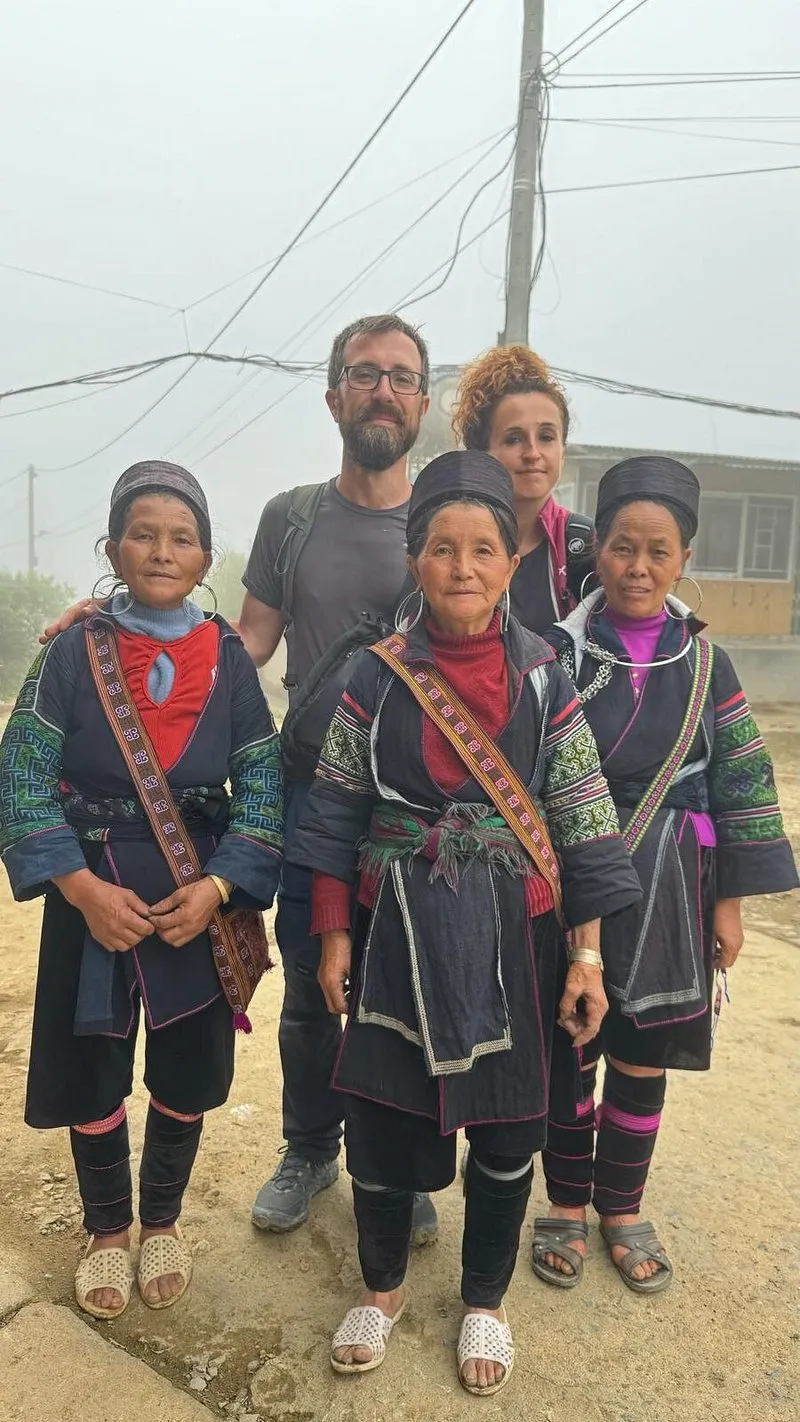
 2D1N Homestay
Rice Terraced Fields & Homestay
A night in a village homestay — the classic budget backpacker experience in Sapa.
 All Levels
Sapa Easy Trekking
A gentle village walk — perfect if you want the scenery without a hard day.
Sample Itineraries
How much of the trail you cover depends on your time. Here are three realistic itineraries, from a fast two-week highlights run to a slow month.
Whatever your length, do not over-pack the plan. Vietnam is longer than it looks and the journeys are slower than the map suggests, so leave slack for the places you fall in love with — and you will.
Getting Around Vietnam
Backpackers get around Vietnam cheaply and easily by a mix of sleeper bus, train, budget flight and motorbike. Here is how the main options compare, and what each is best for.
| Mode | Typical cost | Best for |
|---|---|---|
| Sleeper / open bus | $10–25 / leg | Cheapest long distances; overnight legs save a night's bed |
| Train (Reunification line) | $20–45 / leg | Coastal scenery & comfort — the Hue–Da Nang stretch is stunning |
| Budget flight | $30–70 | Big jumps (Hanoi–Da Nang or Saigon) to save a day |
| Motorbike (rental) | $8–12 / day | The Ha Giang Loop, Hai Van Pass & back-road freedom |
| Grab / taxi | $1–5 in town | Short city hops — use the app so the price is fixed |
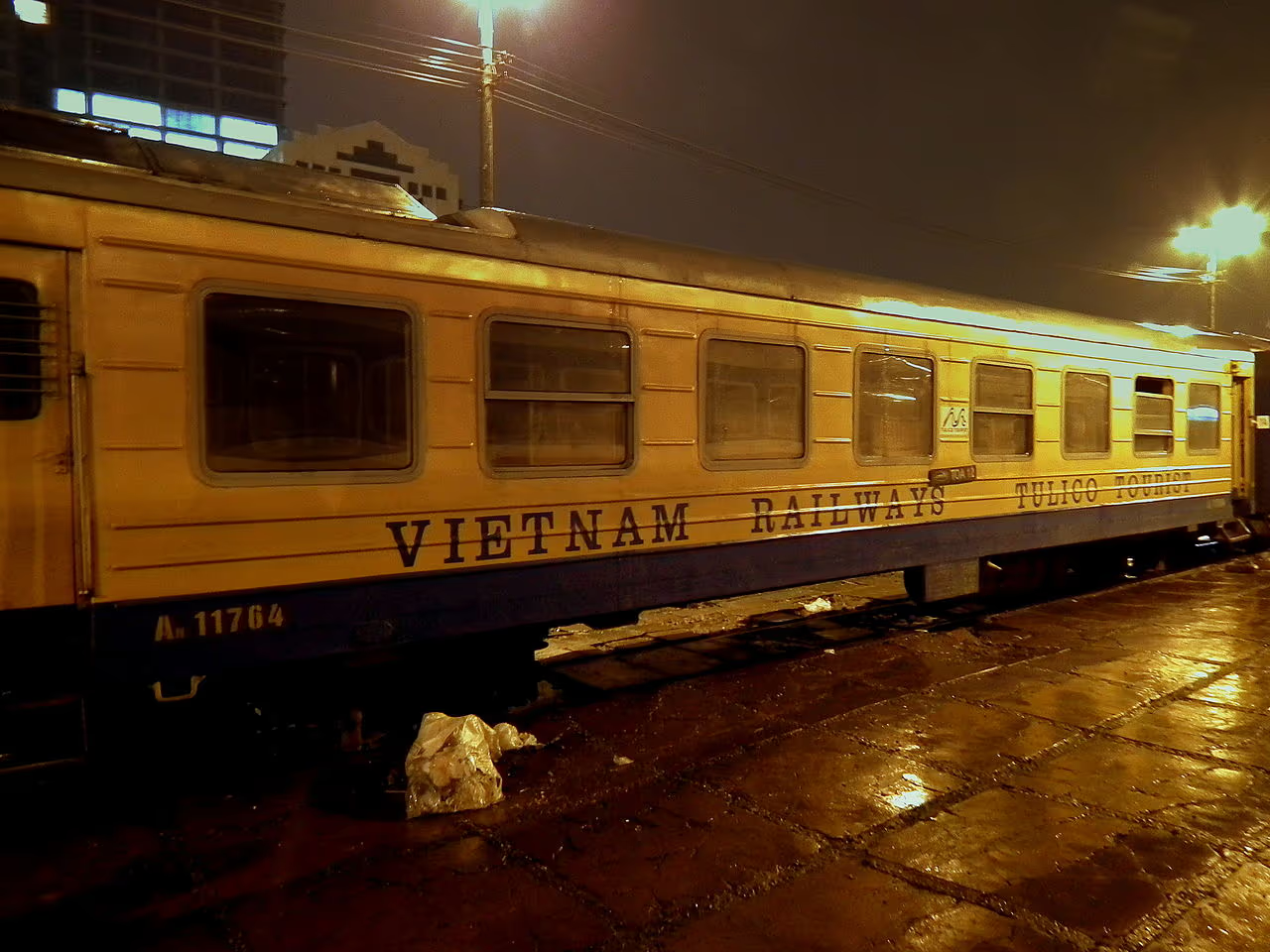
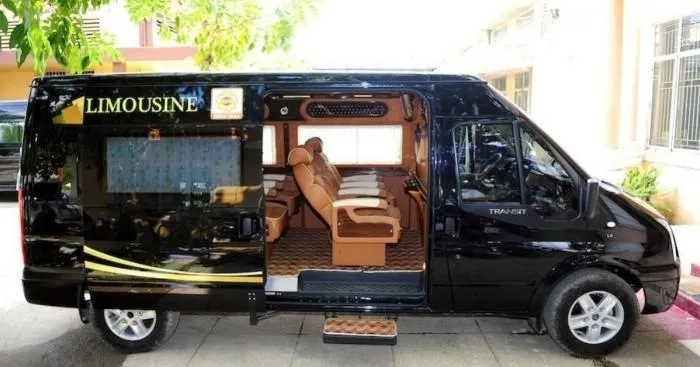
Most backpackers use hop-on hop-off "open-bus" tickets for the coastal cities and take overnight sleeper buses for the long legs to save a night's accommodation. For the mountainous north, the overnight train or a comfortable limousine van from Hanoi to Sapa is the easiest way up, and the Ha Giang Loop is done on a rented or driver-guided motorbike. Book buses and trains a day or two ahead in peak season through your hostel or a booking app. A word on the buses: standards vary, so read recent reviews, keep valuables on you (not in the hold), and expect the driver to wake you with a shout at your stop rather than a gentle announcement. It is all part of the adventure, and after the first overnight leg you will wonder why you ever worried.
Hanoi to Sapa — Bus, Van or Overnight

Where to Stay: Hostels & Homestays
Vietnam has one of Asia's best budget-accommodation scenes, so finding a cheap, sociable place to sleep is never a problem. Hostel dorm beds start around USD 5–10, often with free breakfast, a bar and a tour desk, and private rooms in guesthouses are cheap too.
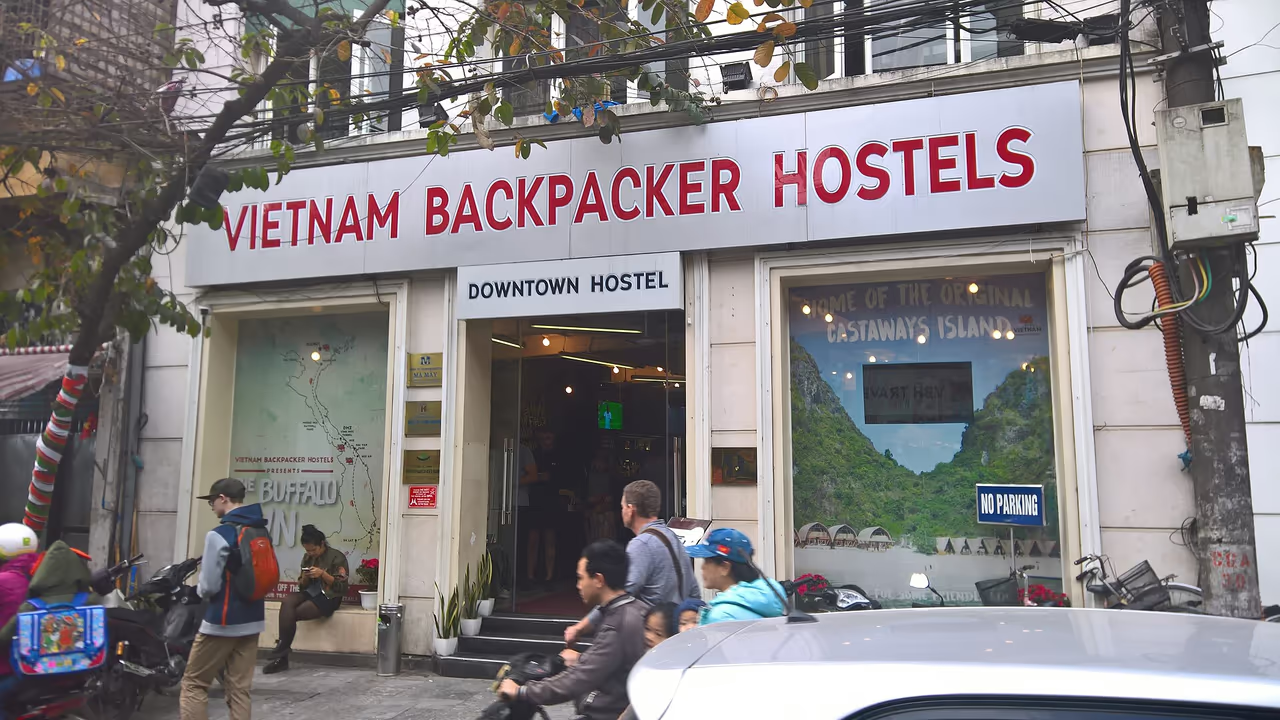
Lively social hostels cluster in Hanoi's Old Quarter, Hoi An, Da Lat, Nha Trang and the Pham Ngu Lao backpacker area of Ho Chi Minh City — great for meeting people and joining group tours. In the mountains and countryside, family-run homestays and guesthouses in Sapa, Ha Giang and Phong Nha are the way to go, and often the most memorable nights of the trip. Book your first night or two online through the usual apps, read recent reviews (hostel quality changes fast), and then stay flexible — you can almost always find a bed on the day outside peak season, and the best tips for the next town come from the travellers you meet in this one.
Best Time to Backpack Vietnam
Because Vietnam is so long, there is no single best time — the weather differs from north to south, and one region is usually at its best while another is not. The good news for backpackers is that you can travel year-round; you just tailor the route to the season.
- Spring (Feb–Apr) is the best all-rounder — dry and mild almost everywhere, and the easiest time to do the whole trail comfortably.
- Summer (May–Aug) is hot, with the northern terraces lush green and peak beach season on the coast; expect afternoon downpours in the north and book Ha Long cruises ahead.
- Autumn (Sep–Nov) brings the golden rice harvest to the north — the best trekking of the year around Sapa — but avoid the central coast in Oct–Nov, when storms hit hardest.
- Winter (Dec–Jan) is cold and misty in the far north but dry and lovely for the southern beaches and islands like Phu Quoc.
In short: if you want one trip that does everything smoothly, come in spring. If the golden terraces are your dream, aim for the autumn harvest and start your trip in the north. For a full month-by-month breakdown, see our guide to the best month to visit Vietnam.
Add a Multi-Day Trek to Your Trip
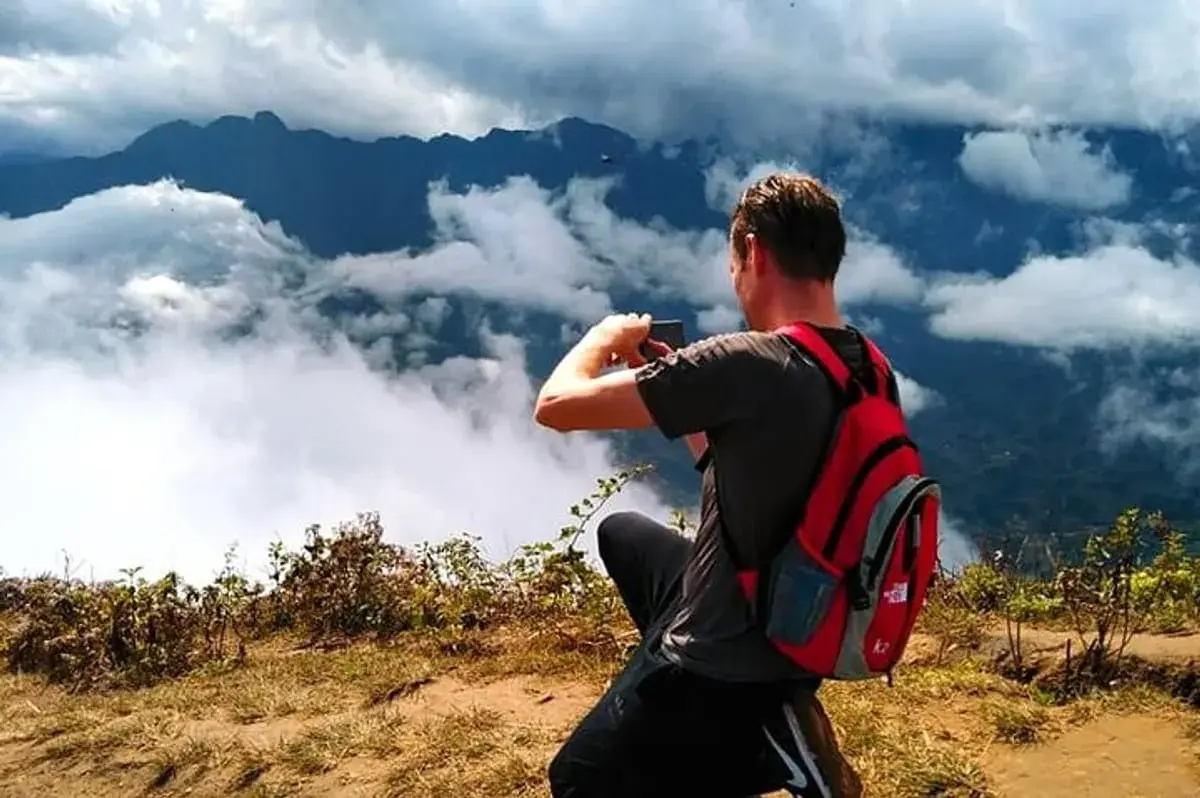
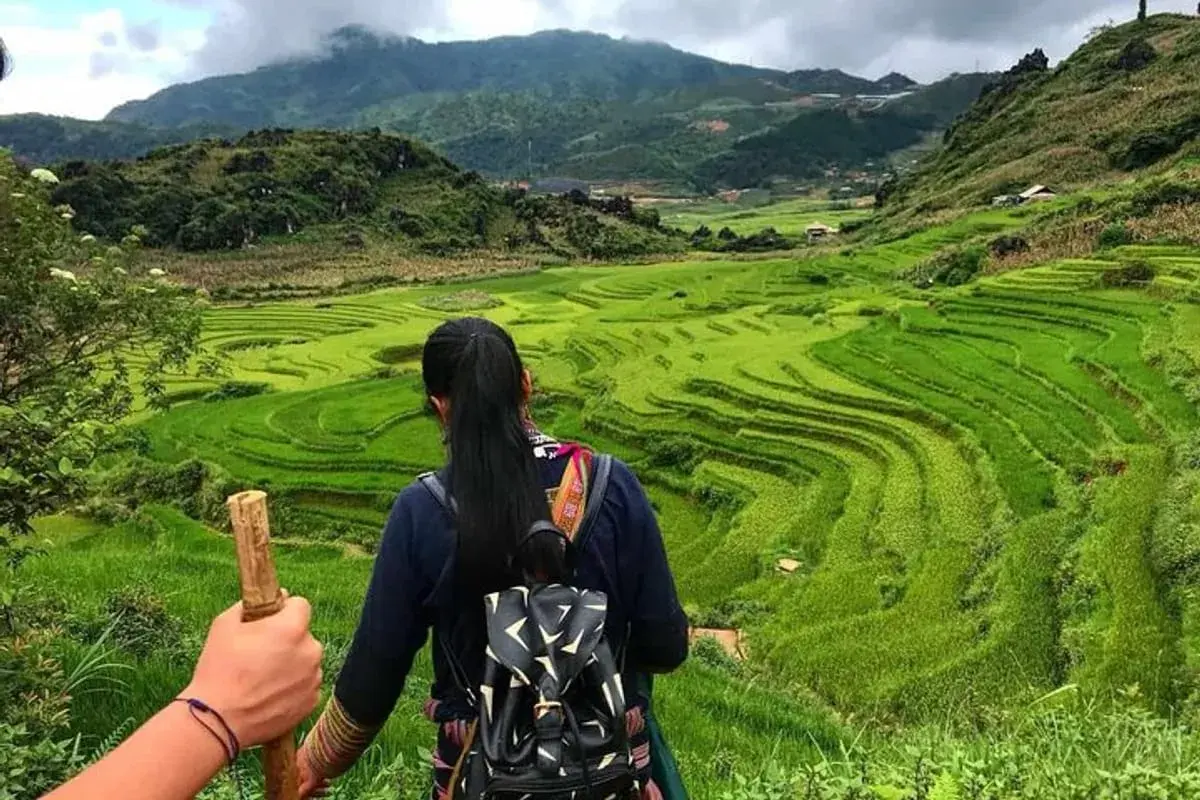
Backpacking Tips & Staying Safe
Vietnam is a safe, easy country to backpack, with low crime and a huge traveller scene. The main things to watch are the traffic, petty theft and minor scams — all easily managed with a little common sense.
Backpacking solo — the upsides
- Total freedom over your route and pace
- Social hostels make it easy to meet people
- Vietnam is very safe, including for solo women
- Cheaper and more flexible than a fixed tour
Things to plan for
- Traffic is the real hazard — cross slowly and steadily
- Watch phones & bags, especially near scooters in cities
- Agree taxi & market prices first; use app taxis
- Book peak-season buses and cruises ahead
A few more tips that make the trip smoother: carry some cash in Vietnamese dong, as many small places are cash-only; buy a cheap local SIM at the airport for maps and ride-hailing; keep digital and paper copies of your passport and insurance; and do not over-schedule — build in rest days, because the distances and slow journeys add up. Most of all, say yes to the homestay dinners and the hostel day-trips; the people you meet are half of what makes backpacking Vietnam so good. For more inspiration, see our guides to the best activities in Vietnam and the best places to visit.
What to Pack for Backpacking Vietnam
Pack light — you can buy almost anything cheaply on the road, and laundry is everywhere. The essentials:
- A 40–55L backpack and a small daypack for day trips and buses.
- Light, quick-dry clothes for the heat, plus one warm layer and a rain jacket for the cool, wet north.
- Comfortable walking shoes and flip-flops (boots for serious trekking can be rented in Sapa).
- A padlock for hostel lockers, a power bank, and a universal adapter.
- Basic meds & a small first-aid kit, sunscreen, insect repellent and hand gel.
- Copies of your passport & insurance, and a card plus some cash backup.
Rent Trekking Gear in Sapa — Travel Light
 Gear Rental
Trekking Boots Rental
No room in the backpack for boots? Rent a pair here just for the trek. At 105 Thach Son Street.
 Gear Rental
Walking Poles Rental
Poles at $2/day at our office — grab them for the trek, hand them back after. At 105 Thach Son Street.