 Sinh Giang
The best tourist activities in Vietnam are trekking the northern mountains, cruising and kayaking Ha Long Bay, riding the Ha Giang Loop, caving in Phong Nha, joining a street-food tour or cooking class, exploring Hoi An and Hue, boating the Mekong Delta, and unwinding on the beaches. In one long, narrow country you get high mountains, a 3,000 km coastline, UNESCO old towns, the world's biggest caves and some of Asia's best street food — which is why Vietnam rewards a mix of activities rather than just one. This guide sorts the top experiences into four easy groups — adventure, cultural, nature and food — with what each costs and how to do it.
We are a local team based in Sapa, so the northern mountains are our home ground — but over the years we have sent travellers the length of the country and helped plan the bits between the treks. Everything below is something we would happily point a friend towards. Let's start with a quick overview, then work through the activities group by group.
Vietnam Activities at a Glance
Vietnam's activities fall into four broad types, and most good trips combine all four. Here is the quick picture before the detail.
Vietnam Activities — Quick Reference
- Adventure:Trekking, motorbiking, kayaking, caving, diving, climbing
- Cultural:Hoi An, Hue, homestays, cooking classes, water puppets, temples
- Nature:Ha Long Bay, Mekong Delta, rice terraces, national parks
- Food & social:Street-food tours, coffee culture, markets, nightlife
- Typical cost:USD 20–90 per activity; street food & beaches near-free
- Best for trekking:The northern mountains — Sapa & Ha Giang
- Booking:1–2 days ahead; more for cruises, Ha Giang & permits
You will not fit all of these into one trip, and you should not try. Pick two or three activity types that excite you — say adventure and food, or culture and nature — and build a route around them. For most first-timers, a northern trek, a Ha Long cruise and a couple of food-and-culture days in the centre is the classic, well-balanced mix.
Vietnam Activities by Region
Vietnam is long and narrow, and the activities change as you travel down it. Knowing which experiences belong to which region helps you plan a route that flows from north to south (or back) without doubling back.
| Region | Signature activities | Best base |
|---|---|---|
| The North | Trekking & homestays (Sapa), the Ha Giang Loop, Ha Long Bay cruise & kayak, Ninh Binh boats | Hanoi / Sapa |
| The Centre | Hoi An old town, the Hue citadel, Phong Nha caving, the Hai Van Pass, beaches | Da Nang / Hoi An |
| The South | Mekong Delta & floating markets, Cu Chi tunnels, islands, diving & nightlife | Ho Chi Minh City / Phu Quoc |
A classic two-week trip strings these together: adventure and nature in the north, culture and beaches in the centre, and the delta or islands in the south. If your time is short, pick one region and go deep rather than racing the length of the country. The north alone — trekking, a loop and a bay cruise — easily fills a rewarding week.
Adventure & Outdoor Activities
Vietnam is one of Southeast Asia's best adventure destinations, with world-class trekking, motorbiking, kayaking and caving all within reach of ordinary travellers. These are the experiences that get the biggest reactions from the people we send off into the country.
1. Trek the Rice Terraces & Villages of Sapa
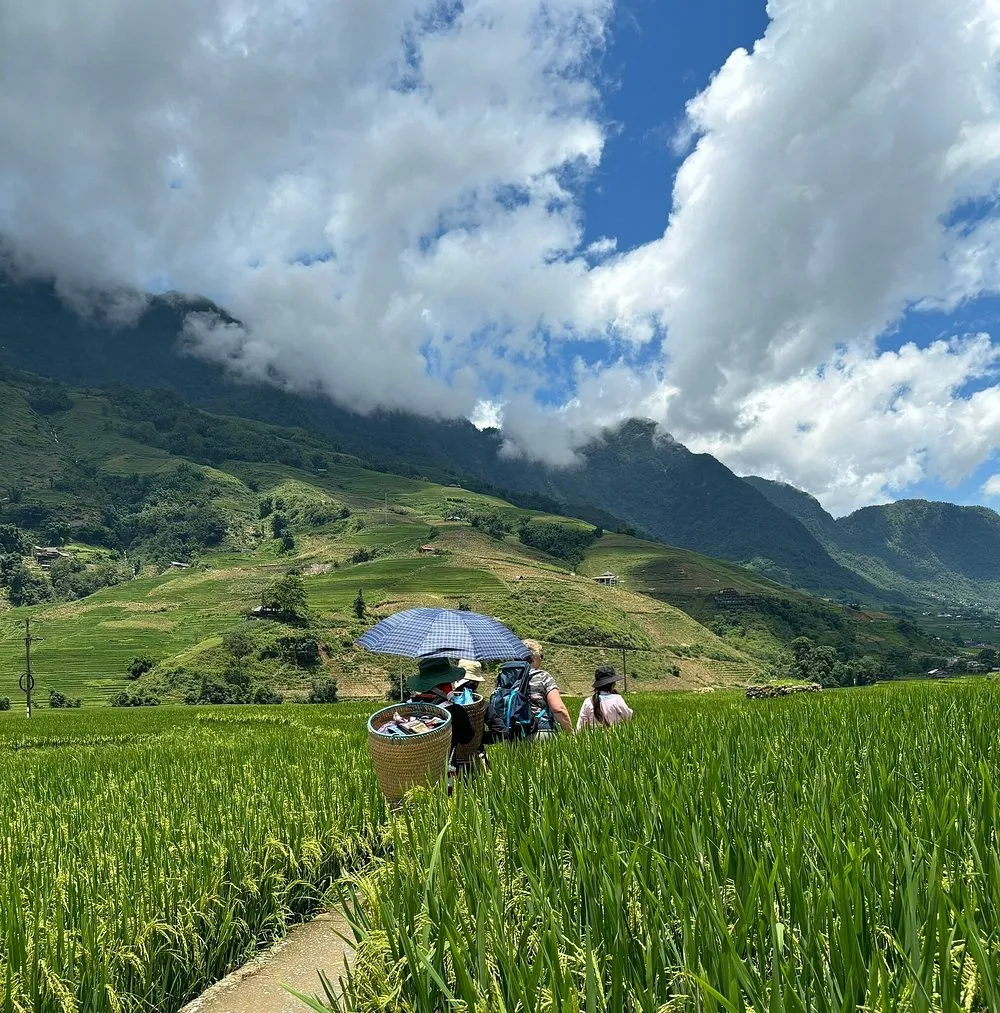
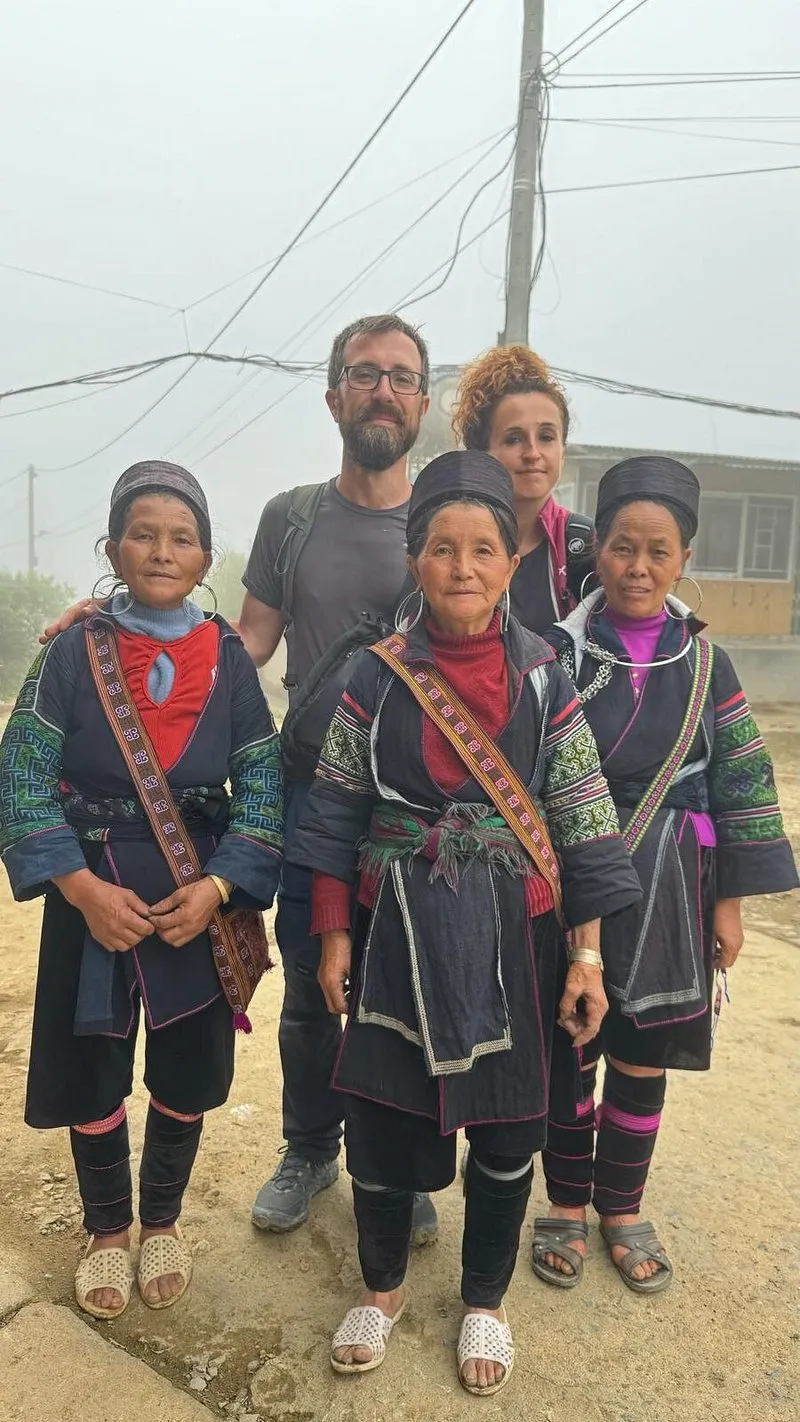
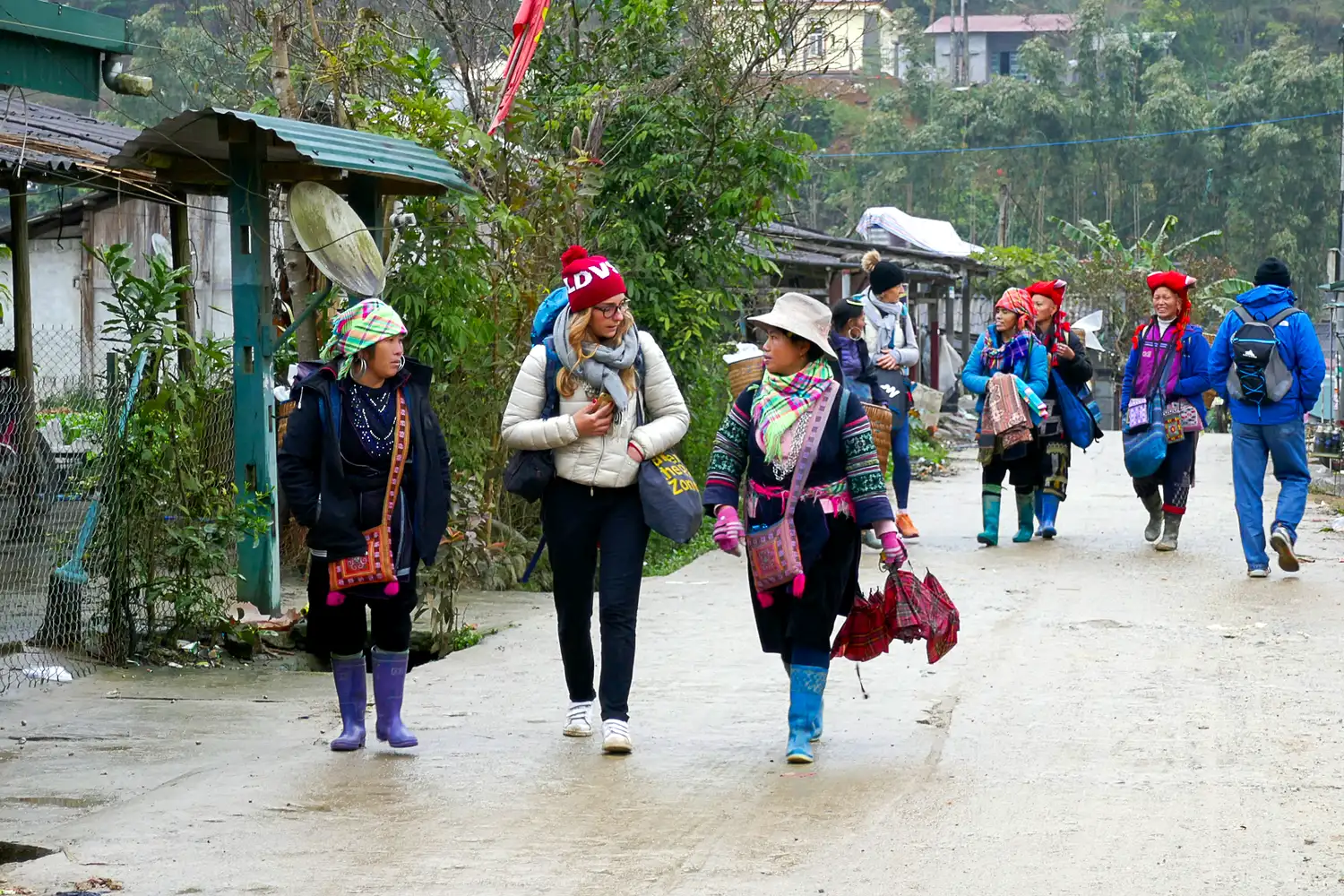
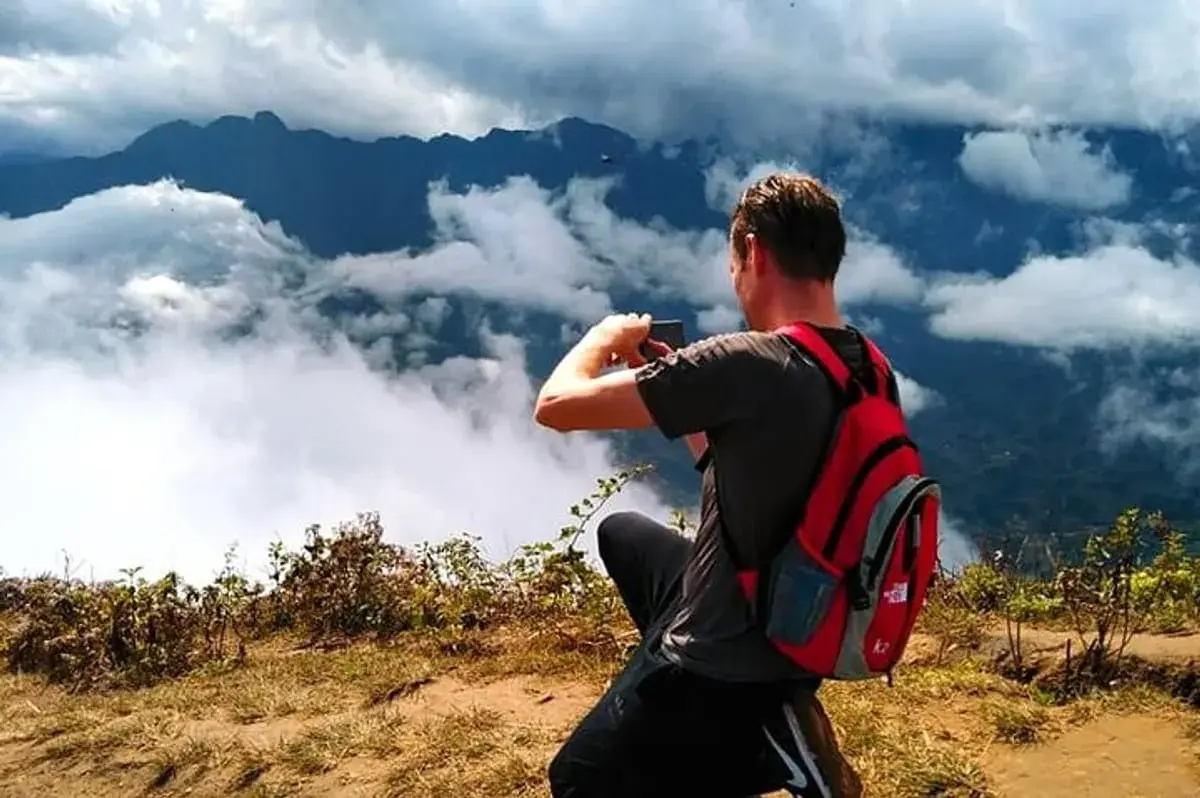
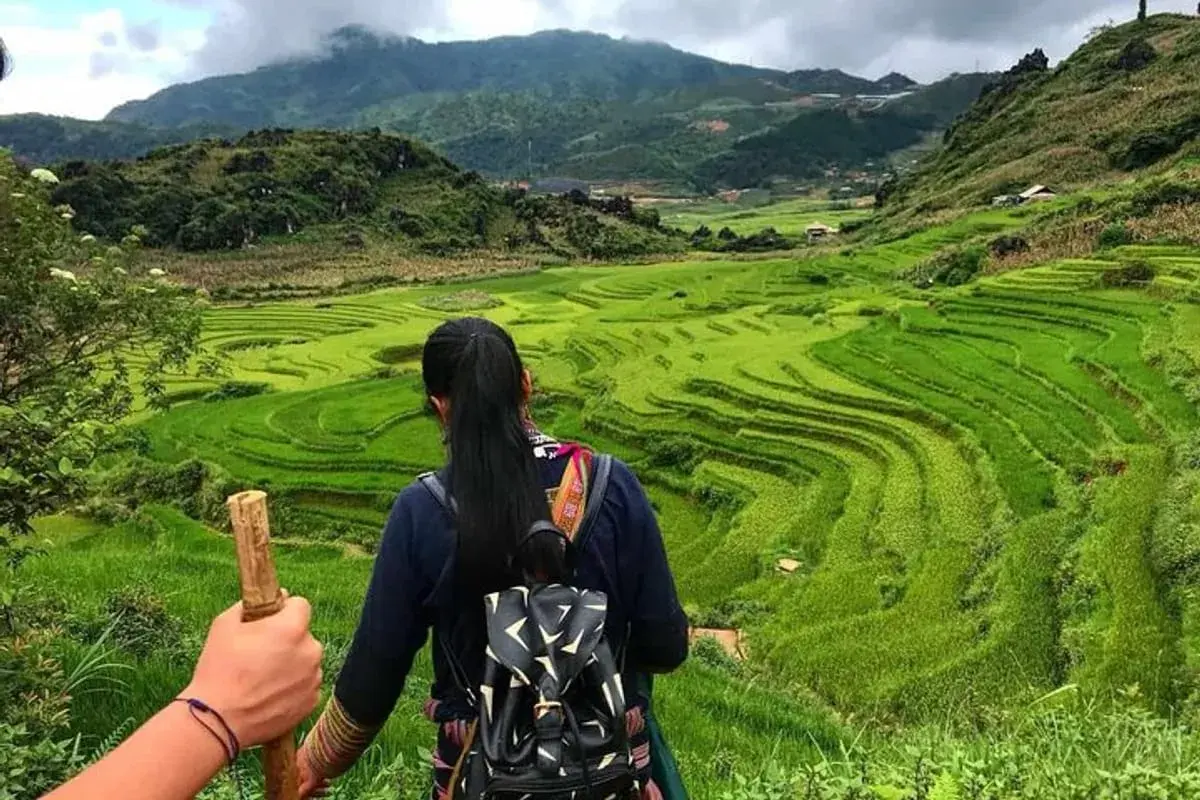
Trekking through the rice terraces and hill-tribe villages of the north is, for us, the single most rewarding activity in Vietnam — and not just because it is our home. Around Sapa, well-worn trails link Black H'mong and Red Dao villages through the Muong Hoa Valley, past terraces that glow green in summer and gold at harvest. You can do a gentle half-day walk or a multi-day village-to-village trek sleeping in homestays, always with a local guide who grew up on these paths. It is active, deeply cultural and endlessly photogenic.
2. Cruise & Kayak Ha Long Bay
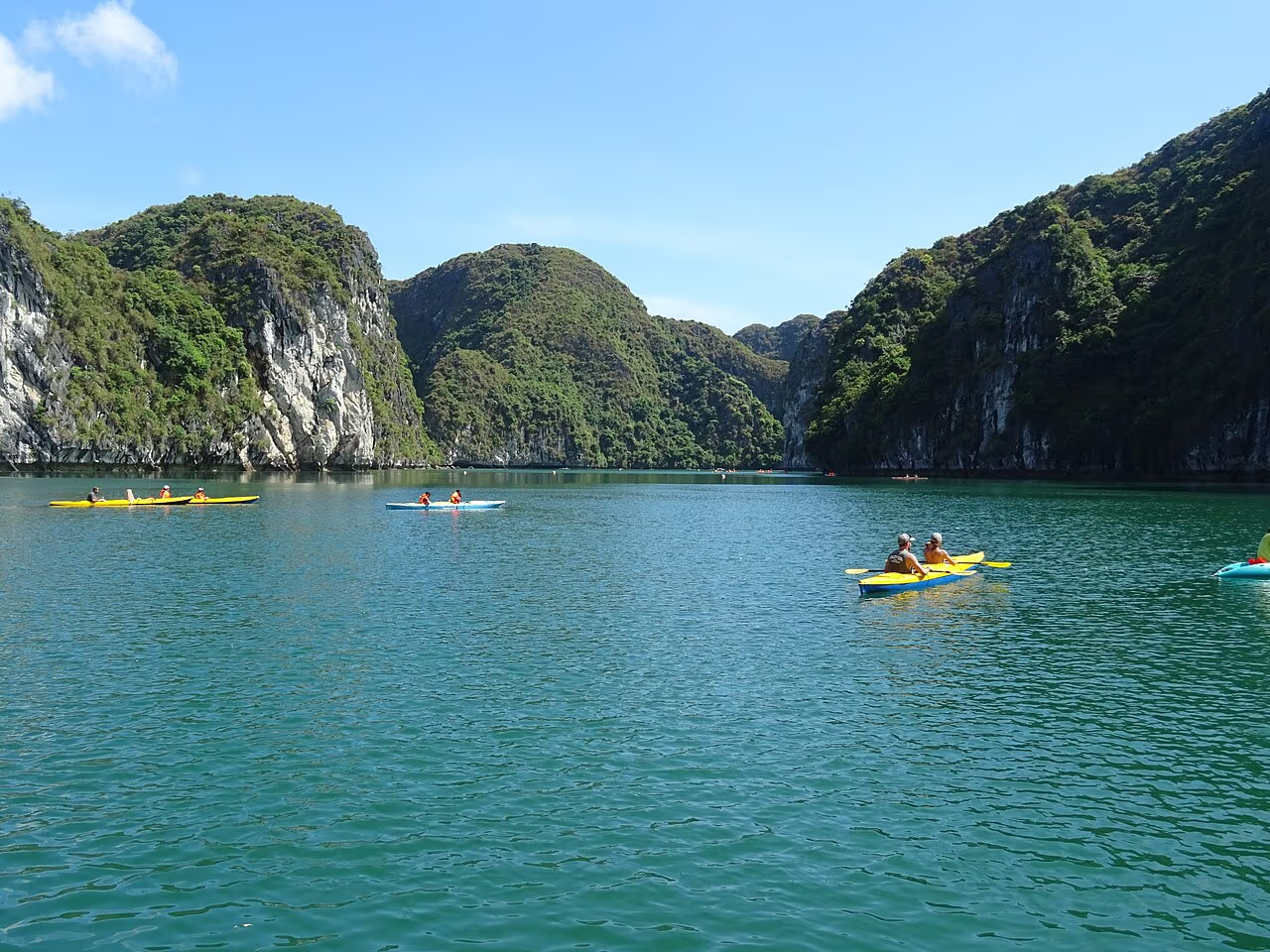
A boat trip through the emerald water and limestone karsts of Ha Long Bay is the picture most people have of Vietnam, and it lives up to it. Day cruises take in caves, floating villages and a swim stop; overnight cruises add sunset on deck, squid fishing and a quieter morning after the day boats leave. The best bit is getting off the big boat: kayaking into hidden lagoons and through low sea-caves puts you right on the water among the cliffs. For fewer crowds, base yourself on Cat Ba Island and explore neighbouring Lan Ha Bay instead, or the quieter Bai Tu Long Bay to the north-east. Pick your cruise carefully — boats range from budget day-trippers to boutique overnight junks — and read recent reviews, as quality and route vary a lot for similar prices.
3. Ride the Ha Giang Loop by Motorbike
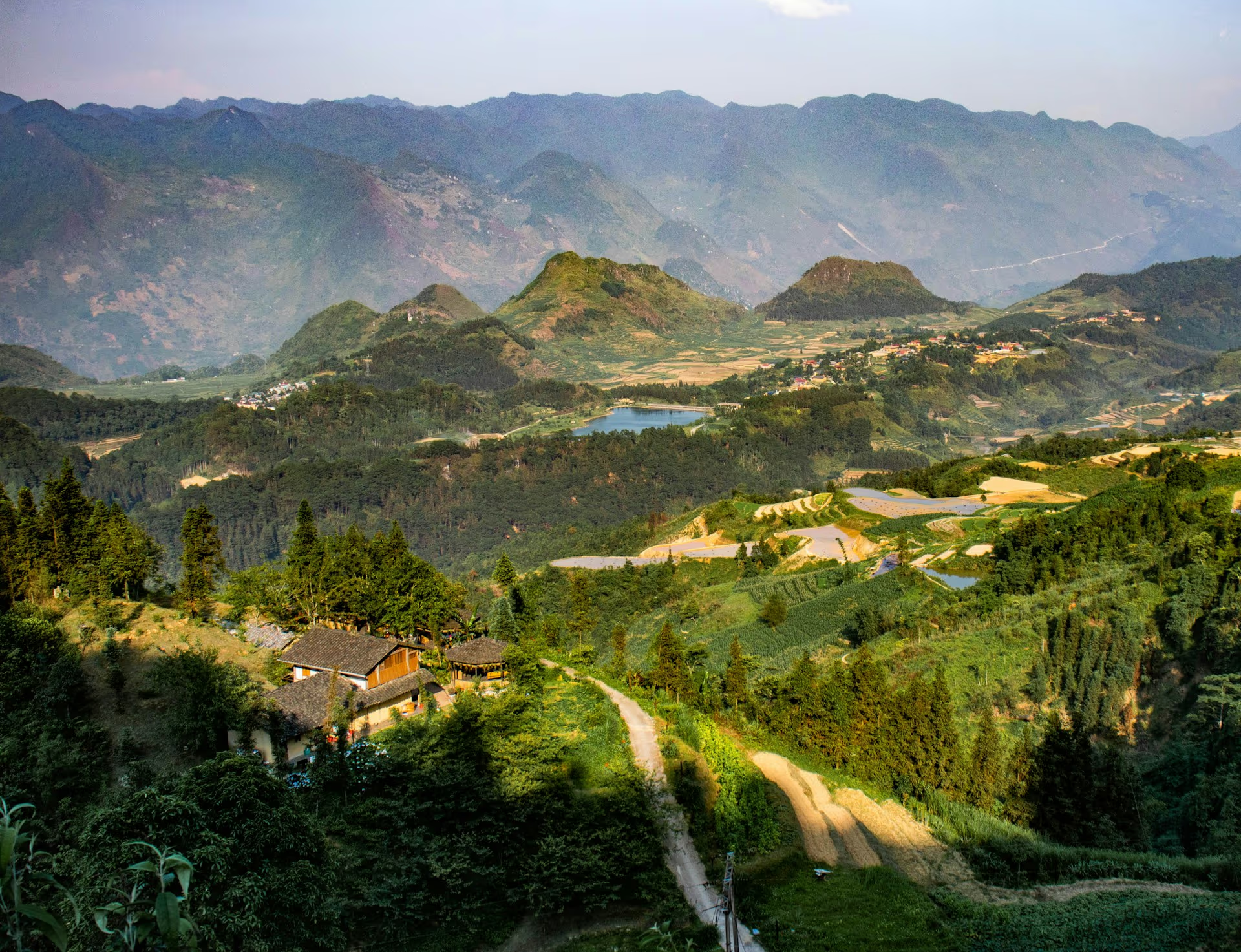
The Ha Giang Loop has become Vietnam's must-do road trip — a three-to-four-day motorbike circuit through the far-northern karst mountains, past the Ma Pi Leng Pass and the turquoise Nho Que River. Ride it yourself if you are an experienced rider, or hop on the back with an "easy rider" local driver if you are not. Either way it is raw, remote and unforgettable, threading ethnic-minority villages and some of the most dramatic scenery in the country. You do not need to be an expert — but if you ride yourself, take it slowly, wear a proper helmet, and never ride at night on these mountain roads. The easy-rider option, with a local doing the driving, is genuinely the smart choice for most travellers. See our complete Ha Giang Loop guide for how to plan it.
4. Go Caving in Phong Nha-Ke Bang
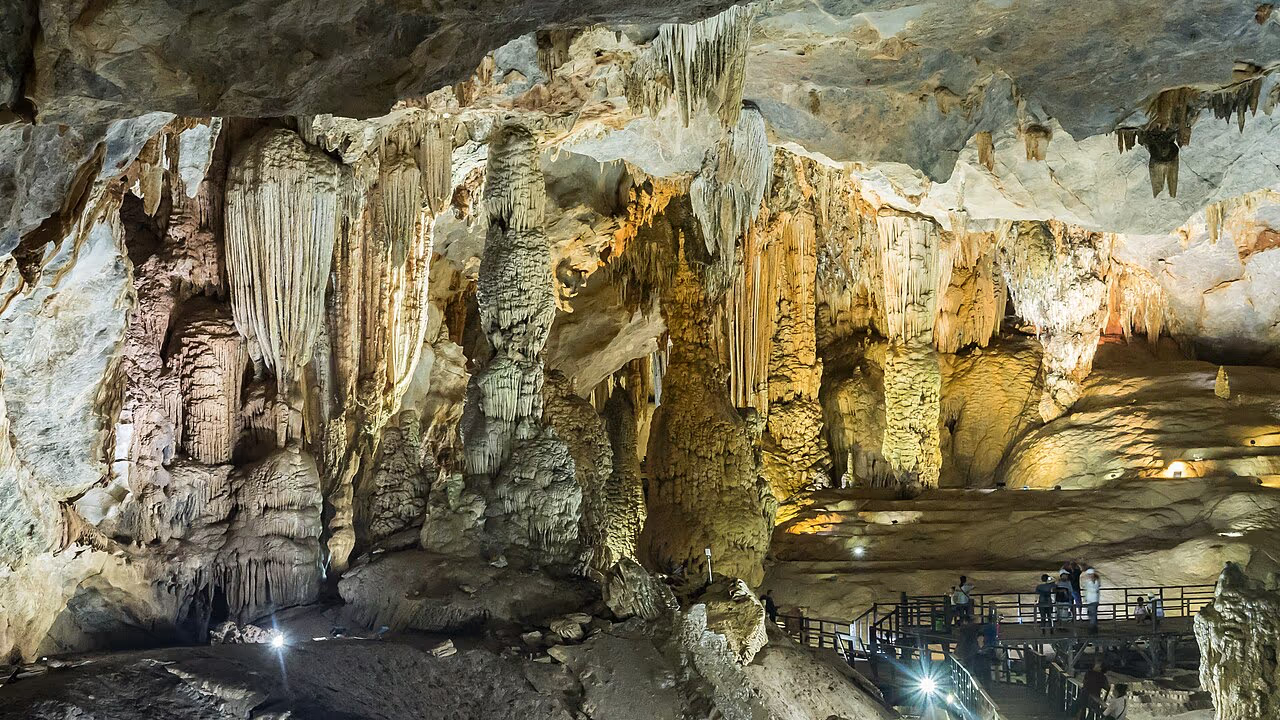
Central Vietnam's Phong Nha-Ke Bang National Park holds some of the largest caves on Earth, and exploring them is a genuine bucket-list adventure. Easy show-caves like Paradise Cave and Phong Nha Cave have lit boardwalks and boat rides suitable for anyone; more adventurous trips add river-wading, camping and abseiling in caves such as Tu Lan and Hang En. The nearby Dark Cave throws in a zip-line, a mud bath and a kayak for a fun half-day. At the top sits Son Doong, the biggest cave in the world — big enough to hold a city block and its own jungle and weather — explorable only on a small number of expensive permitted expeditions each year, booked many months ahead.
5. Climb Fansipan, the Roof of Indochina
At 3,143 metres, Fansipan near Sapa is the highest peak in Vietnam and all of Indochina. Serious trekkers climb it over one to two hard days through changing forest and cloud; everyone else can ride the cable car from Sapa to a summit complex of temples and viewpoints in about fifteen minutes. Either way the views over the Hoang Lien Son range on a clear morning are extraordinary. It pairs naturally with a valley trek for a mountain-focused few days in the north.
6. Dive, Snorkel & Canyon on the Coast and Highlands
Vietnam's coast and highlands add water and thrill sports to the mix. Scuba diving and snorkelling are best off Nha Trang, the Con Dao islands and Phu Quoc, with warm water and affordable dive schools. In the cool highland town of Da Lat, canyoning — abseiling down waterfalls and sliding into pools — is a hugely popular half-day adrenaline hit. None of these needs prior experience; reputable operators run beginner sessions daily.
Trek the Northern Mountains with Local Guides
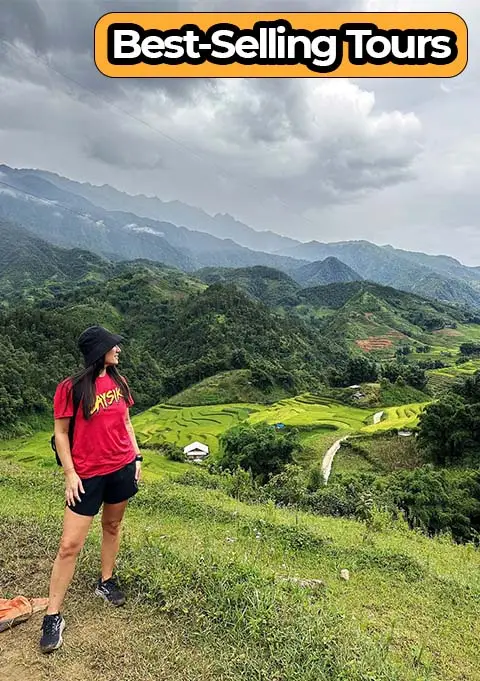 1 Day Trek
Trekking Through Rice Terraced Fields
The classic Sapa day trek through the Muong Hoa Valley and its villages.
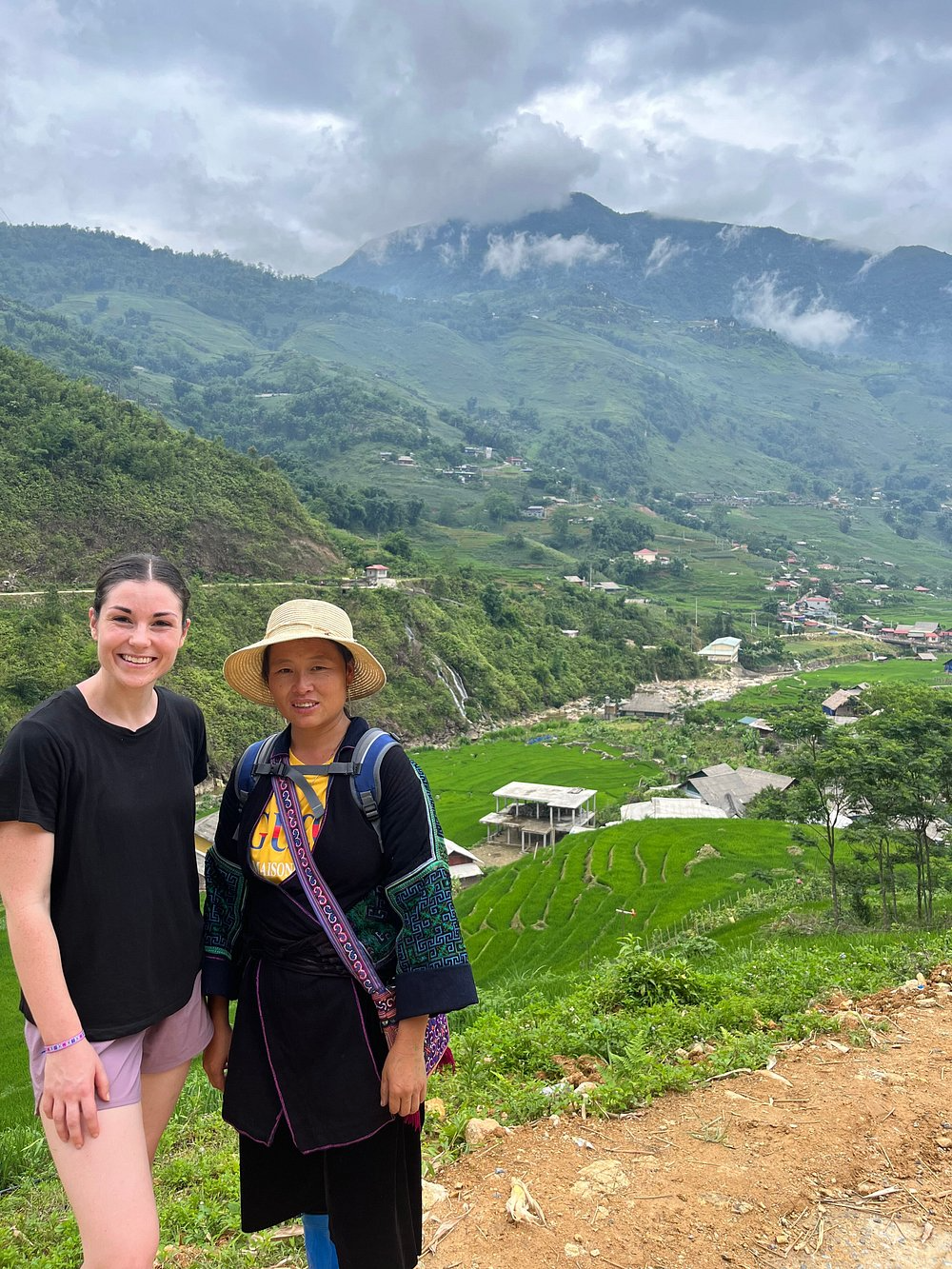 2D1N Homestay
Rice Terraced Fields & Homestay
Trek plus a night with a village family — adventure and culture in one.
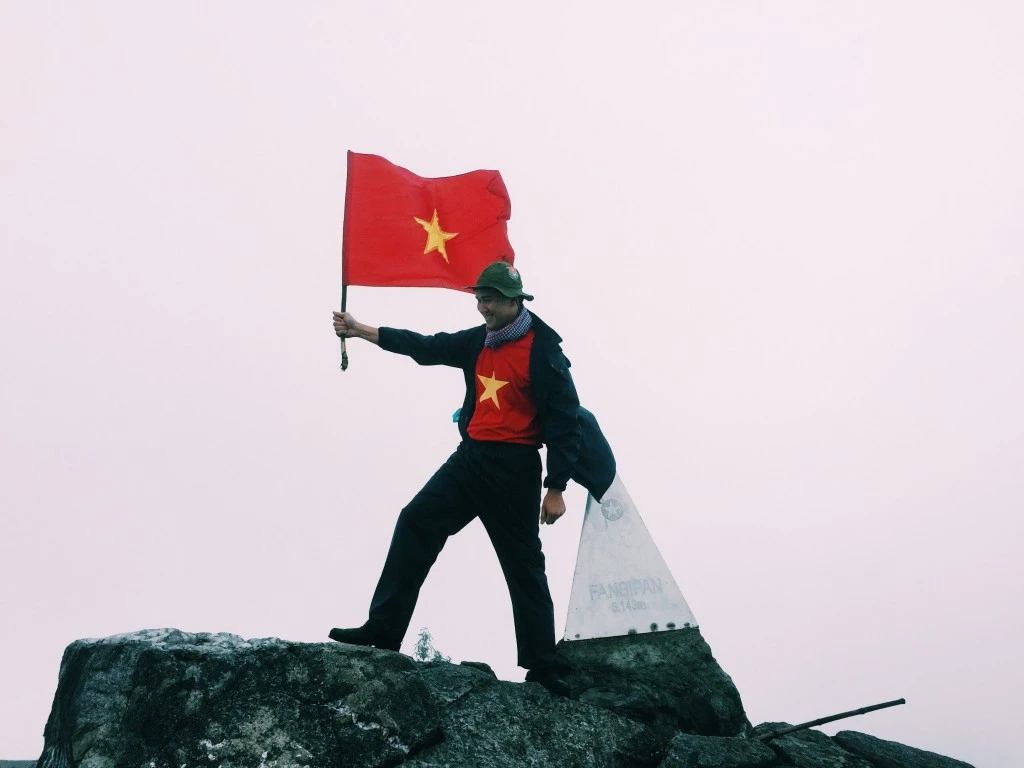 Fansipan
Fansipan Trek One Day Tour
Summit the highest peak in Indochina — the ultimate Sapa adventure.
Cultural Activities
Beyond the adventure, Vietnam's culture is one of the richest in Asia — a thousand years of history, distinctive food, and 54 ethnic groups. These activities put you inside that culture rather than just looking at it.
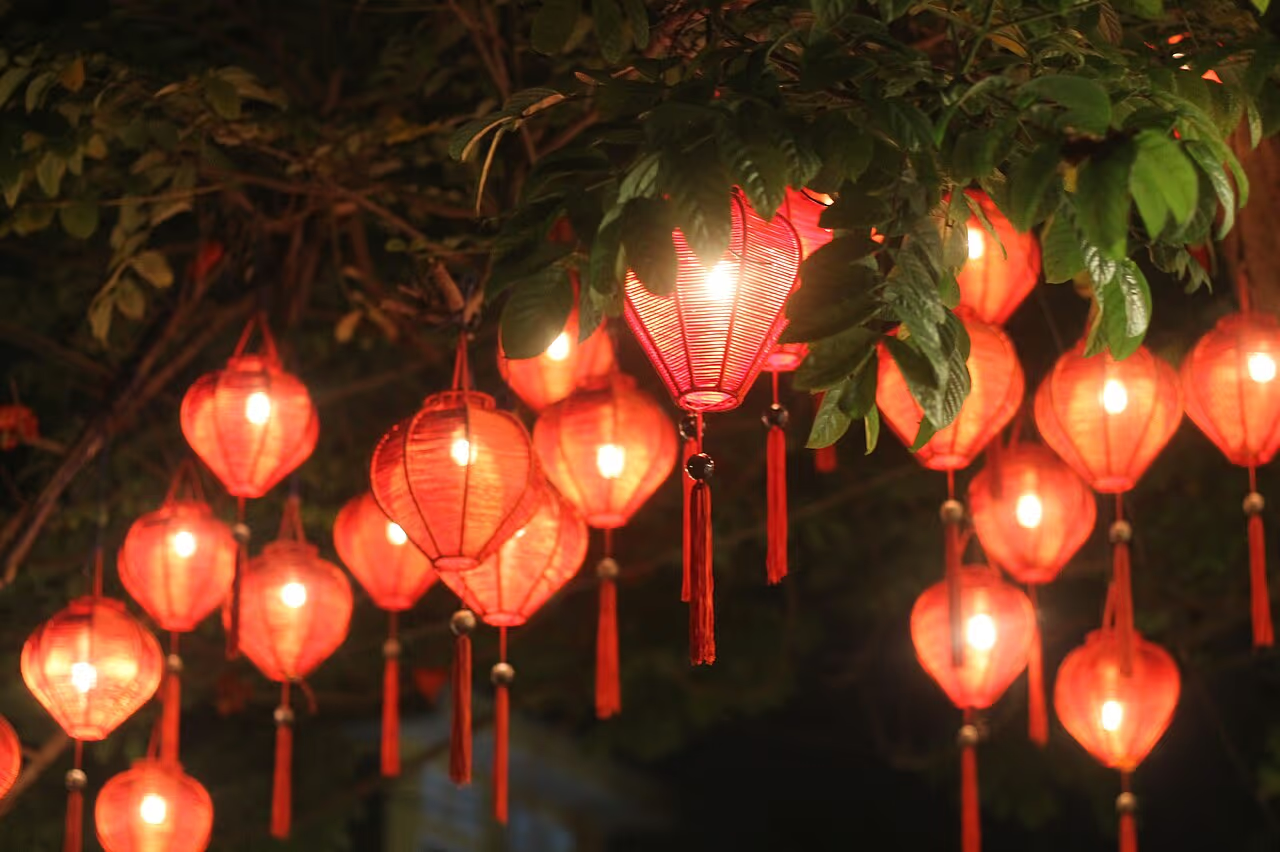
7. Explore Hoi An's Lantern-Lit Old Town
The UNESCO-listed old town of Hoi An is many travellers' favourite place in Vietnam, and wandering it is an activity in itself. By day, browse tailor shops, craft workshops and the riverside market; as dusk falls, thousands of silk lanterns switch on and the whole town glows. Order a custom suit or dress from a tailor, take a cooking class, cycle out to the beach or rice paddies, and float a paper lantern on the river at night. It is walkable, atmospheric and endlessly charming — and one of the few places where you can genuinely slow down. Hoi An is also Vietnam's tailoring capital, so many travellers use their days here to have a suit, dress or coat made to measure while they explore.
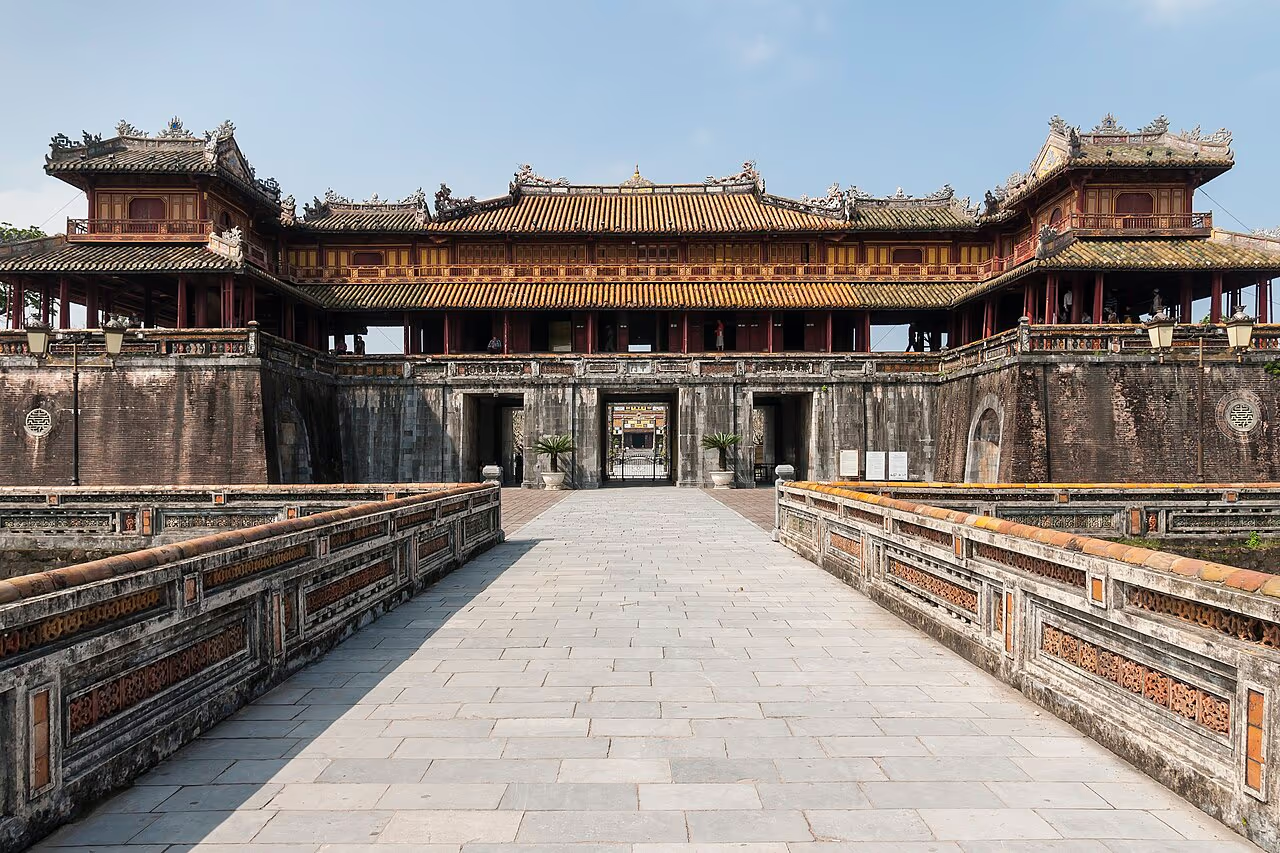
8. Step into History at the Imperial City of Hue
Hue was the capital of Vietnam's last dynasty, and its walled Imperial City — a citadel of palaces, gates and courtyards on the Perfume River — is the country's grandest history lesson. Spend a morning exploring the restored throne halls and moats, then take a boat or bike to the ornate royal tombs scattered in the hills around the city. Hue is also a food capital, home to spicy bun bo Hue noodle soup and refined former royal cuisine.
9. Stay Overnight in a Hill-Tribe Homestay
The most memorable cultural activity we offer is simply staying the night with a local family. On an overnight trek near Sapa you sleep in a village homestay, share a home-cooked dinner around the fire, and wake to mist over the terraces. It is a real window into hill-tribe life — the farming, the food, the textiles — and the money goes straight to the community. No performance, no staged show; just an evening as a guest in someone's home — the smell of wood smoke from the kitchen, rice wine passed around after dinner, and the deep quiet of a valley at night. For many of our guests it is the single moment of the whole Vietnam trip they talk about most.
10. Take a Cooking Class & See the Water Puppets
Two smaller cultural activities are worth building in. A Vietnamese cooking class — especially in Hoi An or Hanoi — usually starts with a market tour, then teaches you to roll fresh spring rolls and cook a few classics you can make at home. And in Hanoi, the water-puppet theatre is a charming, uniquely Vietnamese art form dating back to the rice-paddy villages of the Red River Delta, performed over water to live traditional music.
Nature & Scenic Activities
Some of the best things to do in Vietnam are simply about getting out into extraordinary landscapes — by boat, bike or on foot. These are the gentler, scenery-first activities.
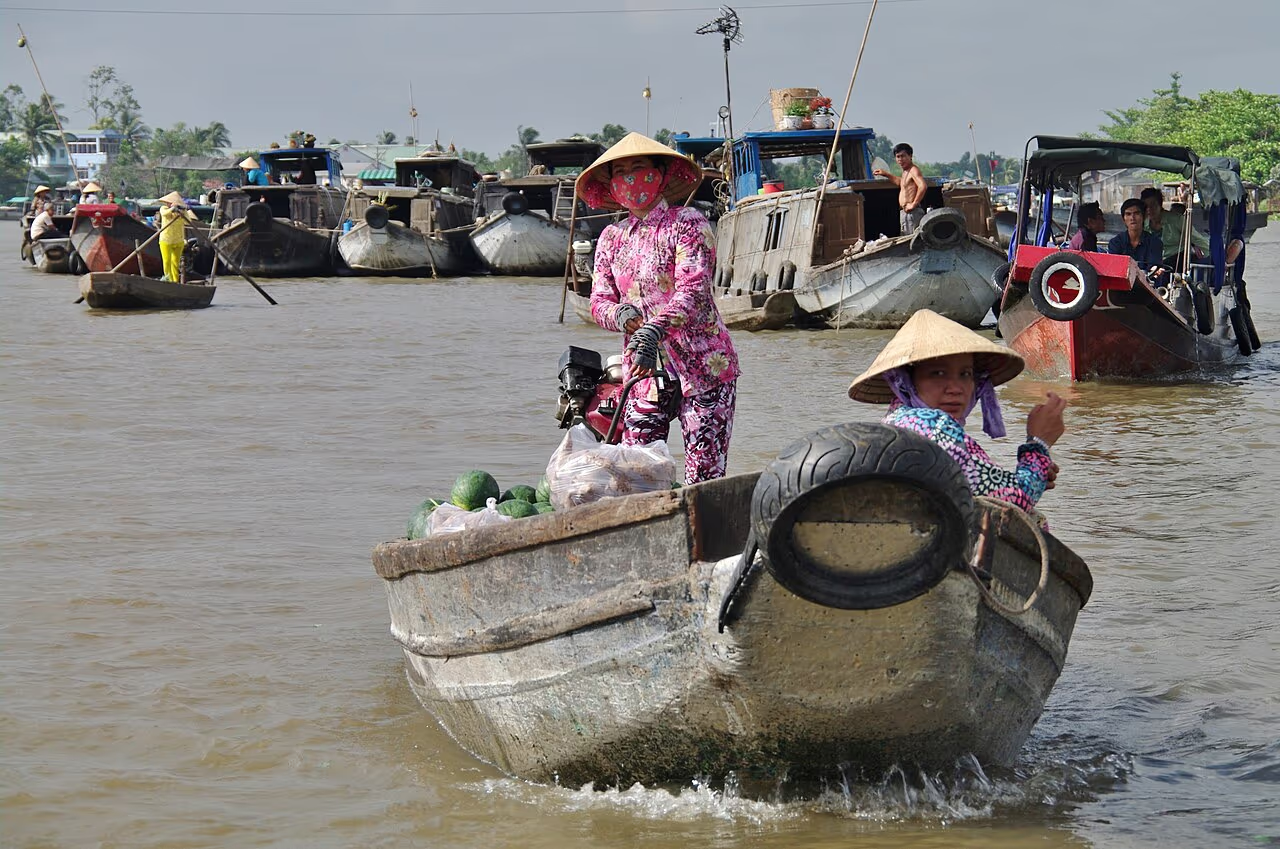
11. Boat the Mekong Delta & Its Floating Markets
In the far south, the Mekong Delta is a watery world of rivers, canals, orchards and stilt houses, best explored by boat. The classic activity is an early-morning visit to a floating market such as Cai Rang near Can Tho, where traders sell fruit and vegetables boat-to-boat as they have for generations. Add a paddle down a narrow coconut-palm canal, a cycle through delta villages, and a stop at a local workshop making rice paper or coconut candy. Stay overnight in a delta homestay around Ben Tre or Can Tho and you swap the day-tripper crowds for a slower, more authentic side of the south — fireflies, home cooking, and the river traffic starting before dawn.
12. See the Rice Terraces & the "Ha Long on Land"
Vietnam's landscapes are the activity. In the north, the rice terraces of Sapa, Mu Cang Chai and Hoang Su Phi are stunning to walk or ride through, especially at the September–October harvest. Just south of Hanoi, Ninh Binh — often called "Ha Long Bay on land" — offers rowboat trips through cave-pierced karst towers rising from flooded rice fields at Trang An and Tam Coc. See our Ninh Binh guide for the best boat routes and viewpoints.
13. Hike the National Parks & Spot Wildlife
For nature lovers, Vietnam's national parks are quiet and rewarding. Cuc Phuong, the country's oldest, has ancient trees, a primate rescue centre and easy jungle trails; Cat Ba combines forest hikes with the bay; and Phong Nha-Ke Bang pairs its caves with river valleys and rare wildlife. Birdwatchers, butterfly-spotters and slow-travel hikers will find far fewer crowds here than at the headline sights. Guides and homestays are easy to arrange at the park gates, and a night in the forest — to the sound of gibbons at dawn — is a side of Vietnam most visitors never see.
Reach the Northern Mountains from Hanoi
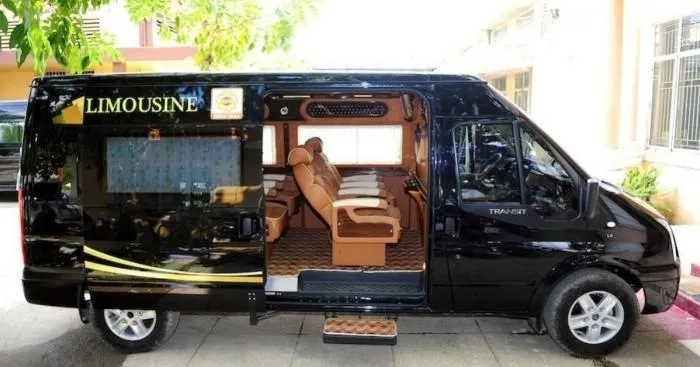
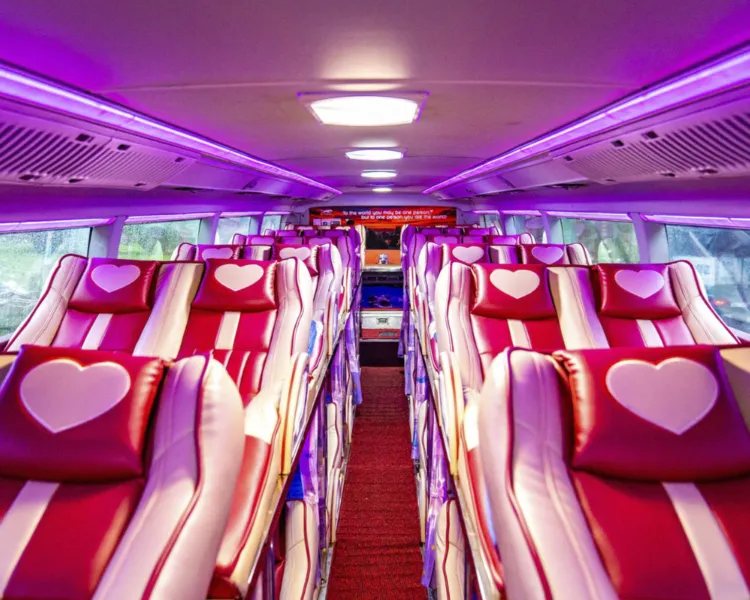
Food & Everyday Activities
You cannot separate Vietnam from its food, and eating here is an activity in its own right. These everyday experiences are cheap, sociable and among the most fondly remembered parts of any trip.
14. Take a Street-Food Tour
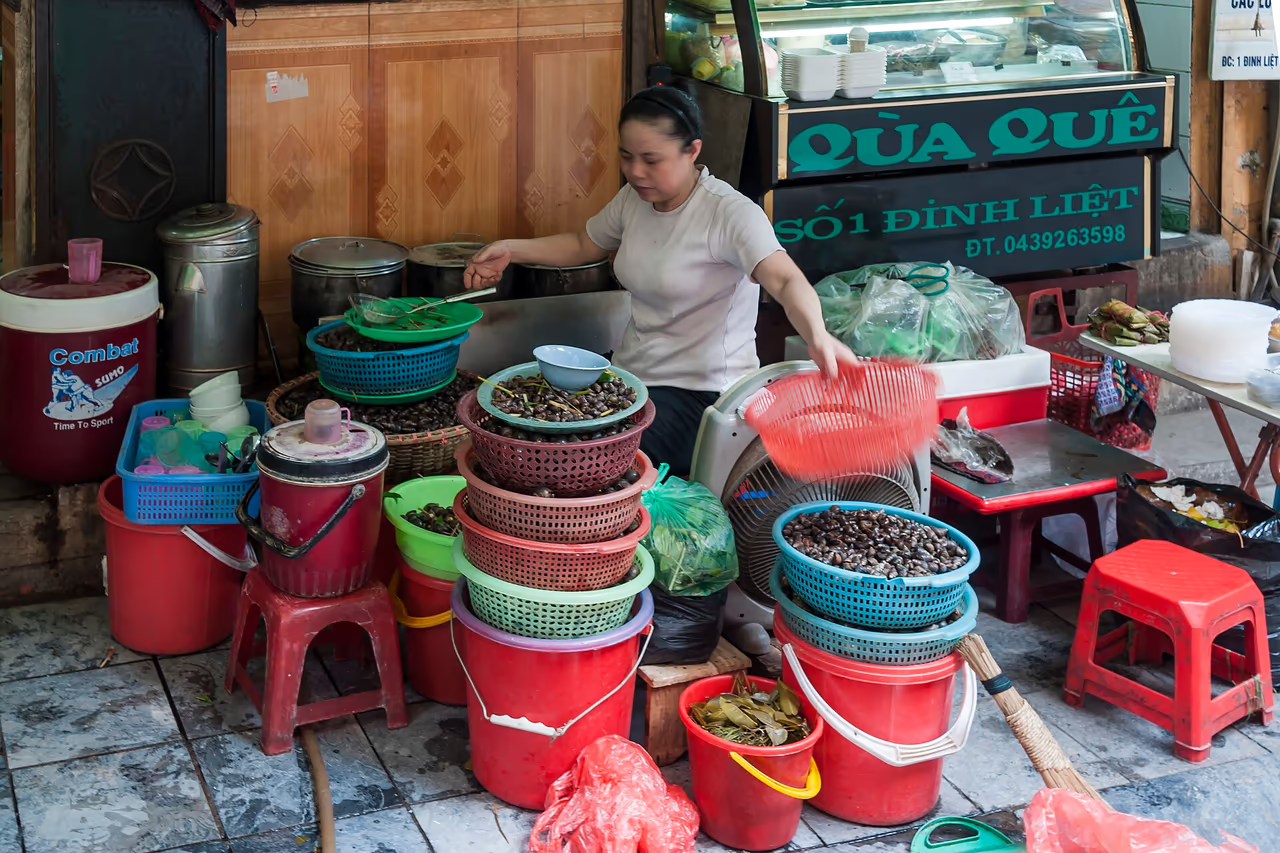
Vietnamese street food is world-famous, and the best way in is a guided street-food tour through Hanoi or Ho Chi Minh City. A local walks you between the stalls that tourists would never find, ordering pho, bun cha, banh mi, fresh spring rolls and snails, and explaining what you are eating. Each region has its own specialities — pho and bun cha in Hanoi, mi Quang and cao lau in the centre, banh xeo and southern-sweet dishes in Saigon. Pull up a plastic stool, eat where the queue is longest, and wash it down with a glass of bia hoi — fresh draught beer for less than a dollar. It is the cheapest, most sociable activity in the country, and often the best.
15. Dive into Coffee Culture, Markets & Nightlife
Vietnam is the world's second-largest coffee producer, and sitting over a ca phe sua da (iced coffee with condensed milk) or the famous Hanoi egg coffee is a proper local ritual. Round out your days by browsing markets — from Hanoi's old quarter to the ethnic-minority Bac Ha market near Sapa — and, if you want a big night, the buzzing bar streets of Hanoi, Saigon and Da Nang. Rooftop bars in Hanoi and Saigon, riverside cocktails in Hoi An, and the beach clubs of Da Nang and Nha Trang give every budget a night out. And it need not be late or boozy — an evening stroll around a night market, street snack in hand, is a fine activity in itself. For gift ideas along the way, see our guide to the best things to buy in Vietnam.
Combine Trekking, Homestay & Culture
What Vietnam Activities Cost
Vietnam is one of the best-value destinations in the world, and most activities cost a fraction of what you would pay elsewhere. Here is a rough guide to typical per-person prices — they vary with season, group size and how you book.
Prices are in US dollars for reference; you will pay in Vietnamese dong. The big exception is the Son Doong cave expedition, which runs to several thousand dollars because of strict permit limits. For everything else, a modest daily budget buys a lot of experience.
When to Do Each Activity
Vietnam's weather runs on regional seasons rather than one national climate, so the best time depends on the activity. Here is the short version for planning around the experiences you want most.
- Spring (Feb–Apr) is the best all-rounder — dry and mild almost everywhere. Ideal for trekking, cities, culture and the warming central beaches, before the summer heat.
- Summer (May–Aug) turns the northern terraces lush green and is peak beach season on the central and southern coast. It is hot and humid, with afternoon downpours in the north, so start treks early and book Ha Long cruises ahead.
- Autumn (Sep–Nov) brings the golden rice harvest to the north — the best trekking of the year around Sapa and Mu Cang Chai. Avoid the central coast in October–November, when storms and flooding hit hardest.
- Winter (Dec–Jan) is cold and misty in the far north (Fansipan can even see frost), but dry and perfect for beaches, diving and island-hopping in the south, especially Phu Quoc.
In practice, if you have your heart set on the golden terraces, come in autumn; if you want to combine mountains and beach comfortably, spring is the safest bet. For a deeper month-by-month breakdown, see our guide to the best month to visit Vietnam.
Which Activities Are Right for You?
Not every activity suits every traveller. Here is a quick way to match the experiences to the kind of trip you want.
Adventure seeker
Culture & history lover
Beach & relax
Families & easy pace
Most travellers are a blend — a bit of adventure, a bit of culture, a beach day to recover. Whatever your mix, build your route around two or three activity types and you will come home with a trip that feels varied rather than rushed. For more inspiration, browse our guides to the best cities to visit in Vietnam and all the things to do in Vietnam.
Rent Trekking Gear in Sapa — Pack Light for the Rest
 Gear Rental
Trekking Boots Rental
Rent proper boots for the trek instead of lugging them across the country. At 105 Thach Son Street.
 Gear Rental
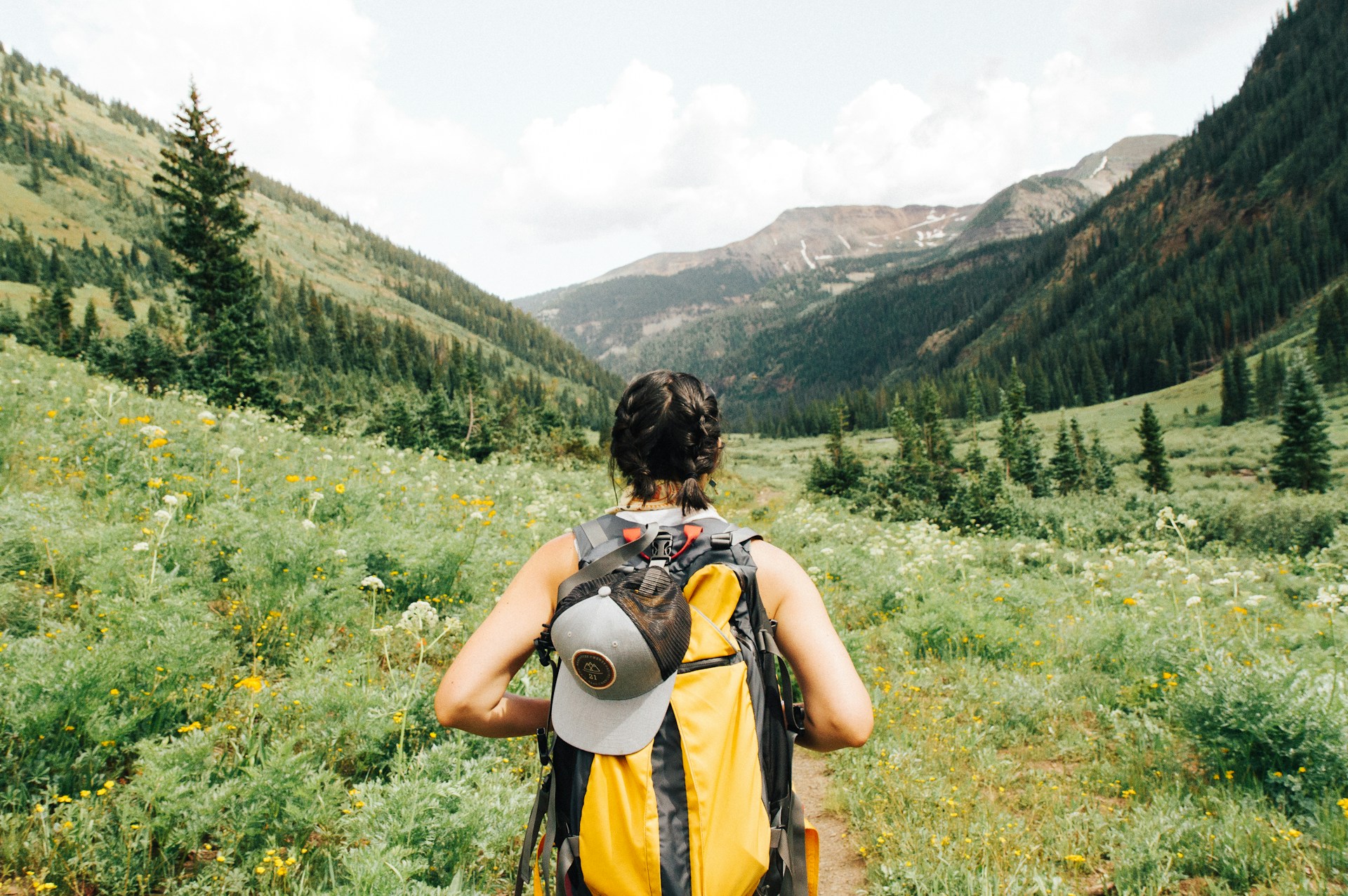
Walking Poles Rental
Poles at $2/day at our office — grab them for the trek, hand them back after. At 105 Thach Son Street.