 Sinh Giang
You can see Vietnam in a week. You can do Vietnam for a month and still leave with a list. The difference between the two trips is the question this guide answers: not where to go, but what to actually do when you get there — the experiences that turn a sightseeing itinerary into the kind of trip people talk about for years.
After years of hosting travelers in the north, we've watched which activities get a polite "that was nice" and which ones get the late-night messages months later. They're rarely the obvious ones. The single experience our guests rate highest isn't a landmark you photograph — it's a day spent walking, eating, and sitting in a stranger's kitchen high in the mountains. More on that below.
Here are the best things to do in Vietnam, organised by the kind of experience rather than the map — so you can build a trip around what you love doing, not just the places everyone ticks off.
First, What's Your Travel Style?
Vietnam rewards almost every kind of traveler, but it rewards them in different valleys. Find yourself below — then jump to the activities that fit. (Most people are a mix; lead with your strongest pull.)
The Hiker / Outdoors Type
The Foodie
The Culture & History Traveler
On Foot: Trekking, Peaks & the Mountain North
If you do one active thing in Vietnam, make it this. The northern mountains are where the country stops being a place you look at and becomes a place you move through — and where the experience our travelers rate above everything else actually happens.
Trek the Sapa rice terraces — the thing to do in Vietnam
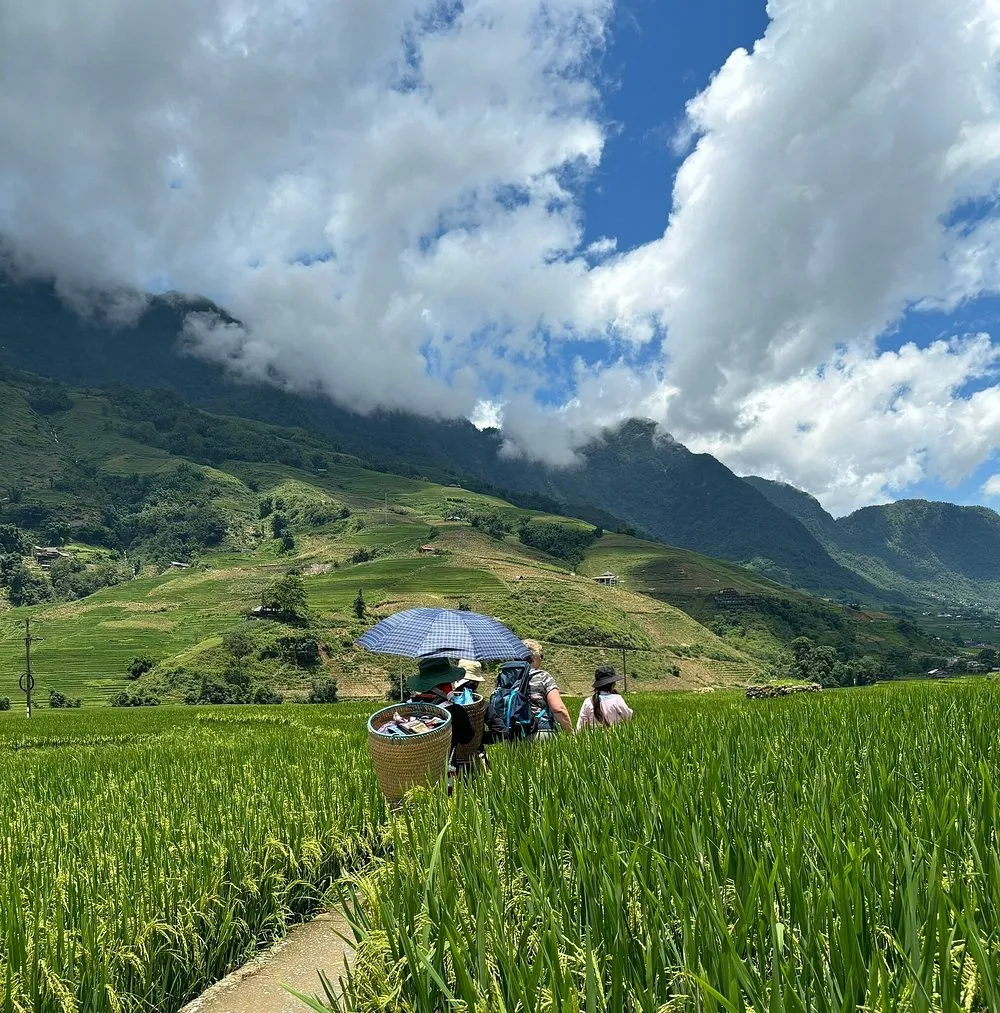
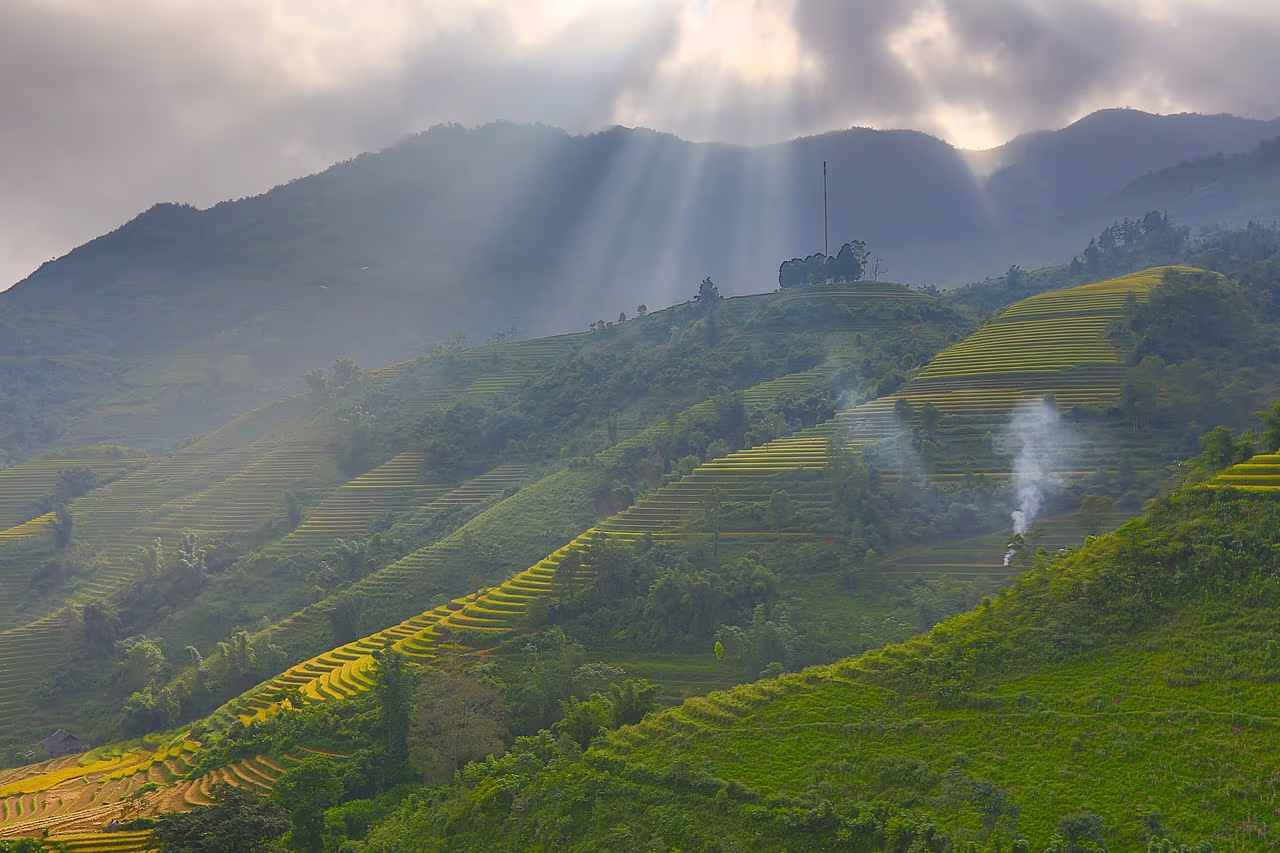
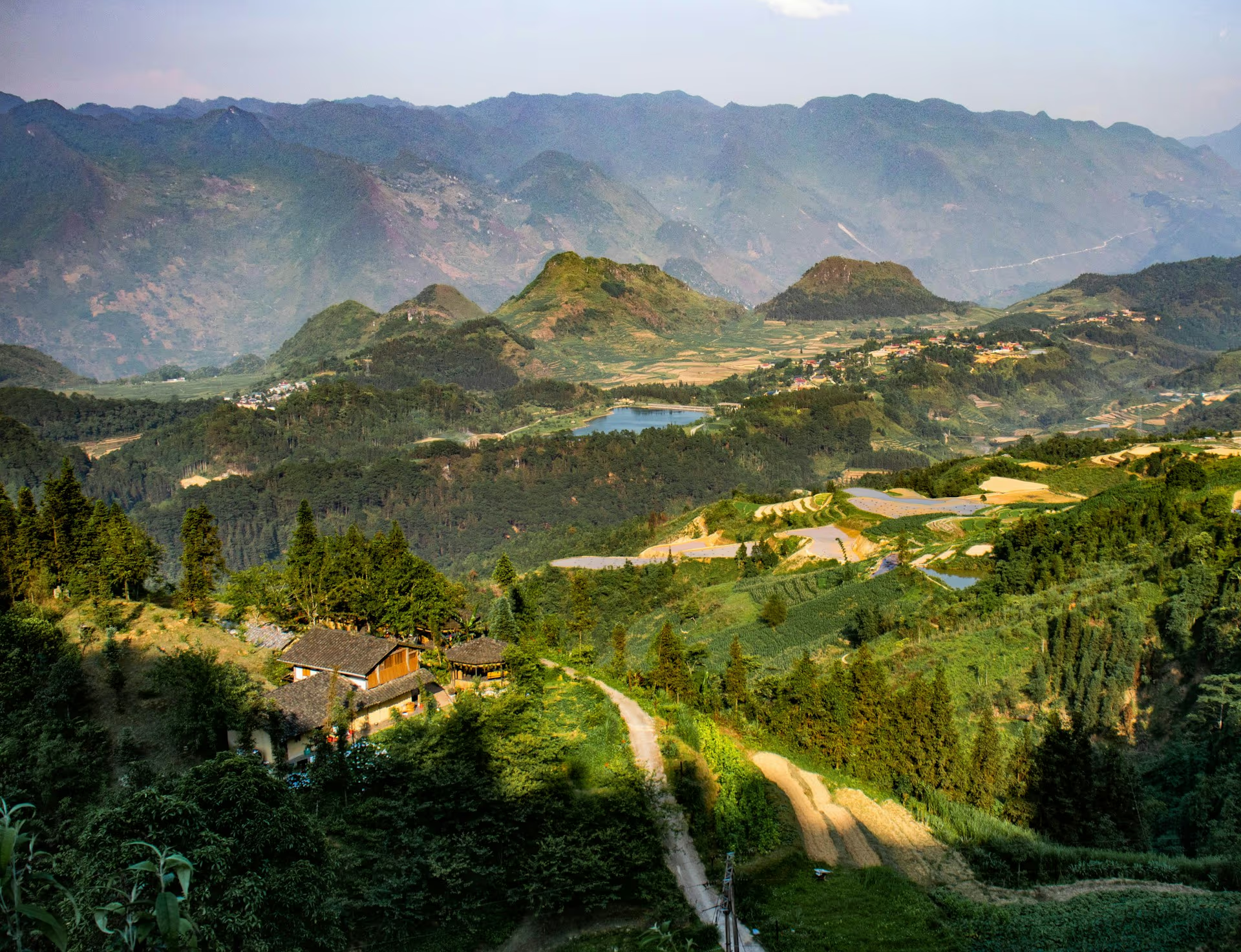
Most "things to do" lists put a viewpoint here. We put a verb. Trekking the Sapa rice terraces means descending into the Muong Hoa Valley on narrow earthen dikes, between paddies that fall hundreds of metres, into villages of the Black H'mong and Red Dao where you stop for a home-cooked lunch in a family's kitchen. It is the rare attraction you don't observe — you participate in it, and it's the single experience our guests name as the best day of their entire trip.
Routes run from gentle 2-hour valley loops (walking poles can be rented at our office, fine for families and travelers in their 60s and 70s) to full-day ridge trails that climb 600+ metres. Fitness matters less than picking the right route, and the right route is a conversation worth having before you arrive. Guided day treks start from $35 USD per person — local guide, family lunch, and hotel pickup included, maximum 12 people.
"We've hiked all over — New Zealand, Patagonia. The Sapa day wasn't the hardest or the highest. It was the only one where we ended up laughing in someone's kitchen over rice wine. That's the bit I keep telling people about."
— Mark & Lena T., Bristol, UK (October 2025)
Beyond the day treks, the north stacks up serious bucket-list walking: Fansipan (3,143 m, the Roof of Indochina — 20-minute cable car or a hard 2-day climb), the Ha Giang Loop on two wheels, and the river caves of Phong Nha, including Son Doong, the largest cave on Earth. Different efforts, same payoff: the parts of Vietnam you have to earn.
What does a trekking day actually feel like? You set off after breakfast, drop off the road onto a footpath, and within twenty minutes the noise of Sapa town is gone. The morning is spent descending through the terraces — muddy in patches, slippery on the clay, which is exactly why the poles matter — with your guide stopping to explain which families farm which plots, how the water is shared between them, why the buffalo stand where they do. Lunch is in a wooden house: rice, greens from the garden, pork, and — if you're unlucky — a shot of corn wine before you've finished eating. Then a gentler afternoon along the valley floor and a ride back to town. You'll have walked 8–14 km and seen a side of the country no bus reaches.
If you want it harder, Fansipan rewards the two-day climb far more than the cable car — up through bamboo and cloud forest, a night in a basic mountain camp, a dawn summit above a sea of cloud. And for going underground, Phong Nha-Ke Bang in central Vietnam is the country's great cave adventure: Paradise Cave is a paved, accessible cathedral of stone you can walk straight into; the Dark Cave adds a zipline, a swim and a natural mud bath; and Son Doong — vast enough to hold a city block and its own weather — is a multi-day expedition booked the better part of a year ahead.
Guided Sapa Treks — Small Groups, Local Guides
 1 Day Trek
Trekking Through Rice Terraced Fields
Classic Muong Hoa Valley route — Lao Chai, Ta Van, Y Linh Ho. Full day with a local family lunch.
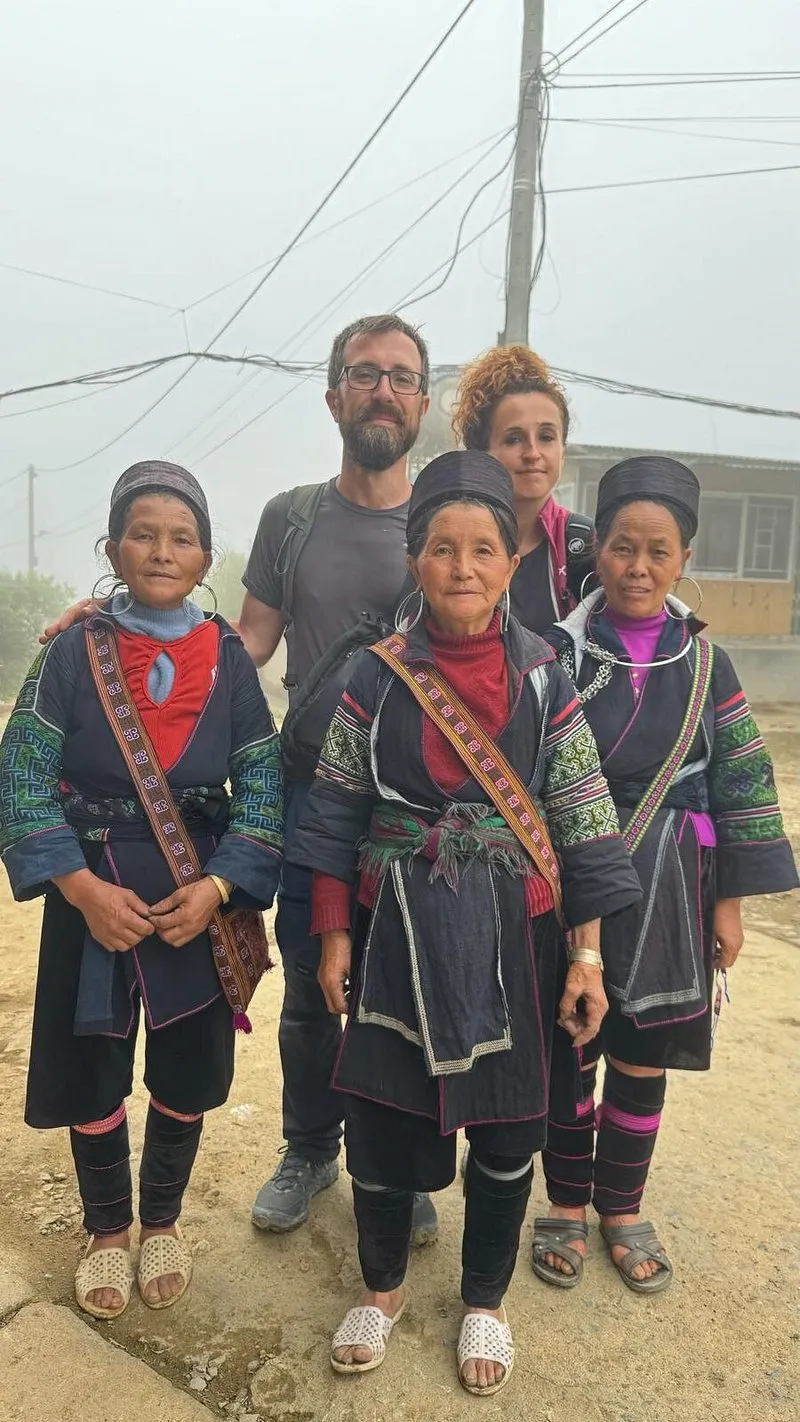 Families & Seniors
Sapa Easy Trekking For Seniors
Gentle paths, no steep sections, walking poles can be rented at our office. Built for 60+ travelers and families with kids.
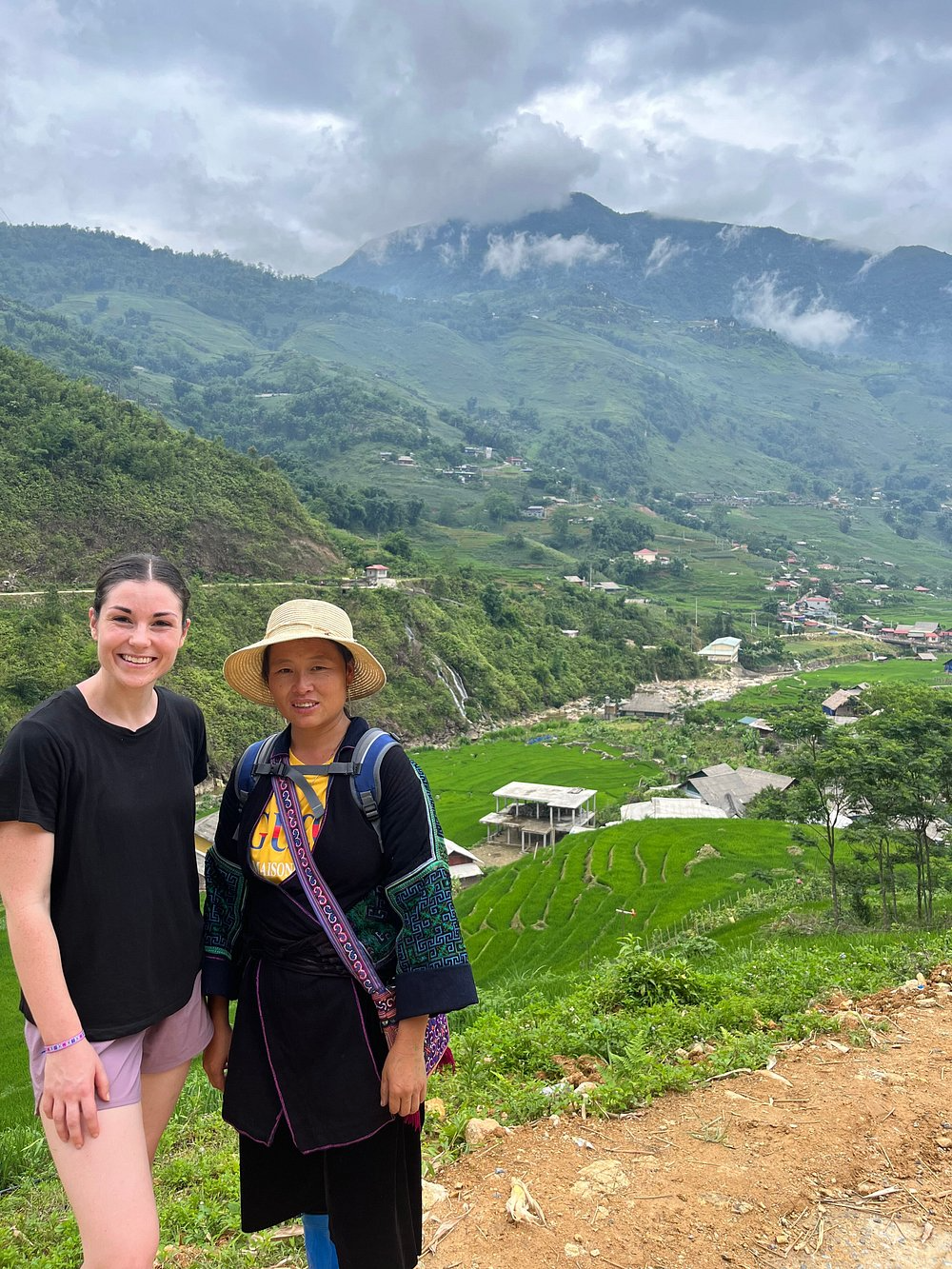 2D1N Homestay
Rice Terraced Fields & Homestay
Sleep in a valley homestay, two days on the trail, dinner cooked with the family. The full experience.
One practical note before the trail: the valley paths turn to slick mud after rain, and descents are where ankles roll. You don't need to fly with boots — rent them, and a pair of poles, at our office the day before.
Rent Boots & Poles Before You Trek
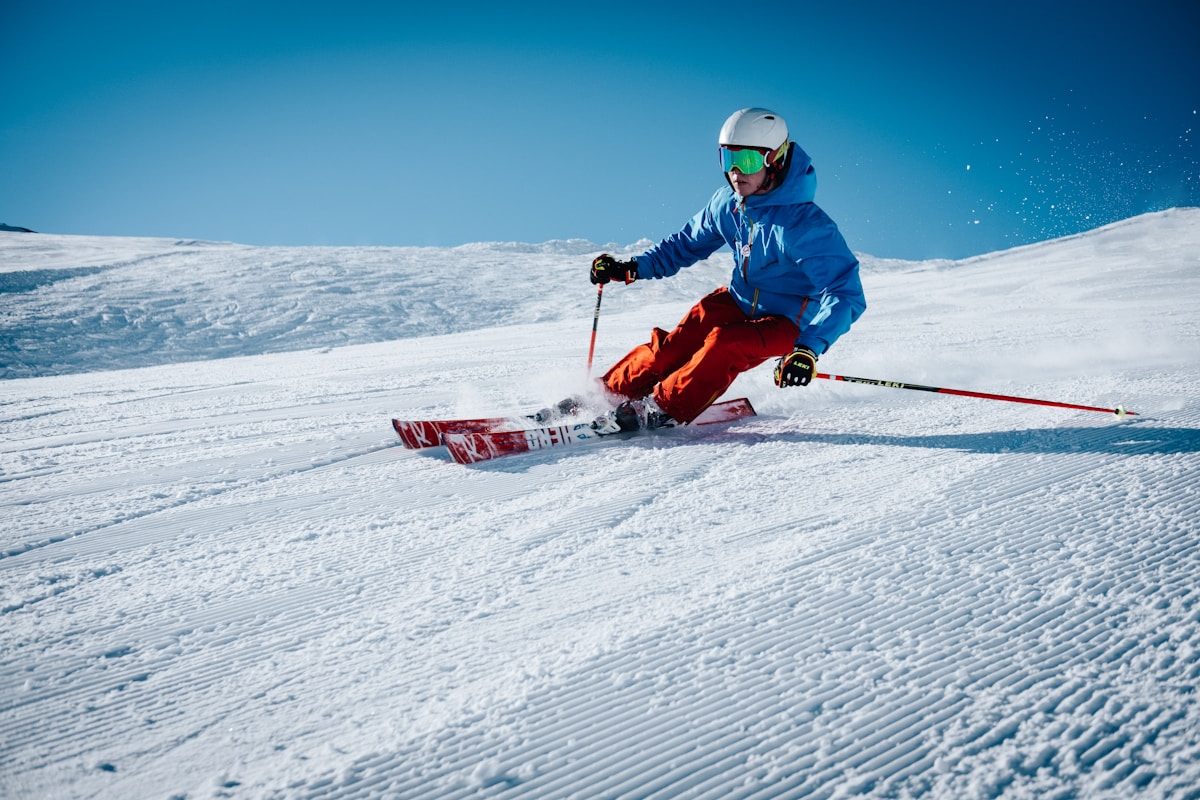 Gear Rental
Trekking Boots Rental
Waterproof ankle-support boots, cleaned and checked before each rental. At 105 Thach Son Street.
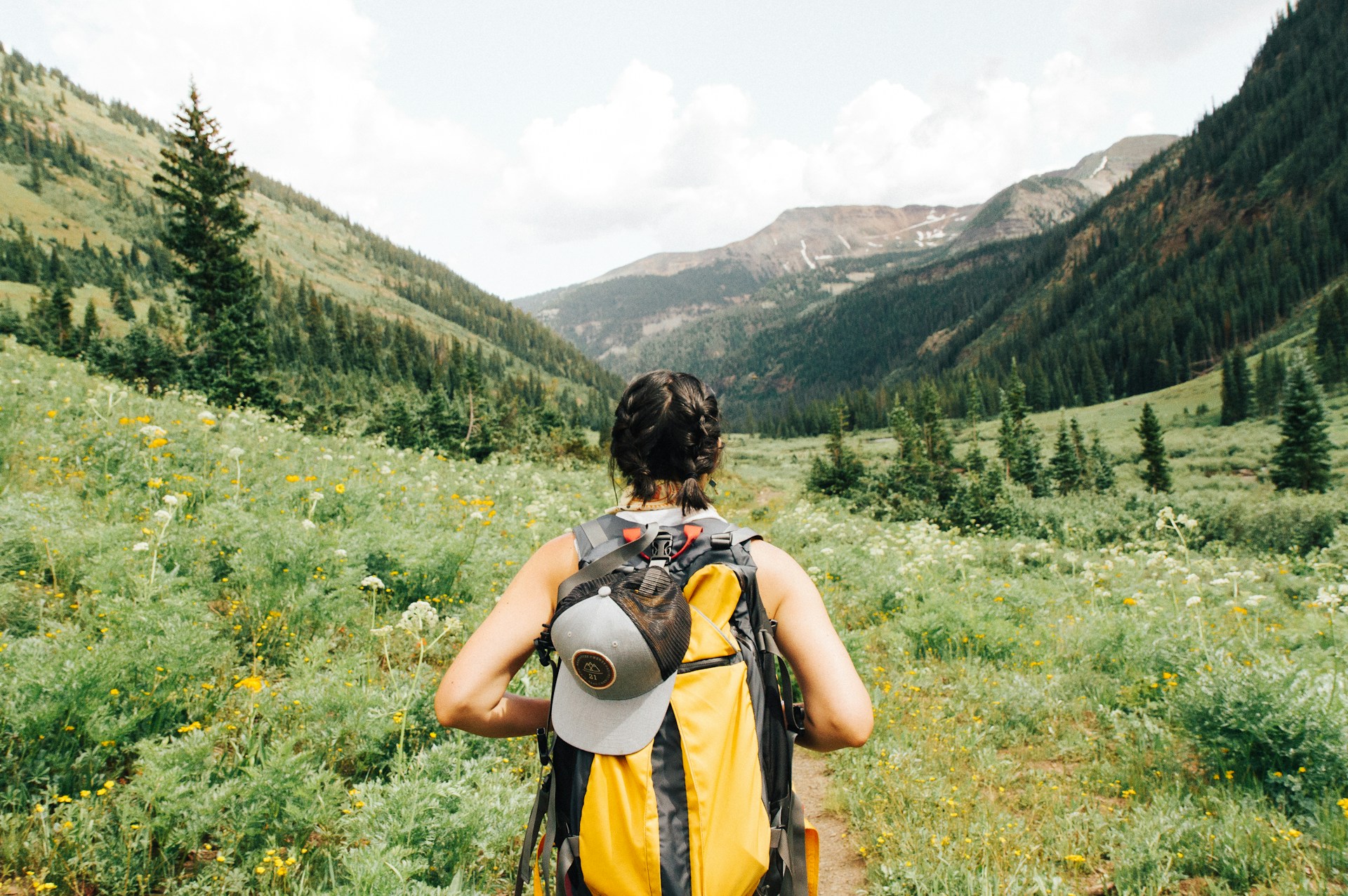 Gear Rental
Walking Poles Rental
Trekking poles at $2/day from our office at 105 Thach Son Street. Essential for the descents.
On the Water: Cruises, Kayaks & Floating Markets
Vietnam is a country of water — a 3,260 km coastline, a delta the size of a small country, and bays full of limestone islands. Some of its best experiences only happen with a paddle or a deck under you.
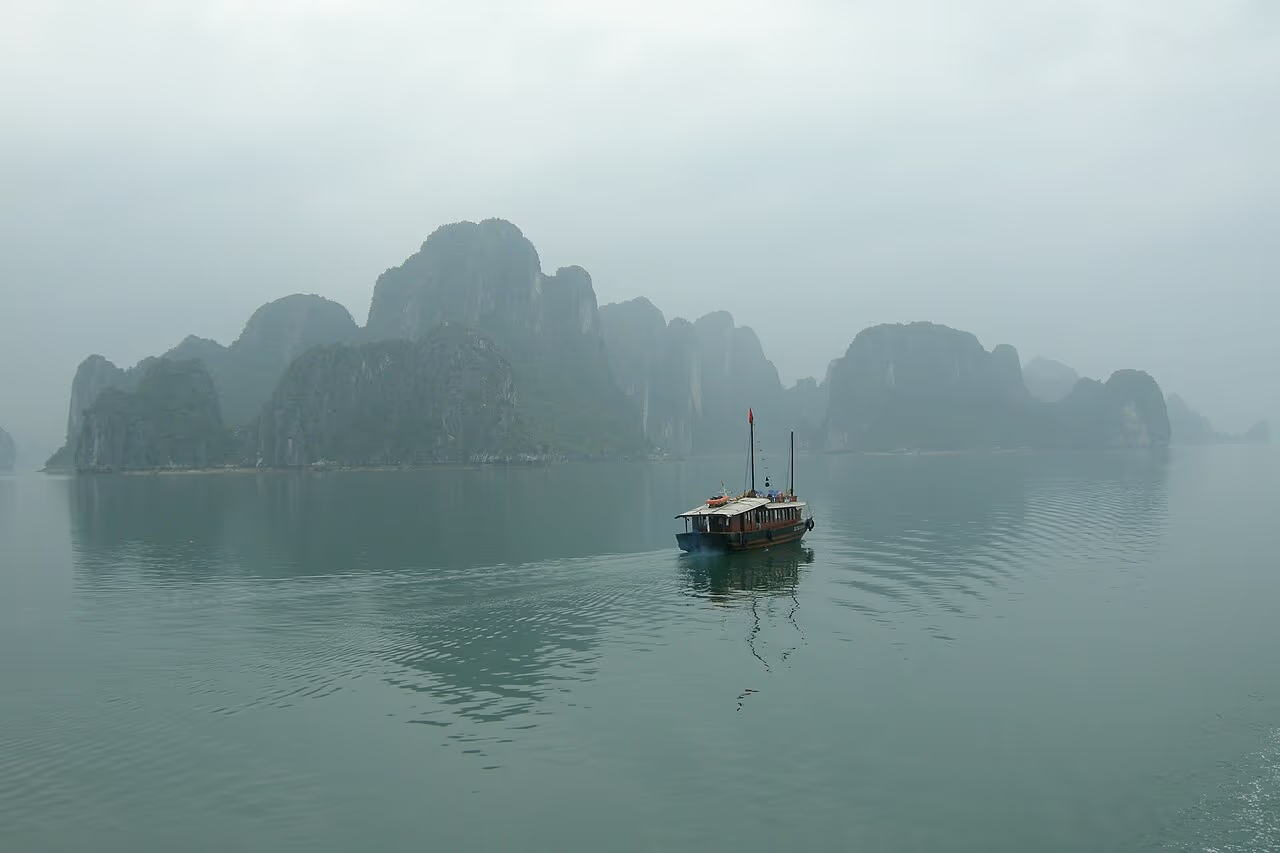
The headline act is an overnight cruise on Ha Long Bay, and it earns its fame — but the version worth doing routes through Lan Ha Bay or Bai Tu Long, where the karst scenery is identical and the boat traffic is a tenth of the main circuit. Better still, get off the big boat: a couple of hours kayaking through the lagoons of Lan Ha Bay, paddling into caves the cruise ships can't enter, is the single most underrated water activity in the north.
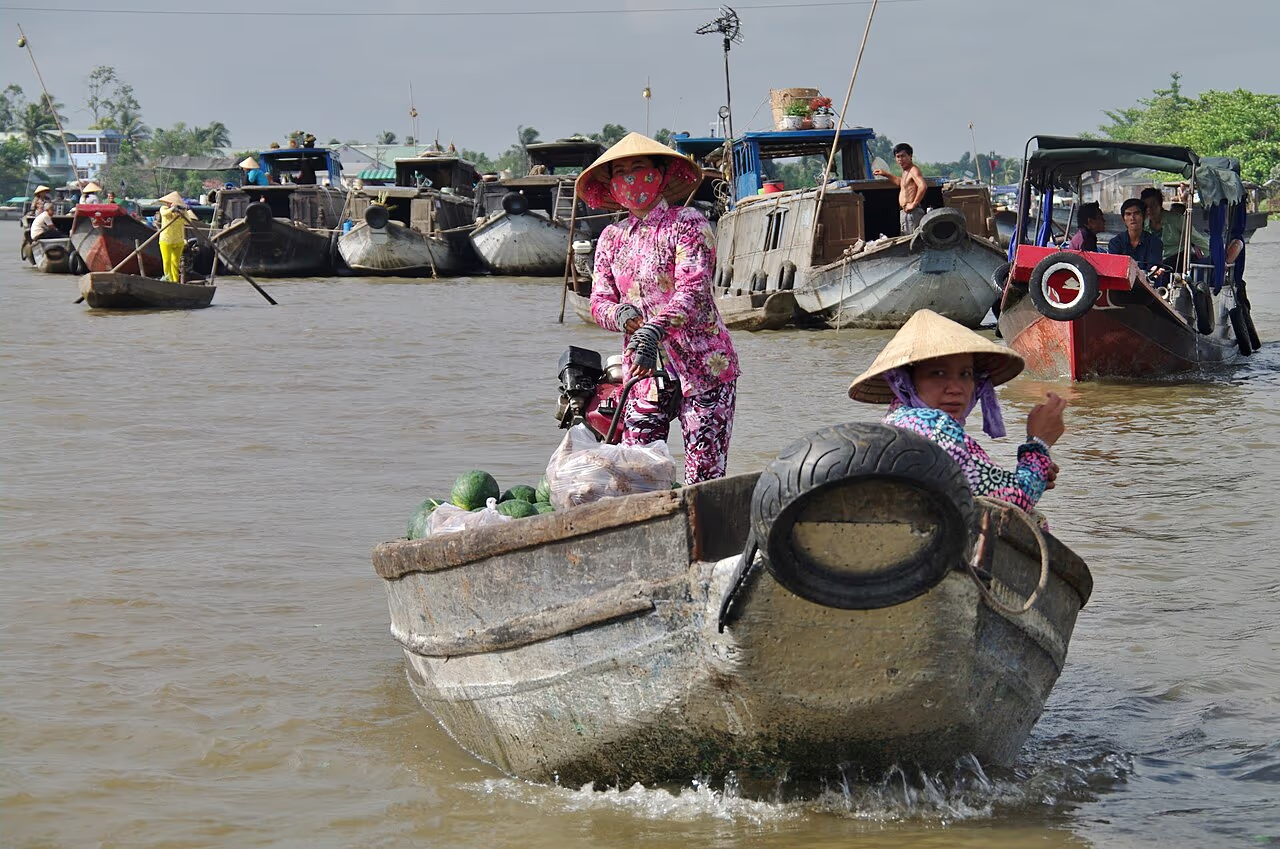
Down south, the water experience flips from scenic to social. The Cai Rang floating market near Can Tho is a working wholesale market conducted entirely boat-to-boat at dawn — you buy a bowl of noodles passed across from a cooking boat and drink coffee as the Mekong wakes up. And in the highlands, canyoning in Da Lat — abseiling down waterfalls into pools — is Vietnam's best adrenaline-on-water day.
There's gentler water, too. In Ninh Binh, two hours south of Hanoi, local women row you through Tam Coc and Trang An on flat-bottomed sampans — often paddling with their feet — gliding under low cave arches between karsts that mirror Ha Long Bay without the salt or the crowds. In Hoi An, you can spin a round bamboo "basket boat" through the Bay Mau coconut palms, and the central rivers are quietly excellent for a sunset stand-up paddle. And off Nha Trang and the Con Dao islands, the diving and snorkelling are the best in the country — easy reefs for first-timers, and turtle-nesting beaches in season.
How the water experiences stack up (our travelers' average)
Eat Vietnam: Street Food, Coffee & Cooking Classes
It's not an exaggeration to say some travelers plan the whole trip around the food, and Vietnam quietly rewards them more than almost anywhere in Asia. Doing the food properly is itself one of the best things to do here — and it costs next to nothing.
Start with a street-food crawl: pho and bun cha in Hanoi, banh mi from a charcoal cart, com tam in Saigon, the lemongrass-sharp bun bo Hue on the river in Hue. A guided evening tour on plastic stools is the fast way in; wandering with a hungry local is the better one. Then chase it with Vietnamese coffee — the egg coffee invented in Hanoi, the coconut coffee of the south, the cool-climate beans of Da Lat. And once you've eaten enough to be curious, take a cooking class in Hoi An: market tour at dawn, then learn to roll your own fresh spring rolls and balance a clay-pot fish.
Half the fun is watching the food change as you travel. The north keeps it subtle and herb-forward — the original pho, the grilled-pork bun cha that Obama famously ate in Hanoi, and that thick, dark egg coffee whipped from yolk and condensed milk in a Hanoi alley in the 1940s. The centre turns bold and spicy: Hue's bun bo Hue, Hoi An's turmeric cao lau and a crisp banh mi that's been called the best sandwich on Earth. The south goes sweet and tropical: com tam broken-rice plates, coconut in everything, and the fruit gardens of the Mekong.
A few rules make Vietnamese eating both safer and better: choose the stalls that are busy and turning over fast, follow the lunchtime office crowds, take the little plastic stool rather than hunting for a "restaurant", and never be shy about pointing at what looks good. A full day of memorable eating — coffee, two street meals, snacks and a cold beer — rarely climbs above $12.
Cooking class vs. just eating your way around — which is worth your time?
🍳 Book a cooking class if…
- You want to cook this food back home
- You love a market tour and the "how" of a dish
- You're in Hoi An, the class capital, with a half-day free
- You're traveling with kids who'll love the hands-on part
🍲 Skip it and just eat if…
- Your time is tight and the street stalls are calling
- You'd rather try ten dishes than master two
- You're chasing variety over technique
- Your best meals so far have all cost under $2
"I came for the trekking and left obsessed with the food. A $1.50 bowl of bun bo on a plastic stool by the Perfume River in Hue beat every restaurant I'd planned. Bring an appetite and skip the guidebook's 'best of' lists."
— Sofia D., Lisbon, Portugal (April 2026)
Culture & History: Lanterns, Citadels & Hill-Tribe Markets
For travelers who'd rather understand a place than tick it off, Vietnam's cultural experiences run deep — and the best of them are participatory, not behind glass.
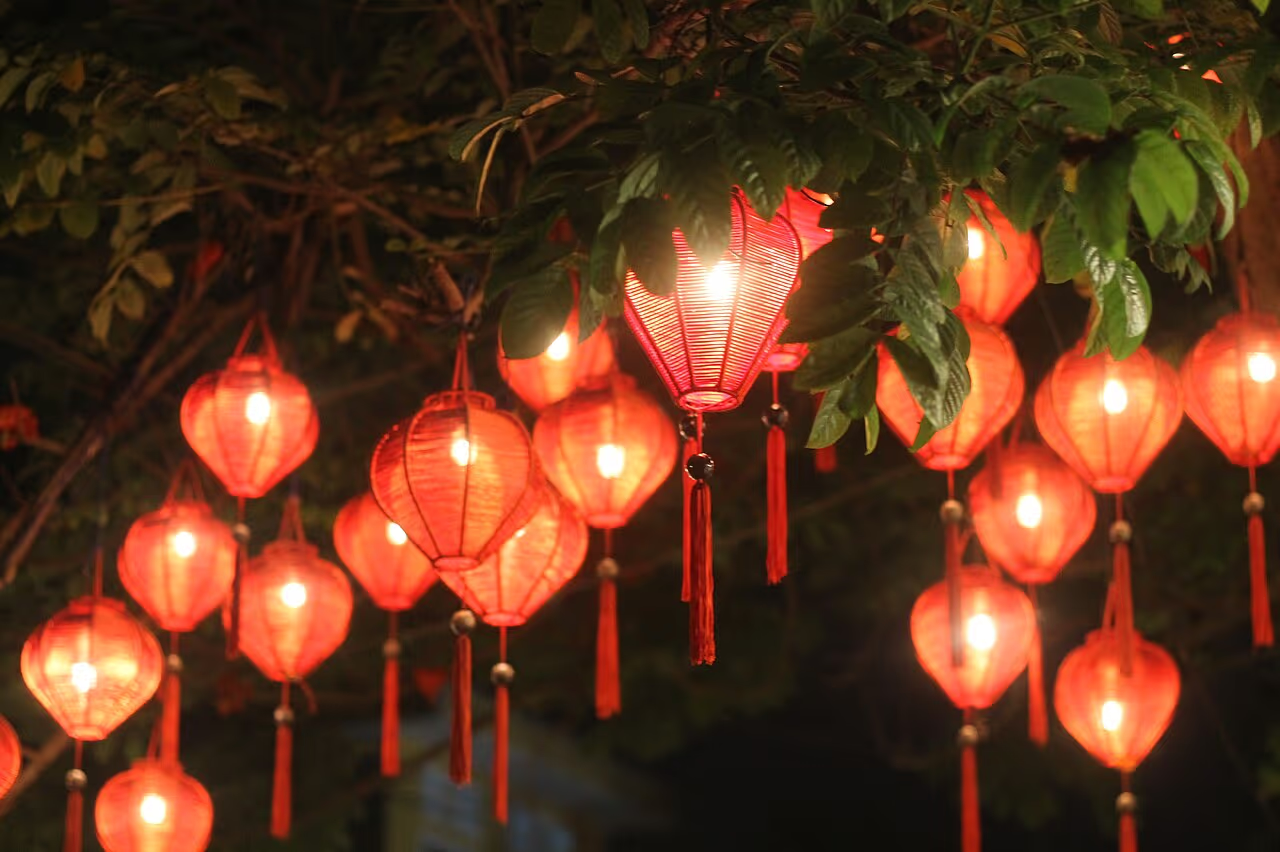
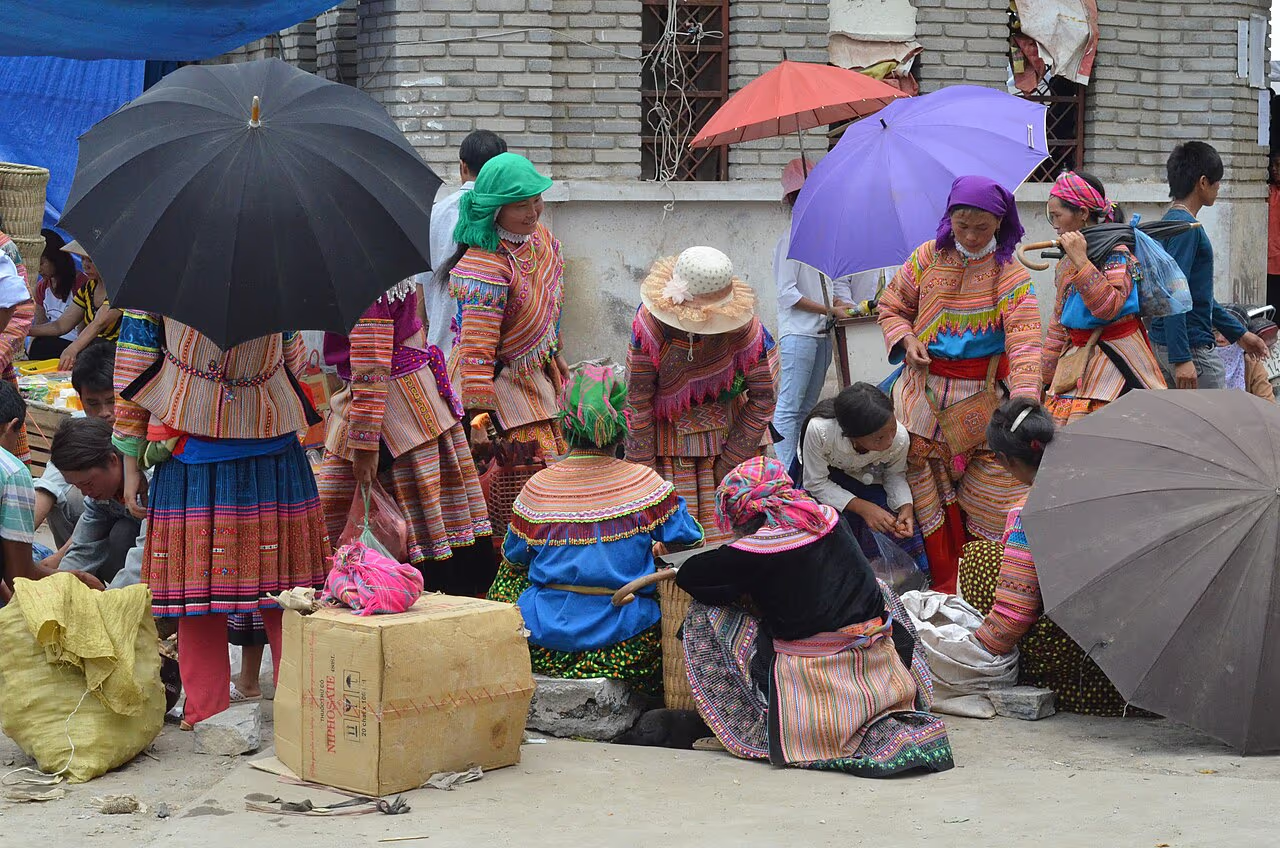
Float a paper lantern down the river in Hoi An after dark and have a suit or an ao dai tailored overnight while you're there. Walk the moats and throne halls of the Hue Imperial Citadel, Vietnam's Forbidden City, and boat out to the emperors' tombs along the Perfume River — the serene pine-shaded tomb of Tu Duc and the wild ceramic mosaics of Khai Dinh are the two to choose if time is short. Up north, time a Sunday for the Bac Ha hill-tribe market, where Flower H'mong traders fill the square in a blast of embroidered colour. And around Saigon, the Cu Chi Tunnels and War Remnants Museum deliver the country's most sobering, necessary history — an experience more than a sight.
Two quieter cultural experiences are worth carving out time for. In Hanoi, the water puppet theatre — a thousand-year-old art performed over a pool with live folk music — is touristy and completely charming. And around Hanoi, Hue and Hoi An the craft villages still genuinely work: silk weavers, the ceramic kilns of Bat Trang, conical-hat makers, and the lantern workshops of Hoi An where you can make your own to carry home.
If you only do one cultural thing, though, make it a homestay with a hill-tribe family in the Sapa valleys. Sleeping in a Black H'mong or Red Dao home — helping cook over the fire, picking up a few words, waking to mist on the terraces — is the experience that turns "I saw Vietnam" into "I understood a little of it." It's the cultural high point our guests describe most often, and it costs a fraction of a city hotel.
Adventure & Adrenaline
If your idea of a good day involves a helmet, Vietnam delivers. The crown jewel is the Ha Giang Loop — a multi-day motorbike ride through the Dong Van Karst Plateau, over the Ma Pi Leng Pass a thousand metres above the Nho Que River. It's the experience travelers describe as life-changing and, occasionally, terrifying. Here's the honest way to do it.
Decide: ride it yourself or hire an "easy rider"
Confident on a manual bike on mountain roads? Rent one in Ha Giang city. Not sure? Hire an easy-rider driver and ride pillion — you still get every view, with none of the cliff-edge stress. Most first-timers should choose the driver.
Most important callGet the permit on arrival
Foreign visitors need a Ha Giang travel permit — arranged in 30 minutes at most guesthouses or the tourist office. Without it you'll be turned back at the first checkpoint.
Ride the loop over 3–4 days
The classic route runs Ha Giang → Yen Minh → Dong Van → Meo Vac and back, sleeping in homestays. Ma Pi Leng on day two or three is the moment the whole trip pivots around.
3–4 daysPair it with Sapa
Ha Giang and Sapa are both in the far north and pair naturally — do the loop, then walk it off on the valley trails. Many of our guests do exactly this two-part northern week.
Not into engines? The adventure menu also runs to cave expeditions in Phong Nha (from easy river caves to the multi-day Son Doong trek), sandboarding the dunes of Mui Ne, and kitesurfing on the same windy southern coast.
Phong Nha earns its own line on any adventure list: this is the caving capital of Asia, and you don't need to be an expert to feel it. A typical day pairs the colossal chambers of Paradise Cave with the Dark Cave, where you zipline across a river, wade into pitch-black passages, and float in a natural mud bath. Down south, sandboarding the white dunes of Mui Ne at sunrise — sliding down slopes that look airlifted from the Sahara — and the steady cross-shore wind that makes the coast one of Asia's top kitesurfing spots round out the menu. None of it demands the nerve of the Ha Giang Loop; all of it makes a good story back home.
Slow Down: Beaches, Herbal Baths & Coffee Towns
Not every great experience needs effort. After a week of treks and motorbikes, the smartest thing to do in Vietnam is sometimes nothing at all — in the right spot.
Fly to Phu Quoc and do nothing on Bai Sao's white sand. Climb back up to Sapa after a trek and lower yourself into a Red Dao herbal bath — a wooden tub of forest medicine that the local women have brewed for generations, and the perfect antidote to sore legs. Or ride up to Da Lat, Vietnam's cool-climate coffee town, and spend a slow morning among pine forests and flower farms with a cup of the country's best beans. The contrast is the point: Vietnam is at its best when you alternate the hard days with the soft ones.
If beaches are the goal, you have options well beyond Phu Quoc. Da Nang's My Khe is a long, easy city beach with surf in season; Nha Trang pairs its bay with island-hopping and mineral mud baths; and the empty sands of the Con Dao islands are for travelers who want nobody else in the frame. Up in the hills, Da Lat rewards a slow couple of days — waterfalls, a flower-filled old quarter, and roastery cafés serving beans grown on the slopes around town. Whatever you choose, build at least one or two of these soft days into the trip: alternate the effort with the ease and Vietnam never wears you out.
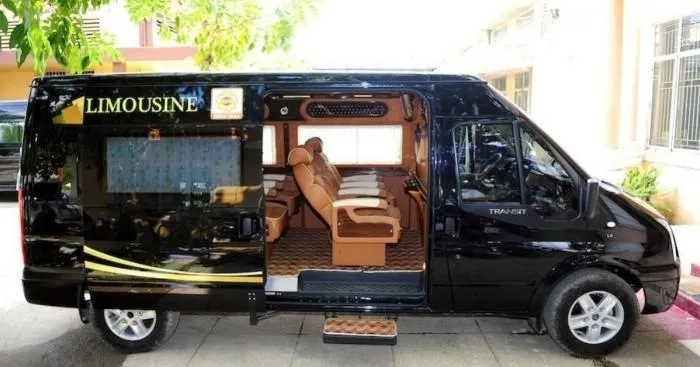
Stringing these experiences together means moving around, and the one leg every northern itinerary shares is Hanoi to Sapa. We run it as a direct, door-to-door transfer for travelers booking a trek, so you arrive ready to walk rather than wrecked.
Get to the Northern Experiences in Comfort

When to Do What
Vietnam's three climates mean timing changes the activity, not just the weather. Rather than a single "best month", match the season to what you want to do:
| If you want to… | Best window | Why |
|---|---|---|
| Trek the Sapa rice terraces | Sep–Oct (gold), May–Aug (green) | Harvest gold, then bright planted green |
| Cruise / kayak Ha Long Bay | Mar–May, Sep–Nov | Calm seas, clear skies, fewer storms |
| Ride the Ha Giang Loop | Sep–Nov, Mar–May | Dry roads and big visibility |
| Beach in the south / Phu Quoc | Nov–Apr | Dry season, calm water |
| Explore central towns (Hoi An, Hue) | Feb–Apr | Dodges the autumn typhoon season |
Quick Tips to Do More With Your Trip
- Front-load the active days. Do the treks and the loop while you're fresh and acclimatised; save the beach and coffee towns for the end.
- Move at night, do by day. Overnight sleeper buses and trains turn travel time into sleep time — a free day gained for actually doing things.
- Book the once-a-week experiences first. The Bac Ha market (Sundays) and harvest-season treks fill early; build the rest of the trip around them.
- Carry cash in the mountains. Sapa, Ha Giang, and market villages are largely cash-only; ATMs thin out fast once you leave the cities.
- Hire local for the risky stuff. Guides for off-trail trekking, drivers for mountain roads — it costs little and changes the whole experience for the better.
- Reply fast on WhatsApp. The best small-group treks (max 12) sell out in peak season; our team confirms availability in 5–10 minutes.