
 Sinh Giang
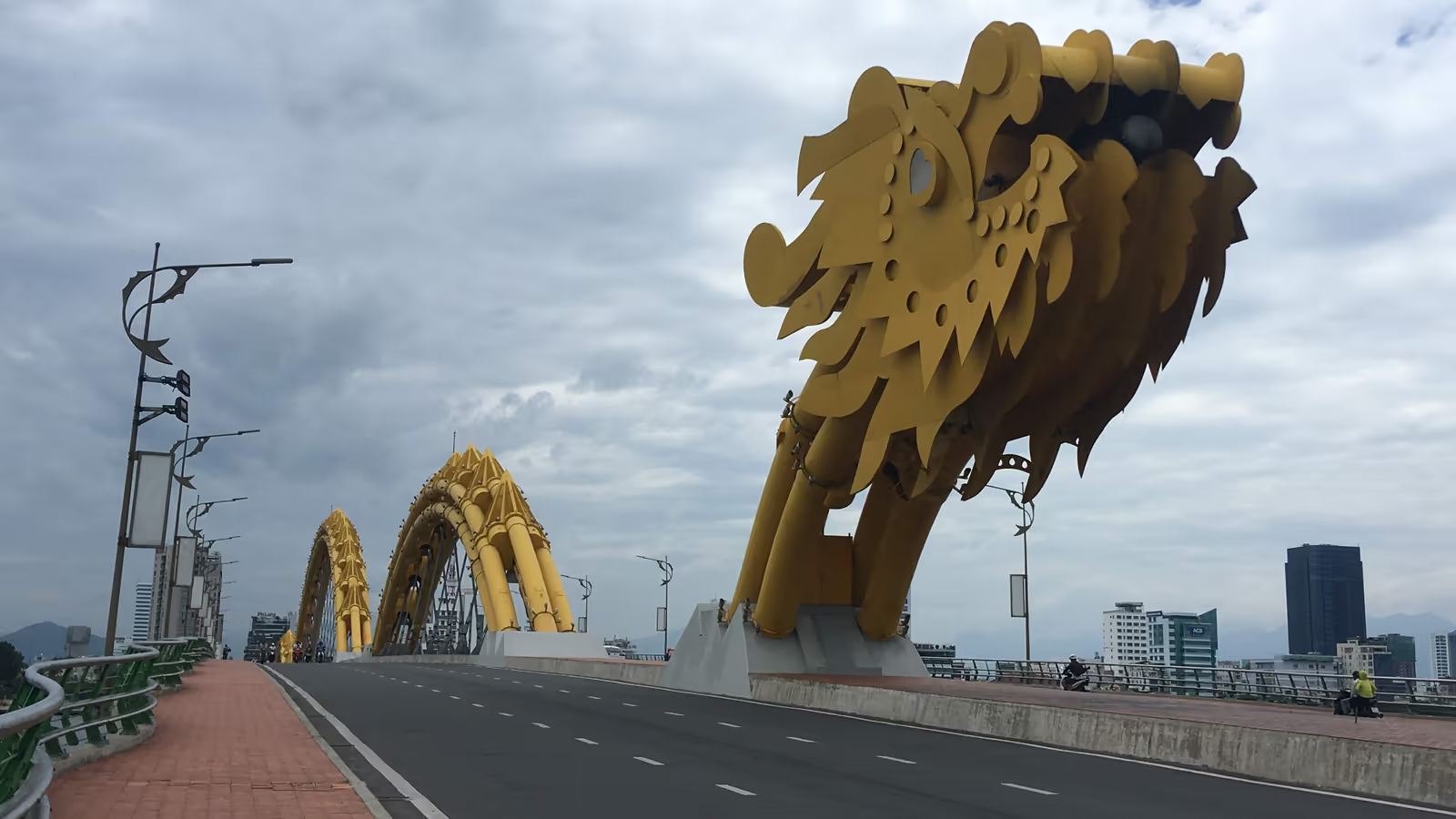
Da Nang has a dry season from January to August and a wet, typhoon-prone season from September to December, according to Wikipedia. The best months for a trip are February to May, when rain is 24 to 81 mm a month, the sea is calm and the city is not yet at its summer peak. October is the wettest month, with 628 mm on 20 days, and the sea is rough and not safe to swim in. Sources disagree on whether the worst typhoon risk is in September to November or October to November, so plan for both.
We are a Sapa trekking company, not a weather service, so this guide is built from published sources that we read on 3 November 2026, with the source and date next to each figure. The monthly climate table comes from Wikipedia and its two printed sources, and the sea temperature, crowd and price notes come from a travel site that also gives its own rain ranges, which differ. We show both and say where they part. For the whole country, see our Vietnam weather by month, for the southern city Ho Chi Minh City weather, and for the beaches the beaches guide.
Key Takeaways
- Dry season January to August, wet and typhoon season September to December (Wikipedia). The driest month is February (24 mm) and the wettest is October (628 mm).
- February to May is the consensus window for mild temperatures, calm seas and fewer people; vietnamtourism.com (21 August 2026) calls March and April the best time overall.
- Beach swimming is best from March to August. From September the sea turns rough, and the same page calls October and November dangerous.
- Typhoons most often hit between September and November, with October the highest risk (vietnamtourism.com). Most years Da Nang gets one or two significant storms; some years none.
- Ba Na Hills, at 1,400 metres, is cooler and often in cloud: its annual average is about 20°C against about 26°C in the city.
The Two Seasons
Da Nang sits on the central coast, where the rain falls in the second half of the year. Wikipedia’s geography section says the city has “a typhoon and wet season from September to December and a dry season from January to August”. That is the opposite of Ho Chi Minh City, which is dry from December to April, and it is why a trip that uses both has to pick its months with care. Indochina Tour (updated on 11 February 2026, format ambiguous) says the same in different words: October and November carry the highest risk of rainstorms, rough seas and typhoons. In practice a visit in the first half of the year meets a city that is cool and damp in January, warms through the spring and is hot by June, while a visit from September meets weather that can close the beach for days. Plan the dates first and the sights second.
Cold waves can occur, Wikipedia adds, which surprises visitors who expect heat all year. The record low is 9.2°C, in December, and the annual average is about 26°C (25.9°C in the table). Humidity is high, 81 per cent on average, with the highest values from October to January (84 to 86 per cent) and the lowest from June to August (75 to 77 per cent).
The Month-by-Month Climate Table
The table is Wikipedia’s climate table for Da Nang, which credits the Vietnam Institute for Building Science and Technology and the Yearbook of Indochina (1932 to 1933). They are long-term averages, so any single year can differ, and the second source is old. The annual totals are 2,205 mm of rain on 139 days, 2,162.6 hours of sun and 81.7 per cent humidity.
| Month | High (°C) | Low (°C) | Rain (mm) | Rainy days | Humidity (%) | Sunshine (h) |
|---|---|---|---|---|---|---|
| January | 25.0 | 19.3 | 82 | 12.0 | 84 | 132 |
| February | 26.2 | 20.2 | 24 | 5.6 | 84 | 146 |
| March | 28.3 | 21.8 | 25 | 4.8 | 84 | 182 |
| April | 31.0 | 23.8 | 35 | 5.4 | 83 | 209 |
| May | 33.3 | 25.2 | 81 | 9.2 | 79 | 247 |
| June | 34.5 | 26.0 | 83 | 8.1 | 76 | 242 |
| July | 34.4 | 25.7 | 93 | 9.4 | 76 | 246 |
| August | 33.9 | 25.6 | 141 | 11.6 | 77 | 215 |
| September | 31.8 | 24.5 | 351 | 14.6 | 82 | 177 |
| October | 29.5 | 23.5 | 628 | 20.0 | 84 | 143 |
| November | 27.4 | 22.1 | 448 | 20.3 | 85 | 118 |
| December | 25.1 | 20.0 | 218 | 18.7 | 85 | 95 |
Three things stand out. The wet-season rain is huge: October alone gets 628 mm, more than the whole of January to August combined (about 563 mm). From December to February it is cool, with lows of 19 to 20°C and only 95 to 146 hours of sun a month. And the sun peaks from May to July, with about 242 to 247 hours, when it is also the hottest, 34°C or more. Our Hoi An guide uses the same Da Nang figures for its own weather section.
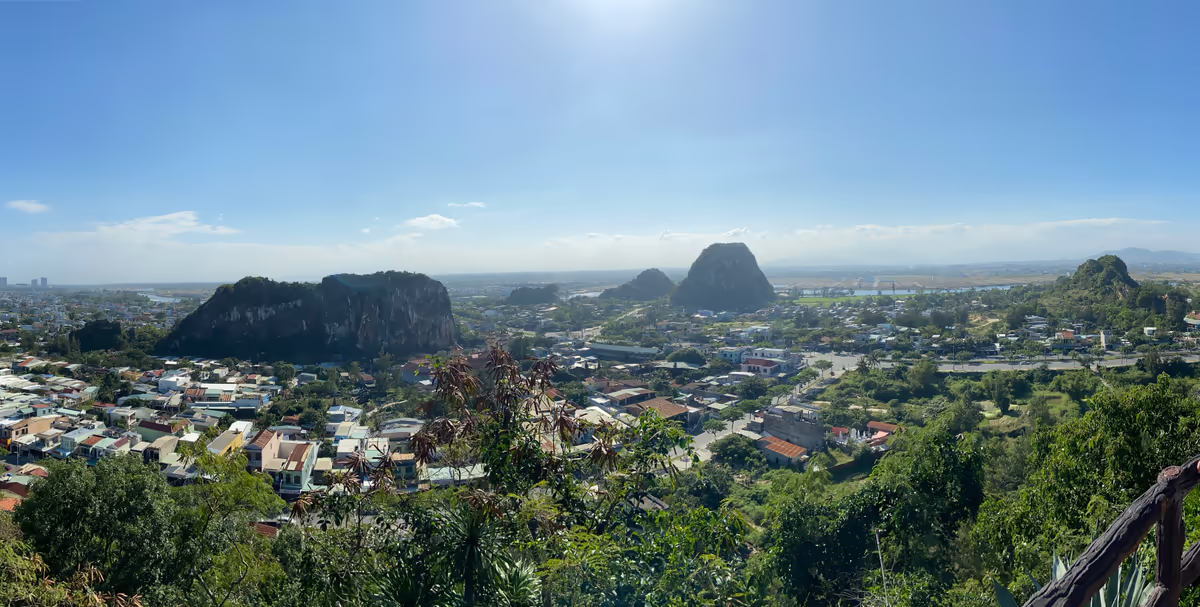
Twelve months in one line each
| Month | Weather | Sea and crowds |
|---|---|---|
| January | 25°C, 82 mm, 12 rainy days, cool and damp | Sea about 23°C; crowds moderate |
| February | 26°C, driest month, 24 mm | Sea 24 to 25°C; high crowds during Tet |
| March | 28°C, 25 mm | Sea 26°C, called perfect; moderate crowds |
| April | 31°C, 35 mm | Sea 27°C; crowds high late in the month |
| May | 33°C, 81 mm, sunniest | Sea 28 to 29°C; crowds building |
| June | 34.5°C, 83 mm | Sea 29°C; crowds high |
| July | 34.4°C, 93 mm | Sea 29°C; crowds high |
| August | 34°C, 141 mm | Sea 28°C, waves building; high early |
| September | 32°C, 351 mm, 15 rainy days | Rough sea; low crowds |
| October | 29.5°C, 628 mm, 20 rainy days | Dangerous sea; very low crowds |
| November | 27°C, 448 mm, 20 rainy days | Rough, dangerous sea; very low crowds |
| December | 25°C, 218 mm, dullest, 95 hours of sun | Cool, rough at times; low crowds until Christmas |
The sunshine column gives a daily figure if you divide by the days in each month, which is our own arithmetic. May has the most sun in a month, 247 hours or about 8 hours a day, though June has the most per day at about 8.1, and December has the least, 95 hours or about 3.1 hours a day. From March to September the city gets 5.9 to 8.1 hours of sun a day; from October to February 3.1 to 5.2. That is the real difference between the seasons, and it is as visible in a photograph as in a rain gauge.
Where the Two Sources Differ
Vietnamtourism.com (updated 21 August 2026) prints its own monthly ranges for Da Nang. It does not say whether its temperatures are maxima, minima or averages, and its rainfall differs from Wikipedia’s. We show both for the months where they differ most, and use Wikipedia’s table for planning because its source is stated.
| Month | Wikipedia (mm) | vietnamtourism.com (mm) |
|---|---|---|
| January | 82 | 80 to 100 |
| May | 81 | 50 to 70 |
| June | 83 | 60 to 80 |
| July | 93 | 70 to 90 |
| August | 141 | 100 to 150 |
| September | 351 | 200 to 300 |
| October | 628 | 400 to 600 |
| November | 448 | 300 to 500 |
| December | 218 | 150 to 250 |
The two agree on the shape and the wet months, and the second source runs a little lower in the wet season, which may reflect a different period. Wikipedia’s own text gives September to November as 550 to 1,000 mm, which its table contradicts for September (351 mm) and November (448 mm). The other source also contradicts itself: its January note says the rain has mostly stopped while its January range is 80 to 100 mm, more than February, March or April. We use the table and treat the text as rough.
Sea Temperature and Swimming
Vietnamtourism.com is the only page we read with a sea-temperature series. It gives about 23°C in January, 24 to 25°C in February, 26°C in March, 27°C in April, 28 to 29°C in May, 29°C in June and July, and 28°C in August. From September it describes the sea only in words: rough and less swimmable in September, dangerous in October and November, and cool and rough at times in December. Its FAQ gives December as about 23°C. The page recommends May to August for beach swimming, and Indochina Tour says March to August is the sweet spot.
| Months | Sea | Swim? |
|---|---|---|
| January, February | About 23 to 25°C, cool, calmer in February | Swimmable, cool |
| March, April | 26 to 27°C, warm and calm | Yes: March is called perfect |
| May to July | 28 to 29°C, warm, clear and calm | Yes: best months |
| August | 28°C, waves building | Yes, with care |
| September | Rough | Less swimmable |
| October, November | Rough | Dangerous: avoid |
| December | Cool, rough at times | A sightseeing month, not a beach month |
For the beaches themselves, our beaches guide covers My Khe and An Bang, with Rough Guides’ advice to visit between April and August for the most reliable surf and its note that mornings are often calm even in the wet season. The two agree with this page that autumn is the poor time.
Typhoons and Floods
The typhoon dates are the one place where the page contradicts itself. Vietnamtourism.com says typhoons hit central Vietnam most often in October and November, and its FAQ says between September and November with October the highest risk. The same page says that most years Da Nang gets one or two significant storms and some years none. Indochina Tour names October and November as the highest risk, and Wikipedia says the typhoon and wet season runs from September to December. No page gives a typhoon count per year as a number.
Vietnamtourism.com says typhoons bring days of heavy rain, strong winds and flooding, and that flooding happens in low-lying areas. Wikipedia and the two other pages do not name flood-prone streets, and none covers the Han River, so ask your hotel about the street it sits on. If a storm is forecast, check your flight and your cover; our insurance guide covers weather delays.
The neighbouring town of Hoi An is the place where floods make news. Our Hoi An guide reports that the old town flooded to a record 3.4 metres in late October 2025 and gives the flood season. The practical advice is simple: do not plan the Hoi An lantern evening, a day on the beach or a mountain road for October or November, and read our rainy season guide before you book.
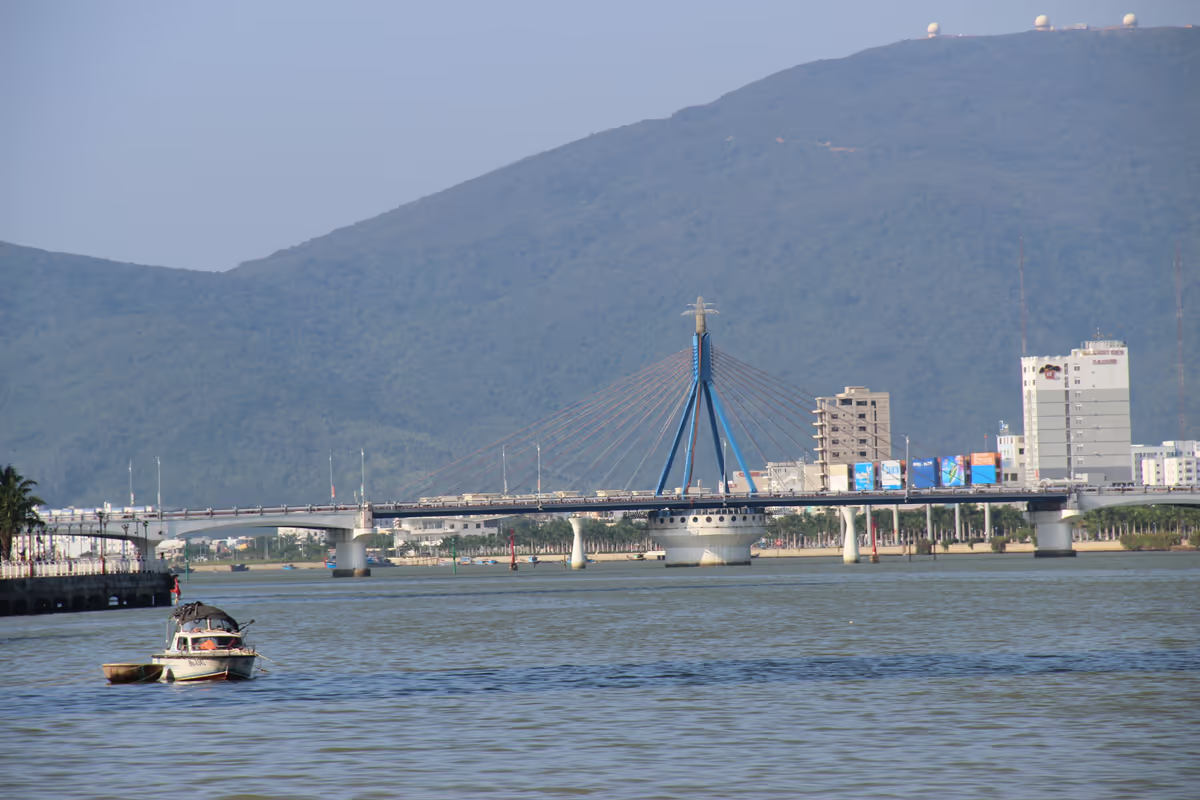
Ba Na Hills, the Marble Mountains and the Han River
Da Nang’s sights have different weather. Ba Na Hills, at 1,400 metres, often drifts in and out of cloud, Indochina Tour says, and during storm season the summit can be hidden behind thick mist for days, and even in summer clouds often roll in by midday. Wikipedia gives Ba Na an annual average of 20°C, against about 26°C in the city, so bring a thin layer. The photograph below shows the hills in mist in April 2026.

The Marble Mountains are easier. Indochina Tour says climbing them between February and May is far more comfortable than under the summer sun, and vietnamtourism.com says the Golden Bridge, the Marble Mountains and Hoi An are more comfortable in the cooler weather of December. The Han River is the city’s centre of nightlife and fireworks; the photograph above shows the river with a bridge and the mountains behind. We found no page that gives Hai Van Pass weather, so check a forecast before you ride it.
Crowds, Holidays and Hotel Prices
Weather and crowds pull in opposite directions. Vietnamtourism.com puts the crowds high during Tet (late January or February), in April at the end of the month, and from June to August, when Vietnamese families vacation during the school summer break, and very low in October and November. Indochina Tour says Vietnamese school holidays push domestic tourism to its peak from late June onward, and that February and March are high-demand months; it calls late May a sweet spot with thinner crowds and lower prices. The two disagree on January, which one rates moderate and the other low.
| Month | Crowds | Note |
|---|---|---|
| January | Moderate | Cool, damp |
| February | High during Tet | Tet in late January or February |
| March | Moderate | Domestic tourists begin on school holidays |
| April | High, late in the month | Reunification Day and Labour Day holiday |
| May | Building | Late May is a sweet spot (Indochina Tour) |
| June, July | High | Summer holidays; the fireworks festival |
| August | High (early) | Waves building |
| September | Low | Typhoon season begins |
| October, November | Very low | Five-star rooms at about half the high-season rate |
| December | Low until Christmas | Hotel prices 30 to 50 per cent below the summer peak |
The Da Nang International Fireworks Festival draws large crowds to the Han River, and vietnamtourism.com says hotels near the river sell out months in advance, listing it for June to July. A search summary elsewhere gave April to June, so check the dates for the year you travel. Book rooms four to six weeks ahead for March and two to three weeks for April and May outside public holidays, according to Indochina Tour. Our Tet 2027 guide has the new-year dates.
Which Month for Which Trip
The table is our own reading of the sources, so treat it as a rule of thumb and not a ruling.
| You want | Months | Why |
|---|---|---|
| Beach and swimming | March to August | Warm, calm sea; May to July warmest, 28 to 29°C |
| Sightseeing, Ba Na Hills, Hoi An day trips | February to April | Mild, 24 to 35 mm of rain, less sun glare |
| The lowest prices and empty beaches | October, November | Rough sea, 450 to 630 mm of rain, typhoon risk; only for flexible travellers |
| Cool weather and a city walk | December, January | Lows of 19 to 20°C, 82 to 218 mm of rain; a sightseeing month |
| Fewer people in summer | Late May | Thinner crowds and lower prices (Indochina Tour) |
Three Sample Trips, by Season
These are our own suggestions, built from the sources above and not a sourced itinerary, and they assume three or four days based in Da Nang.
A spring trip (February to May)
- Day 1: the Marble Mountains in the morning, when climbing is most comfortable, and the Han River in the evening.
- Day 2: Ba Na Hills early with a thin layer, before the cloud rolls in by midday.
- Day 3: a beach day at My Khe, March to May, then Hoi An for the evening.
A summer trip (June to August)
- Mornings: the beach, when the sea is 28 to 29°C and calm, and the sun is strong, so bring the highest sunscreen.
- Middays: indoors or in the shade, because highs reach 34°C or more, and Indochina Tour says 35°C or more in July and August.
- Evenings: the Han River, and book early if the fireworks festival is on, because hotels near the river sell out months ahead.
An autumn trip (September to December)
- Expect: rain on 15 to 20 days a month from September to December, rough sea and a typhoon risk, with very low crowds.
- Plan: indoor and cultural options, as Indochina Tour suggests for October to December; keep dates flexible and carry insurance that covers weather.
- Price: hotels drop 30 to 50 per cent from November to December, and five-star rooms can be half the high-season rate (vietnamtourism.com).
What the sources do not tell us
Five gaps are worth stating. No page gives a typhoon count as a number, flood-prone streets or the Han River flood level, Hai Van Pass weather, Marble Mountains temperatures or exact school-holiday and festival dates. The Local Vietnam page returned only navigation. If any of these matters, ask a local operator or your hotel, and tell us what you learn so we can correct this page.
What to Pack
Pack for the season. Vietnamtourism.com recommends light cotton clothes, swimwear, sunscreen, a hat and sunglasses in the dry season, a light jacket for evenings in January and February and the strongest sunscreen you can find from May to August. For the rainy season it suggests a proper rain jacket and not an umbrella, because the wind makes umbrellas useless, waterproof shoes or sandals that dry quickly and a dry bag for your phone and wallet. Indochina Tour adds a thin layer for Ba Na Hills, a reusable water bottle and, from September, a compact waterproof layer and sandals with grip. Our Sapa packing list covers the gear for the mountain end.
Da Nang and Ho Chi Minh City have opposite calendars
If your trip runs from the centre to the south, the two cities' rain mirrors each other. The table puts the two Wikipedia tables side by side (the Saigon figures were read through a page summary).
| Month | Da Nang | Ho Chi Minh City |
|---|---|---|
| January | 82 | 12 |
| March | 25 | 18 |
| May | 81 | 202 |
| July | 93 | 231 |
| September | 351 | 490 |
| October | 628 | 340 |
| November | 448 | 128 |
| December | 218 | 41 |
Only March is dry in both. In December and January Saigon is dry and Da Nang is wet; in May to July Da Nang is still dry and Saigon is in its rains. So the safe months for a two-city trip are February to April, and the next best are November to December if you accept a wet Da Nang. Our Ho Chi Minh City weather guide has the other half, and the 2-week itinerary shows the route.
Da Nang After Sapa
Da Nang is easy to reach from the north, and the weather decides when. Sapa is best from March to May, which lines up with Da Nang’s calm, warm months, so a spring trip works well: trek in the mountains, fly from Hanoi, and swim in April or May. A Sapa trek in September or October is the harder pairing, because Da Nang is in its storm season by then. Our Sapa to Da Nang guide gives the journey, things to do in Da Nang the sights, and best time to visit Sapa the mountain side. A day on foot in the Muong Hoa valley with a local guide is a good way to start, and the tour cards below show the options.
Sapa Treks to Walk Before a Trip to Da Nang
 1-Day Trek
Trekking Through Rice Terraced Fields
Lao Chai to Ta Van with lunch at a family restaurant in Y Linh Ho.
 Homestay
Rice Terraced Fields & Homestay
Dinner and breakfast with a family in Ta Van, lunch on day one.
 Local Favourite
Mountain Views and Villages Trek
Lunch at a restaurant run by local people in Hang Da village.
Sources and the Dates We Checked Them
We read these pages on 3 November 2026. Where a page could not be read in full or two pages disagree, the text says so.
- Wikipedia, Da Nang; the climate table and the geography section; only the first part of the page came back verbatim, and the later sections were not checked.
- vietnamtourism.com, the best time to visit Da Nang, updated 21 August 2026; commercial site, with some internal contradictions that the text notes.
- Indochina Tour, Da Nang weather, “Updated on 11/02/2026” (format ambiguous); tour operator; about half of the page came to us through a summary and is not used for numbers.
- A fourth page, localvietnam.com, returned only its navigation and was not used.
The Part We Do Sell
- Hanoi to Sapa transport — sleeper buses, limousines and the overnight train, bookable with your trek
- Hanoi to Sapa guide — what each option costs and how long it takes
- How to get to Sapa — the first leg, in detail
Rent at Our Office Before You Trek
 Gear Rental
Trekking Boots Rental
Waterproof ankle-support boots. Cleaned and checked before each rental. Available at 105 Thach Son Street.
 Gear Rental
Walking Poles Rental
Trekking poles available to rent at $2/day at our office, 105 Thach Son Street. Essential for descents.
Frequently Asked Questions
February to May is the consensus window: mild temperatures, 24 to 81 mm of rain a month and a calm sea. Vietnamtourism.com (21 August 2026) calls March and April the best time overall, and Indochina Tour says March to August suits swimming.
September to December, which Wikipedia calls the typhoon and wet season. October is the wettest month with 628 mm on 20 days, followed by November with 448 mm. The dry season runs from January to August.
Typhoons most often hit between September and November, with October the highest risk, according to vietnamtourism.com. Most years Da Nang gets one or two significant storms, and some years none. No page we read gives a yearly count.
You can in January and February, when the sea is about 23 to 25°C and calmer in February, but it is cool. From September to November the sea is rough and vietnamtourism.com calls October and November dangerous. December is cool and rough at times.
June and July are the hottest, with mean highs of 34.4 to 34.5°C, and the record high is 41.5°C in May (Wikipedia). Sea temperature is 28 to 29°C from May to July.
It can be cool in December and January, with mean lows of 19 to 20°C, a record low of 9.2°C and cold waves possible. Ba Na Hills is cooler still, with an annual average of about 20°C against about 26°C in the city.
628 mm on average on 20 days (Wikipedia), the wettest month of the year. Vietnamtourism.com gives 400 to 600 mm for October and says the sea is dangerous and crowds are very low.
Light cotton clothes, swimwear, sunscreen and a hat in the dry season, with a light jacket for evenings in January and February and a thin layer for Ba Na Hills. In the rainy season bring a proper rain jacket, quick-drying waterproof shoes and a dry bag (vietnamtourism.com; Indochina Tour).