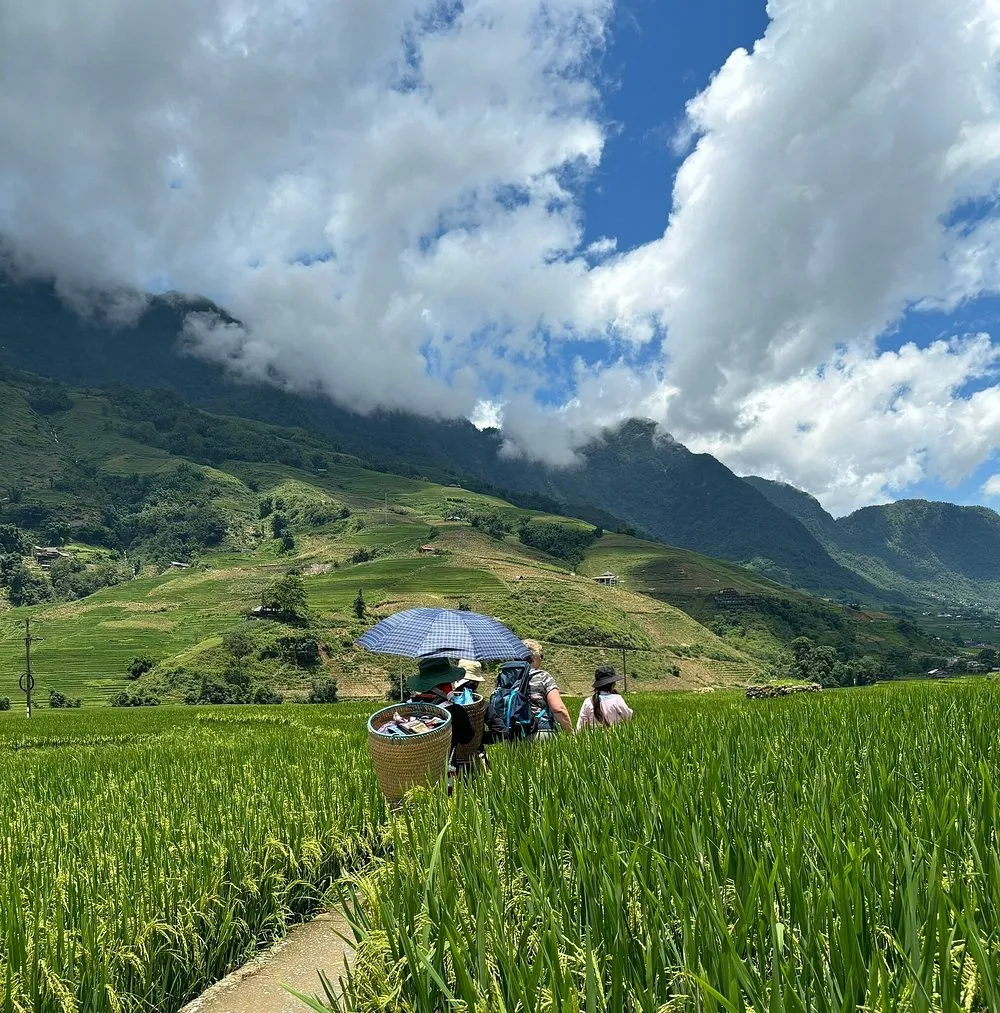
 Sinh Giang
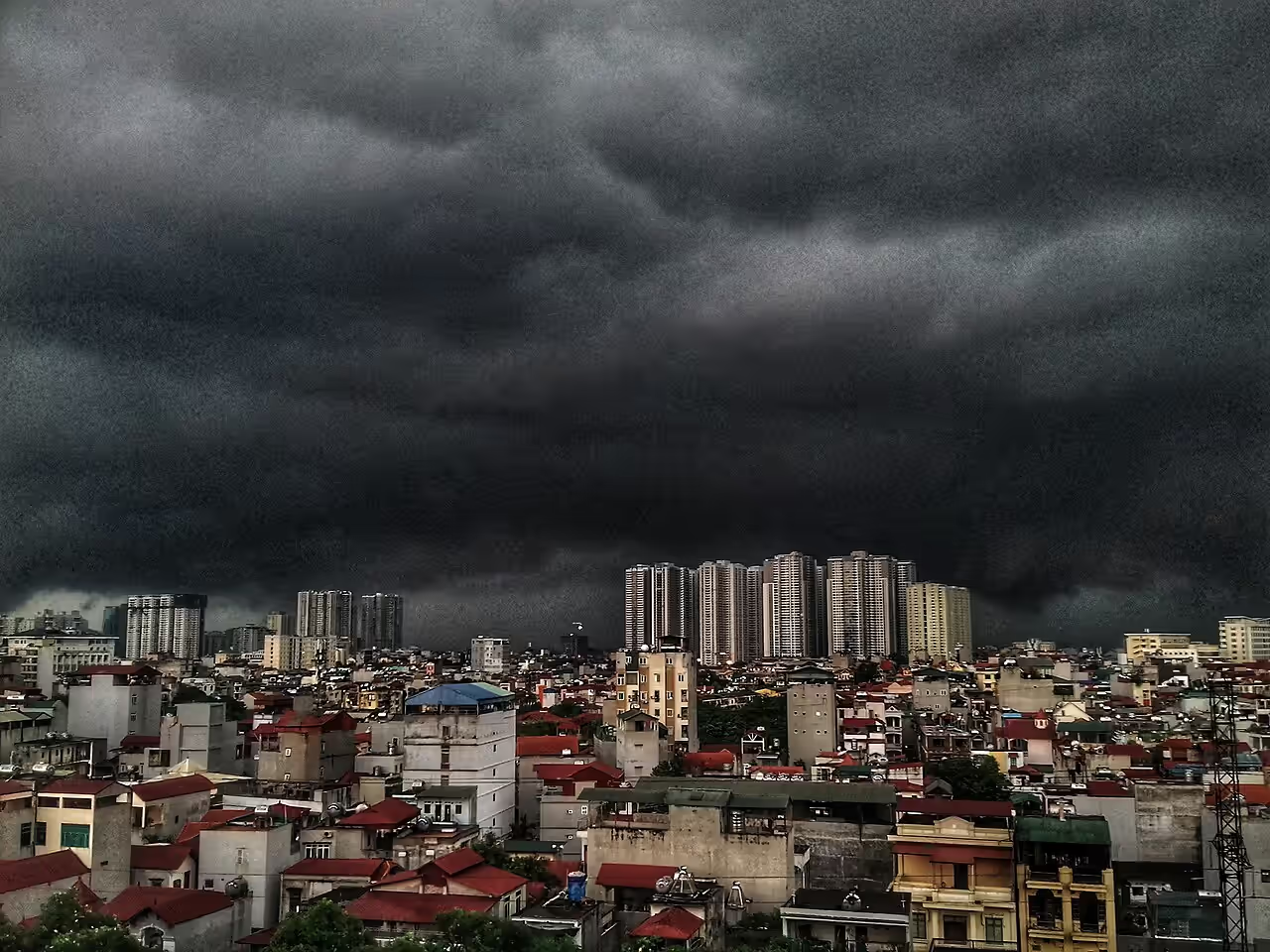
The Vietnam rainy season runs at different times in each region — roughly May to September in the north, September to December in the centre, and May to October in the south — so there is no single wet season for the whole country. Because Vietnam is over 1,600 km long, the monsoon arrives on a different schedule in each part, and it is almost always dry somewhere. The short answer for planners: the wet months usually bring short, heavy afternoon downpours rather than all-day grey, and only the central coast (Hoi An, Hue) sees genuinely disruptive rain, mainly in October and November.
This guide explains what to expect from the Vietnam rainy season, region by region: when it rains, what the rain is really like, whether it is worth traveling then, and how to plan a great trip around it. We are a local team based in Sapa, out on the trails in every season, so these notes reflect what the weather actually does on the ground — not just the averages. Handled well, the rainy season is green, quiet and great value; here is how to make it work for you.
When Is the Rainy Season in Vietnam?
There is no nationwide answer — the rainy season lands at a different time in each of Vietnam's three climate zones. The bars below show roughly how wet each region gets through the year, so you can see at a glance that the monsoon is staggered rather than simultaneous.
In plain terms: the north (Hanoi, Sapa, Ha Long Bay) gets its rain in the summer, from about May, building to a July–August peak and easing through September. The centre (Hue, Hoi An, Da Nang) stays dry right through summer and only turns wet from September, with the heaviest rain and flood risk in October and November. The south (Ho Chi Minh City, the Mekong, the islands) has a long wet season from May to October, but it is the gentlest of the three — mostly brief afternoon storms. If you want to avoid rain everywhere at once, February to April is the driest window across the whole country.
The practical takeaway is to plan around your region, not around "Vietnam". A month that is soaking in one place is often the finest, driest month somewhere else — October, for example, is the central coast's wettest month yet the north's single best week for clear skies and the golden Sapa harvest. Once you think in regions, the rainy season stops being a problem to avoid and becomes a schedule to work with.
Put simply, the Vietnam rainy season is really three overlapping wet seasons on three different clocks — north, centre and south — and that single idea is the most useful thing to carry into your planning. Get the region-and-timing pairing right and you will rarely lose more than an hour of any day to the weather.
What the Rainy Season Is Actually Like
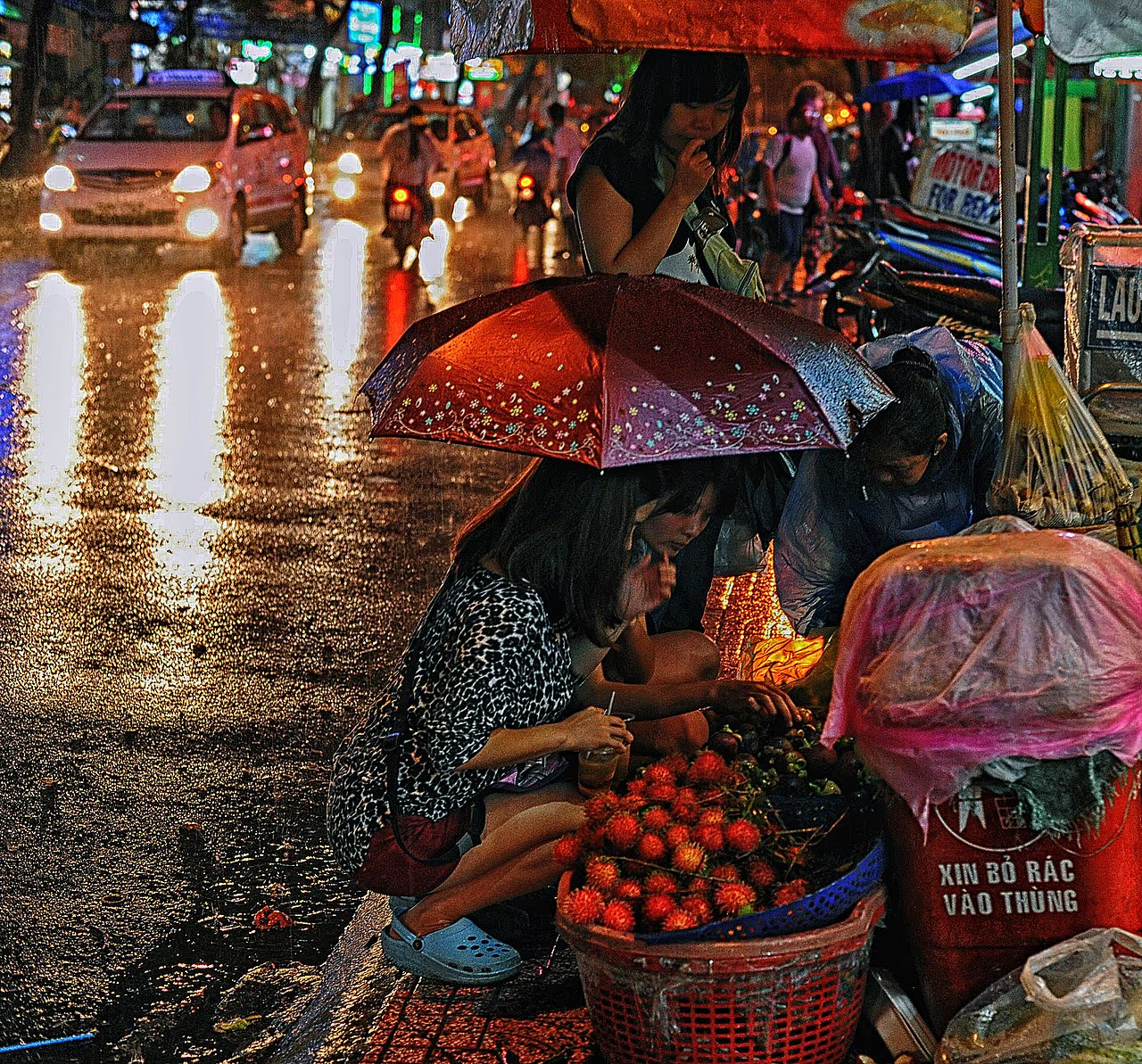
Forget the image of endless grey drizzle. Across most of Vietnam, a rainy-season day means warmth, humidity and one or two intense downpours — often in the late afternoon — that hammer down for twenty minutes to an hour and then clear to bright skies. Mornings are frequently sunny even in the wettest months, which is why locals simply plan the day around the rain rather than being stopped by it.
The rain is tropical: heavy, warm and dramatic rather than cold and dreary. You will see the streets empty for a downpour, people shelter under an awning with a coffee, and then everything spring back to life the moment it passes, the air fresher and the light golden. It is genuinely one of the more atmospheric times to be here — the exact opposite of a damp European winter.
The one genuine exception is the central coast in October and November. There, rain can settle in for a few days at a time and low-lying Hoi An and Hue occasionally flood. That is the single window we would steer you away from if your heart is set on the beaches and old towns of the centre. Everywhere else — the north outside the July–August peak, and the south almost all year — the rain is an interruption, not a write-off.
The Upside: Why Rain Can Be a Great Time to Visit
Traveling in the wet season is not just a compromise — it comes with real rewards that the dry-season crowds miss entirely. The landscapes are at their greenest, the famous sights are quiet, and your money goes noticeably further.
Prices are the most immediate upside. Outside the Tet and summer-holiday peaks, wet-season travel means lower rates on hotels, easier availability and cheaper flights — the same trip can cost meaningfully less than in the March–April high season. Here is roughly how a mid-range daily budget shifts between the two.
Then there is the scenery. Rain is what makes Vietnam green: the rice terraces of Sapa and Mu Cang Chai are flooded into mirrors in May and June and grow lushest through summer, waterfalls are at full roar, and the whole country looks vivid rather than dusty. Photographers often prefer the moody, dramatic skies of the wet season to the flat haze that can settle over the dry months.
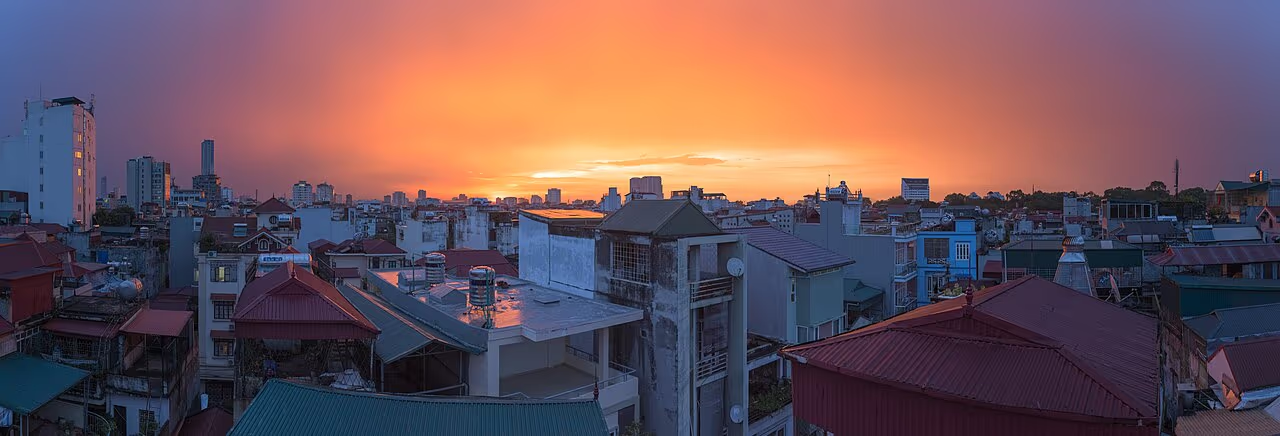
Finally, there are the crowds, or rather the lack of them. Popular spots that are shoulder-to-shoulder in high season — Hoi An's old town, the Sapa viewpoints, the Ha Long cruise decks — are calm and breathable in the wet months. For travelers who value space, quiet and a more genuine feel over guaranteed sunshine, that trade is well worth making.
Trek the Sapa Terraces at Their Lushest
 1 Day Trek
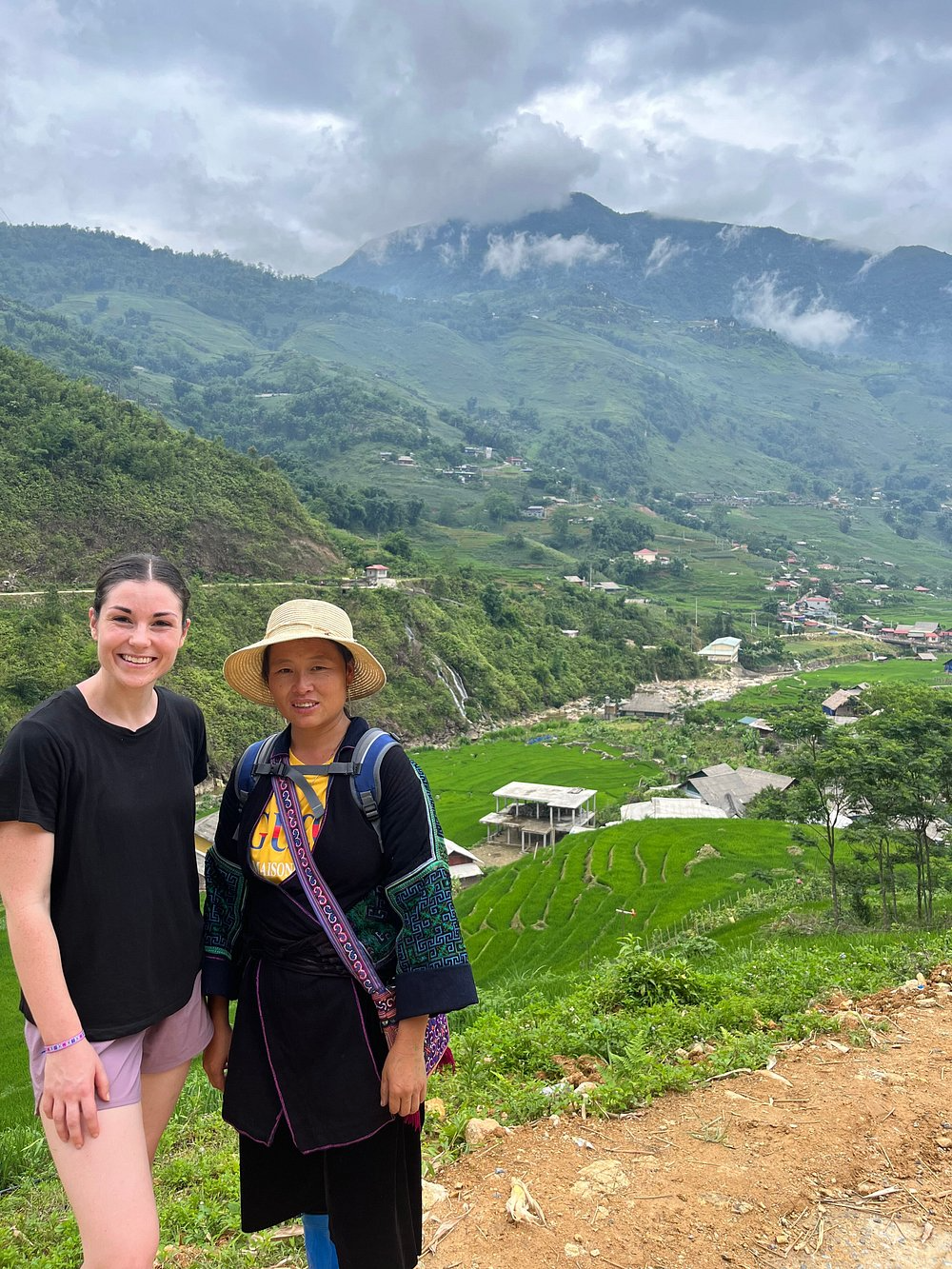
Trekking Through Rice Terraced Fields
The Muong Hoa Valley day trek — mirror-green in early summer, gold in autumn.
 2D1N Homestay
Rice Terraced Fields & Homestay
Two days on the trail and a village homestay — quiet and green in the wet season.
 Families & Seniors
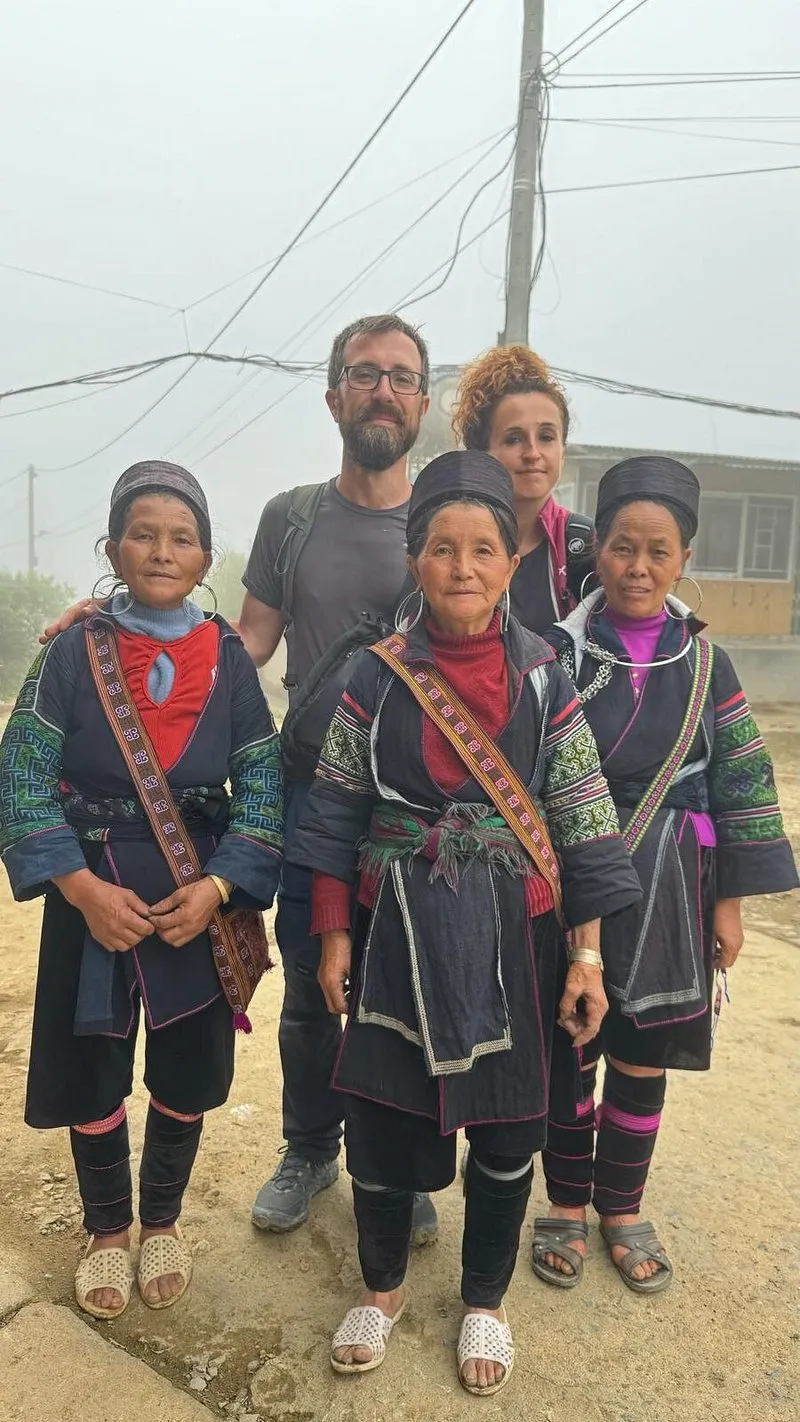
Sapa Easy Trekking For Seniors
A gentle valley walk with poles provided — easygoing even on softer trails.
Is the Rainy Season Right for You?
Whether the wet season suits you comes down to what you want from the trip. Here is an honest split — if most of the left column sounds like you, go for it; if the right column does, aim for the dry season instead.
The rainy season IS for you if…
Aim for the dry season if…
For most travelers, the honest answer is that the rainy season is well worth it as long as you avoid the central-coast flood window and keep your plans a little loose. If your dates are fixed and the beaches of Hoi An or Da Nang are the centrepiece of the trip, though, the February–April dry season will serve you better. Not sure which camp you fall into? Take the 30-second quiz below — it will match your travel style and dates to the right season and region.
Region by Region in the Rain
Because the monsoon is staggered, the smartest move is to match your dates to a region that is dry — or to accept the rain where it is gentle. Here is what the wet season means in each part of the country.
The North (Hanoi, Sapa, Ha Long Bay)
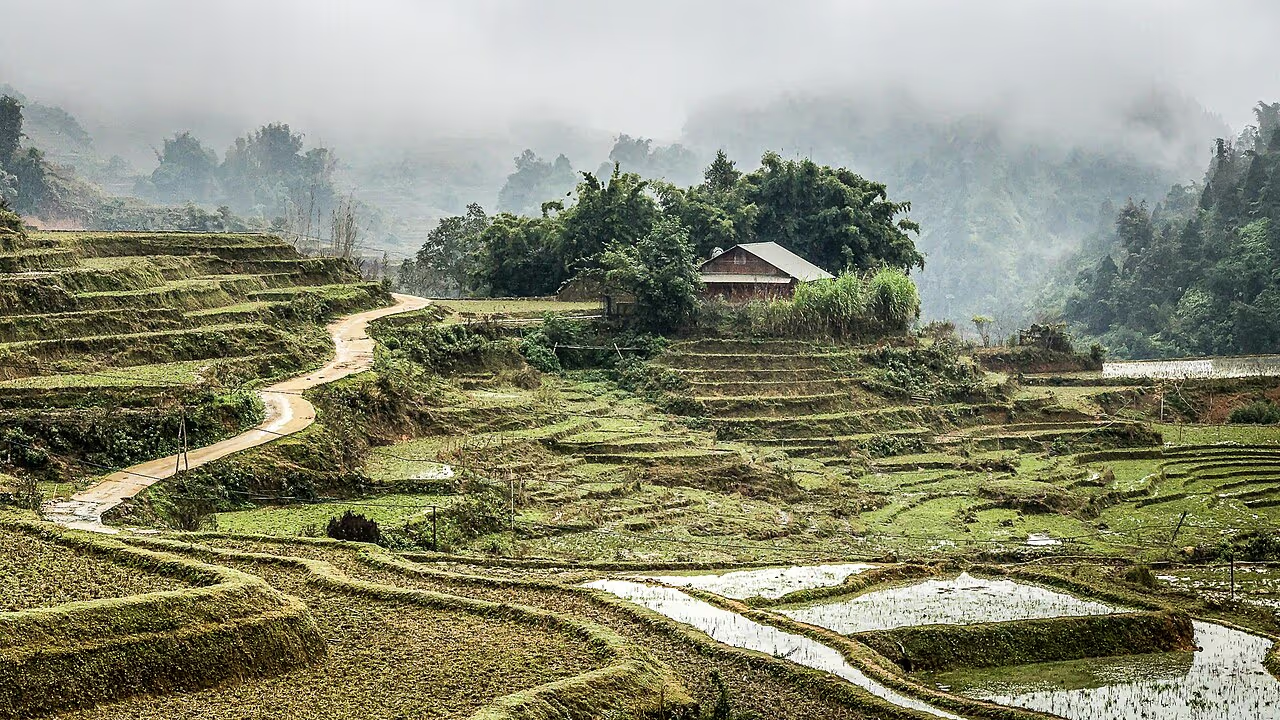
The north's rain falls in summer, from May, peaking in July and August with heavy, humid downpours that can make Sapa's trails muddy and occasionally disrupt Ha Long cruises during storms. But May and June are gentler — warm with afternoon showers — and this is exactly when the Sapa rice terraces flood into mirrors and the valleys turn their deepest green. By late September the rain has eased and the north slides into its glorious clear, dry autumn.
Central Vietnam (Hue, Hoi An, Da Nang)
The centre is the exception that shapes everyone's plans. It stays hot and dry right through summer — June and July are peak beach months here — and only turns wet from September, with the heaviest rain and the real risk of flooding in Hoi An and Hue in October and November. If you are visiting the central coast, this is the one region where the calendar genuinely matters: aim for February to August, and treat late autumn as a wildcard with a flexible day or two built in.
The South (Ho Chi Minh City, Mekong, Islands)
The south has the friendliest wet season of all. From May to October the pattern is reliable: bright, warm mornings, then a heavy afternoon or evening downpour that clears within an hour. It rarely rains all day, the temperature barely moves (a steady 26–35°C), and the Mekong Delta is lush and full. Because it is so dependable, the south is the safe fallback in any month — if the rest of your trip is weather-dependent, you can always finish on a southern beach or in the Delta.
How to Travel Vietnam in the Rain
A little planning turns the wet season from a worry into a non-issue. Follow these five steps and rain will barely dent your trip.
Plan by region, not by "Vietnam"
Pick your dates around a region that is dry, or where the rain is gentle. Summer? Head to the central beaches and the northern mountains, and enjoy the south's afternoon-storm rhythm. October–November? Go north for the golden harvest and keep away from the central coast.
The big oneDo the big things in the morning
Wet-season rain usually arrives in the afternoon, so front-load your day: sightseeing, treks and boat trips in the bright morning hours, then museums, a cooking class, a long lunch or a spa when the rain comes through.
Simple habitKeep a buffer day on the coast
Around the central coast and any Ha Long cruise in storm season, leave a spare day so a delayed sailing or a flooded road doesn't derail the rest of your itinerary. Book refundable or rebookable where you can.
Storm seasonPack light rain gear and a dry bag
A packable rain jacket or a $1 poncho, a small umbrella, quick-dry clothes and a dry bag for your phone and camera are all you need. Locals just carry a poncho and keep moving — so can you.
Travel lightChoose enclosed, comfortable transport
For the Hanoi–Sapa leg and other transfers, take an enclosed limousine van or sleeper bus rather than open-air options, and allow extra time around flights. Sorting transfers in advance keeps a wet-season trip smooth.
Stay dryComfortable & Dry in Any Weather


Floods, Typhoons & Staying Safe
Tropical storms and typhoons are the one part of the rainy season worth taking seriously — but they are seasonal, forecastable and easy to plan around. They mainly affect the central and northern coast between September and November.
Travel the coast in storm season if…
- You keep a flexible spare day or two in the plan
- You watch the forecast and stay adaptable
- You have travel insurance covering weather disruption
- You're happy with indoor back-ups (museums, classes, tailors)
Think twice if…
- Hoi An or Hue in Oct–Nov is the trip's centrepiece
- Your schedule is fixed with no room to flex
- A Ha Long cruise is a must and can't be rebooked
- You'd find a flooded old town a deal-breaker
The central coast (Hue, Hoi An, Da Nang) is the most exposed — heavy rain and the odd typhoon can flood the low-lying old towns in October and November. Ha Long Bay occasionally sees cruises delayed or cancelled during summer storms (July–August); reputable operators rebook or refund, so build in a buffer day. The south is largely spared typhoons altogether, and inland Sapa doesn't get them either, though heavy summer rain can make trails muddy and, very rarely, trigger a small landslide on a mountain road — which is why we choose routes carefully in the wet months.
None of this should scare you off the country. Even at the peak of the central rains, the north is enjoying its finest month and the south is drying out — so with a flexible, region-aware plan you can travel Vietnam in any month and still find beautiful weather somewhere. Tell us your dates and we'll help you shape the trip around the conditions.
What to Pack for the Rainy Season
Wet-season packing is simple and light. Bring a packable rain jacket or poncho and a small umbrella, quick-dry clothes and sandals or grippy waterproof shoes, and a dry bag (or a few zip-lock bags) to keep your phone, camera and documents dry. Add a warm layer if you're heading to Sapa, which stays cool and often wet whatever the season. For any Sapa trekking you can rent waterproof boots and poles at our office rather than flying with them — ideal for the softer, muddier trails of the wet months.
Boots & Poles for the Wet-Season Trails
 Gear Rental
Trekking Boots Rental
Waterproof ankle-support boots — ideal for the muddy trails of the wet months. At 105 Thach Son Street.
 Gear Rental
Walking Poles Rental
Trekking poles at $2/day — essential on wet, slippery terraces. At 105 Thach Son Street.
Trekking Sapa in the Rainy Season
People often assume the wet season rules out Sapa. It doesn't — we guide here in every month of the year, and the rainy season has a quiet beauty all its own. In May and June the terraces are flooded and mirror-bright as the rice is planted; through summer the valleys are impossibly green; and the mist that comes with the rain turns the mountains soft and cinematic. With far fewer trekkers about, it can feel like you have the trails to yourself.
The honest trade-off is mud and the chance of a soaking, mainly in July and August. We manage it the way locals always have: waterproof boots and poles (rentable at our office), routes chosen for the day's weather, and mornings prioritised for the walking. If you want dry, clear, golden-harvest conditions instead, aim for September to November — but don't cross off the green months, because they are lovely in their own right.
For many of our guests, deciding whether to trek during the Vietnam rainy season comes down to one honest trade: a little mud and the odd shower in exchange for empty trails, mirror-flooded terraces and a fresher, greener valley than the dry-season photos ever show. If that sounds like your kind of trip, the wet months reward you handsomely — and we will make sure the gear and the route are ready for the conditions.