 Sinh Giang
What should you eat in Sapa? Start with a salmon or sturgeon hotpot, com lam (sticky rice grilled in bamboo), grilled skewers from the night market, and — if you trek with us — a home-cooked dinner with a local family. Sapa's food is mountain food: hearty, herb-heavy and shaped by the cold climate and the cooking of the Black H'mong and Red Dao people who have farmed these valleys for generations. It is quite different from the food you'll meet in Hanoi or Ho Chi Minh City, and it's one of the quiet joys of a trip up here. This guide walks you through the dishes worth crossing the country for, where to find them, what a meal actually costs, and the market days and street stalls that locals use — written from our office on Thach Son Street, where we feed travellers every week.
I'm Sinh Giang, and between guiding, driving guests to markets, and eating far too much com lam myself, I've spent years watching which Sapa dishes visitors fall for and which ones catch them off guard. The honest version is below: no filler, no “must-try” list of things nobody actually eats. If you'd rather just taste the best of it with a local at your side, that's exactly what our treks and homestays are built around — more on that as we go.
One thing worth saying up front: Sapa's cold, misty climate shapes everything on the plate. At 1,500 metres the evenings are genuinely chilly for much of the year, so the food leans warming and hearty — steaming hotpots, grilled meat over charcoal, ginger-syrup dumplings, sticky rice that fills you up for a long day's walk. The vegetables are the other half of the story: the terraced valleys and cool air grow crisp chayote greens, mustard greens, pumpkin, mushrooms and herbs that end up fresher and tastier than almost anywhere in lowland Vietnam. Understanding that — cold-climate comfort food plus superb mountain produce — tells you most of what to expect before you even sit down.
The Sapa Dishes You Have to Try
These are the dishes that define Sapa — the ones locals are proud of and that you won't find done the same way anywhere else in Vietnam. A few are gentle crowd-pleasers; one or two are proper adventures. Here's the shortlist, with what each one actually is so nothing surprises you at the table.
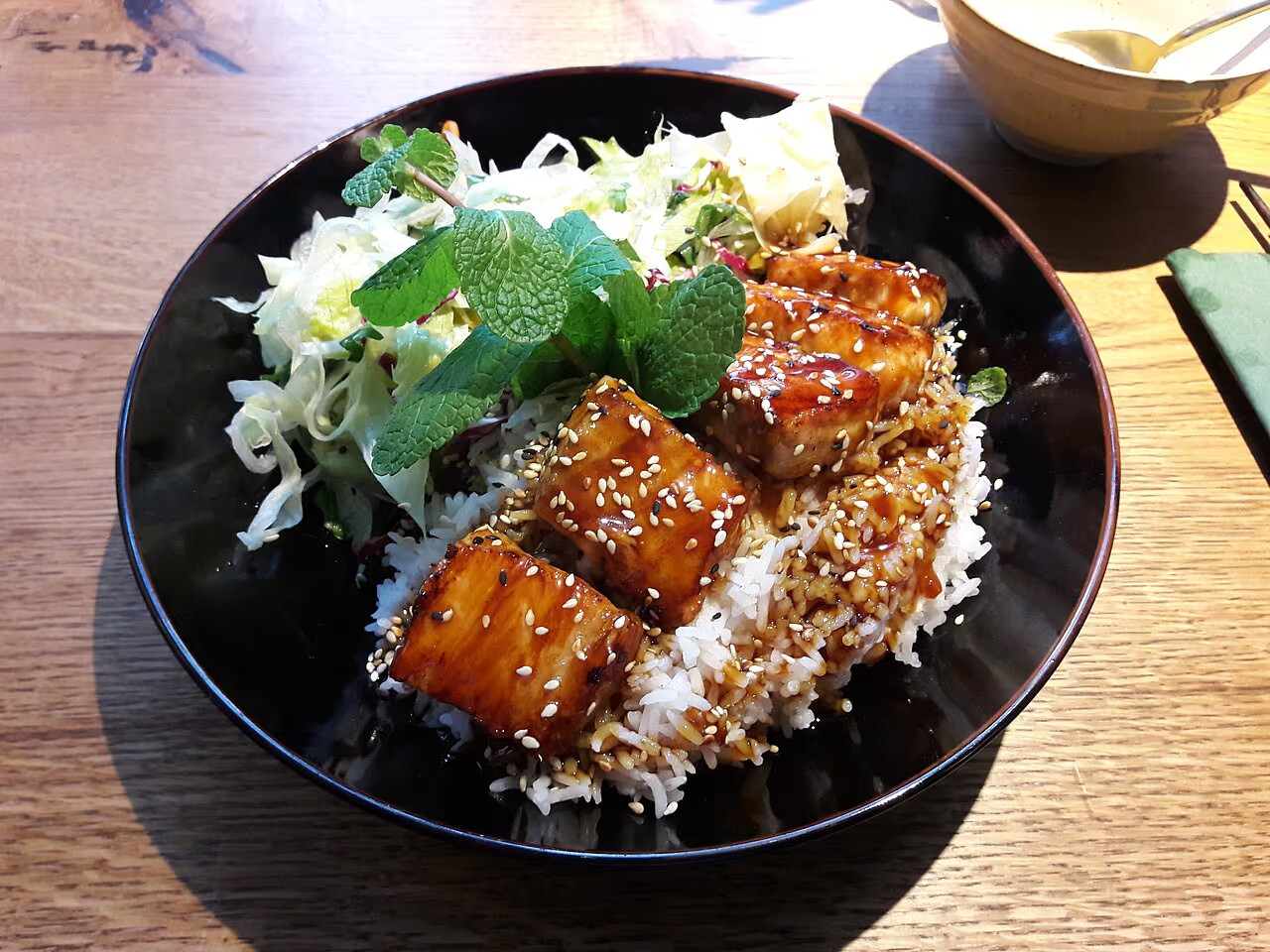
Cold-water fish raised in Sapa's mountain streams, simmered at your table with tomato, dill and mountain greens. The classic cold-evening splurge.
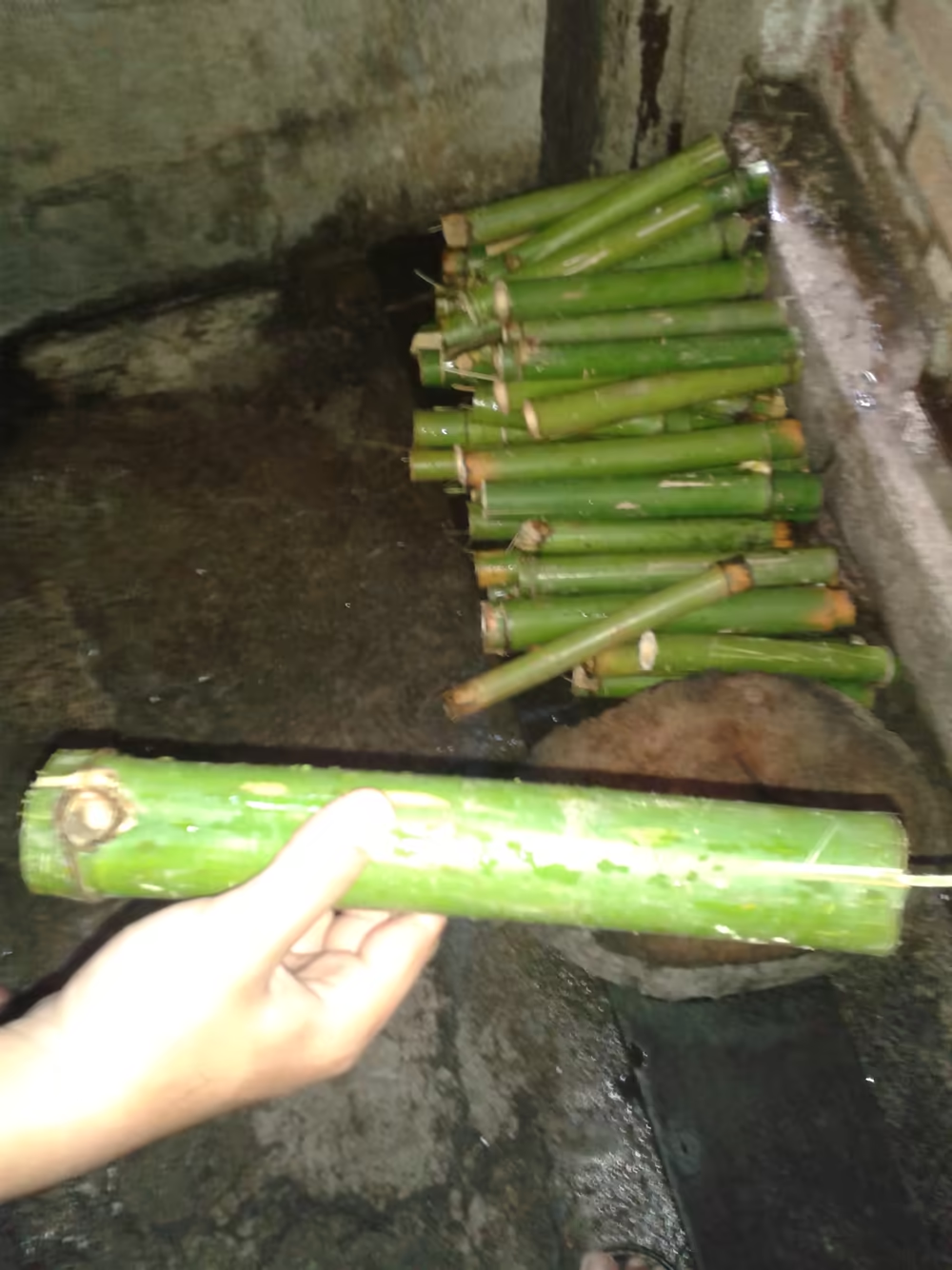
Sticky rice packed into a green bamboo tube and grilled over coals until fragrant, then peeled and dipped in sesame salt. Cheap, smoky, addictive.
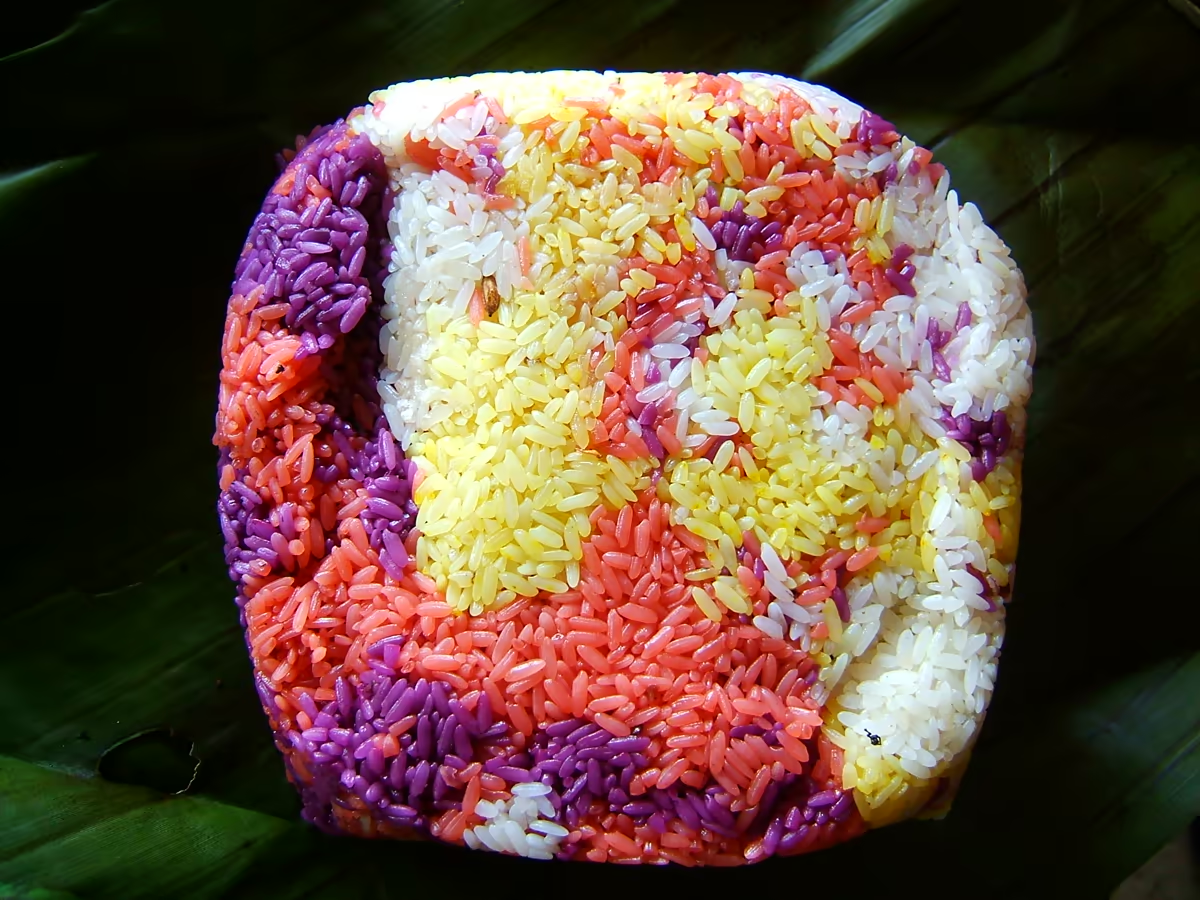
Xoi ngu sac — sticky rice dyed five colours with natural leaves and roots. A festival dish you'll spot at markets, as pretty as it is tasty.
The Black H'mong's most traditional stew, simmered low with herbs and offal and eaten with corn wine. An acquired taste and a real cultural experience.
Pork, chicken wings, tofu, egg, corn and mountain veg grilled to order over charcoal on Cau May street. The perfect cheap, cosy evening feed.
Free-range “black-bone” hill chicken, grilled or in a herby broth — plus thang den, warm ginger-syrup dumplings that locals love on cold nights.
Round these out with the everyday staples you'll eat between the headline dishes: a steaming bowl of pho or thang co for breakfast, stir-fried chayote greens (rau su su) that grow all over these hills, fresh spring rolls, and mountain honey and cardamom that flavour everything from tea to grilled meat. Sapa isn't a place you come only for the scenery — the eating is part of the trip.
A Day of Eating in Sapa, Morning to Night
The easiest way to picture Sapa's food is to eat your way through a single day, because the rhythm of what's good changes from dawn to dark. Here's how a really well-fed day looks up in the mountains — markets and street stalls in daylight, hotpot and skewers once the temperature drops.
Breakfast
A hot bowl of pho or thang co at the market to start a cold morning.
Market snack
Com lam and five-colour sticky rice from a stall, dipped in sesame salt.
Homestay lunch
On a trek, a spread of fresh valley veg, meat and rice with a local family.
Café & cake
Mountain coffee or apple tea with a valley view before the light goes.
Fish hotpot
Salmon or sturgeon hotpot bubbling at your table as it turns cold.
Night market
Charcoal skewers and warm thang den dumplings on Cau May street.
You'll notice two of those slots are highlighted — the homestay lunch and the evening hotpot. Those are the meals travellers remember, and they're both easy to build into a trip: the hotpot is a short walk in town, and the homestay lunch is simply part of any overnight trek with us. Everything else is spontaneous, cheap and easy to graze on as you wander.
Sapa Treks With Homestay Meals Included
 Most Popular
Easy
Most Popular
Easy
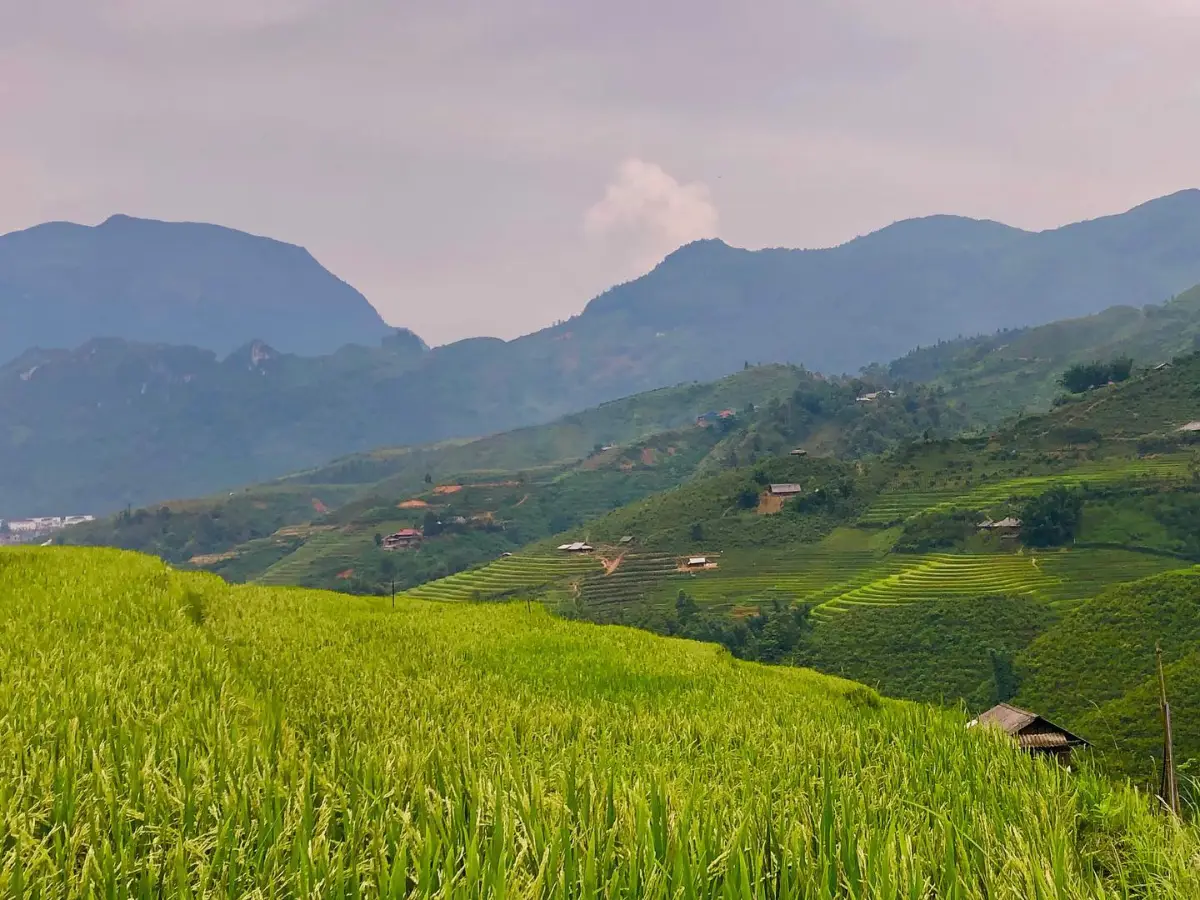
Rice Terraced Fields Trek
The classic Muong Hoa valley walk through Lao Chai and Ta Van — with a home-cooked lunch in a local family's kitchen.
 Easiest
Very Easy
Easiest
Very Easy
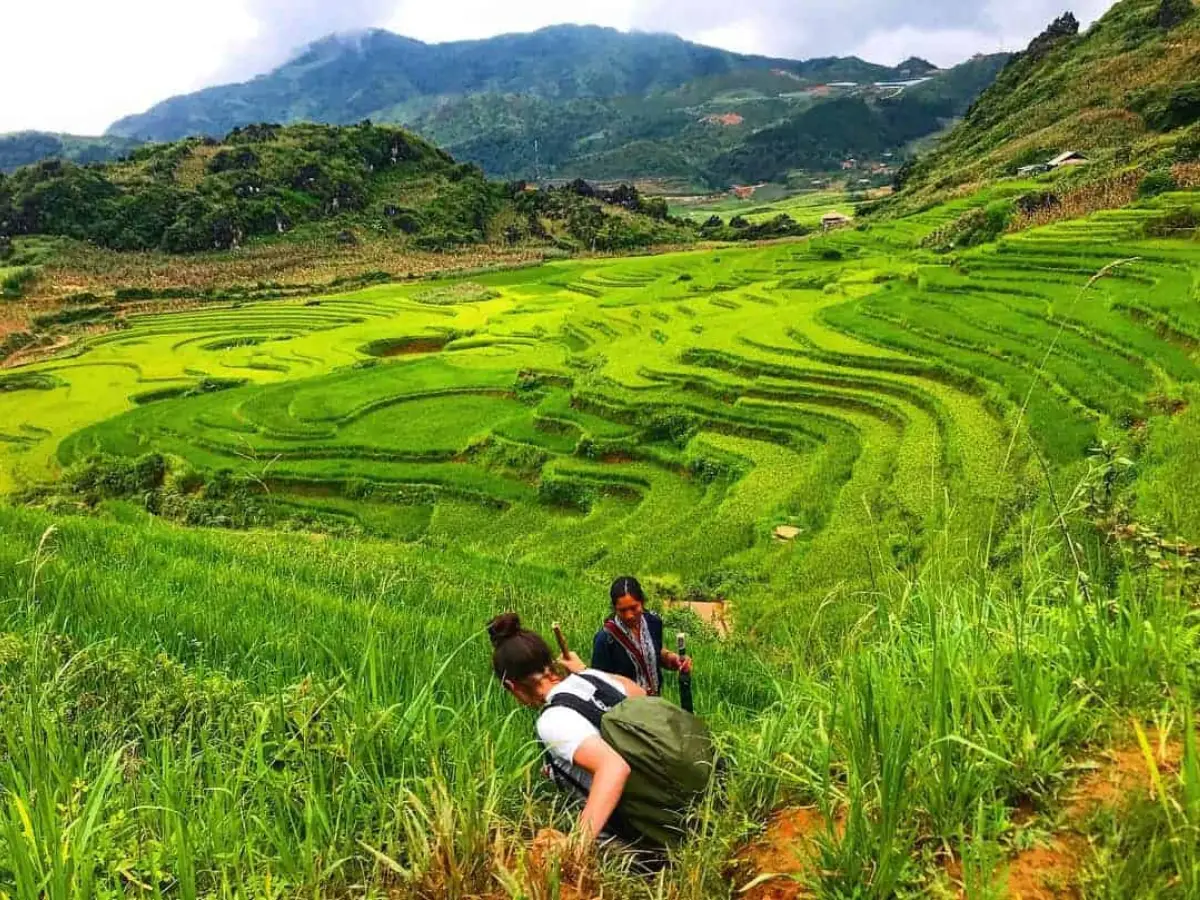
Sapa Easy Trekking
A relaxed, scenic day walk at a gentle pace with a local lunch — ideal for families and older travellers.
 Great Value
Easy
Great Value
Easy
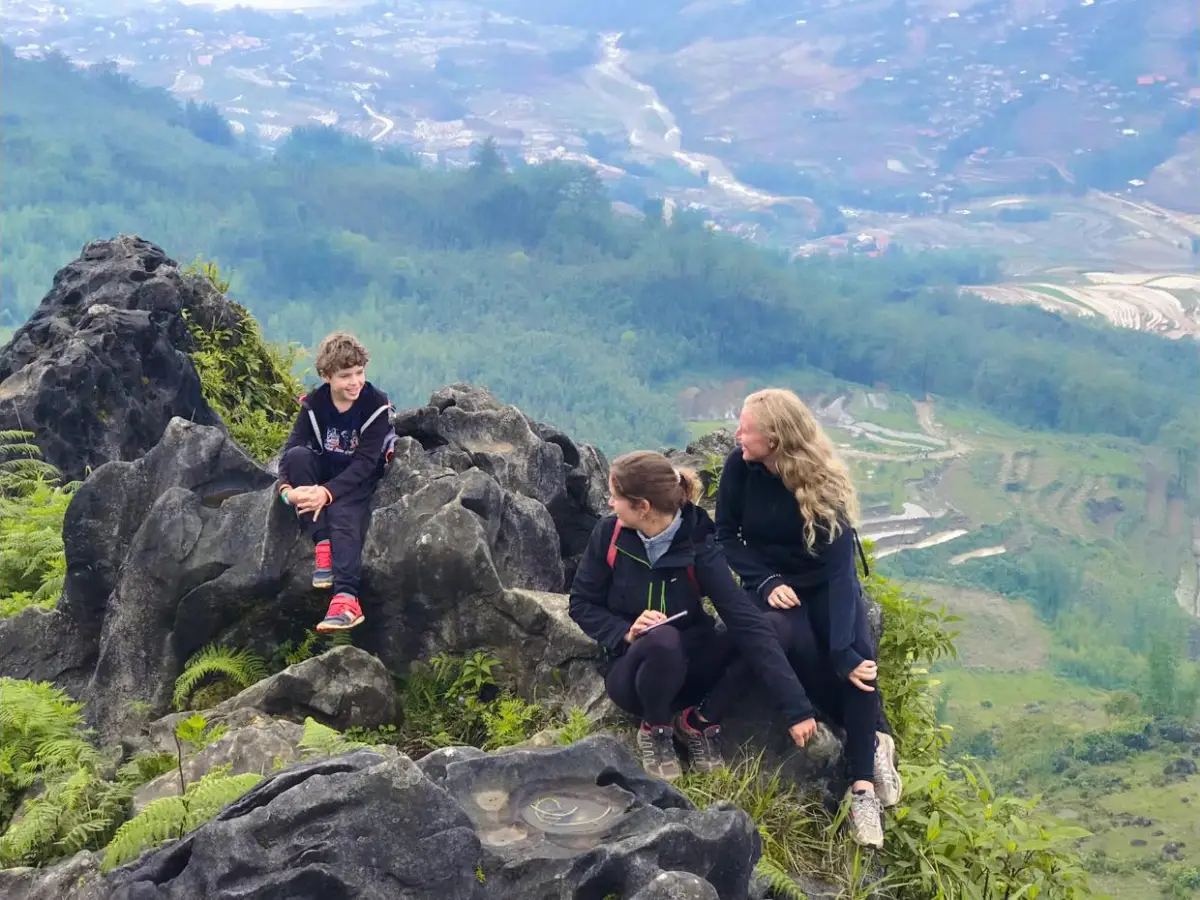
Mountain Views & Villages
Quieter trails, big views and real village kitchens — away from the day-tripper crowds.
Sapa's Famous Salmon & Sturgeon
Sapa's most surprising speciality is fish. This is one of the only places in Vietnam cold enough to farm salmon (ca hoi) and sturgeon (ca tam), raised in tanks fed by clear mountain streams, and the result is a genuinely local dish you can't get properly anywhere else in the country. On a chilly evening — which in Sapa is most of them — a fish hotpot is the meal to build your night around.
The classic order is a hotpot: a bubbling pot of tomato-and-dill broth arrives at your table, and you cook slices of fish, tofu and mountain vegetables in it yourself, ladling it over noodles or rice as you go. It's sociable, warming and easily fed to two, three or four people from one pot. Many restaurants also serve the salmon as sashimi and the trimmings in a tangy salad, so a single fish stretches across several dishes — ask for the “three-course” or “one fish, many ways” set if you see it.
A shared hotpot is the priciest thing most visitors eat in Sapa — usually 400,000–700,000 VND depending on the fish and the size — but split between a few people it's still a bargain for what it is, and it's the definitive Sapa meal. The fish restaurants cluster along the roads out toward Thac Bac (Silver Waterfall) and around the town centre, and most will show you the live fish before they prepare it, so you know it's fresh. If you're coming in the cold months of December to February especially, don't miss it; for how the seasons shape a trip up here, see our guide to the best time to visit Sapa.
“Every guest asks me the same thing on the first cold night: where's the fish hotpot? It's the meal they message me about after they get home.”
— Sinh Giang, Trekking Tour SapaThang Co & Market Food
For the most authentic bite in the whole region, you eat at a market — and the dish at the heart of it is thang co. This is the traditional stew of the Black H'mong, cooked for centuries in huge cauldrons at highland markets and eaten shoulder-to-shoulder at long communal tables with cups of corn wine. It's simmered slowly from meat, offal and a blend of mountain herbs and spices, and it is very much a cultural experience rather than a polished restaurant plate.
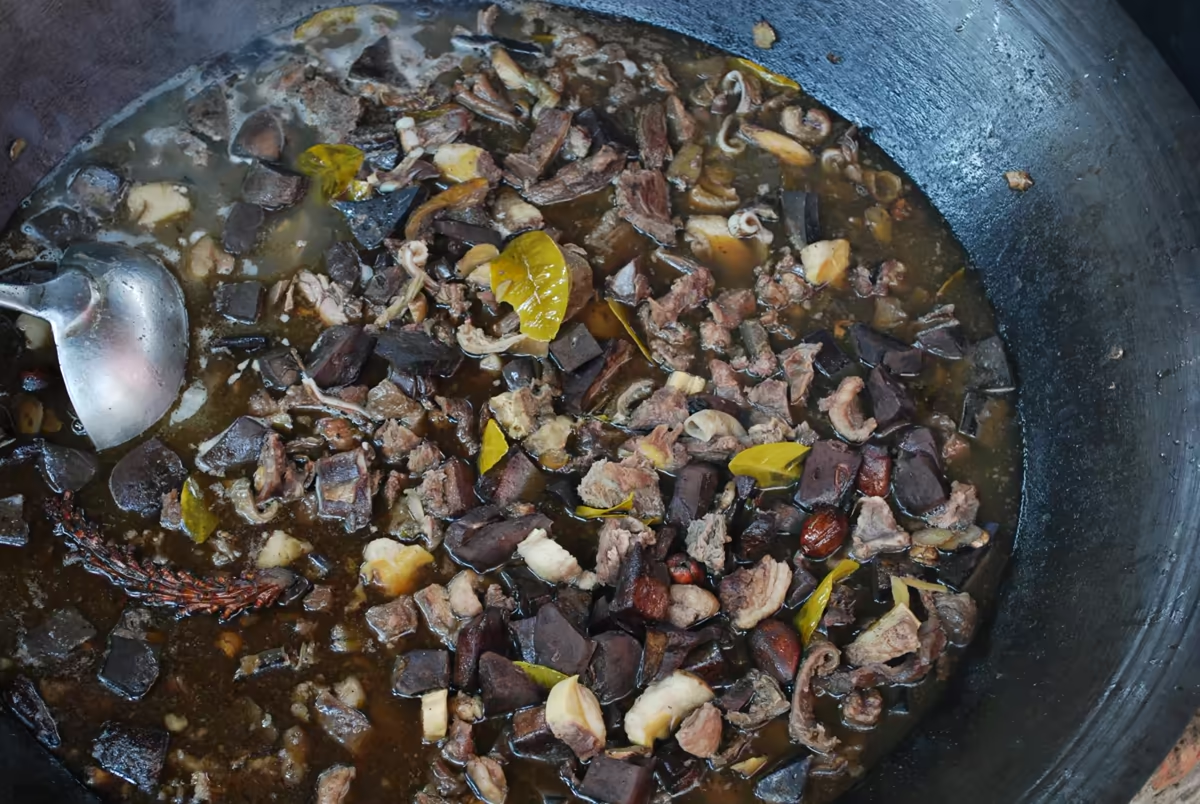
I'll be honest: thang co is an acquired taste, and I'd never pretend otherwise. But trying a small bowl at a real market, rather than a tidied-up tourist version, is one of the most genuine things you can do here — and milder beef or pork versions now exist if the traditional recipe is a step too far. The dish belongs to the wider culture of these mountains; if that side of Sapa interests you, our guide to Black H'mong culture gives it real context.
The best stage for all of this is the famous Bac Ha Sunday market, about two hours from Sapa, where the Flower H'mong gather in their brilliant embroidered dress to trade everything from buffalo to sticky rice. Closer to town, Sapa's own market runs daily for produce, dried mushrooms, cardamom and quick local eats, and the trekking villages like Ta Van have small stalls too. A market morning is as much about the eating as the shopping.
Sapa Market & Food Practicalities
- Bac Ha market:Sundays only — ~2 hrs from Sapa; best for thang co & atmosphere
- Sapa town market:Daily — produce, dried goods & quick local eats
- Night market:Around Cau May street — grilled skewers from dusk
- Local meal cost:~40,000–60,000 VND ($1.50–$2.50)
- Fish hotpot:~400,000–700,000 VND for a shared pot
- Water:Bottled/filtered only — not the tap
Street Food & the Night Market
When the sun drops and the mist rolls in, Sapa's eating moves to the street. The area around Cau May street and the town square fills with charcoal grills, and the smell of skewers — do nuong — is the surest sign the evening has properly begun. This is the cheapest, cosiest, most sociable food in town, and it's where locals and travellers end up side by side.
You order by pointing: skewers of marinated pork, chicken wings, quail eggs, tofu, sweetcorn, okra, whole mountain mushrooms and little parcels of greens, all grilled to order and served with a chilli-salt-lime dip. Alongside them you'll find com lam (that smoky bamboo rice), grilled sticky-rice cakes, and warming bowls of thang den — soft glutinous dumplings in hot ginger syrup that are pure comfort on a cold night. A big, happy feed here costs a few dollars.
Street food gets an unfair reputation for being risky, but the grill is actually your friend: everything is cooked fresh, hot and in front of you, which is exactly the safety rule you want to follow. Pick a stall with a local crowd, drink bottled water, and you can graze the night market with confidence. For the wider picture on eating and drinking safely across the country, our guide to whether Vietnam is safe covers food, water and health in detail.
Drinks: Corn Wine, Mountain Tea & Coffee
What you drink in Sapa matters almost as much as what you eat — and it starts with the one bottle that appears on every table sooner or later: corn wine (ruou ngo). Distilled by hand in the villages from mountain corn, it's clear, strong and surprisingly smooth, and pouring a round is how a H'mong host says welcome. You'll meet it at markets, at the night grills and above all at a homestay dinner, where refusing the first cup politely is fine but sharing one earns you a place at the table. Red Dao families also brew herbal rice wines steeped with roots and bark that are said to warm the bones after a cold day's work.
For the daytime, Sapa runs on tea and coffee. The hills grow their own green tea, and cafés serve it plain or as a fragrant apple tea and artichoke tea that locals swear by. Vietnamese coffee is everywhere too — order a ca phe sua da (strong iced coffee with condensed milk) or, if it's cold and misty, a hot ca phe trung (egg coffee) and take it to a window over the valley. Fresh soya milk (sua dau nanh) sold warm at the market is a lovely cheap breakfast drink. Whatever you choose, stick to bottled or filtered water for hydration rather than the tap, and you'll be set for a full day of eating.
Where to Eat & What It Costs
Sapa has a full spread of places to eat, from a plastic-stool noodle stall to a candlelit restaurant with a valley view — and it's all inexpensive by Western standards. Here's the honest map of where to go for what, and roughly what you'll pay, so you can plan a day of eating without guesswork.
| Where | Best for | Typical price |
|---|---|---|
| Local eateries (quan) | Pho, rice plates (com binh dan), quick everyday meals | 40,000–60,000 VND ($1.50–$2.50) |
| Night market / street grills | Skewers, com lam, thang den — cheap & social | A few thousand VND per skewer |
| Tourist restaurants | Salmon/sturgeon, Vietnamese classics, some Western food | 100,000–200,000 VND ($4–$8) per person |
| Fish hotpot restaurants | The signature shared salmon or sturgeon pot | 400,000–700,000 VND for the pot |
| Bac Ha & town markets | Thang co, five-colour rice, snacks & corn wine | Very cheap — snack money |
| Homestay on a trek | The real thing — family home cooking | Included in the tour price |
A couple of practical notes. Tourist-strip restaurants sometimes price seafood and drinks loosely, so glance at the menu prices before you order — the same small habit that keeps you out of trouble anywhere in Vietnam. And if a place is packed with locals at 7pm, trust it over an empty room with a big English sign. The best value, though, isn't a restaurant at all — it's the meal that comes free with a trek, which we'll come to next.
Come Hungry — Easy Transfers From Hanoi
Sapa is about a night or a day from Hanoi. The overnight train (via Lao Cai) and the comfortable cabin sleeper buses both get you into the mountains rested and ready to eat. Compare the options on our Hanoi–Sapa transport page, or we can book your seat or arrange a private car door-to-door — just ask.
Ask about transfersThe Best Meal in Sapa Is a Homestay Dinner
If you take one thing from this guide, take this: the best food in Sapa isn't sold in any restaurant. It's the dinner cooked for you in a local family's home on an overnight trek — and it's the meal our guests talk about long after the views have blurred together.
After a day walking the valley you arrive at a wooden H'mong or Giay house, and the kitchen is already going over a wood fire. Dinner comes out in waves and everyone shares: bowls of just-picked chayote greens and pumpkin, grilled or braised free-range meat, fresh spring rolls, mounds of sticky rice, an omelette with mountain herbs, and a bottle of home-made corn or rice wine that the host will absolutely insist you try. You eat around one low table with the family and your guide, and the food tastes better for it — because it's honest home cooking you simply can't order off a menu.
This is the heart of what we do. Our guides are local Black H'mong women, and the homestays are the homes of people they've known their whole lives, in villages like Ta Van along the Muong Hoa Valley. All the meals are included, cooked around whatever your group needs, and it's as safe and welcoming a way to eat with strangers as you'll ever find. If “eat with a local family” is on your list, an overnight homestay trek is how you tick it off.
What surprises most guests is how much of the meal comes from a few steps away. The greens were cut from the garden that afternoon; the herbs grow by the door; the chicken is a bird that ran around the yard that morning. There's often a moment before dinner where the host waves you into the kitchen to watch the wok going over the fire, and if you show any interest at all you'll end up rolling spring rolls or turning skewers yourself. It isn't a performance put on for tourists — it's simply how these families cook every night, and being folded into it for an evening is the closest thing to understanding Sapa that a short trip allows.
Overnight Homestay Treks — Meals Included

Vegetarians, Allergies & Practical Tips
Sapa is genuinely easy for vegetarians and for anyone eating around allergies — the mountains grow superb produce, and homestays and restaurants are used to adapting. A few small pointers will smooth the whole trip.
Vegetarians are well looked after: chayote greens, wild herbs, mushrooms, tofu, pumpkin, corn and fresh sticky rice are everywhere, and most kitchens will happily cook a meat-free spread. Learn the phrase “an chay” (I eat vegetarian) or just tell your guide when you book, and your homestay dinner will be sorted. One honest caveat: many Vietnamese broths and dipping sauces contain fish sauce, so if you're strict, say so clearly — and remember thang co and hotpots are meat- and fish-based by nature.
Beyond that, the everyday tips are simple: eat where it's busy and freshly cooked, carry a few small notes for market snacks, bring a reusable bottle (many cafés will refill with filtered water), and pace yourself — portions are generous and the corn wine is stronger than it looks. Do all that and Sapa will feed you brilliantly, cheaply and safely from breakfast to the last skewer of the night — and you'll go home craving com lam and mountain corn wine like the rest of us.
Rent at Our Office Before You Trek
 Gear Rental
Trekking Boots Rental
Waterproof ankle-support boots. Cleaned and checked before each rental. Available at 105 Thach Son Street.
 Gear Rental
Walking Poles Rental
Trekking poles available to rent at $2/day at our office, 105 Thach Son Street. Essential for descents.
Frequently Asked Questions
Sapa is famous for hearty mountain food built around the cold climate and the cultures of the Black H'mong and Red Dao people. The signature dishes are thang co (a traditional H'mong stew), com lam (sticky rice grilled in bamboo tubes), five-colour sticky rice, cold-water salmon and sturgeon raised in Sapa's mountain streams (usually served as hotpot or sashimi), grilled skewers from the night market, and seasonal specialities like hill chicken and wild mountain vegetables. Sapa is one of very few places in Vietnam that farms salmon and sturgeon, which is why fish hotpot is such a local highlight.
If you only try a few things, make them: a Sapa salmon or sturgeon hotpot on a cold evening, com lam (bamboo-tube sticky rice) dipped in sesame salt, grilled skewers from the night market on Cau May street, and a homestay lunch on a trek. If you're adventurous, try thang co at a local market like Bac Ha. Colourful five-colour sticky rice and fresh chayote greens (rau su su) stir-fried with garlic are easy, delicious and everywhere.
Yes, Sapa street food is generally safe if you use the same rule as anywhere in Vietnam: eat where it's busy and cooked fresh in front of you. The night-market skewers are grilled to order over charcoal, which is exactly what you want. Stick to bottled or filtered water rather than tap water, choose stalls with a local crowd, and you'll be fine. A mild stomach upset in the first days is usually just your gut adjusting rather than food poisoning.
Thang co is the most traditional dish of the Black H'mong people, originally made from horse and served for centuries at mountain markets like Bac Ha. It's a slow-simmered stew of meat and offal seasoned with local herbs and spices, eaten hot with corn wine at a communal table. It's an acquired taste and very much a cultural experience rather than an everyday tourist dish, but trying a bowl at a real market is one of the most authentic things you can do in the Sapa region. Milder beef and pork versions are now common for visitors.
Sapa is easy for vegetarians. The mountains grow superb vegetables — chayote greens (rau su su), wild mountain herbs, mushrooms, tofu, pumpkin and fresh sticky rice — and most restaurants and homestays will happily cook a meat-free meal if you ask. Learn the phrase “an chay” (vegetarian) or just tell your guide, and we'll make sure your homestay dinner is sorted. Do note that some broths and dipping sauces contain fish sauce, so mention it if you're strict.
Food in Sapa is very affordable. A bowl of pho or a plate of rice from a local eatery costs roughly 40,000–60,000 VND (about $1.50–$2.50), night-market skewers are a few thousand dong each, and a full meal at a tourist restaurant runs around 100,000–200,000 VND ($4–$8). A shared salmon or sturgeon hotpot for two to four people is the big-ticket item at around 400,000–700,000 VND depending on the fish and size. Homestay meals on a trek are included in the tour price.
Yes, and it's the best meal you'll have in Sapa. On our overnight homestay treks you eat lunch and dinner with a local H'mong family — usually a spread of fresh valley vegetables, grilled or braised meat, sticky rice, spring rolls and rice wine, cooked over a wood fire and shared around one table. It's home cooking you simply cannot buy in a restaurant, and it's included in the trek. Tell us about any dietary needs when you book and the family will cook around them.
For food and atmosphere, the famous Bac Ha Sunday market (about two hours from Sapa) is the best — a huge, colourful ethnic-minority market where you can try thang co, corn wine and street snacks among the Flower H'mong stalls. Closer to town, Sapa's own market runs daily for produce, dried goods and quick local eats. Ta Van and the trekking villages also have small stalls. We can help you time a Bac Ha visit or a market day into your trip.