
 Sinh Giang
For the walks most visitors do in Sapa (the Muong Hoa Valley, Lao Chai, Ta Van, Cat Cat and Ta Phin) we found no source that requires a trekking permit for foreigners. That is not the same as a source saying you do not need one, because we could not open an official text either way, so the honest answer is "no permit that we know of, confirm it with your operator". Three things are different: Fansipan on foot, which is inside Hoang Lien National Park and has registration and guide rules; the areas near the China border, which have a permit rule for foreigners; and ordinary tickets and registrations, which are not permits but do cost money or paper.
We checked this on 30 October 2026 against Vietnamese legal texts, Lao Cai provincial press and the cable-car operator's own pages. Where we could not open the official source we say so and tell you what to ask. Rules in the mountains change, and the 2025 reorganisation of local government changed some of the names and offices involved, so treat this guide as a map of what to check, not a legal opinion.
Do You Need a Permit for the Usual Sapa Valley Treks?
We found no source that requires one. Vietnam's tourism site says only trekking routes inside Hoang Lien National Park "require a guide and permit", and it does not describe village walks in the Muong Hoa Valley as needing either. The usual routes (Lao Chai to Ta Van, Cat Cat, Ta Phin) are village-to-village walks, and none of the sources we found describes them as park routes. Our guide on trekking Sapa without a guide covers the practical side of going alone.
The caveat is that "found no source" is a weaker claim than "confirmed". We could not open an official page of the national park, the police or the border guard, so we cannot tell you that no commune on your route has its own rule. Ask your operator or your hotel to confirm in writing that nothing further is needed for your route, and keep that message with you.
What You Need for Each Part of a Sapa Trip
The cards below answer "do I need a permit?" place by place, with how sure we are in each case. Prices are what we could read from a source on the date shown and may have changed.
Valley day walks
No permit found- Where
- Muong Hoa Valley, Lao Chai, Ta Van, Ta Phin
- What you need
- Possibly village tickets; no trekking permit found
- How sure we are
- Not verified from an official text; ask your operator
Cat Cat village
Ticket- Cost
- About 150,000 VND per adult; locals do not pay
- Source
- Vietnam tourism page updated 24 October 2026
- Check
- Confirm at the ticket office before you go
Fansipan cable car
Ticket- Cost
- 850,000 VND per adult round trip; the mountain train is an optional extra of 200,000 VND
- Source
- Operator news page dated 10 March 2026
- Check
- No permit or guide needed; confirm the current price when you book
Fansipan on foot
Register and guide- What you need
- Registration with the park and a licensed operator with a guide
- Source
- Lao Cai press, October 2025 to April 2026
- Check
- Current fees and the legal basis: ask Hoang Lien National Park or your operator
Y Ty and the border area
Permit rule- What applies
- A border-area permit rule for foreigners (amended November 2025)
- Where
- Communes along the China border, such as Y Ty in Bat Xat
- Check
- Ask the local police or border post; practice is reported as inconsistent
Your overnight stay
Registration- Who files
- Your hotel or host declares your stay to the police
- What you do
- Hand over your passport at check-in
- Timing
- Within 12 hours on paper or at once online; 24 hours in remote areas
Fansipan on Foot: Registration and a Guide
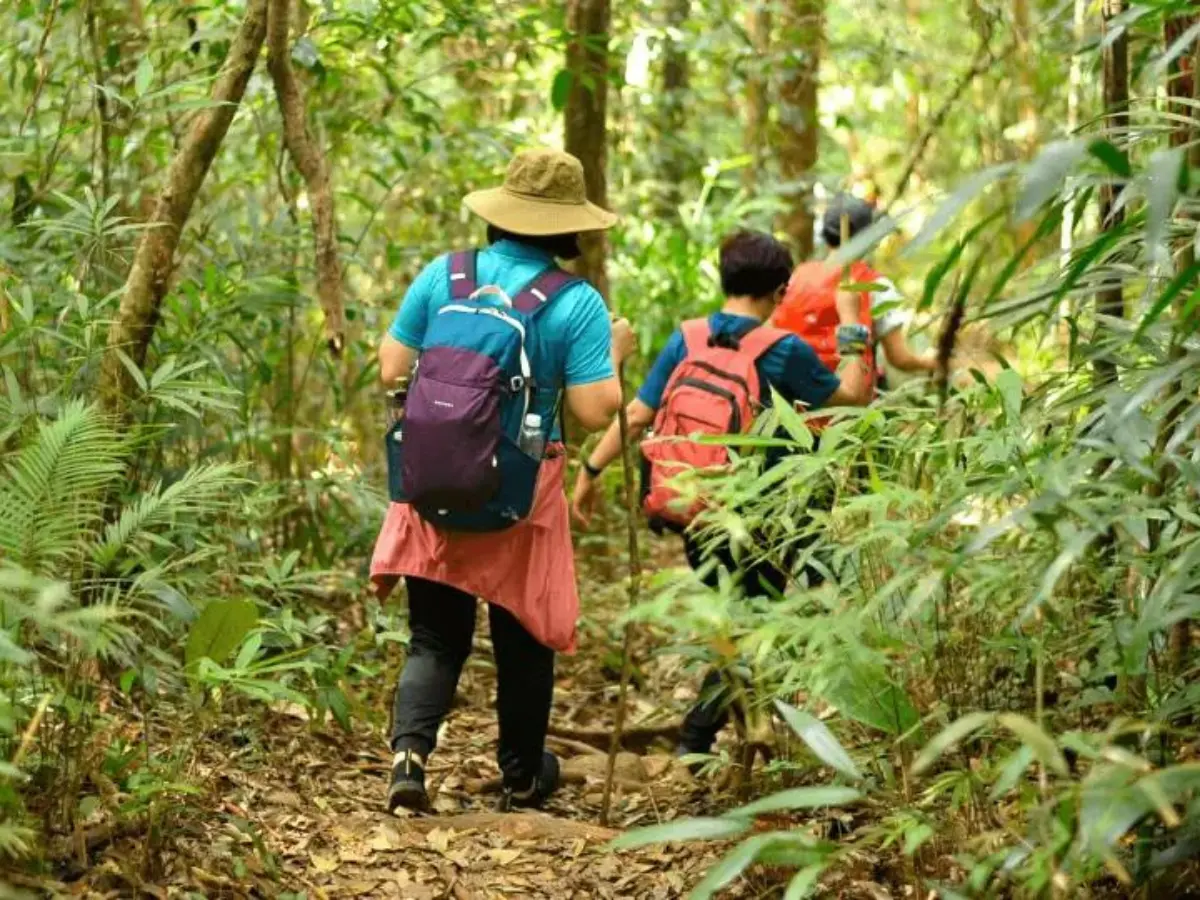
Climbing Fansipan on foot is the one Sapa trek where the rules are clear: you must register and use a licensed guide. The mountain lies inside Hoang Lien National Park, and Lao Cai press reports say the park authority sets the rules, that a forest-entry permit and a guide or porter are "extremely important", and that people who enter without them are treated as unauthorised, with rangers, forest-protection teams and commune police enforcing. A park legal briefing reported on 24 October 2025 tells visitors to do the permit procedures before entering and to stay on licensed routes with a guide, and a report of 15 April 2026 says to register, be licensed, book an operator with a guide and never climb on your own.
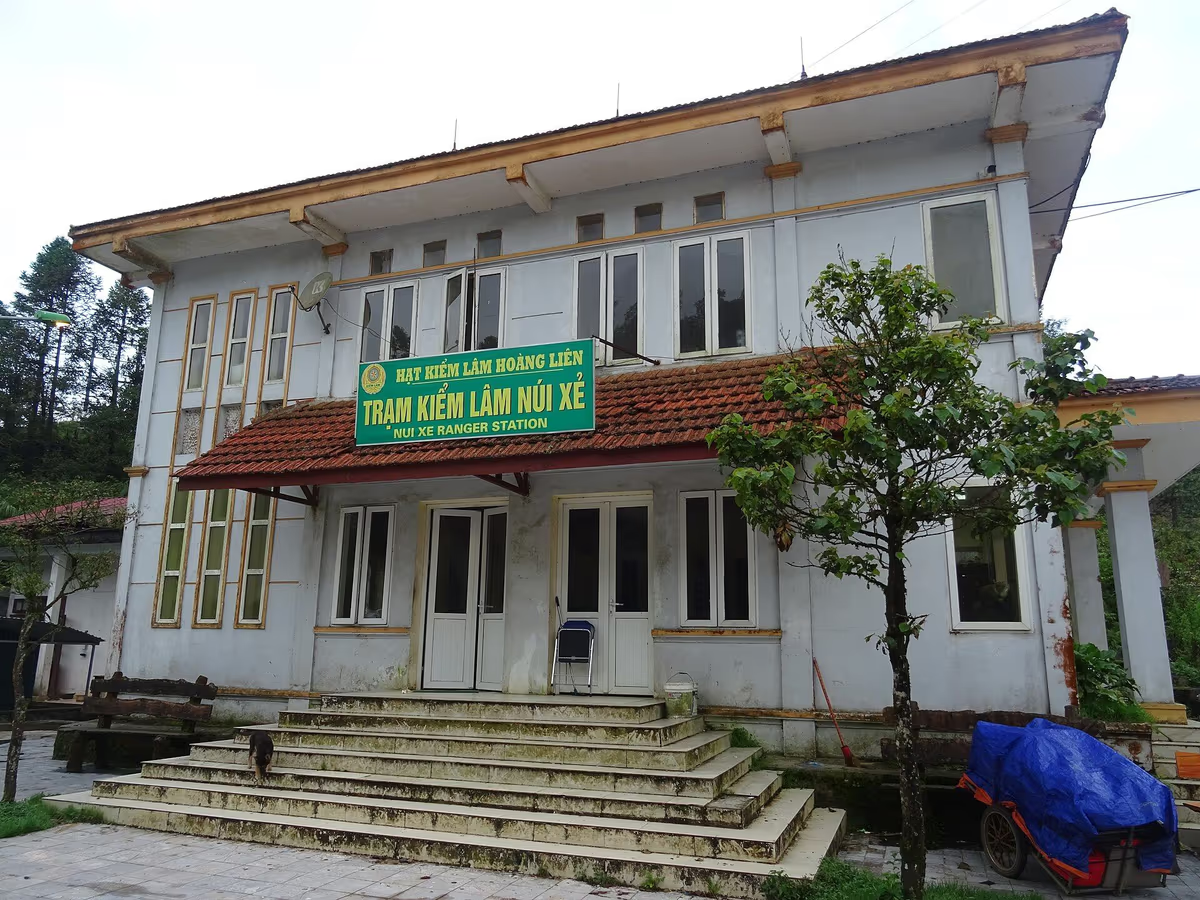
Two things we could not verify: the fee levels (a travel blog quoted figures, but none of the three news pages we opened gave a price, so we give none) and the legal basis for the guide requirement (we found no decree number). Our Fansipan tour page says the guide carries the mountain permit and that we need the group confirmed 48 hours before departure because permits are booked in advance. If you want the route, our guides to Fansipan and the cable car explain both ways up. The cable car is only a ticket: there is no permit and no guide requirement.
Guided Treks: Ask Us What Applies to Your Route
 1-Day Trek
Trekking Through Rice Terraced Fields
The classic Lao Chai to Ta Van valley day with a local guide; ask us what applies to your route before you book.
 Local Favourite
Mountain Views and Villages Trek
Villages and ridge views with a local guide who knows each village and its tickets.
 Fansipan
 Trek One Day Tour – Roof of Indochina
Our guides carry the mountain permit; group confirmation is needed 48 hours before departure.
The Border Areas: Y Ty and Bat Xat
If you plan to go anywhere near the China border, ask before you book. Vietnam regulates "land border areas", meaning communes whose boundary touches the borderline. Decree 34/2014/ND-CP, as amended by Decree 299/2025/ND-CP from 17 November 2025, says a foreigner who lives in or is temporarily staying in Vietnam and enters a land border area needs a permit from the provincial police, either where they stay or in the border province they visit, and must carry their passport and residence papers. One summary of the new rule adds the words "except tourism, service and economic zones". We could not open the official text or the annex that lists the border communes, so we cannot tell you whether any given Sapa village is covered, nor what counts as a tourism zone for Y Ty.
Practice at Y Ty, a commune in Bat Xat district on the border, is reported as inconsistent. Vietnam's tourism site, updated on 16 October 2026, calls it a border-zone permit question for foreigners and advises confirming the requirements with your accommodation and the local police before going. Travel guides from 2025 say a permit is arranged through a Lao Cai agency, but they are not official sources and we could not verify them.
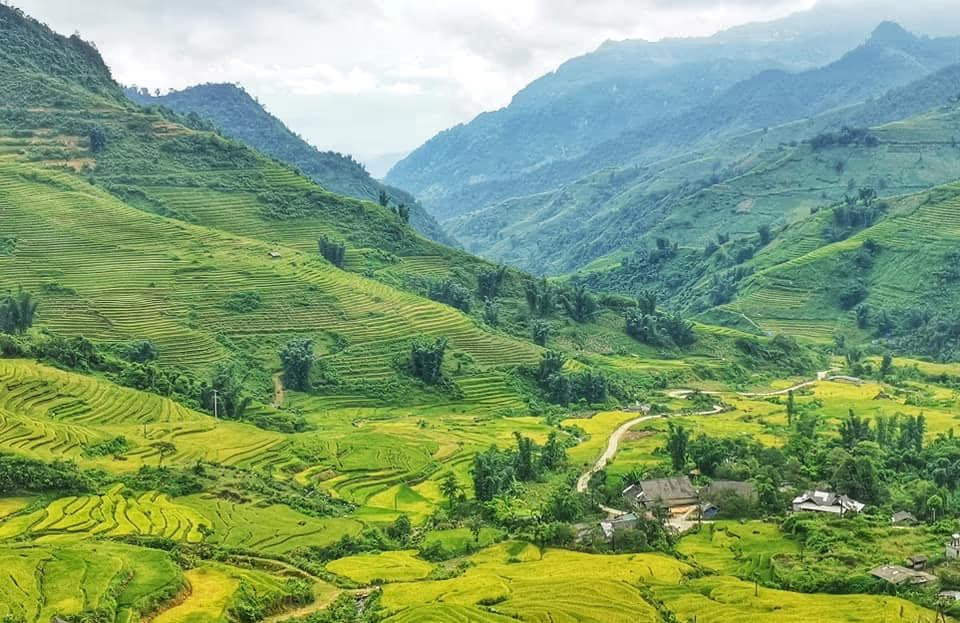
Bat Xat National Park was upgraded from a nature reserve in March 2026. According to Tuoi Tre (18 May 2026), its management board banned spontaneous (unorganised) trekking to six named peaks, among them Lao Than, Ky Quan San and Putaleng, and said entering without declaration or permission counts as a violation with fines of 4 to 6 million VND. Operators paused trips and some hoped to resume in September or October; we could not confirm the current position, so check with the park or an operator before planning any peak in the Bat Xat range.
Tickets Are Not Permits, but They Cost Money
Several Sapa attractions charge an entrance fee, and these are the ones people often mistake for a permit. Cat Cat village charges about 150,000 VND per adult, according to a Vietnam tourism page updated on 24 October 2026, which says to verify before visiting; locals do not pay. Separately, the Lao Cai provincial council's Resolution 05/2024/NQ-HDND set a sightseeing fee of 10,000 VND for people aged 16 and over and 5,000 VND for under-16s at the Fansipan summit area and the Cat Cat waterfall from 1 January 2025, collected by the two operators. We could not confirm the fee is still in force in 2026.
We have no verified figures for walking fees in the Muong Hoa Valley or for Heaven's Gate on the O Quy Ho Pass, so we give none. Our Cat Cat village guide describes the walk, and the Sapa trekking cost guide sets out what a trek costs overall.
Your Passport and Your Stay
The paperwork most likely to matter to you is the registration of your overnight stay, and your host does it. Under Vietnamese law a hotel or host declares a foreign guest's temporary residence to the police, within 12 hours on paper or immediately online, with 24 hours reported for remote mountain areas, and the guest hands over their passport at check-in. The enforcement is real: Bat Xat commune police fined a host 4 million VND on 11 August 2026 for not declaring a foreign guest. That is a rule for the host, not the guest, but it is why a homestay will ask for your passport and may refuse you without it.
We found no source that says foreigners must carry their passport at all times, so we do not say that. As our own advice, carry the passport or a clear copy on any day out, especially near the border. Visa rules are separate and change; check the current rules for your nationality before you travel. Our guide to how to get to Sapa covers the journey, and our page on whether Sapa trekking is safe covers the rest of the preparation.
What Changed in 2025 and 2026
Several things moved in the last year, which is why older blog posts disagree. Sa Pa town's 16 communes and wards were merged into six (Sa Pa ward, Ta Van, Muong Bo, Ban Ho, Ta Phin and Ngu Chi Son) in 2025, Lao Cai province was merged with Yen Bai, and the district tier was removed in the reorganisation, so a form or website that names the old district is out of date. Decree 299/2025 changed the border-area rule on 17 November 2025, Decree 282/2025 sets the fines for not declaring a foreign guest, and Bat Xat National Park began restricting trekking in May 2026.
Before You Go: A Short Checklist
Valley day walks
Tell your operator or hotel your route and ask them to confirm in writing that no permit applies. Keep the message with you.
Fansipan on foot
Book a licensed operator and do not go alone. Ask Hoang Lien National Park or your operator for the current fees and rules.
Near the China border
Ask the Bat Xat police or the border post before you book Y Ty or any peak, and remember the Bat Xat National Park restrictions.
Passport and tickets
Carry your passport or a clear copy, expect your host to declare your stay, and confirm Cat Cat and cable-car prices at the ticket office.
We are a trekking company, not lawyers. The legal texts and decrees named here are public, but we could not open every official source, and local practice can differ from the text. When this guide says "ask", that is the honest answer: the park, the police or your operator is the authority on your route on the day you travel.
Valley Walks With a Local Guide
 Very Easy
Sapa Easy Trekking For Seniors
Gentle, flat paths through Y Linh Ho and Ta Van, with a guide who knows the village tickets.
 1-Day Trek
Rice Paddies and Cultures – Easy Hiking
Flat valley walking with stops at Red Dao homes.
 Homestay
Rice Terraced Fields & Homestay
A night with a local family; your host registers your stay as the rules require.
Rent at Our Office Before You Trek
 Gear Rental
Trekking Boots Rental
Waterproof ankle-support boots. Cleaned and checked before each rental. Available at 105 Thach Son Street.
 Gear Rental
Walking Poles Rental
Trekking poles available to rent at $2/day at our office, 105 Thach Son Street. Essential for descents.
Frequently Asked Questions
For the usual valley walks, we found no source that requires a trekking permit for foreigners, and we could not open an official text that says either way, so confirm with your operator. Fansipan on foot is different: it lies inside Hoang Lien National Park, and Lao Cai press reports say you must register and use a licensed operator and guide. Areas near the China border have their own permit rules for foreigners.
Not to ride the cable car, which needs only a ticket. To climb on foot, Lao Cai press reports from October 2025 to April 2026 say you must register with the park, be licensed and book an operator with a guide, and never climb alone. Fees were not published in the reports we found, so ask the park or your operator for current figures.
Possibly near the border, and probably not in the ordinary valleys, but we could not verify the commune list. Decree 34/2014/ND-CP, amended by Decree 299/2025/ND-CP from 17 November 2025, says a foreigner entering a land border area needs a permit from the provincial police, and one summary mentions an exception for tourism and service zones. Ask the local police or your accommodation before going to Y Ty or other border communes.
Yes. A Vietnam tourism page updated in October 2026 gives about 150,000 VND per adult and says to verify before visiting; locals do not pay. A separate provincial sightseeing fee of 10,000 VND for adults and 5,000 VND for under-16s was set from 1 January 2025 for the Cat Cat waterfall area, and we could not confirm it is still in force.
We could not find a source that says foreigners must carry their passport at all times. Your hotel or host declares your stay to the police and takes your passport details at check-in. As our own advice, carry your passport or a clear copy, especially if you go anywhere near the border.
The local government was reorganised: Sa Pa town's 16 communes and wards were merged into six and the district tier was removed in the 2025 reorganisation, so forms and websites that mention the old district are out of date. Decree 299/2025 changed the border-area permit rule from 17 November 2025, and Bat Xat National Park restricted trekking to six peaks in May 2026.
A good operator should confirm which paperwork applies to your route and arrange it. Our Fansipan tour page says the guide carries the mountain permit and that groups must be confirmed 48 hours before departure because permits are booked in advance. For valley walks, ask any operator to confirm in writing that nothing further is needed.