 Sinh Giang
Sapa is one of the most rewarding places in Vietnam to travel with children, as long as you match the walking to their legs and treat the trip as a slow adventure rather than a route to finish. Families ask me every week whether the rice terraces, the homestays and the H'mong villages "work" with kids, and the honest answer is yes — often better than the same trip works for adults, because children fall for the buffaloes, the puppies, the muddy paths and the family they stay with in a way grown-ups spend the whole trek trying to. What changes with kids is the planning, not the possibility.
I have guided families with toddlers strapped to a parent's chest, nine-year-olds who out-walked their fathers, and teenagers who arrived sullen and left asking to come back. This guide is built from those trips — which trails actually suit which ages, how a homestay night really goes with young children, what to pack, how to think about altitude and safety, and when in the year to come. It is written to help you decide honestly whether a Sapa family trip is right for you now or better in a year, and then to make it as smooth as a mountain trip with children ever is.
Is Sapa good for families? The honest answer, by activity
Sapa is not one experience but several, and they suit children very differently. A cable-car ride and a village stroll are effortless with a five-year-old; a full-day valley trek is a stretch that depends entirely on the child. Here is how the main Sapa experiences rate for kid-friendliness, based on the families we take out.
The pattern is clear: the things that make Sapa special for adults — the villages, the terraces, the homestay, even the mountain top — are almost all reachable with children if you choose the gentle version. The one thing to leave for later is the genuine multi-day, steep, high-altitude trek. Everything above it on the list is a family day out.
How old should kids be to trek in Sapa?
There is no single right age, but the walking a child can genuinely enjoy changes a lot across the early years, and being realistic about it is the difference between a happy trip and a tearful one. Below is how we tend to think about it when a family tells us their children's ages.
Babies and toddlers (0–3)
Very young children travel to Sapa perfectly well — the issue is not the baby but the trail. A soft carrier or a good framed backpack carrier is the answer: parents walk, the little one rides, and the gentle valley paths and village lanes are entirely doable this way. Skip anything steep or slippery, keep days short, and build the trip around a homestay or a comfortable hotel with a garden rather than around distance covered. Bring layers; even in summer, Sapa mornings are cool, and the temperature drops fast when the mist comes in.
Little walkers (4–7)
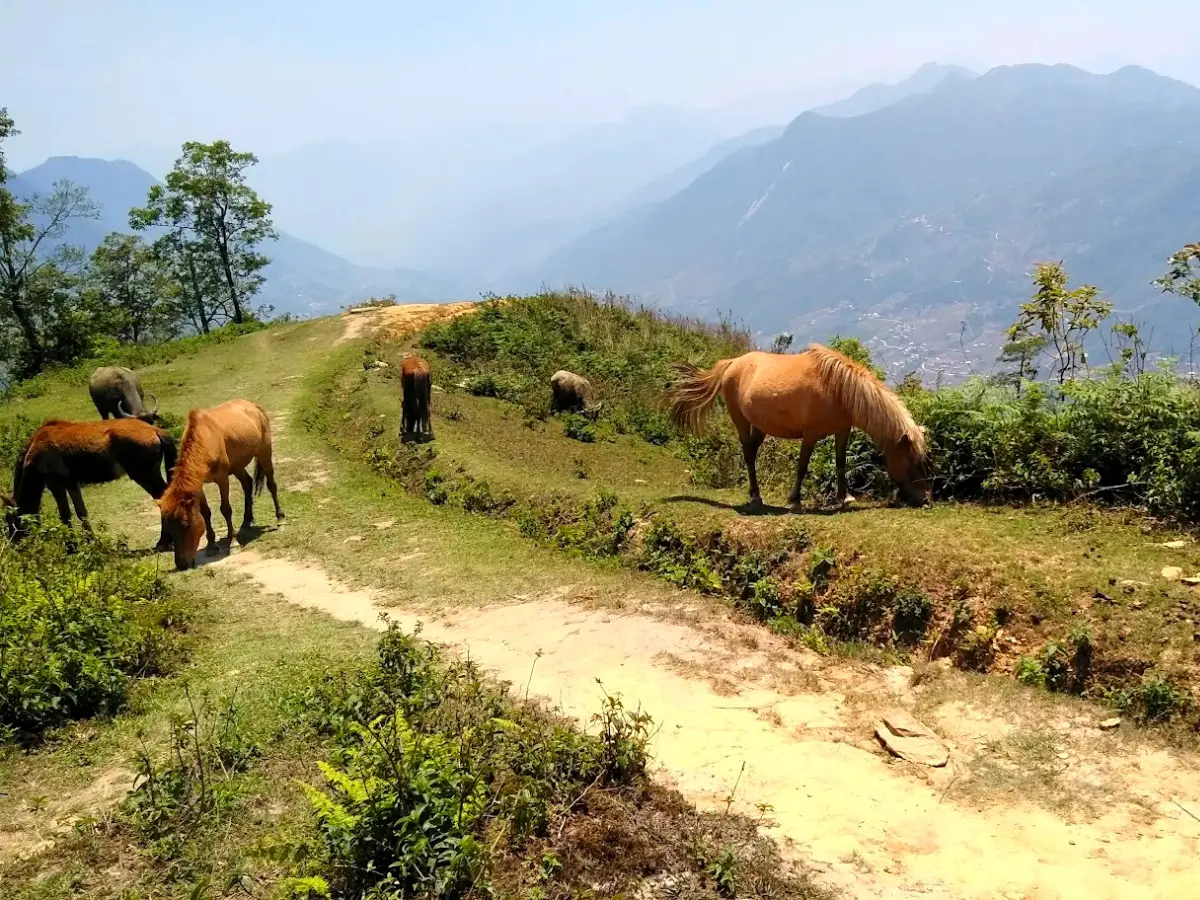
This is a lovely age for Sapa if you keep the walks to two or three easy kilometres with plenty of stops. Children this age are endlessly interested in the animals — buffalo wallowing in the paddies, ducks on the terrace ponds, the homestay's dog — and in the mud, which they will find whether you plan for it or not. A half-day of gentle walking in the Muong Hoa Valley, a night in a homestay, and a morning at Cat Cat is a near-perfect combination. Carry snacks, expect to be the pace-setter's follower, and treat a two-kilometre walk as a full and successful day.
Confident kids (8–12)
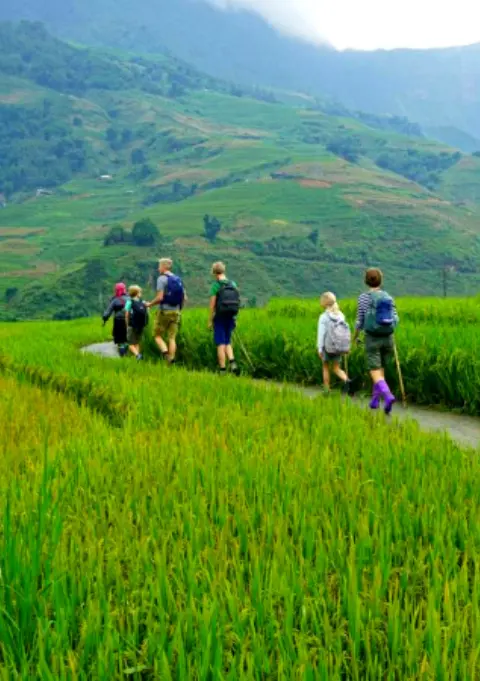
Eight to twelve is the sweet spot. Children this age can usually manage a real half-day or even a gentle full-day trek, they remember it for years, and they are old enough to take pride in reaching a viewpoint under their own steam. The classic easy stretch from Lao Chai down to Ta Van suits many kids in this bracket, especially in dry weather, and a two-day trek with a homestay overnight becomes a genuine option rather than a gamble. Walking poles help on the descents, and a guide who knows how to keep children engaged — pointing out a water wheel, a hemp field, a buffalo trail — is worth far more than for an adult group.
Teenagers (13+)
Teenagers can do essentially the adult itineraries, including longer two- and three-day treks and, with good fitness and the right season, even the Fansipan summit trek. The harder part with teens is engagement rather than terrain, and Sapa is unusually good at winning them over: the homestay night, the chance to help cook over a wood fire, the sheer novelty of a working highland village tends to cut through screen-age indifference within a few hours. If you have a reluctant teenager, the homestay is your secret weapon.
The trails that actually work with children
The best family trails in Sapa are the gentle, downhill-leaning valley routes and the short village walks — not the steep ridge climbs the brochures love. Here are the ones we return to again and again with families, with an honest word on each.
Cat Cat Village is the easiest introduction and works for every age. It is a paved and stepped loop down into a Black H'mong village just below Sapa town, with a waterfall, water wheels, weaving demonstrations and plenty of places to stop. The catch is that it is popular and can feel busy, and the return is uphill — but it is short, and for families with toddlers or grandparents along it is the safest bet in Sapa. Half a morning is plenty.
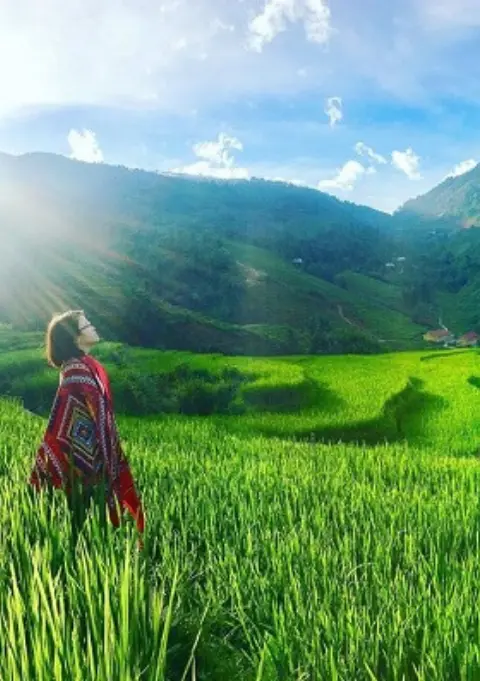
The Muong Hoa Valley, Lao Chai to Ta Van, is the classic Sapa trek, and its easier stretches are genuinely family-friendly in dry weather. The path runs down through the most photographed rice terraces in Vietnam, past the Black H'mong village of Lao Chai and the Giay village of Ta Van, with the river below and the terraces climbing the far slope. With children we walk the gentler middle section rather than the full route, take the flatter path where the trail forks, and build in a long lunch. After heavy rain the clay turns to a skating rink, so we watch the forecast and swap to Cat Cat if it has poured.
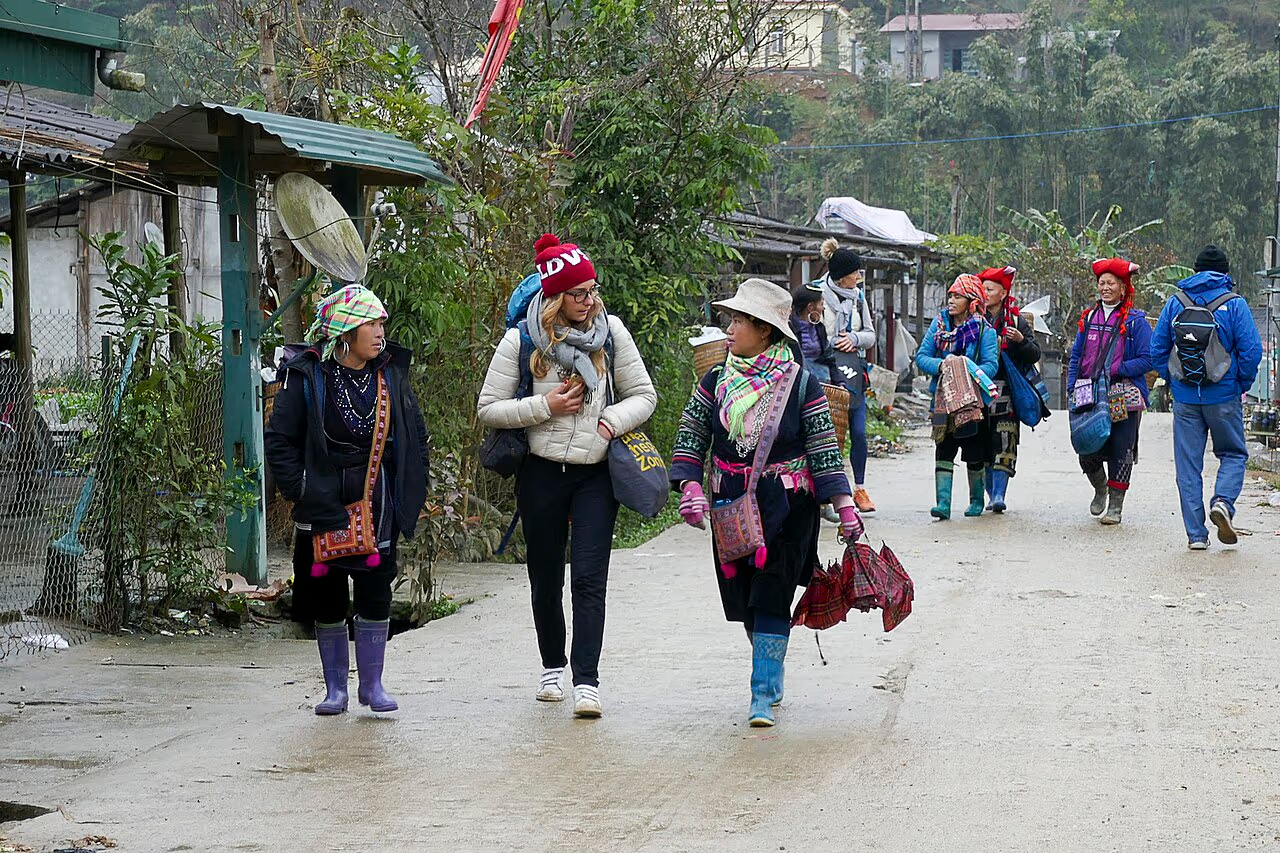
Y Linh Ho and the quieter hamlets reward families who want to escape the crowds, but the paths are rougher and involve more up and down — better for confident eight-plus walkers than for little legs. The trade is real, though: fewer other trekkers, more space, and the kind of encounters with village life that children remember. This is where our roots in the local H'mong community matter most, because we can walk families into hamlets other operators simply do not reach.
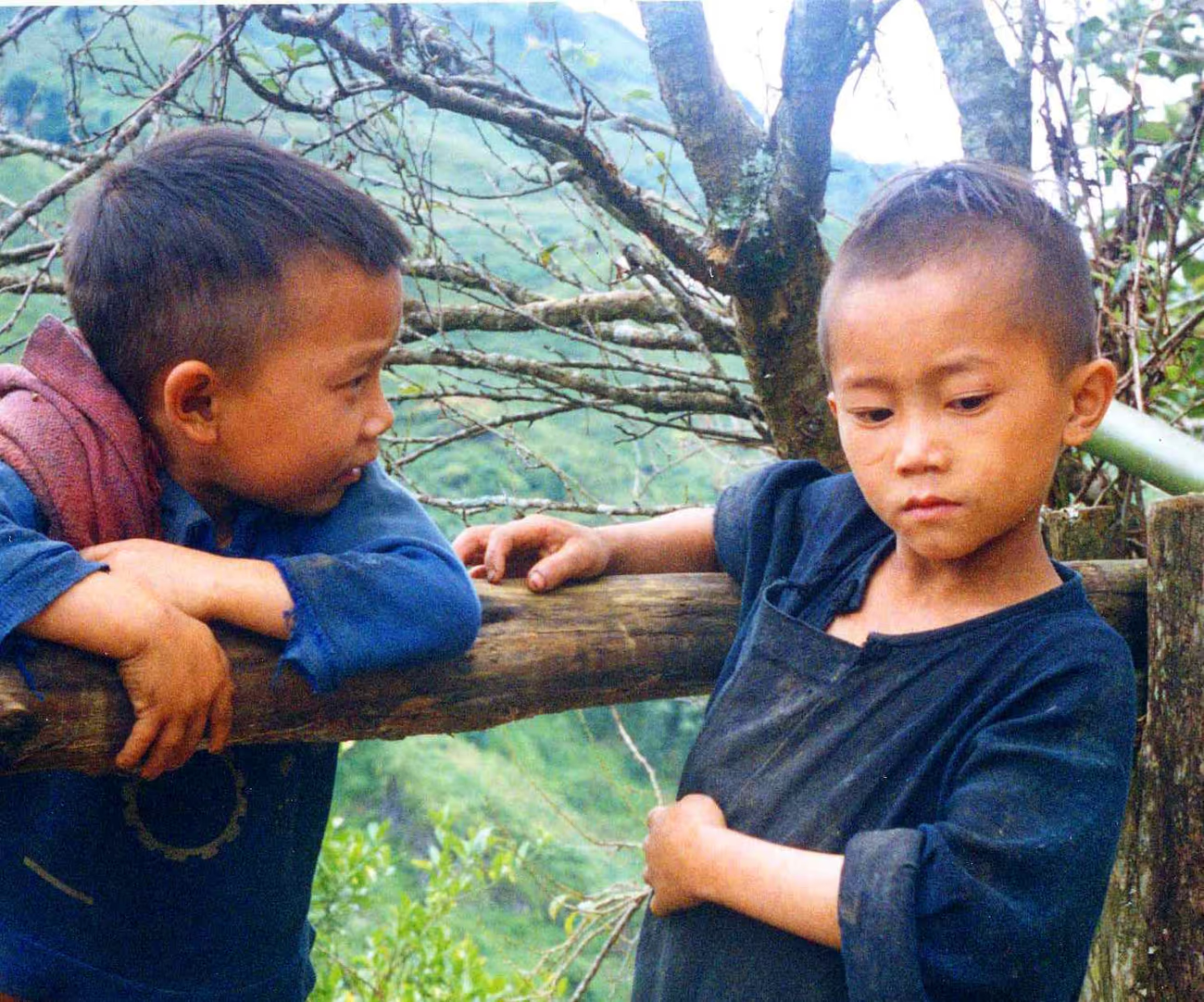
With children, always walk the valley routes downhill where you can — start high near Sapa and finish low in the valley, and arrange for us to collect you by road at the end. A tired child on a downhill path is manageable; a tired child facing a climb back up is not.
Hanoi to Sapa — the Family-Friendly Options
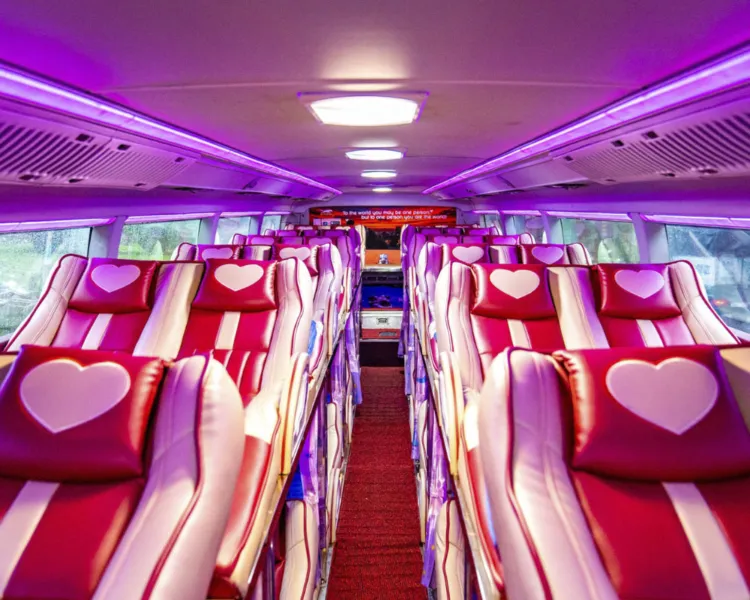 Budget
Sleeper Bus
Lie-flat berths, day and overnight departures. Fine for older kids; book a family pod of berths together.
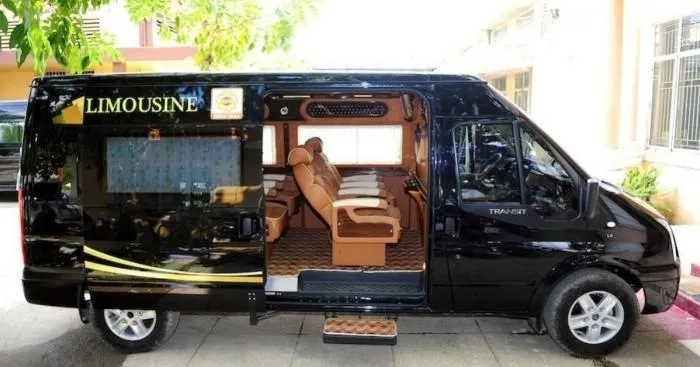 Best for Families
Limousine Van
9-seat premium van, door to door from your Hanoi hotel. The easiest, quickest way up with young children.
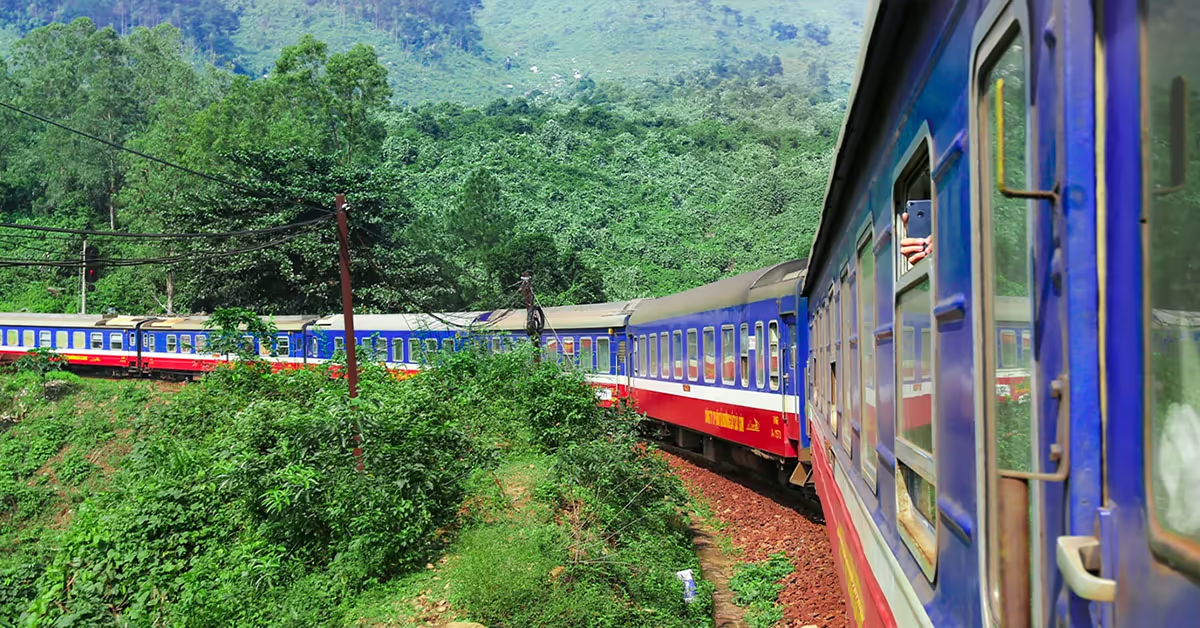 Kids Love It
Overnight Train
King Sapa Train sleeper cabins to Lao Cai, then a 1-hour transfer up. A private 4-berth cabin is the family favourite.
The homestay night: the part they'll remember forever
If there is one thing that turns a Sapa family trip into a story your children retell for years, it is a night in a village homestay. Sleeping under mosquito nets in a wooden stilt house in Ta Van or Lao Chai, waking to roosters and mist over the terraces, helping to shell corn or fold spring rolls before dinner — this is the experience that beats any hotel, and children take to it faster than their parents do.
Our homestays are real family houses, not dormitories dressed up for tourists. The families we work with have hosted for years and are wonderful with children; there is usually a resident dog, often ducks or a buffalo nearby, and a big communal dinner cooked over a wood fire that kids can help with. Facilities are simple but clean — shared bathrooms, hot showers, mattresses on a raised platform with thick blankets — and the welcome is genuine. For a young family, one homestay night folded into an easy two-day trek is the itinerary I recommend above all others.
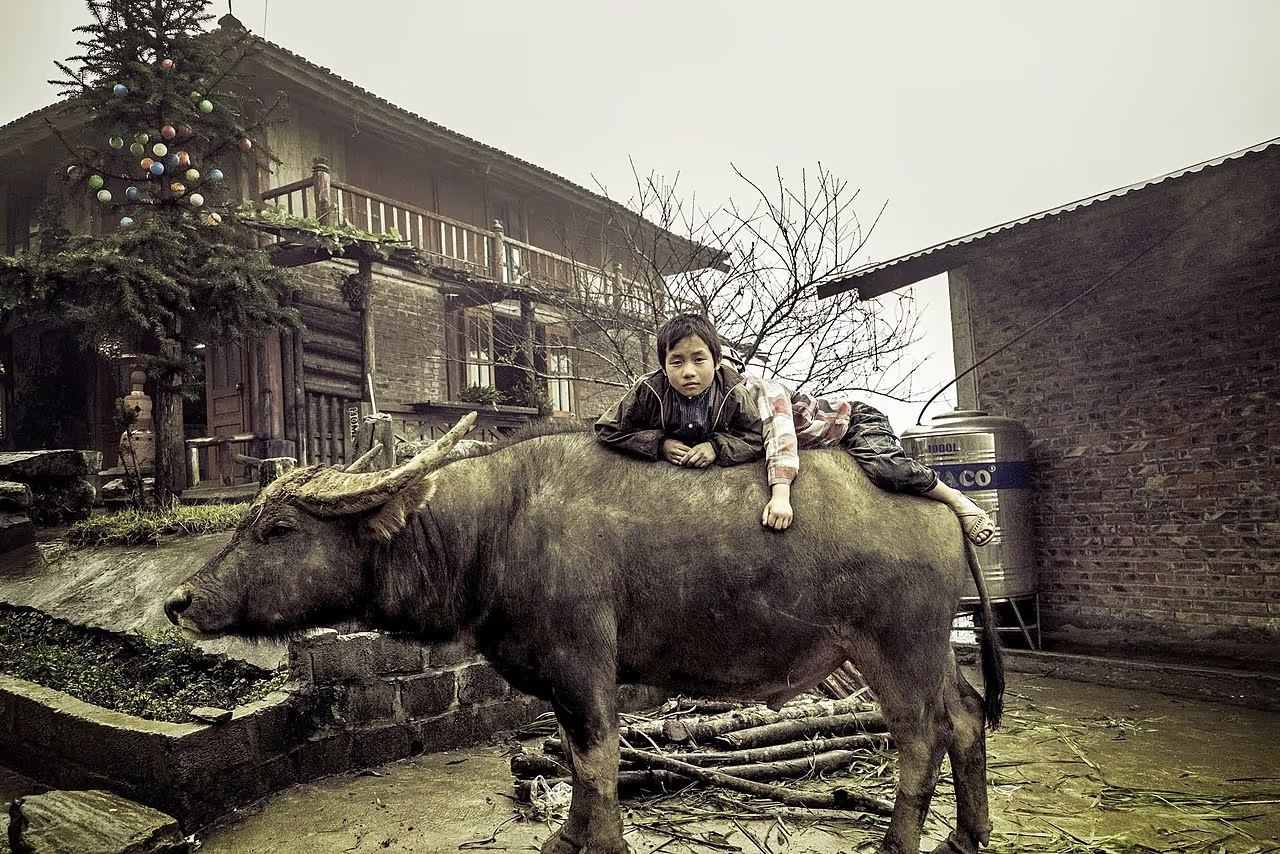
A word on what actually happens with young children on a homestay night, because families worry about it: dinner is early and generous, so no one goes to bed hungry; the house is warm once the fire is going; and children usually sleep well after a day in the fresh mountain air. If your child is nervous about the dark or the unfamiliar, bring a small torch and a favourite toy, and ask us in advance — the host families will happily keep a light on and go gently. Nine times out of ten the kids are up at dawn, delighted, and outside chasing the ducks before you have found your coffee.
Gentle Tours That Work With Children
 Easiest
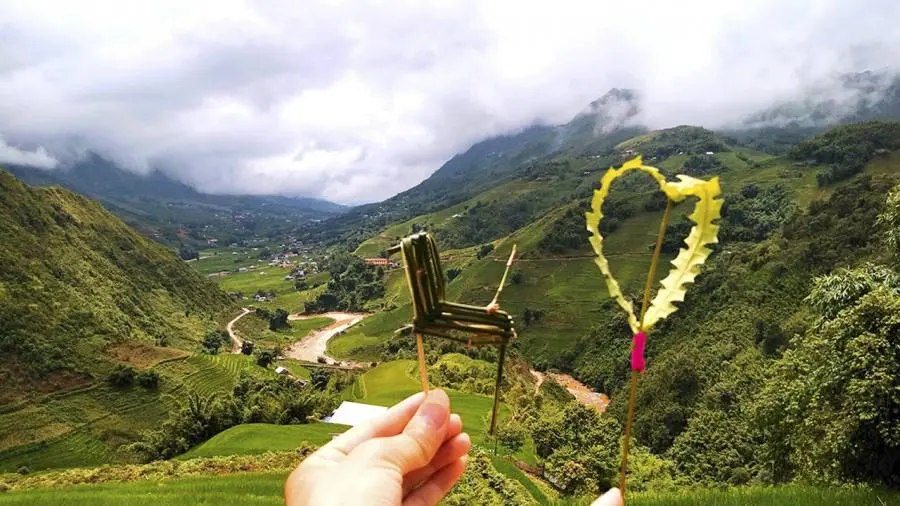
Sapa Easy Trekking — Gentle Day
Short, flat and slow-paced, with buffalo, terraces and a family lunch. Built for those who want easy — grandparents and kids included.
 Best for Families
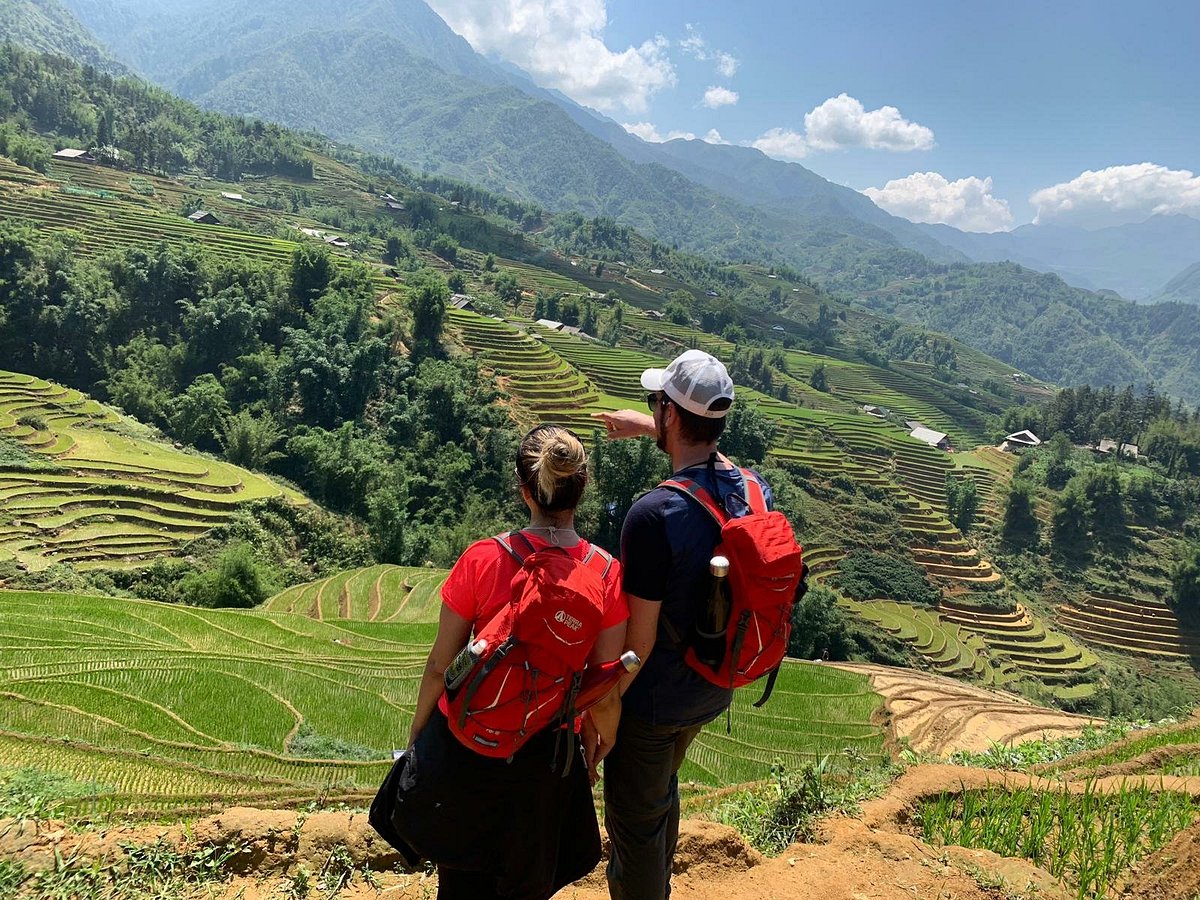
Rice Terraced Fields & Homestay
One gentle day of walking and a night with a village family — the itinerary kids remember for years. We adjust the pace for children.
Is a Sapa family trek right for you right now?
Sapa rewards some families more than others, and it is worth being honest with yourself before you book. This is the quick gut-check I would give a friend planning the trip with children.
A great fit if…
- Your children are 4 or older, or you are happy to carry a younger one
- You want a slow, nature-and-culture trip rather than a checklist of sights
- You are relaxed about mud, simple bathrooms and an early bedtime
- A homestay night sounds like the highlight, not a hardship
- You can travel in the drier, milder months (see the season note below)
Maybe wait a year if…
- Your only free dates fall in deep winter, when Sapa is cold and often fogbound
- You are set on a long or high-altitude trek the kids aren't ready for
- Someone in the group needs step-free access or full hotel comforts nightly
- You want to move fast and cover a lot of ground each day
- Very young toddlers make a stilt-house night more stress than joy for you
If you landed mostly on the left, Sapa will be one of the best family trips you ever take. If you landed on the right, it may simply be a question of timing — a gentler season, a year older, or a shorter itinerary — and we are always happy to tell you honestly over WhatsApp which version fits your family best.
A realistic family day in the valley, hour by hour
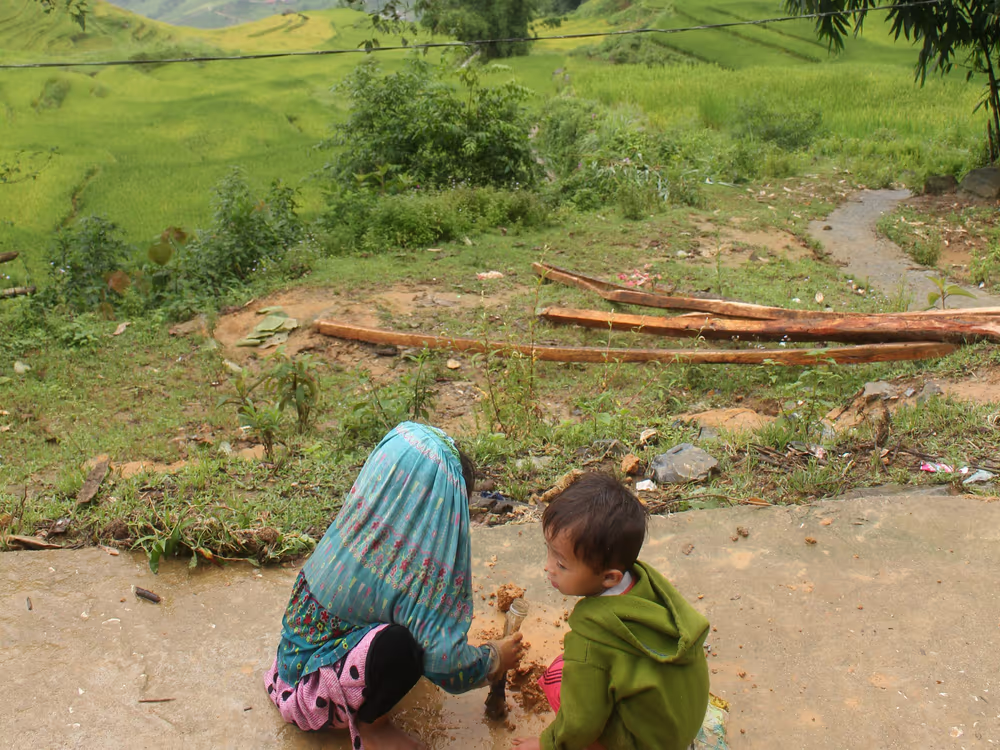
A good family trekking day in Sapa is unhurried, front-loaded, and built around a long lunch. Here is roughly how one of our easy family days unfolds, so you know what to expect.
We collect you from your hotel around 8:30 to 9:00 AM — a gentle start, because no one enjoys a dawn wake-up with children. A short drive drops you at the top of an easy valley path, and the first hour is all downhill through the terraces, with frequent stops for buffalo, water wheels and photos. Children set the pace and we follow it; two kilometres before lunch is a full and happy morning.
Lunch, around 12:00 to 1:00 PM, is the anchor of the day — a proper sit-down meal at a village house or a viewpoint, an hour or more, time for kids to run about and recharge. The afternoon is deliberately shorter: another gentle stretch to a village where our vehicle is waiting, and we drive you back rather than making anyone climb out of the valley. You are back at your hotel by mid-afternoon, muddy, pleased with yourselves, with the whole evening free. On a two-day trip, the first afternoon ends at the homestay instead, with the fire, the dinner and the ducks.
If Your Kids Want a Little More
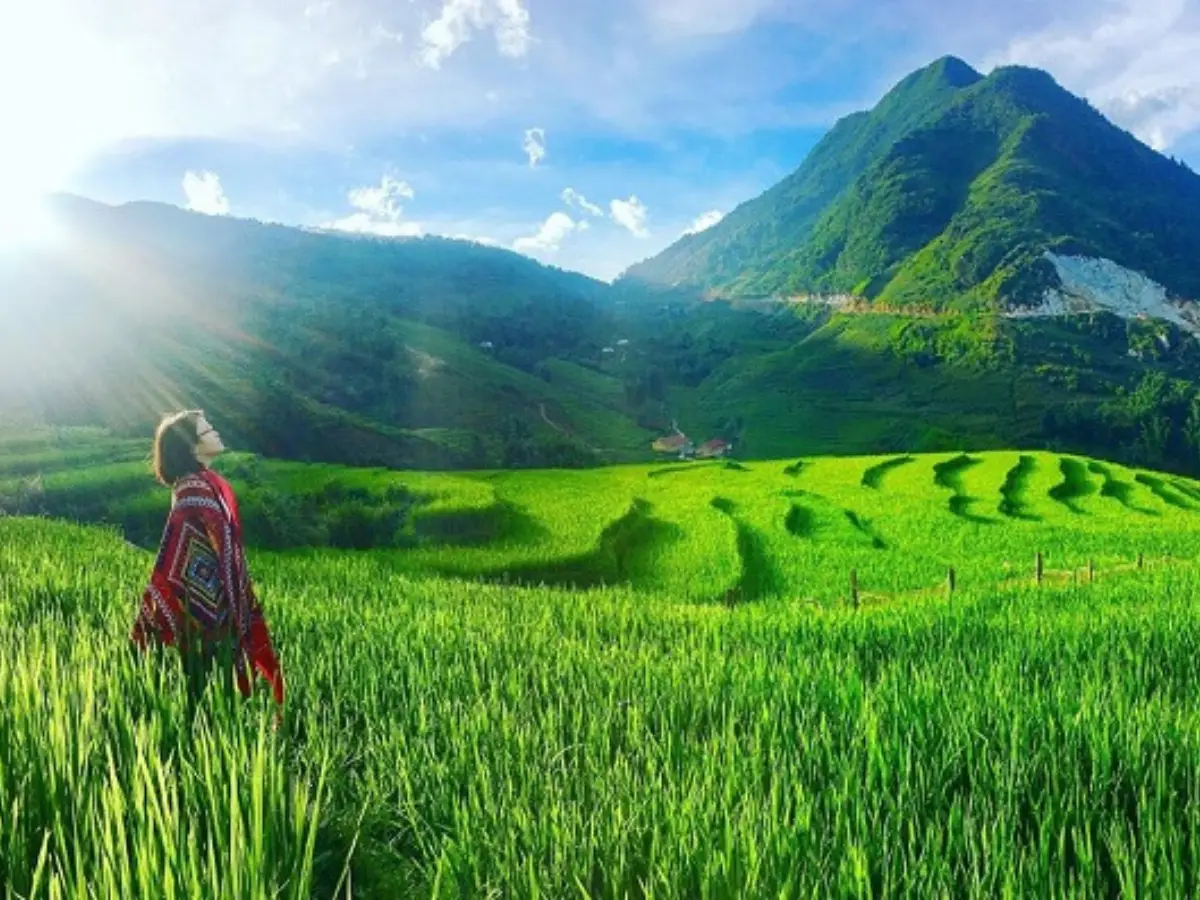 Culture & Easy
Rice Paddies and Cultures — Easy Hiking
A gentle day through paddies and villages with time to meet families and see daily life. Curious older kids love this one — plenty to look at, easy underfoot.
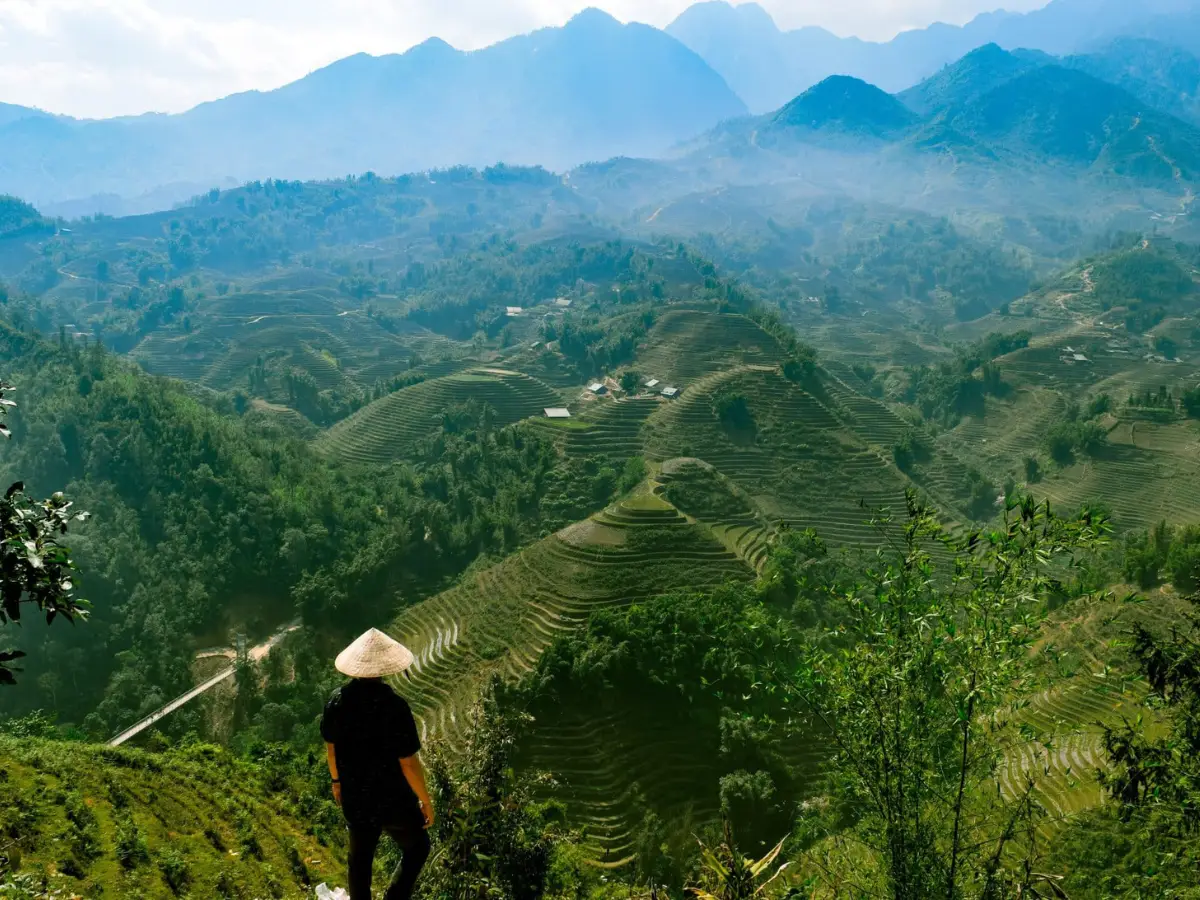 For Bigger Kids
Sapa Valley Trek & Homestay
Three unhurried days and two homestay nights for families with energetic older children — deeper into the valley, at a pace we set around your kids.
Rest days and rainy days: what else to do with kids in Sapa
Sapa is more than trekking, and with children a rest day between walks is not a luxury but a good plan — the town and its edges have enough to fill a happy day out of the mud. The most reliable crowd-pleaser is Fansipan: the Sun World cable car climbs from Sapa town to near the 3,143-metre summit in about fifteen minutes, with the whole family staring out at the valleys below and no walking required. At the top there are gardens, giant statues and a funicular, and even reluctant teenagers tend to perk up at standing on the roof of Indochina. Keep the visit short if the cold or the height bothers anyone, and check the forecast — on a clear day it is unforgettable, in thick fog it is a white room.
Closer to town, Cat Cat Village doubles as a gentle rest-day walk, and the Sapa Sunday and daily markets are an easy hour of colour, snacks and people-watching that small children enjoy. On a genuinely wet day, the town's cafés with valley views are a fine place to wait out a downpour with hot chocolate, and many hotels have indoor space and gardens. A short drive out, Silver Waterfall (Thac Bac) and Love Waterfall make quick, dramatic stops that photograph well and need only a little walking. Threading a rest day like this between two trekking days keeps energy — and moods — topped up, which is the real secret to a family trip that everyone finishes still smiling.
What to pack for kids in Sapa
Packing for children in Sapa is mostly about warmth, waterproofing and grippy feet — the mountain weather turns quickly and the trails get muddy. You do not need specialist kit, and anything you are missing we can lend or rent, but this is the list I would send a family before they fly.
Grippy shoes & spare socks
Trainers with tread or light kids' hiking shoes. Bring two pairs of socks per day — wet feet are the number-one cause of a grumpy child.
Fleece + rain jacket
Sapa mornings are cool even in summer. A warm mid-layer and a light waterproof with a hood cover almost every condition.
Full change of clothes
They will find the mud. A complete spare outfit in a dry bag turns a soaking into a non-event.
Sunscreen & repellent
The altitude sun is strong through cloud. Child-safe insect repellent matters most near water and in the homestay at dusk.
Snacks & a water bottle each
Familiar snacks keep energy and mood up between stops. A refillable bottle per child; we keep everyone topped up.
Torch & a favourite toy
For the homestay night: a small head-torch for the walk to the bathroom, and one familiar thing from home for easy sleep.
Two extras worth their weight: child-sized walking poles, which turn slippery descents into a game and take strain off little knees, and a lightweight carrier if you have a toddler. We keep poles at our office at 105 Thach Son Street and are happy to lend or rent whatever you would rather not fly with.
Health, safety and the small stuff parents ask about
Sapa is a safe, healthy place to bring children, and the risks are the ordinary ones of any mountain walk rather than anything exotic — mostly slips, sun and tired legs. A little planning covers all of them.
Altitude is not a real concern: Sapa town sits at around 1,500 metres, high enough for cool, fresh air but far below the level where altitude sickness affects children. The only altitude to think about is the Fansipan summit at 3,143 metres, and even there the cable car does the climbing — some children feel a little light-headed at the top, so keep the visit short and come down if anyone is uncomfortable.
Food and water are straightforward. Drink bottled or filtered water, which every hotel and homestay provides, and stick to freshly cooked hot food, which is the norm here anyway. The homestay dinners are simple, mild and very child-friendly — rice, stir-fried vegetables, spring rolls, tofu, chicken — and hosts happily tone down chilli and cook plain rice for a fussy eater if you ask.
The real hazards on a family trek are slippery clay after rain and unfenced terrace edges. Keep young children within arm's reach on descents, insist on grippy shoes, and let your guide lead the pace-setting. If it has poured, we switch a valley trek to the paved Cat Cat route without hesitation — never push a muddy trail with kids.
Leeches come up a lot and are worth a calm word: they appear only in the wet months, only on certain overgrown trails, and are harmless if unpleasant. Long socks and a quick check at breaks handle them, and on the routes we use with families in the dry season they are rarely an issue at all. As for medical care, Sapa has clinics and pharmacies for minor things, and Lao Cai city, an hour away, has a larger hospital — but in years of family treks the first-aid kit rarely opens for more than a plaster.
When to bring kids to Sapa: the best months
The best months to bring children to Sapa are roughly March to May and September to November, when the weather is mild and mostly dry and the terraces are at their most beautiful. Spring brings warm days, wildflowers and the terraces being prepared and flooded — mirror-bright and full of buffalo. Autumn brings the famous golden harvest in September, comfortable walking temperatures and the clearest mountain views of the year. Either window gives you the gentle conditions that make family trekking easy.
The months to approach with more care are the extremes. June to August is warm and green but also the wettest season, with afternoon downpours that turn trails slick — perfectly doable with kids if you walk in the mornings and keep plans flexible, and it lines up with many families' school holidays, so it is the season we adapt for most. December to February is where I would pause: Sapa gets genuinely cold, damp and fogbound, occasionally near freezing, and while the misty landscapes are gorgeous, the cold is hard on young children and the views often vanish. If deep winter is your only option, lean on Fansipan, Cat Cat and cosy hotels rather than long valley days.
Late September to early November is the family sweet spot: golden or freshly harvested terraces, dry paths, mild days and cool but not cold nights for the homestay. Book two to three days ahead in this season, as it is our busiest — and always book at least two days before you want to trek so we can arrange the right guide, pace and homestay for your children.
Rent at Our Office Before You Trek
 Gear Rental
Trekking Boots Rental
Waterproof ankle-support boots in adult and youth sizes. Cleaned and checked before each rental. Available at 105 Thach Son Street.
 Gear Rental
Walking Poles Rental
Adult and child-sized poles at $2/day at our office, 105 Thach Son Street. They turn slippery descents into a game for kids.
Frequently Asked Questions
Yes. Sapa is very family-friendly if you match the walking to the children's ages. Little ones can ride in a carrier while parents walk the gentle valley paths, kids from about four enjoy short two-to-three-kilometre walks, and from eight many children manage a real half-day or easy full-day trek. We build the route, pace and stops around your children rather than the other way round.
Eight to twelve is the sweet spot: children this age can walk a gentle full day, remember it for years, and take pride in reaching a viewpoint themselves. Four to seven works beautifully for shorter walks and a homestay night, toddlers travel fine in a carrier, and teenagers can do the adult itineraries including longer treks. There is a good Sapa trip for every age.
No. Sapa town sits at around 1,500 metres — high enough for cool, fresh air but well below the level where altitude sickness affects children. The only real height is the Fansipan summit at 3,143 metres, reached by cable car; some children feel slightly light-headed at the top, so keep that visit short and descend if anyone is uncomfortable.
Absolutely, and it is usually the highlight. Our homestays are real village family houses with clean shared bathrooms, hot showers, thick blankets and mosquito nets, and the host families are wonderful with children. Kids love the dogs, ducks and buffalo, helping cook dinner over the wood fire, and waking to mist over the terraces. One homestay night in an easy two-day trek is the family itinerary we recommend most.
Grippy shoes or light hiking trainers, spare socks, a warm fleece and a hooded rain jacket, a full change of clothes in a dry bag, child-safe sunscreen and insect repellent, familiar snacks and a water bottle each, plus a small torch and a favourite toy for the homestay night. Child-sized walking poles and a toddler carrier are worth bringing — we can also lend or rent poles at our office.
March to May and September to November are best, with mild, mostly dry weather and beautiful terraces — spring for the flooded, mirror-bright paddies and autumn for the golden harvest. Summer (June–August) is warm but wet, so walk mornings and stay flexible; deep winter (December–February) is cold and often foggy, better spent on Fansipan and Cat Cat than long valley days. Book at least two days ahead in every season.