 Sinh Giang
Solo travel in Vietnam is safe, easy and hugely rewarding — it is one of the best countries in Asia to travel alone, and a favourite of first-time solo travellers and solo women alike. Violent crime against tourists is rare, locals are warm and helpful, the country is cheap, and a huge, sociable traveller scene means you are never alone unless you want to be. The main things to manage are the chaotic traffic, a little petty theft in the cities, and some minor scams — none of them dangerous. This guide covers exactly how safe Vietnam is, solo female travel, how to meet people, the best places to go alone, a sample ten-day itinerary, and the practical tips that make travelling Vietnam solo a joy.
We are a local team based in Sapa, and a big share of the travellers we host arrive on their own — then leave having made friends on the trail. This is the honest, reassuring version from people who see solo travellers every week. Let's start with the essentials.
Solo Travel in Vietnam at a Glance
The quick picture before the detail — how safe it is, how easy it is, and where to point yourself.
Solo Travel Vietnam — Quick Reference
- Overall safety:Very safe — among the best in Asia for solo travel
- Solo female:Very safe; a top solo-female destination in the region
- Main risks:Traffic, petty theft, minor scams (not violence)
- Meeting people:Easy — social hostels, group tours, the trail
- Best bases:Hanoi, Sapa, Hoi An, Da Nang, Ho Chi Minh City
- Getting around:Grab app, sleeper buses, trains, cheap flights
- Daily budget:$25–35 backpacker, $50–70 mid-range
In short: go. Vietnam removes almost every reason people hesitate about solo travel — it is affordable, friendly, well-trodden and easy to navigate, with company on tap whenever you want it and space to yourself whenever you don't. The rest of this guide is about doing it well.
Is Vietnam Safe for Solo Travel?
Yes — Vietnam is very safe for solo travellers, and violent crime against tourists is genuinely rare. The dangers here are practical, not personal: the traffic, opportunistic theft and small scams. Vietnam ranks well on global peace and safety indexes, and it is a fixture on every "best countries for solo travel" list for good reason — the sense of threat that puts people off some destinations simply is not part of the experience here. Here is roughly how the different aspects of safety stack up, based on what actually happens to the travellers we meet.
The clear weak spot is the traffic. Vietnam's roads are busy and the rivers of scooters can be intimidating, and road accidents are the single biggest real risk to any traveller here. Cross the road the local way — step out slowly and steadily, keep a constant pace, and let the traffic flow around you rather than stopping and darting. If you rent a motorbike, wear a proper helmet, go slowly, and think hard before riding in a chaotic city if you are not experienced.
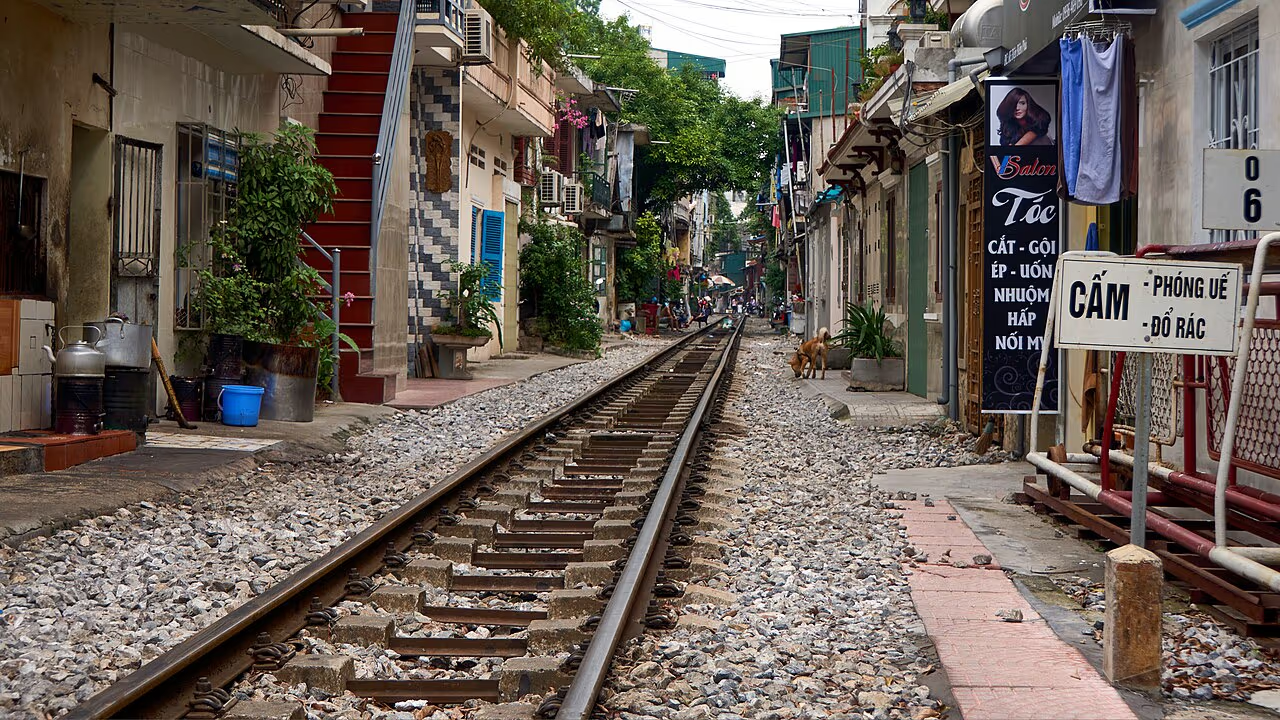
Next comes petty theft. It is not common, but phone and bag-snatching by passing scooters does happen in Hanoi and especially Ho Chi Minh City. Keep your phone in your hand only when you need it and away from the road edge, wear bags across your body on the inside of the pavement, and do not leave valuables on cafe tables. Use your hostel or hotel safe for your passport and spare cash. Scams — overcharging taxis, inflated prices, small cons — are more annoying than dangerous, and we cover the common ones later. Beyond that, Vietnam is very healthy to travel in: drink bottled or filtered water, eat at busy stalls with high turnover, and you will be fine.
Natural hazards are seasonal and easy to plan around — the central coast sees storms and flooding in October and November, and the far north turns cold and misty in winter. Tap water is not safe to drink, so stick to bottled or filtered, but the food itself is generally very safe. Pharmacies are everywhere and cheap for minor ailments, the main cities have good international clinics, and it is worth bringing any regular medication with you, as specific brands can be hard to find. Solo travellers should also save a few emergency contacts — your embassy, your insurer, and your accommodation — offline on your phone before setting off.
Solo Female Travel in Vietnam
Vietnam is very safe for solo female travellers, and consistently rated one of the best solo-female destinations in Southeast Asia. Women of all ages travel the whole country alone — from Hanoi to the Mekong — without trouble, and the traveller scene is full of solo women doing exactly that. Serious harassment is uncommon, and Vietnamese culture is generally respectful and helpful towards visitors.
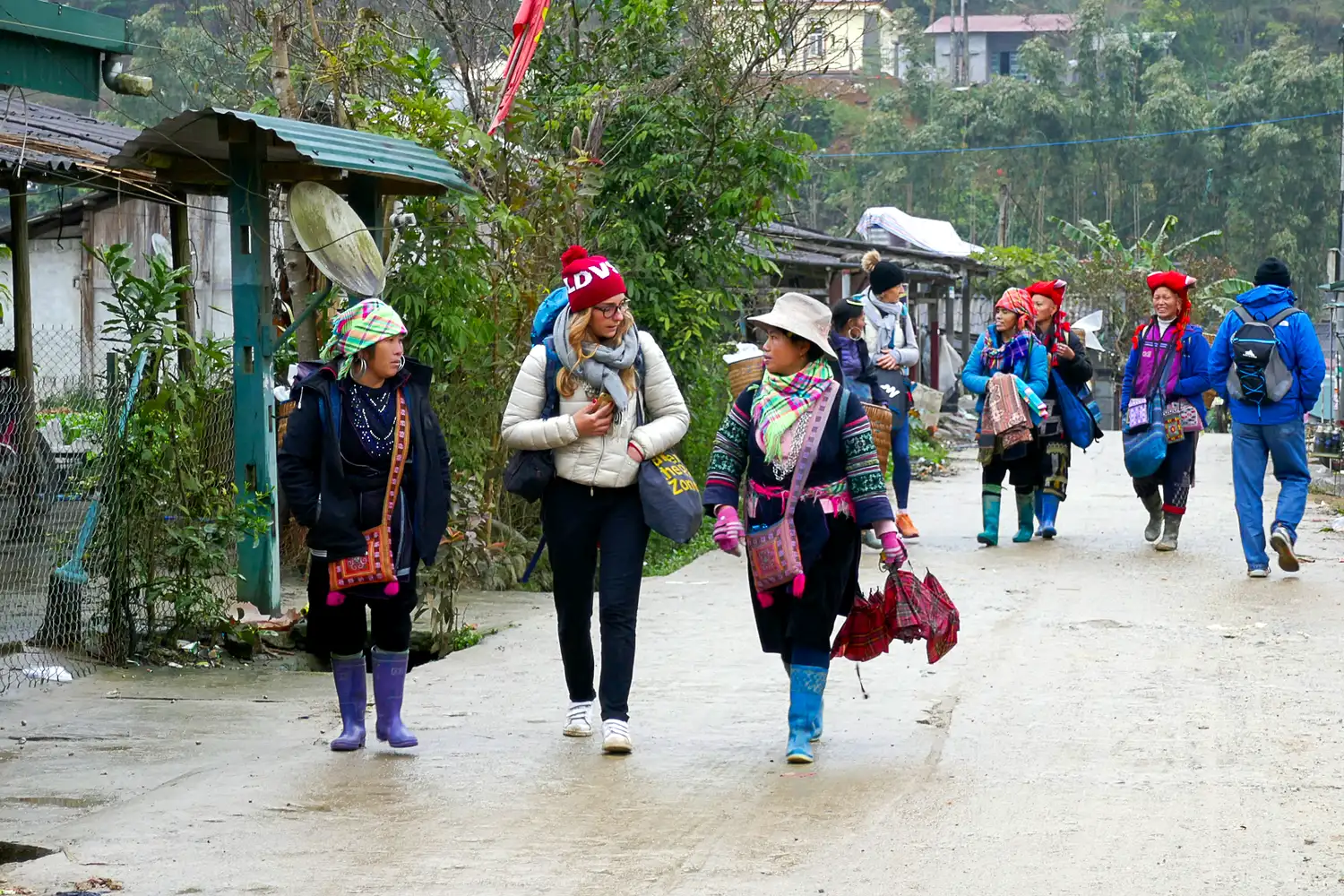
That said, the same sensible precautions you would take anywhere apply here. Dress modestly when visiting temples and pagodas (cover shoulders and knees), and lean towards modest dress in rural and conservative areas. Avoid walking alone in quiet or poorly lit places late at night, and take a Grab car rather than walking back alone after dark. Keep an eye on your drink in bars, do not over-share your exact plans or accommodation with strangers, and trust your instincts — if a situation or person feels off, remove yourself; a polite excuse is always enough.
The good news is how easy it is to travel with others whenever you want. Many hostels are female-friendly and some offer female-only dorms; group day tours, cooking classes, food tours and treks are full of other solo women; and the well-trodden trail means you will keep meeting the same friendly faces. A few female-specific practicalities are worth knowing: tampons can be harder to find outside the big cities, so bring a supply; a metered taxi or a Grab car is safer than a xe om motorbike taxi late at night; and a female-only dorm is worth booking if you prefer one. Otherwise, treat Vietnam as you would any unfamiliar city at home — aware, but relaxed.
Plenty of solo female travellers tell us their Vietnam trip was where they felt most confident travelling alone — and came home wanting to do it again. The overwhelming experience solo women report here is warmth, curiosity and help, not hassle.
Meeting People & Beating Loneliness
One of the best things about solo travel in Vietnam is how easy it is to meet people. The country sits on a well-worn traveller trail, so you naturally cross paths with the same faces again and again, and the social infrastructure — hostels, tours, food nights — is built around bringing solo travellers together.
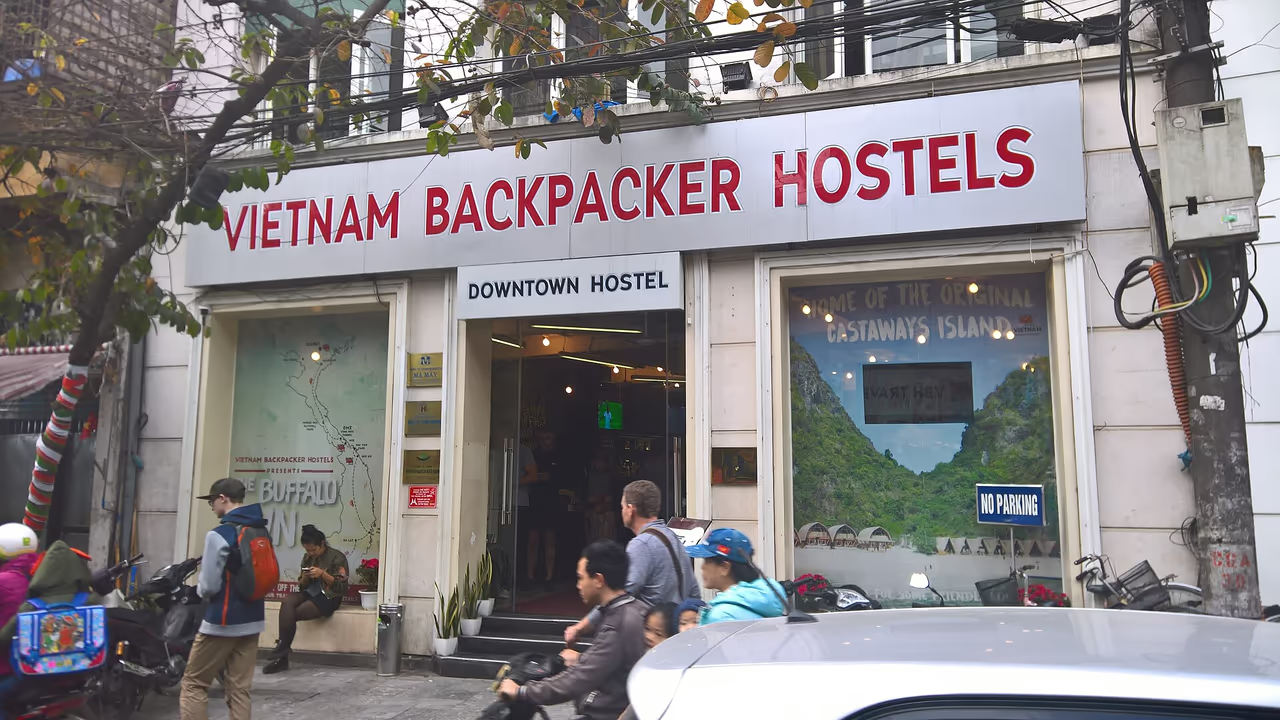
The easiest ways to find company are social hostels with bars, common areas and organised nights out; group day tours, food tours and cooking classes, which throw a small group of solo travellers together for the day; and multi-day treks and homestays near Sapa, where you share meals and trails with others. The Ha Giang Loop is a solo-travel classic precisely because most people ride it in easy-rider convoys, making friends over three or four days on the road. Add hostel WhatsApp groups and traveller apps, and turning a solo day into a social one is effortless.
Equally, there is no pressure to be sociable all the time. The beauty of solo travel is the switch: a lively hostel and a group tour one day, a quiet cafe, a long walk and an early night the next. Vietnam makes both easy, which is exactly why it suits solo travellers so well — you set the dial between company and solitude, and change it whenever you like.
If you are travelling in the shoulder or low season and a hostel feels quiet, tilt towards the places that naturally concentrate travellers — the Old Quarter in Hanoi, the backpacker streets of Hoi An and Ho Chi Minh City, and any Ha Giang or Sapa group tour. Signing up for a single group activity guarantees you company for a day even when a hostel is sleepy, and one shared trek or cruise often seeds a group you travel the next week with.
Best Destinations for Solo Travel in Vietnam
Almost everywhere in Vietnam is solo-friendly, but a handful of places stand out for their safety, social scenes and ease of getting around alone. Here are the best bases for a solo trip, and what each is good for.
Hanoi — the launch pad
Sapa & the north
Hoi An — the easy favourite
Da Nang & the south
If you only have time for one region, the north is our honest pick for a first solo trip: Hanoi's easy social scene, a Sapa trek where you meet people within the first hour, and an overnight Ha Long cruise that is practically designed for making friends. Every leg is safe, well-organised and used to solo travellers — and because you loop back through Hanoi, you can leave a bag at your hostel and travel the mountains light. If you have longer, continue down the coast at your own pace; the trail only gets easier as you find your rhythm.
How Much Does Solo Travel in Vietnam Cost?
Solo travel in Vietnam is genuinely cheap. Most solo travellers spend around USD 30–45 a day — a little more per head than couples, who split rooms and taxis, but still a bargain by any standard. The only real "single supplement" is accommodation and private tours, and both are easy to work around.
On a budget, a dorm bed costs USD 5–10, street food and local restaurants USD 8–15 a day, and local transport just a few dollars; a private room to yourself runs USD 15–25. Group day tours (rather than private ones) keep activity costs down and double as your social life. Put together, a two-week solo trip lands around USD 500–1,000 on a backpacker-to-mid-range budget, excluding international flights and the odd big splurge like an overnight cruise.
The cheapest solo setup is simple: dorms, street food, sleeper buses and group tours, with the occasional private room and a nice Ha Long cruise as treats worth paying for. For the full breakdown by travel style, see our Vietnam travel costs guide.
Join a Small-Group Sapa Trek
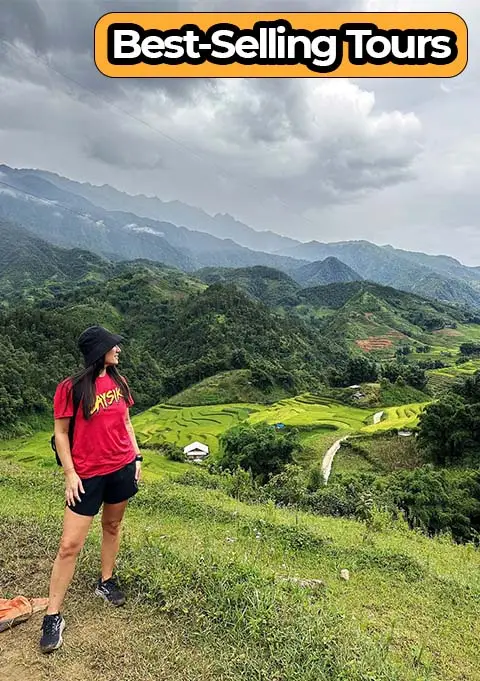 1 Day Trek
Trekking Through Rice Terraced Fields
A small group of max 12 — the easiest way to meet people on day one in the north.
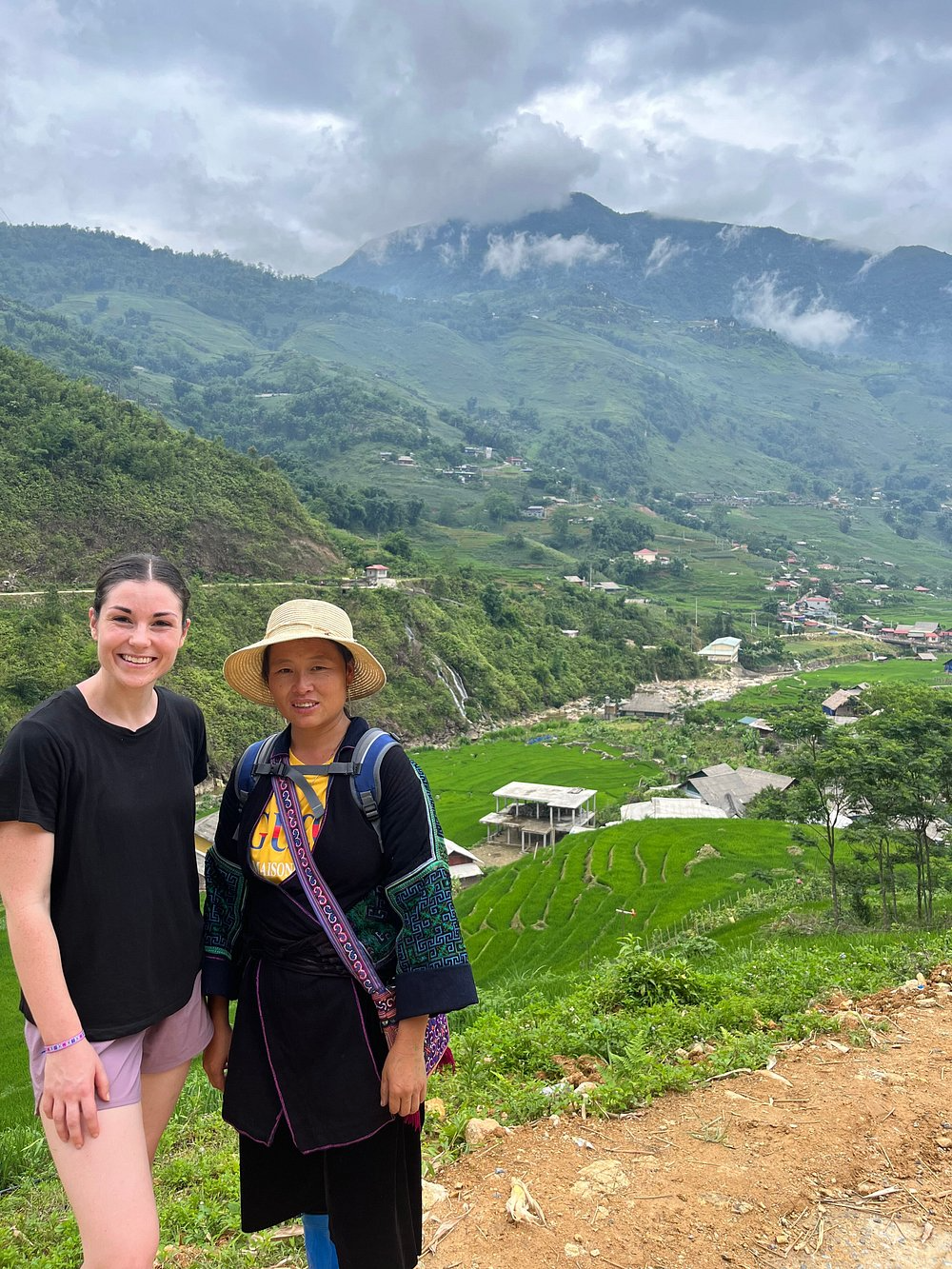 2D1N Homestay
Rice Terraced Fields & Homestay
Share a homestay dinner with fellow travellers — solo turns social fast.
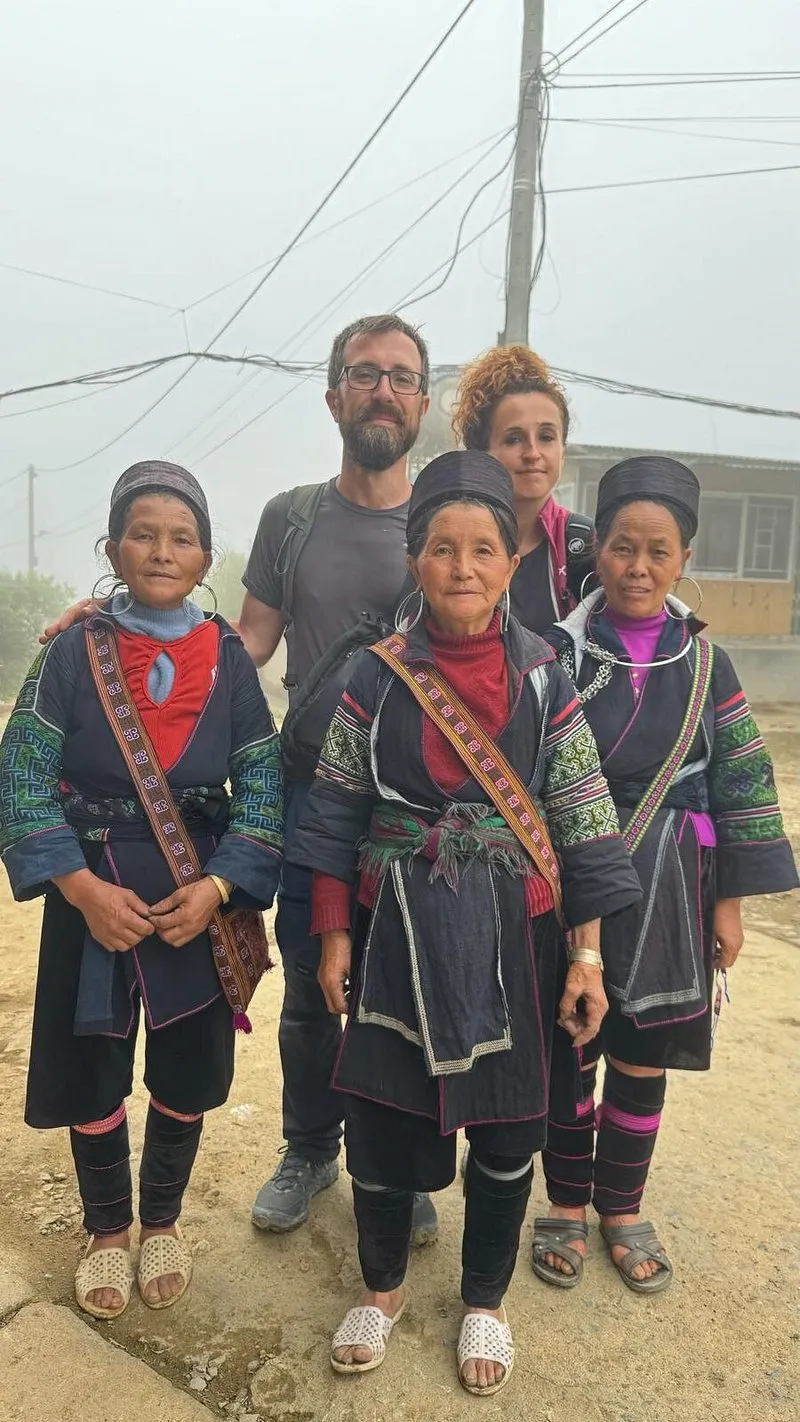 All Levels
Sapa Easy Trekking
A gentle group walk — relaxed, safe and sociable, whatever your fitness.
A Sample 10-Day Solo Itinerary
This ten-day route is built for solo travellers — it front-loads the sociable north, mixes group activities with easy solo exploring, and keeps the logistics simple. It also works run in reverse if you fly into Ho Chi Minh City. Treat it as a framework, not a rulebook — the joy of solo travel is bending the plan around the places and people you like, staying an extra night here and skipping ahead there, with no one to consult but yourself.
Days 1–2 — Hanoi. Land, check into a social hostel in the Old Quarter, and find your feet. Join a street-food walking tour on the first evening (the fastest way to meet people and learn to eat well), see Hoan Kiem Lake and the Old Quarter, and catch a water-puppet show. Sort a local SIM and book your onward transport north. Hanoi is where most solo trips click into gear — by your second evening you will usually have a loose group from the hostel or the food tour, and the nerves of arriving alone are already gone.
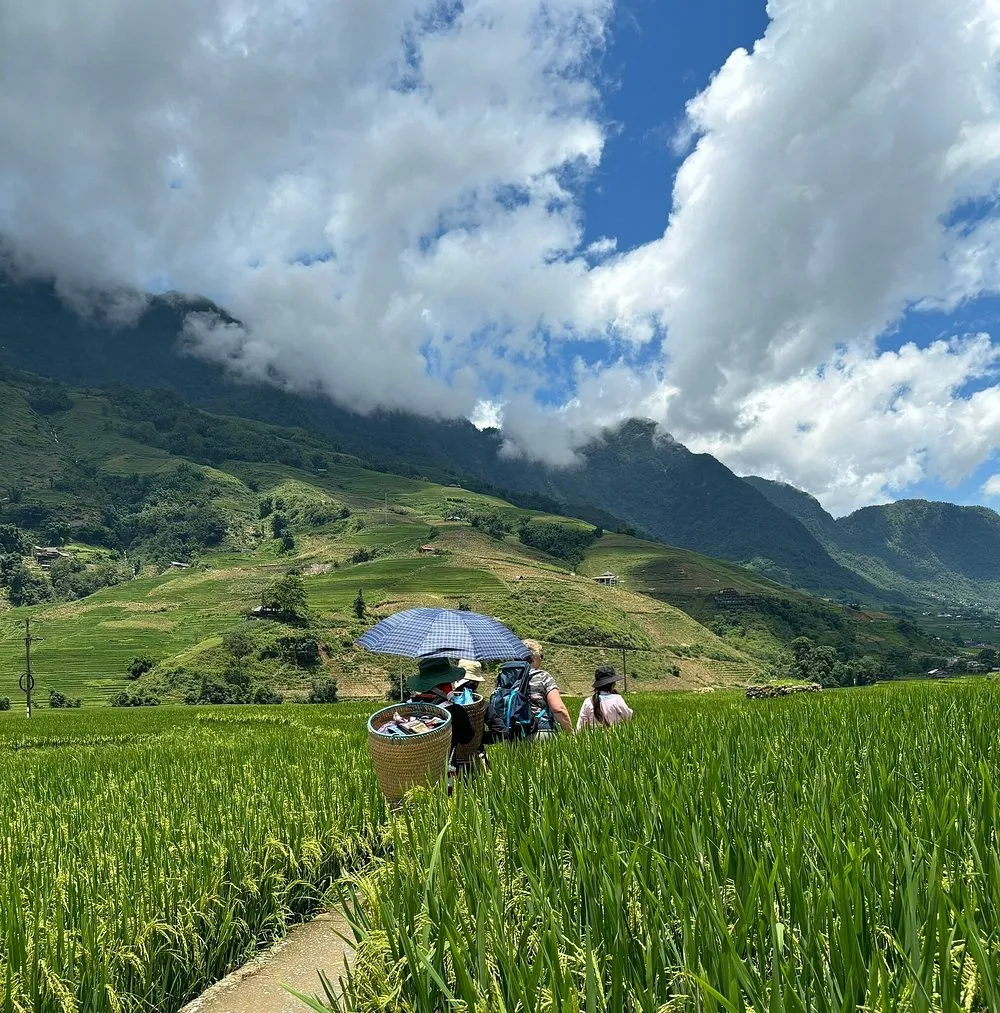
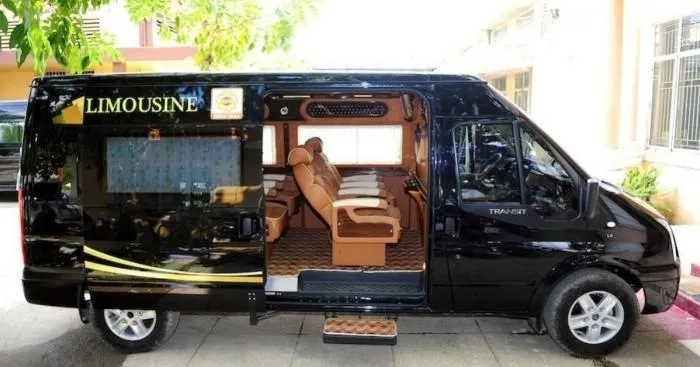
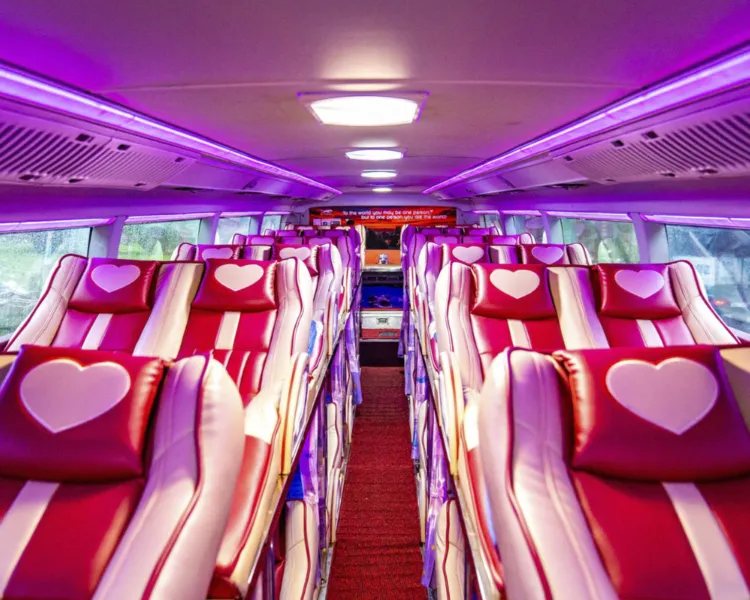
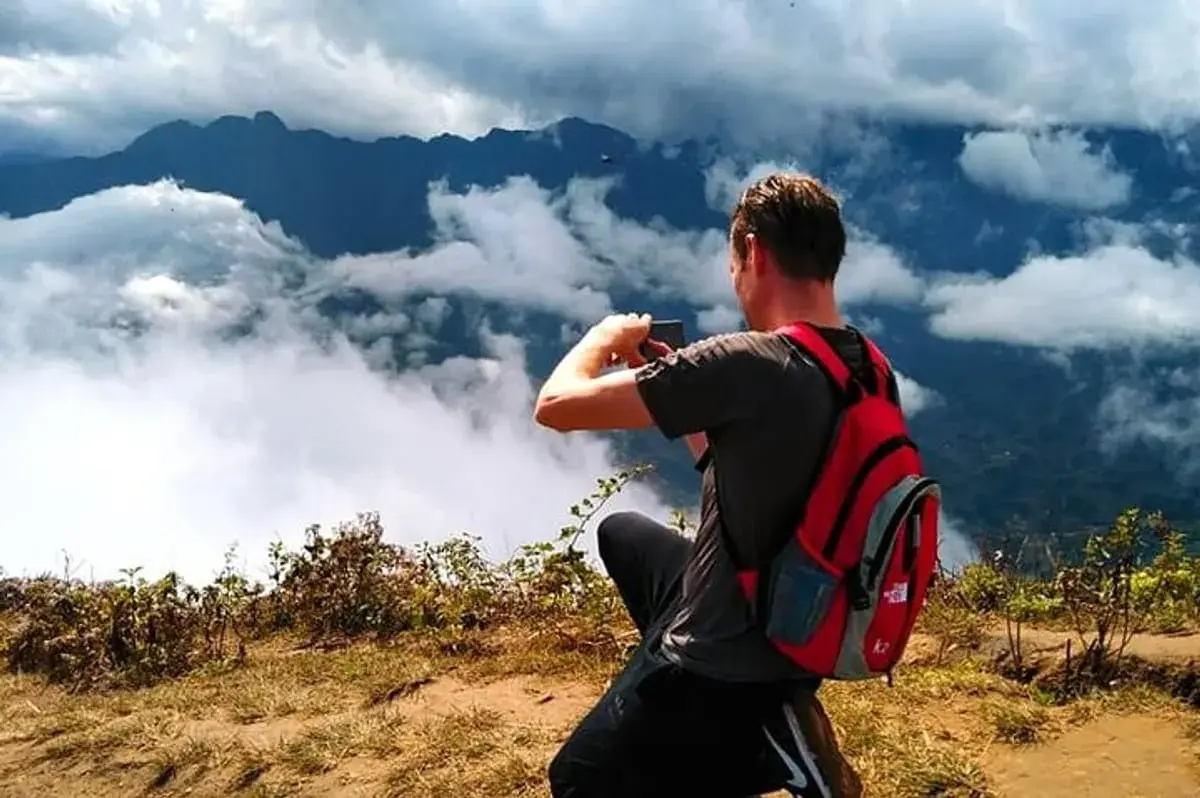
Days 3–5 — Sapa & the mountains. Take the overnight sleeper bus or a day limousine van up to Sapa, then join a guided trek with a homestay night. You will meet fellow travellers within the first hour on the trail, share a family dinner in a village, and wake to mist over the rice terraces. This is the heart of the trip and the easiest place in Vietnam to make friends.
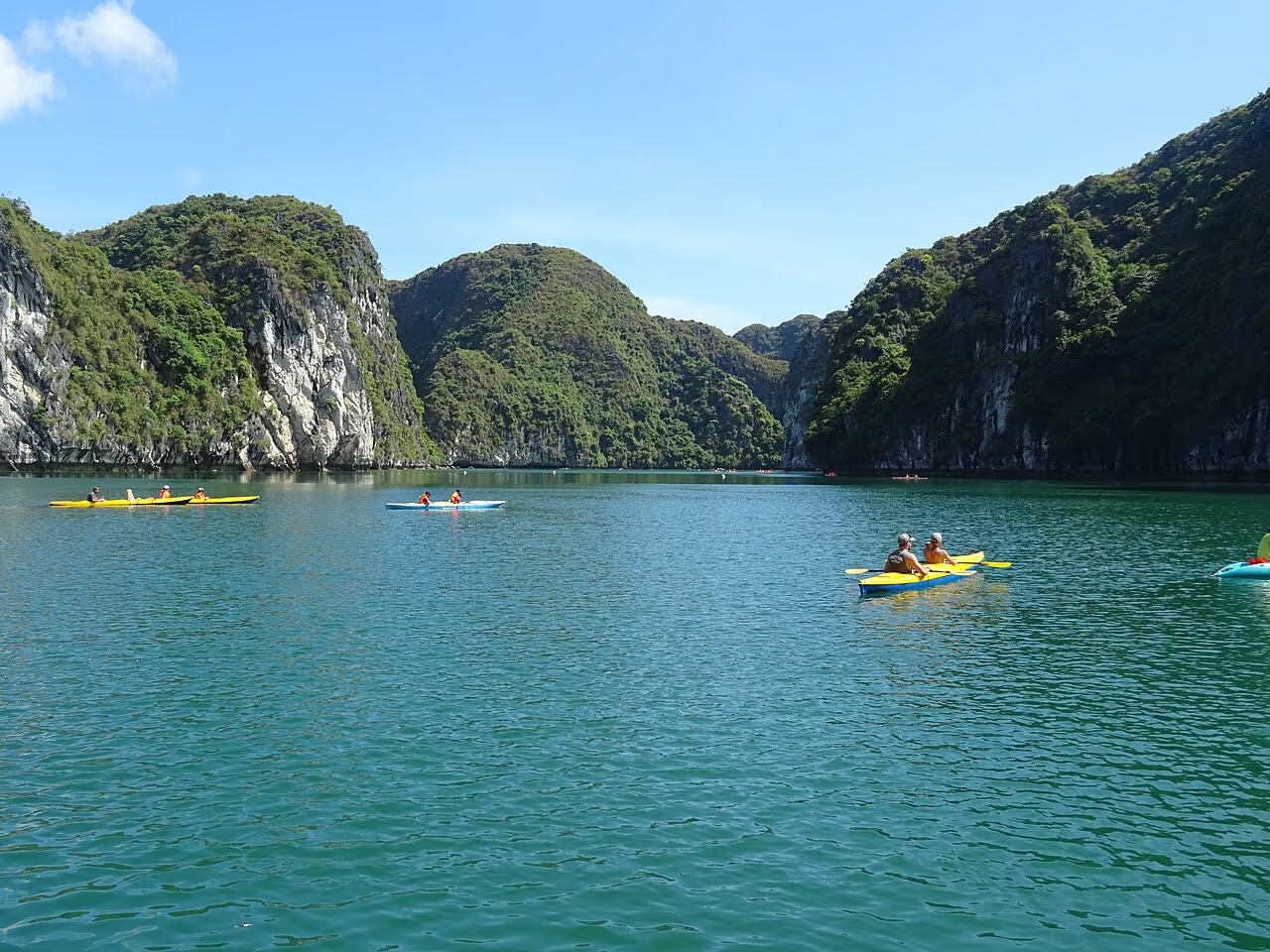
Day 6 — Ha Long Bay. Back to Hanoi and straight onto an overnight cruise in Ha Long or Lan Ha Bay. Kayaking, a group dinner and sunset on deck make this one of the most sociable nights of the whole trip — solo travellers routinely leave with a new group of friends.
Days 7–8 — Hoi An. Fly from Hanoi to Da Nang and transfer to Hoi An (a short, cheap hop that saves a long journey). Wander the lantern-lit old town, take a cooking class, cycle to the beach and rice paddies, and have some clothes tailored. Safe, walkable and endlessly charming — the easiest solo days of the trip.
Days 9–10 — Da Nang or Ho Chi Minh City. Finish with beach time and nightlife in Da Nang, or fly on to buzzing Ho Chi Minh City for war history, rooftop bars and a Mekong Delta day trip. Either makes an easy, well-connected end point for your flight home. If you have a couple of extra days, add a Mekong Delta overnight from Saigon or a beach stop at Nha Trang or Phu Quoc — both are relaxed, safe and easy to reach solo.
Hanoi to Sapa — Safe & Simple
Common Scams & How to Avoid Them
The scams in Vietnam are minor and target your wallet, not your safety — and once you know them, they are easy to sidestep. Here are the ones solo travellers meet most, and how to handle each.
| Scam | How it works | How to avoid it |
|---|---|---|
| Taxi overcharging | Fast or "broken" meters, or no meter at all | Use the Grab app, or Mai Linh & Vinasun firms |
| "Your hotel is closed" | Driver claims your booking is shut, takes you elsewhere for commission | Insist on your address; call the hotel to confirm |
| Market & cyclo prices | Wildly inflated first prices for tourists | Agree the price before you buy or ride |
| Motorbike damage claim | Rental shop claims you caused old damage | Photograph the bike all over before you ride off |
| Fruit-seller / shoe-shine | Photo with the yoke, or a "quick" shine, then a big bill | A friendly, firm "no thank you" and keep walking |
| Money & change tricks | Short-changing on big dong notes (lots of zeros) | Count your change; know the note colours |
Notice what is not on this list: anything violent or dangerous. These are nuisance scams, the kind you will laugh about later, and a calm, confident traveller rarely falls for them. The golden rules are simple — agree prices upfront, use the Grab app, and count your change — and they will carry you through the whole country unscathed. Locals will also often step in to help if they see a tourist being overcharged — Vietnamese people are, on the whole, on your side, and a scam is the exception rather than the rule.
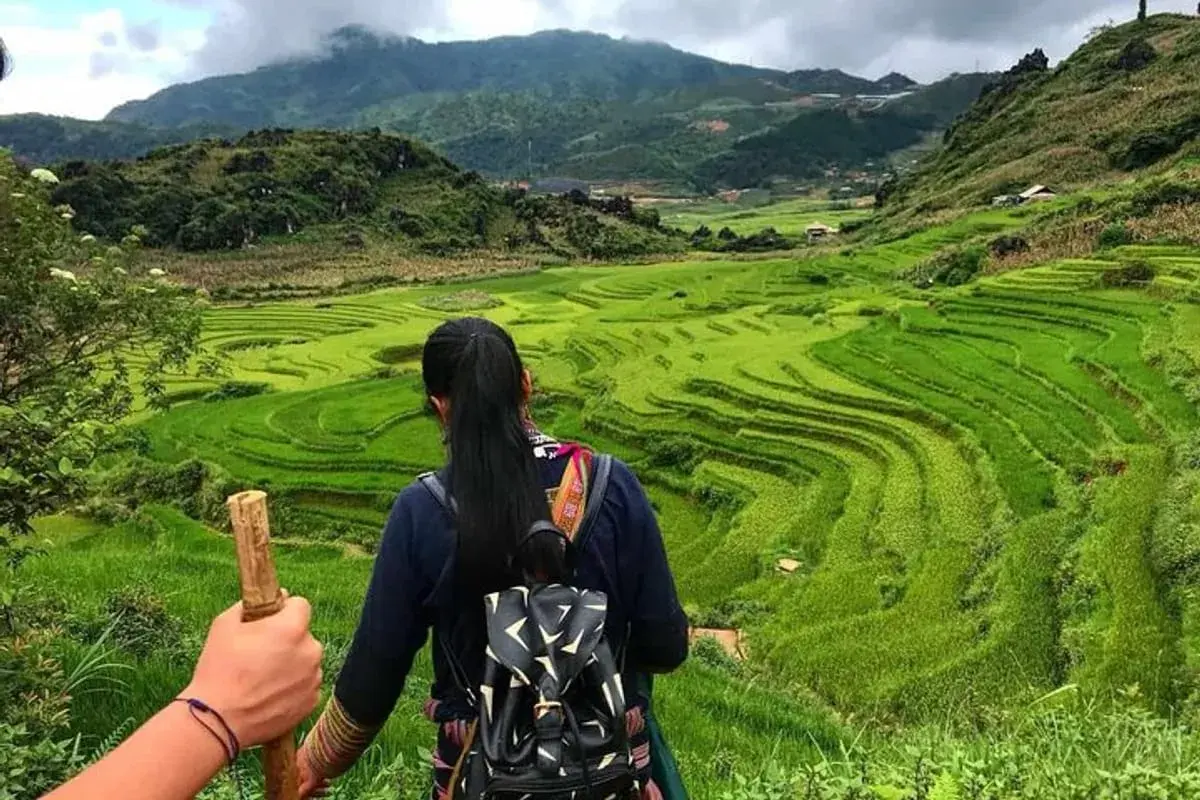
Multi-Day Treks Made for Solo Travellers
Practical Solo Travel Tips
A handful of simple habits make solo travel in Vietnam smoother and safer. None are Vietnam-specific rocket science, but together they let you relax and enjoy the trip.
- Book the first night or two ahead in each city, then stay flexible — arriving somewhere new after dark with a bed booked takes the pressure off.
- Buy a local SIM at the airport (USD 5–10) for maps, Grab and staying in touch — essential when you have no travel companion to problem-solve with.
- Use the Grab app for cars and motorbikes so the price is fixed and the ride is tracked; share your live location with someone at home for longer trips.
- Carry cash in dong, keep a card and some cash separately as backup, and photograph your passport, visa and insurance.
- Secure your phone and bag against scooter snatch-theft in cities, and use your accommodation safe for valuables.
- Get travel insurance — never skip it, especially with motorbikes, boats and treks in the mix.
- Learn a few words of Vietnamese (hello, thank you, how much) — it is warmly received and opens doors.
- Lean on hostels and group tours to meet people, and trust your instincts — the best safety tool you have.
Do these, and the rest takes care of itself. Solo travel in Vietnam is not something to steel yourself for — it is one of the easiest, friendliest and most confidence-building trips you can take, and most people finish it already planning the next one. The confidence you build here — navigating a new country entirely on your own terms — is the real souvenir, and it travels home with you long after the tan fades. For the wider picture, see our guides to backpacking Vietnam and Vietnam travel costs.
Rent Trekking Gear in Sapa — Travel Light, Solo
 Gear Rental
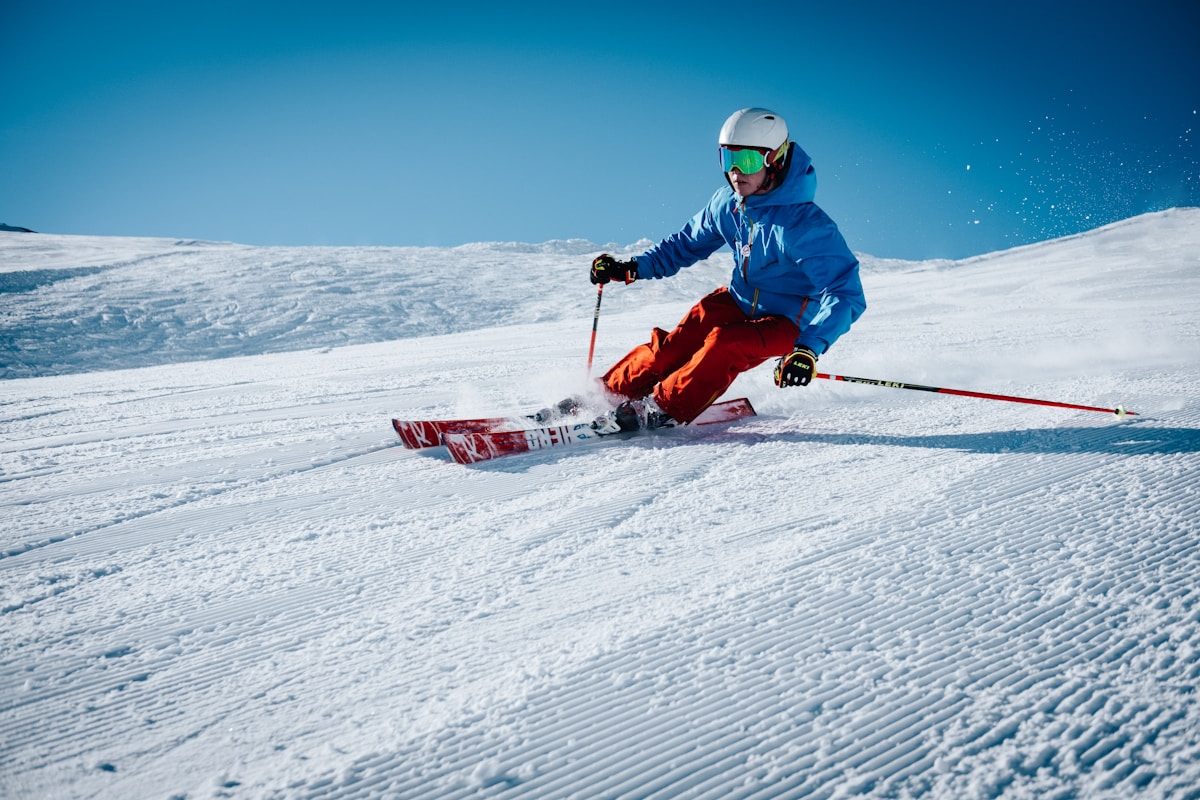
Trekking Boots Rental
Travelling light and solo? Rent boots here just for the trek. At 105 Thach Son Street.
 Gear Rental
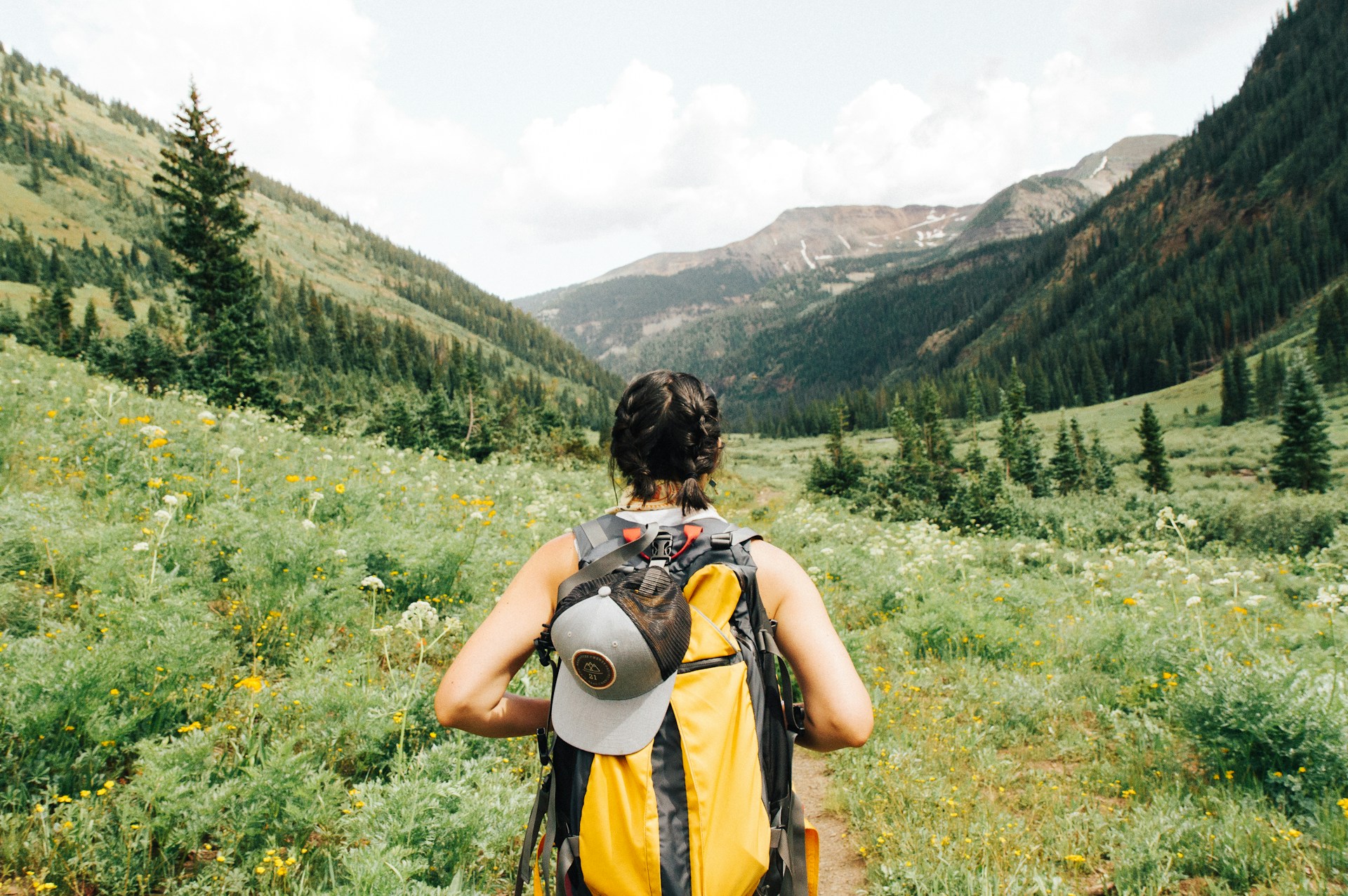
Walking Poles Rental
Poles at $2/day at our office — grab them for the trek, hand them back after. At 105 Thach Son Street.