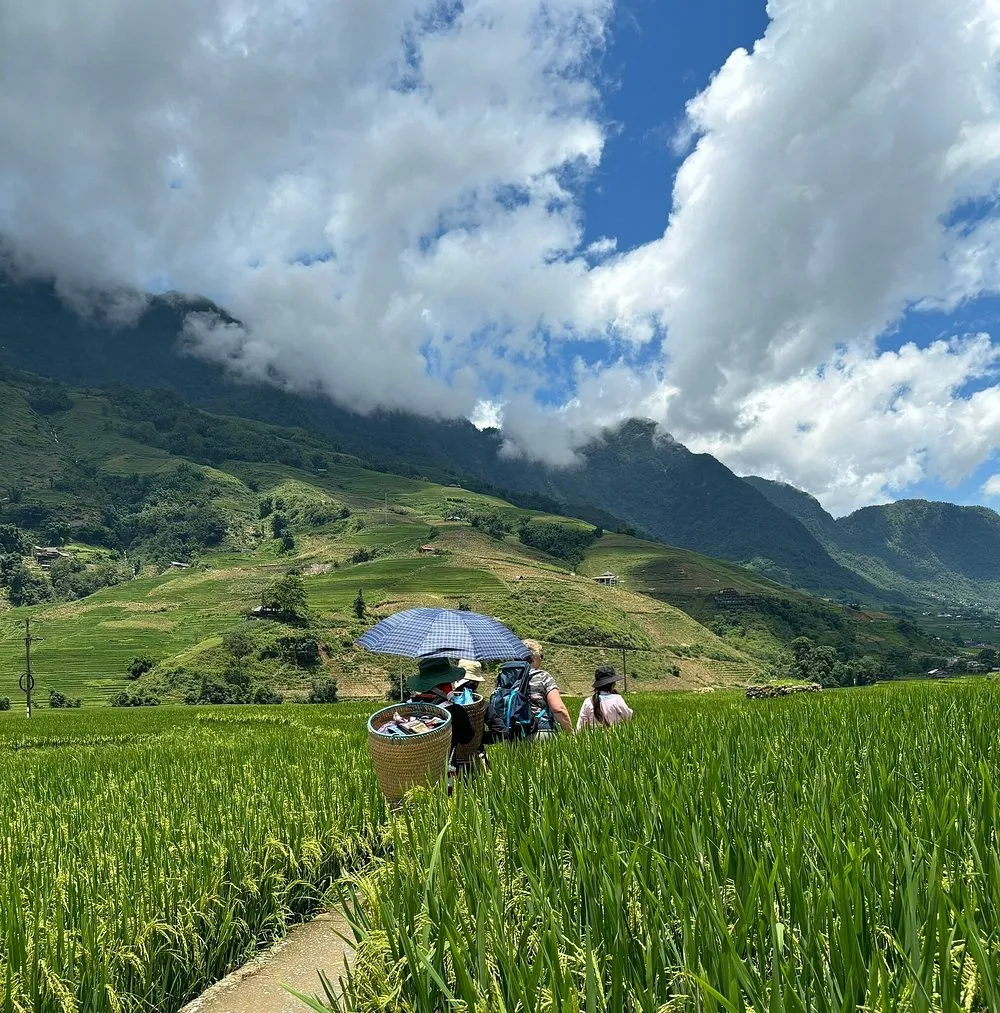
 Sinh Giang
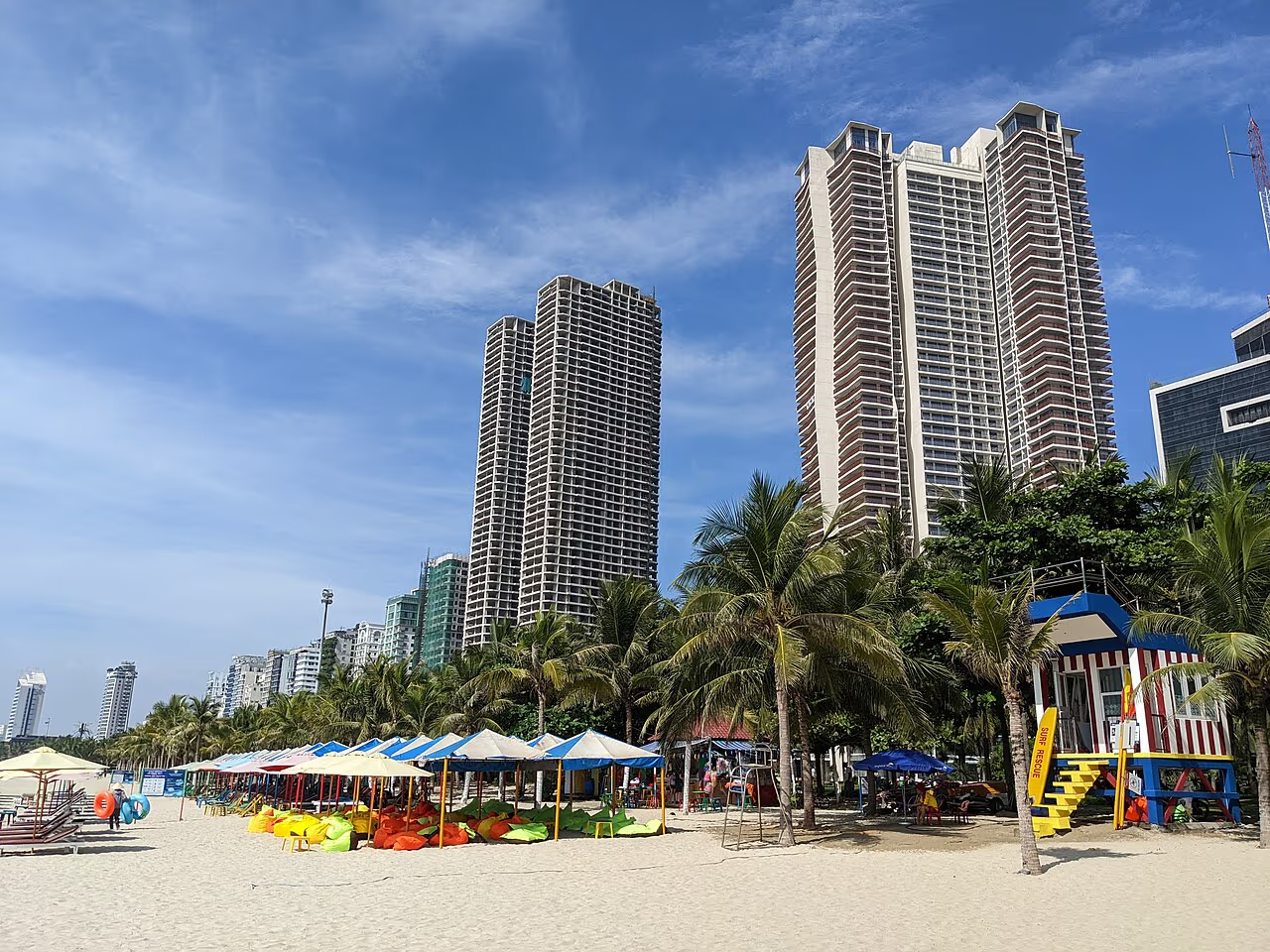
The temperature in Vietnam in June is hot — typically 28–35°C and humid across the lowlands, from Hanoi in the north to Ho Chi Minh City in the south — and July and August stay much the same. June, July and August are Vietnam's summer: the hottest, and in the north the wettest, stretch of the year. The one cool exception is the mountains, where Sapa sits at a fresh 18–25°C. So the short answer is that summer in Vietnam means heat and humidity in the lowlands, peak sunshine on the central beaches, and afternoon downpours in the north and south.
This guide breaks down Vietnam's weather in June, July and August in detail: the summer temperatures region by region and city by city, what the heat, humidity and rain are really like, whether it is a good time to visit, the best things to do, and how to travel comfortably in the heat. We are a local team based in Sapa, out on the trails through every summer, so these notes reflect what the season actually feels like on the ground. If you are planning a trip in the Vietnamese summer, here is everything you need to know.
June, July & August at a Glance
The three summer months are broadly similar — hot and humid — but each has its own character. Here is how they compare at a glance.
In short: June is the most comfortable summer month for an all-round trip, July is the hottest and wettest in the north, and August starts to turn the corner toward the crisp autumn. Whichever you choose, the central beaches are reliably sunny and the mountains stay cool.
Summer Temperatures by City
Here are typical daytime temperature ranges for the main bases across the three summer months, so you know what to expect and what to pack. Remember that high humidity in the lowlands makes these numbers feel hotter than they read.
| City / region | June | July | August |
|---|---|---|---|
| Hanoi (north) | 28–34°C | 29–35°C | 28–34°C |
| Sapa (mountains) | 18–25°C | 18–24°C | 18–24°C |
| Da Nang (centre) | 28–35°C | 28–35°C | 28–34°C |
| Ho Chi Minh City (south) | 26–32°C | 26–32°C | 26–31°C |
The pattern is clear: the lowlands — north, centre and south — all sit in the high 20s to mid 30s, while Sapa is a good 10°C cooler. That gap is why so many travelers pair a hot beach or city stay with a few days up in the mountains to cool off. The south is the steadiest, barely moving all year; the north swings the most, with July its hottest and stickiest.
What the Heat Really Feels Like
Raw numbers only tell half the story in a tropical summer. The temperature in Vietnam in June might read 33°C on your phone, but with the high humidity it can feel more like 38–40°C, especially in the still air of the lowland cities. This "feels-like" gap is why the Vietnamese summer earns its sweaty reputation — it is the humidity, more than the thermometer, that tires you out.
A few things follow from that. Humidity is highest in the north and around the coast, and it peaks with the July rains, so Hanoi in July feels hotter than the same temperature in the drier centre. It also means you dehydrate faster than you expect, and clothes take longer to dry. The practical response is simple: slow down in the middle of the day, drink far more water than you would at home, wear loose, light, quick-dry fabrics, and treat the cool of an early morning or a mountain town like Sapa as the real window for anything active. Manage the humidity and the summer heat becomes very livable.
What Summer Is Like by Region
Summer plays out very differently across Vietnam's three climate zones. Here is how each region rates for a June-to-August trip.
The North (Hanoi, Sapa, Ha Long Bay)
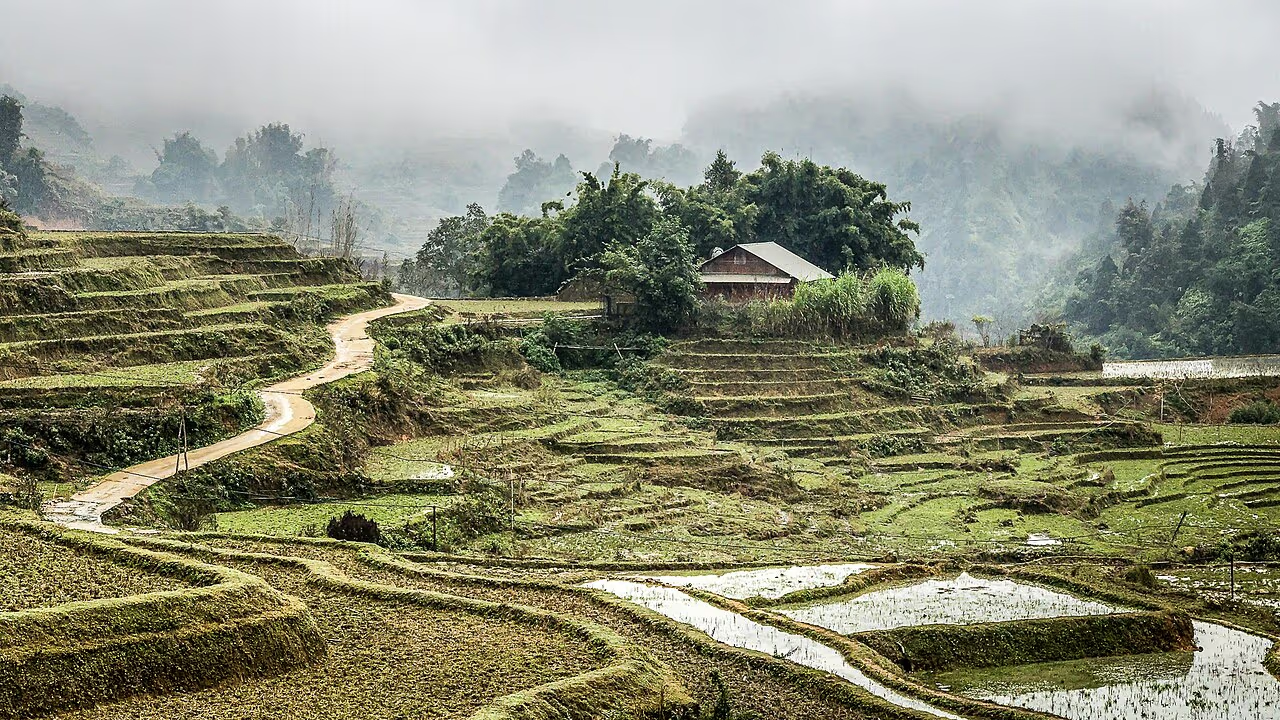
The north is hot, humid and at its wettest in summer, with heavy afternoon storms — July and August are the peak. Hanoi is sticky at 29–35°C, and summer storms can occasionally disrupt Ha Long Bay cruises. The saving grace is Sapa: up in the mountains it is a fresh 18–25°C and the terraces are gloriously green, so the north is best enjoyed in summer by escaping up high.
Central Vietnam (Hue, Hoi An, Da Nang)
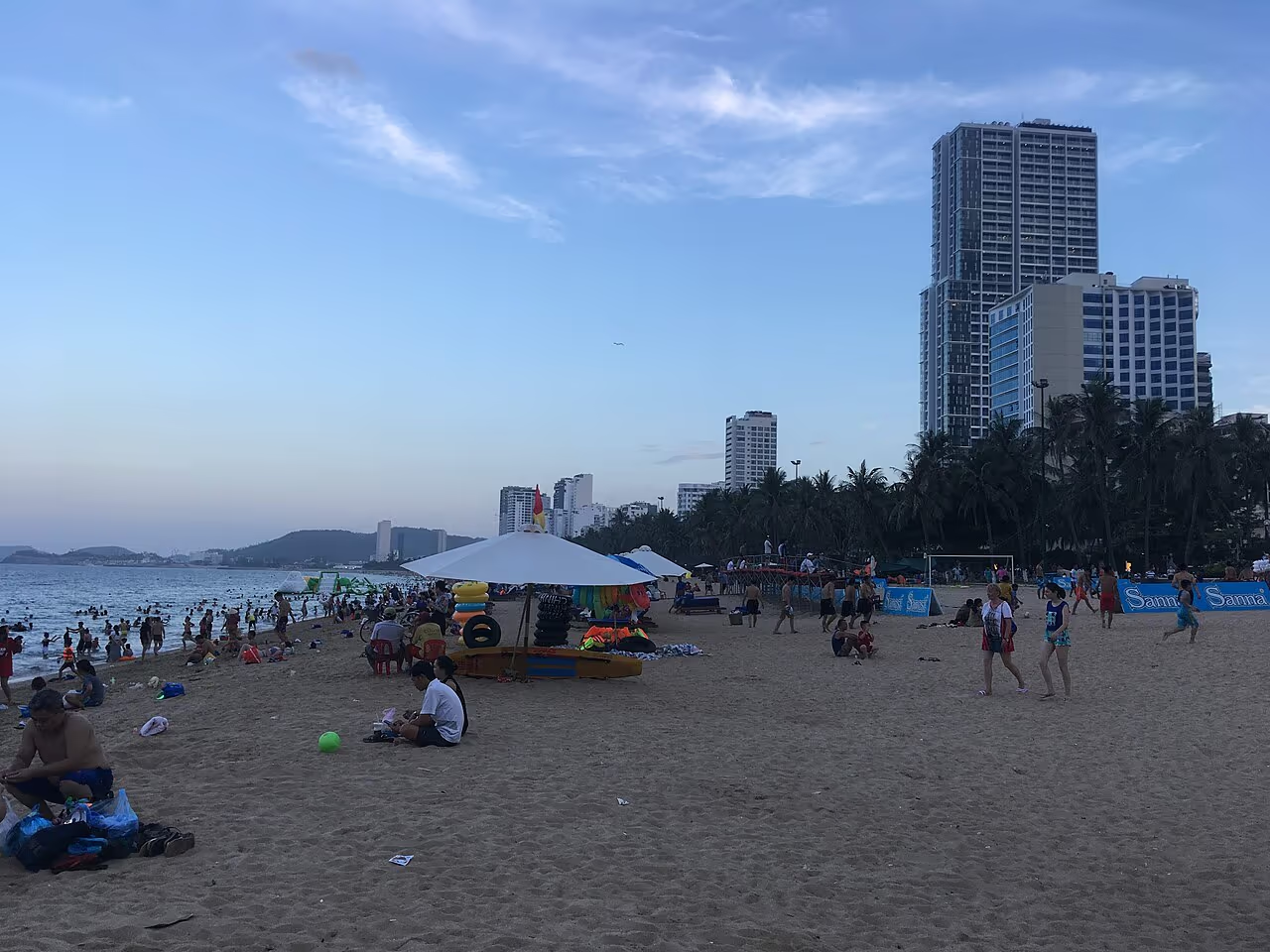
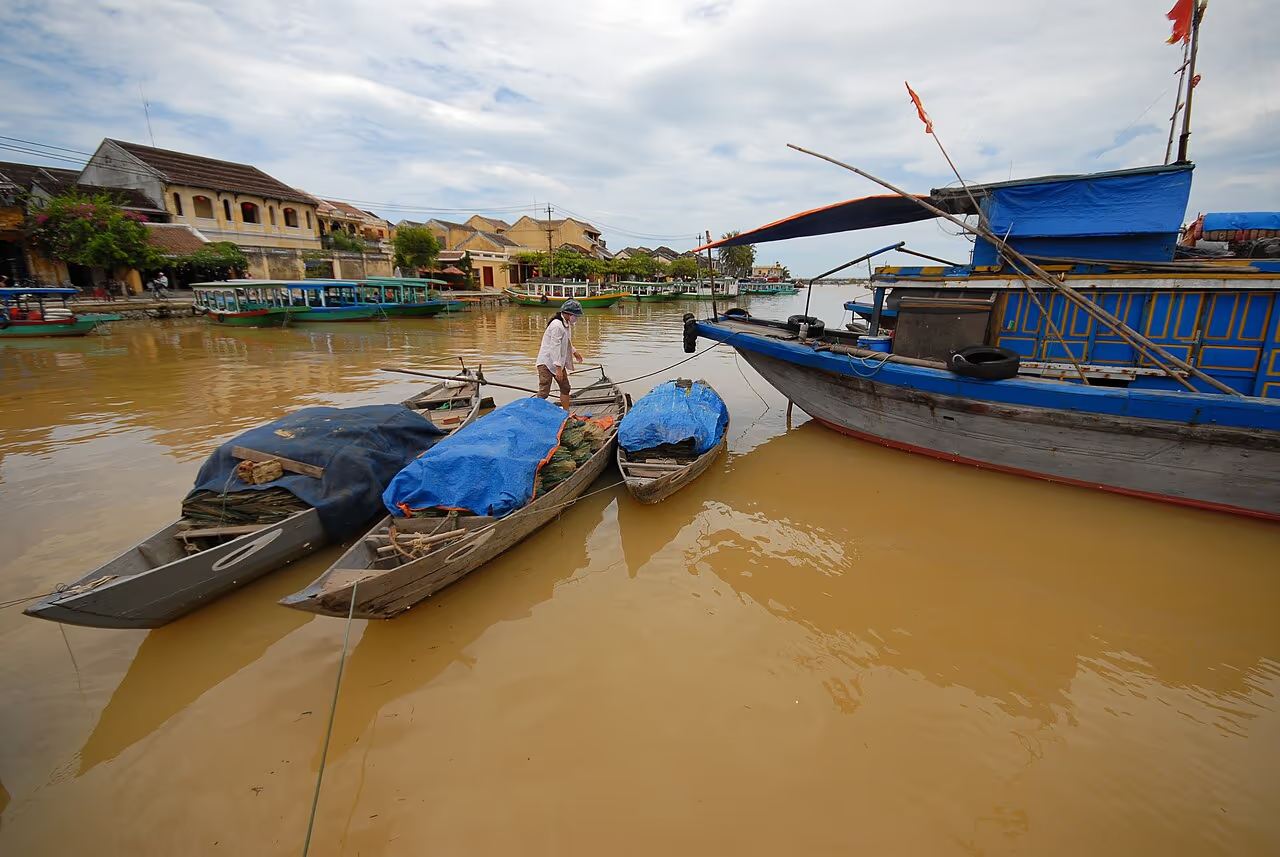
The centre is the summer winner: hot, dry and sunny, with June and July the peak beach months. Da Nang, Hoi An and Nha Trang enjoy warm seas and reliable sunshine while the rest of the country deals with rain. If your summer trip is built around the beach, this is the region to prioritise — and it is why the central coast books up with domestic holidaymakers over the school break.
The South (Ho Chi Minh City, Mekong, Islands)
The south is warm and steady (26–32°C) with its typical wet-season rhythm: bright mornings and a short, heavy afternoon downpour that clears quickly. It rarely rains all day, so the city, the Mekong Delta and the islands are all perfectly enjoyable, and it is the cheapest, quietest time to visit them. The southern islands of Phu Quoc and Con Dao follow the same pattern, so a summer beach break in the south is very doable if you time your days around the afternoon showers.
Escape the Heat — Trek Cool, Green Sapa
 1 Day Trek
Trekking Through Rice Terraced Fields
The Muong Hoa Valley day trek — lush and green in the summer months.
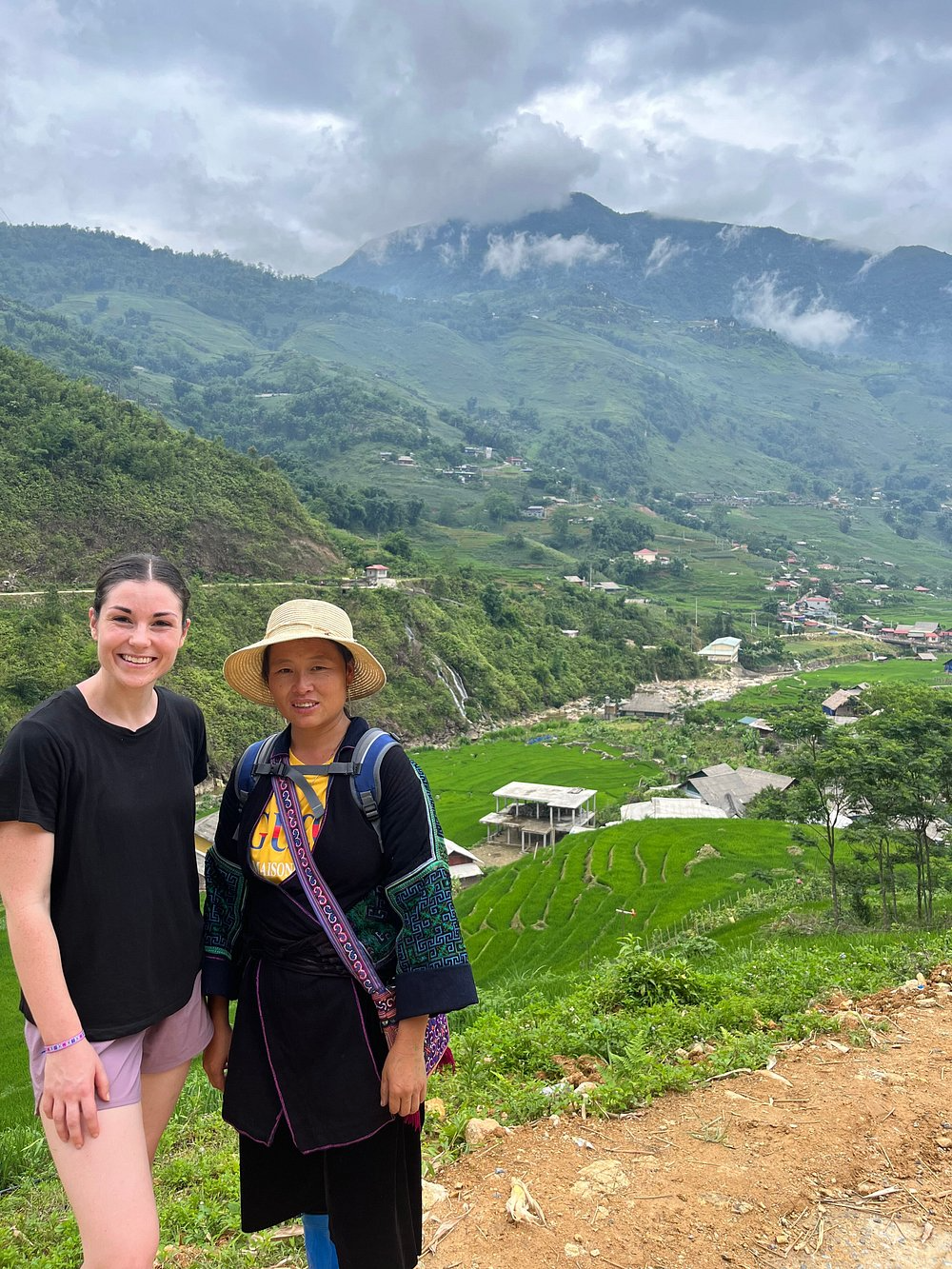 2D1N Homestay
Rice Terraced Fields & Homestay
Two days on the trail and a village homestay — cool nights, green valleys.
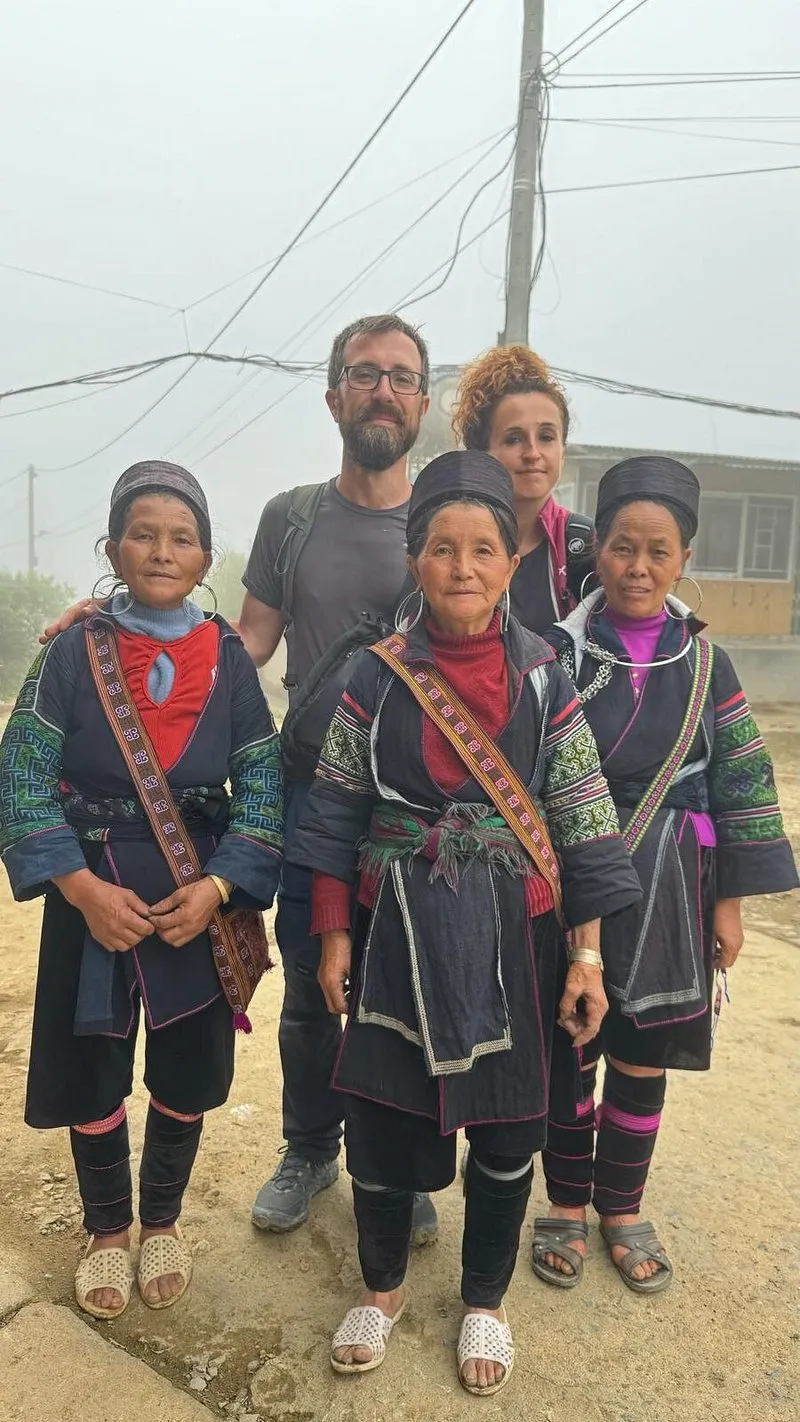 Families & Seniors
Sapa Easy Trekking For Seniors
A gentle valley walk with poles provided — comfortable summer temperatures.
Is Summer a Good Time to Visit Vietnam?
Summer divides opinion — it is superb for some trips and awkward for others. Here is the honest balance to help you decide.
Visit in summer if…
- You want hot, sunny central beaches (Da Nang, Hoi An, Nha Trang)
- You like lower prices and fewer foreign tourists
- You want the lushest green landscapes and full waterfalls
- You will cool off with a few days up in Sapa
Reconsider if…
- You struggle with heat and high humidity
- You want dry, clear northern trekking (autumn is better)
- A calm Ha Long Bay cruise is a must (summer storm risk)
- You dislike afternoon downpours in the north and south
The bottom line: summer is a great time for a beach-and-mountains trip — the central coast for sun, Sapa for cool green air — and excellent value with it. If your priority is dry, clear weather across the whole country, though, the spring (March–April) or autumn (September–November) windows will serve you better.
It is also worth remembering that summer is the domestic high season: Vietnamese families travel during the school break, so the popular beaches can be busy and prices at coastal resorts rise, even though foreign-tourist numbers are lower. Booking beach stays a little ahead pays off in July and August, while the north and Sapa stay refreshingly quiet.
Best Things to Do in Summer
Plan your summer days around the weather — sun on the coast, cool air in the hills, and mornings before the afternoon rain — and there is plenty to enjoy.
- Hit the central beaches: Da Nang, Hoi An and Nha Trang are at their sunny best — summer is prime beach season.
- Escape to Sapa: swap the 35°C lowlands for cool 20°C mountain air and the greenest rice terraces of the year.
- Explore the south: Ho Chi Minh City and the Mekong Delta work well, with bright mornings before the short afternoon rain.
- Chase waterfalls: summer rain means the waterfalls around Sapa and Da Lat are at full, thundering flow.
- Go early: start sightseeing and treks at dawn to beat both the midday heat and the afternoon storms.
Cool Off in Sapa — Easy from Hanoi


Summer Travel Tips for Vietnam
- Beat the heat with early starts. Sightsee and trek in the cooler morning hours; rest or head indoors in the sticky midday.
- Hydrate and protect against the sun. Carry water, and pack a hat, sunglasses and high-SPF sunscreen — the humid heat is stronger than the numbers suggest.
- Pack for rain too. A compact rain jacket or a cheap poncho and a small umbrella handle the afternoon downpours in the north and south.
- Choose air-conditioned transport. Enclosed vans, sleeper buses and trains keep long journeys comfortable in the heat.
- Build in a buffer for Ha Long. Summer storms can delay cruises — leave a flexible day around any July or August sailing.
- Add a mountain break. A few days in Sapa is the perfect antidote to the lowland heat — pack a light layer for the cool evenings.
Sapa in Summer: The Cool Green Escape
For anyone melting in the summer lowlands, Sapa is the answer. While Hanoi bakes at 35°C, the mountains stay a fresh 18–25°C, and the rice terraces — planted in late spring — are at their deepest, most photogenic green. Mornings are bright and cool, ideal for trekking, before the clouds build in the afternoon. Yes, summer is the wettest season here and the trails can be muddy, but with the right boots, poles and a weather-aware route, it is a beautiful, quiet time to walk, with far fewer trekkers about.
We guide in Sapa right through the summer, so we know which routes drain well after rain and where the terraces look best in the green season. Whatever week you are coming, tell us your dates and we will match the trek to the conditions — a gentle valley loop for families, or a longer village-homestay route for keen walkers — and you can rent waterproof boots and poles at our office rather than carrying them in the heat.
One more reason the mountains shine in summer: the light. After a passing storm the clouds lift off the terraces and the whole valley glows an impossible green, often with a rainbow over the paddies. It is a very different picture from the golden autumn most people picture, but for many of our summer guests it is the highlight of the trip — cool, green, dramatic and almost empty.
Waterproof Boots & Poles for the Green Season
 Gear Rental
Trekking Boots Rental
Waterproof ankle-support boots — ideal for the muddy summer trails. At 105 Thach Son Street.
 Gear Rental
Walking Poles Rental
Trekking poles at $2/day — essential on wet, green-season terraces. At 105 Thach Son Street.