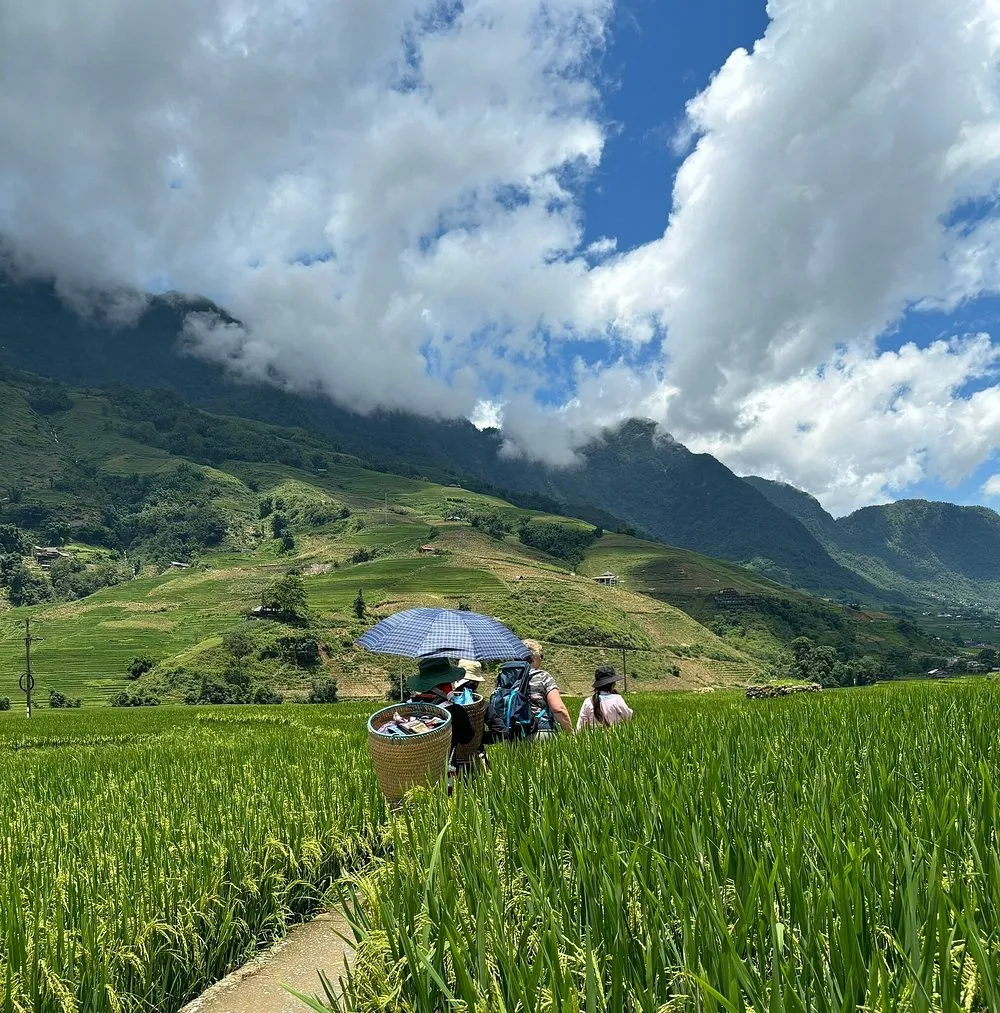
 Sinh Giang
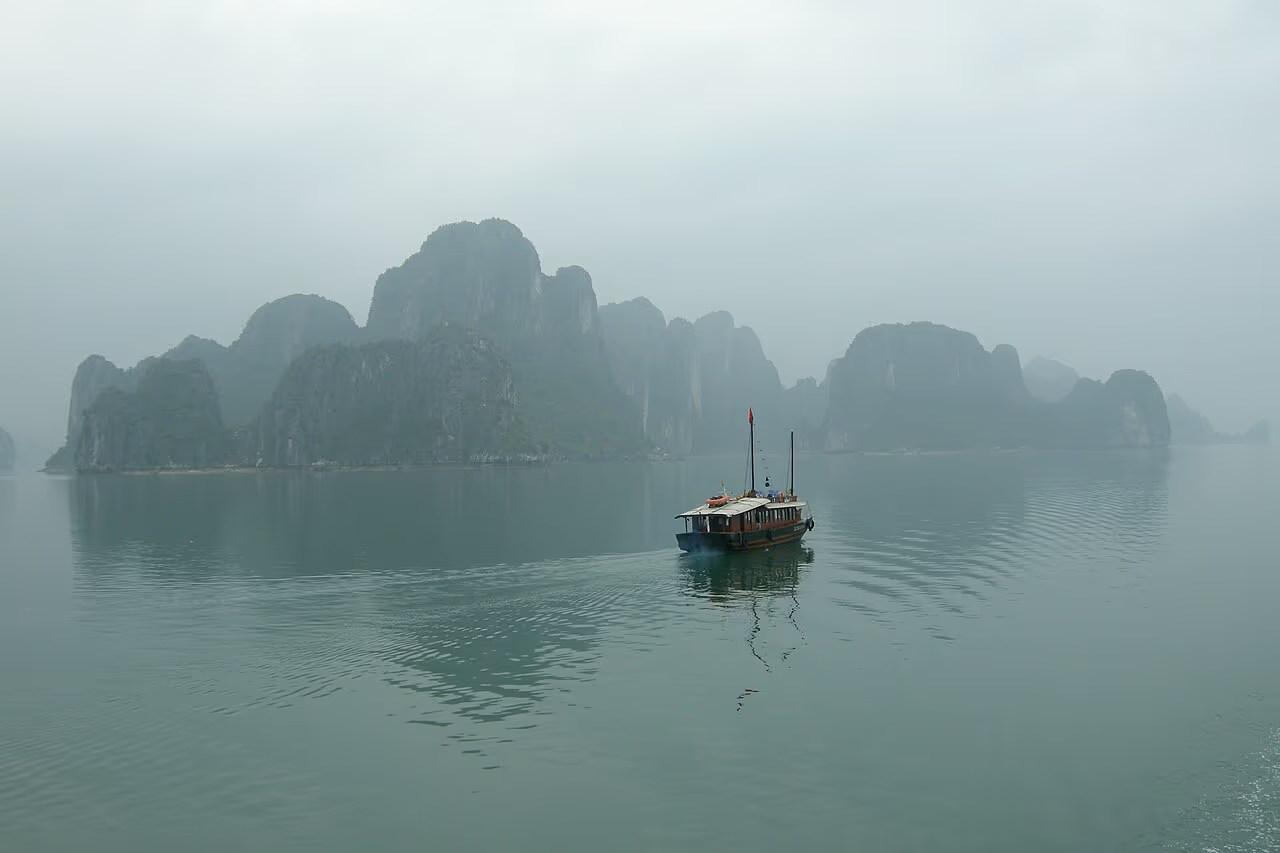
The best time to visit Vietnam from India is October to April, when most of the country enjoys dry, pleasant weather — and, just as importantly, when the dates line up with the big Indian holidays. Diwali (October or November), the Christmas and New Year break, and Holi in March all fall inside Vietnam's best-weather window, making them ideal times to go. March is often the single finest month, with clear skies nationwide. The Indian summer school break in May and June also works, especially for beaches and the south, though it is hotter and more humid.
This guide is written specifically for travelers from India: the best time to visit Vietnam from India, how the seasons line up with Indian holidays, direct flights, the e-visa for Indian passport holders, and practical tips on food, money and packing. We are a local team based in Sapa and we host a lot of Indian guests, so these notes reflect what actually works for trips from India — not just generic weather averages. Whether you are planning a Diwali getaway or a summer-break family trip, here is everything you need to time it right.
The Short Answer for Indian Travelers
The essentials for a Vietnam trip from India, at a glance, before the detail.
In short, Vietnam is one of the easiest and best-value international trips from India: a short direct flight, a simple online visa, barely any time difference, and a peak-weather window that happens to fall right across the Indian holiday calendar. The rest of this guide shows you how to pick the perfect dates.
Best Time Around Indian Holidays
Most Indian travelers plan around the holiday calendar, and the happy news is that Vietnam's best weather lines up beautifully with it. Here is how the main Indian breaks map onto Vietnam's seasons.
Holi
Vietnam's best all-round month — dry and clear north to south. Ideal for a whole-country trip.
Summer break
Hot but great for the central beaches and the south; the north is warm and turning green.
Diwali
Clear skies and the golden Sapa harvest in the north; south drying out. Avoid the central coast.
Christmas & New Year
South at its festive-season best; north cool and crisp. A top window — book early.
Republic Day
Dry and pleasant in the south and centre; the north is cool, with Sapa sometimes foggy.
The standout windows are Diwali, the Christmas–New Year break and Holi — all fall in Vietnam's dry season and all are superb for a trip. The main thing to watch is that Diwali (October–November) coincides with the heaviest rain on Vietnam's central coast, so if you are traveling then, build your route around the north and south and treat Hoi An or Hue as a flexible add-on.
A quick word on the Indian summer break in May and June: it falls in Vietnam's shoulder-to-low season, so it is hotter and, in the north, wetter — but it is also cheaper and quieter, and the central and southern beaches are superb. For families traveling only in the summer holidays, a beach-and-south trip (Da Nang, Nha Trang or Phu Quoc) is the sweet spot, with Sapa a lush, green — if occasionally rainy — add-on.
Indian Holiday Windows: The Verdict
Here is a quick verdict for each major Indian travel window, so you can match your leave to Vietnam's conditions at a glance.
| Indian holiday window | Vietnam verdict | Notes |
|---|---|---|
| Holi (March) | Excellent | Dry and clear nationwide — arguably the best month for a whole-country trip. |
| Summer break (May–Jun) | Good | Hot; great for central beaches & the south; north is warm and greening. |
| Independence Day (mid-Aug) | Mixed | Central beaches still good; north hot and wet; south afternoon showers. |
| Diwali (Oct–Nov) | Excellent* | North clear with golden harvest; south drying out. Avoid the central coast. |
| Christmas & New Year (Dec) | Excellent | South in festive-season prime; north cool and crisp; centre drying out. |
| Republic Day (late Jan) | Great | Dry and pleasant south and centre; north cool, Sapa can be foggy. |
*Diwali is excellent for the north and south; the central coast is at its wettest then. Overall, if you can travel over Holi, Diwali, or the December break, you will catch Vietnam close to its best — and outside those peaks, the low season from May to September offers the cheapest flights and quietest sights.
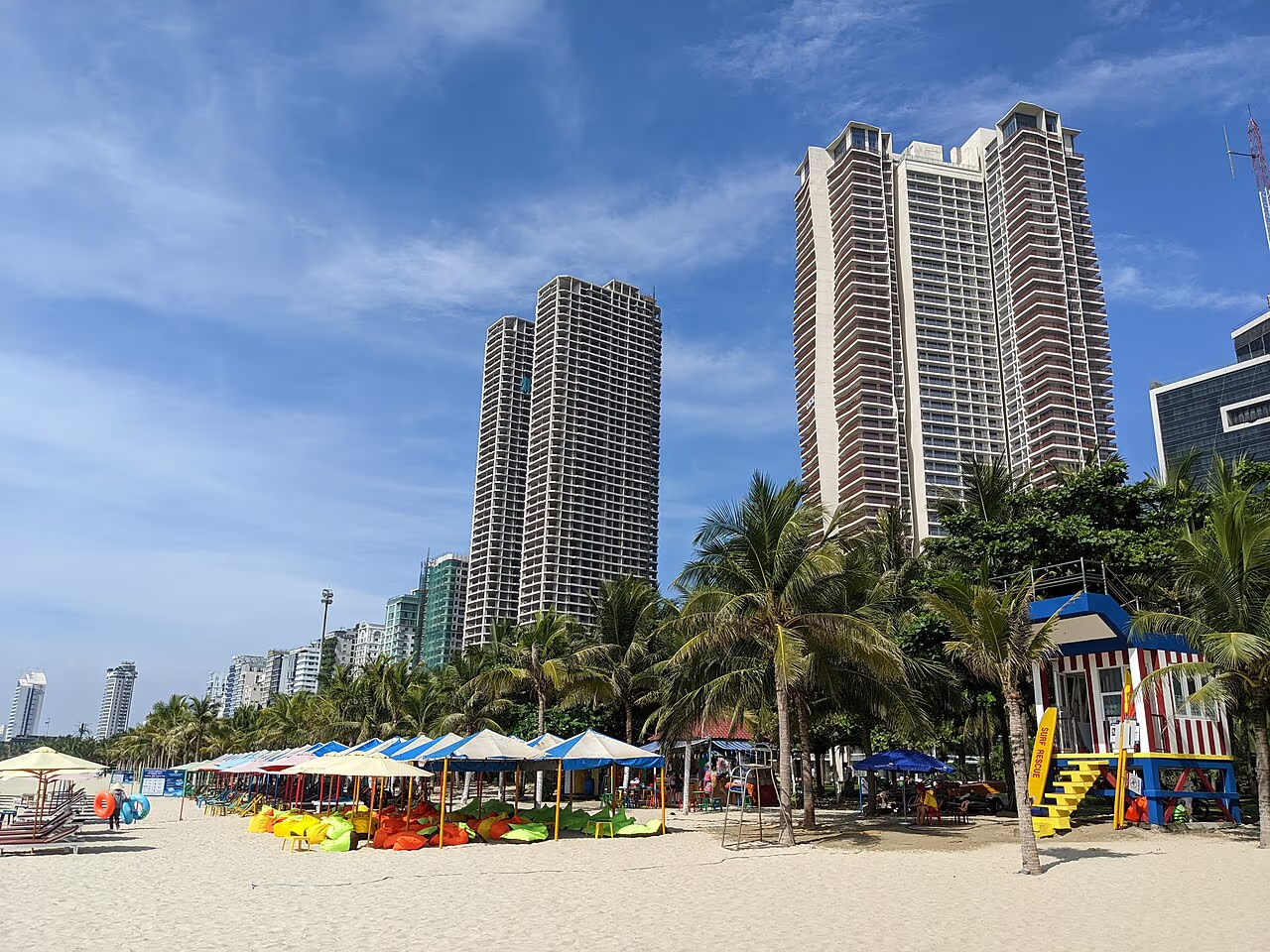
Trek Sapa on Your Vietnam Trip
 1 Day Trek
Trekking Through Rice Terraced Fields
The Muong Hoa Valley day trek — golden in autumn, mirror-green in spring.
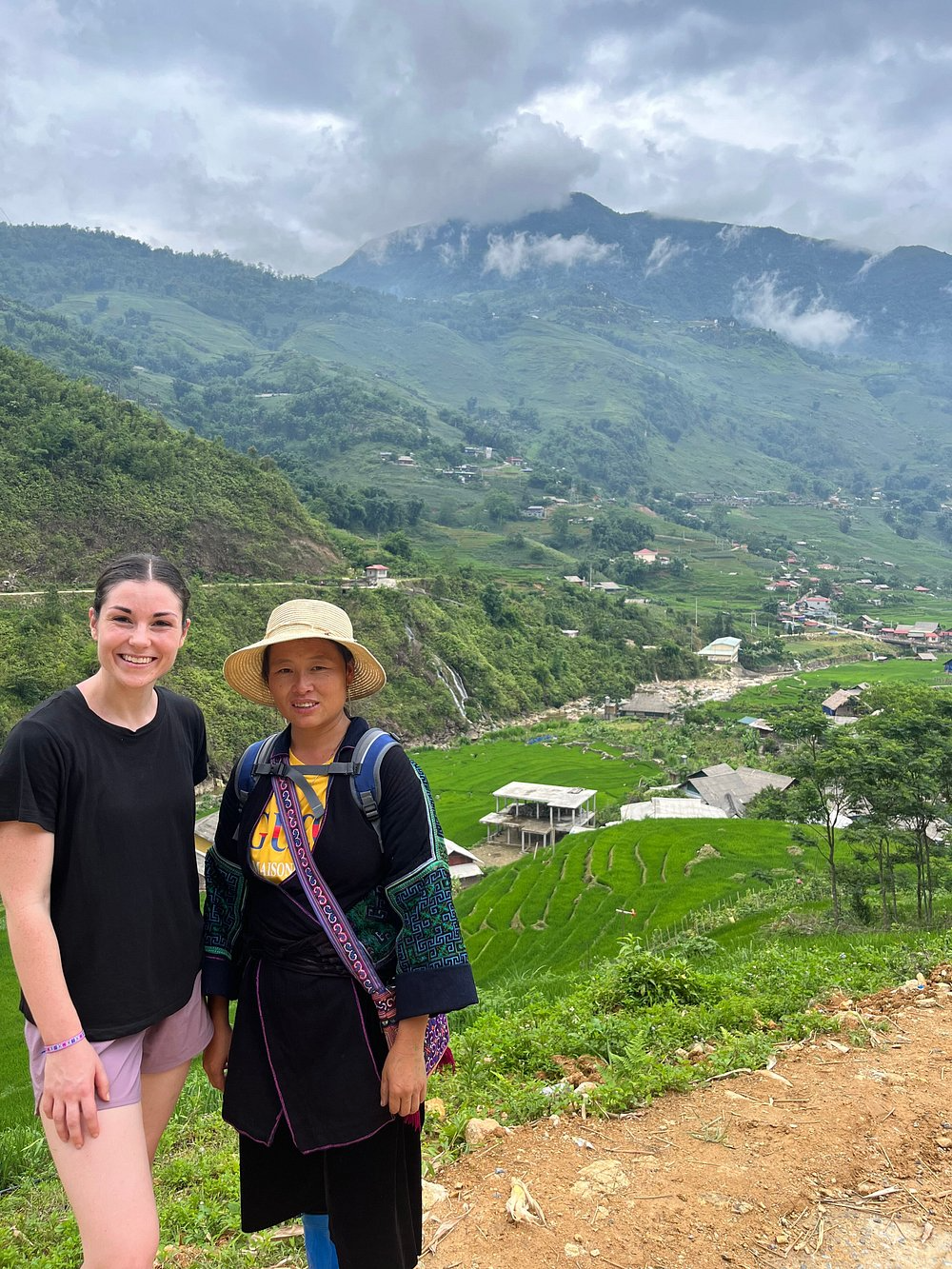 2D1N Homestay
Rice Terraced Fields & Homestay
Two days on the trail and a village homestay — a favourite with families.
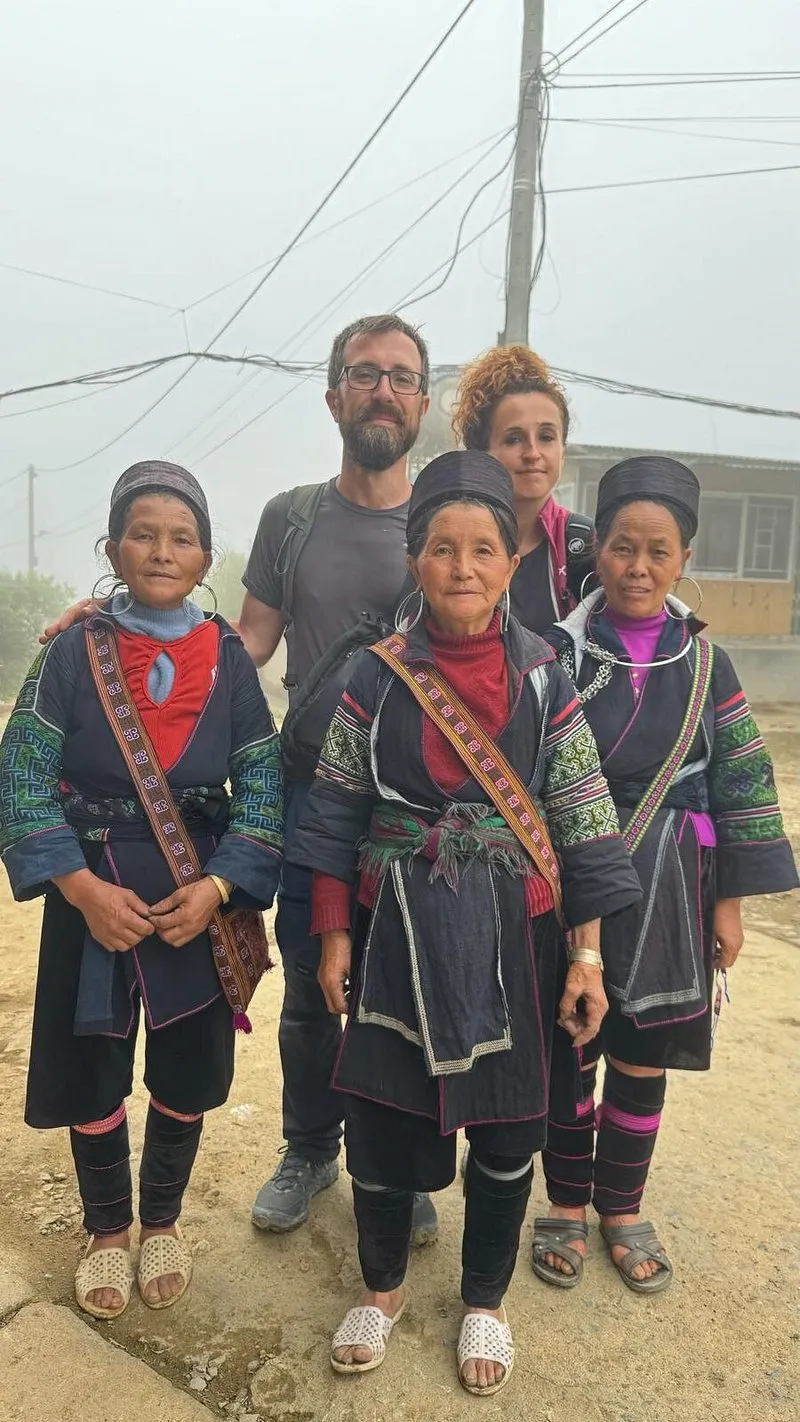 Families & Seniors
Sapa Easy Trekking For Seniors
A gentle valley walk with poles provided — great for parents and kids.
Getting to Vietnam from India
Vietnam is an easy hop from India. Airlines including IndiGo, VietJet and Vietnam Airlines fly direct from Delhi, Mumbai and Kolkata to Hanoi and Ho Chi Minh City, with seasonal links to Da Nang and Phu Quoc; the direct flight runs about four and a half to five and a half hours. With Vietnam only around one and a half hours ahead of India, there is almost no jet lag, so you can land and start your trip the same day.
For the best fares, book two to three months ahead of the popular holiday windows (Diwali, the December break), and consider flying into one city and out of another — for example into Hanoi for the north and out of Ho Chi Minh City after the south — to save backtracking. If Sapa and the northern mountains are on your list, fly into Hanoi, the gateway to the north, and sort your Hanoi–Sapa transfer in advance.
How Much Does a Vietnam Trip from India Cost?
Vietnam is one of the best-value international trips from India, and knowing the rough numbers helps you time it well — prices swing most with the season. Here is a realistic guide per person.
- Return flights: roughly ₹18,000–35,000 depending on city and season — cheapest in the May–September low season, priciest around Diwali and the December break, so book those two to three months ahead.
- E-visa: about ₹2,000–2,200 (a small government fee), applied for online.
- Daily budget: a comfortable mid-range trip runs about ₹4,000–7,000 per day, covering a good hotel, meals, local transport and activities; budget travelers can do it for less, and Vietnam is cheaper on the ground than most Indian metro holidays.
- A 6–7 day trip: all-in, expect roughly ₹60,000–1,10,000 per person including flights, depending on your season and style.
The clear takeaway on cost: if budget matters most, travel in the low season (May to September) for the cheapest flights and hotels; if you are tied to a holiday window like Diwali, lock in flights and hotels early to beat the peak-season jump. Either way, your money stretches a long way once you land.
Vietnam Visa for Indian Travelers
Indian passport holders need a visa for Vietnam, but the process is straightforward. Vietnam issues an official electronic visa (e-visa) that you apply for online before you travel — there is no need to visit an embassy. It is inexpensive, usually processed within a few working days, and is now commonly granted for stays of up to 90 days with single or multiple entry.
A few practical notes: apply only through the official Vietnamese government e-visa portal to avoid overpriced third-party sites; make sure your passport is valid for at least six months beyond your travel dates; and print a copy of your approved e-visa to show on arrival. Processing is quick, but apply at least a week or two before you fly, especially around busy Indian holiday periods.
Best Months by Region for Indian Trips
Because Vietnam has three climates, the best month depends on where you go — useful to know when you are planning around a fixed holiday window.
The North (Hanoi, Sapa, Ha Long Bay)
Best over Diwali and into the winter break (October to December) for clear skies and the golden Sapa harvest, and again in March for mild, green trekking weather. December and January can be genuinely cold and foggy up in Sapa, so pack warm layers if you are heading north over Christmas.
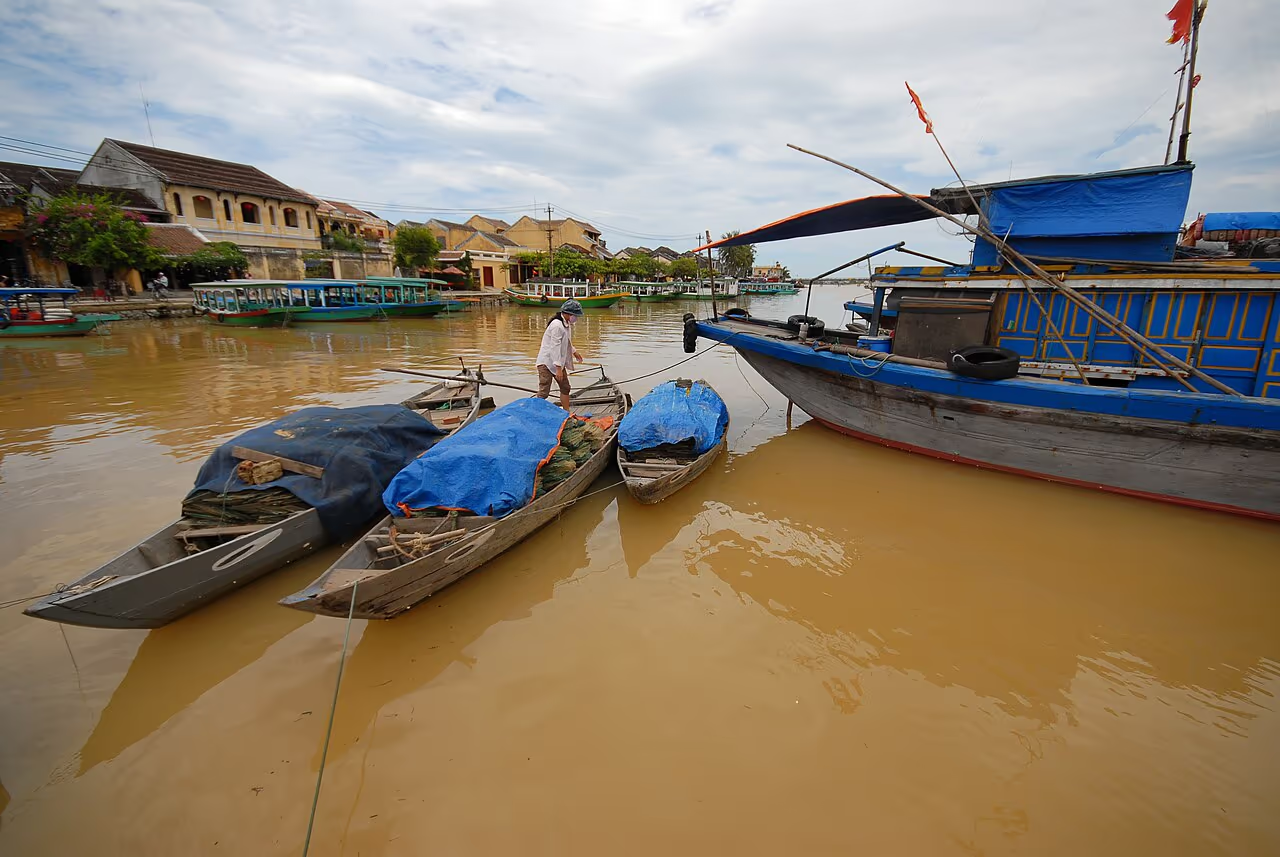
Central Vietnam (Hue, Hoi An, Da Nang)
Best from Republic Day through the summer break (roughly February to August) — dry, sunny beach weather. The window to avoid is Diwali time (October–November), when the central coast is at its wettest with a real flood risk, so save Hoi An and Hue for a drier season.
The South (Ho Chi Minh City, Mekong, Phu Quoc)
Best over the Christmas–New Year break and Republic Day (November to April) — warm, sunny and dry, ideal for the city, the Mekong Delta and the island beaches of Phu Quoc. The May-to-October wet season is still fine, with sunny mornings and short afternoon showers, and it is the cheapest time to go.
If you only have time for one region on a short trip from India, the north is the classic choice — Hanoi, Ha Long Bay and Sapa deliver the biggest variety in the fewest days, and they are all within easy reach of the Hanoi airport that most Indian flights land at. Combine it with the south only if you have ten days or more.
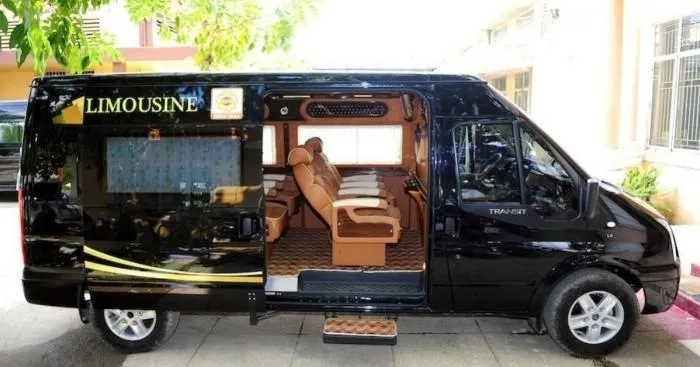
Reach Sapa in Comfort

Practical Tips for Indian Travelers
A few things worth knowing to make your Vietnam trip from India smooth and comfortable.
- Food: Vietnam is very vegetarian-friendly — look for "com chay" (vegetarian) eateries, and Hanoi and Ho Chi Minh City have Indian restaurants too. Tofu, rice, noodles and fresh vegetables are everywhere.
- Money: the currency is the Vietnamese dong (roughly ₹1 to 290 VND). Cards are widely accepted in cities; carry some cash for markets, villages and Sapa.
- Weather vs India: the south feels like a warm Indian winter; the north has a real cool season, and Sapa can be cold — pack a warm layer if you head up in December to February.
- Connectivity: a local SIM or eSIM is cheap and data is fast; buy one at the airport or in town on arrival.
- Getting around: domestic flights, trains and comfortable sleeper buses link the regions; for Sapa, take an enclosed limousine van or sleeper bus from Hanoi.
- Best value: travel outside the Diwali and December peaks for cheaper flights and hotels, or book those windows two to three months ahead.
Best Time for Sapa & the Northern Mountains
If Sapa is on your list — and for many Indian travelers the cool mountains and rice terraces are a highlight after the tropical lowlands — the best time is the Diwali-to-winter window and again in spring. Late September to November brings the golden harvest and the clearest skies; March to May is mild and green, with the terraces flooded into mirrors in May. Deep winter (December to February) can be cold and foggy up high, so bring warm layers if you visit then.
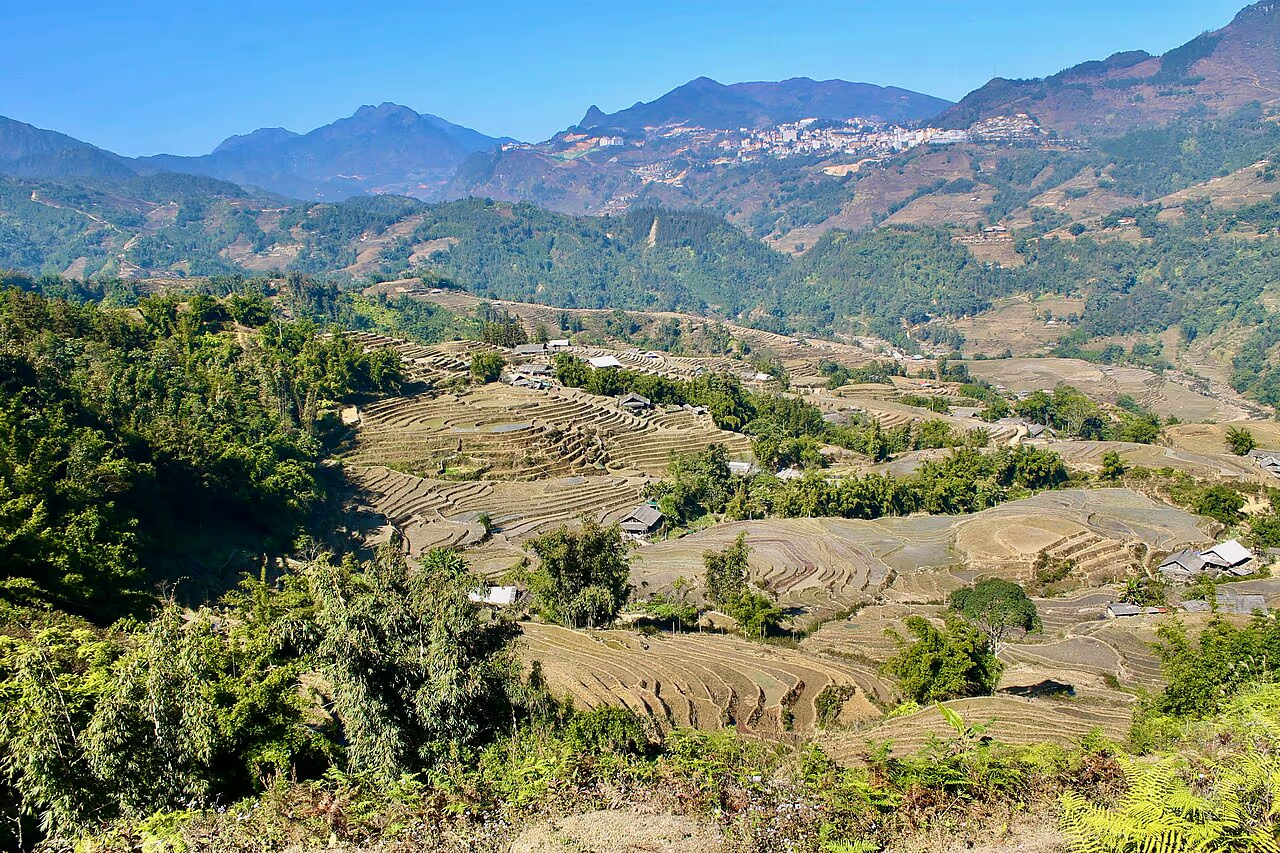
We guide in Sapa year-round and welcome a lot of Indian guests, so whatever your holiday dates, we can shape a trek to suit the season and your group — a gentle valley walk for families and parents, or a longer village-homestay route for keen walkers. Whatever the weather, warm and waterproof layers help, and you can rent boots and poles at our office rather than carrying them from home.
Rent Boots & Poles in Sapa — Pack Light
 Gear Rental
Trekking Boots Rental
Waterproof ankle-support boots — no need to fly with heavy gear. At 105 Thach Son Street.
 Gear Rental
Walking Poles Rental
Trekking poles at $2/day — steadying on the terraces. At 105 Thach Son Street.