 Sinh Giang
There's far more to do in Sapa than most visitors realise. Yes, the rice terraces and trekking are the headline — and rightly so — but this corner of northern Vietnam also has a record-breaking cable car, dazzling hill-tribe markets, herbal bathhouses, waterfalls, cooking classes and a cool mountain town to wander. Whether you're a hardcore hiker or someone who'd rather take the easy route to the view, there's a Sapa day with your name on it.
A little orientation helps before you plan. Sapa town sits at around 1,600 metres, cool and often misty, and most of the highlights radiate out from it: the Muong Hoa Valley and its trekking villages spread south and east, Fansipan rises to the west, and the big markets are an hour or two further out. You do not need to plan every hour — pick a trek as your centrepiece, add a market or Fansipan if the timing works, and leave room to simply wander. The list below is roughly how we would prioritise a first visit.
We're a local trekking company based right here in Sapa, and we spend our lives showing travelers around these mountains. So instead of a generic list, this is our honest rundown of the things genuinely worth your time — what they involve, who they suit, and how to fit them together — plus what it all costs and how to plan a perfect day or two.
One quick framing before we start: the magic of Sapa is mostly outside the town, down in the valleys and villages one ridge away. The town itself is a comfortable base with good food and a pretty lake, but don't let it be all you see. The best things to do here get you out among the terraces and the people who farm them.
How long should you give it? More than you think. Most travelers arrive planning one night and leave wishing they'd booked three — between trekking, a market, Fansipan and a herbal bath, there's comfortably two or three days of genuinely good things to do here. We've grouped the list below from the unmissable (the trekking and the villages) down to the easy add-ons, so you can build the trip that fits your time and energy.
The Best Things to Do in Sapa
Here are the experiences we'd actually recommend, from the unmissable to the lovely add-ons — roughly in the order we'd prioritise them.
1. Trek the rice terraces of the Muong Hoa Valley
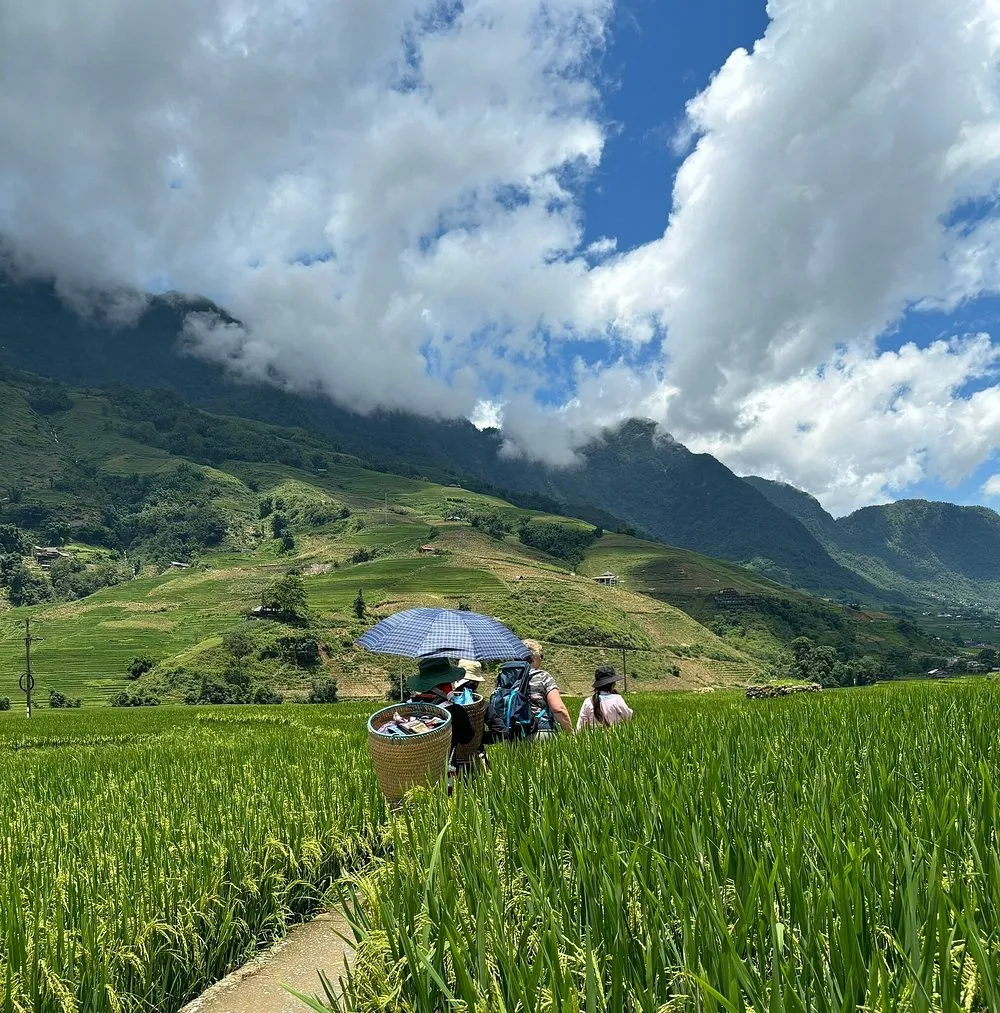
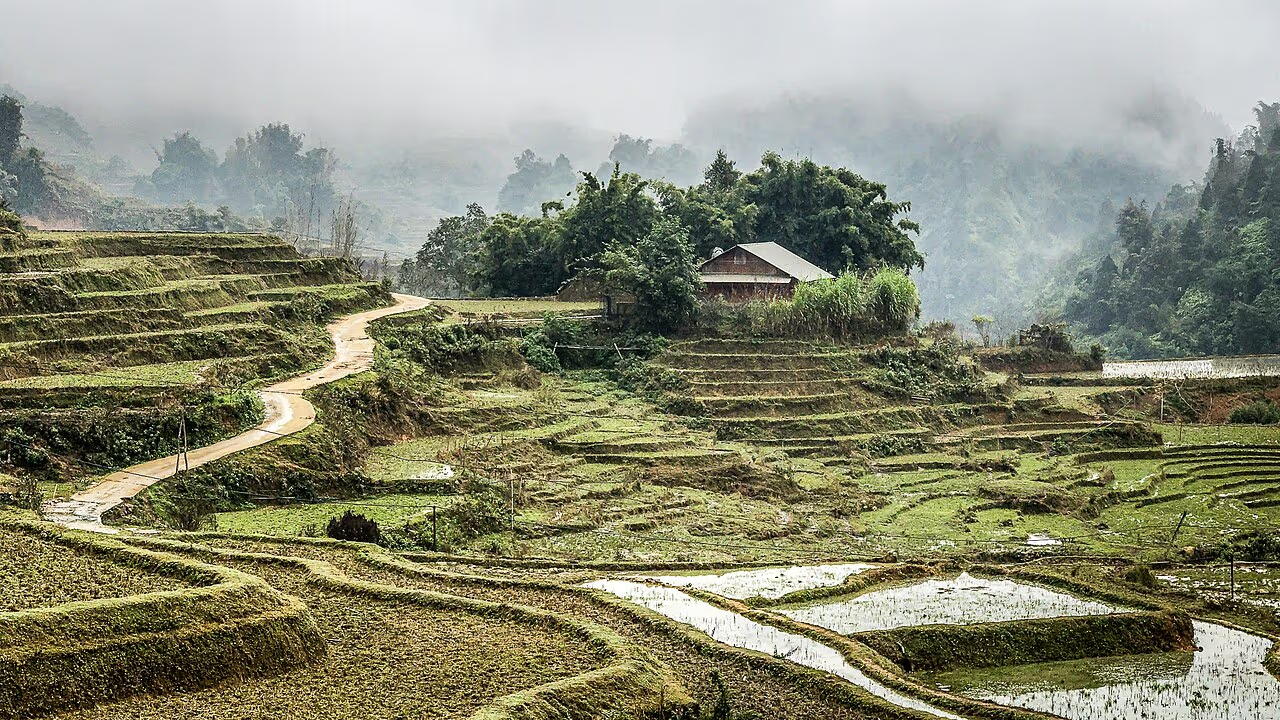
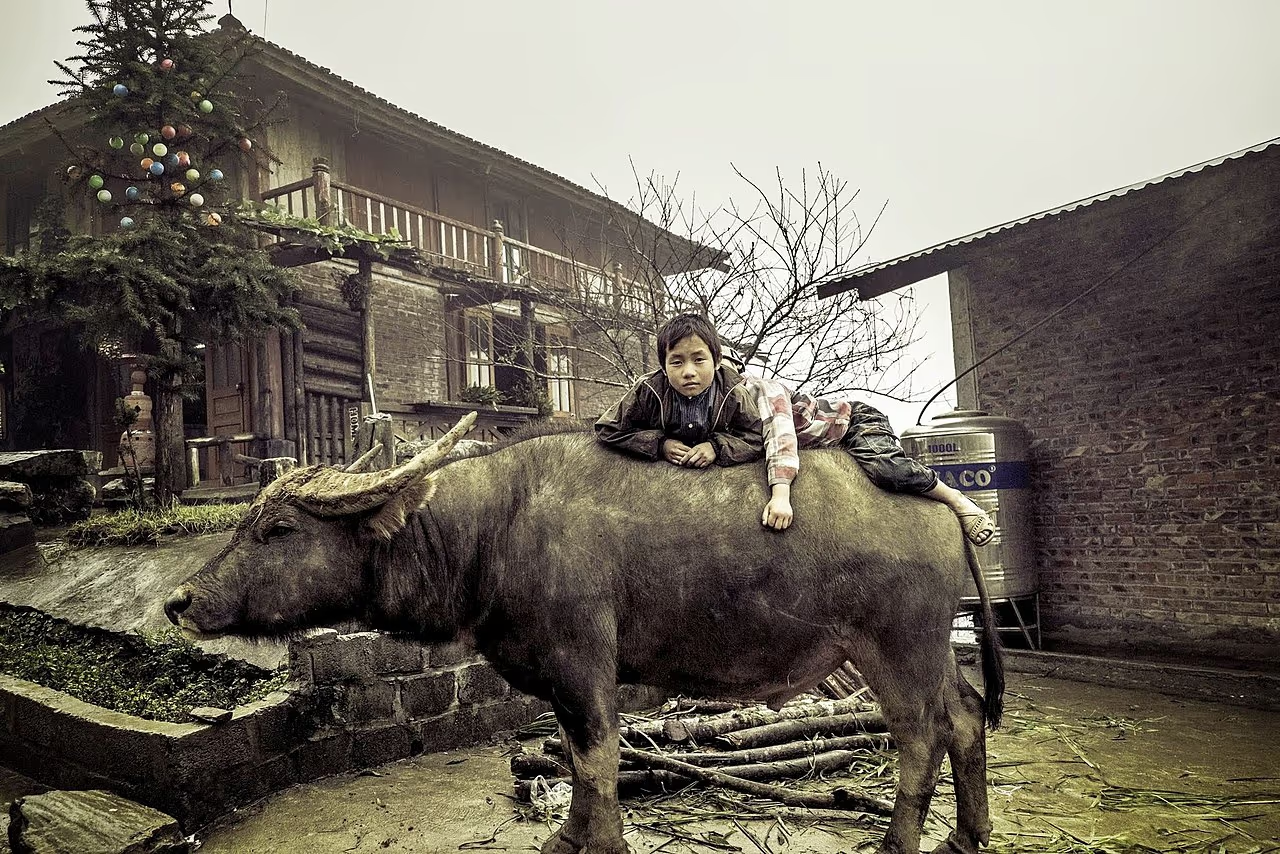
This is the single best thing to do in Sapa, full stop. A guided trek leads you off the road and down into the Muong Hoa Valley, along trails that thread between the terraces — flooded and mirror-bright in early summer, electric green in August, golden at the September harvest. You pass water buffalo and farmers at work, walk through Black H'mong and Giay villages, and stop for a home-cooked lunch in a family's home. It's not a viewpoint you photograph from a bus; it's a landscape you walk through, and it's why people remember Sapa above everywhere else in Vietnam. Routes range from a gentle half-day to a two-day trek with a homestay.
What makes it special is the access, not just the scenery. On a guided trek you're walking working farmland with someone who grew up on it — your H'mong or Dao guide reads the landscape for you, points out the indigo and the cardamom, stops to chat with neighbours, and opens the door to a family kitchen at lunchtime. That's the difference between photographing Sapa and actually being in it, and it's why the trek tops every list we make.
Trek the Valley with a Local Guide
 1 Day Trek
Trekking Through Rice Terraced Fields
Muong Hoa Valley with a local guide and a family lunch — the classic Sapa day.
 2D1N Homestay
Rice Terraced Fields & Homestay
Two days on the trail and a night in a valley homestay — the full experience.
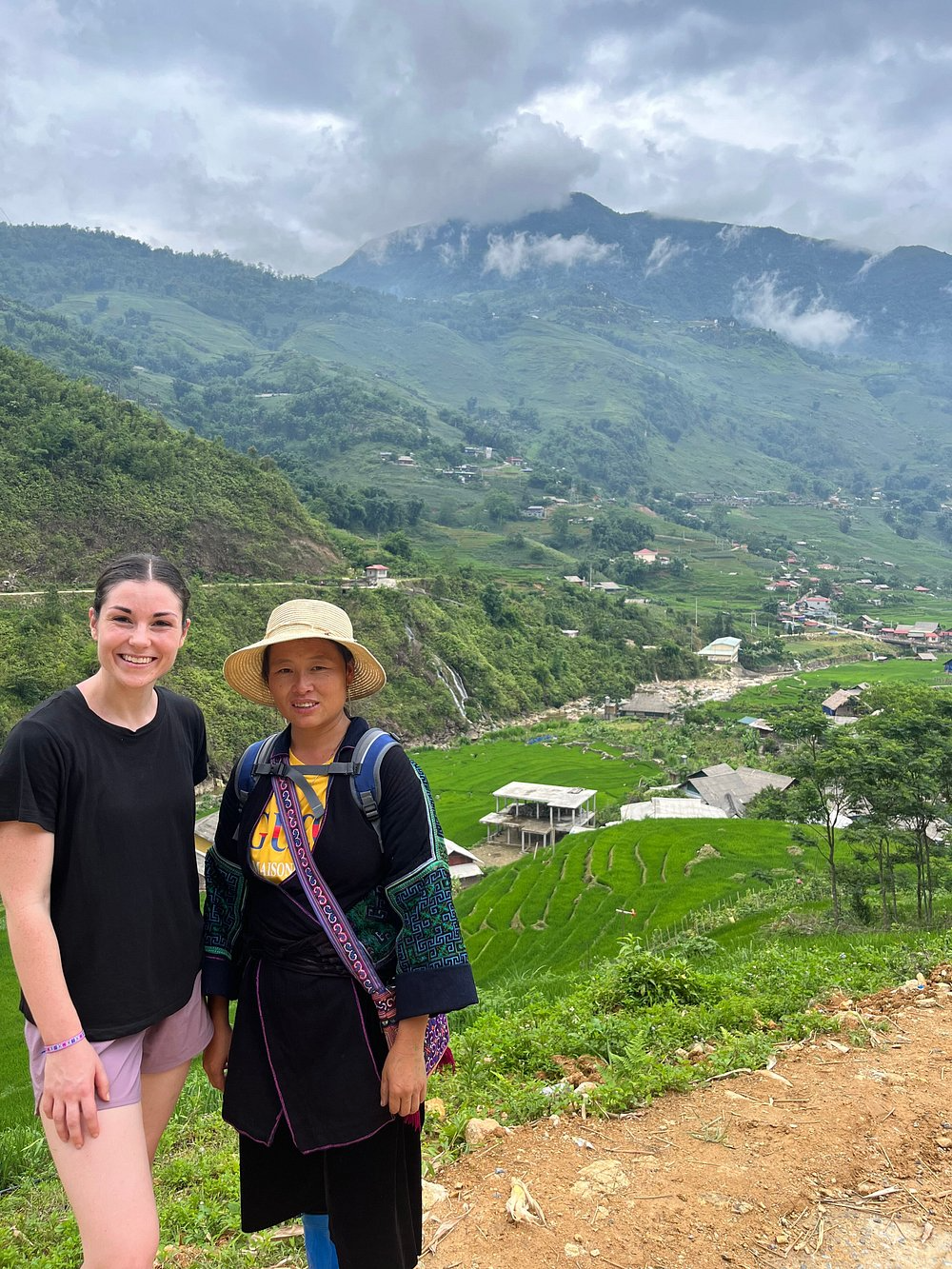
 Families & Seniors
Sapa Easy Trekking For Seniors
Gentle, flat paths where poles can be rented at our office — perfect for 60+ travelers and families.
2. Meet the hill tribes in the villages
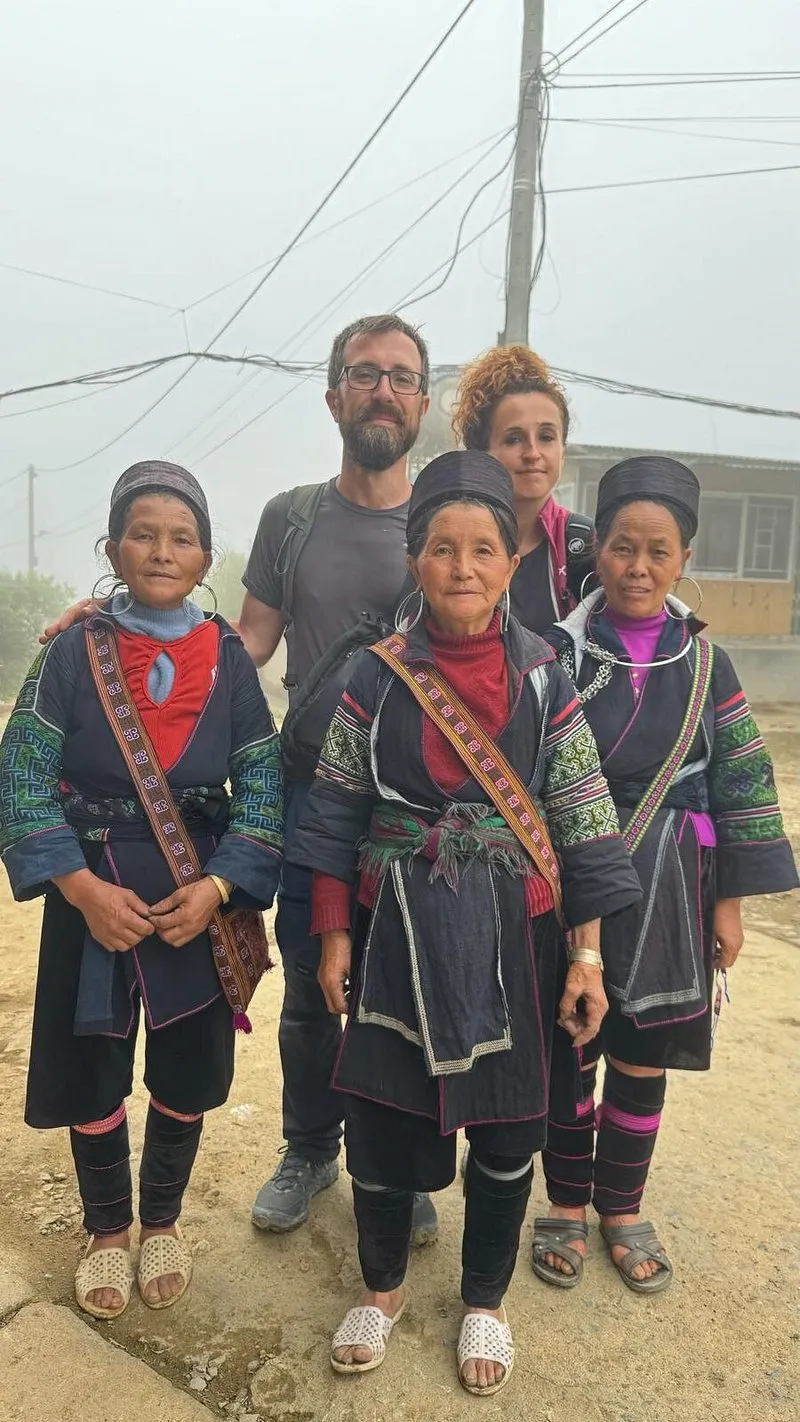
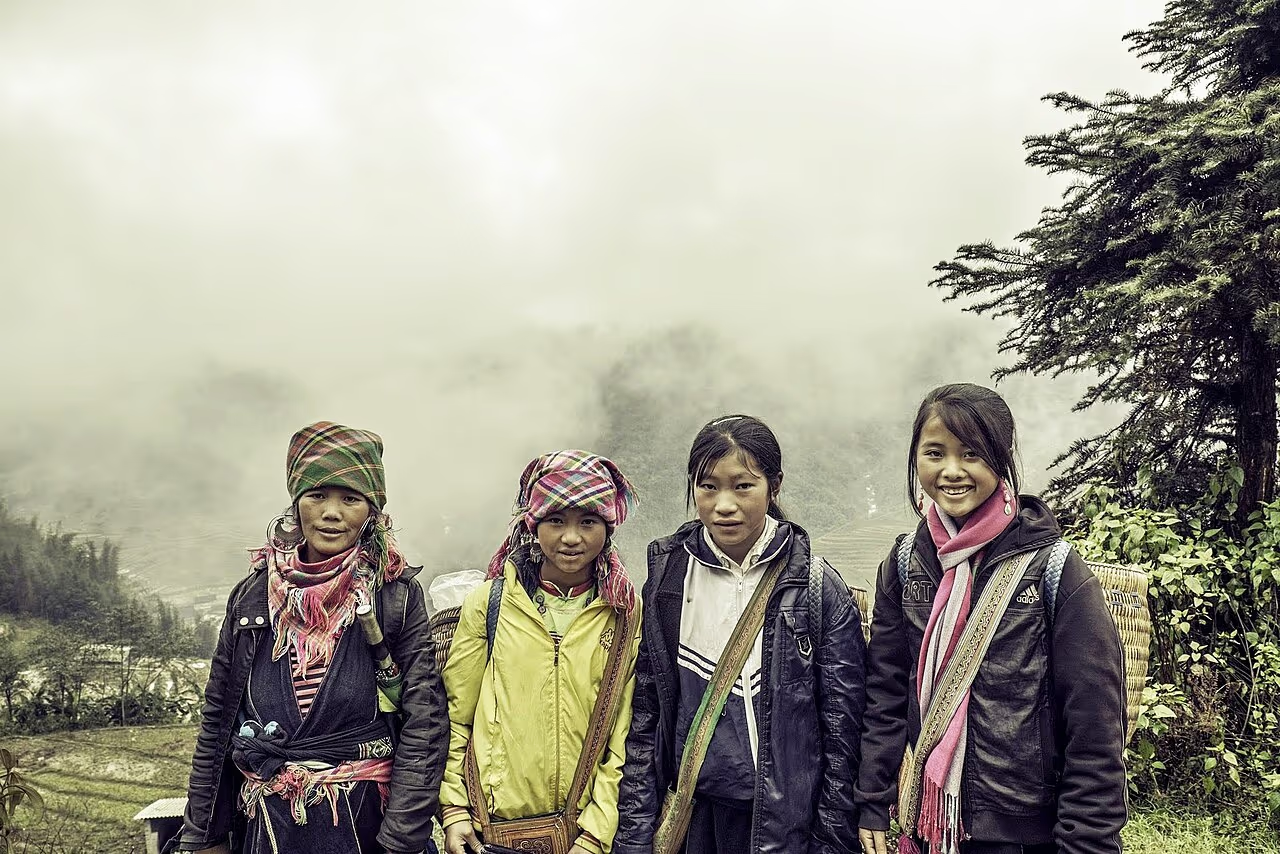
Sapa's valleys are home to several ethnic-minority communities — the Black H'mong, Red Dao, Giay and Tay — each with their own dress, language and customs, often living in villages a short walk apart. Visiting Lao Chai and Ta Van along the Muong Hoa Valley, or the quieter Ta Phin (heartland of the Red Dao), is a highlight in itself. Go with a local guide rather than wandering in alone: it's the difference between looking at a village and being genuinely welcomed into one, shoulder to shoulder with someone who grew up there.
If you only have time for one cultural stop, make it a village reached on foot rather than by road — the walking villages of the Muong Hoa Valley feel lived-in and real, while the most roadside-accessible ones can feel a little staged. Ta Phin, a short drive out, is the place to go for the Red Dao and their famous herbal medicine; the Muong Hoa villages of Lao Chai and Ta Van are the classic Black H'mong and Giay stops on a trek.
3. Ride the cable car (or climb) up Fansipan
At 3,143 metres, Fansipan is the highest mountain in Indochina — "the Roof of Indochina" — and you don't have to be a mountaineer to stand on top. The record-breaking cable car whisks you from the edge of town to the summit ridge in about fifteen spectacular minutes, gliding over the valley; from the top station a short funicular or 600 steps reach the summit marker, the giant Buddha and (on a clear day) a sea of clouds. Fit, experienced trekkers can still climb it over one to two days. Go early before the cloud closes in.
Whichever way you go up, treat Fansipan as a half-day add-on rather than the main event. The cable car is genuinely spectacular and suits everyone from toddlers to grandparents, but the summit is in cloud more often than not, so check the forecast and don't build your whole trip around it. If you're a fit, experienced hiker who wants the real challenge, the one-to-two-day trek to the top with a guide is the bigger adventure — just know what you're signing up for.
4. Browse a hill-tribe market
The markets are a riot of colour and the social heartbeat of the highlands. The famous one is the Bac Ha Sunday market, a couple of hours away, where Flower H'mong families in dazzling embroidered dress trade everything from buffalo to brocade. Closer in, the Sapa and Ta Phin markets and the Saturday Can Cau market each have their own rhythm. Go early, buy a little, eat something, and always ask before photographing people.
The catch with the famous markets is timing: Bac Ha runs on Sundays only and Can Cau on Saturdays, so they take planning to hit. If your dates don't line up, the daily activity in Sapa's own market and in Ta Phin still gives you a taste of the trading culture, and many treks pass village stalls along the way. Markets are working events, not shows — the best approach is to wander, buy a snack, and let the morning unfold.
5. Walk to Cat Cat village & its waterfall
The closest village to town, Cat Cat is an easy, paved 30-minute downhill walk to a pretty waterfall and old hydro-station, with H'mong houses, craft demonstrations and photo spots along the way. It's touristy and there's a small entrance fee, but it's a lovely, gentle outing if you have limited time or energy, or are travelling with small children — just don't mistake it for the real, quiet valley you'll find on a proper trek.
That said, Cat Cat earns its place for travelers who are short on time, energy or mobility, or who have young children — it packs a waterfall, traditional houses and craft demonstrations into an easy, well-made loop close to town. Go early in the morning to beat the day-tripper crowds, and you'll enjoy it far more.
6. Soak in a Red Dao herbal bath
After a day on the trails, nothing beats a traditional Red Dao herbal bath — a steaming wooden tub of medicinal mountain herbs, a remedy the Red Dao have used for generations to ease tired muscles and warm the body. You'll find them in Ta Phin village and at spas in town. It's cheap, deeply relaxing, and one of the most distinctive things you can do in Sapa.
For the most authentic version, have your bath in Ta Phin with a Red Dao family rather than at a generic town spa — the herbs are gathered locally, the setting is the real thing, and the money goes straight to the community. It's the perfect reward at the end of a trekking day, and a lovely thing to do on a cold or rainy afternoon when the trails are off the menu.
7. Chase the waterfalls & the Tram Ton Pass
North-west of town, a cluster of sights lines the road up to the Tram Ton Pass — Vietnam's highest mountain pass. The Silver Waterfall (Thac Bac) tumbles dramatically beside the road, the nearby Love Waterfall (Thac Tinh Yeu) rewards a short forest walk, and the pass itself offers huge views (and the trailhead for Fansipan). It's an easy half-day by car or motorbike and a good rainy-season option when the high trails are slippery.
It's also one of the few sights here you can comfortably reach without a guide or a hike, so it's handy for an independent half-day. Combine the two waterfalls with the drive up to the Tram Ton Pass and you have a scenic morning out by car or motorbike, with big views and far fewer people than the valley trails.
8. Cycle or motorbike the Muong Hoa Valley
If you'd rather roll than walk, the road through the Muong Hoa Valley is one of the prettiest drives in the north. Rent a bicycle or motorbike (or hire an easy rider to drive) and wind past terraces, villages and the ancient carved rock field, stopping wherever the view grabs you. It covers more ground than trekking and is a great way to see the valley if your legs need a day off.
9. Stay in a village homestay
The most memorable beds in Sapa aren't in town — they're in the valleys. A village homestay means a simple, comfortable place in a family's stilt house, a home-cooked dinner around the fire, stories with your hosts, and a morning waking to mist over the rice. Built into our overnight treks, it's the single best way to experience the real Sapa, and the part guests tell us they remember most.
If you can only add one thing to your trek, make it the homestay night. It is inexpensive, it is where the friendships happen, and it is the single upgrade that travelers most often tell us turned their Sapa visit into the highlight of their whole Vietnam trip.
Homestays in Sapa range from simple family rooms on a trek to a handful of stylish boutique lodges perched above the valley, but the magic ingredient is the same: a night out among the terraces rather than back in the busy town. Even one night transforms a Sapa trip — you get the quiet evening, the home cooking, the dawn mist, and a connection with your hosts that a hotel can never match. It's built into all our overnight treks.
10. Explore Sapa town — lake, church & night market
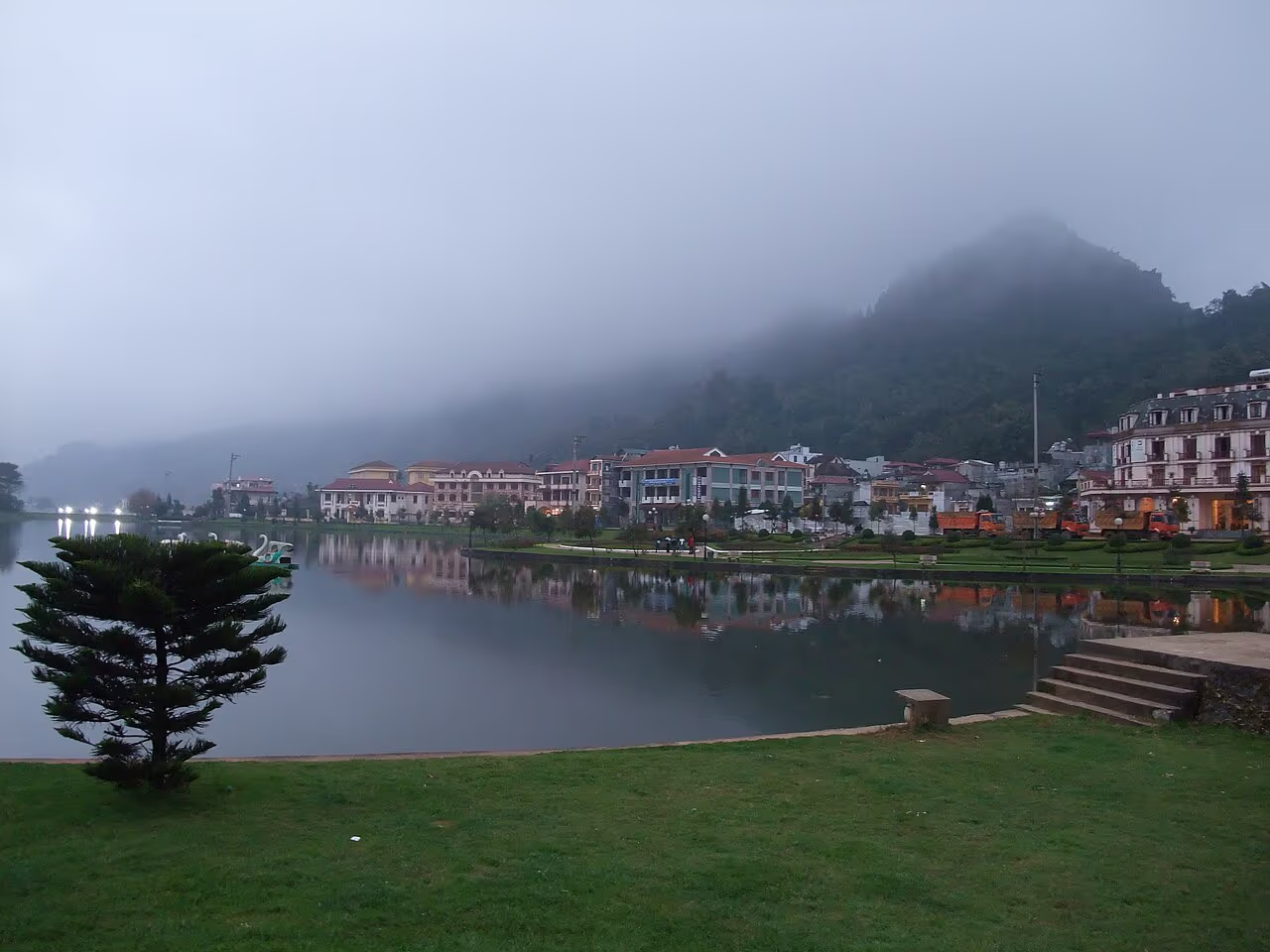
Back in town, the cool air and the buzz are worth an evening. Stroll the lake, see the century-old stone church, climb Ham Rong Mountain's flower gardens for a town view, and graze the night market's grills — skewers, eggs, sweet corn and the local "cap nach" pork. It's the easy, no-effort side of Sapa, perfect for your arrival evening or a rest day between treks.
For food specifically, Sapa punches above its weight: cosy hotpot restaurants doing local salmon and sturgeon, H'mong-run eateries, grilled "cap nach" pork, sweet-corn wine for the brave, and cafes with valley views and good Vietnamese coffee. After a day on the trails, a hotpot by a warm stove or a bowl of pho and a strong ca phe sua da is exactly the reward you want — eating well is quietly one of the best things to do here.
What Things Cost in Sapa
Sapa is excellent value — a world-class experience for the price of an ordinary day out at home. Here's roughly what the main activities cost per person, so you can plan a budget.
Prices vary by season, group size and operator, but the takeaway holds: you can have an unforgettable couple of days in Sapa — guided trek, a night in a village, a herbal bath and good food — for around the cost of a single nice dinner back home.
A couple of money notes: most activities are cash-friendly and inexpensive, but bring enough Vietnamese dong for the trail, as card payment is rare in the villages and at market stalls. Tipping is not obligatory but a small tip for a guide who has made your day is always appreciated, and buying a handicraft directly from the women who walk with you is a kind, fair exchange. None of it costs much — Sapa is one of the best-value mountain destinations anywhere.
A Perfect Day in Sapa
Short on time? Here's how we'd spend one perfect day — a trek in the morning, culture and rest in the afternoon, good food at night.
Breakfast & pickup
Coffee in town, then meet your guide and drive to the trailhead
Trek the terraces
Walk down into the Muong Hoa Valley through Lao Chai and Ta Van
Family lunch
A home-cooked meal in a village family's kitchen
Red Dao herbal bath
Back in town, soak away the trail in a medicinal herb bath
Lake & market stroll
Wander the lake and the old stone church at golden hour
Mountain dinner
Sapa salmon hotpot, or grills at the night market
With a second day, add a Fansipan cable-car morning or push deeper into the valley on an overnight trek with a homestay — that village night is what turns a good Sapa trip into a great one.
Which Sapa Experience Suits You?
Not sure where to start? Find the traveler that sounds most like you.
Most people are a mix, of course, and the beauty of Sapa is how easily you can combine these. A common, well-balanced plan is a day trek with a homestay (active + culture), a Fansipan cable-car morning (relaxed + iconic), and a herbal bath and town evening to wind down — something for every mood in two or three days. Tell us roughly what you are after and we will shape the days around it.
One honest word for first-timers worried about fitness: do not be put off by the word "trekking". The valley routes can be as gentle or as demanding as you like, and our easy options are flat, short and suitable for almost anyone, and poles can be rented at our office. Far more people can enjoy a Sapa trek than assume they can — and for those who genuinely cannot walk far, the cable car and the easy town and Cat Cat outings still deliver the scenery.
The Active Explorer
Families & Seniors
The Culture Seeker
The Relaxed Traveler
"We thought Sapa was just trekking, so we'd only booked one night — huge mistake. Between the valley trek, the Bac Ha market, a Red Dao herbal bath and the best hotpot of our trip, we could have stayed a week. Don't rush it."
— Marco & Lena R., Munich, Germany (October 2025)
Getting to Sapa
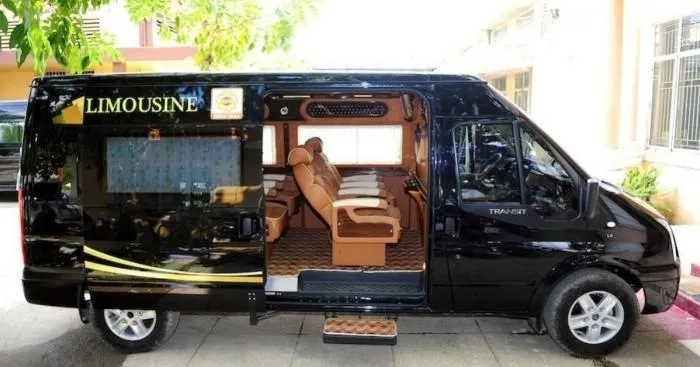
Sapa is about 320 km (5–6 hours) north-west of Hanoi, and there's no airport — you travel overland. The most popular options are a comfortable daytime limousine van or an overnight sleeper bus (which saves a hotel night and a day of travel). Sort the Hanoi–Sapa leg first and you can be out among the terraces the next morning.
A tip worth knowing: taking an overnight sleeper bus or the night train in at least one direction means the long journey costs you no daylight — you sleep through it and wake with a full day for activities. Pair that with a comfortable daytime van for the other leg and you lose almost no time to travel on a short trip. Whatever you pick, share your arrival time when you book and we will have your guide ready so day one is not wasted settling in.
Once you are here, getting around is easy and cheap: the town is small and walkable, trek transport is included with your tour, and taxis, the Grab app and rented motorbikes cover everything else. You will not need your own vehicle if you are trekking with us — pickup and drop-off are part of every tour, so you can leave the logistics to your guide and focus on actually enjoying Sapa.
Get to Sapa in Comfort

What to Pack
Sapa is cool to cold and the weather turns fast, so pack a warm layer and a rain jacket even in summer, plus sun protection and a small daypack with water. For any trekking, the one thing that really matters is footwear — the valley trails turn to slick clay after rain. You don't need to fly with boots, though: rent waterproof boots and poles at our office in town the day before you head out.
Boots & Poles, Rented in Town
 Gear Rental
Trekking Boots Rental
Waterproof ankle-support boots, cleaned and checked before each rental. At 105 Thach Son Street.
 Gear Rental
Walking Poles Rental
Trekking poles at $2/day from our office at 105 Thach Son Street. Essential for the descents.
Tips for Your Visit
- Give it at least two days. Sapa has far more to do than one day allows — a trek, a market, Fansipan and a herbal bath easily fill 2–3 days.
- Get out of town. The best things are in the valleys, not the (now busy) town. Spend your time trekking and in the villages.
- Trek with a local guide. The quiet trails are unmarked and the village welcome comes through relationships — it's the heart of the experience.
- Time markets right. Bac Ha is Sundays only; Can Cau Saturdays. Plan your dates around them if a market matters to you.
- Pack a layer and a poncho. Sapa is cool year-round and the weather changes by the hour.
- Rainy day? No problem. The cable car, herbal baths, cooking classes, Cat Cat and the waterfalls all work when the high trails are too wet.