 Sinh Giang
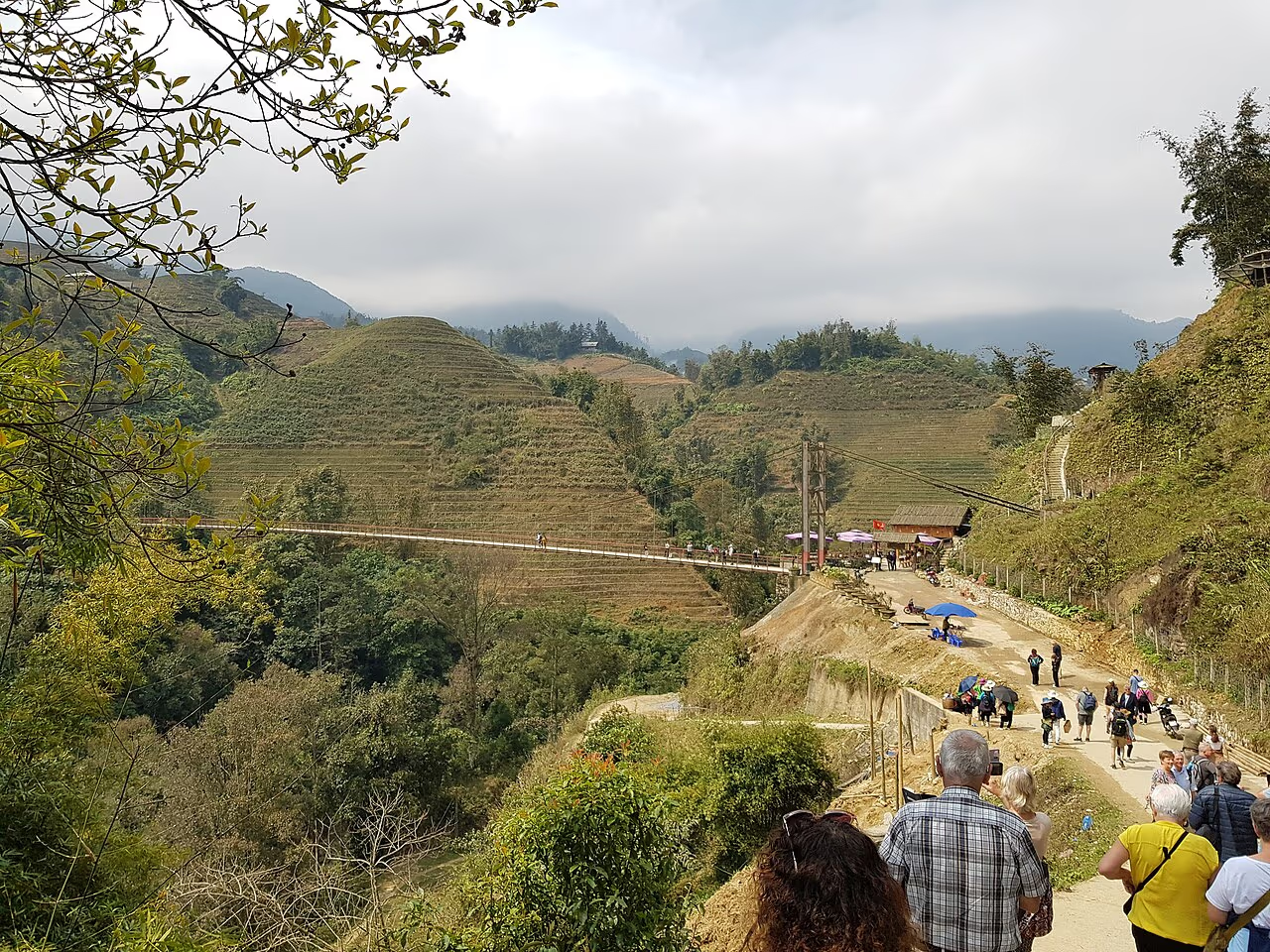
Sapa trekking for beginners is not only possible — for the classic valley routes it is genuinely easy to arrange and well within reach of almost anyone who can walk comfortably for a few hours. You do not need to be sporty, own hiking gear, or have ever set foot on a trail before. The trips most first-timers come for are long, unhurried walks through the Muong Hoa Valley on earth paths that rise and fall between villages — not a climb, not a scramble, and nothing that asks for skill or nerve. If you can manage a busy day of sightseeing on foot at home, you can manage a gentle Sapa trek here.
I am Sinh Giang, and from our office at 105 Thach Son Street I match nervous first-timers to the right trek every single day. This guide is written for exactly that traveller: the one who wants to see the rice terraces but quietly wonders whether they are fit enough, brave enough, or "outdoorsy" enough to do it. The short answer is almost always yes — and below I will show you what a first trek really feels like hour by hour, who each route suits, and the small handful of things that make it easy.
Can a Total Beginner Really Do It?
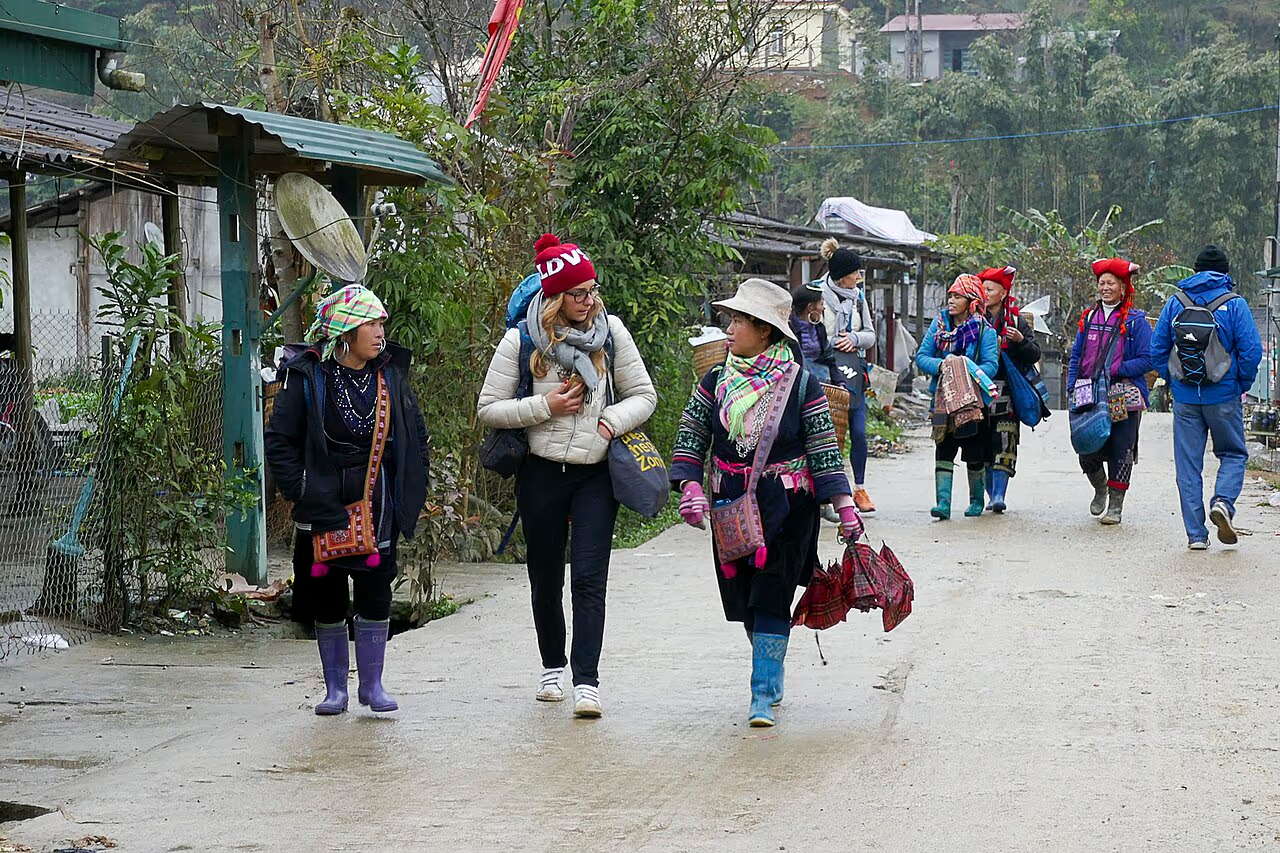
Yes — a complete beginner can make a Sapa valley trek their first trek ever, and thousands do exactly that. The classic day routes through Lao Chai and Ta Van are moderate walks, not endurance events, and everything about the way we run them is built around people who have never trekked. Your Black H'mong guide grew up walking these trails, sets a pace that suits the slowest person in the group, and reads the ground ahead so you are never guessing where to put your feet. What tires beginners is rarely the effort — it is the uneven, sometimes muddy footing, and that is solved with grippy shoes and a pair of poles rather than months of training.
The travellers I take out span an enormous range. In a single week we have guided a twelve-year-old on a family holiday, a couple in their early seventies who had never hiked, an office worker who admitted she had not walked more than twenty minutes in years, and a solo backpacker fresh off the night train who simply wanted the terraces. All of them finished a valley trek happily. The one thing they had in common was not fitness — it was choosing a route that matched them and being honest with us about it. If you want the full breakdown of how demanding each route is, our companion guide on whether Sapa trekking is hard rates every trek on distance, climbing and terrain; this article stays focused on the beginner's real question, which is less "how hard is it?" and more "will I be okay?"
You will be. If you are still deciding whether to come to Sapa at all rather than how to trek it, our honest take on whether Sapa is worth visiting answers that side of the question first — this guide assumes you are coming and simply want the trekking to feel easy. The rest comes down to expectations, and beginners almost always arrive carrying a few that are simply wrong. Here are the beliefs I spend most of my time gently correcting.
What Your First Sapa Trek Actually Feels Like, Hour by Hour
A first Sapa trek feels far more like a long, social country walk than a workout — a relaxed rhythm of walking, stopping, eating and looking, spread across a whole day rather than crammed into one hard push. The single best way to lose the fear of the unknown is to see the day laid out in advance, so here is how a typical one-day valley trek unfolds from the moment we meet, minute by minute, so you know exactly what your body is in for before you ever book.
Meet and gear up
We pick you up at your hotel anywhere in Sapa Town, or you meet us at 105 Thach Son Street. Rent boots and poles if you need them, have a quick chat about the weather and the plan, then a short drive to the trailhead. Nothing strenuous — you are easing in and getting comfortable with your guide.
First steps, mostly downhill
You set off from the ridge above Y Linh Ho on a gentle descent into the valley. Your guide shows you how to plant your poles on the way down — this is the moment most beginners realise the poles do half the work and their nerves settle.
Down onto the valley floor
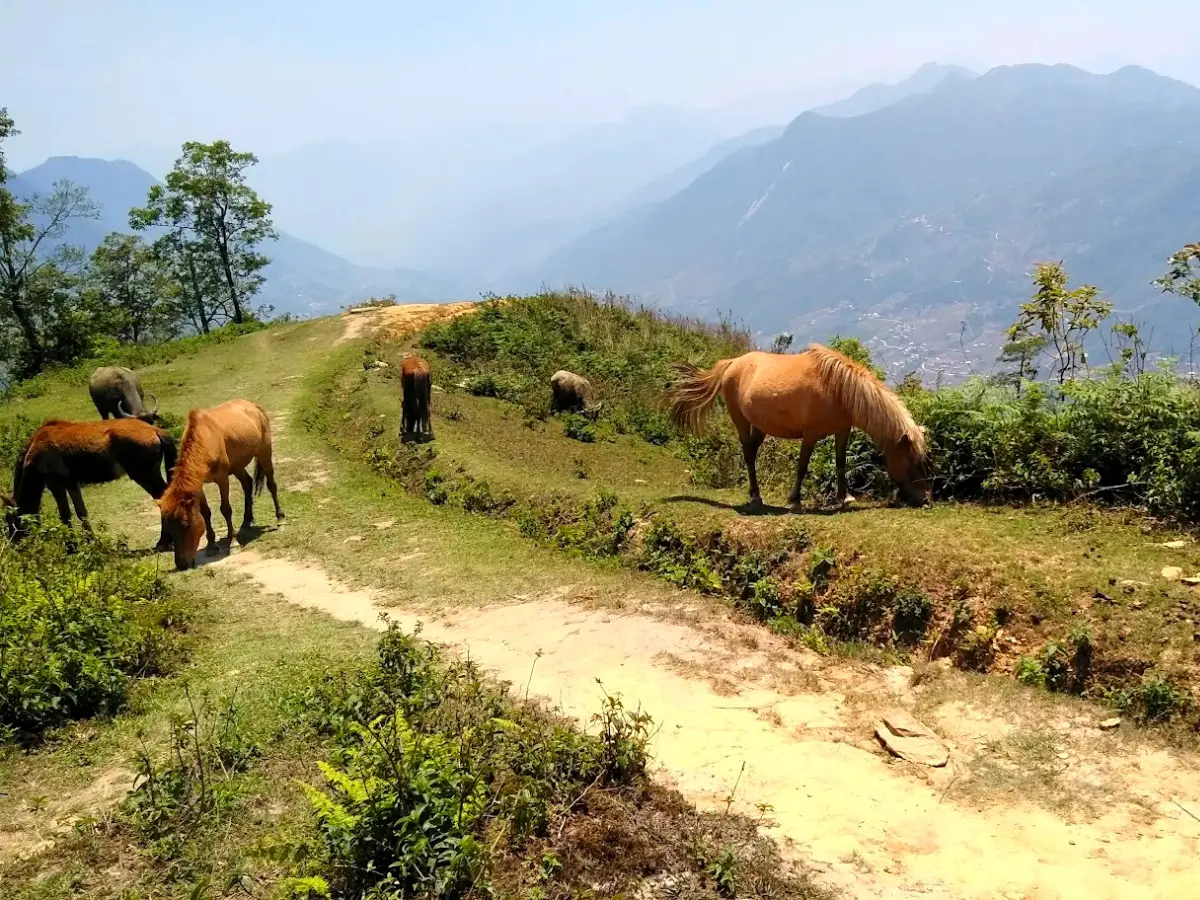
The path flattens out beside the terraces. Buffalo in the fields, little streams to hop, and the first proper photo stops. This is the easy, level walking that fills most of the day, and where you first think "oh — I can absolutely do this."
Through the villages
You walk into Lao Chai and meet Black H'mong and Red Dao families going about their day. The walking all but stops while you look around, buy a scarf or watch someone weave — a rest disguised as sightseeing.
A long lunch with a local family
A hot, home-cooked meal in a village house in Ta Van, and a full hour off your feet. This is the real halfway reset — you leave the table with fresh legs for the gentler afternoon ahead.
An easy afternoon
Shorter, gentler walking with the terraces at their best light. Nobody is in a hurry, the hardest part of the day is behind you, and the pace stays comfortable right to the end.
Last stretch and pickup
A short final section brings you to the road, where the car is waiting to drive you back to Sapa. Boots off and feet up by mid-afternoon, with plenty of the day still left for a hot shower and dinner.
Add it all up and you have walked perhaps 8 to 14 km / 5 to 9 miles — but almost never more than an hour at a stretch before something stops you: a view, a village, a buffalo blocking the path, lunch. That is exactly why beginners who brace for an ordeal are so often surprised. There is no single hard hour to survive and no point where the group races ahead; the effort is spread thin and softened by rest. You finish tired in the good way, back in town with the whole afternoon to spare. And if your legs are genuinely new to this, the private-tour version simply stretches the same shape of day over more breaks and an even slower pace — same villages, same lunch, less push.
The Best Day Treks to Start With
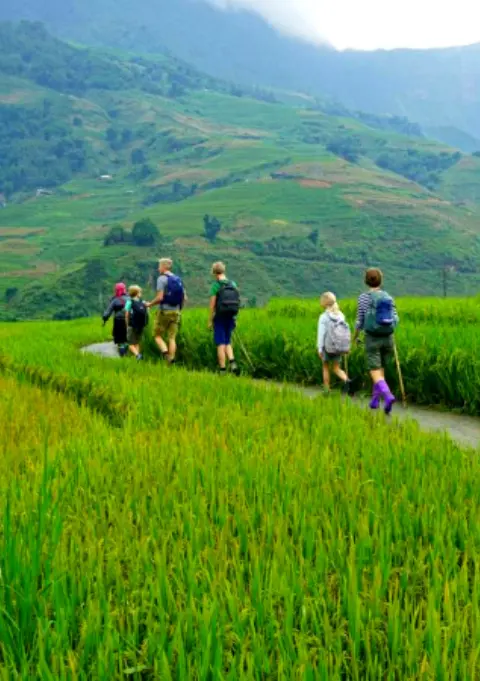 Easiest Start
Sapa Easy Trekking For Seniors
Flatter, firmer paths and an unhurried pace — built for older travellers and total beginners.
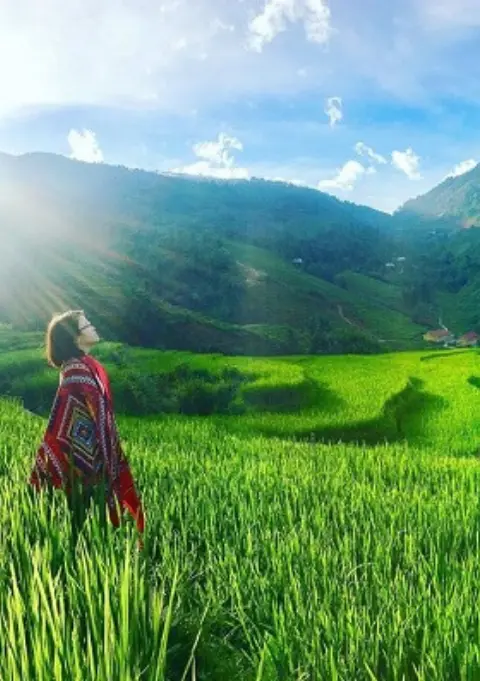
Rice Paddies and Cultures – Easy Hiking
Flat valley walking through working paddies with stops at Red Dao homes — culture without the climb.
 Best Seller
Trekking Through Rice Terraced Fields
The classic first valley day through Lao Chai and Ta Van — our most-booked trek for good reason.
Is Sapa Trekking Right for You? Six Kinds of First-Timer
Most people asking whether they can trek Sapa fall into one of a handful of types, so rather than a generic yes, here is the honest verdict for each — including who should lean toward a gentler route or a private tour rather than the standard group day. Find the one that sounds most like you.
"I'm not sporty at all."
Everyday fitness is enough for a valley trek. Pick an easy route, keep the pace slow, and use poles on the descents. Being "unsporty" has never once stopped anyone I have guided from finishing a gentle day.
"We're travelling with kids."
Children from about eight cope well on the valley routes — they often outlast the adults. A private tour is ideal so you can shorten the day and stop for snacks whenever little legs need it.
"I'm 60+ and worried about my knees."
Our Sapa Easy Trekking For Seniors route, walking poles to rent and a private pace are made for exactly this. Descents are the thing to manage, not distance — tell us and we plan the gentlest line.
"I've never trekked but I'm fairly fit."
You will love it. The classic rice-terrace day suits you perfectly and you will finish with energy to spare. This is the sweet spot for a first Sapa trek — enough to feel earned, never a struggle.
"I'm solo and a bit nervous."
Join a small group trek and you will meet other travellers within the first hour; your guide looks after you the whole way. Groups cap at twelve, so it never feels crowded or rushed.
"I want the views, not the mud or effort."
Come in the dry season, choose a gentle route, and go private so you can turn back whenever you like. We can keep you to the firmer, flatter stretches and still reach the best terrace views.
The Fears That Stop Beginners — and Why They Melt Away
Almost every first-timer arrives with the same handful of worries, and after years of guiding beginners I can tell you the fear is nearly always bigger than the reality. Here are the four I hear most, and the honest reason each one fades within the first hour on the trail.
"I'll be the slowest and hold everyone up." You won't — and even if you are the slowest, it does not matter. Groups cap at twelve, your guide sets a relaxed pace with frequent stops, and there is no timetable to beat. If keeping up genuinely worries you, a private tour removes the question entirely: the pace is simply yours. "I'll slip and fall." The one real skill in Sapa is walking downhill on ground that can be muddy, and it is exactly what poles and grippy boots are for. Your guide picks the dry line, offers a hand on the awkward steps, and slows the whole group on the slick stretches. A muddy bootprint is the usual worst case.
"I can't cope with the heat." Summer days are warm and humid and they tire people faster than the walking itself, so we build in shade stops, refill your water at village houses, and start early to beat the midday sun. Come in the cooler, drier months and this worry disappears altogether. "I'll get lost or stuck somewhere remote." You are never alone. Your Black H'mong guide grew up in these villages, knows every fork in the path, carries a phone, and reads the afternoon mist before it arrives. Getting lost is something that happens to people who trek the valley without a local — not to you.
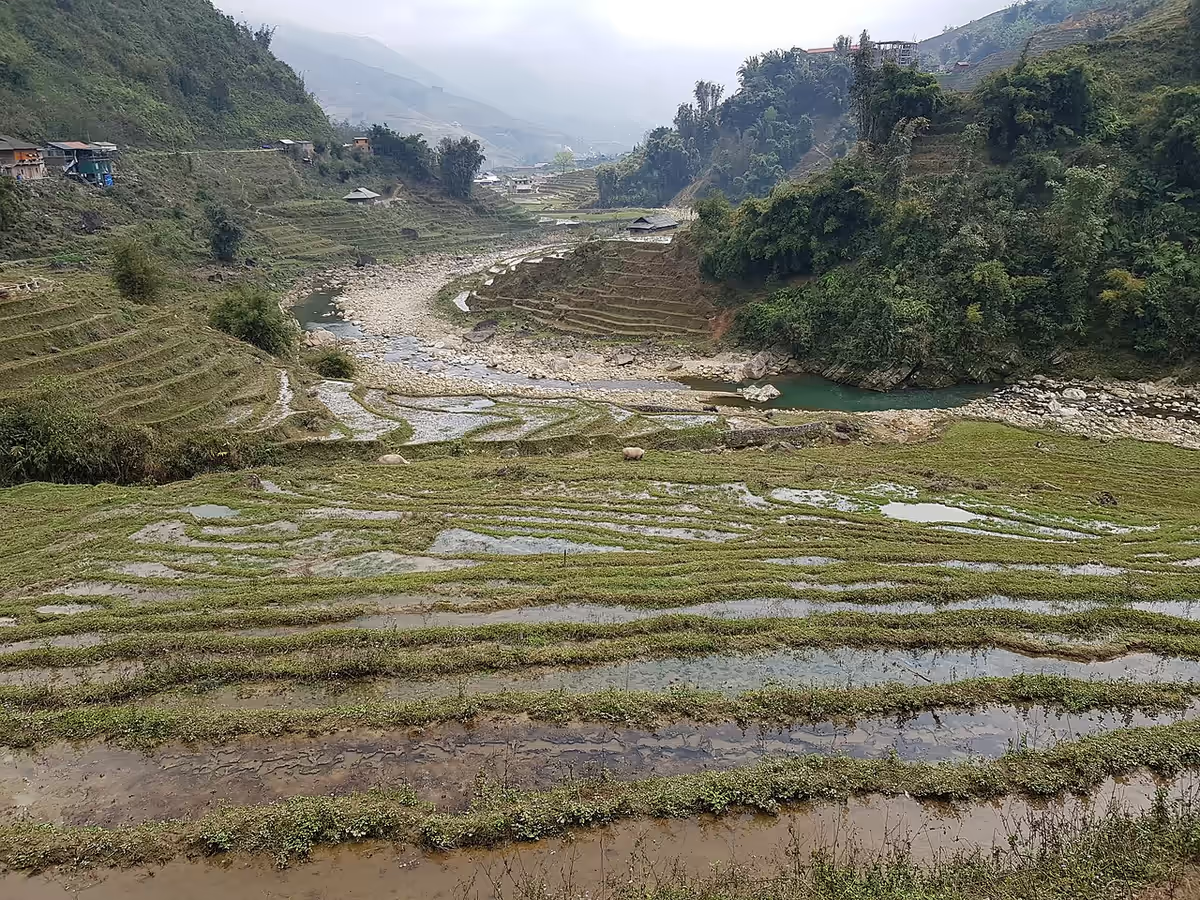
Notice the pattern: every beginner fear in Sapa is answered by the same three things — a licensed local guide, the right footwear, and a route matched to you. Get those in place when you book and there is very little left to be nervous about. The travellers who finish grinning are almost never the fittest or the most experienced; they are simply the ones who let us plan around their worries instead of trekking alone.
Rent at Our Office Before You Trek
 Gear Rental
Trekking Boots Rental
Waterproof ankle-support boots. Cleaned and checked before each rental. Available at 105 Thach Son Street.
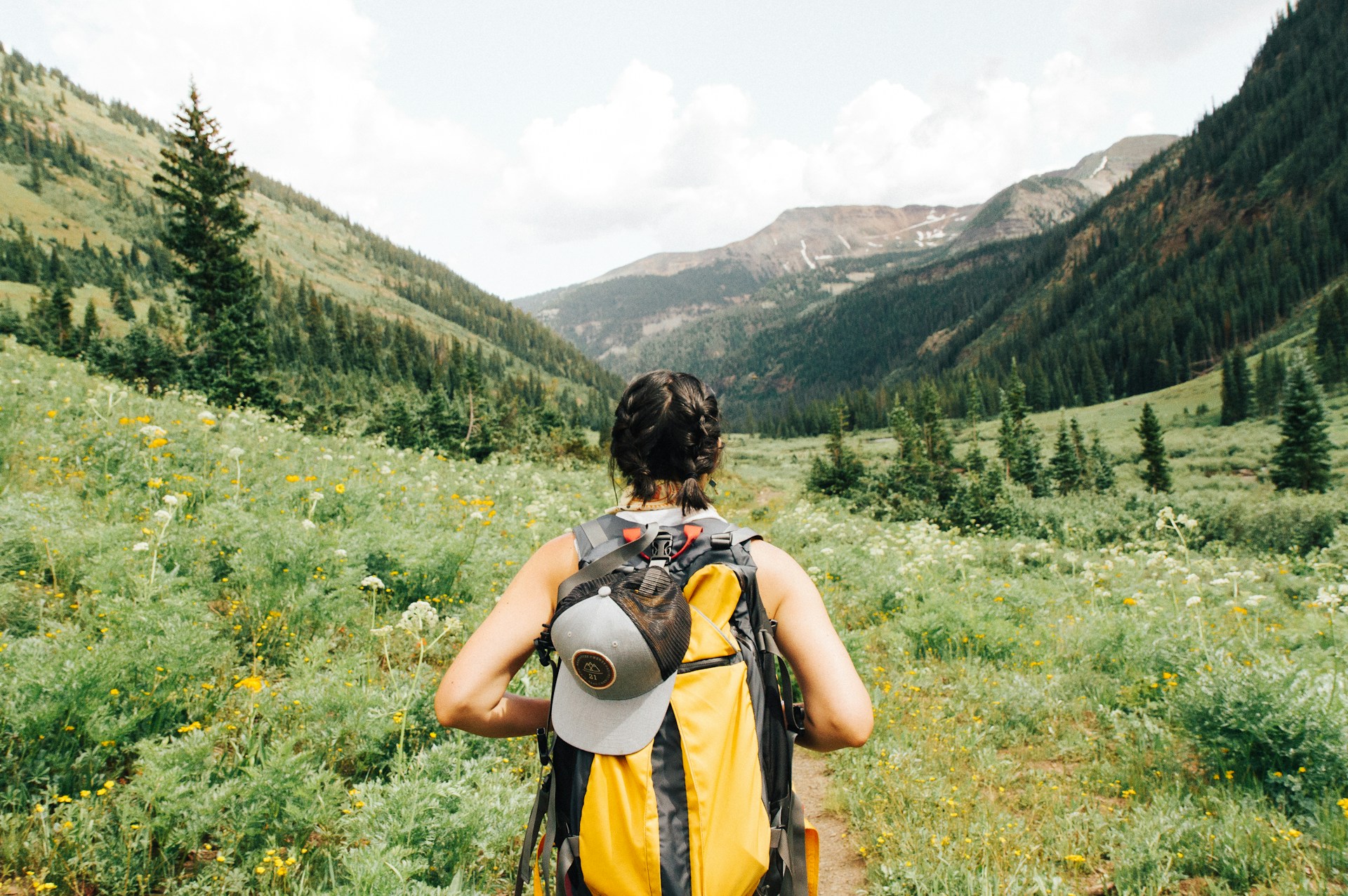 Gear Rental
Walking Poles Rental
Trekking poles available to rent at $2/day at our office, 105 Thach Son Street. Essential for descents.
Which Season Is Easiest Underfoot for Your First Trek
The easiest time for a first Sapa trek is the dry autumn window from September to November, when the paths are firm and the rice terraces are at their most photogenic. That said, every season here is beginner-friendly with the right guide and footwear — the table below is really about how much the ground helps or challenges you, not about whether you can go.
| When you come | Trail underfoot | For a first-timer |
|---|---|---|
| Sep – Nov | Dry, firm paths and golden then freshly harvested terraces. The most reliable footing of the whole year. | Easiest |
| Dec – Feb | Still firm underfoot but cold, with morning mist that can sit in the valley. Bare terraces and the fewest crowds. | Easy — dress warm |
| Mar – May | Warming up and mostly dry, with green shoots filling the paddies. Comfortable, steady walking conditions. | Easy |
| Jun – Aug | The terraces are at their greenest, but afternoon rain makes the clay paths slippery and the air humid. | Doable — poles help |
If your dates are flexible and easy footing is your priority, aim for autumn or spring. If they are not, come anyway — in the green season we simply lean harder on poles, grippy boots and a gentler route, and beginners still finish happy. The season nudges the difficulty up or down a notch; it never decides whether a first-timer can trek at all.
Getting to Sapa Before Your First Trek
Your trek starts the moment you decide how to reach Sapa, and the good news is that the journey from Hanoi is now easy and comfortable. It is a roughly 5.5-hour trip northwest through the mountains, and most first-timers arrive the evening before so they are rested and ready at the office by morning. We can book any of the options below with your trek so it is one less thing to arrange.
Hanoi to Sapa — the Comfortable Ways Up
 Easiest
Limousine Van
9-seat premium van, picked up door-to-door from your Hanoi hotel. The quickest, comfiest way up — ideal before a first trek.
 Budget
Sleeper Bus
Lie-flat berths with day and overnight departures. The cheapest way up — arrive the night before and be fresh for your trek.
Where to Go After Your First Trek
Mountain Views and Villages Trek
Ridge paths above the valley through Y Linh Ho and Lao Chai — the cheapest full day out.
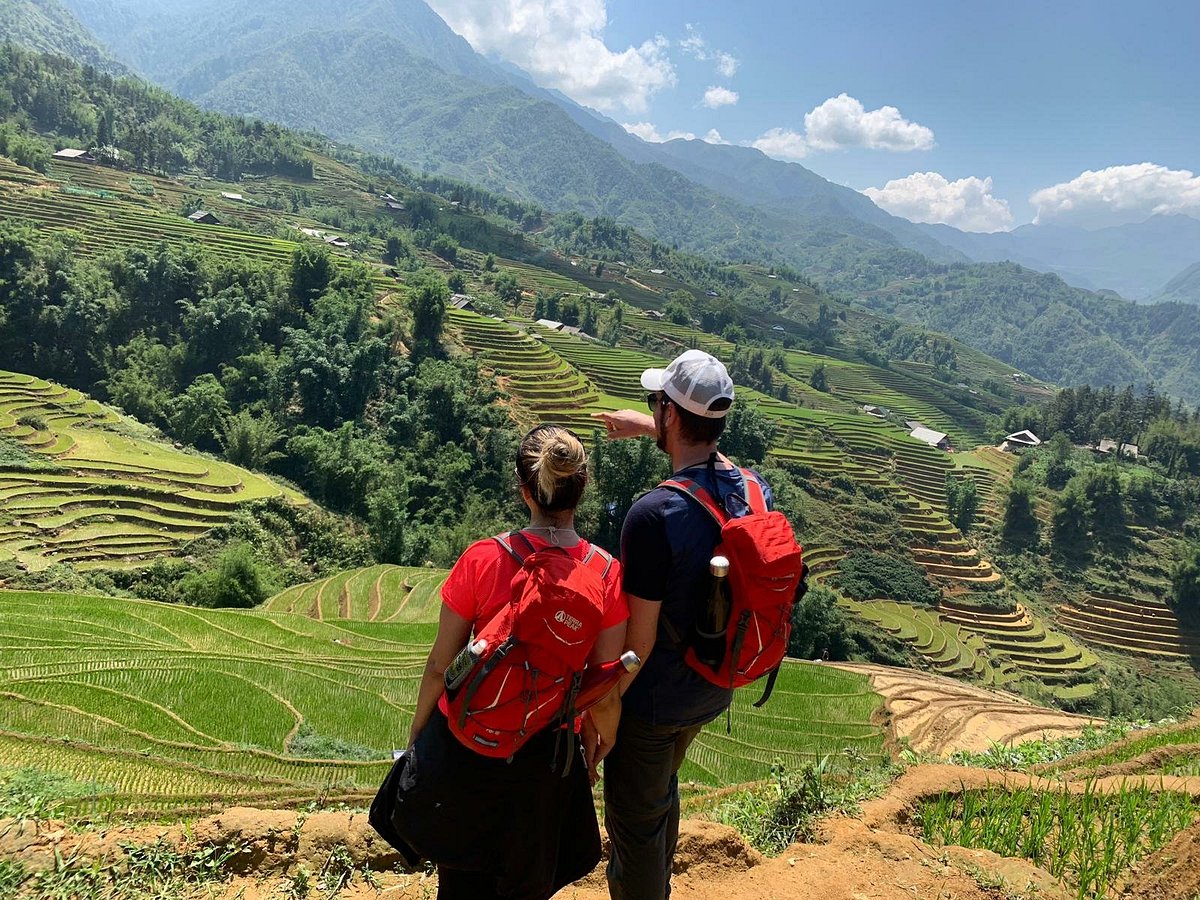
Rice Terraced Fields & Homestay
Overnight with a Black H'mong family in Ta Van — dinner, rice wine, terraces at dawn.
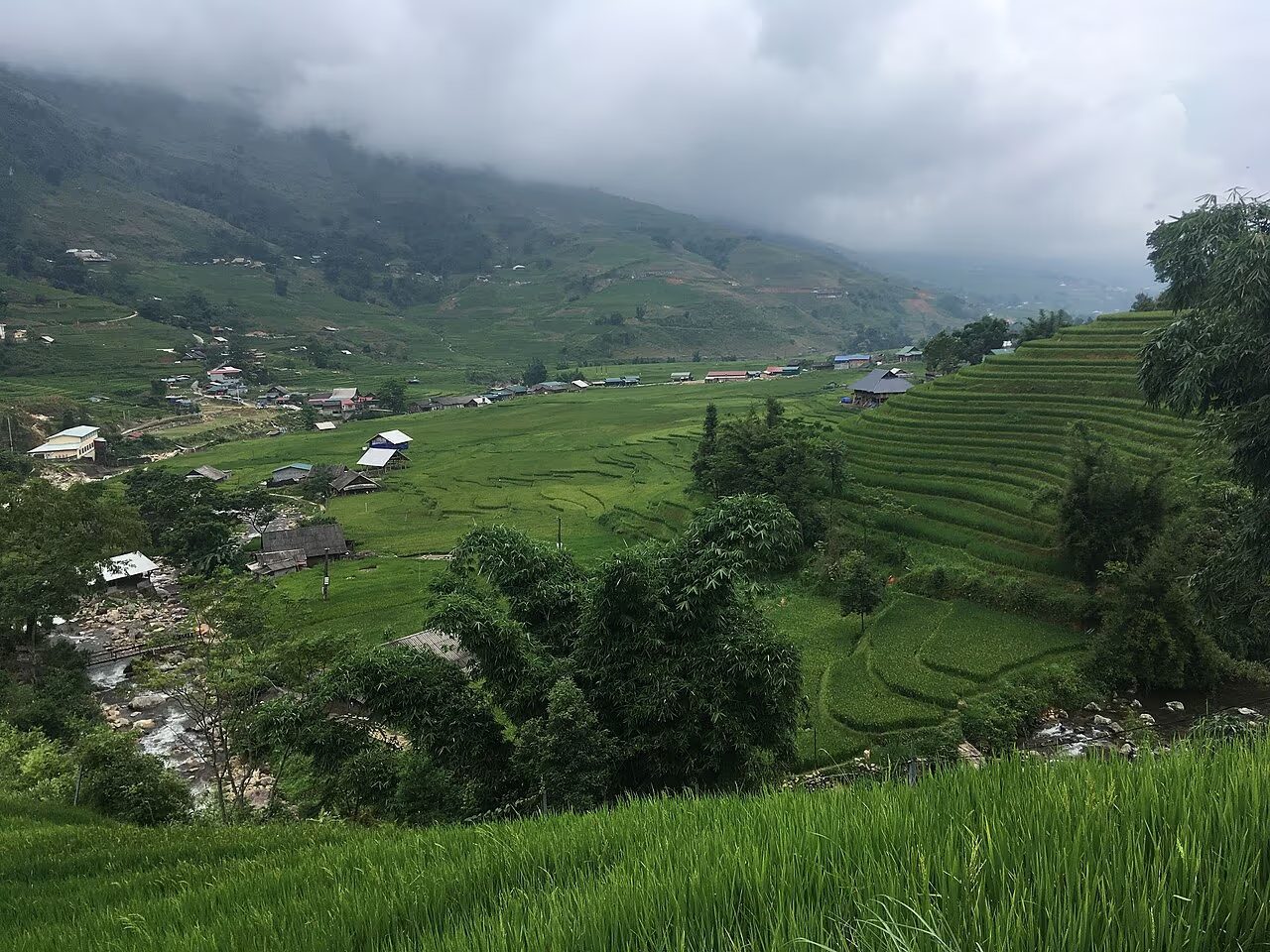
Experience The Real Sapa
Three days deep into the quieter valleys with two homestays — our signature slow trek.
How to Get Ready for Your First Sapa Trek
A little preparation is what turns a first Sapa trek from daunting into easy, and none of it requires a gym membership or any real training. The beginners who breeze through are rarely the fittest — they are simply the ones who arrived ready in a few small, practical ways.
Walk before you come. In the few weeks before your trip, build up to a couple of hours of walking with some hills or stairs. Your legs remember it, and the descents in Sapa stop being a surprise. Break in your shoes. If you are bringing your own boots, wear them enough that they are not stiff and blister-prone on day one; if you are renting ours, they are already worn in. Pack light and layer. A heavy pack makes any trek harder, so carry only water, a rain jacket and a layer — we can mind the rest. Hydrate and pace. The heat and humidity in the green season tire people faster than the walking does, so drink steadily and let your guide set an even pace rather than charging the first hill.
Do those four things and the difficulty ratings become almost academic. We have watched self-described "unfit" travellers finish a full valley day grinning, purely because they walked a bit beforehand and wore the right shoes. Preparation, not natural fitness, is what decides whether Sapa feels hard — and all of it is within anyone's reach.
Is Sapa Trekking Safe for Beginners and Families?
Yes — Sapa valley trekking is safe for beginners, families and older travellers when you go with a licensed local guide, which is exactly why we do not recommend walking the trails alone. The risks here are ordinary walking risks, not mountaineering ones: a slip on a wet descent, a rolled ankle on a rocky stretch, or losing the path where the trail forks between villages. None of them is serious with a guide who knows every turn, reads the weather, and picks the safe line across each stream and muddy slope. We regularly trek with children from about eight years old and with travellers in their 60s and 70s on the gentler valley routes.
The two things that turn a harmless trek risky are both avoidable. The first is poor footing — smooth soles on slick clay — which good boots and poles solve outright. The second is going without a guide and getting caught out when the mist rolls in around four o'clock and the paths all start to look the same. Our guides are Black H'mong who grew up in these villages; they have walked these trails their whole lives and they carry a phone signal and a plan for the weather. On a guided valley trek, the honest safety answer is that your biggest hazard is muddy trousers. Fansipan is a different, more serious undertaking — but for the valleys that nearly everyone comes to walk, safe is the accurate word.
How We Help You Pick Your First Trek
The surest way to have an easy, enjoyable first time in Sapa is to be honest about your fitness when you book, and let a local match you to the route. Difficulty ratings on a website only tell you so much — "moderate" means different things to a marathon runner and to someone who sits at a desk all week. When you message us, tell us how far you comfortably walk at home, whether descents bother your knees, who is in your group, and what you most want to see. From that we can tell you which of our treks will feel right for a beginner, not just which one is technically "easy."
We also recommend booking at least two days ahead so we can arrange the right guide and, if the forecast turns wet, suggest swapping to a firmer route. Cancellation is free up to 7 days before you go and a date change is free with 48 hours' notice, so an early booking costs you little in flexibility. If you are weighing two routes and cannot decide, send us a message and we will reply within 5–10 minutes with a straight recommendation — including telling you if we think a gentler option would suit you better. We would rather you enjoy an easy trek than struggle through a hard one to prove a point.
Frequently Asked Questions
Yes. Almost anyone reasonably active can make a Sapa valley trek their first trek ever. The classic routes through the Muong Hoa Valley are long walks on uneven ground, not a technical climb, and a licensed local guide sets the pace and picks the safe line across every stream and muddy slope. If you are nervous, choose a shorter route or a private tour and you will be fine.
Everyday fitness is enough. If you can walk for three to four hours with breaks and manage some gentle hills or stairs at home, you are ready — you do not need to train or be sporty. Descending on muddy ground is the part that tests beginners most, which is why we hand out walking poles and suggest a gentler route if you rarely walk far.
Expect a relaxed pace with frequent stops: a morning of downhill and valley walking to a village, a long lunch with a local family, and an easier afternoon. You cover roughly 8 to 14 km across the whole day rather than in one push, with photo breaks, tea and time to catch your breath. Most first-timers finish tired but thrilled, not wrecked.
Yes, when you go with a licensed local guide. The risks are ordinary walking risks — a slip on a wet slope or a rolled ankle — not mountaineering ones, and your Black H'mong guide knows every turn and reads the weather. Families with children from about eight years old and travellers in their 60s and 70s trek with us regularly on the gentler valley routes.
No. You can rent grippy waterproof boots and walking poles for $2 a day each at our office at 105 Thach Son Street, so there is no need to fly with heavy kit. Beyond footwear you only need light layers, a rain jacket and water — we can look after anything else while you walk.
Our Sapa Easy Trekking For Seniors and the Rice Paddies and Cultures day treks are the gentlest starts — short, flatter and unhurried — while Trekking Through Rice Terraced Fields is the classic first valley day. Any of them can be run as a private tour so you set the pace. Save the Fansipan summit for once you have a few treks behind you.