 Sinh Giang

If you've searched "vietnam tourist spots", you've probably found a dozen lists that all say the same six names and stop. This is the complete version — every tourist spot in Vietnam actually worth your time, sorted so you can scan it, compare it, and build a route, rather than scroll through another top-ten that forgot half the country.
We've organised it by type of spot rather than by map, because that's how people actually plan: you know you want scenery, or cities, or beaches, or history — you just don't yet know which ones deliver. Each entry tells you what kind of spot it is, why it's on the list, and roughly when to go. The big table below is the at-a-glance version; the sections under it add the detail.
One honest note before the list. The most photographed spots aren't always the most rewarding, and the spot our own travelers rate highest is one most first-timers don't have written down when they land. You'll find it flagged under the scenic spots — it's the reason a lot of them end up extending their trip.
The Complete List — Every Major Tourist Spot in Vietnam
Twenty-two spots, grouped by type. Skim the table to shortlist, then read the sections below for the why and the when.
A note on how to read it. "Type" is the quickest filter — a mountains-and-scenery traveler scans the Nature rows; someone here for old towns and history jumps to City and Historic. "Top Season" matters more in Vietnam than almost anywhere, because the north, centre and south peak at different times, so a spot that's perfect in October can be wet and grey in March. And "Region" is your route planner: spots in the same region cluster together, which is how you avoid spending half the holiday in transit.
| Tourist Spot | Region | Type | Best For | Top Season |
|---|---|---|---|---|
| Sapa rice terraces | North | Nature | Trekking & hill-tribe villages | Sep–Oct, May–Aug |
| Ha Long Bay | North | Nature | Karst cruise & kayaking | Mar–May, Sep–Nov |
| Ninh Binh (Trang An / Tam Coc) | North | Nature | Rowboat through karsts | Feb–May |
| Ha Giang / Ma Pi Leng | Far North | Nature | Motorbike loop, viewpoints | Sep–Nov, Mar–May |
| Phong Nha caves | Central | Nature | Caving, river caves | Feb–Aug |
| Mu Cang Chai | North | Nature | Rice terraces, fewer crowds | Sep–Oct |
| Hanoi Old Quarter | North | City | History, street food, base | Year-round |
| Hoi An Ancient Town | Central | City | Lanterns, tailors, food | Feb–Apr |
| Hue | Central | City | Imperial heritage | Feb–Apr |
| Ho Chi Minh City (Saigon) | South | City | Energy, war history, food | Nov–Apr |
| Da Lat | Central highlands | City | Cool climate, coffee, flowers | Nov–Apr |
| Phu Quoc | South | Beach | White-sand island beaches | Nov–Apr |
| Da Nang / My Khe Beach | Central | Beach | City beach, surf, base | Feb–Aug |
| Nha Trang | South-central | Beach | Diving, islands, mud baths | Jan–Aug |
| Mui Ne | South coast | Beach | Sand dunes, kitesurfing | Nov–Apr |
| The Golden Bridge (Ba Na Hills) | Central | Landmark | Skywalk, cable car | Feb–Aug |
| Cu Chi Tunnels | South | History | War history near Saigon | Nov–Apr |
| My Son Sanctuary | Central | History | Cham temple ruins | Feb–Apr |
| Cao Dai Holy See | South | Spiritual | Noon prayer ceremony | Nov–Apr |
| Bac Ha Sunday Market | North | Cultural | Hill-tribe market (Sundays) | Sep–Nov, Mar–May |
| Cai Rang Floating Market | Mekong | Cultural | Dawn river market | Nov–Apr |
| Fansipan | North | Nature | Roof of Indochina, cable car | Sep–Nov, Mar–May |
Natural & Scenic Spots
Vietnam's natural spots are its strongest suit, and they're concentrated in the north — karst bays, terraced valleys, and mountain plateaus that look unreal until you're standing in them. If you only choose one category from this list, choose this one.
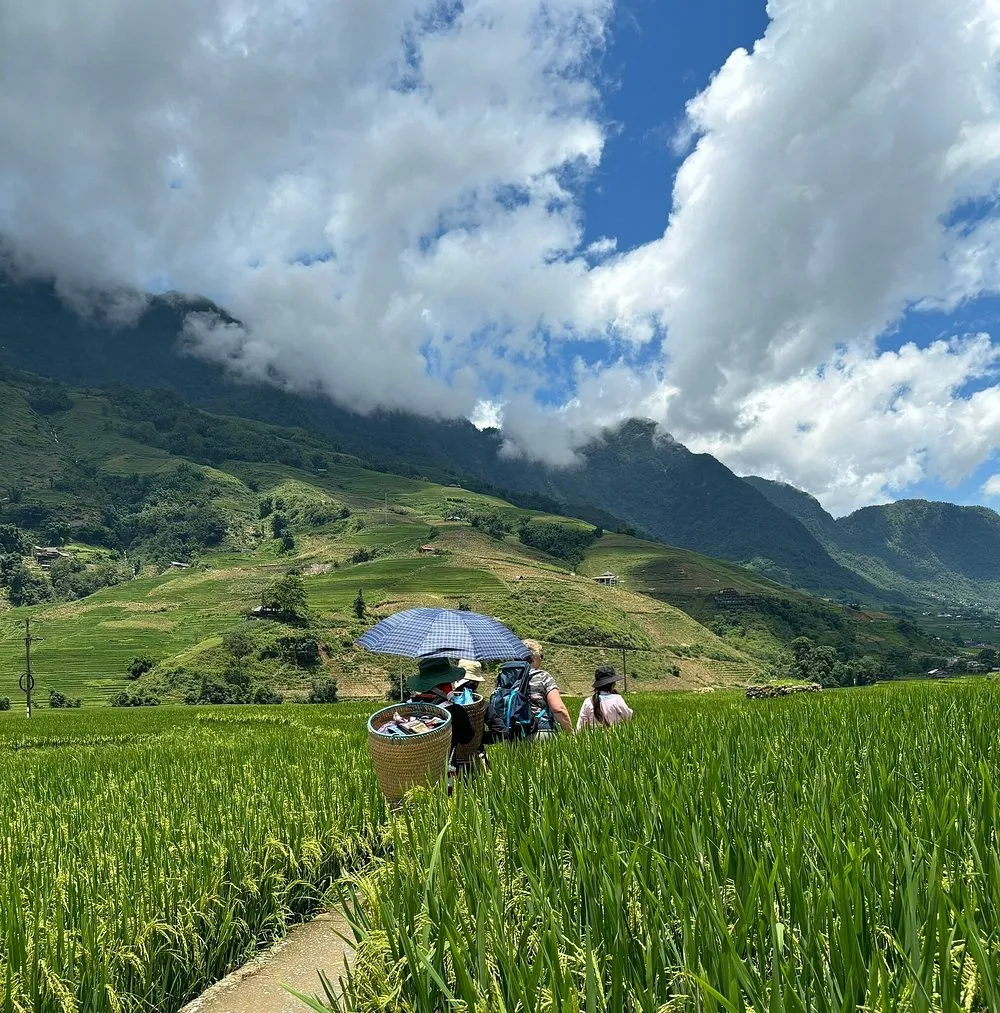
The Sapa rice terraces top the scenic list, and they're the spot our travelers rate above every other in the country — not because they photograph well (they do) but because you experience them on foot. You walk down through the Muong Hoa Valley between Black H'mong and Red Dao villages, stopping for a home-cooked lunch in a family's kitchen. It's the rare tourist spot you participate in rather than observe, and guided day treks start from just $35 USD per person.
Ha Long Bay is the famous one — 1,600+ limestone islands best seen on an overnight cruise, ideally routed through the quieter Lan Ha or Bai Tu Long bays. Ninh Binh delivers the same karst drama on dry land, two hours from Hanoi, explored by hand-rowed boat through Trang An and Tam Coc. And in the far north, the Ma Pi Leng Pass on the Ha Giang Loop is the most cinematic viewpoint in the country.
Each of those three deserves a little more. On Ha Long Bay, the single decision that defines the trip is day-trip versus overnight: a day boat shows you the postcard from a crowded deck, while an overnight junk lets you swim, kayak into hidden lagoons, and wake to mist on the water long before the day-trippers arrive. In Ninh Binh, pair a rowboat through Trang An or Tam Coc with the 500-step climb to the Mua Cave viewpoint, where the river curls between karsts beneath you — the photo that put Ninh Binh on the map. And on the Ha Giang Loop, the Ma Pi Leng Pass is the climax, but the days getting there — across the Dong Van plateau, past Lo Lo and Pu Peo villages — are the spot as much as the viewpoint. Just remember the foreigner permit, arranged on arrival.
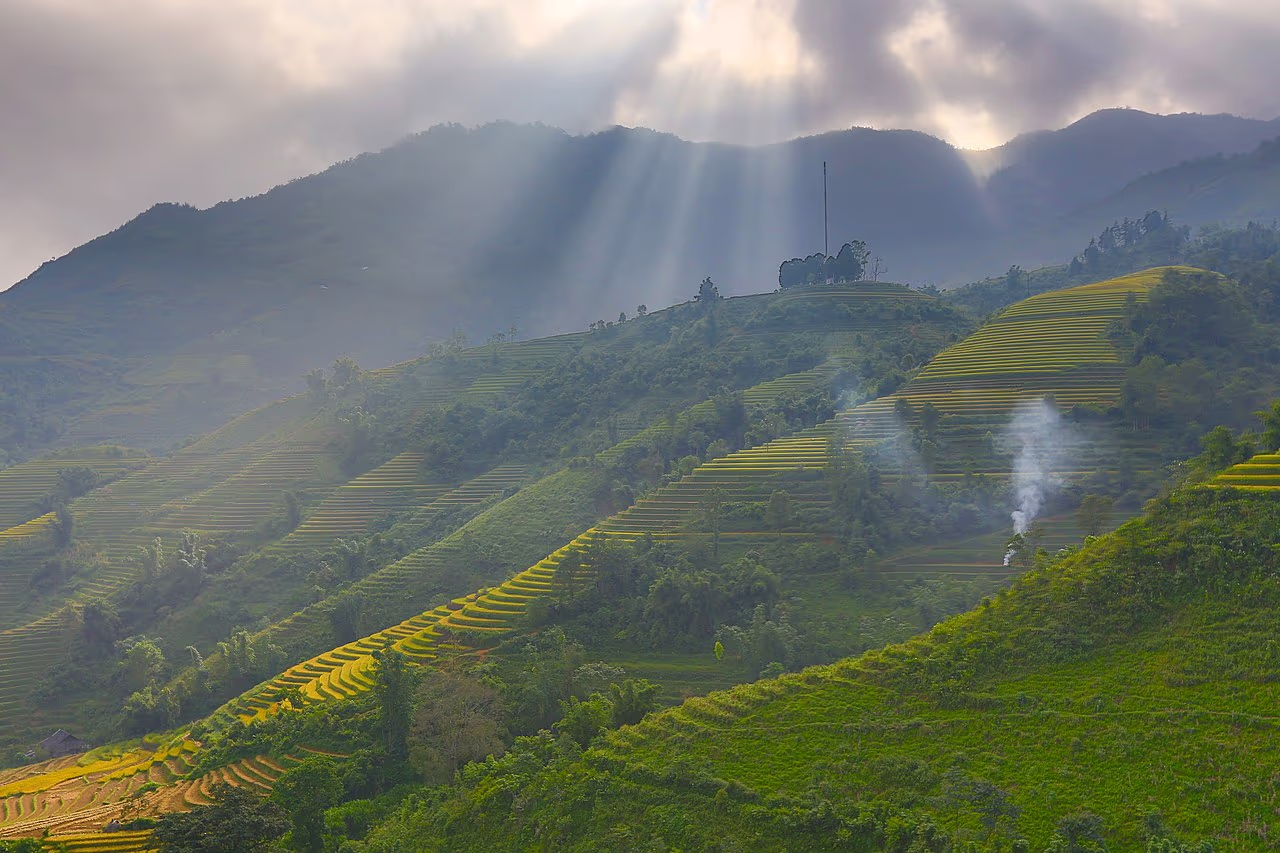
The rest of Vietnam's scenic spots are worth knowing, even if they don't all make a first trip:
"I'd ticked off Ha Long and was ready to fly south. A friend talked us into two days in Sapa first. It ended up being the spot we both rated number one — and the one we'll come back for."
— James & Priya R., Toronto, Canada (September 2025)
Trek the Sapa Terraces — Small Groups, Local Guides
 1 Day Trek
Trekking Through Rice Terraced Fields
Classic Muong Hoa Valley route — Lao Chai, Ta Van, Y Linh Ho. Full day with a family lunch.
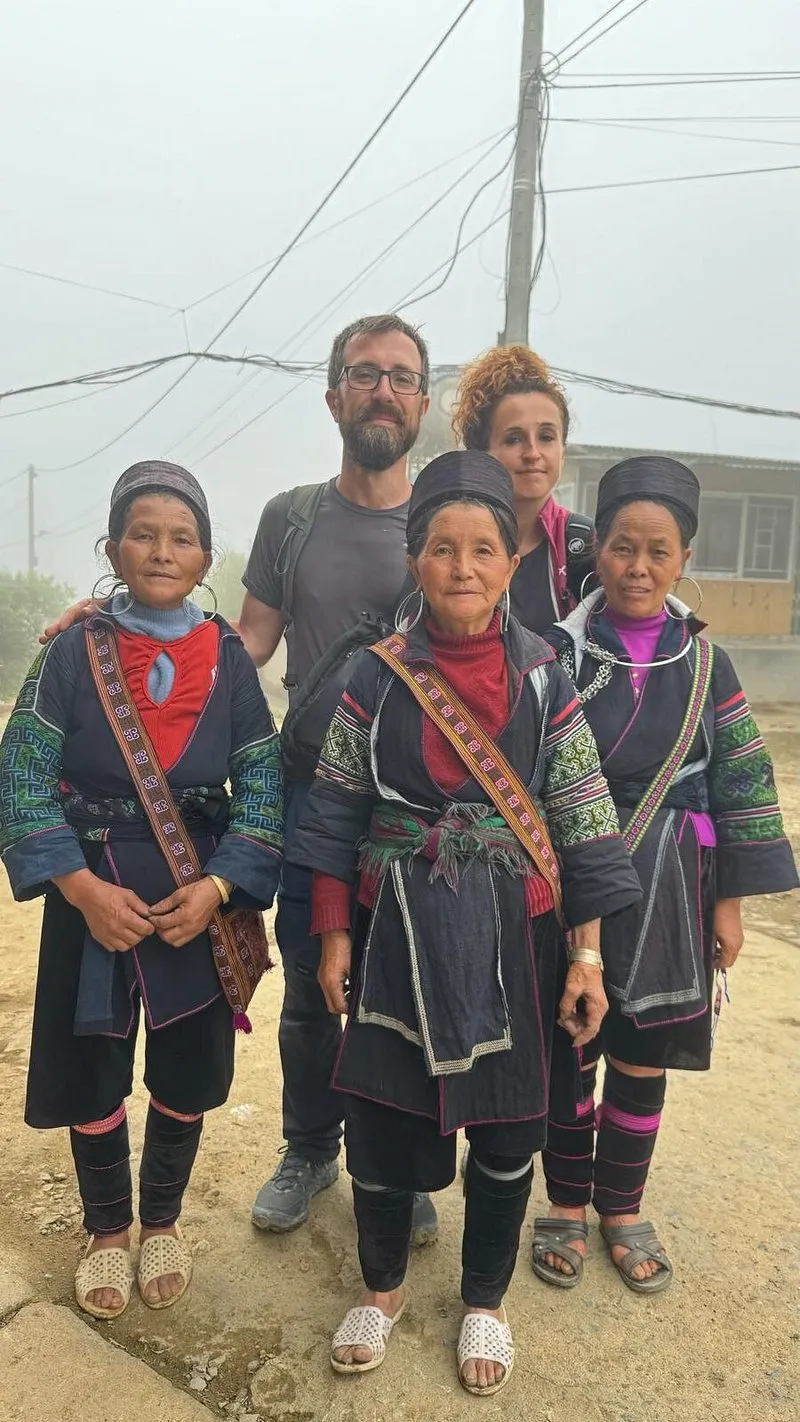 Families & Seniors
Sapa Easy Trekking For Seniors
Gentle paths, no steep sections, poles can be rented at our office. Built for 60+ travelers and families.
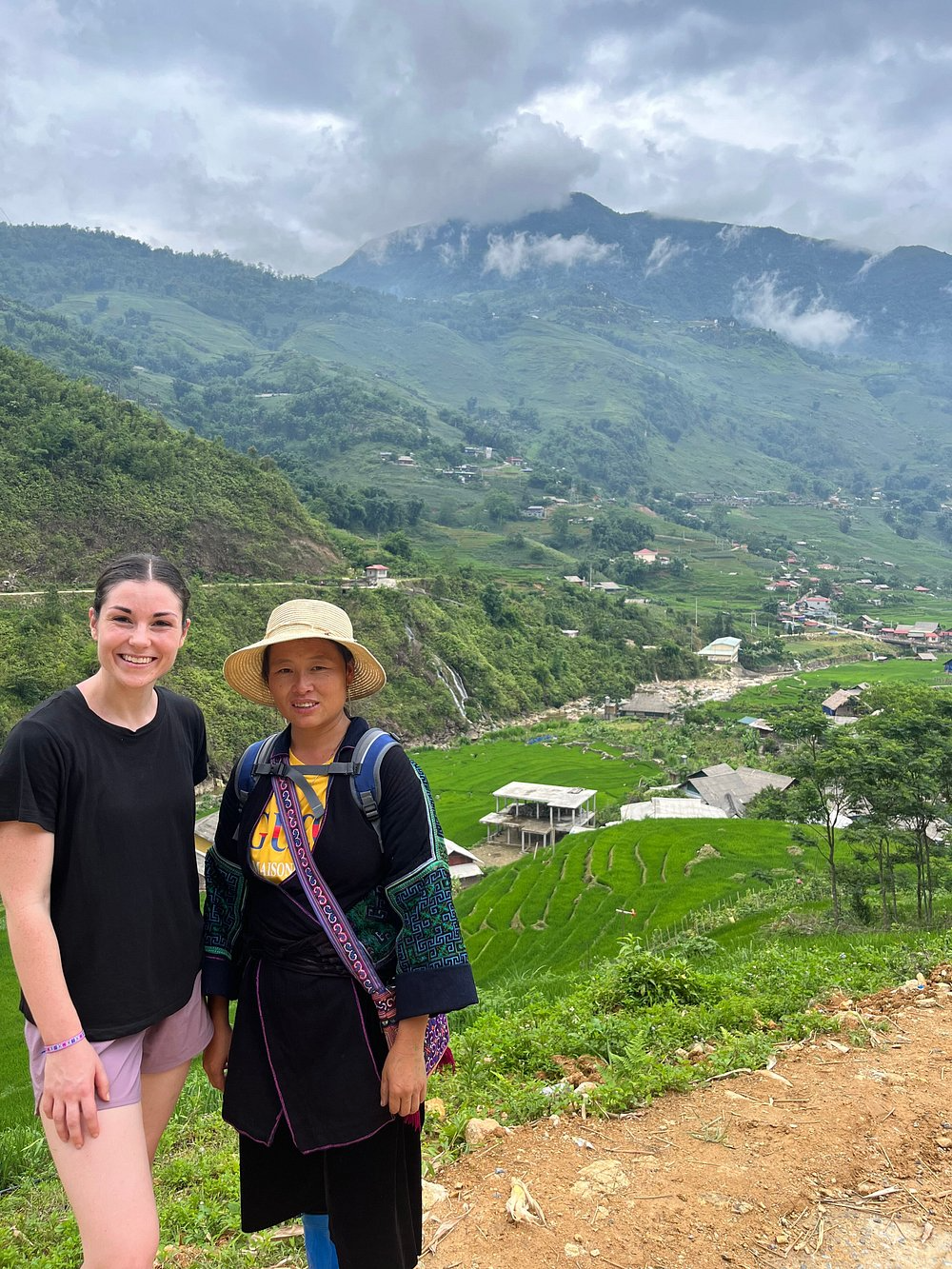 2D1N Homestay
Rice Terraced Fields & Homestay
Sleep in a valley homestay, two days on the trail, dinner with the family.
City & Cultural Spots
Vietnam's cities are spots in their own right, not just airports with hotels. Each has a distinct character, and most travelers pass through two or three of them by default.
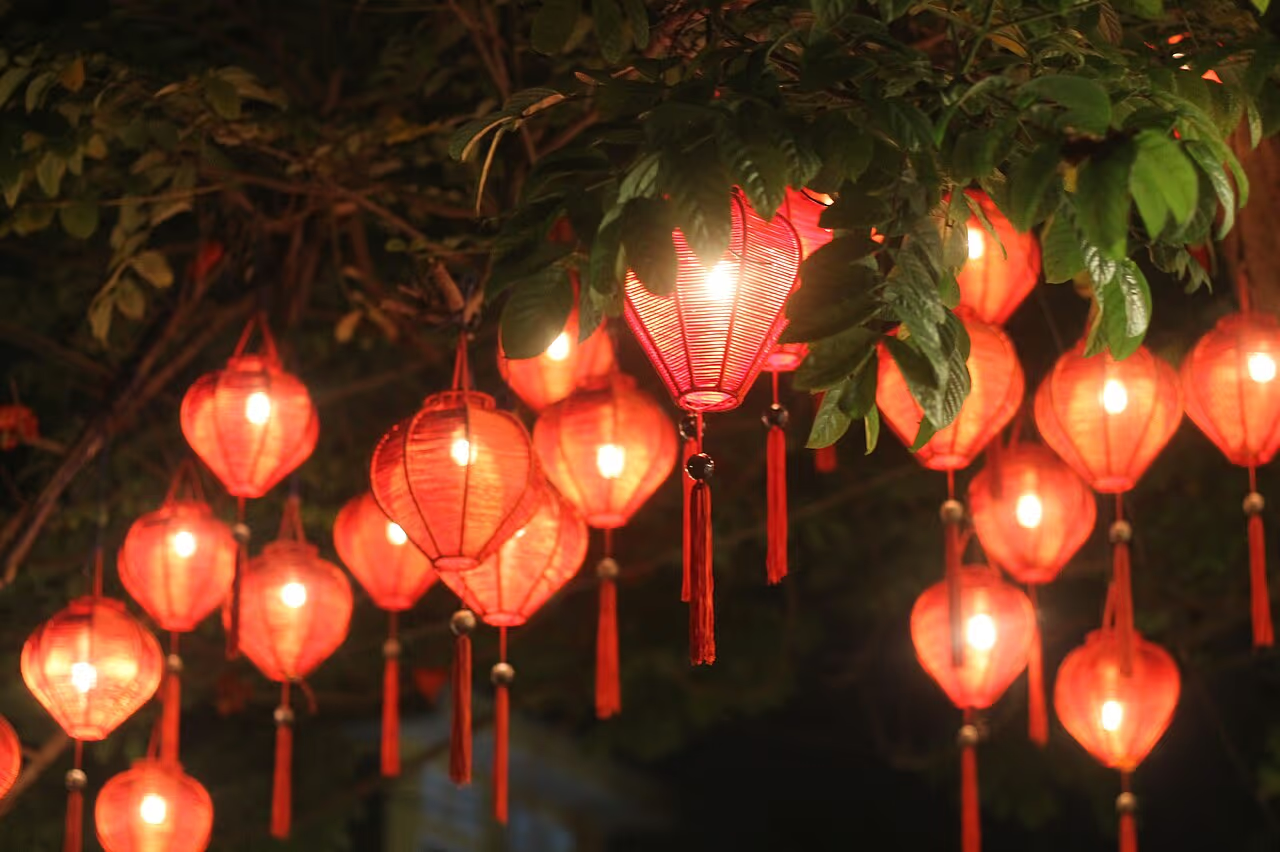
Hoi An's Ancient Town is the most-loved city spot — a lantern-lit UNESCO old town on the Thu Bon River, where you can have a suit tailored overnight and float a paper lantern after dark. Come before 9am or after 8pm to miss the day-trip crush. Hanoi's Old Quarter is the living, chaotic heart of the north and the base for Ha Long and Sapa; Hue holds the imperial citadel and royal tombs; Saigon is the country's fast, electric south; and Da Lat, up in the cool highlands, trades all of that for pine forests, flower farms, and the country's best coffee.
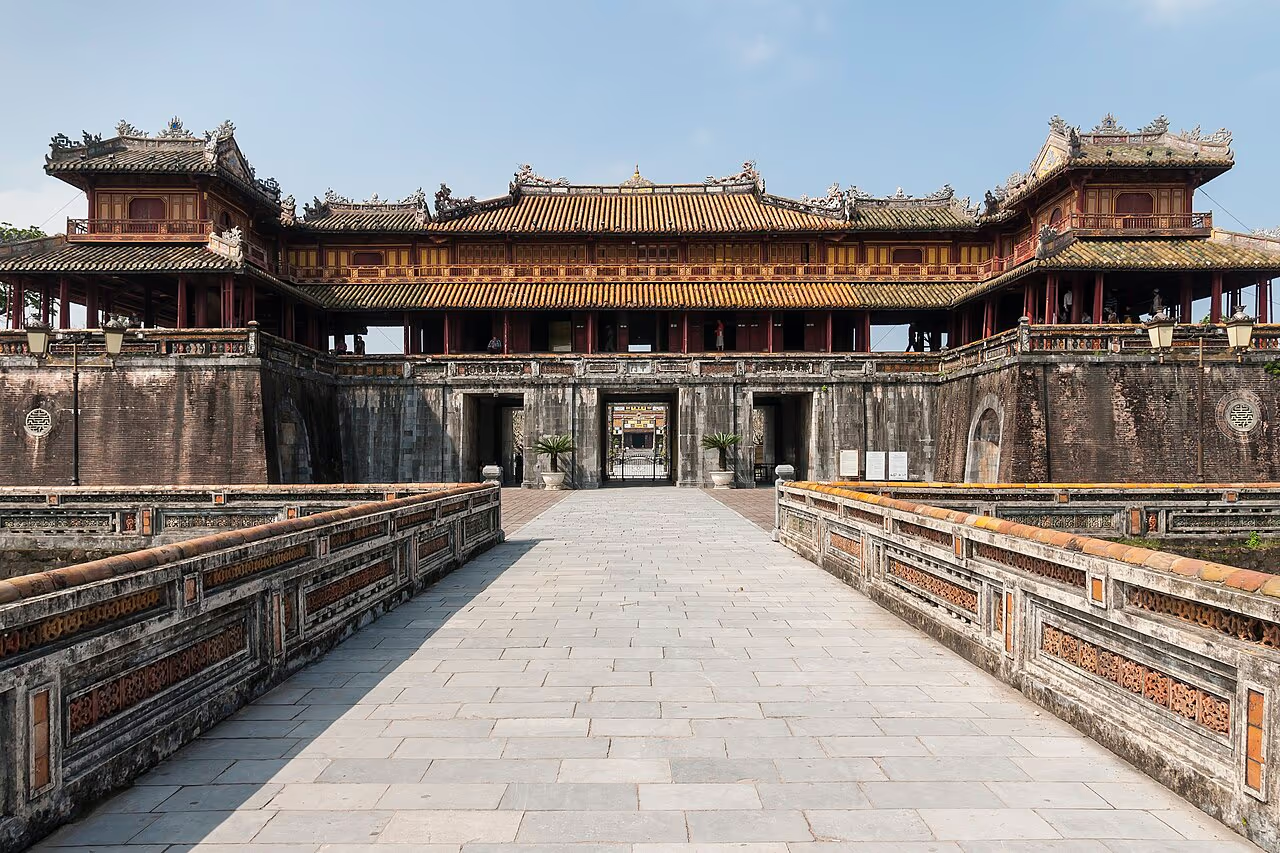
The other city spots each pull a different traveler. Hanoi is the one you can't skip — the Old Quarter's 36 trade streets, the dawn calm of Hoan Kiem Lake, and a street-food scene (pho, bun cha, egg coffee) that's reason enough to linger before heading to Sapa or Ha Long. Hue is for history: the walled Citadel, the emperors' tombs strung along the Perfume River, and bun bo Hue eaten on the riverbank for breakfast. Saigon is the loud, modern counterweight — the War Remnants Museum and Cu Chi Tunnels by day, rooftop bars and District 4 street food by night. And Da Lat, up in the pines, is where Vietnamese honeymooners and coffee growers go to escape the heat. Two or three of these five usually fall naturally onto any route.
Beach & Island Spots
With 3,260 km of coastline, Vietnam's beach spots are a genuine part of the list — useful as a soft landing at the end of an active trip rather than a destination in themselves. The south and centre hold the best of them.
Be honest with yourself about beaches here: they're good, not world-beating, and the weather is regional, so a beach leg works best slotted in at the right time and place rather than forced. Phu Quoc is the standout — an island big enough to feel like a destination, with white sand in the developed south and quiet national-park forest in the north, plus direct flights that make it an easy three-day finale. Da Nang's My Khe is the most useful, a long city beach 30 minutes from Hoi An's culture. The rest — Nha Trang, Mui Ne, Con Dao — reward specific interests (diving, kitesurfing, solitude) more than a generic beach day. If sun and sand are the whole point of your trip, the south from November to April is the move.
Historic & Spiritual Spots
For travelers who want meaning with their sightseeing, Vietnam's historic and spiritual spots run from imperial palaces to wartime tunnels to thousand-year-old temple ruins. The best of them are experiences, not just photo stops.
Two reward a half-day each. The Cu Chi Tunnels outside Saigon turn the war from a museum exhibit into something physical: you crawl through widened sections of a 250 km network, see the booby traps and underground kitchens, and come out understanding the conflict in a way no plaque conveys. And My Son, an hour from Hoi An, is the quiet counterpoint — red-brick Hindu towers built by the Champa kingdom from the 4th century, half-swallowed by jungle, bombed in the war and slowly being restored. Go early, before the heat and the tour coaches, and you'll often have the ruins nearly to yourself.
What the Spots Cost
Most of Vietnam's tourist spots are inexpensive to enter; the cost is in the cruises, treks and tours that bring them to life. Here's a rough guide to typical spend per spot, so you can budget the list:
One cost most lists ignore is time. Internal flights between regions are cheap — often $30–60 — but each one eats half a day with transfers and check-in; overnight buses and trains are cheaper still and save a night's hotel. Budget the travel days, not just the entry fees, and a multi-spot trip stops feeling like a sprint.
North or South — Where to Base Yourself
If you can't do the whole country, the single biggest decision is which half to anchor your trip in. The spots split fairly cleanly, and so do the travelers who love them:
✅ Base in the North if you want…
🏖️ Base in the South/Centre if you want…
The honest answer for a first trip: anchor in the north, where Vietnam's highest-rated spots are concentrated, and add a central or southern leg if you have more than ten days. Most travelers who do it the other way around tell us they wished they'd given the north more time.
A simple way to read the split: if your dream images of Vietnam are green terraces, misty mountains, and a bowl of pho on a tiny plastic stool, your trip lives in the north. If they're palm-fringed sand, lantern-lit old towns, and warm winter sun, lean south and centre. Given ten days or more, most travelers do a bit of both — and the version that consistently works is north first, while you're fresh for the trekking, with a softer central or southern leg to finish.
And a quick word on what to leave off: not every famous spot earns a detour. The Golden Bridge is a fun half-day but rarely worth a special trip; Nha Trang is skippable unless you dive; and trying to "do" the Mekong on a rushed day-tour from Saigon seldom lands. Better to do fewer spots well — an unhurried two days in Sapa beats six places half-seen from a bus window.
Getting Between the Spots
Vietnam's spots are spread over 1,650 km, so connections matter. Internal flights handle the long north–south hops cheaply; trains and sleeper buses cover the overnight legs. The one route nearly every northern itinerary shares is Hanoi to Sapa, which we run as a direct, door-to-door transfer for travelers booking a trek.
Reach the Northern Spots in Comfort


And for the scenic spots that involve walking — the Sapa terraces, the Ninh Binh karsts, the Marble Mountains — you don't need to pack boots. Rent them, and a pair of poles, at our Sapa office before you set out.
Rent Boots & Poles for the Walking Spots
 Gear Rental
Trekking Boots Rental
Waterproof ankle-support boots, cleaned and checked before each rental. At 105 Thach Son Street.
 Gear Rental
Walking Poles Rental
Trekking poles at $2/day from our office at 105 Thach Son Street. Essential for the descents.
Tips for Ticking Off the List
- Don't try to do all 22. Pick one type you love, anchor in one region, and add a second leg only if you have 10+ days. A rushed list beats nothing — but a focused one beats a rushed one.
- Group spots by geography, not enthusiasm. Hoi An + Hue + the Marble Mountains cluster within 130 km; Sapa + Bac Ha + Fansipan cluster in the north. Plan in clusters and you halve the transit.
- Arrive at the famous spots at dawn. Hoi An, the Cai Rang market, and the Sapa terraces are all transformed before 9am, before the tour buses.
- Book the time-locked spots first. The Bac Ha market only happens on Sundays, and the Sapa harvest only in late September; build the trip around the fixed dates.
- Carry cash in the north. Sapa, Ha Giang and the market towns are largely cash-only; ATMs thin out fast outside the cities.
- Use WhatsApp to lock in the popular spots. Small-group Sapa treks (max 12) sell out in peak season; our team confirms availability in 5–10 minutes.