 Sinh Giang
Search "vietnam attractions" and you'll get the same dozen names every time — Ha Long Bay, Hoi An, the Cu Chi Tunnels, the Golden Bridge. They're famous for good reason, and most of them genuinely live up to the photographs. But a list of names tells you nothing about which ones deserve a full day, which are best seen at dawn, and which are quietly overrated once you're standing in the crowd.
This is the version of the list we give the travelers we actually host — built from years of guiding people around the country and listening to what they rave about afterward. Some of Vietnam's most famous landmarks are worth every minute. A few deliver less than their reputation. And the attraction that earns the strongest reactions of all is one most first-timers don't even have written down when they arrive.
Below are the country's top tourist attractions, grouped north to south, with honest notes on each: what makes it iconic, when to go, and what most visitors miss. We've flagged the one northern attraction that consistently becomes the highlight of the entire trip — you'll know it when you reach it.
Vietnam's Top Attractions at a Glance
The table below sums up the 13 headline attractions covered in this guide, organized by region. Use it to compare what each sight is best for, how long it deserves, and how crowded it gets before you build your itinerary.
| Attraction | Region | What It Is | Time Needed | Crowds |
|---|---|---|---|---|
| Ha Long Bay | North | Limestone-karst bay, overnight cruise | 1–2 days | High |
| Sapa rice terraces | North | Trekking & H'mong/Red Dao villages | 2–3 days | Medium |
| Hanoi Old Quarter & Hoan Kiem | North | Historic city core, street food | 1–2 days | Medium |
| Ninh Binh — Trang An & Tam Coc | North | "Ha Long on land", rowboat through karsts | 1 day | Medium |
| Ma Pi Leng Pass (Ha Giang) | Far North | Cliff-road viewpoint over Nho Que River | 3–4 days | Low |
| Hoi An Ancient Town | Central | UNESCO old town, silk lanterns, tailors | 2 days | High |
| Hue Imperial Citadel | Central | Nguyen dynasty palace & royal tombs | ½–1 day | Medium |
| Golden Bridge (Ba Na Hills) | Central | Stone-hands skywalk at 1,400 m | ½ day | High |
| Cu Chi Tunnels & War Museum | South | War history near Saigon | 1 day | High |
| Cai Rang Floating Market | South (Mekong) | Dawn boat-to-boat river market | ½ day | Medium |
| Phu Quoc beaches | South | White-sand island beaches | 2–4 days | Medium |
| Fansipan summit | North | Roof of Indochina — cable car or 2-day trek | ½–2 days | Medium |
| Phong Nha caves | Central | World's largest caves & river caves | 1–2 days | Low |
Northern Vietnam — The Big-Ticket Attractions
The north holds Vietnam's two most famous attractions — Ha Long Bay and the Sapa rice terraces — plus the historic core of Hanoi and the limestone landscape of Ninh Binh. It is also where the country's scenery is most dramatic, and where the gap between a passive sight and a genuinely memorable experience is widest. Here are the northern attractions worth building a trip around.
1. The Sapa Rice Terraces — The Attraction Travelers Rate Highest
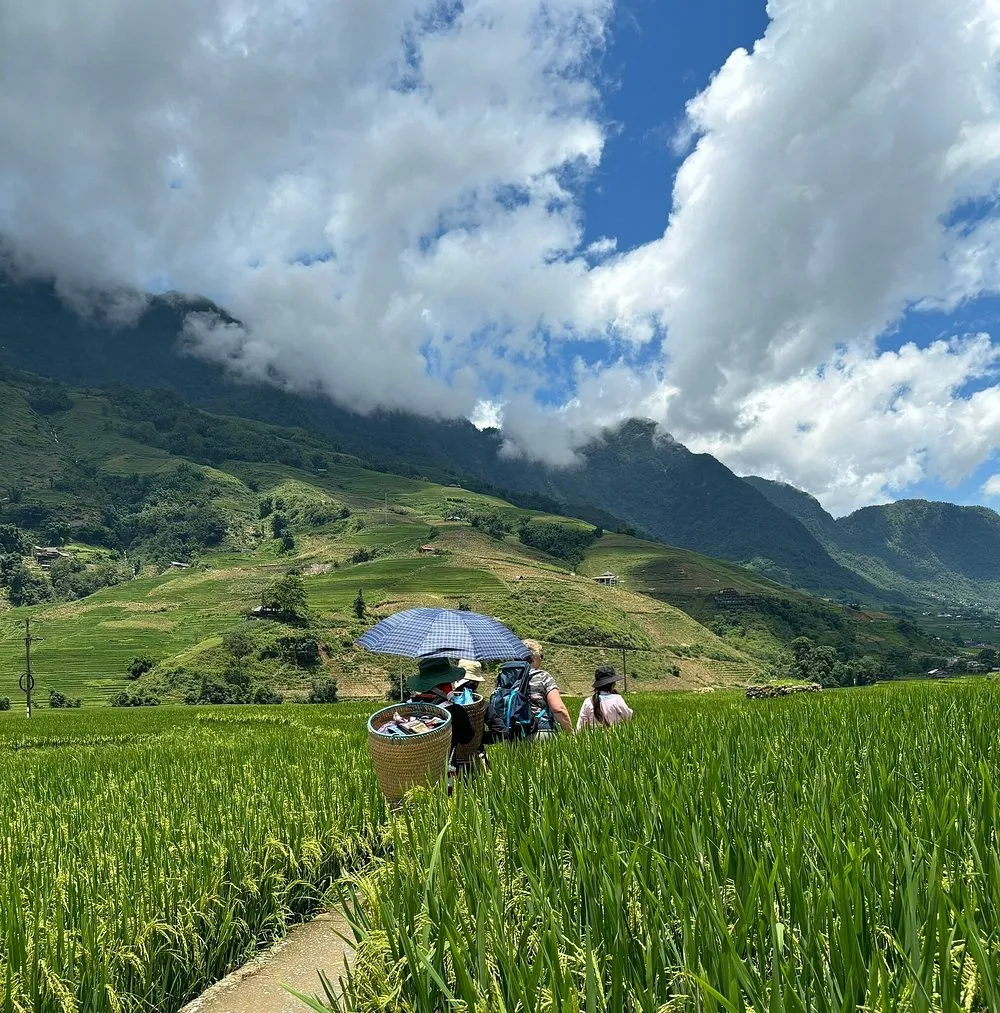
If there is one attraction in Vietnam that consistently outperforms its reputation, it is the rice terraces of the Muong Hoa Valley around Sapa. Unlike most landmarks on this list, you don't look at the Sapa terraces from a viewpoint and move on — you walk into them. The terraces drop hundreds of meters down the valley in stacked green-and-gold steps, and the only way to understand the scale is to follow the narrow earthen dikes between paddies, past the Black H'mong and Red Dao villages of Lao Chai, Ta Van, and Y Linh Ho.
That's the difference that turns a sight into a highlight: the Sapa terraces are an attraction you participate in. Most travelers who do a guided day's trek here name it the best single day of their entire Vietnam trip — not for the photographs, but for the lunch in a family's home halfway down the valley.
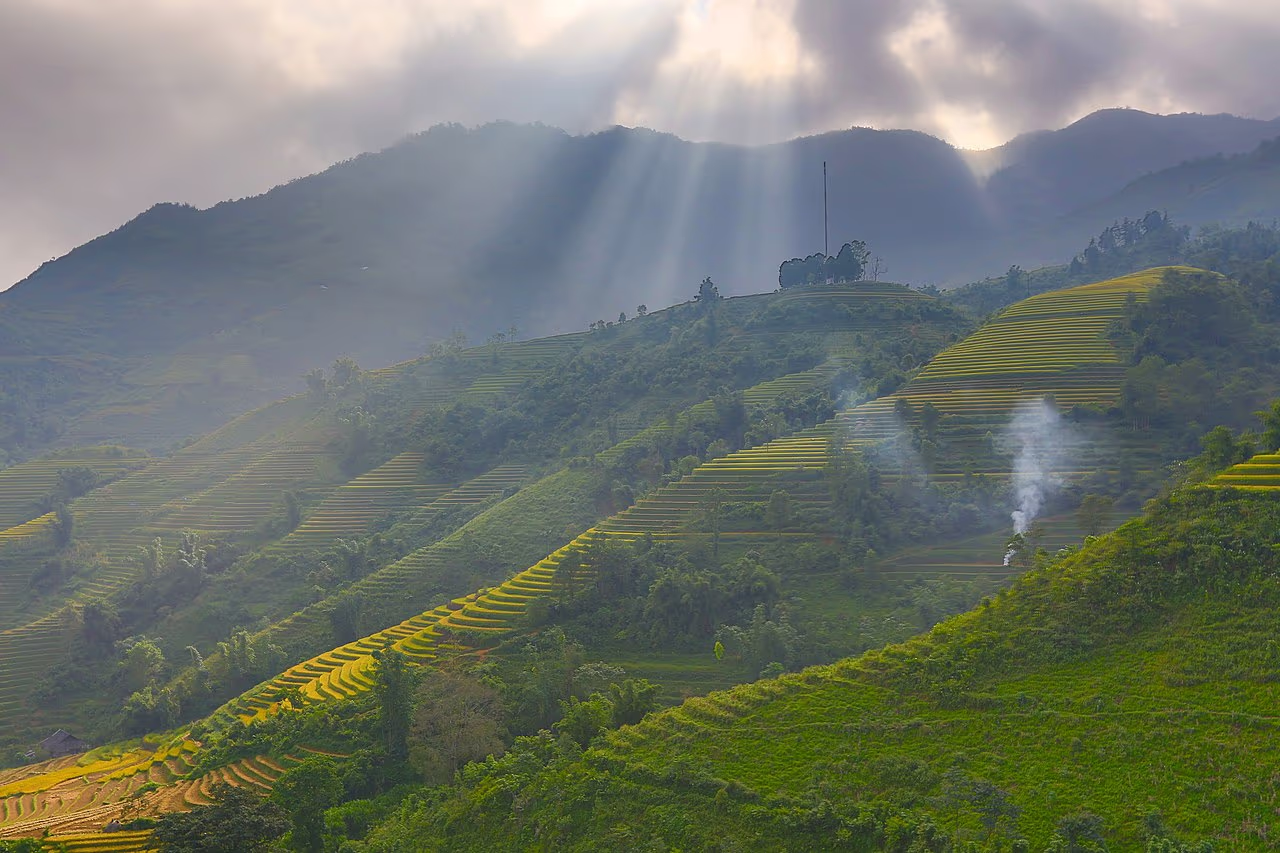
The terraces are at their most dramatic from mid-September to mid-October, when the harvest paints the valley in two tones of green and gold. In summer (May–August) they're a brilliant, water-mirrored green; in winter, mist rolls through the valley on still mornings — the light photographers travel here specifically to catch.
What separates a good visit from a forgettable one is access. The quieter villages sit on trails that don't appear on any map, and the warmest welcomes run through relationships built over years — the kind that come from guides who grew up in these valleys, not from a booking screen. Routes range from gentle 2-hour loops (walking poles can be rented at our office, fine for families and older travelers) to full-day ridge trails that gain 600+ meters.
"I've done trekking in Nepal and Peru. The scale in Sapa is different — smaller, more intimate. But the lunch at the family's home in Ta Van was the moment I'll remember. Nothing to do with the scenery."
— Claire M., Melbourne, Australia (October 2025)
Sapa is also the launch point for Fansipan, at 3,143 m the highest peak in Indochina — reached in 20 minutes by cable car or on a harder, far more rewarding 2-day trek. Guided Sapa day treks start from $35 USD per person, including a local guide, a home-cooked valley lunch, and hotel pickup. Small groups only — maximum 12 people.
Book a Sapa Trek — Small Groups, Local Guides
 1 Day Trek
Trekking Through Rice Terraced Fields
Classic Muong Hoa Valley route — Lao Chai, Ta Van, Y Linh Ho. Full day with local family lunch.
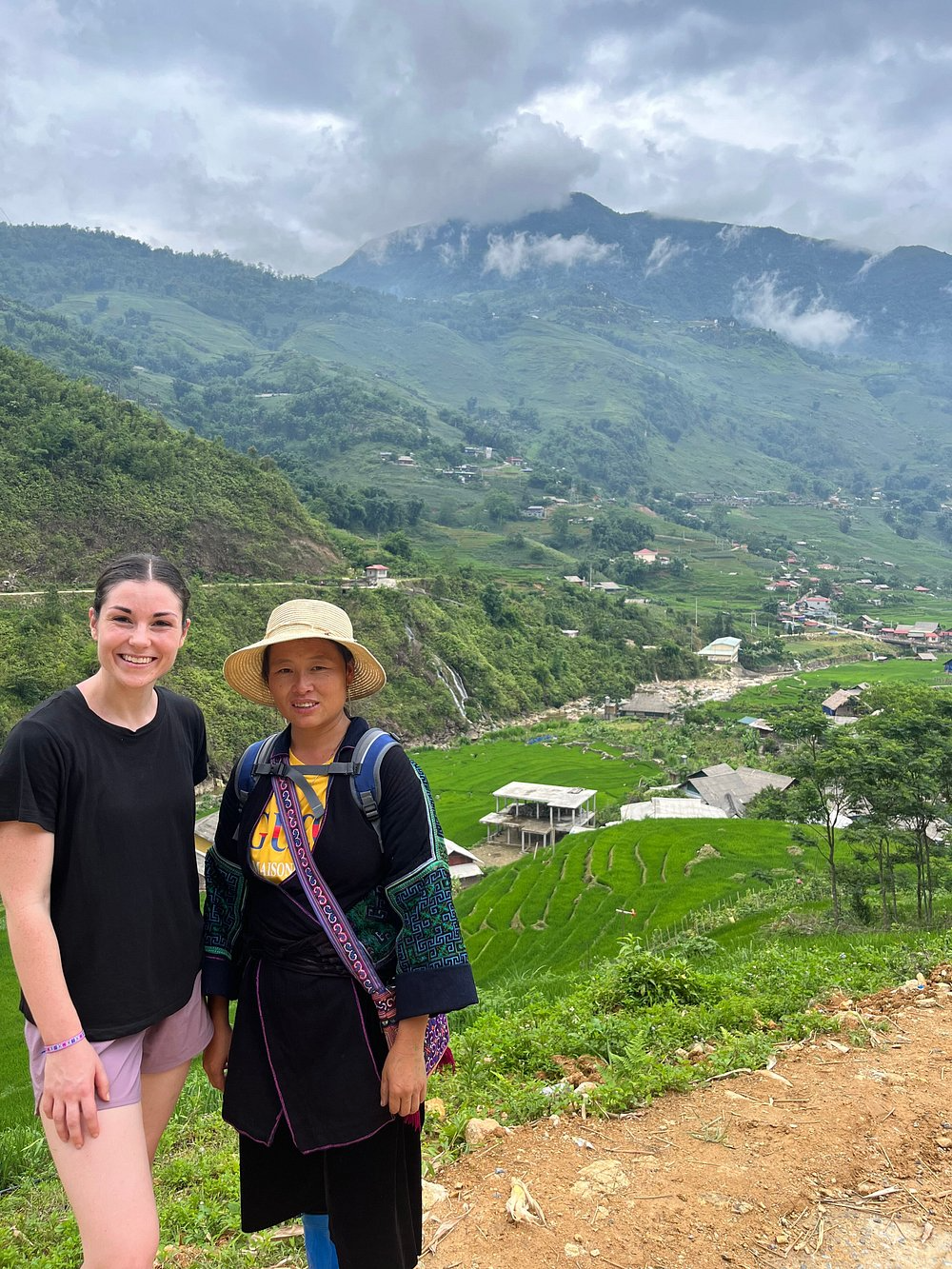 1 Day Trek
Rice Paddies & Cultures – Easy Hiking
Flat valley walking with stops at Red Dao homes. Designed for travelers who want culture without a climb.
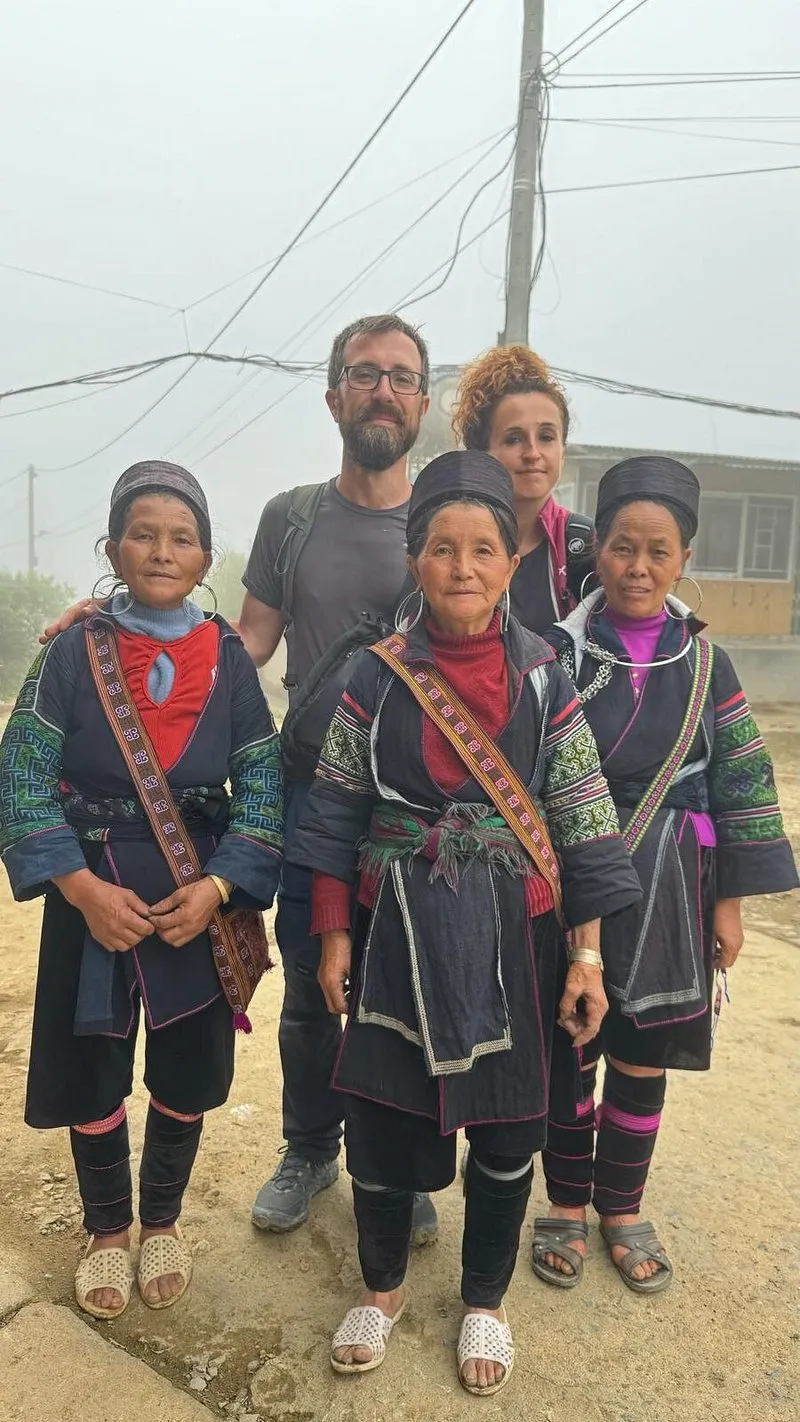 Families & Seniors
Sapa Easy Trekking For Seniors
Gentle paths, no steep sections. Walking poles can be rented at our office. Perfect for 60+ travelers and families with children.
2. Ha Long Bay — Vietnam's Most Famous Attraction
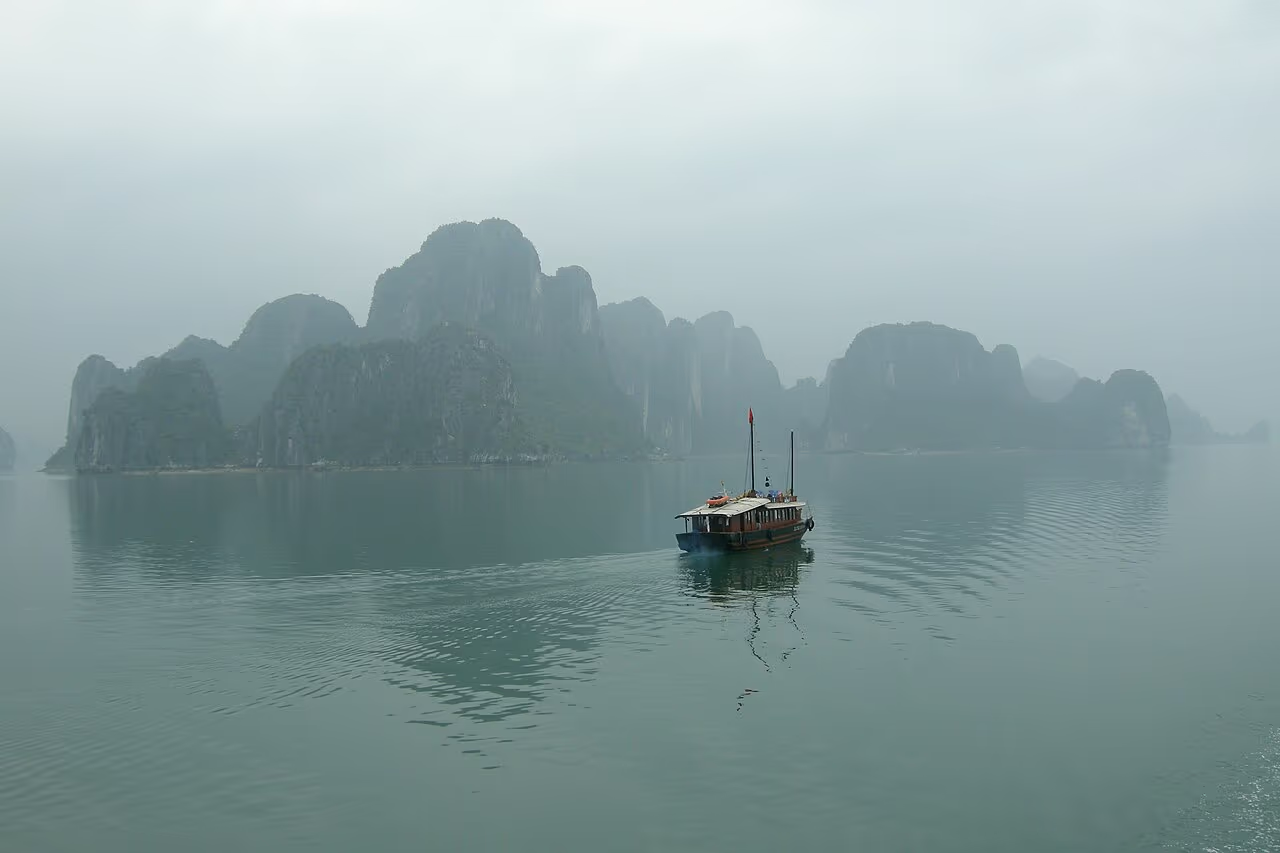
If Vietnam has one image the whole world recognises, it's Ha Long Bay: more than 1,600 limestone islands rising straight out of jade-green water in the Gulf of Tonkin. It's the country's only natural UNESCO World Heritage Site, and unlike a lot of "world-famous" attractions, it genuinely lives up to the postcard. The right way to see it is on an overnight junk-boat cruise — two days on the water lets you slip past the day-trippers to the quieter corners, including the floating fishing village of Cua Van and the caves of Sung Sot and Luon.
The one catch is crowds. The accessible southeast islands near the ferry port are genuinely packed from October through April. The fix: book a cruise that runs through Lan Ha Bay (south of Cat Ba Island) or Bai Tu Long Bay to the north — the same dramatic karst scenery, a fraction of the boats. That single decision is the difference between the photograph and the traffic jam.
3. Hanoi's Old Quarter & Hoan Kiem Lake — The Living Historic Core
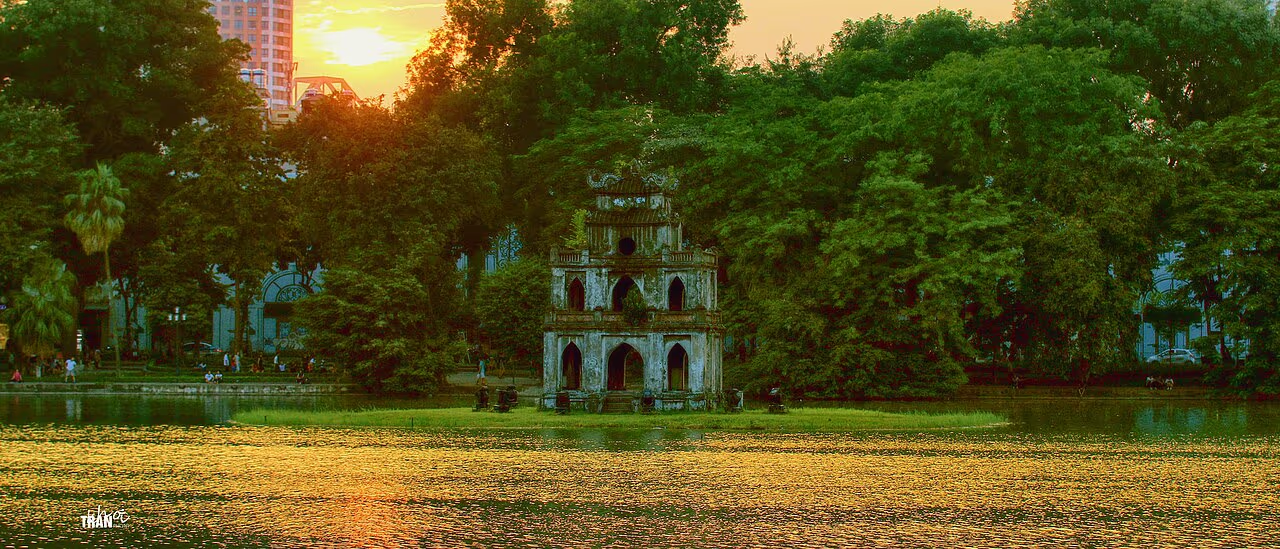
Hanoi's Old Quarter is an attraction in its own right: 36 streets originally organised by trade guild, still partly working as a market district, packed with French-colonial shophouses, temples, and the densest street-food scene in the country. At its centre sits Hoan Kiem Lake, with the red Huc Bridge leading to Ngoc Son Temple and the tiny Turtle Tower on its own island — the postcard symbol of the capital.
The Old Quarter is best at two times of day: dawn, when tai-chi practitioners gather by the lake before the motorbikes wake up, and after dark, when the food stalls of Ta Hien "beer street" take over. Most travellers use Hanoi as their base anyway, so the attraction comes essentially for free — give it a full day on foot before heading out to Ha Long Bay or Sapa.
4. Ninh Binh — Trang An & Tam Coc, "Ha Long Bay on Land"
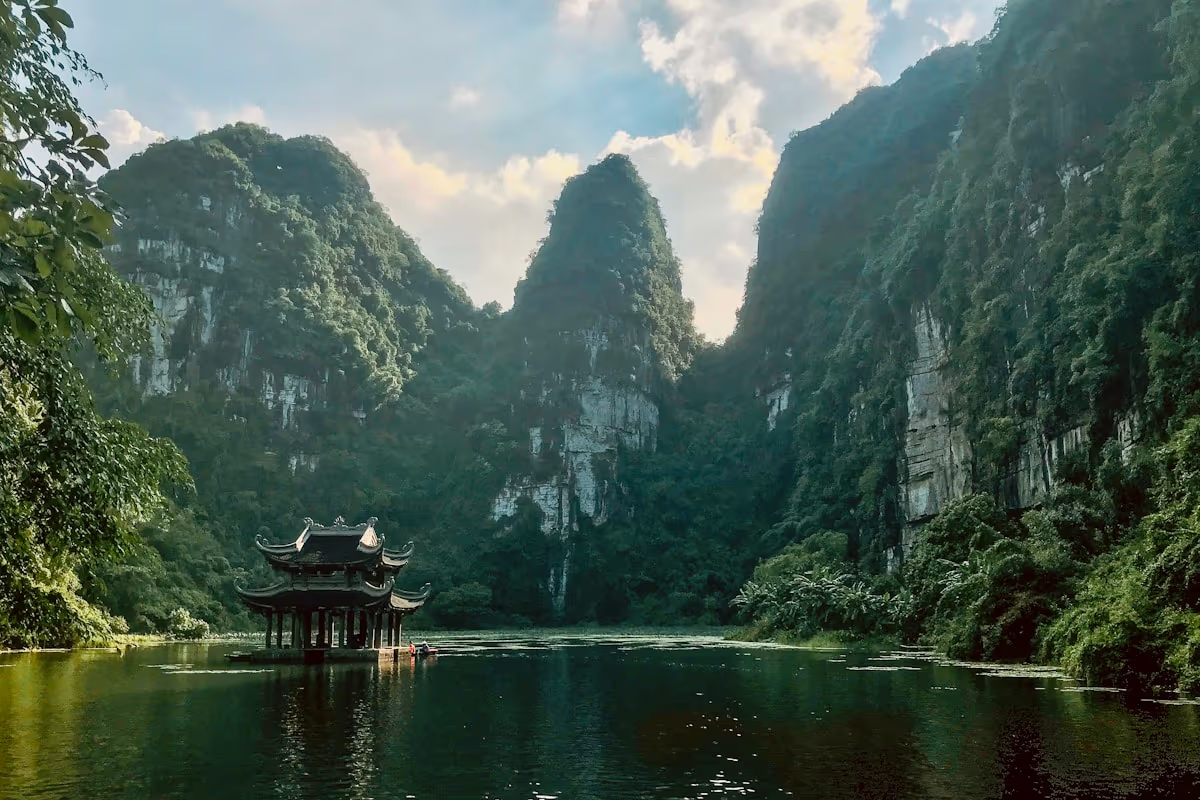
Two hours south of Hanoi, Ninh Binh delivers Ha Long Bay's drama on dry land — limestone karsts rising sharply from flat rice fields, threaded by rivers you explore by rowboat. The boatwomen of Trang An and Tam Coc row you through low cave tunnels and between cliffs draped in greenery; Trang An is wilder and quieter, Tam Coc more accessible and famous for its golden rice in late May and early June. Climb the 500 steps to the Mua Cave viewpoint for the photo that sells Ninh Binh to the world.
Nearby sit Bai Dinh — the largest Buddhist complex in Southeast Asia — and Hoa Lu, Vietnam's 10th-century first capital. It's the rare major attraction that's still calmer than its famous twin: book the rowboat, not a cruise, and go early.
5. Ma Pi Leng Pass & the Ha Giang Loop — The Most Dramatic Viewpoint
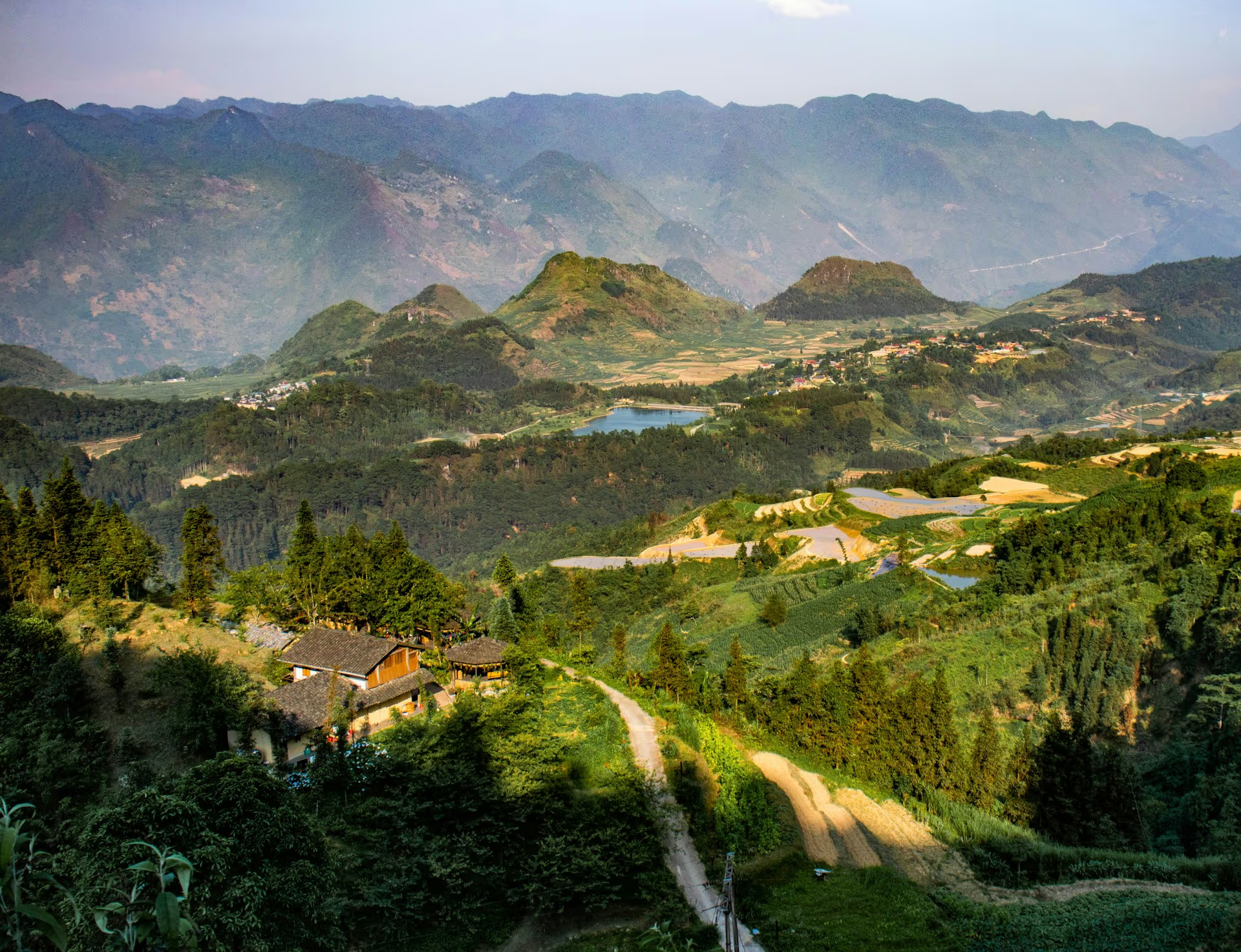
In the far north, where Vietnam meets China, the Ma Pi Leng Pass is the country's most cinematic viewpoint: a 20 km road carved into a cliff a thousand metres above the turquoise Nho Que River, on the UNESCO-listed Dong Van Karst Plateau. Reaching it is the attraction — the multi-day Ha Giang Loop, usually ridden by motorbike (or with a hired "easy rider" driver), winding past Meo Vac gorge and villages of the Hmong, Lo Lo, and Pu Peo. It's the lowest-crowd major attraction in Vietnam, precisely because it takes effort to reach.
6. Bac Ha Sunday Market — The Most Colourful Market in the North
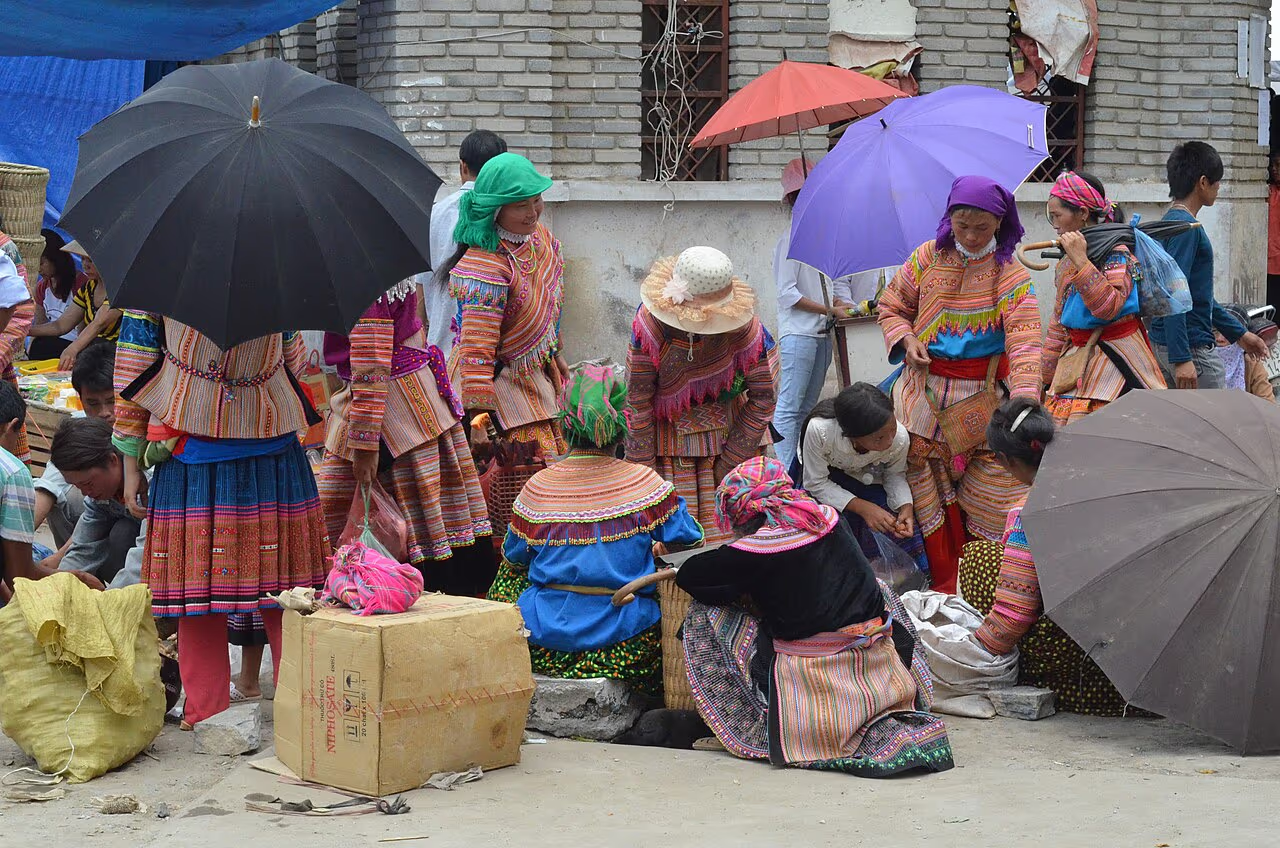
Sixty kilometres from Sapa, the Bac Ha Sunday market is the most vivid market in Vietnam — Flower H'mong women in layered, hand-embroidered skirts trading medicinal herbs, textiles, and livestock in a swirl of colour and noise that other "tourist markets" only imitate. It runs every Sunday from dawn to midday and pulls in communities from across the surrounding mountains.
It pairs naturally with a Sapa trip: reach it by local minibus or guided day trip, 1.5–2 hours over mountain roads. Because it only happens on Sundays, it's worth planning your Sapa nights around — an attraction you literally can't see on the wrong day of the week.
Central Vietnam — Old Towns, Imperial History & the Golden Bridge
Central Vietnam packs the country's best man-made attractions into a 130 km stretch: the lantern-lit old town of Hoi An, the viral Golden Bridge above Da Nang, the fire-breathing Dragon Bridge, and the imperial citadel of Hue. They're easy to combine — Da Nang's airport is the hub, with Hoi An 30 minutes south and Hue 100 km north.
7. Hoi An Ancient Town — The Lantern-Lit UNESCO Old Town
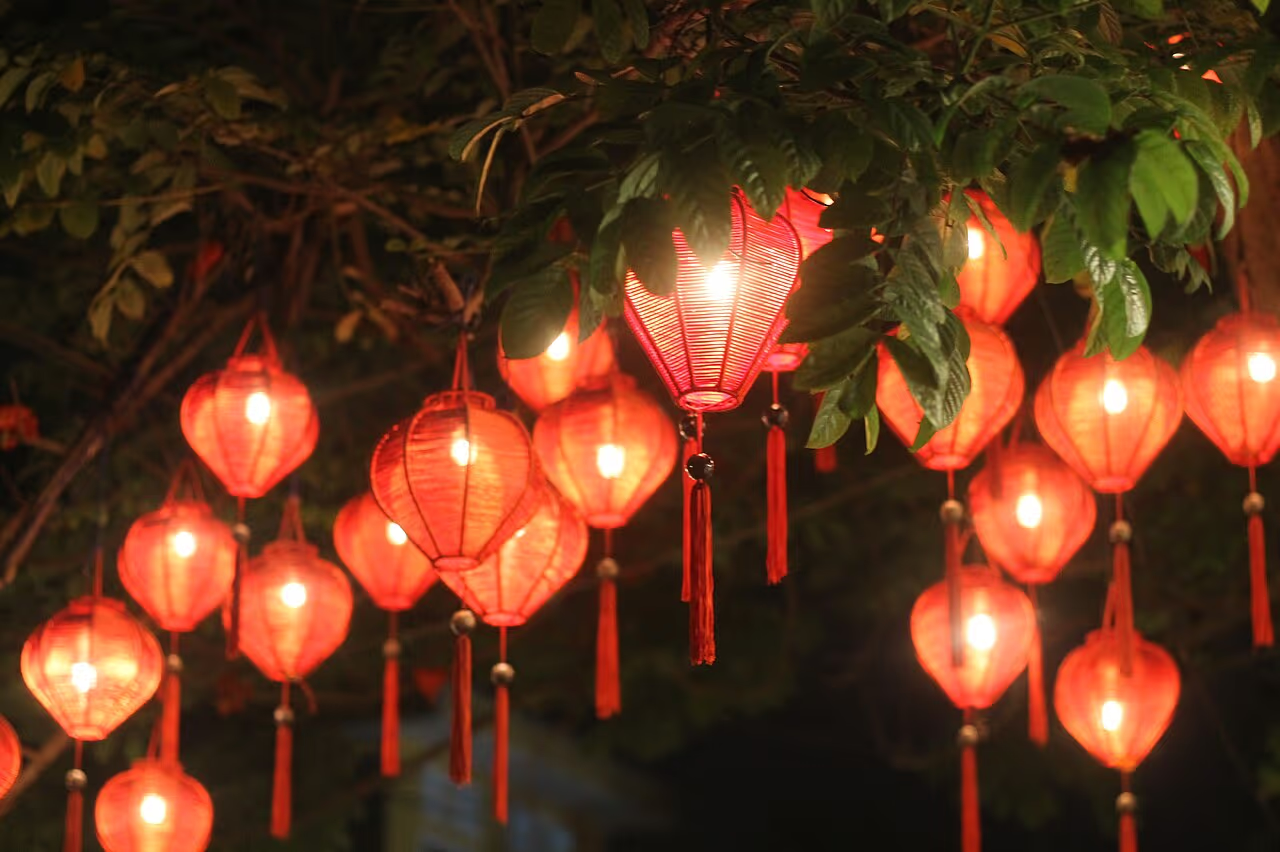
Hoi An's Ancient Town is the most photographed townscape in Vietnam, and a UNESCO World Heritage Site that earns it. The 15th-century Japanese Covered Bridge, the Chinese assembly halls along Tran Phu Street, and the shuttered Vietnamese tube houses have survived five centuries of trade and war intact. After dark, hundreds of silk lanterns light the Thu Bon River and locals float paper-lantern candles on the water — the single image most associated with central Vietnam.
The one rule that makes or breaks a visit: the old town belongs to tour groups between 9am and 6pm, and to you before and after. Come at dawn for the genuinely local market on Bach Dang Street, or after 8pm for the lanterns. Hoi An is also Asia's tailoring capital — 300+ shops can make a custom suit or ao dai in 24–48 hours, though quality tracks price closely, so choose a shop with samples on display and a real fitting process.
8. The Golden Bridge, Ba Na Hills — The Bridge Held by Giant Hands
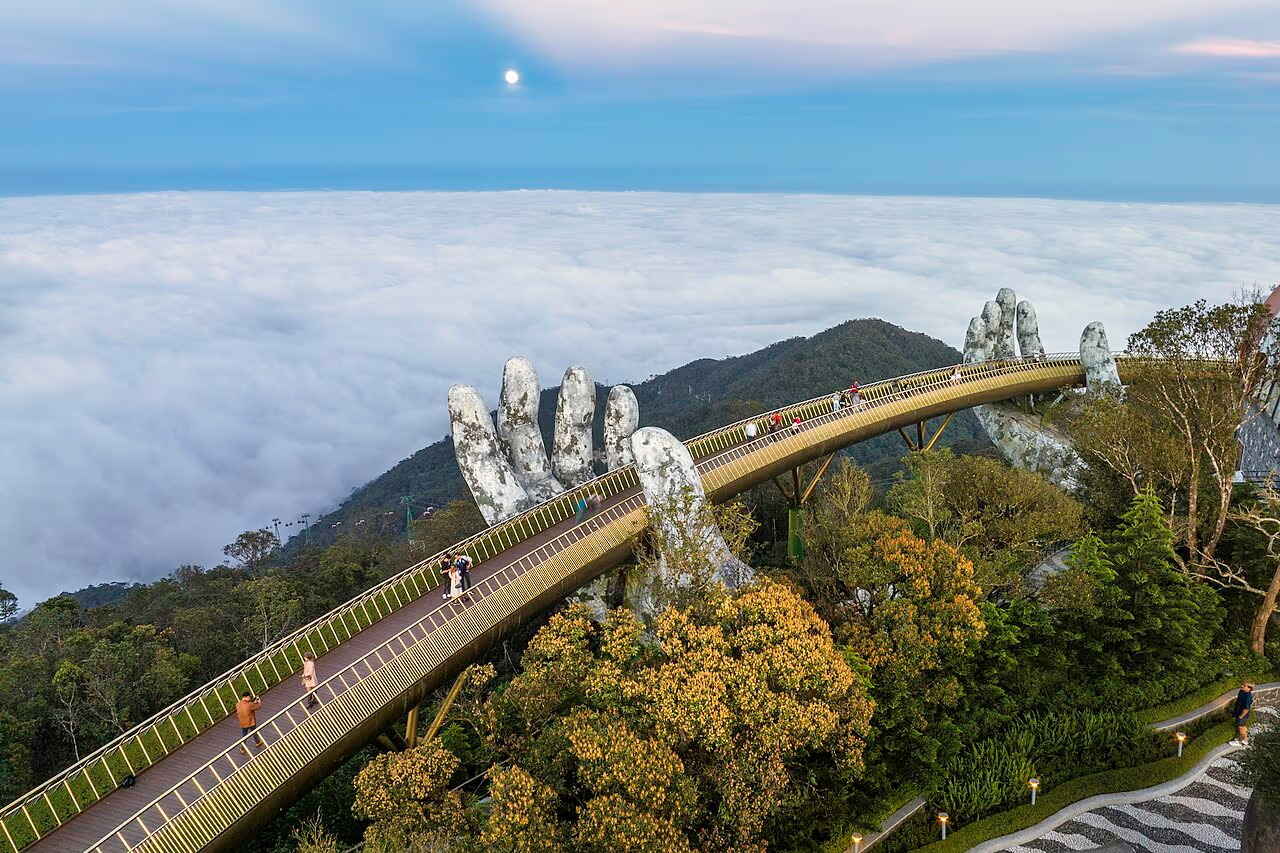
Thirty kilometres west of Da Nang, the Golden Bridge curves out of a mountainside at 1,400 metres, apparently cradled by two enormous weathered stone hands. When it opened in 2018 the image went around the world overnight, and it remains the most recognisable man-made attraction in Vietnam. You reach it via the Ba Na Hills cable car — one of the longest non-stop single-track cable cars on earth — which is half the spectacle.
It's unapologetically a built attraction: a French-themed resort village bolted onto a Vietnamese peak, busy and ticketed. But on a clear morning the views stretch 100 km across the coastal plain, and the cable-car ride up through the cloud line genuinely earns the ticket. Go early; by midday both the bridge and the photo spots are shoulder-to-shoulder.
9. The Dragon Bridge, Da Nang — Fire and Water on Weekend Nights
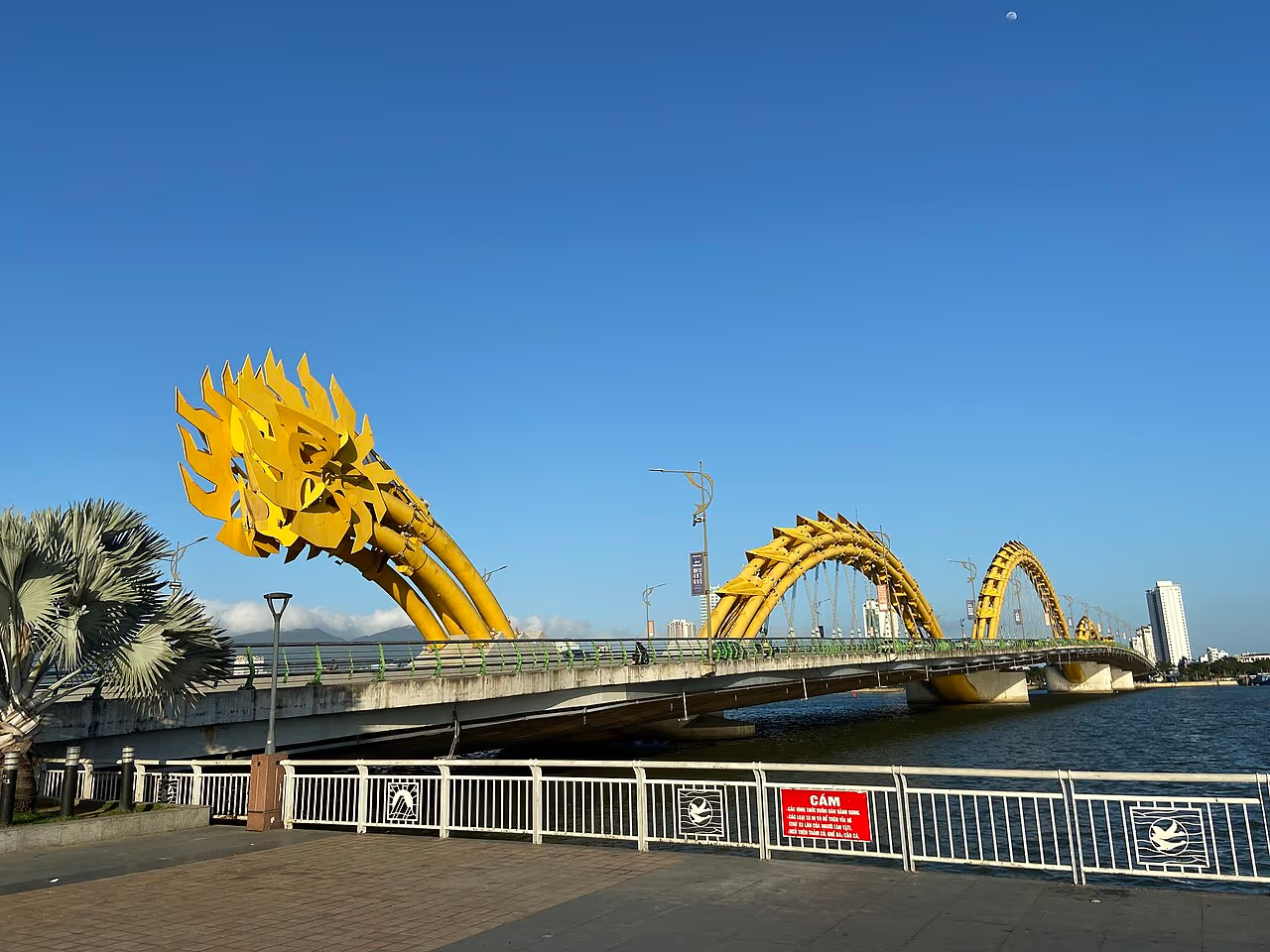
Down in Da Nang itself, the Dragon Bridge (Cau Rong) is a 666 m steel dragon arching over the Han River — and on Saturday and Sunday nights at 9pm, its head breathes real fire and then sprays water over the crowd below. It's free, it's genuinely fun, and it's one of the few major attractions that costs nothing and needs no booking. Combine it with the nearby Marble Mountains — five limestone hills riddled with cave shrines, 15 minutes south — for an easy half-day.
10. Hue Imperial Citadel — Vietnam's Forbidden City
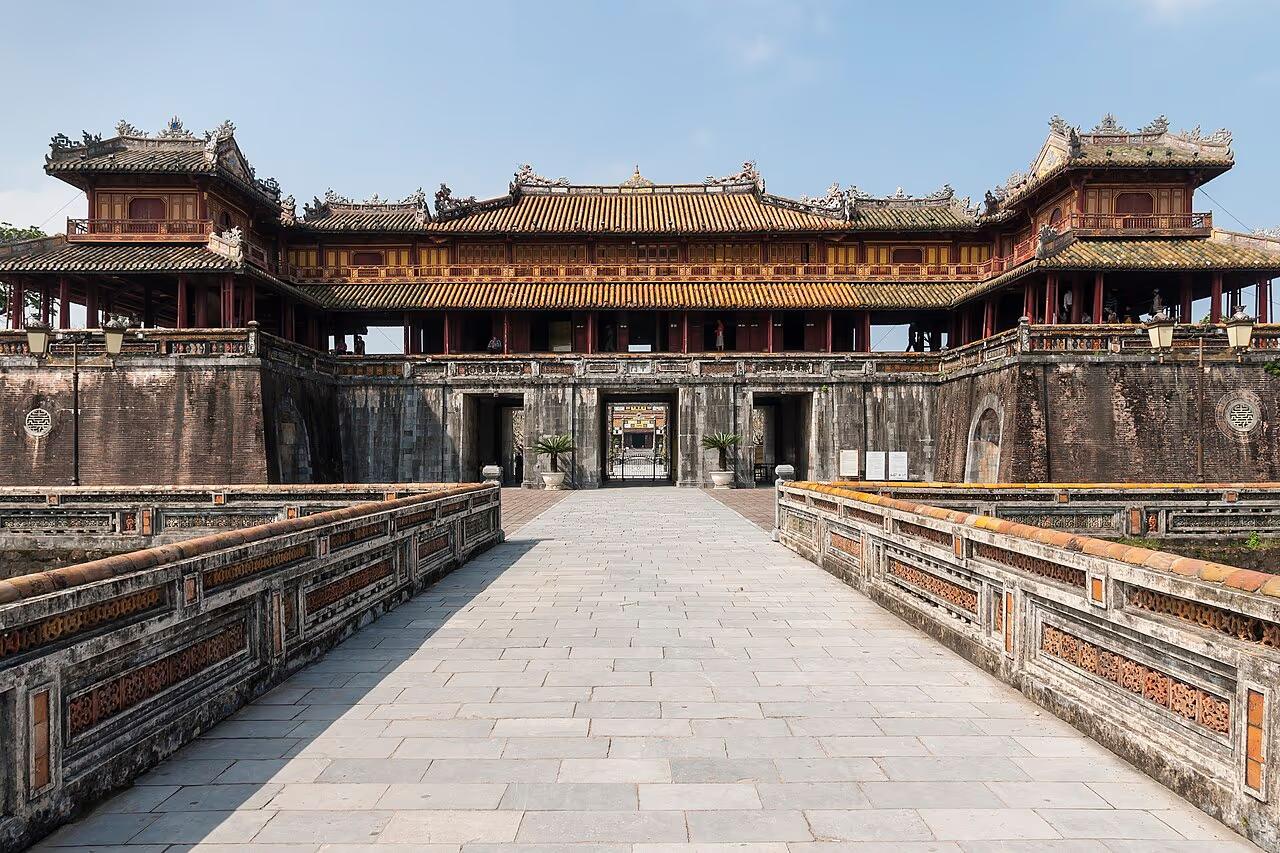
Hue was Vietnam's imperial capital for 143 years, and the Citadel is the country's grandest historical attraction: a walled palace city modelled on Beijing's Forbidden City, entered through the imposing Ngo Mon Gate. Much was lost in the 1968 fighting and is being painstakingly restored, but the scale, moats, and surviving throne halls still convey the power of the Nguyen dynasty. South of the city, seven royal tombs sit along the Perfume River — Tu Duc and Khai Dinh are the most spectacular and worth a half-day by boat or bike.
Hue is also the home of Vietnamese royal court cuisine; bun bo Hue, the sharp, lemongrass-laced beef noodle soup, was invented here and is best eaten for breakfast on the north bank of the river.
Southern Vietnam — War History, River Markets & Island Beaches
The south is hotter, flatter, and faster. Its top attractions are different in character from the north: the war history around Saigon, the floating river markets of the Mekong Delta, and the beach resorts of Phu Quoc Island. None require trekking; all reward an early start.
11. The Cu Chi Tunnels & War Remnants Museum — Saigon's War History
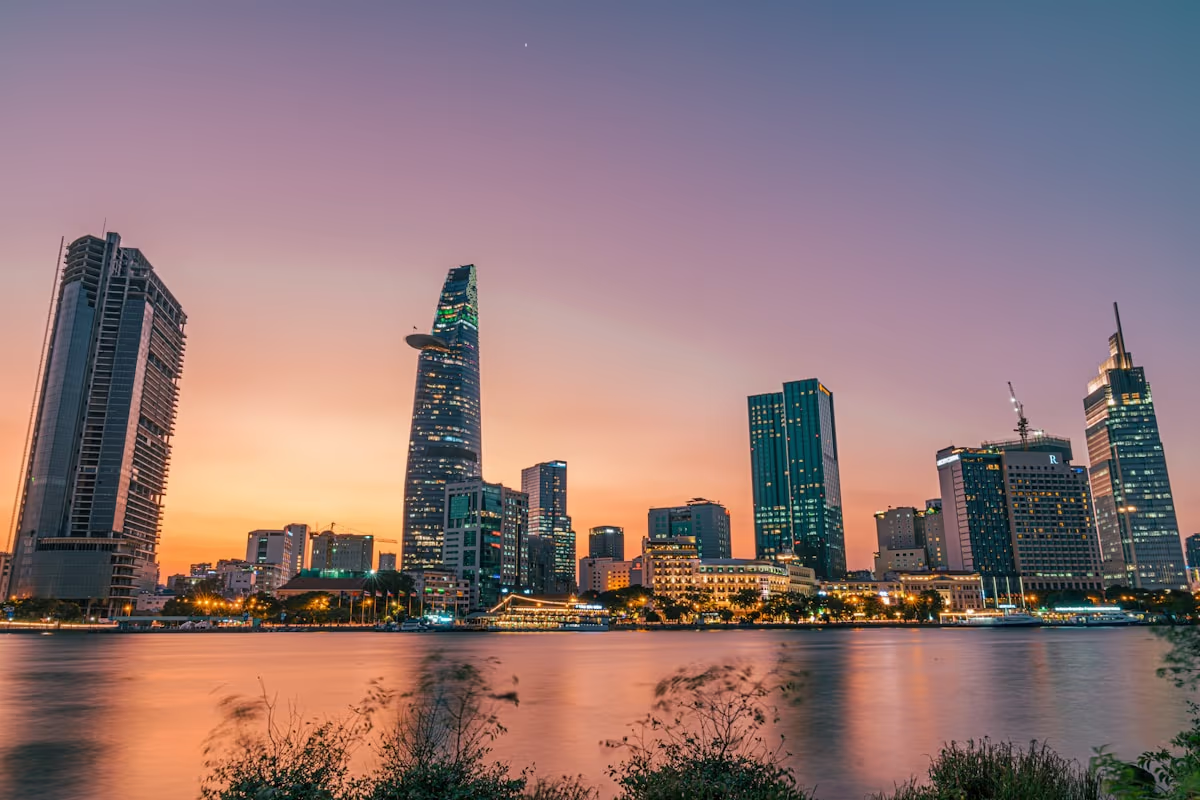
The most-visited attractions in Ho Chi Minh City (still "Saigon" to its residents) are both about the war. The Cu Chi Tunnels, 40 km northwest, are a 250 km network dug by Viet Cong fighters — visitors can crawl through widened sections, see the booby traps and living chambers, and grasp the conditions of the conflict in a way no book conveys. Back in the city, the War Remnants Museum is among the most confronting history museums anywhere; budget two hours and arrive prepared.
Around them, Saigon itself is the most intense city in Southeast Asia — 12 million people, the colonial-era Notre-Dame Cathedral and Central Post Office, and a street-food scene that never really stops. Districts 1 and 3 are the tourist core; District 4's Vinh Khanh Street is the best evening food strip.
12. The Cai Rang Floating Market — Dawn on the Mekong
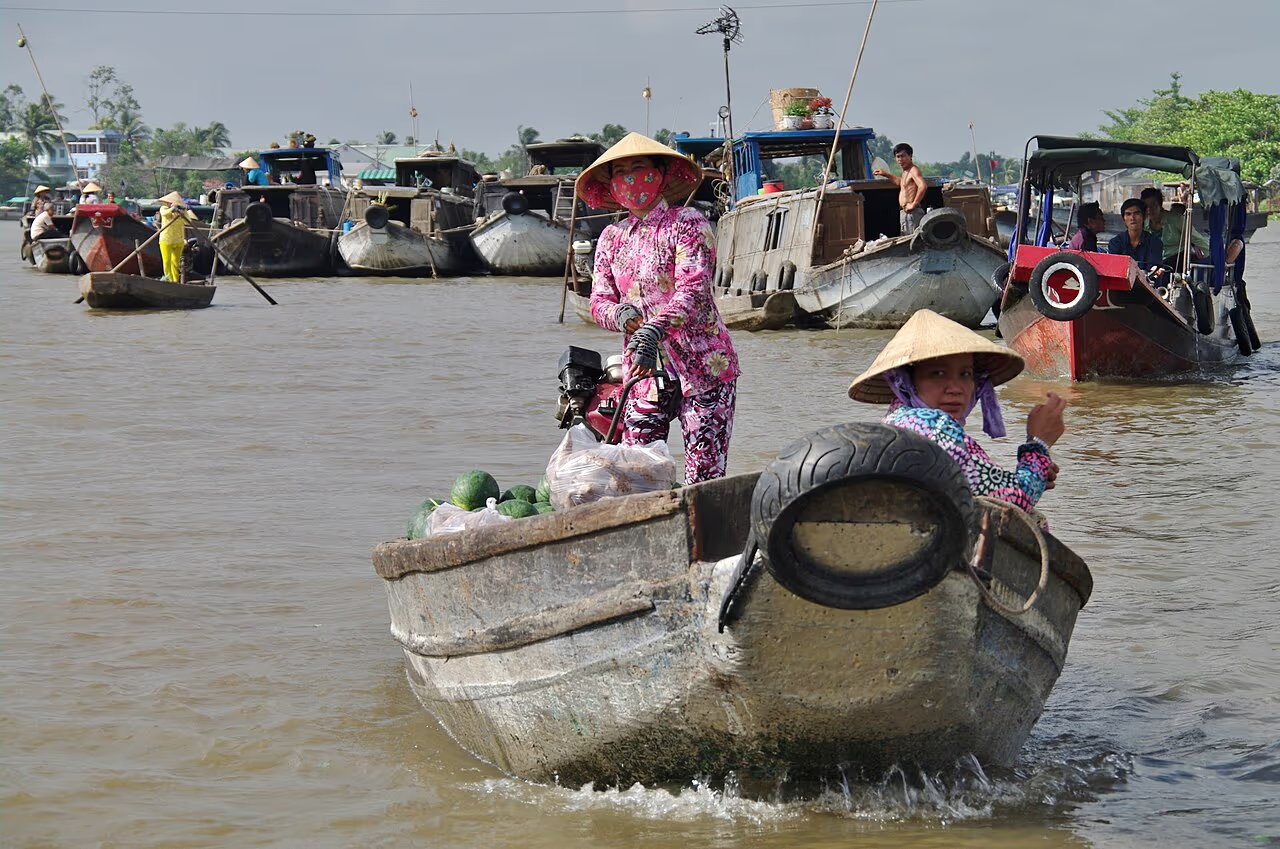
The Mekong splits into nine tributaries before it reaches the sea, and the best way to meet the delta is on the water at dawn. The Cai Rang floating market near Can Tho is the largest — wholesalers trade fruit and vegetables boat-to-boat, each vessel flying a sample of its produce on a tall pole so you can read the market from a distance. It's busiest at sunrise and functionally over by 10am, so an early start isn't optional; it's the whole attraction.
Can Tho, 3.5 hours from Ho Chi Minh City, is the best base — a real city rather than a tourist town, which makes the delta an easy add-on to any southern trip.
13. Phu Quoc Island — The Beach Finale
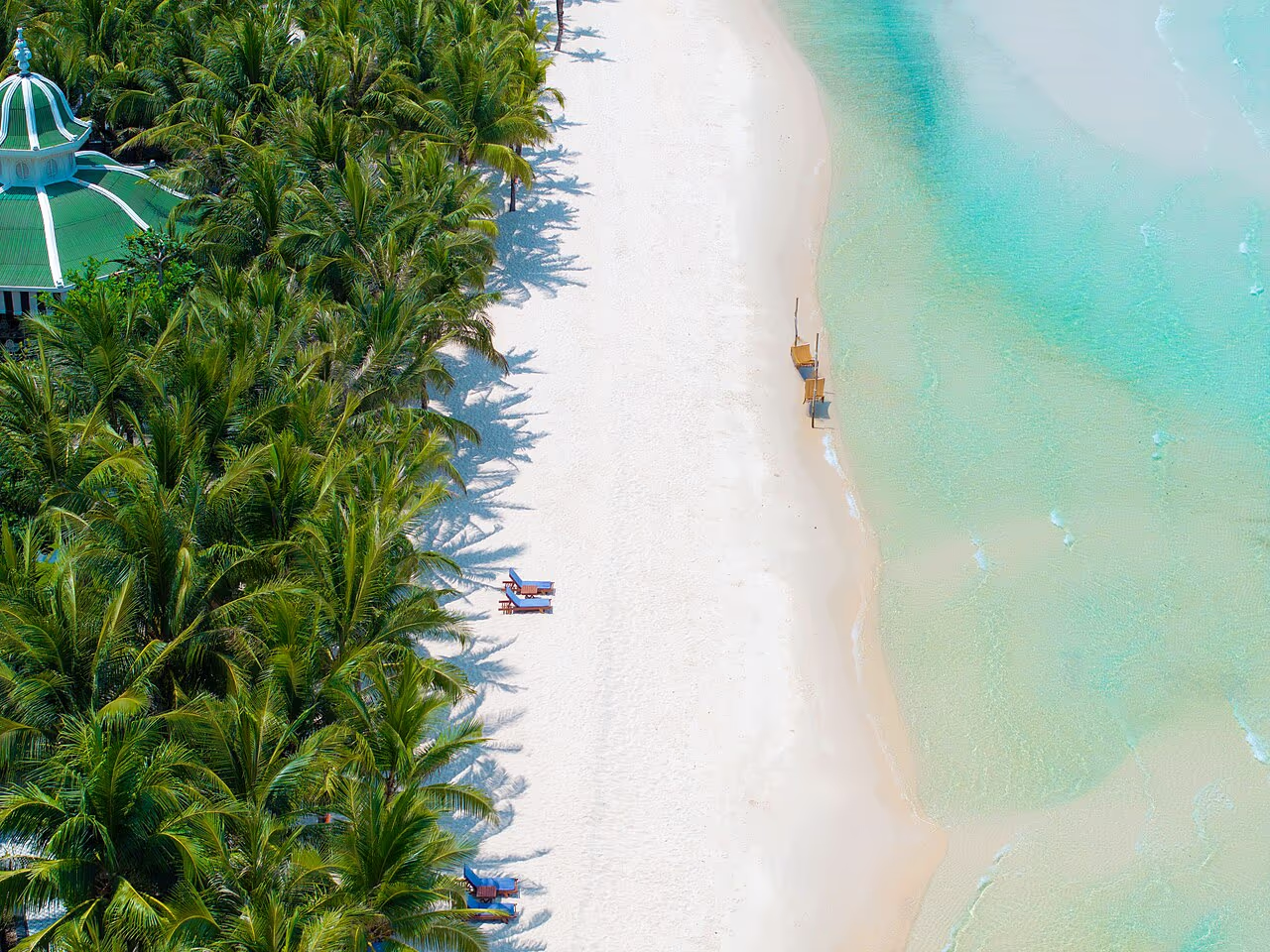
If your trip needs a soft landing, Phu Quoc — Vietnam's largest island, off the southwest coast in the Gulf of Thailand — is the country's main beach attraction. Bai Sao on the southeast coast has the finest white sand; the still-forested north, part national park, keeps the quieter, original feel. An international airport means you can fly straight in from Hanoi or Saigon to bookend a busy itinerary with a few slow days.
Beyond the beaches, the island makes the fish sauce and black pepper exported across the region, and the Duong Dong night market is the place to eat: grilled seafood and coconut desserts at plastic tables along the river.
More Iconic Sights Worth Your Time
The thirteen above are the attractions most travelers build a trip around. But Vietnam is dense with famous landmarks, and several of these are highlights in their own right — temples, caves, waterfalls, and ruins that round out the country's list of must-see sights. Here are twelve more, honestly summarized.
None of these replace the headline thirteen, but several pair beautifully with them — My Son as a half-day from Hoi An, the Marble Mountains alongside the Golden Bridge, Lan Ha Bay as the smarter way into the Ha Long karsts. The bigger question is how you actually travel between attractions spread over 1,650 km of country.
Getting Between the Attractions
Vietnam's sights are far apart, and the connections matter as much as the attractions themselves. Internal flights cover the long north–south hops; within the north, the single most useful leg is Hanoi to Sapa — which we run as a direct, door-to-door transfer for travelers booking a trek, so you arrive at the rice terraces rested rather than wrung out.
Reach the Northern Attractions in Comfort


Ha Long Bay vs Sapa — Which Attraction Should You Prioritise?
When you can't fit everything, the choice almost always comes down to the north's big three attractions — Ha Long Bay, the Sapa rice terraces, and the Ma Pi Leng Pass on the Ha Giang Loop. They compete for the same slot in most itineraries, each needs at least two days, and they deliver completely different kinds of experience. Here's an honest comparison:
The further right you go, the more effort it takes — and the bigger the payoff.
| Sapa | Ha Long Bay | Ha Giang | |
|---|---|---|---|
| Best for | Trekking, ethnic villages, mountain scenery | Boat cruise, limestone scenery, photography | Motorbike, epic passes, remote culture |
| Crowd level | Medium (manageable off main trail) | High in peak season | Low |
| Days needed | 2–3 | 1–2 | 3–5 |
| From Hanoi | 5–6h overnight bus | 3.5h transfer | 4.5h bus |
| Budget/day | $30–50 USD | $60–130 USD | $25–45 USD |
| Best season | Sep–Nov (harvest), May–Aug (green) | Mar–May, Sep–Nov | Sep–Nov, Mar–May |
| Trekking | ★★★★★ | ★★☆☆☆ | ★★★☆☆ (motorbike) |
| Local culture | ★★★★★ | ★★☆☆☆ | ★★★★☆ |
If you can only pick one and have never been to northern Vietnam before: go to Sapa. Ha Long Bay is visually spectacular but the experience — a cruise boat with 50 other tourists — is passive in a way that Sapa is not. Ha Giang is the more adventurous choice but requires either a motorbike license and confidence on mountain roads, or a hired motorbike driver, which adds cost and a layer of planning most first-timers don't have time for.
If you have two weeks: combine Sapa (3 days) with Ha Long Bay (2 days overnight cruise). That's the pairing our team recommends most consistently, and neither one feels diluted by the other.
Fitting the Attractions Into a Trip
Vietnam is 1,650 km top to bottom, so no single trip catches every attraction — you either pick a region and go deep, or sprint the highlights and accept the travel days. Below are three realistic routes that string the headline attractions together, organised by trip length.
7-Day Vietnam Itinerary — North & Central Focus
- Day 1–2: Hanoi — Old Quarter, Hoan Kiem Lake, street food, day trip logistics
- Day 3–4: Sapa — overnight bus from Hanoi, full day trek in Muong Hoa Valley, second morning at local market
- Day 5: Overnight bus back to Hanoi, afternoon flight to Da Nang
- Day 6: Hoi An — old town morning, tailor visit, riverside evening
- Day 7: Da Nang — Marble Mountains or Ba Na Hills, flight home
10-Day Vietnam Itinerary — North to Central
- Day 1–2: Hanoi
- Day 3–5: Sapa — 3 days allows a 2D1N homestay trek or Fansipan day + rice terrace day
- Day 6–7: Ha Long Bay — overnight cruise (Lan Ha Bay or Bai Tu Long)
- Day 8: Hue — Citadel, royal tombs, bun bo Hue for breakfast
- Day 9–10: Hoi An — two nights, full old town exploration
14-Day Vietnam Itinerary — Full Country
- Day 1–2: Hanoi
- Day 3–5: Sapa (3 days)
- Day 6–7: Ha Long Bay overnight cruise
- Day 8–9: Hue + Hoi An
- Day 10–12: Ho Chi Minh City + Cu Chi Tunnels
- Day 13–14: Mekong Delta (Can Tho) or Phu Quoc beach
Best Time to Visit Vietnam's Attractions
Vietnam's climate doesn't have a single "best time" because the country is long and narrow, with three climatically distinct regions. The short answer: October–November is the best compromise if you're planning a full-country trip.
When to visit northern Vietnam (Sapa, Hanoi, Ha Long Bay)
| Region | Best Season | What to Expect | Avoid |
|---|---|---|---|
| North (Sapa, Hanoi, Ha Long) | Sep–Nov | Rice harvest in Sapa, clear skies, mild temperatures (15–25°C in Sapa town) | Dec–Feb (cold and misty in mountains); Jul–Aug (hot, heavy rain) |
| Central (Hue, Da Nang, Hoi An) | Feb–Apr | Dry and warm, clear skies, best beach weather | Oct–Nov (typhoon season, serious flooding in Hoi An) |
| South (HCMC, Mekong, Phu Quoc) | Nov–Apr | Dry season — lower humidity, less rain, comfortable temperatures | Jun–Sep (monsoon season, heavy daily rain) |
Practical Tips Before You Go
- Visa: Many nationalities receive a free 90-day e-visa through the official Vietnam Immigration Portal. Apply at least 5 business days before travel. Citizens of France, Germany, UK, Italy, Spain, and several others receive 45-day visa-free entry as of 2023.
- Currency: Vietnamese Dong (VND). ATMs are widely available in cities. Smaller towns and markets are cash-only. Exchanging USD or EUR is easy in Hanoi and HCMC; harder in mountain areas like Sapa and Ha Giang.
- Transport: Overnight sleeper buses are the budget traveler's workhorse — cheap, reasonably comfortable, and they leave at night so you save on accommodation. Flights are affordable and fast for long stretches. Trains between Hanoi and HCMC exist but are slow (30+ hours for the full route).
- SIM card: Buy a local SIM at the airport on arrival. Viettel and Vietnamobile have the best mountain coverage. A 30-day data package costs approximately $5–8 USD and includes a local number.
- Tipping: Not customary in local restaurants but appreciated in tourist areas and guesthouses. For guided tours, $3–5 USD per person per day is standard.
- Medical: Travel insurance with medical evacuation cover is essential, especially if you're trekking in mountainous areas. Carry personal medication; pharmacies in mountain towns are limited.
- Booking Sapa tours: In peak season (September–October), book trekking tours 2–3 weeks in advance. Small-group tours of maximum 12 people fill faster than most travelers expect. WhatsApp is the fastest way to confirm availability — our team replies within 5–10 minutes.
Heading to the Sapa Terraces? Rent Your Gear Before You Trek
 Gear Rental
Trekking Boots Rental
Waterproof ankle-support boots. Cleaned and checked before each rental. Available at 105 Thach Son Street.
 Gear Rental
Walking Poles Rental
Trekking poles available to rent at $2/day at our office, 105 Thach Son Street. Essential for descents.