 Sinh Giang
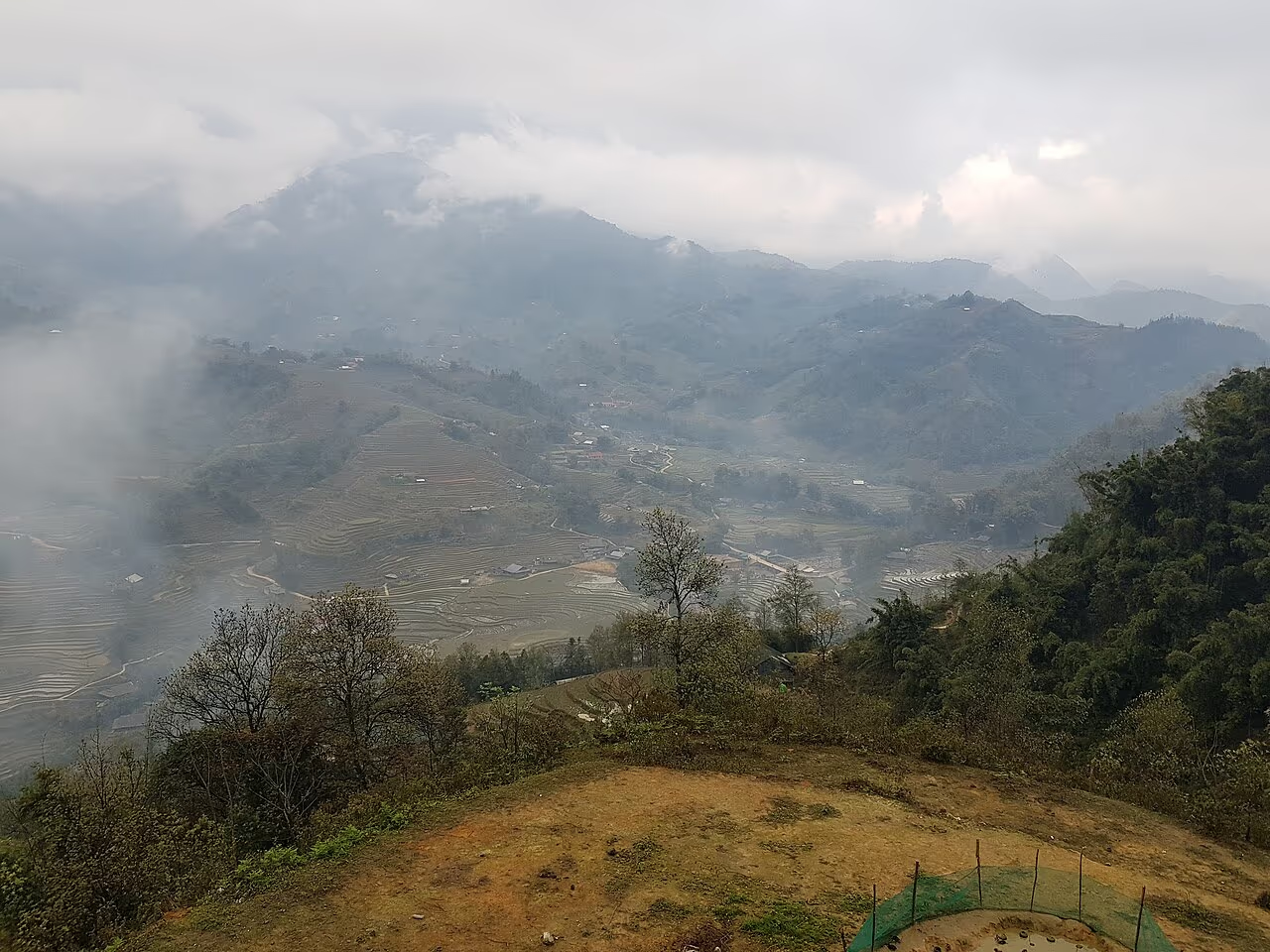
Yes — Sapa is worth visiting in December, but it is a different Sapa from the one on the postcards, and it rewards travellers who come prepared for the cold. December is the start of winter here: mornings are cold and often wrapped in thick fog, the rice terraces are bare brown earth rather than green or gold, and daylight is short. In exchange you get the quietest, cheapest, most atmospheric version of Sapa in the whole year — empty trails, wood-smoke evenings, dramatic seas of cloud on the clear days, and a genuine chance of frost or even a rare dusting of snow on Fansipan.
So whether December is worth it depends entirely on what you want. If you are chasing bright green terraces and warm sunshine, this is not your month. If you want to trek quiet valleys, meet Black H'mong and Red Dao families without the crowds, and do not mind bundling up, December can be magical. I guide here through the winter, so below I will give you the honest version: exactly what the weather is like, the real upsides and downsides, whether you can still trek, what to pack, and how December compares to the rest of the year.
Is Sapa Worth Visiting in December? The Honest Verdict
December is a shoulder-to-low season month in Sapa — worth it for atmosphere, quiet, and cold-weather drama, but not for classic terrace scenery or reliable sunshine. Here is December at a glance before we get into the detail.
Read that box honestly and the verdict is clear: come in December for the quiet, the atmosphere, and the winter drama — not for green rice or a suntan. The travellers who love Sapa in December are the ones who come knowing exactly that, pack properly, and treat a foggy morning as part of the experience rather than a disappointment.
What December Weather Is Really Like in Sapa
Sapa in December is genuinely cold by Vietnamese standards, and the fog is the defining feature of the month. At 1,500 metres, Sapa town sits right in the cloud line for much of the winter, so you can wake to a valley completely hidden in white mist that may or may not burn off by midday. Daytime highs sit around 9–15°C (48–59°F), and nights drop to 4–9°C, occasionally to freezing on the coldest snaps. Add wind and damp and it feels colder than the numbers suggest, and the humidity means the cold gets into your bones in a way a dry winter does not. This is why layering matters more here than the raw temperatures imply.
The good news is that December is one of the drier winter months — the summer monsoon is long gone, so heavy rain is unlikely. What you get instead is fog, drizzle, and low cloud rather than downpours. Crucially, the weather is not the same all day or every day: a grey, socked-in morning often opens into a crisp, clear afternoon, and the valley floor below the cloud line is frequently visible even when the town is grey. The pattern is unpredictable, which is exactly why you should give December more than a single rushed day.
| December in Sapa | What to expect |
|---|---|
| Daytime high | 9–15°C (48–59°F), colder on grey days |
| Night low | 4–9°C, near 0°C on cold snaps |
| Fog & cloud | Frequent, especially mornings |
| Rain | Low — drizzle more than downpours |
| Daylight | Short — dark by around 5:30pm |
| Snow / frost | Rare frost in town; occasional snow on Fansipan |
One thing to set expectations on: the rice terraces of the Muong Hoa Valley are bare in December. The harvest finishes in October, so through the winter the famous staircases are brown earth and stubble, not the green or gold you see in photos. They are still dramatic in scale and beautiful under mist, but if terraces are your only reason for coming, you would be better in spring or at the September–October harvest.
December in the Sapa Year
To see where December sits, here is the whole Sapa year at a glance — the rhythm of weather and rice that decides when the town is at its best. December falls in the quiet, cold heart of winter, between the golden autumn harvest and the fresh green of spring.
Seen this way, December is not a "bad" month — it is a shoulder month with a very particular character. You trade the peak scenery and warm weather of spring and autumn for solitude, low prices, and a moody winter beauty that many photographers actually prefer. The key is choosing December on purpose, for what it does offer, rather than expecting it to be spring.
The Upsides of Visiting Sapa in December
December's advantages are real, and for the right traveller they outweigh the cold. This is the month Sapa belongs to the people who live here — and to the few visitors willing to share the winter with them.
The crowds are gone. Outside the Christmas and New Year peak, December is one of the quietest months of the year. The trails through Lao Chai, Ta Van, and Ta Phin that are busy in autumn are almost empty, homestays have space, and you get the valley largely to yourself. For travellers who found the idea of a crowded Sapa off-putting, winter is the answer.
Prices are at their lowest. Hotels, homestays, and tours are cheaper in December than at almost any other time. The five-star hotels in town drop their rates, and family guesthouses in the valley are glad of the winter business. If you are travelling on a budget, your money goes furthest now.
The sea of clouds. Winter is the best season for Sapa's famous "sea of clouds" — the phenomenon where you climb above the cloud line and look out over a white ocean of mist filling the valleys, with mountain peaks poking through like islands. The clear, cold mornings after a front passes through are when this is most spectacular, especially from high points like Fansipan and the ridge above Sapa town.
Atmosphere and authenticity. There is something special about Sapa in the cold: wood smoke curling from homestay kitchens, families gathered around the fire, hot corn wine, the markets steaming with pho and grilled meat. Winter strips away the tourist gloss and shows you a working mountain town. Many travellers find the December version more memorable, not less.
The Honest Downsides of December
December has real drawbacks, and I would rather you know them now than feel let down on the trail. None are dealbreakers if you plan around them, but pretending Sapa is perfect in winter would be dishonest.
Fog can hide the views. This is the big one. On a bad day, thick cloud can sit over Sapa for hours and swallow the very views you came for. You might get a morning where you can barely see across the valley. The mitigation is time and flexibility — give it two or three days so a clear window can arrive — but you have to accept that December views are a gamble.
It is genuinely cold. Many visitors underestimate this. Travellers arriving from a warm Hanoi or a beach in the south are often shocked by how cold Sapa feels, especially at night and in homestays, which are rarely well heated. Without the right layers, the cold can make the trip miserable; with them, it is completely fine.
Short days. Daylight is limited in December — it is often dark by around 5:30pm — so you have fewer hours on the trail and need to start treks earlier. It is another reason not to plan a rushed single day, and to let your guide set an early start.
Can You Still Trek in Sapa in December?
Yes — you can absolutely still trek in Sapa in December, and it is the best thing to do here in winter. The trails through the Muong Hoa Valley stay open all year, and walking is the one activity that actually warms you up and gets you below the cloud line into the villages. The cold makes the walking comfortable rather than sweaty, and the low season means you often have the paths to yourself.
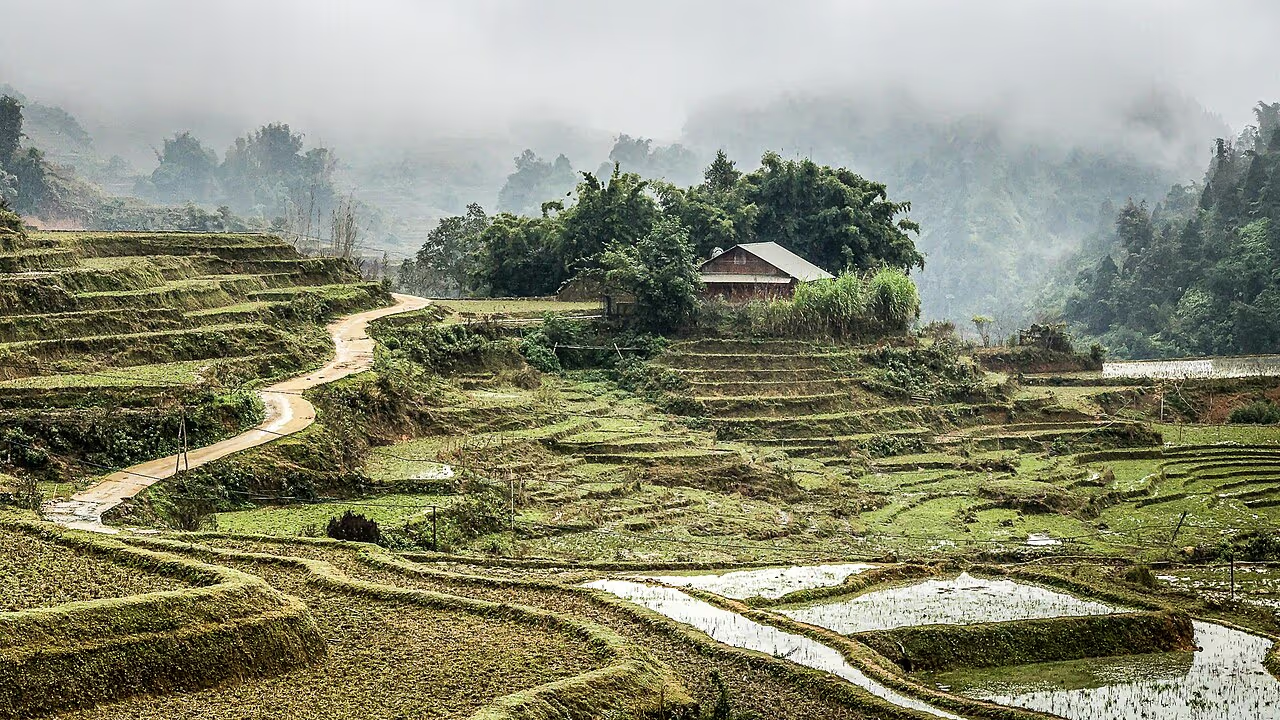
The keys to a good winter trek are simple. Layer up — thin, warm layers you can add or remove as you climb and descend. Wear shoes with grip, because the trails can be damp and slippery after fog or drizzle. Start early to use the daylight. And go with a local guide who knows which routes drop below the cloud line fastest and where the family lunch will have a warm fire waiting. The gentle valley walks through Lao Chai and Ta Van are very doable in winter; the harder high routes and the Fansipan trek need more care and proper gear.
What you should not do is expect a big-view ridge trek on a foggy day. If the cloud is thick, the smart move is to walk down into the valley where the villages and daily life are the reward, rather than up onto a viewpoint that will be white. A good guide will read the weather on the morning and choose the route to match — that flexibility is the whole value of going guided in winter.
What a December Day Trekking in Sapa Looks Like
To picture the winter experience, here is a typical December day on our most popular route. We meet early — winter days are short — and drive twenty minutes down from the cold, foggy town to the trailhead above Y Linh Ho, often dropping below the cloud line as we descend, so the valley opens up even when the town is grey. The air is sharp and still, and there is frost on the grass in the shaded hollows.
The path winds down onto the Muong Hoa valley floor, crossing the stream on a bamboo bridge past bare, brown terraces waiting for spring. By late morning we reach Lao Chai, a Black H'mong village where smoke rises from every kitchen and the cold keeps everyone close to the fire. Lunch is in a family home in Ta Van — a hot meal of stir-fried greens, rice, and thin slices of pork grilled over the coals, often with a small cup of warming corn wine pressed on you by the host. It is exactly the kind of afternoon that makes people say winter is when Sapa feels most real.
In the afternoon we climb gently to Giang Ta Chai, a Red Dao hamlet with a waterfall, before the road meets us for the ride back well before dark. The whole day is roughly 10 to 12 kilometres, unhurried, with the cold making the walking comfortable rather than tiring. You come back with cold cheeks, warm memories, and photographs of a moody, misty valley you had almost entirely to yourself.
Is Sapa in December Worth It For You?
Sapa in December is worth it if you value quiet, atmosphere, and low prices over guaranteed sunshine and green scenery — and if you are willing to pack for the cold. It suits independent travellers, photographers chasing the sea of clouds, budget travellers, and anyone who wants to meet the Black H'mong and Red Dao communities without the autumn crowds. It is a poor fit if you are set on bright terraces, warm weather, or a single fixed day with no flexibility for fog.
If that sounds like you, the easiest way to make a winter trip work is to let us handle the route and the timing. Our local guides trek these valleys all winter and know how to turn a grey morning into a good day. These are the treks that work best in December.
Guided Sapa Treks That Work in December
 Best Seller
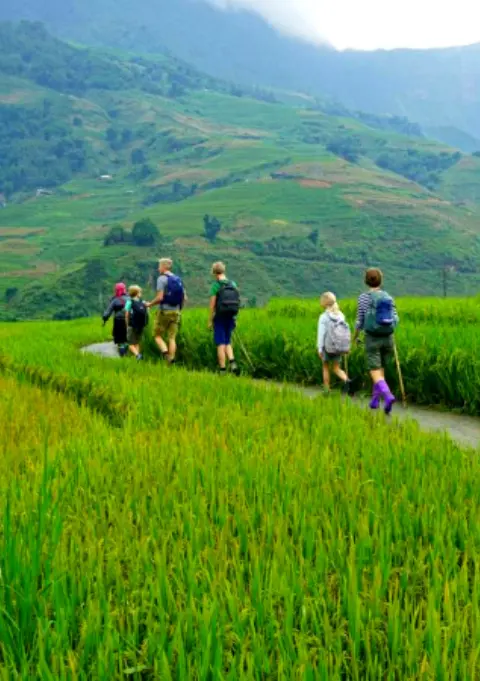
Trekking Through Rice Terraced Fields
The Muong Hoa Valley floor through Lao Chai & Ta Van — drops below the winter cloud line into the villages.
 Seniors & Families
Sapa Easy Trekking For Seniors
Gentle, flat valley paths with poles provided — the warmest, easiest way to see Sapa in winter.
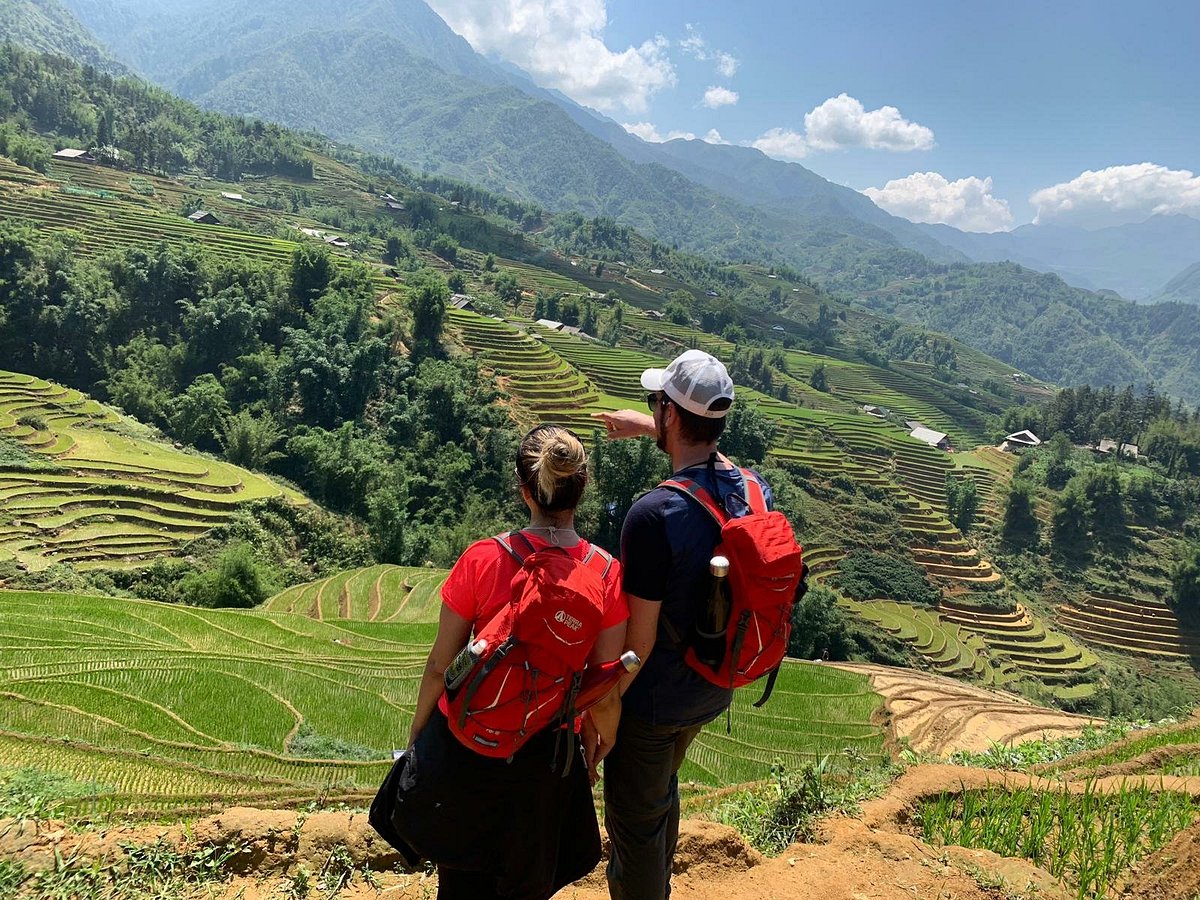
Rice Terraced Fields & Homestay
A night by the fire with a Black H'mong family — Sapa's winter at its most atmospheric.
Fansipan in December: Snow, Frost and the Sea of Clouds
Fansipan is where December's winter drama peaks. At 3,143 metres, the roof of Indochina is the coldest place in Vietnam, and in December temperatures at the summit can drop below freezing. On the rare occasions it snows or frosts in northern Vietnam, Fansipan is where it happens — a light dusting of snow or a coat of hoarfrost on the summit complex is a genuine December possibility, and it draws Vietnamese visitors up specifically to see it.
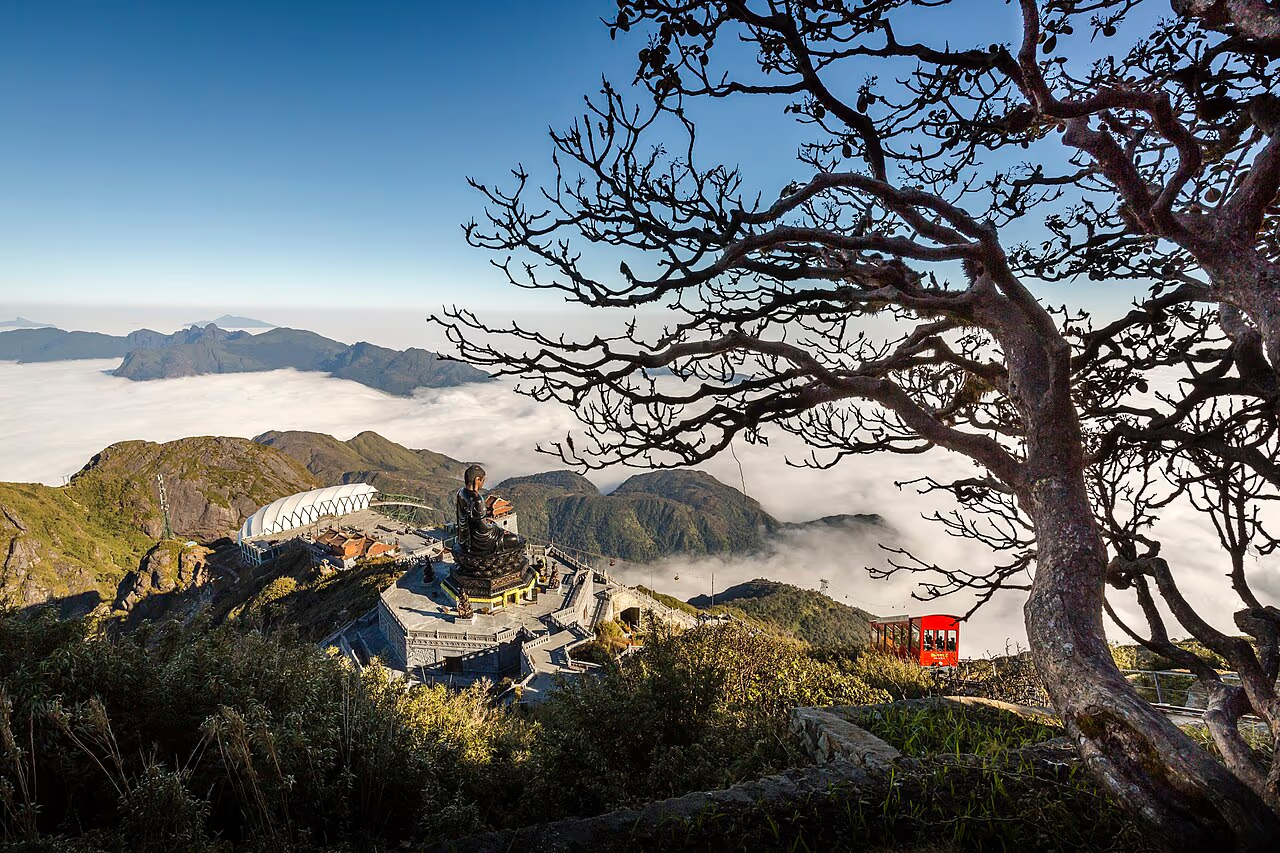
The easiest way to reach the top in December is the Fansipan cable car, which climbs from the valley to near the summit in about fifteen minutes — a huge advantage in winter, when trekking the mountain becomes cold, icy, and only for the well-equipped. From the cable car and the summit walkway you get the best chance of the sea of clouds, and if a cold front has just passed, the views can be extraordinary. Dress very warmly — it is dramatically colder at the top than in Sapa town — and go on a clear morning if you can, because the summit is often in cloud too.
If you are a serious trekker, the two-day Fansipan climb is still possible in December, but it demands proper winter gear, a good guide, and an acceptance that the summit may be frozen and viewless. For most December visitors, the cable car is the sensible, spectacular choice.
Beyond Trekking: What Else to Do in December
Trekking is the heart of a Sapa winter, but there is plenty to do on a foggy afternoon or a day off the trail. December's cold actually suits several of Sapa's best experiences, and they give you a warm, indoor plan for when the weather closes in.
Take a Red Dao herbal bath. This is the December experience I recommend most. The Red Dao people are famous for their herbal medicine, and a hot bath steeped in dozens of forest herbs, taken in a wooden tub after a cold day's trek, is the perfect antidote to the chill — deeply relaxing and completely local. Several homestays and spas in Ta Phin and around town offer them.
Warm up in the markets. The daily market in Sapa town and the bigger weekly markets — Bac Ha on Sunday, Can Cau on Saturday — are wonderful in winter, full of Flower H'mong and Red Dao families trading in the cold, steaming pots of thang co and pho, and stalls of brocade and herbs. They are a feast of colour against the grey.
See Cat Cat and the town. On a low-energy day, the nearby Cat Cat village walk, the Sapa stone church, the lake, and the cafes with mountain views are all easy, warm-adjacent options. And the Fansipan cable car, covered above, doubles as a full half-day out. There is always something to do when the fog rolls in — you are never stuck.
Christmas and New Year in Sapa
The one busy window in December is Christmas and New Year, when Sapa fills with domestic and international travellers looking for a cool, festive mountain break. If you want quiet, avoid the last week of the month; if you want atmosphere, it can be wonderful. Sapa town dresses up with lights, the stone church holds a Christmas service, and the cold air and fog give the whole place a genuinely festive, alpine feel that is rare in Vietnam.
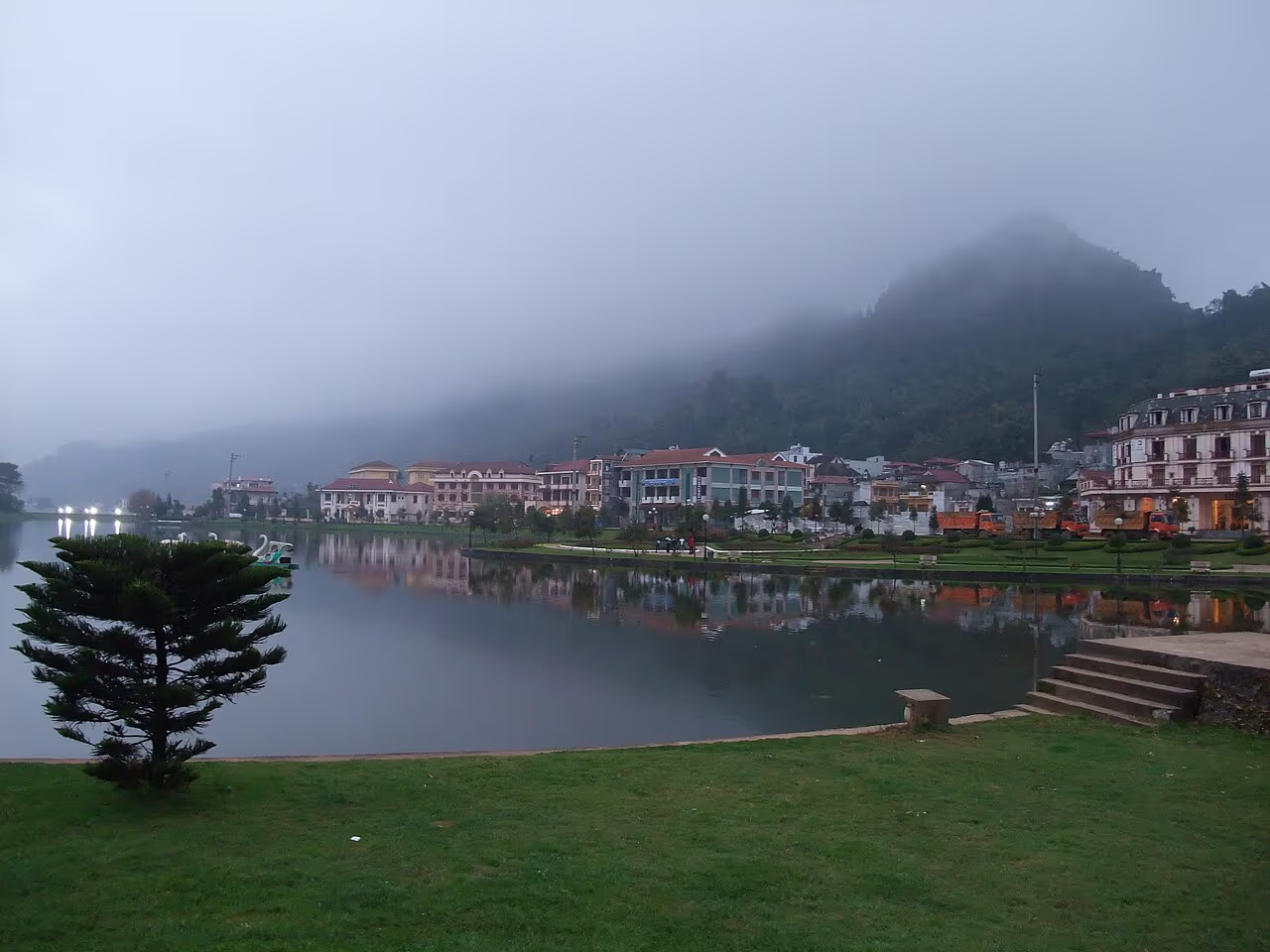
Practically, this means two things. First, book ahead: over Christmas and New Year the good hotels and homestays fill up and prices rise, so reserve your rooms, treks, and transport from Hanoi well in advance. Second, expect company on the popular trails and at the viewpoints during that week — Sapa's quietest month has its one crowded exception. Outside those dates, early and mid-December give you the solitude that makes winter here special.
Where to Stay in Sapa in December
Where you sleep matters more in December than any other month, because the cold at night is real and not every option is heated. You have two good choices, and the best trips often use both.
A hotel in Sapa town gives you the most comfort: the better hotels and all the higher-end ones have heating, hot water, and often a view over the misty valley, and you are close to the restaurants, cafes, and market for a warm evening. If you feel the cold, book at least one night in a heated town hotel — it makes a big difference to how much you enjoy the trip.
A valley homestay gives you the atmosphere: a night with a Black H'mong or Red Dao family in Ta Van or Lao Chai, gathered around the wood fire, sharing a home-cooked dinner and rice wine while the cold settles outside. Homestays are basic and rarely heated beyond the fire and thick blankets, so they are for travellers who want the experience more than the comfort — but that experience, on a cold December night, is one of the most memorable things you can do in Sapa. Our overnight treks pair a full day of walking with exactly this kind of homestay night.
What to Pack for Sapa in December
Packing right is the difference between loving Sapa in December and being cold and miserable. Treat it like a proper mountain-winter trip, not a Vietnam beach holiday — even if you are arriving from a warm Hanoi the same morning. Here is what actually matters.
If you would rather not buy cold-weather trekking gear for one trip, we rent trekking boots and walking poles by the day at our office at 105 Thach Son Street, cleaned and checked before each rental — handy if you are travelling light through Vietnam and only need winter kit for Sapa.
Rent Winter Trekking Gear at Our Office
 Gear Rental
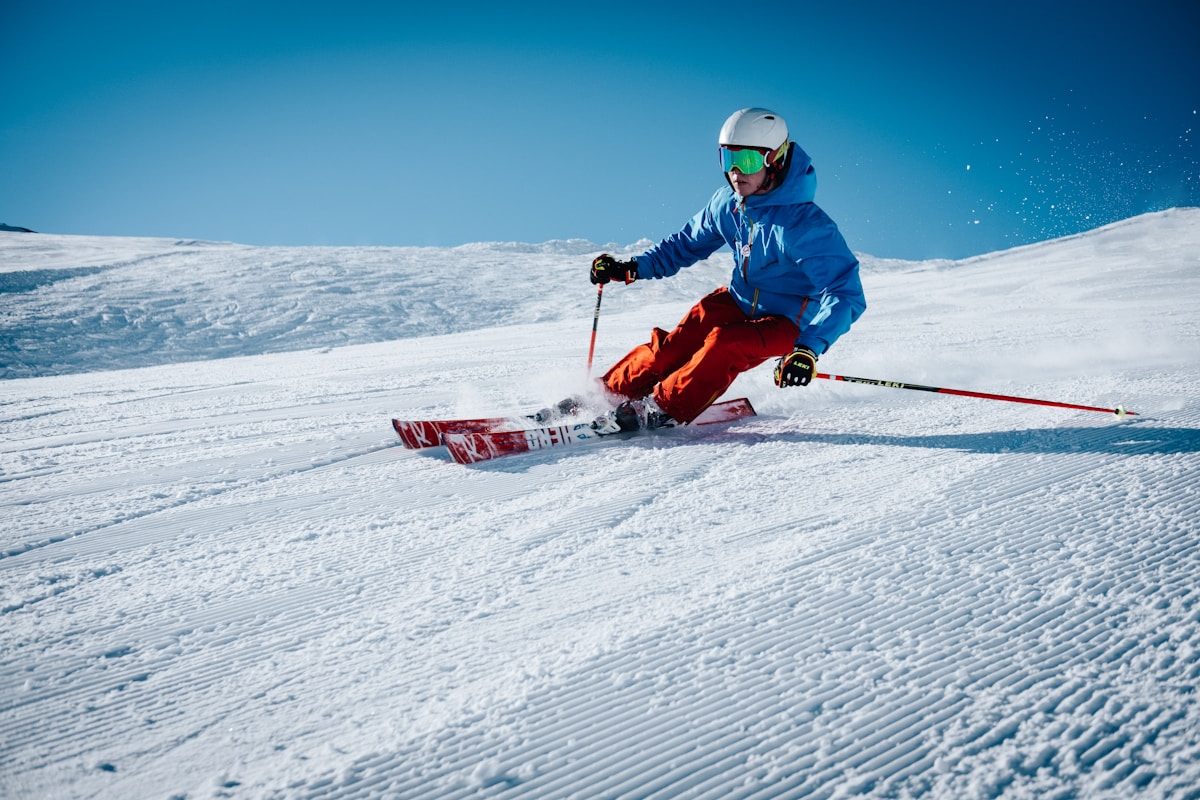
Trekking Boots Rental
Waterproof ankle-support boots — grip for damp, foggy winter trails. Cleaned before each rental.
 Gear Rental
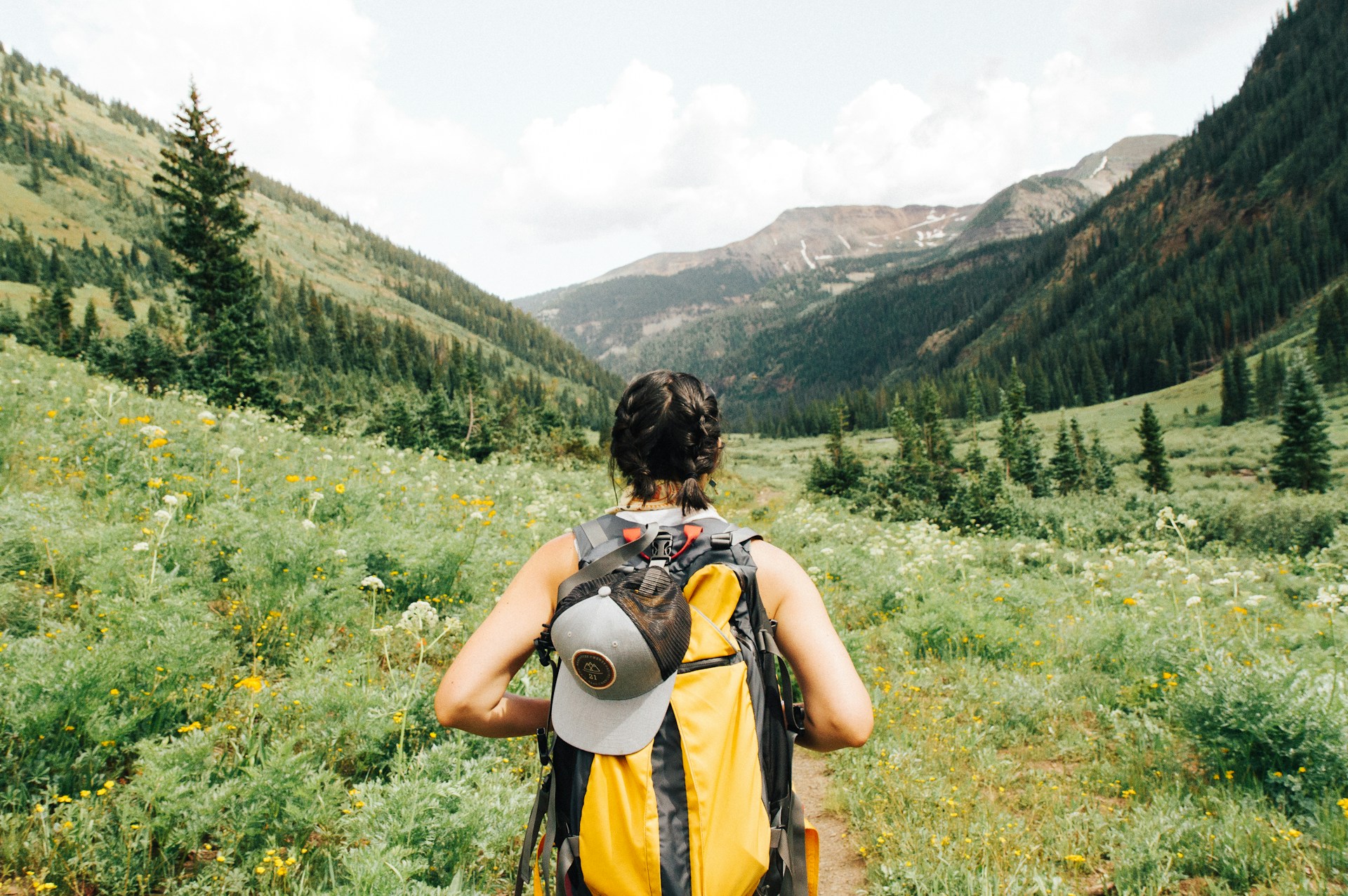
Walking Poles Rental
Trekking poles at $2/day — extra stability on slippery winter descents. At 105 Thach Son Street.
December vs Other Months — Should You Wait?
If your dates are flexible, it is worth knowing how December compares so you can decide whether to come now or wait. The honest answer: December is best for quiet and atmosphere, but if scenery is your priority, spring or autumn beat it clearly.
Choose December for the lowest prices, the fewest crowds, the sea of clouds, and a real winter atmosphere — and if you are already in northern Vietnam in winter and do not want to miss Sapa. Wait for March–May if you want clear, mild weather and fresh green terraces, with May bringing the mirror-like flooded paddies. Wait for September–October if the golden rice harvest is your dream — this is peak Sapa scenery. January and February are similar to December but often colder and foggier, so December is the pick of the deep-winter months. For a fuller month-by-month breakdown, see our guides to Sapa weather by month and the best time to visit Sapa.
And if you are wondering whether Sapa is worth the trip at all before you get into the timing, our honest overall verdict is here: is Sapa worth visiting? The short version — yes, in almost any month, as long as you trek into the valleys and come prepared for the season you have chosen.
Getting to Sapa in December
Getting to Sapa in winter is the same 320-kilometre trip from Hanoi, but the cold and the mountain fog make how you travel matter a little more. The overnight options let you sleep through the journey and arrive with a full, precious winter day ahead — and all of them are included as an add-on when you book a trek with us.
 Most Popular
Sleeper Bus
Sleeper & cabin options · 5–6 hours · From $17
 Fastest
Limousine Van
Door-to-door express · ~3.5 hours · Direct highway
 Most Reliable
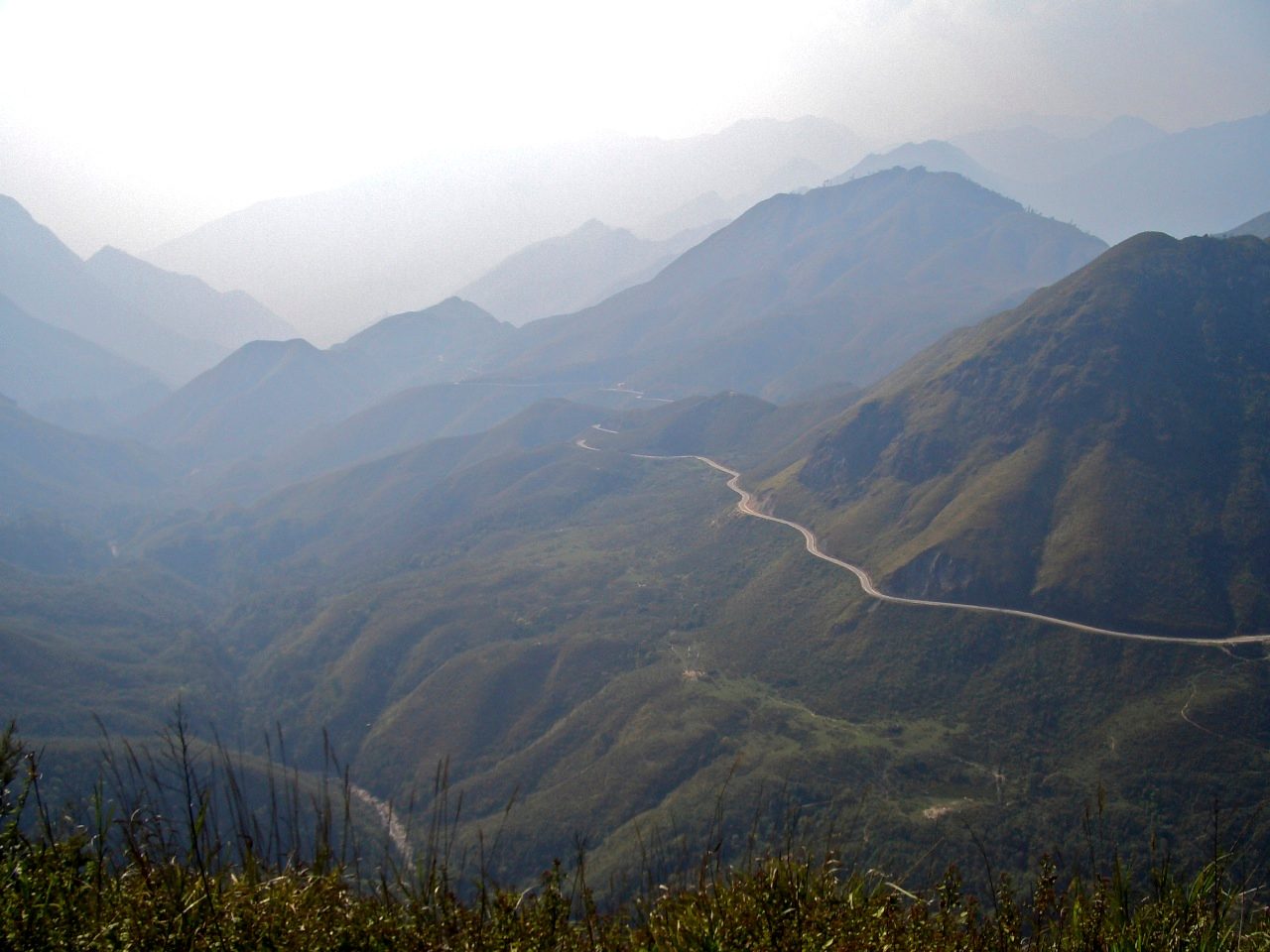
Overnight Train
Hanoi–Lao Cai · ~8 hours · No mountain-road risk
In winter the overnight train has one extra advantage — it avoids the mountain road entirely, which can occasionally be slow in heavy fog. Compare every departure on our Hanoi to Sapa transport page, and tell us your dates so we can line up the warmest, easiest option.
The Bottom Line: Is Sapa Worth Visiting in December?
Yes — Sapa is worth visiting in December for travellers who come for the right reasons. You will not get green terraces or warm sunshine, and there will be foggy hours when the view disappears. But you will get the quietest, cheapest, most atmospheric Sapa of the year: empty trails through Black H'mong and Red Dao villages, wood-smoke evenings by the fire, the chance of a snow-dusted Fansipan, and the sea of clouds on the crisp mornings after a cold front. For many travellers, that winter Sapa is more memorable than the busy autumn one.
The whole trip comes down to two things: pack properly for the cold, and give it enough days that a clear window can arrive. Do those, trek into the valleys with a local guide, and December can be one of the best few days of your Vietnam trip. Tell us your dates on WhatsApp and we will plan the winter trek that makes it worth it.
Frequently Asked Questions
Yes, if you come for the right reasons. December is cold, often foggy, and the rice terraces are bare, so it is not the month for green scenery or warm weather. But it is the quietest, cheapest, and most atmospheric time of year, with empty trails, winter sea-of-cloud mornings, and a genuine chance of snow on Fansipan. Pack warm, allow a weather buffer, and trek the valleys with a guide and it is well worth it.
Daytime highs are around 9–15°C (48–59°F) and nights drop to 4–9°C, occasionally near freezing on cold snaps. With fog, wind, and damp it feels colder than the numbers, and homestays are rarely heated, so warm layers, a hat, and gloves are essential. On Fansipan at 3,143m it can fall below zero.
Occasionally. Snow is rare in Sapa town but does happen on the coldest snaps, usually in late December or January, and frost is more common. The most likely place to see snow or hoarfrost is the summit of Fansipan, where sub-zero temperatures are normal in winter. Snow is never guaranteed, so treat it as a lucky bonus rather than a reason to come.
Yes — trekking is the best thing to do in Sapa in December. The Muong Hoa Valley trails stay open all year, the cold makes walking comfortable, and dropping below the cloud line into the villages is often clearer than the town. Wear layers and grippy shoes, start early for the short daylight, and go with a local guide who can pick a route to match the day's weather.
No. The rice is harvested in October, so through December the terraces are bare brown earth and stubble rather than green or gold. They are still dramatic in scale and can look beautiful under mist, but if seeing green or golden terraces is your main goal, come in spring (March–May) or at the harvest (September–October) instead.
Pack for a mountain winter: a warm insulated jacket, thermal base layers, a fleece, a hat, gloves, and warm socks, plus a rain jacket for fog and drizzle and grippy trekking shoes for damp trails. A power bank and walking poles help too. If you do not want to buy gear for one trip, you can rent boots and poles at our office in Sapa.