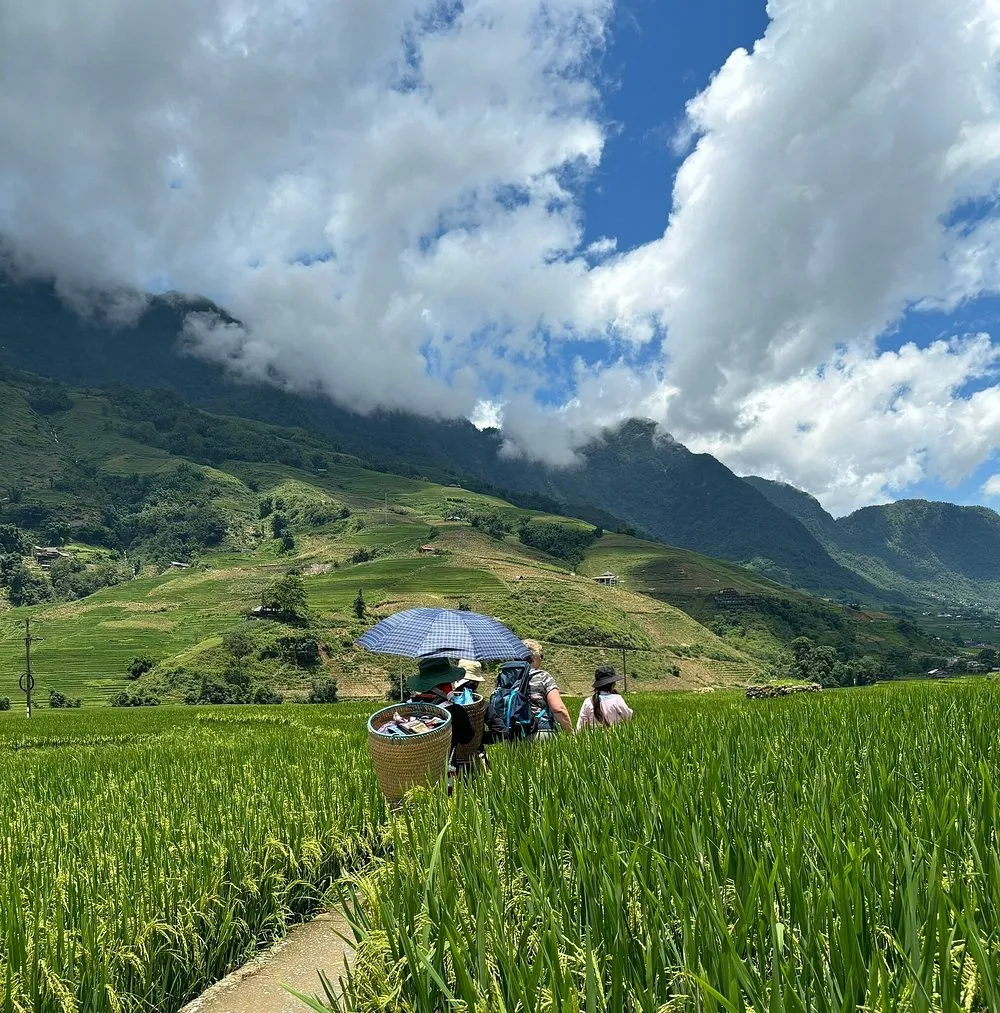
 Sinh Giang
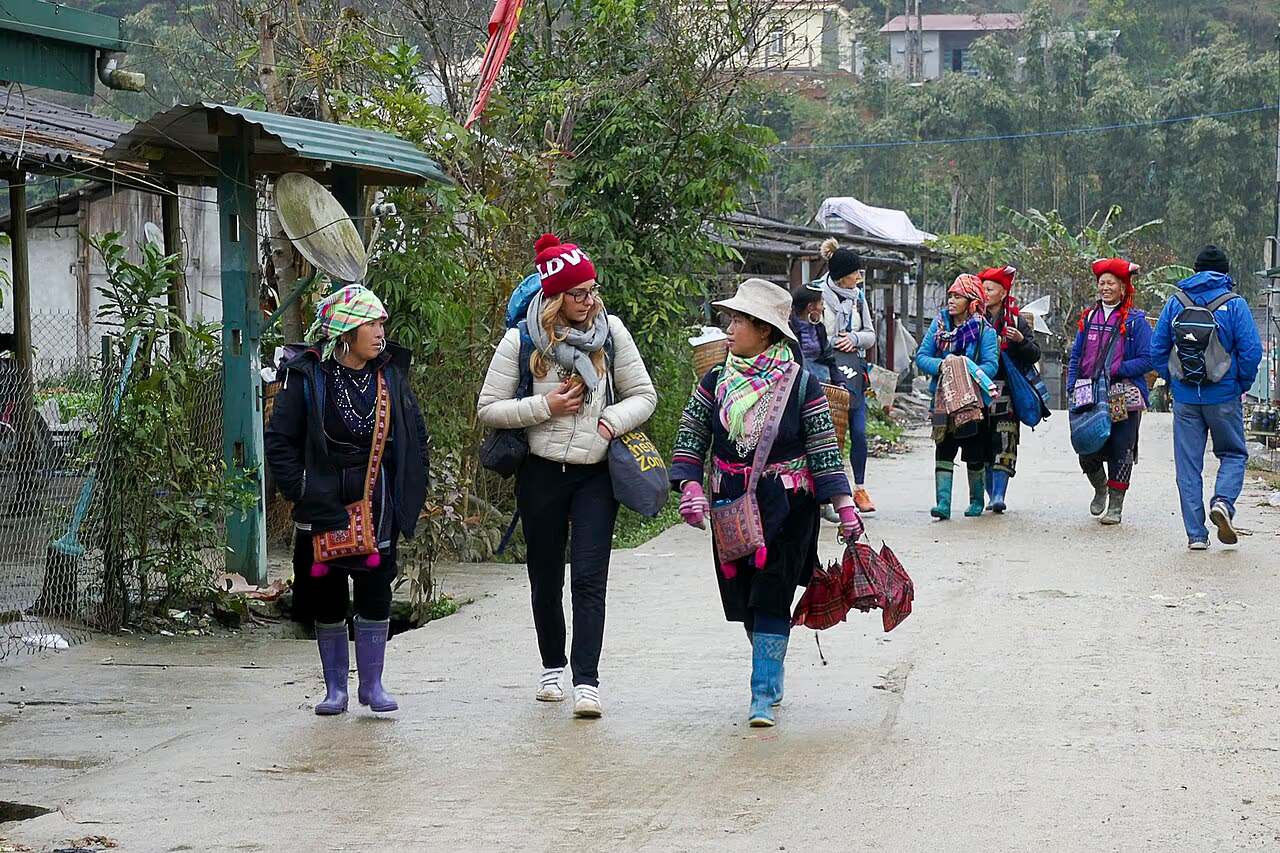
Search "Vietnam travel packages" and you'll drown in options — ten-day deals, luxury private tours, $399 group specials, build-your-own itineraries. They all promise the same trip and quote wildly different prices, and it's almost impossible to tell from the outside which one actually delivers. This guide is the framework we wish every traveler had before they booked: how the package types really differ, what's hidden in the fine print, what a fair price looks like, and the red flags that separate a great operator from a cheap one.
We run tours ourselves, so we'll be straight with you, including about when not to book a package at all. The goal isn't to sell you the most expensive option — it's to help you spend your money where it changes the trip, and avoid paying for things that don't.
And there's one quiet test that tells you more than any price tag: does the package include a real day with local people, or just a parade of sights from an air-conditioned bus? Hold that thought — it's the single most useful filter on this page, and we'll come back to it.
Why is this so confusing in the first place? Because "package" covers everything from a $399 budget group special to a $5,000 bespoke private journey, and the listings rarely make the difference clear. Two trips with the same itinerary, the same photos, and the same headline cities can deliver completely different days on the ground — one a relaxed private adventure with a guide who becomes a friend, the other a rushed coach circuit with a microphone and a shopping stop. The price alone tells you almost nothing. What follows is how to read past it.
One reassurance before we start: Vietnam is a forgiving place to get this decision a little wrong. It's safe, inexpensive, and genuinely set up for travelers, so even an imperfect package tends to produce a wonderful trip. The aim here isn't to avoid disaster — it's to make sure the money you do spend lands on the things that turn a good Vietnam holiday into the trip you'll still be talking about in five years.
The Four Ways to Book a Vietnam Trip
Almost every Vietnam holiday is booked in one of four ways. They're not better or worse — they suit different travelers, budgets, and appetites for planning. Here's the honest comparison before we go deeper.
| Package type | Best for | Typical $/day | Flexibility | Local depth |
|---|---|---|---|---|
| Group tour | Solo travelers, first-timers, budget | $50–90 | Low (fixed route) | Medium |
| Private tour | Couples, families, comfort | $90–180 | High | High |
| Tailor-made | Specific interests, special trips | $120–300+ | Total | High |
| DIY independent | Experienced, flexible, low budget | $25–60 | Total | Up to you |
The big myth to clear up first: a "package" doesn't have to mean a flag-following coach tour. The best modern Vietnam packages are private and flexible — your own guide and driver, your own pace, real choices each day — for far less than the same service costs in Europe. The cheap group specials and the fully independent route are the two ends; most travelers are happiest somewhere in the middle.
A quick tour of the four. A group tour pools you with strangers on a fixed departure and route — the cheapest way to travel and a genuine plus if you're solo and want company, but you move at the pace of the slowest of fifteen people and the itinerary is set in stone. A private tour gives you your own guide, driver and vehicle on a set itinerary you can still tweak as you go — the comfort sweet spot, and in Vietnam far more affordable than the word "private" usually implies.
A tailor-made trip starts from a blank page: you tell a local operator your interests, dates and budget, and they design the whole thing around you — ideal for honeymoons, special occasions, or very specific interests, at a higher price for the planning and flexibility. And fully independent means booking your own transport, hotels and day-tours as you go — the cheapest and most flexible route, but it puts all the logistics, and all the local access, on your shoulders. Most travelers we meet end up combining the last two: a private package for the parts that genuinely need a guide, and independent travel for the easy city days.
Group vs Private — The Choice That Matters Most
If you settle just one question before booking, settle this one. A group package and a private package can visit the identical places and feel like completely different holidays. Here's who each one really suits.
👥 A GROUP package fits if you…
👪 A PRIVATE package fits if you…
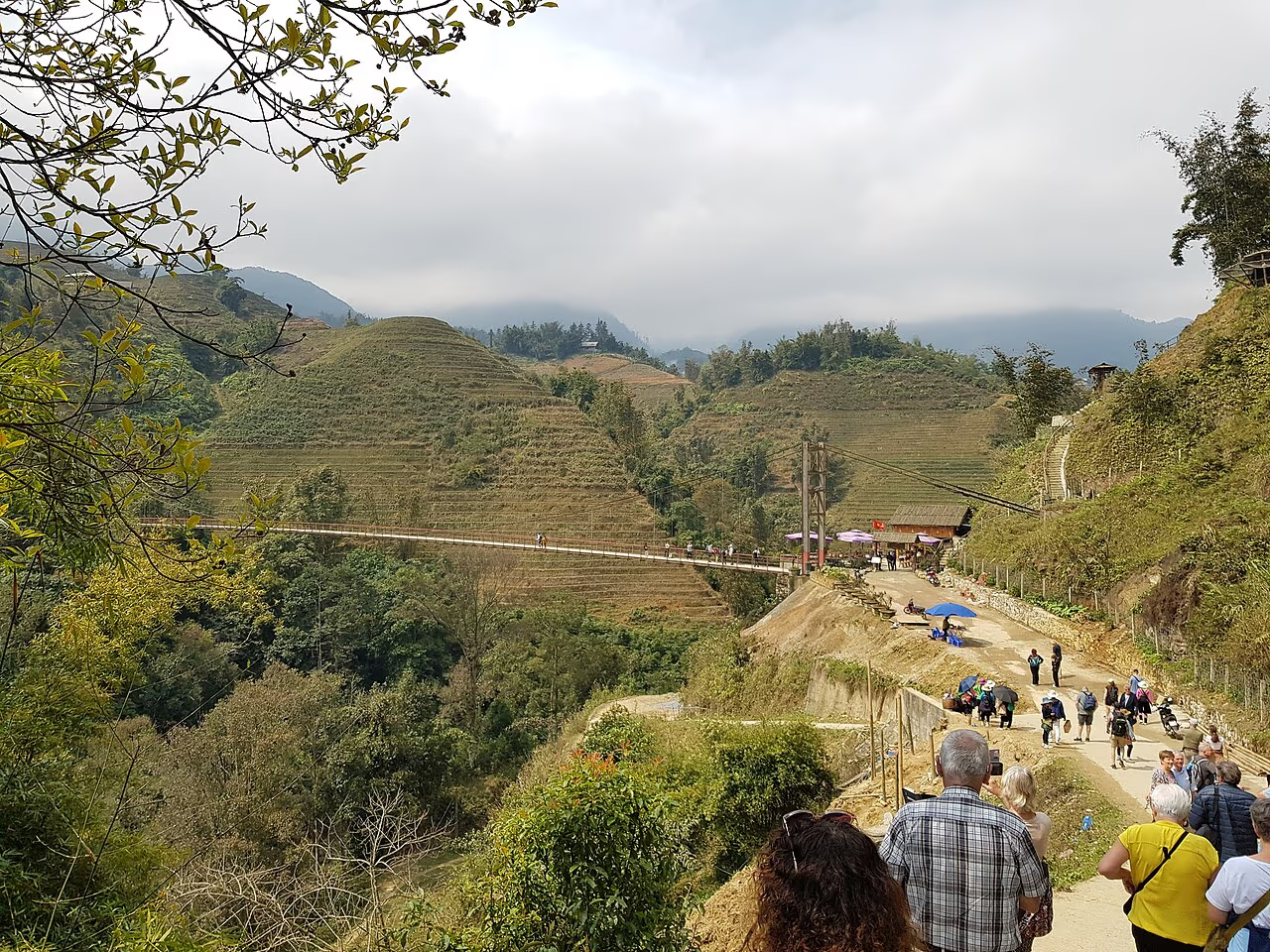
Here's the part the big sites won't tell you: in Vietnam, private is cheaper than you think. Because guides, drivers, and hotels cost a fraction of Western prices, a private guided day in Sapa starts around $30–60 per person — not the four-figure sums "private tour" implies elsewhere. For two or more people, a private package often costs barely more than a group one, and changes the trip entirely.
So when does a group package genuinely win? When you're travelling solo and the shared cost and built-in company matter more than control; when your dates are flexible enough to match a fixed departure; and when the operator runs real small groups rather than packing forty people onto a coach. The number to interrogate is the group cap. A maximum of around a dozen keeps a trek feeling like a trek and a guide able to actually talk to you. Anything in the twenties or thirties, and what you're really buying is a queue with a flag at the front.
Booking private cheaply is mostly about cutting the middleman. Many "private Vietnam packages" sold abroad are marked up two or three times by an overseas agency that then subcontracts a local operator to run the actual trip. Book the local operator directly and you get the same guide and the same vehicle for noticeably less — plus a real person in the same time zone to call if a flight shifts or the weather turns. It's the single biggest lever on value for money, and it costs nothing but a little research.
"We almost booked a big group package to save money. Switching to a small private one cost about 15% more and was worth ten times that — we set the pace, changed plans twice, and our guide became a friend. Don't cheap out on this part."
— The Okafor family, Manchester, UK (October 2025)
5 Questions to Ask Before You Book
A good package survives these five questions; a bad one falls apart on the second. Run any operator's offer through them before you pay a deposit.
"What are my two or three non-negotiables?"
Decide what the trip has to include — a Sapa trek, a Ha Long cruise, time in Hoi An — before you look at any package. Then judge each offer on whether it does those well, not on how many bullet points it lists.
Do this first"Group or private — and how big is the group?"
If it's a group, ask the maximum size. "Small group" can mean 30 people. A genuine small-group cap (we run max 12) is the difference between a trek and a traffic jam.
"What's included — in writing?"
Get the inclusions and exclusions listed explicitly: which meals, which entrance fees, tips, drinks, the airport transfer. Vague packages hide their real price in the gaps.
"Who actually runs it — and are they licensed?"
Many "packages" are resold by middlemen who never set foot in Vietnam. Book with the licensed local operator who runs the tour. Ask for the government licence number and check real reviews on Google and TripAdvisor.
The trust test"What's the cancellation and deposit policy?"
A fair operator asks for a modest deposit and offers free cancellation up to 48–72 hours before. Large non-refundable upfront payments are a red flag.
Run a package through these five and the good operators welcome every question — they have nothing to hide, and a clear, fast, specific answer is itself a green flag. The ones that get evasive, quote vaguely, or push you to pay before your questions are answered are telling you exactly what booking with them would feel like once your money is in.
What's Included — and What Quietly Isn't
Two packages at the same headline price can differ by hundreds of dollars once you add up what each one leaves out. This is where most "cheap" deals get their money back. Use the checklist below to compare like for like.
The trick to comparing packages fairly is to normalise them. Take two quotes, write each provider's inclusions and exclusions side by side, and mentally add the missing pieces to the cheaper one at real prices. A package that looks $200 cheaper but excludes four lunches, two entrance fees, the airport transfer and the single-room supplement usually isn't cheaper at all — it's the same trip with the awkward bits quietly moved into your wallet on the day. Doing this once, before you book, saves both money and the holiday-souring drip of small surprise charges throughout the trip.
Two exclusions deserve special attention because travelers forget them and they matter. The first is the Vietnam e-visa: it's yours to arrange online a few weeks ahead, it's inexpensive, and no reputable operator bundles it. The second is travel insurance with proper medical and medevac cover — non-negotiable for any trip involving trekking and remote areas, and far cheaper than the one time you would actually need it. Budget both from the very start so they don't feel like charges sprung on you later.
✅ A fair package usually includes
- Licensed local guide for each touring day
- Private transfers & the listed transport
- Accommodation at the stated star level
- Daily breakfast, plus lunches on trek days
- Entrance fees for the named sights
- A homestay or community night where relevant
⚠️ Often charged extra (ask!)
- International & domestic flights
- The Vietnam e-visa (yours to arrange)
- Lunches/dinners not on the itinerary
- Drinks, tips, and personal spending
- Single-room supplement for solo travelers
- Travel insurance (essential — get medevac cover)
What a Vietnam Package Actually Costs
Vietnam is exceptional value, but "cheap" and "good value" aren't the same thing. As a rough guide, a quality private package runs about $90–180 per person per day including guide, driver, hotels and most meals; group packages sit lower; luxury tailor-made climbs higher. More useful than the headline number is where that money actually goes — because the cheapest deals save you money by cutting exactly the parts that make the trip.
What does that buy in practice? At the budget end (roughly $50–70 a day) you get clean two- and three-star hotels, shared group transport, and good local guides on the headline days. The mid-range — the $90–180 sweet spot — upgrades you to private transport, nicer three- and four-star stays, more included meals, and a guide who is yours alone. Above that, you're paying for boutique hotels, special experiences, and the time of a planner tailoring every detail. The point worth holding onto: even the mid-range here costs less than a bare group tour in much of Europe. Vietnam's value is real, which is exactly why it pays to spend a little more to do it well rather than chase the rock-bottom number and lose the parts that matter.
Equally, a few things genuinely aren't worth a package premium, and you can keep them off your bill. City sightseeing you can do yourself on foot or by Grab for a fraction of a guided rate; simple intercity flights are cheaper booked directly; and street food beats most included tourist restaurants on both price and quality. Spend where a guide's knowledge and access change the day — the treks, the homestays, the cruises — and stay independent where they don't. That split is how experienced travelers get a near-luxury trip on a mid-range budget.
Red Flags: Spotting a Bad Package
Most Vietnam operators are honest and excellent value. A few are not. These are the warning signs that should make you keep scrolling:
- No licence number anywhere. Legitimate Vietnamese operators display a government tour licence. No number, no booking.
- Pressure and fake scarcity. "Only 2 spots left, pay now!" countdowns are a sales tactic, not a real constraint for a country this size.
- Large non-refundable deposits. Fair operators take a small deposit and offer free cancellation 48–72h out.
- Vague itineraries. "Explore the city" with no specifics often means hours in commission-paying shops.
- A price that's too good. If it's far below everyone else, the savings come out of your experience — the guide, the group size, or the hotels.
- Only contactable by a web form. A real operator answers a real person fast. We reply on WhatsApp within 5–10 minutes.
None of this means you need to be paranoid — the large majority of Vietnamese operators are honest, skilled, and astonishing value. It means trusting patterns over promises. One red flag might be a quirk; two or three together is a decision. And the simplest safeguard of all is to book with the people who actually run the tour, get everything in writing, and insist on a fair cancellation policy — so that if anything does go wrong on the ground, there's a real, accountable human who can fix it.
The One Thing Every Good Package Should Include
Back to the quiet test from the start. The packages travelers remember — the ones that turn a holiday into a story — almost always share one ingredient: at least one real day with local people, not just past them. In Vietnam, the clearest version of that is a guided Sapa trek, ending with a home-cooked lunch in a Black H'mong or Red Dao family's kitchen.
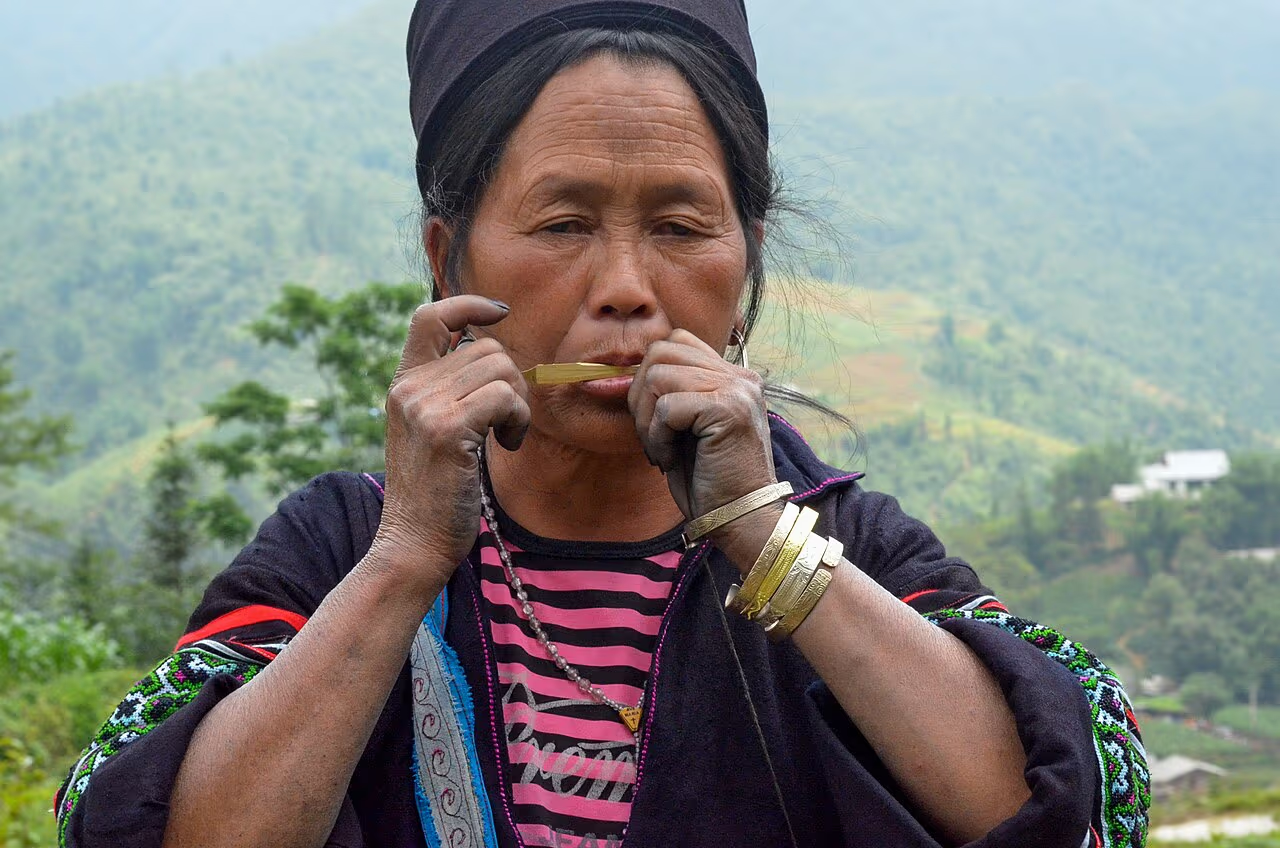
It's also the easiest thing to check for. If a package's "Sapa" is a photo stop at a viewpoint and a buffet lunch, it's selling you the postcard. If it's a day on the trail with a guide from the community and a meal in a real home, it's selling you the country. That single day is, for the overwhelming majority of our guests, the highlight of the entire trip — and it's why we build every package around it rather than bolting it on.
What does that day actually look like? You leave the road behind within minutes, following a guide who grew up in these valleys down trails that appear on no map. You pass buffalo and indigo-dye plots and women weaving hemp on their doorsteps, stop to learn how the terraces are flooded and planted, and end up in a family's kitchen over a lunch of garden vegetables, river fish and a shot of corn wine. Nobody is performing for you; you're simply a guest for an afternoon. That's the texture a good package protects time for — and the first thing a cheap one quietly swaps for a viewpoint photo and a gift shop.
Build Your Trip Around a Real Sapa Trek
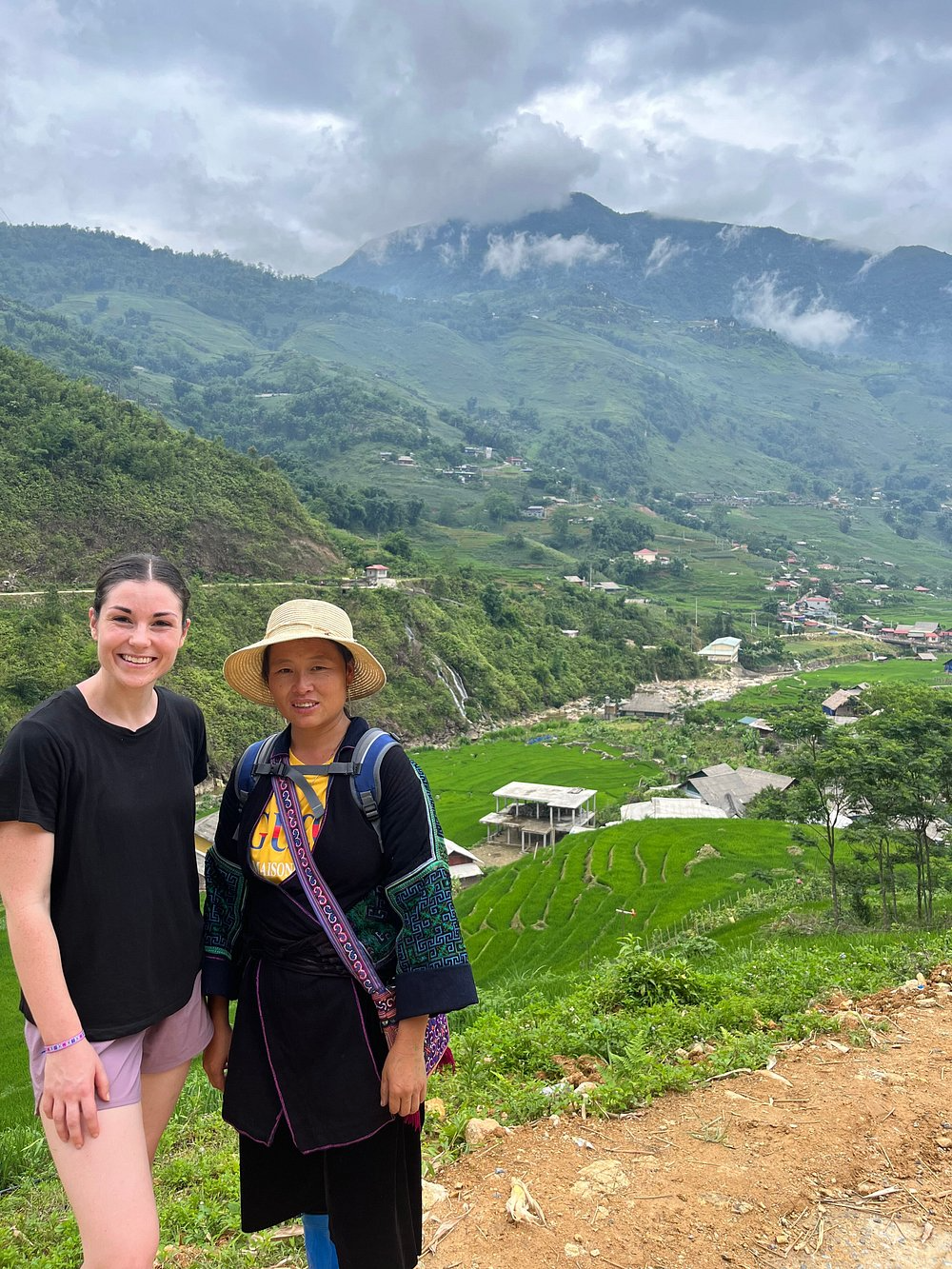
 1 Day Trek
Trekking Through Rice Terraced Fields
Muong Hoa Valley with a local guide and a family lunch. The day that anchors a great package.
 2D1N Homestay
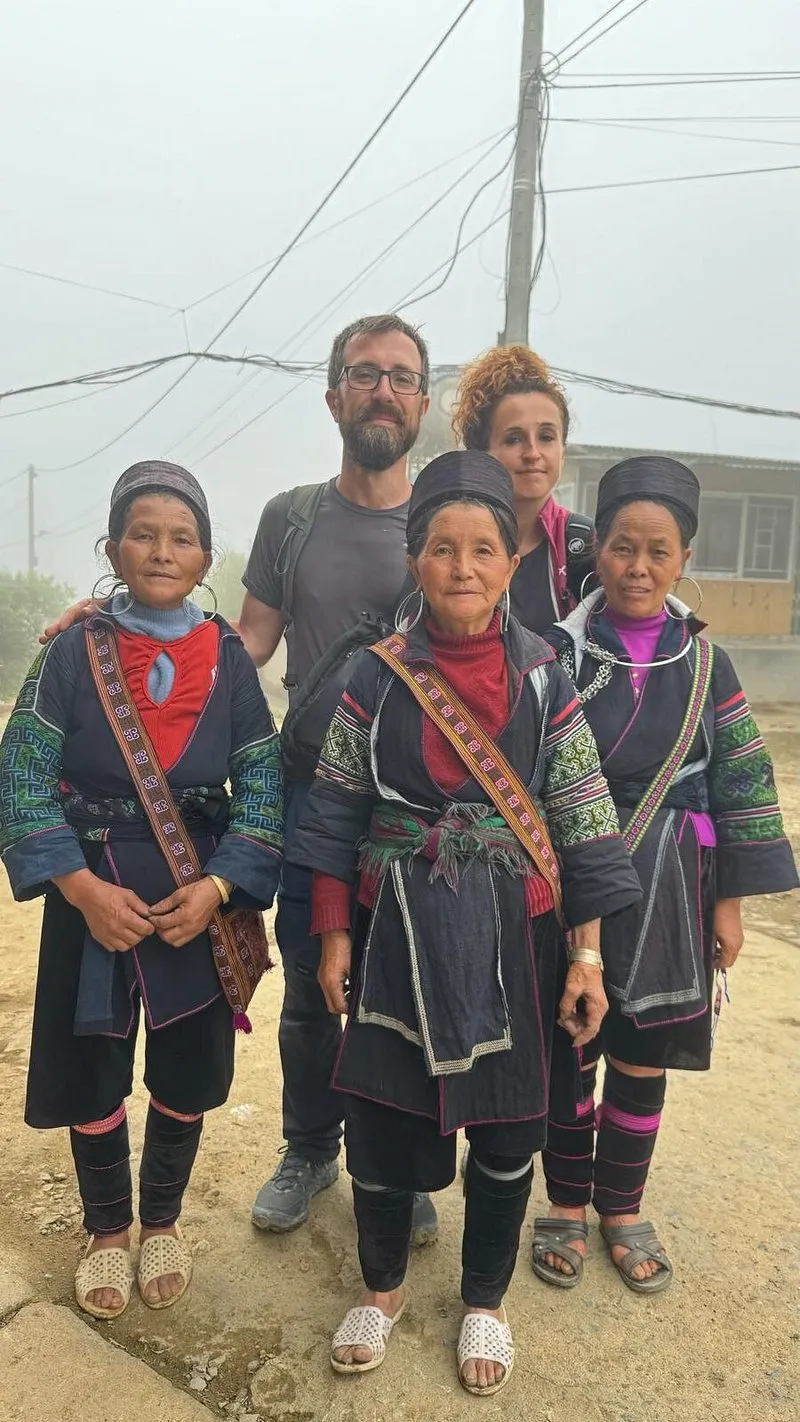
Rice Terraced Fields & Homestay
Two days, a night in a valley homestay, dinner with the family. The full version of "the one thing".
 3D2N
3D2N
Experience The Real Sapa
A deeper multi-day package into the quiet valleys — the off-the-postcard version of Sapa.
Two practical add-ons most packages bolt on — and that you can sort cleanly yourself. The Hanoi–Sapa transfer is the one leg worth booking as a proper service rather than a roadside guess, and trekking boots are cheaper to rent on arrival than to fly with.
Transfers & Gear Without the Markup
 Transfer
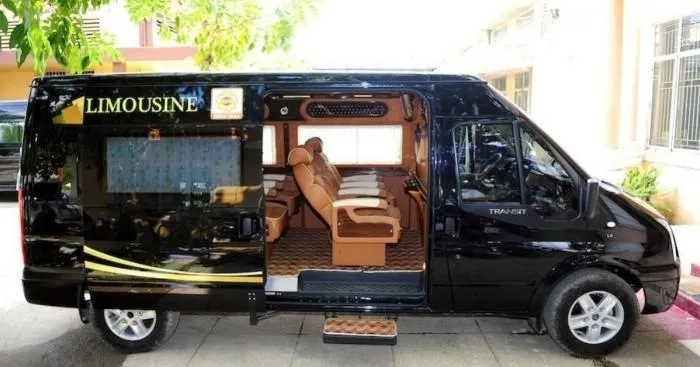
Hanoi ↔ Sapa Transfer
Limousine van or sleeper bus, hotel pickup, ~5.5 hours. Book it as a service, not a gamble.
 Gear Rental
Boots & Poles Rental
Waterproof boots and poles from $2/day at our office. Don't fly with hiking boots.
Which Package Type Suits You?
Most travelers fall into one of three profiles. Find yours for a straight recommendation.
First-Timer Couple
Family with Kids
Solo / Budget Explorer
If you straddle two of these profiles — a couple who also love a bargain, say, or a family with teenagers who can handle a tougher trek — default to the more flexible option. In Vietnam the cost of flexibility is low and the payoff is high, and the single regret we hear most often from travelers isn't "we spent too much" but "we wished we'd had more control over our own days."
Booking Tips
- Book the operator, not the middleman. Cut out the reseller and you get a better price and a real person to fix problems on the ground.
- Don't over-package. Pre-book the things that need a guide or are hard to arrange (treks, cruises, transfers); leave city days loose and cheap.
- Two or more? Go private. In Vietnam the price gap to private is small and the upgrade is huge.
- Lock the dated parts early. Small-group treks and peak-season cruises (Sep–Nov) sell out; the rest you can hold loosely.
- Read the recent reviews, not the rating. Look for specifics — named guides, real moments — on Google and TripAdvisor, and skim the negative ones for patterns.
- Message before you commit. A quick WhatsApp tells you how an operator communicates. We reply within 5–10 minutes — a fair test for anyone.