 Sinh Giang
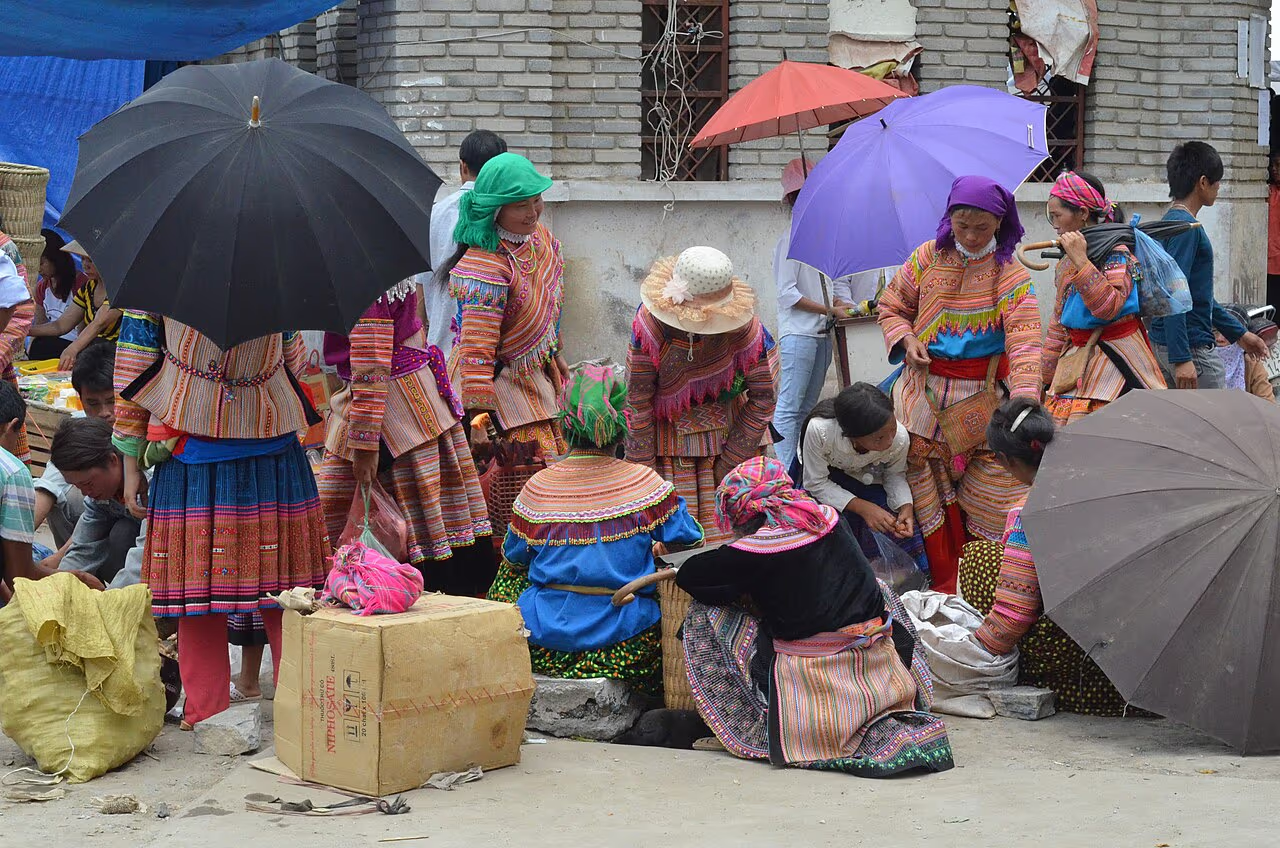
Bac Ha Market is the largest ethnic minority market in Northeast Vietnam, held every Sunday in a small mountain town about 110 km — roughly two and a half hours by road — northeast of Sapa. It is the trading heart of the Flower H'mong, and for one morning a week the whole valley empties into a few square blocks of umbrellas, brocade, buffalo, corn wine and noise. If you are staying in Sapa and your trip covers a Sunday, this is the single day-trip I recommend above almost anything else.
I have driven guests over to Bac Ha most weeks for years, and the question I get in the car is always the same: is it going to be a tourist trap? The honest answer is that it depends entirely on when you arrive and where you walk. Get there by nine, spend your first hour away from the covered brocade stalls, and Bac Ha is still a real market where highland families come to buy a pig, sell a roll of hemp cloth, and drink a glass of something strong before the long walk home. This guide is how we do it — the route, the timing, the food, and the small courtesies that make the difference between watching a market and being welcomed into one.
Bac Ha Market at a glance
Before the how-to, here are the numbers that shape your day. Bac Ha is a weekly market, it is a long drive, and it is high — all three facts decide when you leave Sapa and what you pack.
The one thing that ruins a Bac Ha trip is a late start. A minibus that leaves Sapa at 8:30 rolls into a market that is already three-quarters tourists. Ours leave by 6:00–6:30 AM so you are walking the livestock pens while the trading is still real. If you organise your own car, ask the driver for the same.
What is Bac Ha Market, exactly?
Bac Ha Market is a weekly regional trading market, not a craft fair built for visitors. It exists because Bac Ha district is a scatter of remote villages with no daily shops, so once a week everyone comes down from the hills at the same time to buy, sell, swap and socialise. That is the whole reason it feels alive: the umbrellas, the piglets in baskets, the women counting brocade by the metre — none of it is staged. Tourism arrived later and sits on top of a market that would happen anyway.
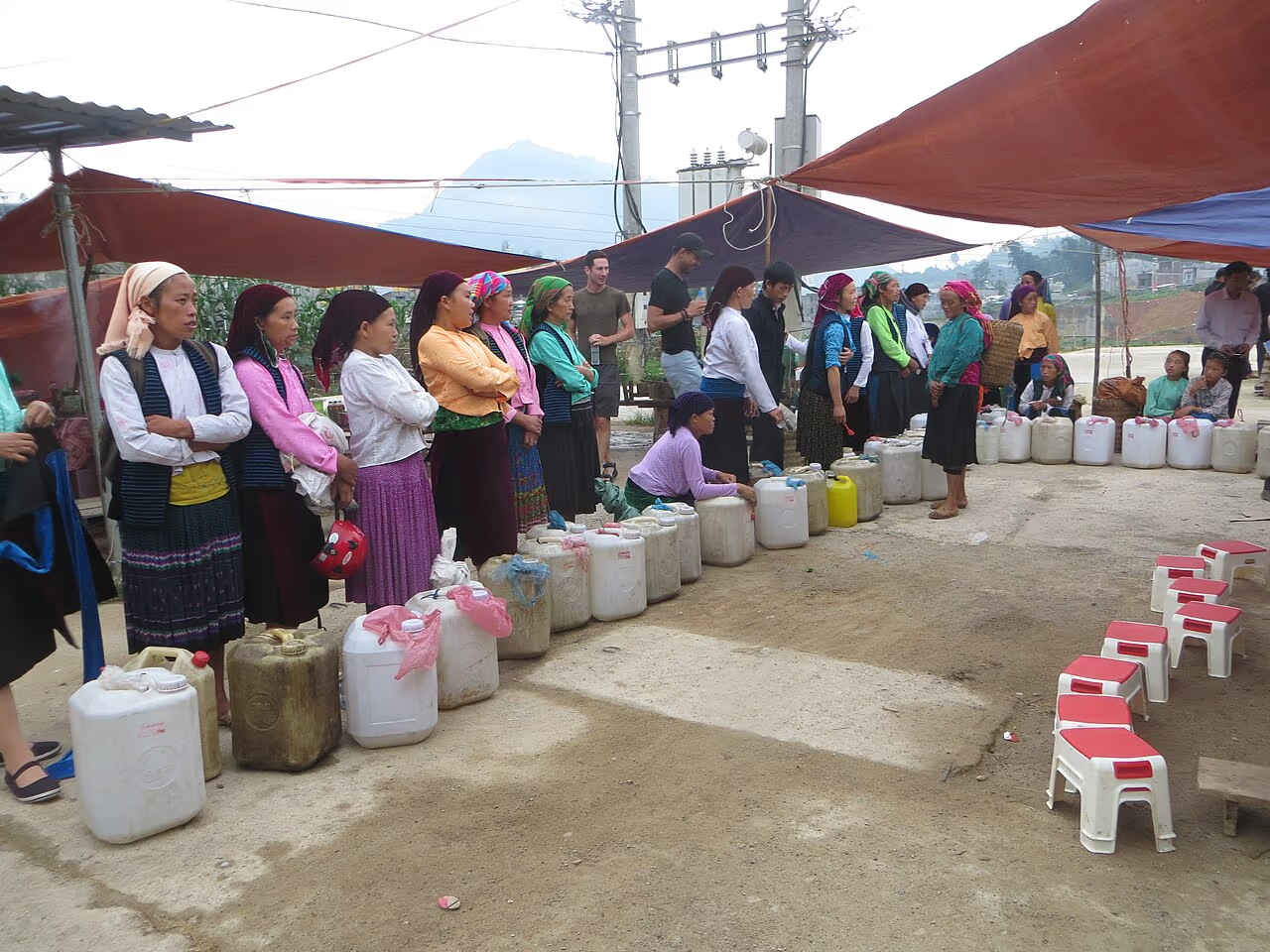
The town itself is unremarkable — a grid of concrete streets that would be sleepy any other day. What transforms it is the crowd. By mid-morning on a Sunday you have several thousand people packed into a market that is loosely divided into zones: textiles and clothing at the covered core, fresh produce and spices around the edges, a food court of steaming pots, a dedicated corn-wine corner, and — up the slope and slightly apart — the animal market, where the serious money changes hands over buffalo, pigs and dogs. Knowing those zones in advance is how you avoid spending your whole visit in the one part that every tour bus stops at.
The six zones of the market
Bac Ha is not one market but six overlapping ones. Walk them roughly uphill from the entrance and you will see the whole thing in the order it comes to life.
How to get to Bac Ha from Sapa
There is no direct public bus from Sapa to Bac Ha, so in practice you have two sensible options: a shared day tour or a private car. Both cover the same LC-158 and QL-4E mountain roads through Lao Cai city, and both take about two and a half hours each way. The route drops from Sapa's cloud line down to the Red River at Lao Cai, then climbs back up to Bac Ha's plateau — a beautiful drive in its own right, with corn terraces and the occasional roadside stall of plums in June.
A shared minibus is the budget choice and the most common. It leaves Sapa around 6:00–6:30 AM, usually pairs the market with a short walk to a nearby Flower H'mong or Tay village afterwards, and gets you back to Sapa by late afternoon. A private car costs more but buys you the two things that matter most here: an early arrival ahead of the crowd, and the freedom to leave the animal market when you are done rather than when the group is. If you are a photographer, or travelling with anyone who tires easily, the private car pays for itself.
Because it only runs on Sundays, Bac Ha books up. If your Sapa trip includes a Sunday and you want to go, tell us at least two days ahead so we can lock in a seat or a car — last-minute Sunday requests are the ones we most often cannot fill.
Coming up from Hanoi first? However you reach Sapa, we can fold the transfer into your booking. Here are the three ways our guests usually travel the Hanoi–Sapa leg:
Hanoi to Sapa — Your Transport Options
 Most Popular
Sleeper Bus
Lie-flat berths, day and overnight departures. The easiest budget link from Hanoi to Sapa town.
 Fastest
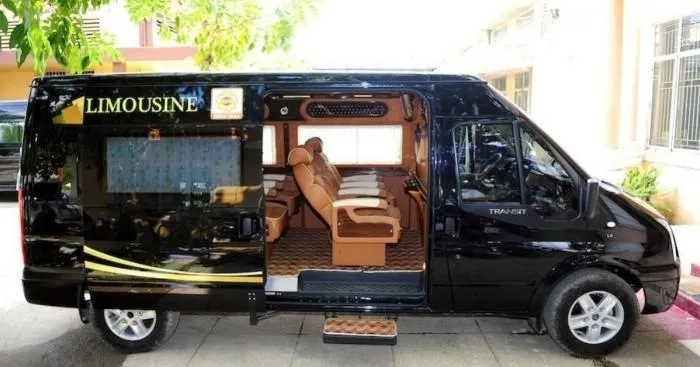
Limousine Van
9-seat premium van, door to door. Departs 7 AM & 2 PM both ways — the quickest way up.
 Overnight
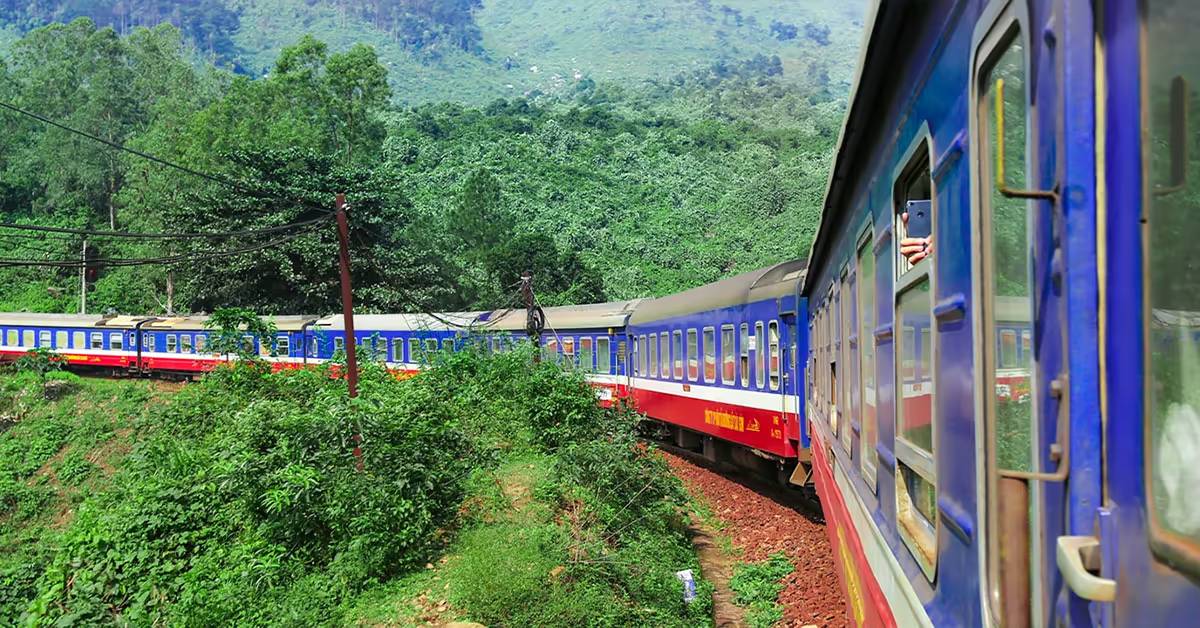
Overnight Train
King Sapa Train sleeper cabins to Lao Cai, then a 1-hour transfer up to Sapa. Sleep as you travel.
Who you'll meet: the Flower H'mong and their neighbours
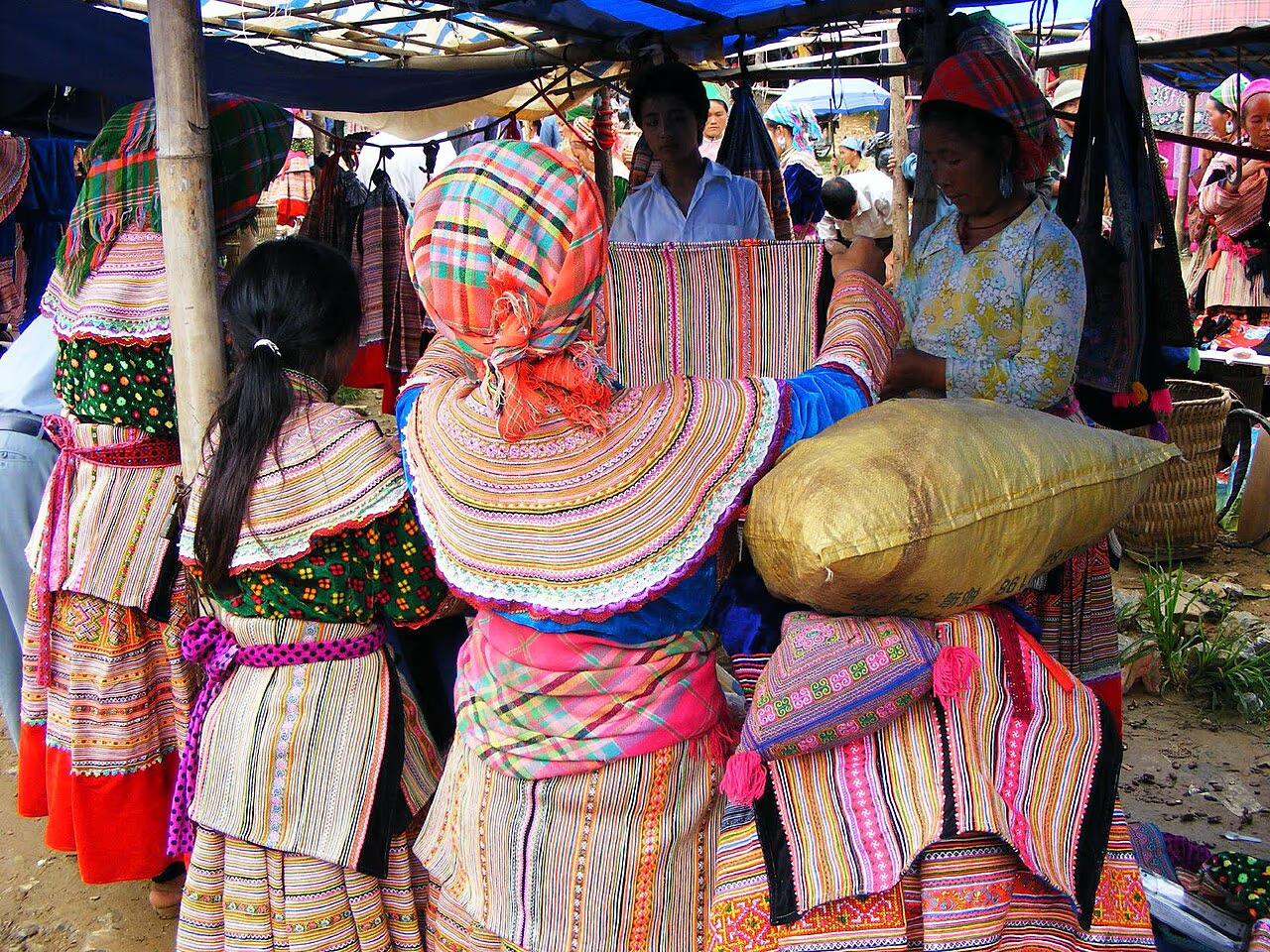
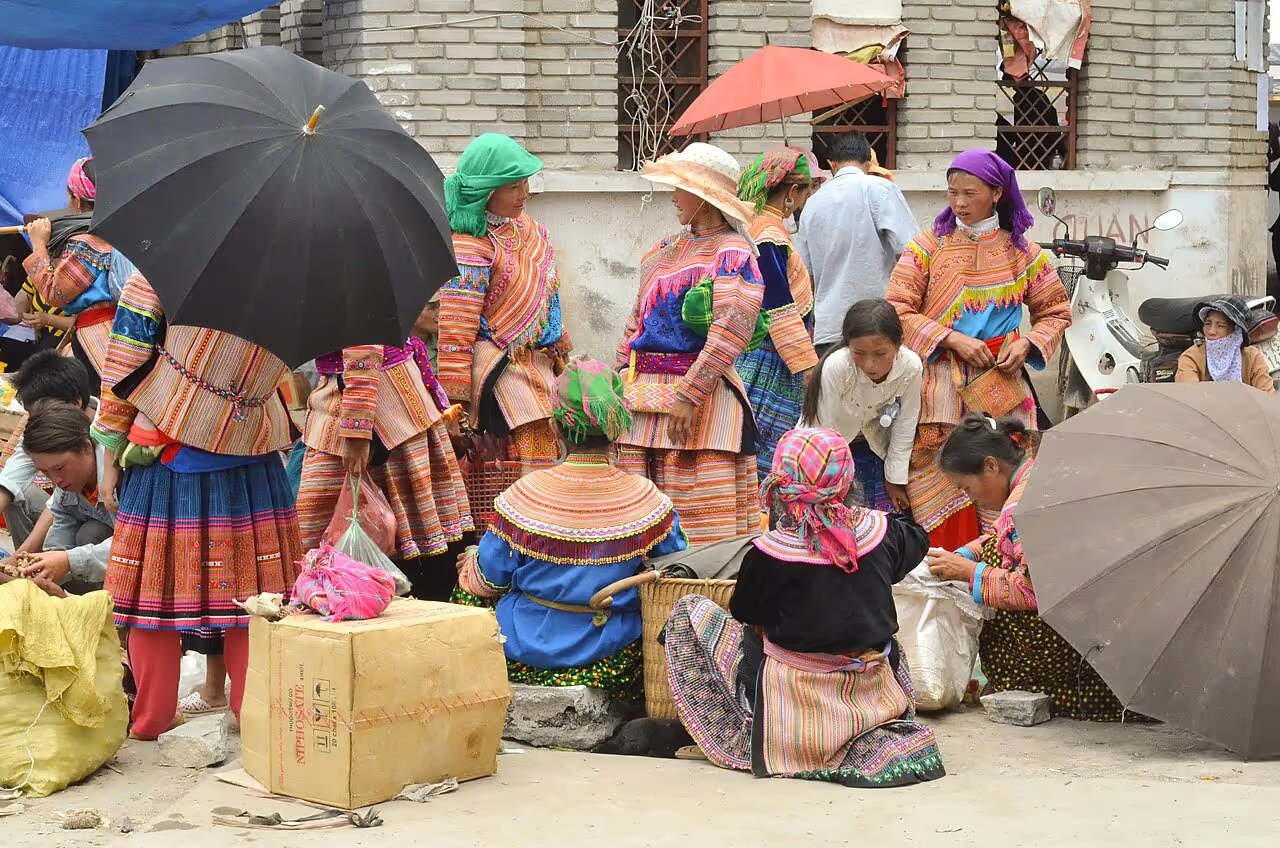
The people who define Bac Ha Market are the Flower H'mong, and they are the reason it looks the way it does. Unlike the Black H'mong around Sapa, who wear deep indigo almost to the point of black, the Flower H'mong dress in an explosion of pink, orange, green and red — layered pleated skirts, embroidered aprons, and headscarves that turn the market lanes into a moving field of colour. It is not a costume they put on for visitors; it is simply what women wear to market here, and the older women in particular carry astonishing hand-stitched pieces that took months to make.
But Bac Ha is not only Flower H'mong. On any Sunday you will also see Tay people, who farm the lower valleys and tend to wear plainer indigo; Nung families; Phu La, one of Vietnam's smaller ethnic groups; and Dao traders coming in from the surrounding hills. Part of the pleasure of the market is learning to read the dress — the cut of a jacket, the pattern of a headscarf — and realising you are watching four or five distinct cultures do business in the same few streets. If Sapa's markets have taught you to recognise the Black H'mong and Red Dao, Bac Ha widens the picture.
A morning at Bac Ha, hour by hour
The market has a clear rhythm, and following it is the difference between catching the real thing and arriving after the best part is over. Here is how a good morning unfolds if you leave Sapa early.
By around 8:00 AM you are climbing the slope to the livestock market while it is at its liveliest — men in a huddle over a water buffalo, the price argued in a mix of H'mong and Vietnamese, piglets squealing in conical baskets. This is the section that fades first, so do it before anything else. From there, drift down into the produce and spice rows between eight-thirty and nine, while highland women are still laying out mushrooms, mountain greens and bundles of herbs. This is the part of Bac Ha that has nothing to do with tourism, and it is quietly the most interesting.
Around 9:30 to 10:00 the tour minibuses from Sapa and Lao Cai arrive and the covered brocade lanes fill up — so time it the other way round and you will have already seen the market breathe before the crowd lands. Late morning is for sitting down: a bowl of thang co or pho on a low stool, a glass of corn wine pressed on you by a stranger, twenty minutes of just watching. By 1:00 PM the families with the furthest to walk are already loading their motorbikes and setting off, and the market begins its slow unwind — which, conveniently, is about when you want to start the drive back to Sapa yourself.
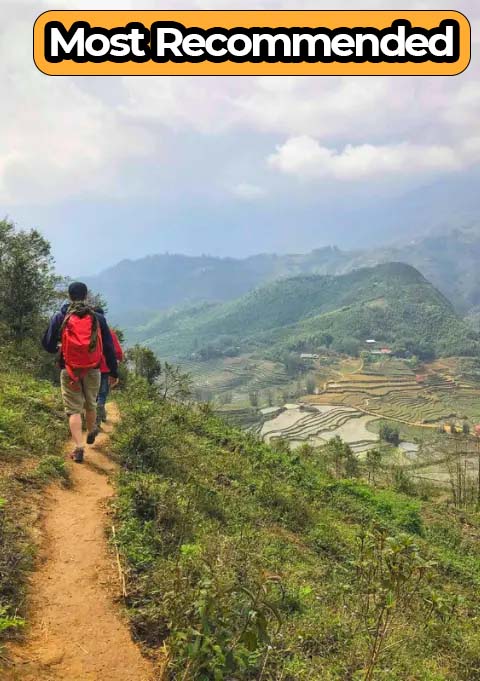
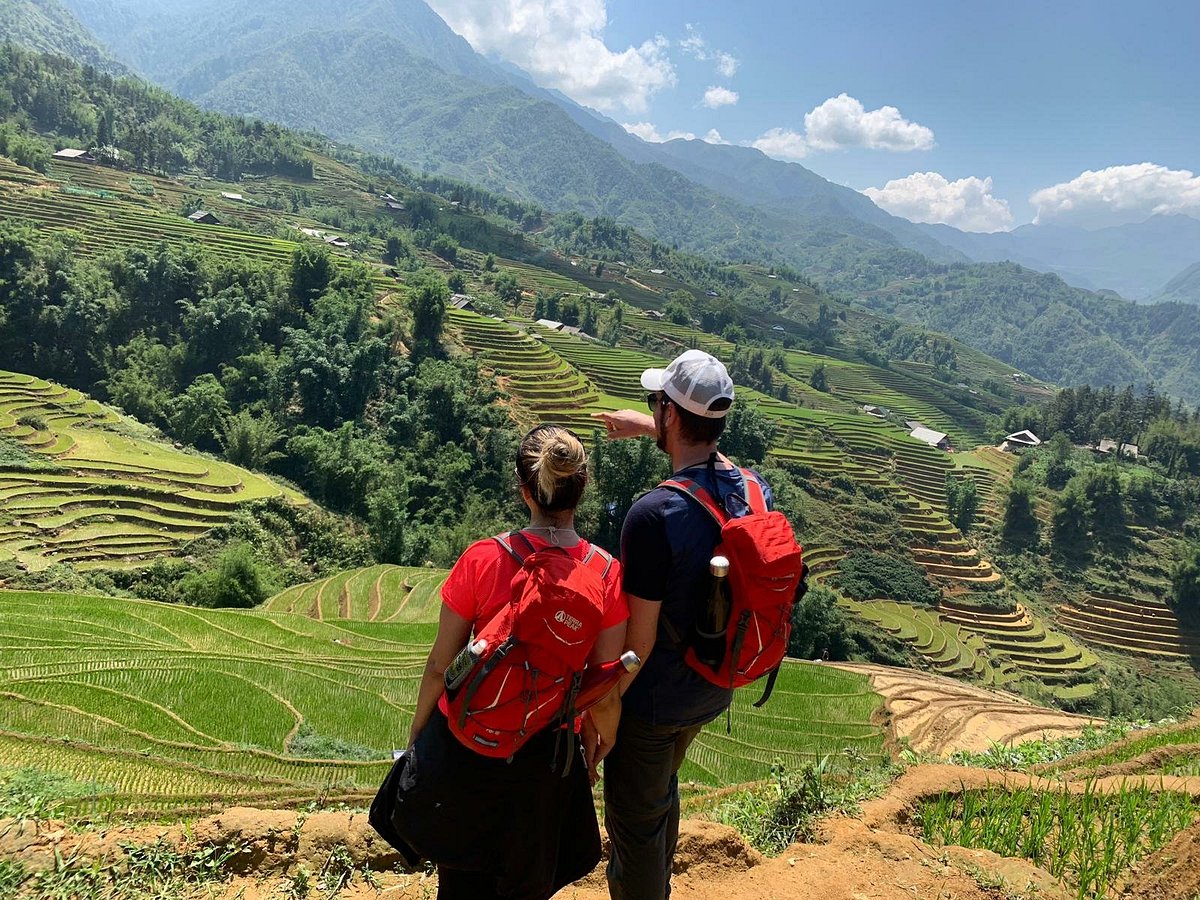
Add a Day of Trekking to Your Bac Ha Weekend
What to buy at Bac Ha — and how to bargain
The things worth buying at Bac Ha are the ones the local communities make themselves: handwoven brocade and indigo hemp, embroidered clothing, hill-tribe silver, and corn wine. Everything else — the mass-produced bracelets, the "ethnic" bags that look suspiciously identical from stall to stall — is imported and sold at every market in Vietnam. The trick is knowing which is which, and then bargaining with good humour rather than aggression.
Real Flower H'mong brocade has small irregularities: slightly uneven stitching, a colour that is not perfectly uniform, a back that shows the work. Machine-made cloth is flawless and cheap, and that is the tell. For silver, older pieces are heavier and softer; ask, and many sellers will tell you honestly whether something is antique or new. Prices are expected to be negotiated, but the margins on handmade goods are not large — a fair opening counter is around two-thirds of the asking price, and settling somewhere in the middle keeps everyone happy. Pushing a grandmother down to a dollar on a scarf that took her a week is not a win; it is bad manners.
If you want a genuine piece and are not sure, buy from the oldest woman selling the fewest, most worn items — she is almost always selling her own work, not a wholesaler's. And carry small notes: breaking a large bill for a small purchase is a real hassle for sellers who work in cash all day.
Bac Ha vs Sapa Market vs Can Cau
Bac Ha is not the only market you can reach from Sapa, and it is worth knowing how it compares before you commit a whole Sunday to the drive. Here is how the three main options stack up.
| Market | Day | From Sapa | Character | Best for |
|---|---|---|---|---|
| Bac Ha | Sunday | 2.5 hrs | Huge, colourful, Flower H'mong; part-touristy by 10 AM | The full spectacle — buffalo market, brocade, corn wine |
| Can Cau | Saturday | 3 hrs | Smaller, higher, far fewer tourists; near the China border | Travellers who want Bac Ha as it was 15 years ago |
| Sapa Market | Daily | In town | Convenient but tourist-oriented; Black H'mong & Red Dao | A quick browse without a long drive |
My usual advice: if your trip touches a Sunday, do Bac Ha. If it touches a Saturday and you have done Bac Ha before — or you actively dislike crowds — Can Cau is the quieter, wilder alternative, often paired with Bac Ha across a weekend for people who want both. Sapa's own market is fine for an hour but should not be the highland market you build a story around.
Making a weekend of it: Bac Ha and Can Cau
If you have a Saturday and a Sunday to spare, the best highland-market experience in Northeast Vietnam is doing both Can Cau and Bac Ha back to back. Can Cau Market, about 20 km north of Bac Ha town and much closer to the Chinese border, runs only on Saturdays and is smaller, higher and far less visited — it is roughly what Bac Ha felt like fifteen years ago, before the tour circuit found it. The livestock market here is particularly good, and because so few foreigners make the effort, the atmosphere is unhurried and unposed.
The usual pattern is to drive out from Sapa on Saturday morning for Can Cau, spend the night in Bac Ha town — which has simple, comfortable guesthouses and a couple of decent restaurants — and then walk into Bac Ha Market first thing on Sunday, well ahead of the buses coming up from Sapa that day. It turns a long single day-trip into a relaxed weekend, and it means you see two distinct markets and the beautiful high country in between rather than spending five hours of your Sunday in a minibus. For travellers who genuinely want the highland markets and not just a photo stop, this is the version I recommend, and it is easy for us to arrange with a driver and a night's accommodation folded into one booking.
What to eat at the market
Eat at Bac Ha and you eat what the highlands eat, which means two dishes above all: thang co and pho. Thang co is the local specialty and an acquired taste — a slow-simmered stew traditionally made from horse (and every part of it), seasoned with cardamom and mountain herbs, ladled from cauldrons the size of a wheelbarrow. It is the dish highland men gather around with a glass of corn wine, and trying a bowl is one of the more genuinely local things you can do here. If it is not for you, the pho stalls are excellent, cheap and completely unintimidating.
Around the food court you will also find grilled corn, sticky rice steamed in banana leaf, fresh tofu, and — in season — baskets of Bac Ha's famous plums, which ripen across late May and June and are some of the best in Vietnam. A morning at the market is not complete without sitting on a low stool for twenty minutes with a hot bowl and the noise of the market around you. It is where the real welcome usually happens.
If you visit in late May or June, Bac Ha's plum harvest turns the whole district purple and the market fills with fruit. The white-plum-blossom season in February is the other showstopper — cooler, quieter, and beautiful for photography.
When to go: the best time to visit Bac Ha
The best time to visit Bac Ha Market is between September and November or from March to May, when the weather on the plateau is dry and mild and the drive from Sapa is at its most scenic. That said, Bac Ha runs every Sunday of the year, and each season has its own reason to go: autumn brings clear light and comfortable temperatures; spring brings plum and pear blossom; early summer brings the plum harvest; and even the misty winter months have a stark beauty, with fewer tourists and the Flower H'mong colour standing out sharply against grey skies.
The one thing that does not change is the rhythm of the day. Whatever the season, arrive early, start at the livestock market while it is busy, work your way down through the produce and food to the brocade, and be prepared for the crowd to peak around 10–11 AM. By early afternoon the highland families begin the long journey home and the market thins — which is your cue, too, for the drive back to Sapa.
Photography and simple courtesies
Bac Ha is one of the most photogenic places in Vietnam, but the people in your frame are shopping for their week, not performing — a little courtesy goes a long way and makes for far better pictures. The single most useful habit is to buy something small before you raise the camera at a stall: a metre of ribbon, a handful of plums, a glass of corn wine. It changes the relationship from stranger-with-lens to customer, and almost everyone relaxes.
Older Flower H'mong women, in particular, are sometimes wary of cameras, and a few will wave you off — respect that immediately and move on; there are a thousand other pictures here. A smile and a gestured question before you shoot is understood everywhere, whatever language you speak. The soft, even light of early morning is far kinder than the flat midday haze, which is one more reason to arrive early. And if you want portraits, the food court is the friendliest ground: people are sitting still, in good spirits, and a shared laugh over a bowl of thang co opens more doors than any long lens.
Two practical notes for a smooth day: carry your cash in small notes and keep it in a front pocket or zipped bag, as the covered lanes get genuinely crowded by mid-morning; and go easy on the corn wine if you still have the mountain drive back to Sapa ahead of you. It is stronger than it tastes, and it is offered generously.
Rent at Our Office Before You Trek
 Gear Rental
Trekking Boots Rental
Waterproof ankle-support boots. Cleaned and checked before each rental. Available at 105 Thach Son Street.
 Gear Rental
Walking Poles Rental
Trekking poles available to rent at $2/day at our office, 105 Thach Son Street. Essential for descents.
Frequently Asked Questions
Bac Ha is about 110 km northeast of Sapa and takes roughly 2.5 hours by road. Most travellers join a shared day tour that leaves Sapa around 6:00 to 6:30 AM, or hire a private car for flexibility. There is no direct public bus from Sapa, so a car or organised tour is the practical way. We can arrange either — just message us with your date.
Bac Ha Market runs every Sunday, all year round. It is a once-a-week market, so the town is quiet the other six days. If you can only travel midweek, the smaller Can Cau Market near Bac Ha is held on Saturdays and is a good alternative.
Bac Ha is best known for handwoven Flower H'mong brocade, indigo textiles, embroidered clothing, silver jewellery, and homemade corn wine. There is also a large livestock section trading water buffalo, pigs and dogs, a produce area, and food stalls serving thang co and pho. Bring small cash in Vietnamese dong — few sellers take cards.
Yes, if you want to see a genuine working ethnic market rather than a tourist show. Bac Ha remains a real trading day for the Flower H'mong, Tay, Nung and Phu La communities, and the colour and scale are hard to match. Arrive by 9 AM before the tour buses fill the central lanes and it is one of the most rewarding days you can do from Sapa.
Aim to arrive between 8:00 and 9:00 AM. The livestock market is busiest early and starts winding down by late morning, and the light is best for photos before the midday haze. By 1:00 to 2:00 PM many sellers begin packing up, so a morning arrival gives you the fullest market.
They serve different purposes. Sapa Market is in town, open daily, and convenient but heavily geared to tourists. Bac Ha is a weekly regional market that is bigger, more authentic and dominated by the Flower H'mong, but it is a 2.5-hour drive each way and only runs on Sundays. If your trip includes a Sunday, Bac Ha is the more memorable experience.