 Sinh Giang
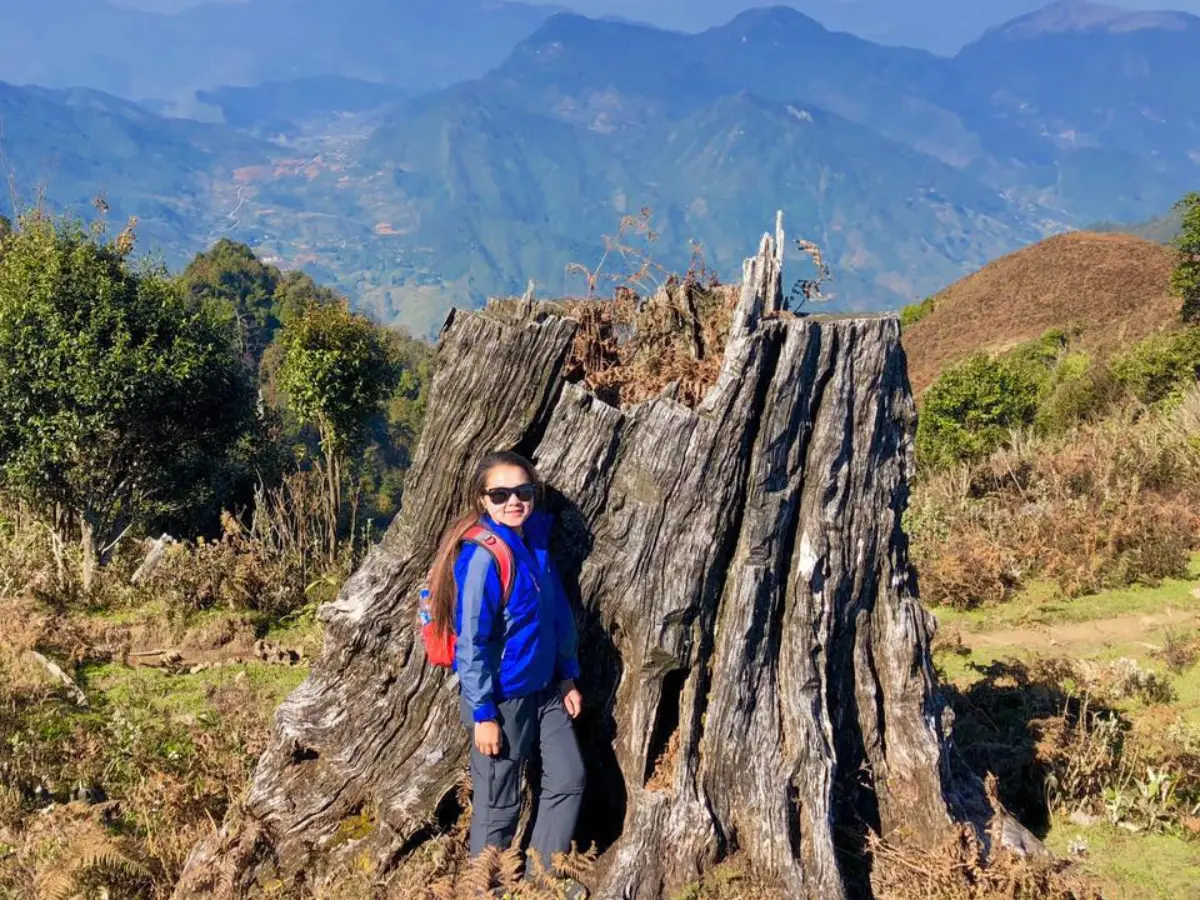
On a clear night in late October, standing on O Quy Ho Pass at 1,800m, the sky above the Hoang Lien Son range looks nothing like the sky in Sapa town 15km behind you. The light glow from the market district has dropped below the ridge. What you have in front of you — to the west, over the Lai Chau valley — is a band of stars dense enough that it takes your eyes a few minutes to process it. That is the Milky Way, and you can see it without a telescope, without a special app, and without getting on a plane to somewhere remote. You just have to be at the right elevation at the right time of year.
Sapa is genuinely good for stargazing, and this guide covers why — elevation, light pollution numbers, weather patterns — and then gives you the five specific spots ranked by accessibility and sky quality, a month-by-month breakdown, and what you can actually expect to see with your naked eye from each location.
Why Sapa Works for Stargazing
Three factors combine here that you rarely get together in Vietnam: altitude, isolation, and a reliable dry season window.
Sapa town sits at 1,500m above sea level. That is not dramatically high by global standards, but it is enough to put you above a significant portion of the atmospheric moisture that blurs star visibility at lower elevations. The air is noticeably thinner and cleaner than Hanoi or Ho Chi Minh City, and on still nights the atmosphere above the ridge roads is about as transparent as it gets in mainland Southeast Asia.
Light pollution matters more than most people expect. The nearest major city is Lao Cai, which sits 25km to the southeast and 900m lower down the valley. Hanoi is 300km away. From the passes west of Sapa — the O Quy Ho road toward Lai Chau — you are looking across an almost completely dark valley with no large settlement for 50km in any direction. Your dark-adapted eyes will adjust within 20 minutes, and what was a faint smear will resolve into structure.
The Hoang Lien Son range itself helps. Fansipan at 3,143m and the surrounding peaks act as a physical barrier, blocking the diffuse glow from Lao Cai and the Red River valley to the east. You face west and south from the passes, and in those directions the horizon is dark mountain, not city.
O Quy Ho Pass
1,800m
Best overall viewpoint — 15km from town
Night temp at passes
8–12°C colder
Than Sapa town at midnight
Milky Way visible
Oct – Mar
Peak months: October and November
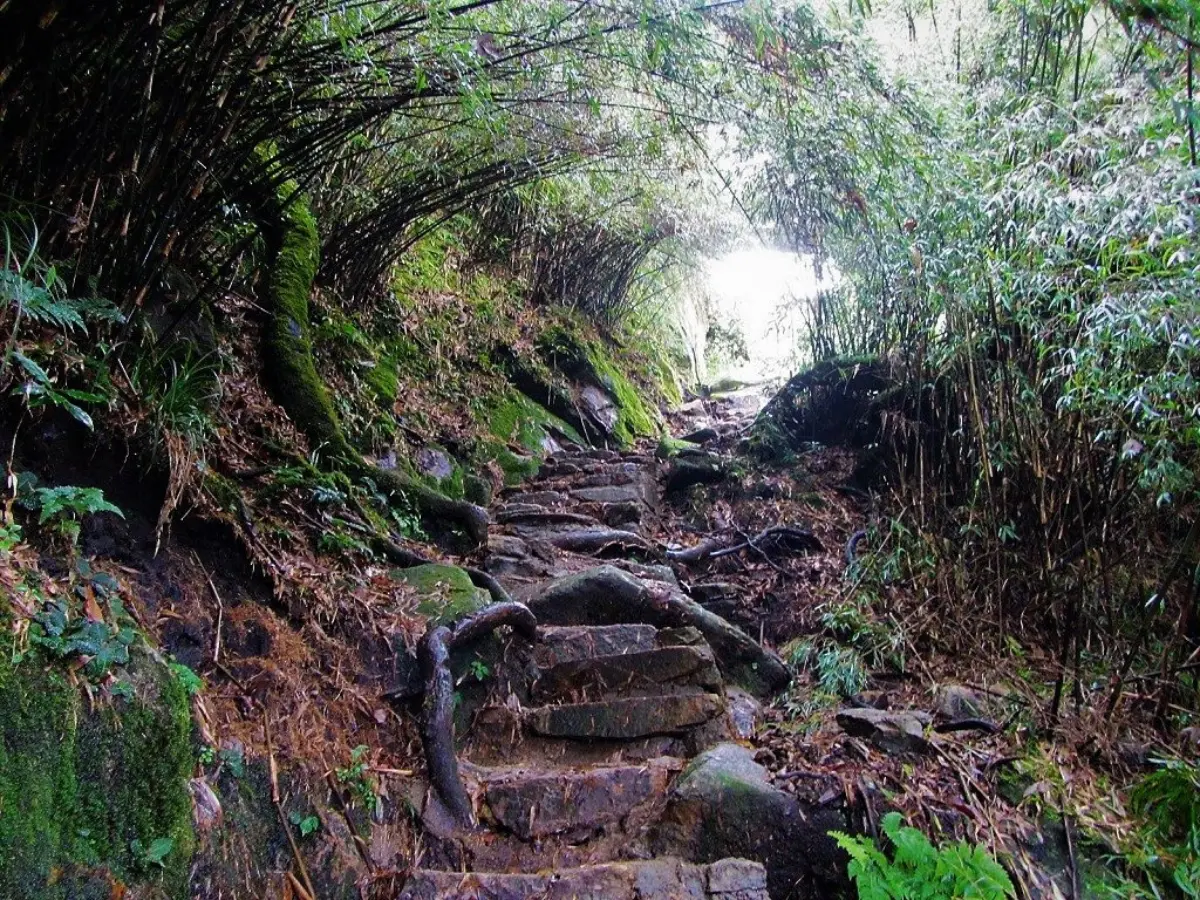
The Five Best Stargazing Spots Near Sapa
Your best option depends on how far you want to travel, whether you have your own transport, and whether you are comfortable at cold, exposed elevations. Here are the five spots ranked by a combination of sky quality and ease of access.
1. O Quy Ho Pass (1,800m) — Best Overall
This is the spot. O Quy Ho Pass sits on the road between Sapa and Lai Chau, about 15km from town and roughly 30–40 minutes by motorbike taxi or hired car. The pass marks the point where you cross from the eastern side of the Hoang Lien Son range into the much darker Lai Chau valley. Looking west from here, there is essentially no artificial light for 50km. On a clear October or November night, the Milky Way is visible as a structural band — not just a faint smear but something with density and texture that your eye can follow from horizon to zenith.
The pass itself has a small parking area and a viewpoint that functions well as a stargazing platform. Bring a mat to lie on — flat on your back is by far the best position for wide-field viewing. The road is quiet after 9pm, and you will typically have it to yourself.
At O Quy Ho Pass in December and January, midnight temperatures can approach 0 degrees Celsius. The cold comes in fast once the sun goes down and there is no shelter. Even in October, pack a proper down jacket and a warm hat. The cold is the one thing that ends most stargazing nights early.
2. Tram Ton Pass (2,000m) — High, Exposed, Spectacular
Tram Ton Pass is the high point on the same Sapa–Lai Chau road, at 2,000m elevation. It is further along from O Quy Ho — closer to the Fansipan cable car base area — and it is more exposed to wind. In calm conditions, the sky quality here is marginally better than O Quy Ho because of the extra 200m altitude. On nights with wind, the cold becomes significant very quickly. Your best window for Tram Ton is late September to November, when the nights are clear but not yet as cold as deep winter.
The Andromeda Galaxy — M31 — is visible to the naked eye from here on a good night. Look north-northeast after 9pm in October: it appears as a faint elongated smudge roughly the size of your thumbnail at arm's length. Most people who see it for the first time take a moment to believe they are actually looking at a galaxy 2.5 million light years away.
3. Ridge Above Ta Van Village (approx. 1,400m) — Best for the Milky Way Arch
Ta Van village sits in the Muong Hoa Valley floor, but the ridge above it — a 30–40 minute walk up from the village — opens up a wide southern horizon that is excellent for Milky Way arch viewing in October and November. The valley orientation blocks the glow from Sapa town to the north, and you have open sky from southeast to southwest. In October the Milky Way core sets late, and from this ridge you can watch the full arch develop over the valley from around 9pm.
This spot is most accessible if you are on one of our overnight treks. After dinner at the homestay in Ta Van or Lao Chai, ask your guide — our local team know this ridge well — and they can walk you up in 30 minutes. Some Black H'mong families in Ta Van will let you sit on their terrace after dark, which gives you shelter, hot tea, and a sky that is darker than anything you will find near the road. Ask when you book via WhatsApp and we will coordinate it.
4. Fansipan Cable Car Base Area — Easy Access, Some Town Glow
The Sa Pa–Fansipan road turn-off and the cable car base area are easier to reach than the passes — about 10 minutes from Sapa town — but you are not fully clear of the town's light glow from here. The valley orientation partially blocks the eastern glow, which helps, but on the western horizon toward Lai Chau your view is cleaner. This works well for a casual stargazing stop on the way back from a day trip, or if you do not want to go all the way to O Quy Ho in cold weather. Sky quality is noticeably below O Quy Ho, but planets, the Pleiades, and Orion in winter are still sharp from here.
5. Sapa Town — Rooftop Terraces
Inside Sapa town itself, the market district and the surrounding guesthouses throw enough diffuse light to wash out fainter objects. That said, any rooftop terrace above the main street — especially on the quieter northern side of town above the valley drop-off — gives you a reasonable view of bright planets, the moon's detail through binoculars, and major constellations. It is not a Milky Way experience, but for a spontaneous night sky look without transport, it is worth it. Ham Rong Mountain viewpoint is closed after dark, but the lower slopes accessible from town face northeast and are darker than the guesthouse strip.
Best-Rated 1-Day Treks from Sapa
 1 Day
1 Day
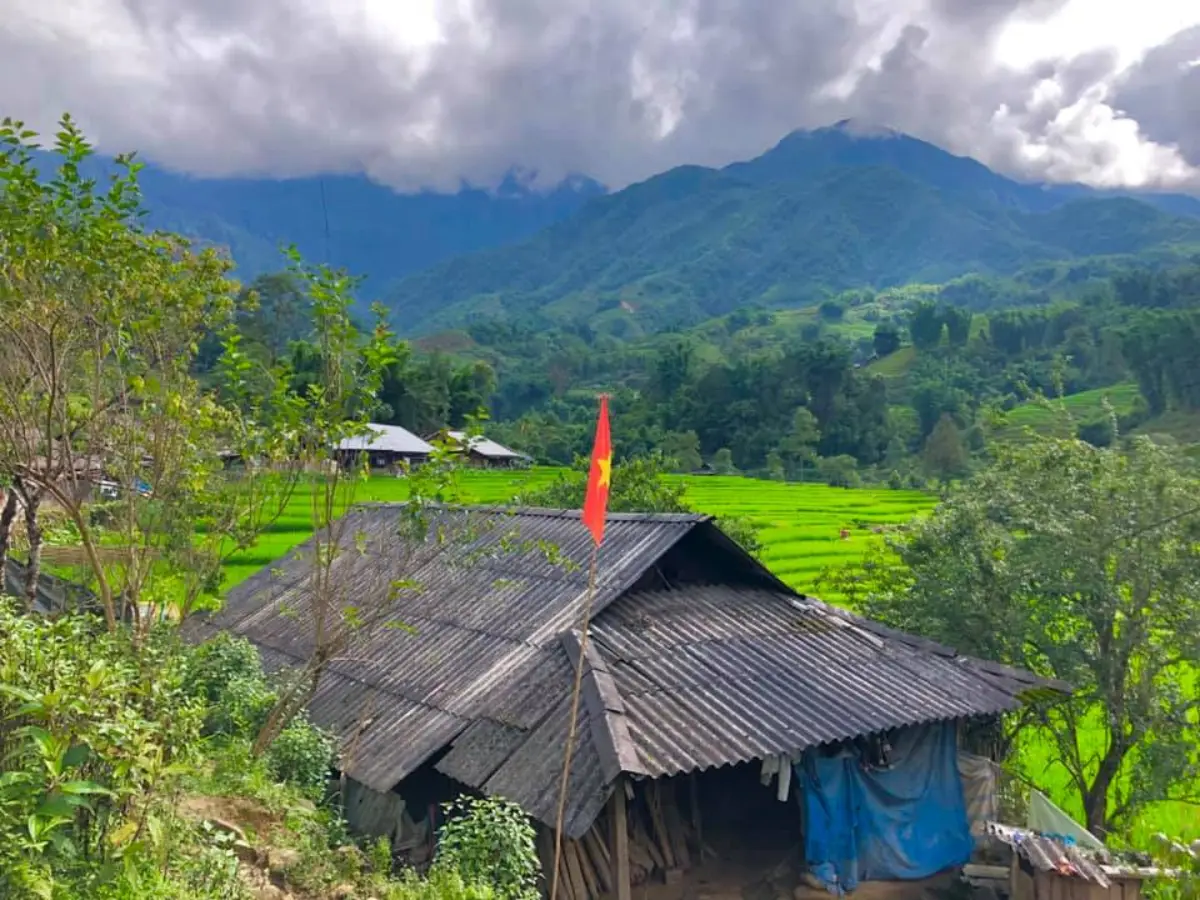
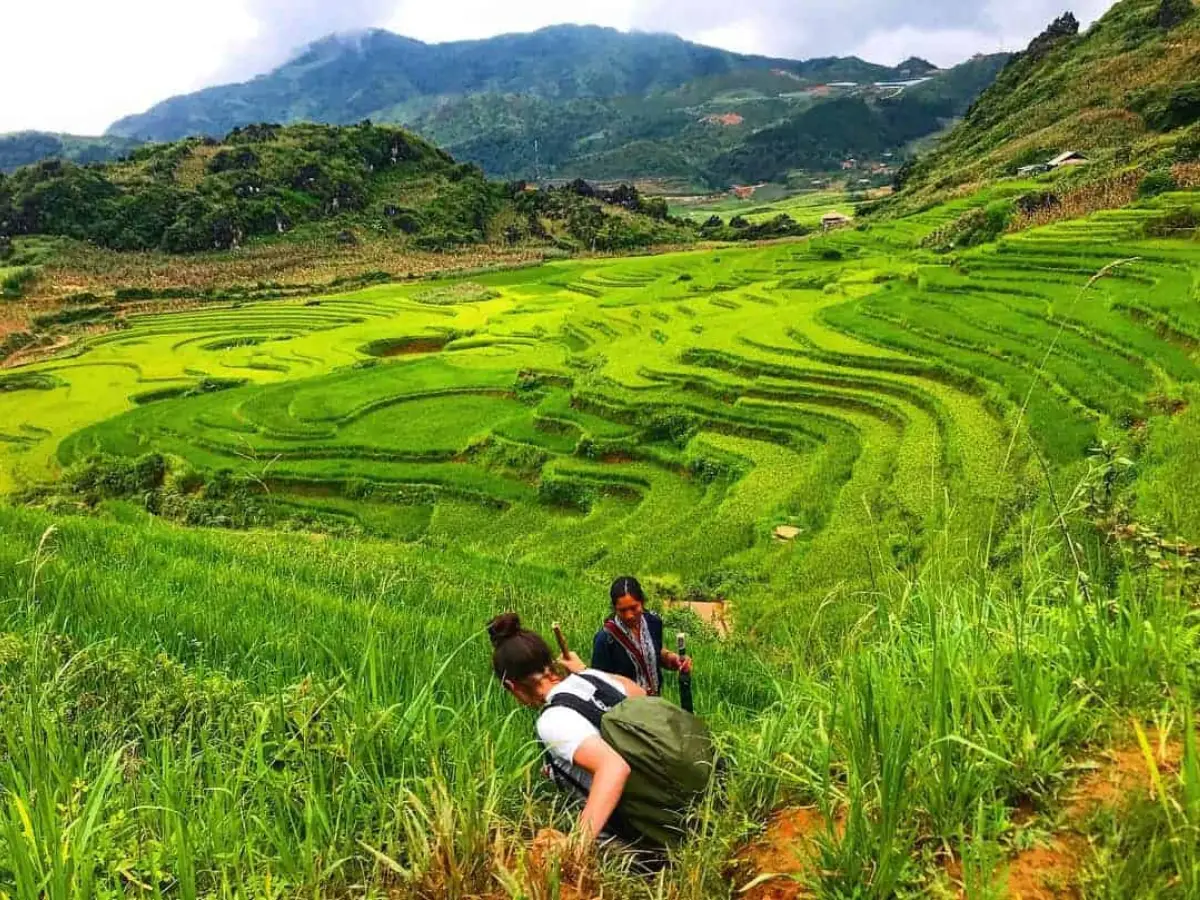
Trekking Through Rice Terraced Fields
Ta Van village, Muong Hoa Valley rice terraces, local Black H'mong family lunch.
 1 Day
1 Day
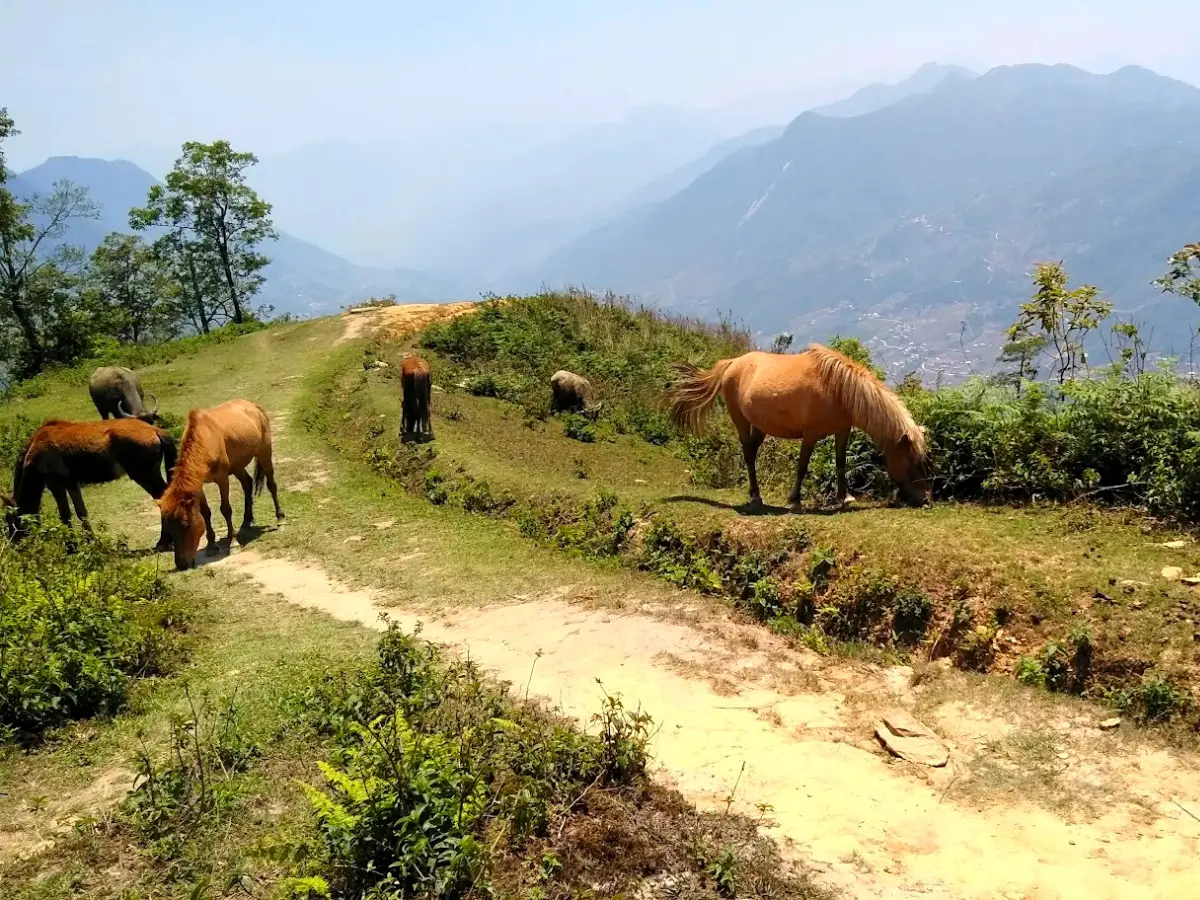
Mountain Views and Villages Trek
Ridge trail above Sapa town with panoramic valley views. Visits two H'mong villages.
 1 Day
1 Day
Rice Paddies and Cultures – Easy Hiking
Gentle trail through Hau Thao and Y Linh Ho villages. Perfect first trek.

Best Months for Stargazing in Sapa — Month by Month
The single most important variable is not location — it is timing. Cloud cover is the enemy, and Sapa's weather follows a clear seasonal pattern tied to the southwest monsoon.
| Month | Sky Quality | Temperature at Passes | Notes |
|---|---|---|---|
| October | Peak | 8–14°C at midnight | Milky Way core visible until midnight, dry season just started, manageable cold |
| November | Peak | 5–12°C at midnight | Scorpius setting, Orion rising, Pleiades high — very clear nights |
| December | Good | 0–6°C at midnight | Best transparency of the year but genuinely cold — Geminid meteor shower peaks mid-December |
| January | Good | -2–5°C at midnight | Coldest month, exceptional clarity — frost possible at O Quy Ho and Tram Ton, serious layering required |
| February | Good | 3–9°C at midnight | Temperatures improving, still clear nights, Orion and Sirius dominant |
| March | Fair | 8–14°C at midnight | Mostly clear but transitional — some foggy nights begin, comfortable temperatures |
| April–May | Fair | 12–18°C at midnight | Increasing cloud and moisture, some clear nights possible — unpredictable |
| June–August | Avoid | 16–20°C at midnight | Monsoon season — cloud cover is near-permanent at night, stargazing not viable |
| September | Fair | 14–18°C at midnight | Late monsoon — end of September occasionally clear, unpredictable week to week |
If you can choose only one month, choose October. The sky is as clear as November and December, the Milky Way core is still up until around midnight, and the temperature at O Quy Ho Pass — around 8–14 degrees Celsius at midnight — is cold but manageable with a down jacket. November is a close second, and by December the sky sharpens further but the cold at the passes becomes a real factor.
What You Can Actually See
Here is what you can realistically expect with your naked eye from the best viewpoints on a clear night, ranked by visibility:
The Milky Way Core (October–December)
From O Quy Ho Pass on a clear October night, the Milky Way is visible as a dense, structured band stretching from southeast to northwest across the sky. The galactic core region — the brightest, thickest section toward Sagittarius — is still above the horizon until about 10:30–11pm in early October, and sets progressively earlier through November. By December, the core has set by early evening, but the band itself remains visible throughout the night as the galactic plane shifts toward the winter constellations.
Scorpius and Sagittarius (Late September to October)
The tail of Scorpius and the Sagittarius teapot — the region directly toward the galactic centre — are visible low in the southwestern sky in late September and October. They set before midnight but give you the densest part of the Milky Way while they are up. From Tram Ton Pass, the dark southern horizon is ideal for these low-altitude objects.
The Andromeda Galaxy, M31
The Andromeda Galaxy is visible to the naked eye from Tram Ton Pass and O Quy Ho Pass on a clear night from September through February. Look north-northeast — it is a faint, elongated smudge about the width of your thumb at arm's length. It is easy to miss if your eyes have not fully dark-adapted (allow at least 20 minutes away from any light source). This is the most distant object visible with the naked eye: 2.5 million light years from where you are standing.
The Pleiades and Winter Constellations
From November onward, the Pleiades cluster rises in the east after sunset and is one of the most striking naked-eye objects in the Sapa sky. By December, Orion is prominent in the south, and Sirius — the brightest star in the sky — rises above the Hoang Lien Son ridge by 9pm. These are the constellations that dominate the December stargazing window.
Meteor Showers
The Perseid meteor shower peaks in mid-August — frustratingly right in the middle of monsoon season. Your best meteor shower window in Sapa is the Geminid shower in mid-December, which coincides with peak dry-season transparency. The Geminids produce 100–150 meteors per hour at peak from a dark site. From O Quy Ho Pass on a clear December night, you can expect to see 40–80 per hour depending on how dark it gets. This is the single best annual astronomy event for Sapa timing.
Planets (2026 Positions)
In 2026, Saturn is well-placed in the evening sky from September through December, visible in the southeast and recognizable by its steady cream-colored light. Mars is prominent in the western sky after sunset through mid-2026. Jupiter rises in the east by late 2026. Planet positions shift year to year — the free Stellarium app (iOS and Android) will show you exactly what is up on your specific date.
Use a red-light torch or headlamp only — white light destroys your dark adaptation in seconds, and it takes 20 minutes to recover fully. Most headlamps have a red mode. If yours does not, covering the lens with red cellophane works. At the passes, your phone screen is the biggest threat to your night vision — put it face-down or use Stellarium in night mode (all red display) when you need to check the sky.
Trek + Homestay Packages (2 Days, 1 Night)
2D1N
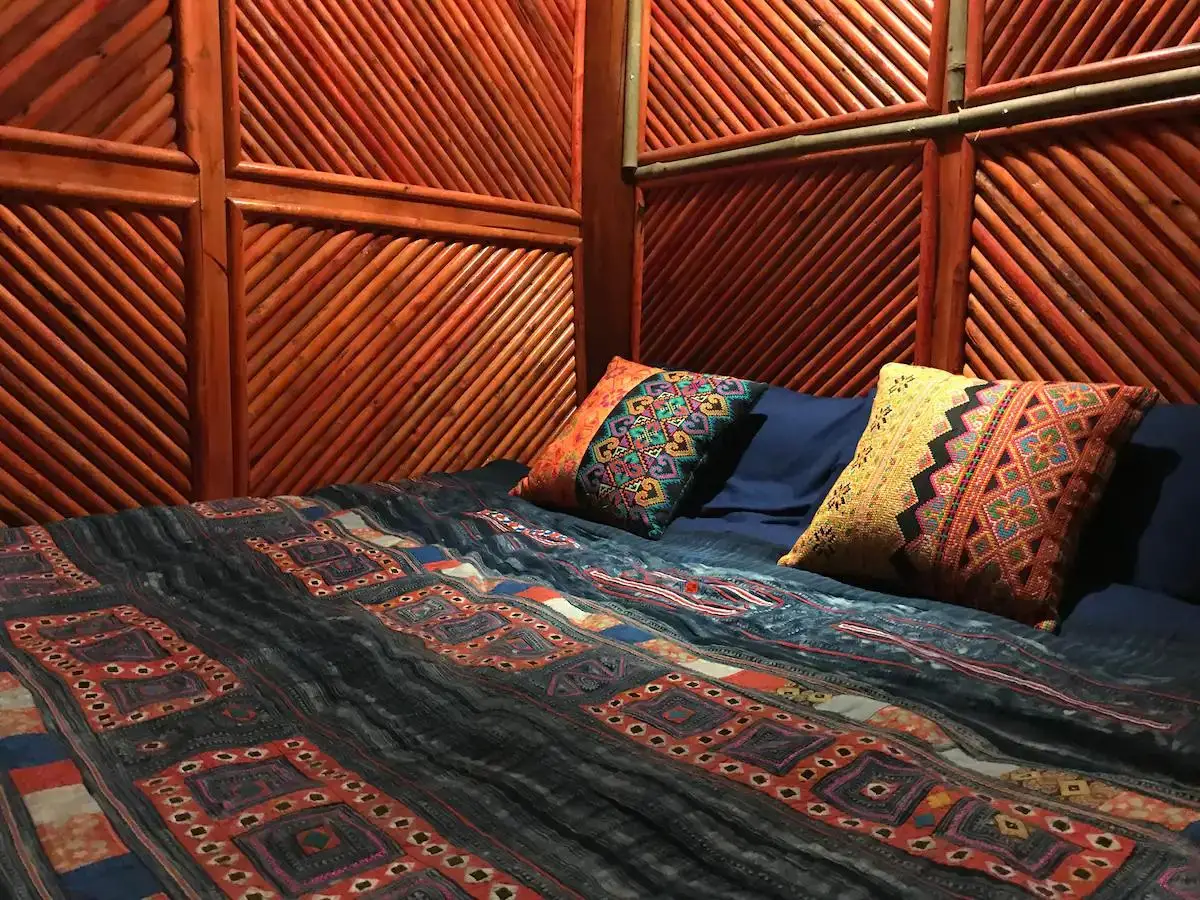
Rice Terraced Fields & Homestay
Two days in Ta Van and Lao Chai villages with overnight stay at a Black H'mong family home.
 2D1N
2D1N
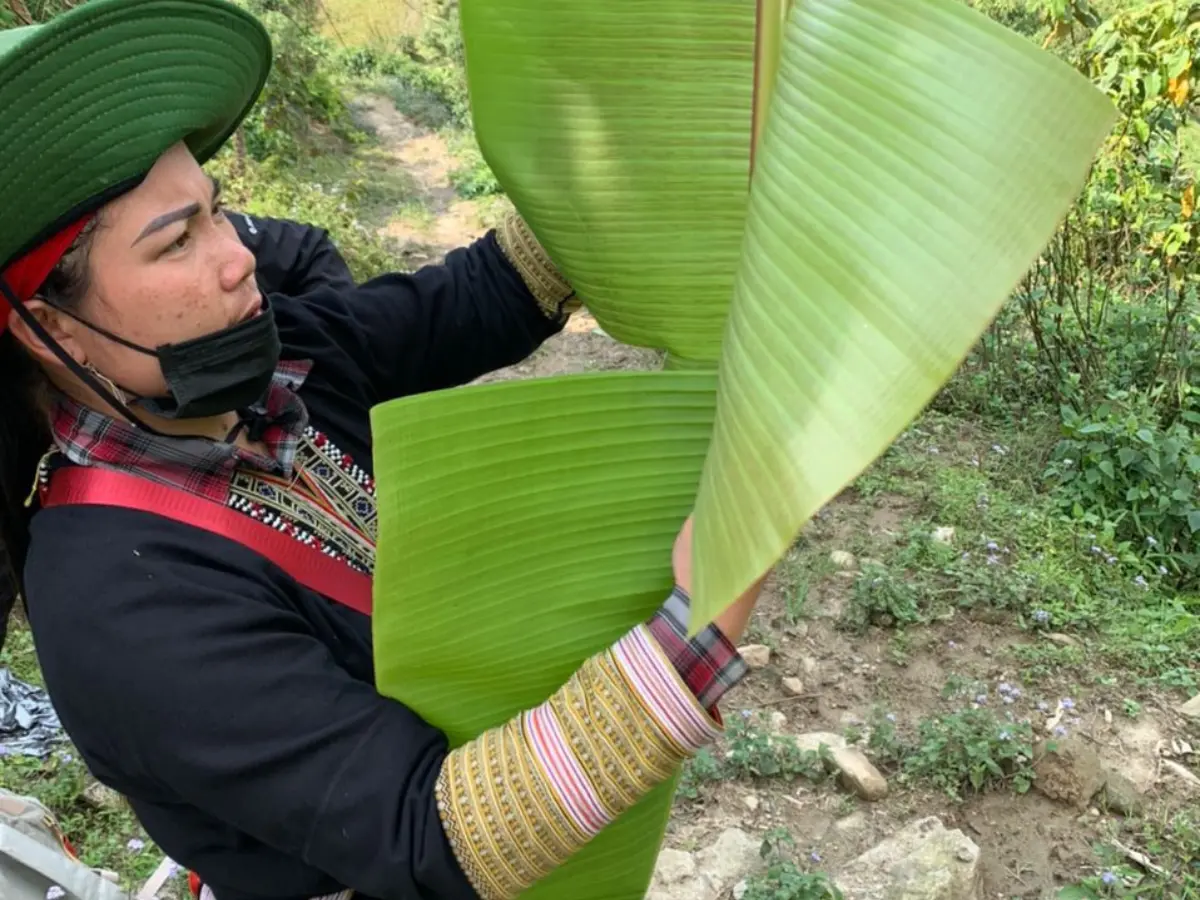
Mountain Views & Muong Hoa Valley Trek
Ridge walk above the valley, overnight in a Red Dao village, morning terraces at sunrise.
 2D1N
2D1N
Explore Nature and Homestay
Less-touristed trails through cardamom forest, bamboo groves, and traditional farming villages.
Practical Tips Before You Go
Getting to the good spots and having a genuinely good night is straightforward if you plan for a few specifics.
A motorbike taxi (xe om) to O Quy Ho Pass costs around 100,000–150,000 VND one-way from Sapa town and takes 30–40 minutes. Arrange a return pickup at a specific time — signal at the passes can be unreliable. Hiring a car for the evening costs more but keeps you warm and gives you flexibility on timing.
Sapa's weather changes quickly, and what looks clear at 6pm can cloud over by 9pm. Check the Windy app or AccuWeather for O Quy Ho Pass specifically — the cloud and wind layers at 1,800m can differ from conditions in town. A clear sky in Sapa does not always mean a clear sky at the pass.
At O Quy Ho in October at midnight, you are looking at 4–8 degrees Celsius. A down jacket, hat, and gloves are not optional — they are the difference between a good hour outside and turning back after 15 minutes. Layering is the right approach: you may be warm on the walk from the road to the viewpoint, and then feel the cold as soon as you stop moving.
Stellarium (free, iOS and Android) lets you point your phone at the sky and identify objects in real time. Set your location to Sapa before you leave, enable night mode (red display), and you will know exactly what is up, where, and when. Sky Map is another free option. Both are genuinely useful — not just for identification but for planning when to be at the viewpoint to catch specific objects above the horizon.
Most smartphones from 2022 onward have a dedicated night mode that manages long exposures automatically. From O Quy Ho Pass on a clear night, a 2022-era iPhone or Android can capture the Milky Way band without a tripod — though a tripod (or propping the phone on a rock) will sharpen the stars significantly. Manual apps like ProCamera or Camera FV-5 give you control over ISO and shutter speed if you want more control over the result.
If you want a community experience rather than standing alone at a roadside pass, the ridge above Ta Van village is the answer. It requires being on an overnight trek — the Rice Terraced Fields and Homestay or the Explore Nature and Homestay packages both stay in the Ta Van valley. Your guide can walk you to the ridge viewpoint after dinner. Some H'mong families in the village also welcome visitors to sit on their terrace — ask when you book and we will arrange it.

Rent at Our Office Before You Trek
 Gear Rental
Trekking Boots Rental
Waterproof ankle-support boots. Cleaned and checked before each rental. Available at 105 Thach Son Street.
 Gear Rental
Walking Poles Rental
Trekking poles available to rent at $2/day at our office, 105 Thach Son Street. Essential for descents.
Frequently Asked Questions
October and November are the best months for stargazing in Sapa. The dry season has just begun, nights are clear, and the Milky Way core is still visible until around midnight. December and January offer even sharper skies but temperatures at the high passes drop to near 0 degrees Celsius, so you need serious warm layers.
Yes. From O Quy Ho Pass (1,800m) or Tram Ton Pass (2,000m) on a clear night between October and March, the Milky Way is visible as a dense band across the sky. The key is getting 2–3km outside Sapa town to escape the light glow from the market area. The nearest major city, Lao Cai, is 25km away, and Hanoi is 300km away, so light pollution is genuinely low once you are on the ridge roads.
Expect the temperature at O Quy Ho Pass and Tram Ton Pass to be 8–12 degrees Celsius colder than Sapa town at midnight. In December and January, that means temperatures near or below 0 degrees Celsius at elevation. Bring a proper down jacket, hat, and gloves regardless of what the weather feels like in town. The cold comes fast after sunset.
O Quy Ho Pass is about 15km from Sapa town on the road toward Lai Chau. You can reach it by motorbike taxi (xe om) or hired car in 30–40 minutes. Tram Ton Pass is on the same road, slightly further at around 2,000m elevation. The ridge above Ta Van village is accessible on foot from the village itself — if you are on an overnight trek with us, ask your guide to walk up to the ridge viewpoint after dinner.
We do not run a dedicated stargazing tour, but if you are booked on an overnight trek — particularly the Rice Terraced Fields and Homestay or the Explore Nature and Homestay packages — your guide can arrange a late evening walk to the ridge above Ta Van village. Some Black H'mong families in Ta Van also welcome visitors to sit on their terrace after dark. Mention it when you book via WhatsApp and we will coordinate it.
There are no public telescope facilities at the viewpoints. Bring your own if stargazing is your main priority. That said, the naked-eye experience from O Quy Ho Pass or Tram Ton Pass on a clear October or November night is already striking — the Andromeda Galaxy (M31) is visible without any equipment. A phone with night mode (most 2022-era and newer smartphones) can capture reasonable long-exposure shots without a tripod.