 Sinh Giang
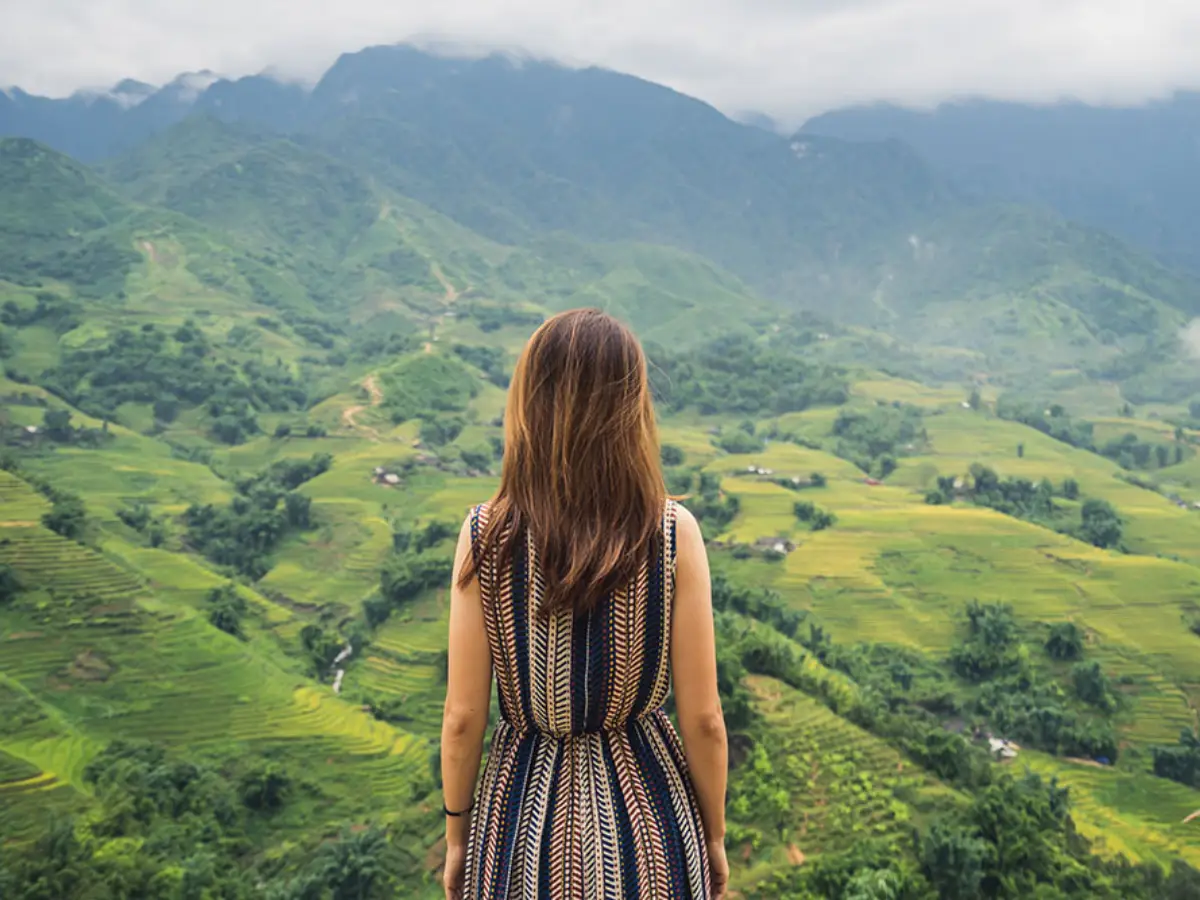
The mist comes in off Muong Hoa Valley before 5:30am most mornings, rolling up from the terraces in long white fingers until the whole hillside is inside a cloud. By 6:15am, if the day is going to clear, the karst silhouettes of Sa Seng Mountain begin to show through. That 45-minute window — before the light fully arrives, when the valley is still and Sapa town has not yet woken — is when you want to be outside with a yoga mat.
At 1,500 metres, the air here is genuinely different from the heat and humidity you feel in Hanoi or Ho Chi Minh City. Even in June and July, Sapa mornings sit between 16 and 20 degrees Celsius. You need a layer for the warm-up, but the cool air on your skin during standing poses is one of those small things that changes the quality of a practice in a way that is hard to describe until you experience it.
Why Sapa Mornings Are Different for Yoga
Three things combine here that you rarely get in one place. The altitude keeps temperatures well below what you find in lowland Vietnam — even at the peak of summer. The near-silence before 7am is real: no traffic, the occasional rooster, water running in the irrigation channels. And the rice terraces face east, which means the first light of sunrise hits the valley floor directly in front of you if you position yourself on any of the hillside platforms above Ta Van or Lao Chai.
The mountain air at Sapa is also noticeably cleaner than what you breathe in any Vietnamese city. Pranayama practices — the breathing sequences that frame most yoga sessions — feel qualitatively different here. Your local guide, who has spent his entire life on these slopes, will tell you the same thing without using yoga vocabulary: "In the morning here, the air wakes you up."
The Best Spots to Practice
Sapa offers a range of settings depending on how much walking you want to do before your session and how much solitude matters to you.
The Ridge Above Ta Van
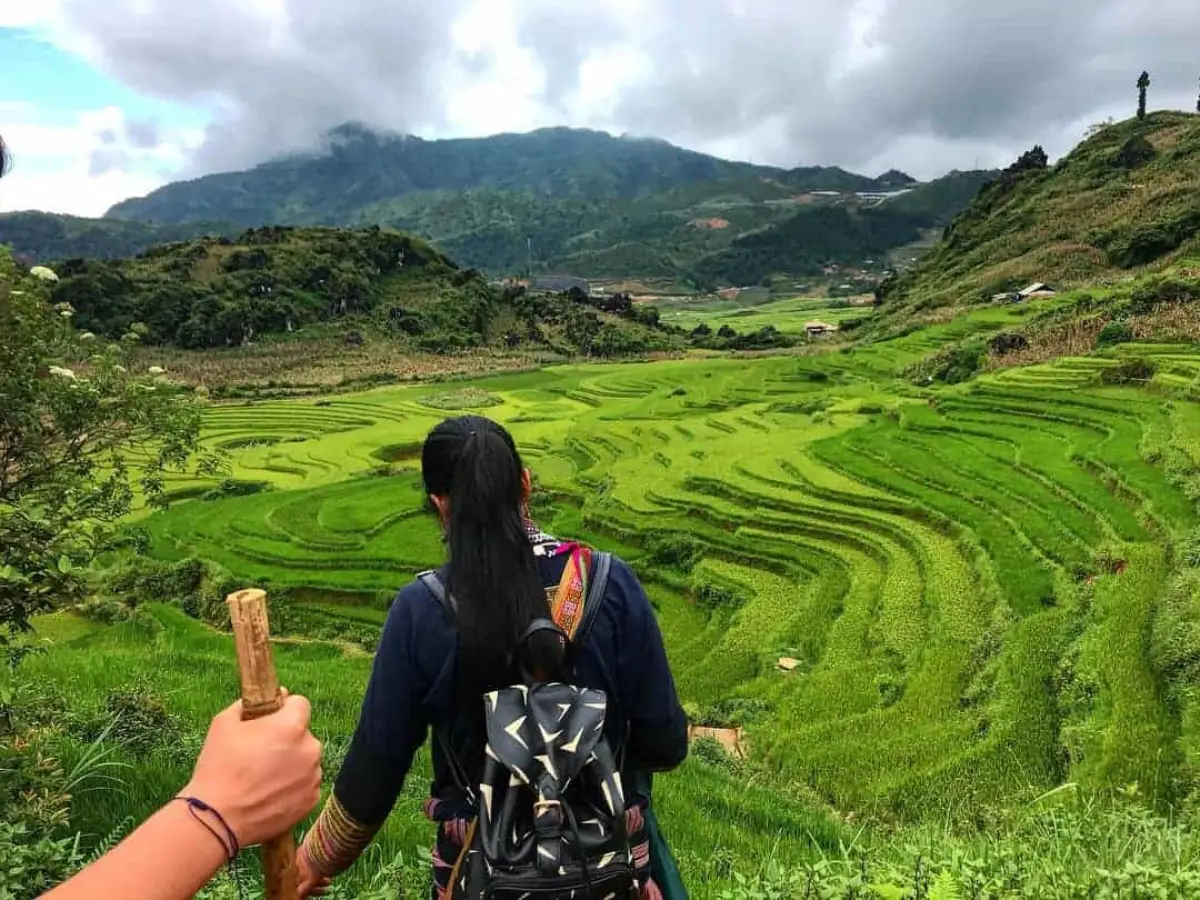
The most rewarding outdoor yoga spot in the Sapa area is the open terrace farmland on the ridge above Ta Van village, roughly 15 to 20 minutes on foot from the village centre. You gain enough elevation to look directly east across the full width of Muong Hoa Valley, with no buildings or power lines in your sightline. The ground is flat enough for a mat, the platform edges are the irrigation berm walls of the terraces themselves. Arrive before 6am to catch the mist and the early light together. Ask your guide from Trekking Tour Sapa to show you the path — it is not marked and the route through the cardamom fields requires someone who knows the way.
Topas Ecolodge
Topas Ecolodge, an eco-resort positioned on a ridge 18 km from Sapa town, runs scheduled sunrise yoga sessions with a resident or visiting instructor. The location is exceptional — you are above the cloud line on clear mornings, with a 270-degree view across the northern valleys. If you are staying there, check the session schedule on arrival. If you are not a guest, the sessions are not open to walk-ins.
Homestay Terraces in Ta Van and Lao Chai
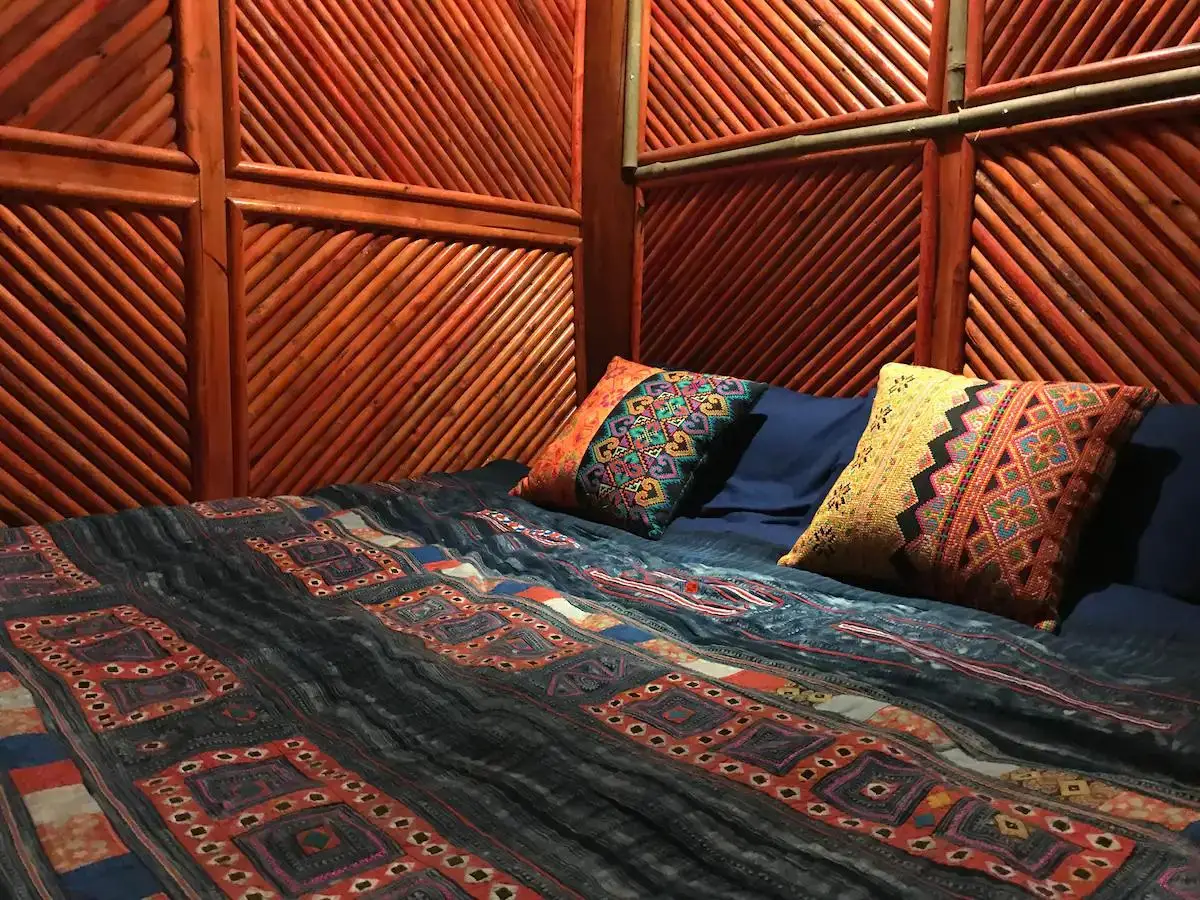
The most authentic option is also the most private. Black H'mong families in Ta Van and Lao Chai have wide flat terrace platforms directly adjacent to their houses. If you are on a 2D1N homestay trek, your host family's terrace at dawn — smoke rising from the kitchen, the valley below still in mist — is a setting you will not find in any yoga studio. Your guide arranges this in advance; it is not something to improvise on the morning.
Sapa Town Guesthouses with Rooftop Terraces
Several guesthouses in Sapa town have rooftop terraces facing Muong Hoa Valley. The elevation advantage is modest compared to the ridge spots, but the convenience is real — you are already there, the view is still striking, and you can be back for breakfast in 45 minutes. Ask at check-in whether the rooftop is accessible before 6am; most places say yes if you ask the night before.
Ham Rong Mountain Lower Slopes
The lower terraced gardens of Ham Rong Mountain, a short walk from Sapa town centre, open early and offer flat stone platforms among the flower terraces. The setting is more ornamental garden than wild hillside, but it works well if you want somewhere accessible that does not require a guide or advance arrangement.
The ridge above Ta Van is worth the early start. Leave your guesthouse by 5:30am in October-November — the terraces turn gold in the low morning light, and you will have the valley entirely to yourself for the first hour.
When to Come for Yoga in Sapa
The season shapes the experience more than the location. Sapa's weather divides clearly into a dry winter and a wet summer, and this affects what you can expect from your morning sessions.
| Period | Temp at 6am | Conditions | Rating |
|---|---|---|---|
| Oct–Apr | 12–18°C | Dry, clear skies, crisp air, sharp valley views | Best |
| May & Sept | 16–20°C | Transitional, mostly clear by mid-morning, patchy mist | Good |
| Jun–Aug | 18–22°C | Warm, heavy cloud before 8am, atmospheric but low visibility | Fair |
October and November are the standout months. The rice harvest has just finished, the terraces have that amber-gold colour in the low morning light, and the air is sharp enough to feel genuinely energising. December through February gives you the coldest mornings — 8 to 12 degrees Celsius — but the air is the clearest of the year. Sunrise comes later in January (around 6:30am), which means you can reach your spot without walking in darkness.
June through August is warmer, but expect the heavy mist to stay thick until 8am or later. The experience is atmospheric in its own way — you are inside the cloud rather than looking at it from below — but if you want to see the rice terraces spread out beneath you as the sun rises, the dry season gives you that far more reliably.
Best-Rated 1-Day Treks from Sapa
 1 Day
1 Day
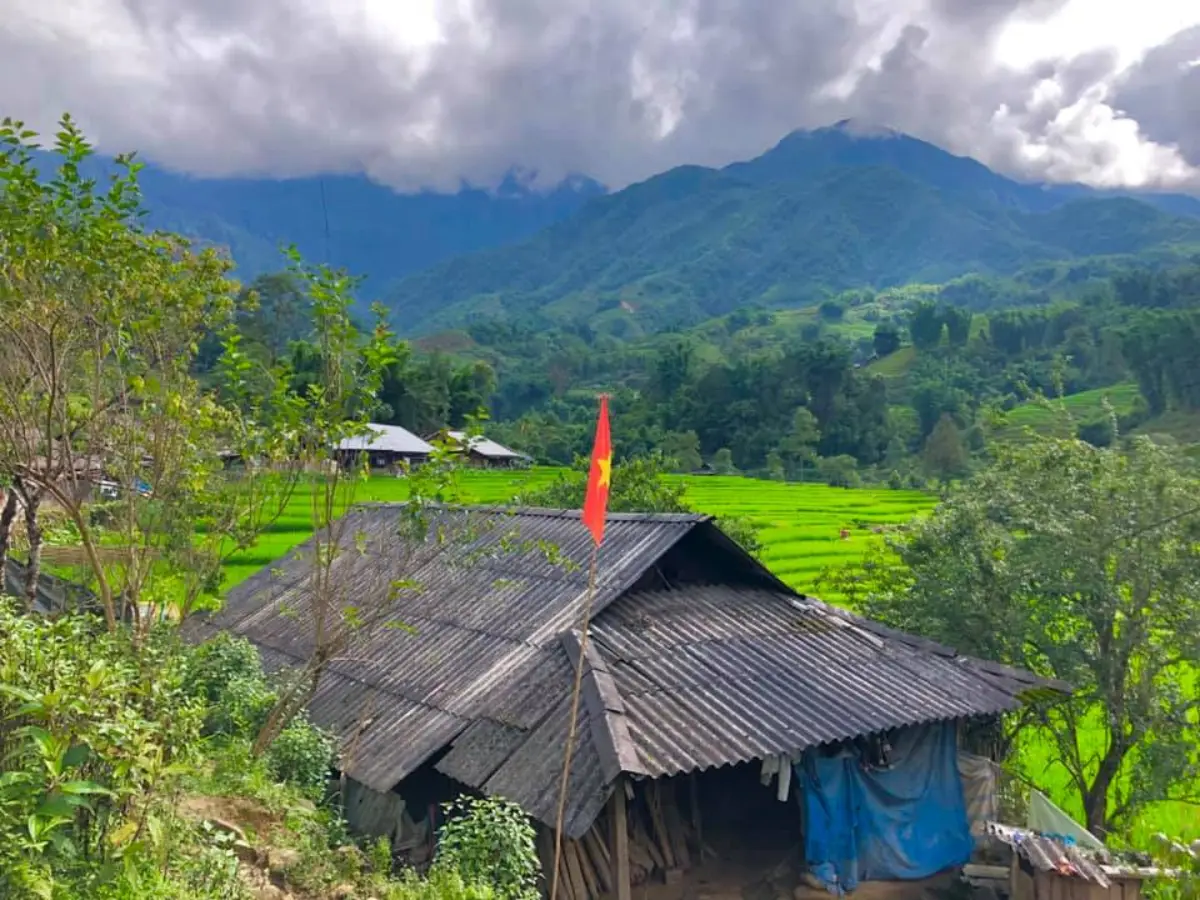
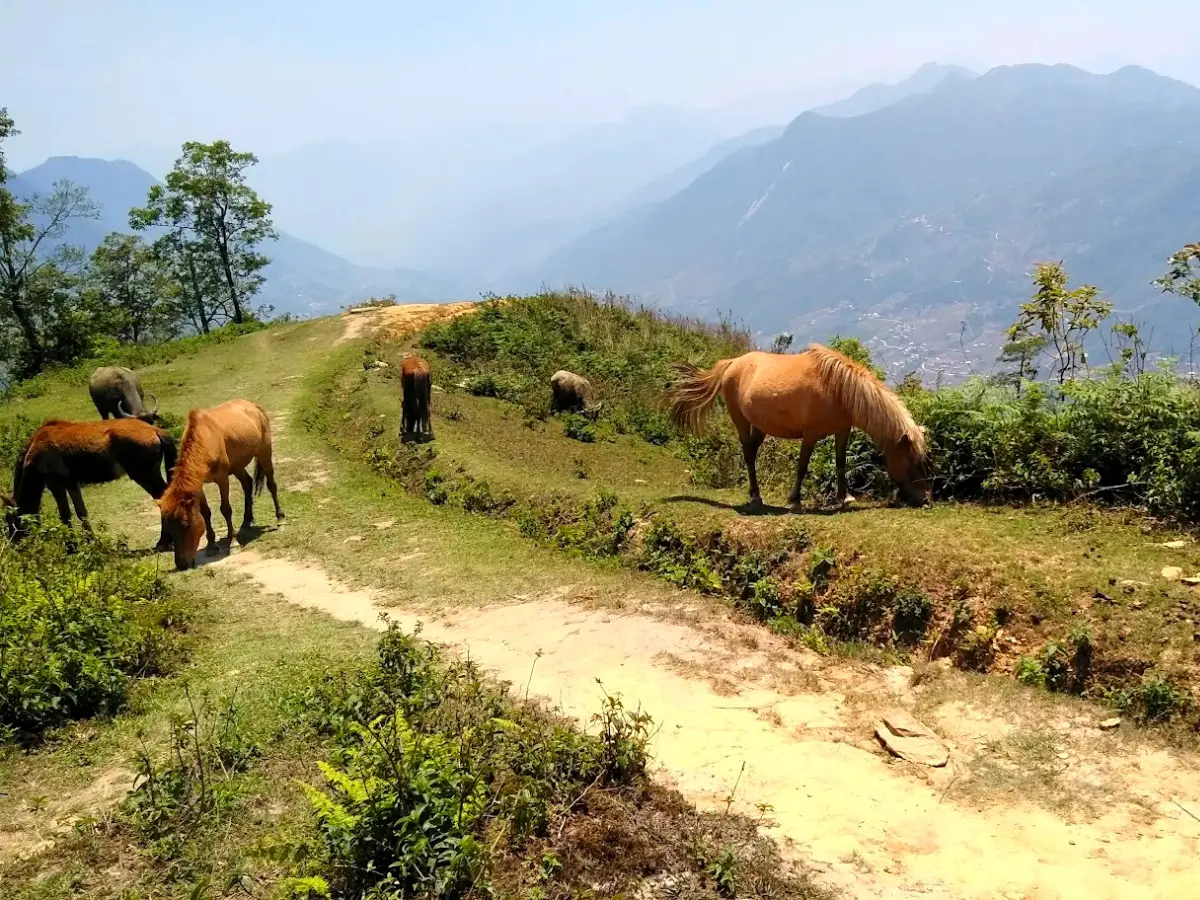
Trekking Through Rice Terraced Fields
Ta Van village, Muong Hoa Valley rice terraces, local Black H'mong family lunch.
 1 Day
1 Day
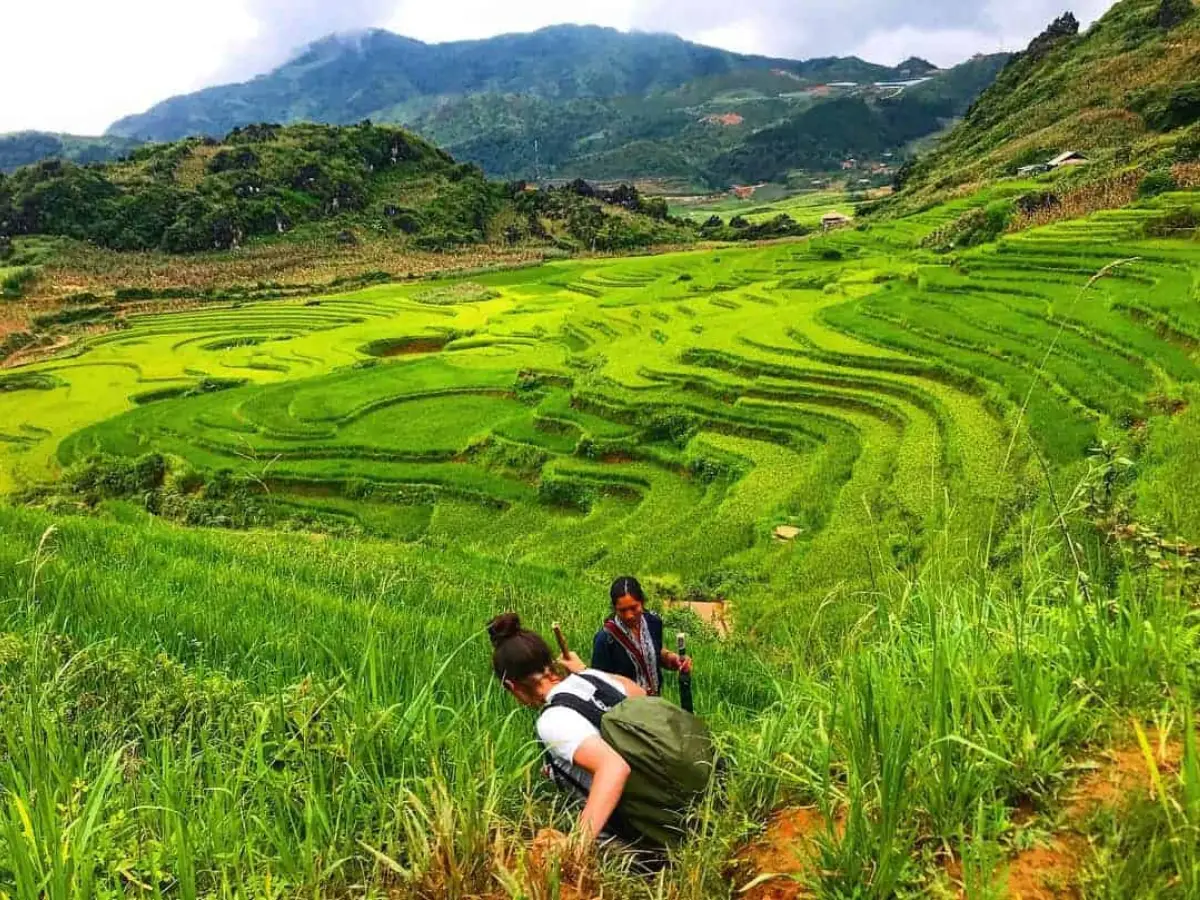
Mountain Views and Villages Trek
Ridge trail above Sapa town with panoramic valley views. Visits two H'mong villages.
 1 Day
1 Day
Rice Paddies and Cultures – Easy Hiking
Gentle trail through Hau Thao and Y Linh Ho villages. Perfect first trek.
Practical Tips for Yoga in Sapa
A few things to know before you arrive that will make a real difference to your experience.
- Bring your own mat. There is no yoga mat rental anywhere in Sapa town. A thin travel mat (1-2mm) folds small and works perfectly on flat terrace surfaces. If you forget, a folded blanket from your guesthouse is a reasonable substitute for one session.
- Layers are essential. Even in May, Sapa mornings start cold. You want a fleece or light down jacket for the warm-up — you will be peeling it off within 20 minutes once you start moving, but you need it for the first 15. In December and January, add a hat and gloves for the walk to your spot.
- Know your sunrise time. Sunrise in Sapa is around 5:45am in June and around 6:30am in January. Plan your walk to the ridge to arrive 15 minutes before sunrise, not after.
- Ask homestay hosts permission first. If you are staying with a Black H'mong family in Ta Van or Lao Chai, ask your guide the evening before whether you can use the terrace at dawn. They always say yes — the request is never refused — but asking respects the family's morning routine.
- Combine with an afternoon trek. The body awareness and hip-opening that comes from a morning yoga session is genuinely useful on uneven terrace paths. Travelers who do both consistently say the afternoon feels more sure-footed than days when they skip the morning practice.
Do not set up your mat on active agricultural land during planting or harvest seasons — April through May and September through October. The terrace berm walls and hillside platforms above the fields are fine; the paddies themselves are working soil during these months.
The Cultural Context — What Local Communities Think
Neither the Black H'mong nor the Red Dao communities of the Muong Hoa Valley have a yoga tradition in their own culture, but both groups are entirely comfortable with travelers being active outdoors in the early morning. The H'mong in particular are up before dawn every day — you will pass farmers already heading to their fields by 5:30am, and nobody will find it strange that you are stretching on a hillside platform.
What has developed organically over the past few years is a small number of families in Ta Van who now set aside dedicated terrace space for travelers who want a morning yoga or meditation spot. This is not a formal arrangement — you arrange it through your guide, it costs nothing additional, and it is done quietly. Your guide from Trekking Tour Sapa can set this up if you mention it when you book your 2D1N homestay trek.
One honest note on timing: the most atmospheric spots above Ta Van and Lao Chai are on active farming terraces. During April through May (rice planting) and September through October (rice harvest), the berm walls around the paddies are narrow and sometimes muddy. Stick to the wider platform areas and open hillside above the active fields. Your guide will know which sections are clear.
Combining Yoga with a Sapa Trip
The most popular combination for yoga-focused travelers is a 7am session followed by a 9am guided trek. The guide picks you up at your guesthouse or the office at 105 Thach Son Street, and you head out to the valley with your body already warm and your mind settled. The Trekking Through Rice Terraced Fields tour works especially well for this — the route down through Lao Chai and Ta Van is where you will have done your morning practice, so the landscape feels already familiar by the time you walk through it on foot.
For travelers planning a wellness week in Sapa: a good structure is to base yourself in town, practice yoga daily on your guesthouse rooftop or the Ham Rong lower terraces, and take guided treks on three of your five mornings. On the fourth day, add a Red Dao herbal bath in Ta Phin in the late afternoon — the combination of morning movement and the traditional herbal soak in the evening is one of those Sapa experiences that requires almost no planning but stays with you long after the trip.
If you want a single itinerary that combines yoga and trekking in one overnight, the 2D1N Rice Terraced Fields and Homestay is the right option. Your guide can build in a 45-minute yoga window on the homestay terrace before breakfast on Day 2, before the trek back. Tell us when you book and we will arrange it with the host family in advance.
Rent at Our Office Before You Trek
 Gear Rental
Trekking Boots Rental
Waterproof ankle-support boots. Cleaned and checked before each rental. Available at 105 Thach Son Street.
 Gear Rental
Walking Poles Rental
Trekking poles available to rent at $2/day at our office, 105 Thach Son Street. Essential for descents.
Frequently Asked Questions
Yes — there is no yoga mat rental available in Sapa town. A travel mat (1-2mm) is perfectly fine for outdoor use on terrace platforms and guesthouse rooftops. Pack it in your daypack alongside your layers.
October to April is the dry season, with clear crisp mornings that give you the best visibility across Muong Hoa Valley. October and November are the standout months — the rice harvest has just finished, the air is sharp, and the light on the terraces at sunrise is exceptional.
In December and February, mornings can be 6-10 degrees Celsius — you will need warm layers for the warm-up portion of your session. By 7:30am, once the sun is established, it is very comfortable. April through November is considerably warmer, with June mornings reaching 18-22 degrees.
Yes — tell your guide in advance that you want morning yoga time built into the itinerary. Most homestay hosts in Ta Van and Lao Chai will offer their terrace space without hesitation. The key is to ask your guide beforehand so it can be arranged, rather than asking on the morning itself.
A handful of guesthouses offer weekly yoga classes, but schedules are irregular and can change by season. The most reliable option is a private arrangement through your accommodation or guide. Purpose-built yoga studios as found in Hanoi or Ho Chi Minh City do not currently exist in Sapa.
Absolutely — many travelers do a 7am yoga session on their guesthouse terrace or a hillside viewpoint, followed by a 9am guided trek. The morning movement prepares your body well for the uneven terrain of the Muong Hoa Valley trails. Our guides are accustomed to this combination and can time the pickup accordingly.