 Sinh Giang
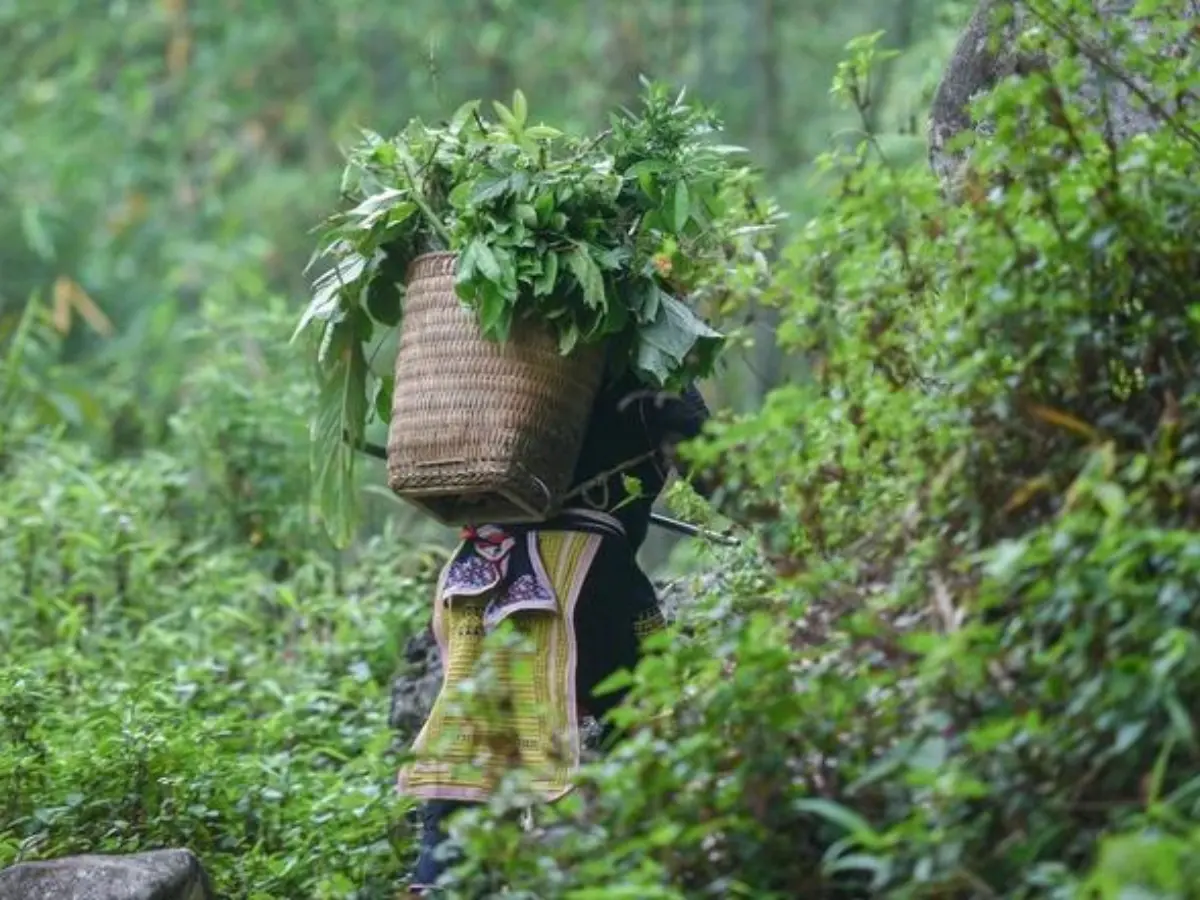
The women who gather medicinal plants for the Red Dao herbal bath in Ta Phin do not follow a recipe in the way a chef follows a written formula. The knowledge is oral, passed from mother to daughter, and the composition changes with the season — because the plants available in April are not the same as those in November, and the bath is adjusted accordingly. What you experience when you step into a traditional Red Dao herbal bath is not a spa treatment standardized for tourists. It is a functional medical practice that has been refined in the Hoang Lien Son mountains for centuries.
The distinction matters for several reasons. It changes how you approach the experience, what you expect from it, and how you recognize whether the version you are being offered is genuine. Most travelers who try an "herbal bath" in Sapa encounter a commercially packaged approximation — warm water tinted with dried herb sachets in a tiled bathroom. Understanding what the real practice involves gives you the information to find the authentic version and to know, when you find it, that you have.
The Red Dao in Sapa — Who They Are and Where They Live
The Red Dao — Dao Do in Vietnamese, meaning "Red Dao," named for the red headscarves worn by women — are a distinct ethnic group from the Black H'mong who dominate Sapa town and the lower valley trails. The two groups share the same mountain landscape but maintain separate languages, spiritual traditions, and material cultures that do not overlap in any significant way.
In the Sapa area, the Red Dao are concentrated primarily in Ta Phin village, 12km north of Sapa town on the road toward Lao Cai city. The village has approximately 200 households with a population in the broader Sapa district of around 4,000 to 5,000 Red Dao people. When you walk through Ta Phin, the visual difference from a Black H'mong village is immediate: the women's dress is characterized by deep red embroidered headscarves and elaborately decorated indigo-dyed clothing with silver coin ornaments. The embroidery patterns are not decorative in origin — they carry symbolic and spiritual meaning specific to each family lineage.
The Red Dao have a distinct language in the Hmong-Mien language family, and a writing system based on ancient Chinese characters adapted over centuries for the Dao language. This writing system is how medicinal knowledge was historically recorded at the village level — herbal formulas written by hand in Dao script, passed between generations of healers. The Taoist elements in Red Dao spiritual practice also inform their understanding of plant medicine, which frames illness as an imbalance to be corrected rather than an infection to be eliminated.
Their relationship to the land is deeply medicinal. The forests above 1,500 meters in the Hoang Lien Son range are not just habitat for the Red Dao — they are a pharmacopeia that has been actively mapped, cultivated, and managed over generations. Certain plants are harvested only at specific altitudes. Others are gathered only in particular months, when the concentration of active compounds in the leaves or bark is highest. The women are the primary knowledge holders for herbal medicine. The passing of herbal knowledge is a recognized rite of womanhood in Red Dao culture — young women learn to identify, gather, and prepare medicinal plants from their mothers and grandmothers before they are considered fully knowledgeable adults.
The Red Dao and the Black H'mong share the Muong Hoa Valley and the Hoang Lien Son mountains but almost nothing else in terms of culture, language, or healing traditions. If your guide is Black H'mong (as most Sapa guides are), they will know the valley trails but may not have the Ta Phin family connections needed to arrange a genuinely authentic herbal bath. Ask specifically about their Red Dao contacts when booking a multi-day tour.
The Herbal Bath Tradition — Thuốc Tắm Người Dao Đỏ
The traditional herbal bath is not a modern wellness invention. It is a centuries-old practice with documented therapeutic uses that predate any tourist industry in the Hoang Lien Son mountains. The primary historical applications are postpartum recovery (women traditionally bathe within three days of giving birth, with specific herb combinations to support uterine recovery and prevent postpartum infections), muscle and joint pain from agricultural labor, skin conditions including the fungal infections that are common in the humid mountain climate at altitude, and general immune support during the cold wet season from November through February.
The herb combination varies significantly by practitioner, by season, and by the intended medical use. A postpartum bath has a fundamentally different composition from a bath intended for muscle recovery, which differs again from a bath prepared for someone with a skin condition. This variability is not a sign of inconsistency — it is the mark of real medical knowledge being applied to a specific case. A pre-packaged "herbal bath sachet" sold at a resort is by definition the same composition for every customer regardless of their condition, season, or need.
The core plant families that appear consistently across documented Red Dao bath preparations include species of Cinnamomum (cinnamon relatives, recognizable by their distinctive bark smell), Zanthoxylum from the Sichuan pepper family with well-documented analgesic properties, Artemisia — the mugwort and wormwood family — Piper from the pepper family, Smilax (sarsaparilla), and various species from the Fabaceae legume family. The precise species within each family varies by altitude, microclimate, and the practitioner's training lineage.
When prepared correctly, the bath water turns a deep brown-red color from tannins and polyphenols released by the plant material. This is the correct appearance — it is not dye, not artificial coloring, and not an aesthetic choice. It is a functional sign of sufficient herb concentration. If the water is pale or lightly tinted, the herb content is insufficient for therapeutic effect. The deep color is your first quality indicator when you step into the bath house.
The temperature is intentionally hot — 40 to 42 degrees Celsius. This is not about comfort; it is functional. Thermal vasodilation at this temperature opens peripheral capillaries and measurably increases the rate at which plant compounds are absorbed through the skin. At body temperature (37°C), the same compounds in the same concentration absorb significantly more slowly. The heat is part of the delivery mechanism. For this reason, a warm or pleasant bath that does not produce significant sweating is not producing the therapeutic effect, regardless of what is in the water.
The recommended duration is 20 to 30 minutes for full therapeutic effect. The first ten minutes of sweating function as detoxification — the body thermoregulates and the pores open fully. The following 15 to 20 minutes are when compound absorption is at its highest rate. Shortening the bath to 10 minutes for comfort produces approximately one-third of the therapeutic benefit. Traditional Red Dao practice does not allow leaving the bath early; the practitioner preparing the bath will typically tell you when to get out.
Do not drink alcohol in the four hours before an herbal bath. The combination of alcohol and the vasodilatory effect of the hot water at 40-42°C can cause significant dizziness and, in some cases, loss of consciousness. Drink a full glass of water before entering the bath and another immediately after. The sweating is significant — you lose more fluid than you expect.
What the Science Says — Plants and Compounds
Ethnobotanical research from Hanoi University of Pharmacy, published across several studies from 2015 to 2020, has systematically documented the herb combinations used in Ta Phin Red Dao baths. A 2019 paper from the Institute of Ecology and Biological Resources in Hanoi documented 118 plant species used in Red Dao herbal baths across the Sa Pa district — a figure that makes the "pre-packaged sachet with seven herbs" version of the experience look like what it is: a approximation.
The bioactive compounds identified in these studies include terpenes with anti-inflammatory activity (the same compound class that underpins aspirin's mechanism, though through a different molecular pathway), flavonoids with antioxidant properties, and alkaloids in the Zanthoxylum species with documented analgesic activity. The cinnamaldehyde found in Cinnamomum species has significant antimicrobial activity in laboratory studies — which provides a scientific basis for the traditional use of the bath to treat skin infections and fungal conditions in the humid mountain environment.
It is worth being honest about the limits of the evidence. The scientific research supports the anti-inflammatory, antimicrobial, and analgesic properties of the herb combinations used in traditional Red Dao baths. Claims of treating specific systemic diseases — diabetes, hypertension, chronic joint disease — that appear in some tourist marketing materials are not scientifically verified and should be treated skeptically. The bath is not a cure for anything. It is a well-evidenced natural anti-inflammatory and antimicrobial treatment delivered transdermally.
The strongest evidence applies to the specific use case most relevant to you as a trekker: muscle recovery. The combination of sustained heat, terpene anti-inflammatories absorbed through vasodilated capillaries, and analgesic alkaloids from the Zanthoxylum creates measurable reduction in delayed-onset muscle soreness (DOMS) when the bath is taken within four hours of significant physical exertion. If you have done a 15km / 9-mile day of trekking through the Muong Hoa Valley or up the ridge trails toward Ma Tra, the herbal bath that evening is not a luxury. It is recovery medicine that will make the second day of trekking substantially easier.
Red Dao Herbal Bath — Quick Reference
- Temperature:40–42°C (intentionally hot)
- Duration:20–30 min for full effect
- Water color:Deep brown-red (correct); pale = insufficient herbs
- Family bath cost:100,000–150,000 VND (USD 4–6)
- Resort bath cost:300,000–500,000 VND
- Location:Ta Phin village, 12km from Sapa
- Plant species:Up to 118 documented in Ta Phin
- Best time:After a full day of trekking (evening)
Ta Phin Village — The Center of the Practice
Ta Phin is 12km from Sapa town on a well-maintained road — accessible by motorbike in 25 minutes or by 4WD taxi in about 20 minutes. The village sits in a narrow valley at approximately 1,500 meters altitude, surrounded by forest that climbs the lower slopes of the Hoang Lien Son range. The microclimate is noticeably cooler and more humid than Sapa town, and the herbs that grow in the forests above the village reflect that altitude band.
Several Red Dao families in Ta Phin offer traditional herbal baths, and the range from genuinely authentic to heavily commercial is significant. You are not guaranteed authenticity simply by going to Ta Phin — you need to know what to look for, or to have a guide with the right family connections.
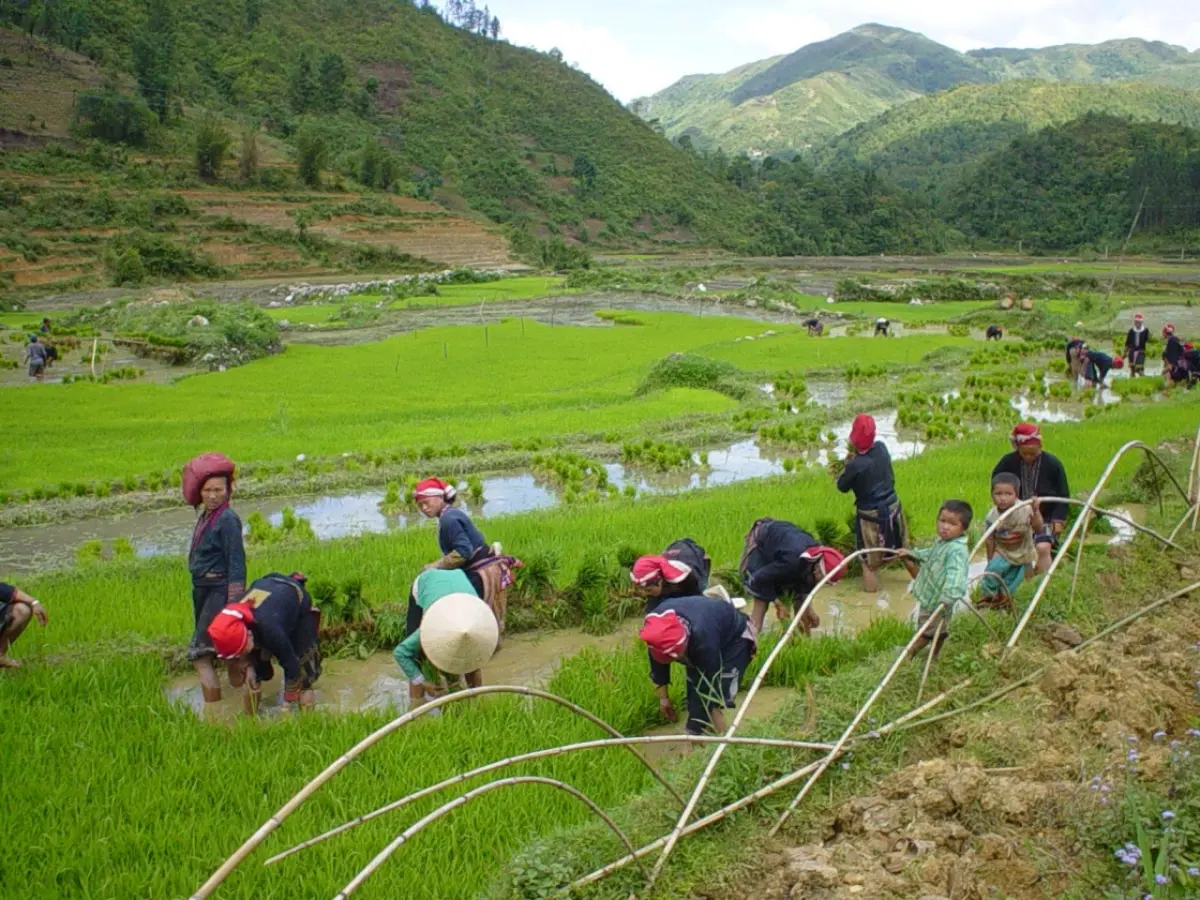
The Sunday market at Ta Phin is when Red Dao women from surrounding areas gather to sell dried herb bundles alongside the village's characteristic embroidered textiles and silver jewelry. If you are there on a Sunday, you can see 20 to 30 different dried plant species in bundles at the herb stalls, and the women selling them are the same practitioners who prepare the baths. Your guide can help with translation if you want to ask about specific plants.
Signs of an authentic family bath: you can see the herb bundles in the kitchen or an outbuilding being prepared before the bath; the water is dark brown-red from tannins, not pale tea-colored; the temperature genuinely reaches 40-42°C; the woman preparing it can identify and gesture to the herbs being used; the bath house is a wooden outbuilding, not a tiled spa-style room; and the price is 100,000 to 150,000 VND per person.
Signs of a commercial or low-quality bath: pre-packaged herb sachets or bags from a standardized supply; pale or lightly colored water; a tiled bathroom with fixed pricing on a laminated menu; staff who cannot identify the herbs being used; and a price above 300,000 VND.
Trekking Tour Sapa guides can arrange authentic family bath experiences in Ta Phin on Experience The Real Sapa (3D2N) and several 2D1N homestay tours that route through or near Ta Phin. Tell your guide at the time of booking that you want the herbal bath arranged — they call ahead to confirm availability with the family they work with.
Experience the Red Dao Herbal Bath on a Multi-Day Trek
3D2N
Experience The Real Sapa (3D2N)
Three days through Black H'mong and Red Dao villages, including Ta Phin for the herbal bath tradition.
 2D1N
2D1N
Rice Terraced Fields & Homestay (2D1N)
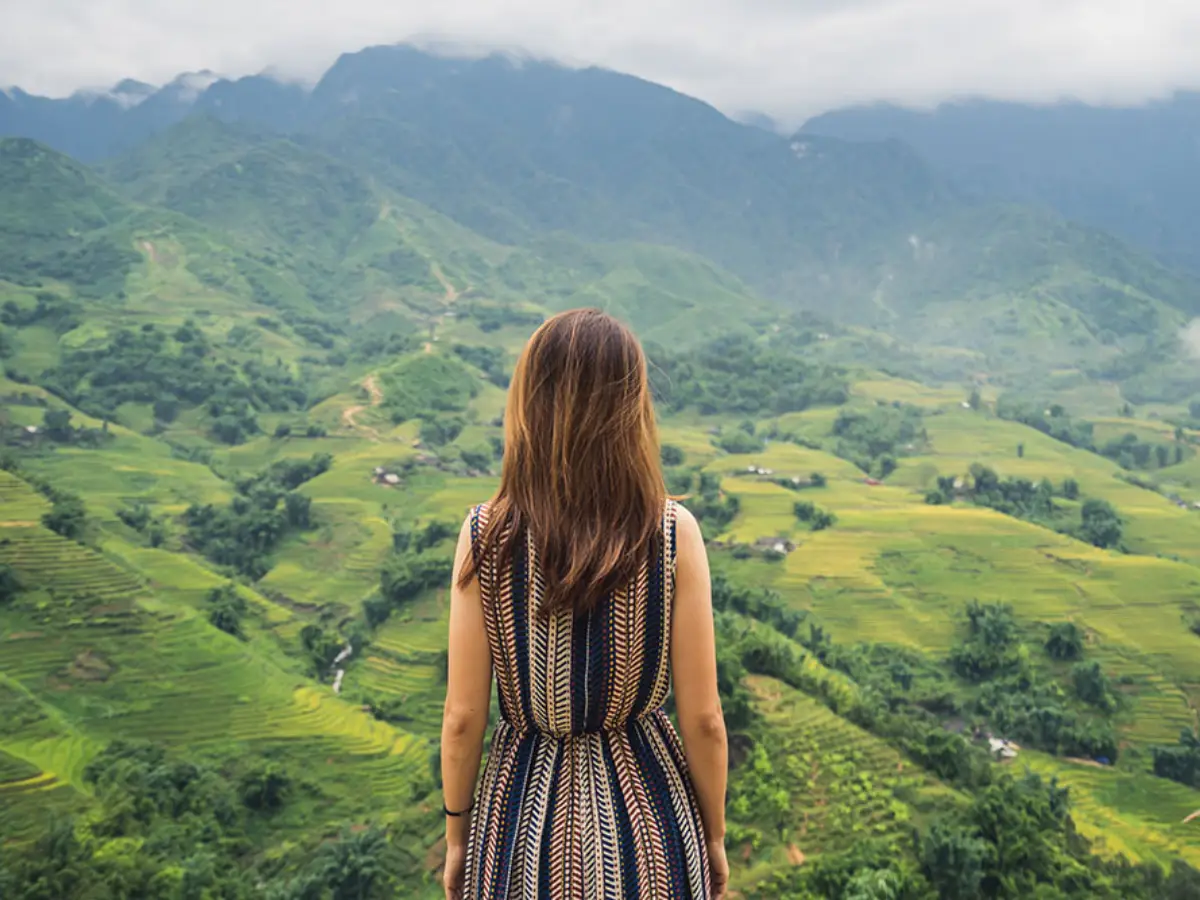
Two days, one night in Ta Van. Ask your guide to route through Ta Phin on day two for the herbal bath.
 1 Day
1 Day
Rice Paddies and Cultures – Easy Hiking
1-day easy trek with a Black H'mong guide through Hau Thao and Y Linh Ho villages.
Other Traditional Healing Practices in Sapa
The herbal bath is the most visible and accessible element of traditional medicine in the Sapa area for visitors, but it exists within a broader ecosystem of healing knowledge that spans multiple ethnic groups and several distinct traditions. Understanding the broader landscape gives you a more accurate picture of what you are encountering when you spend time in the villages.
Moxa — Cứu Ngải
Burning dried Artemisia moxa on acupuncture points is practiced primarily by Black H'mong healers and is used mainly for respiratory conditions — the altitude cough that affects newcomers above 1,500 meters, chronic bronchitis, and joint pain from cold-damp exposure. The practitioners, called thầy lang (traditional healer), are distinct from the herbalists who prepare the baths. They are respected community members who have studied specific point locations and diagnostic methods, typically under an older practitioner for several years.
Moxa is not offered as a tourist service and you will not encounter it in a scheduled activity. It is a medical practice for community members. You may see it being prepared or mentioned during a multi-day trek if you spend time in villages away from the main tourist circuits — the kind of access that comes from having a guide with deep community roots in the areas around Ma Tra, Hang Da, or Hau Thao.
Traditional Bone-Setting
H'mong communities across northern Vietnam maintain a tradition of manual bone-setting for fractures and dislocations — trusted by local farmers and agricultural workers for injuries sustained in the fields and on the trails. The treatment combines manual manipulation with a herbal plaster applied to the injury site, made from a specific combination of plant material with documented anti-inflammatory and tissue-healing properties. Local farmers routinely choose this treatment over the two-hour journey to the hospital in Lao Cai city for minor fractures of the hand and wrist.
This is not available to tourists and should not be sought out as an experience. It exists in the villages and is part of the medical landscape you will gain a sense of if you spend several days in the communities rather than passing through on a day tour.
The Medicinal Plant Market in Sapa
The main Sapa market — held daily, with the largest gatherings on Saturday and Sunday — has a dedicated herb section where Black H'mong and Red Dao women sell bundles of dried and fresh medicinal plants. On a busy Sunday morning, you can see 30 to 50 different plant species laid out in small bundles. The smell is distinctive: a combination of warm spice from the Cinnamomum bark, the sharp camphor-like scent of the Artemisia species, and the numbing fragrance of fresh Zanthoxylum leaves.
The women selling these plants are not herbalists performing for tourists — they are community members trading the same goods they have traded at the same market for generations. If you ask through a guide who can translate, they are generally willing to explain what each bundle treats. This is not a scripted explanation; it is practical knowledge being shared the way a neighbor would tell you what to take for a cold.
Shamanic and Spiritual Healing
Both Black H'mong and Red Dao communities maintain a layer of spiritual healing practice that involves ritual, ancestral spirit intervention, and offerings. This dimension of traditional medicine is not offered to tourists and should not be sought out as an experience — it is a sacred practice for community members in crisis, not a cultural performance. It exists and is part of the complete picture of health and healing in these villages. Understanding that Western medical, herbal, and spiritual practices coexist and are routinely used by the same individuals gives you a more accurate understanding of life in the Hoang Lien Son communities than the simplified "wellness spa" narrative that most tourism marketing presents.
Authentic vs Commercial — How to Tell the Difference
The herbal bath has become the most commercialized wellness offering in Sapa, and many experiences marketed as "traditional Red Dao herbal baths" bear only a superficial resemblance to the genuine practice. The commercial version is not dangerous or entirely without benefit — a hot bath with some dried herbs is not harmful — but if you are visiting Sapa specifically to understand traditional medicine, you deserve to know the difference.
The single most reliable indicator is the color of the water. A correctly prepared traditional bath produces water that is dark brown-red, almost opaque, from the tannins and polyphenols released by fresh or properly dried medicinal plant material. This color cannot be faked with pre-packaged sachets — the concentration of plant material needed to produce it is simply too high for a small bag to provide. If the water is pale amber, lightly tinted, or clear with floating herb fragments, the herb content is insufficient regardless of what the menu claims.
The second indicator is whether the woman preparing the bath can identify the herbs. Ask your guide to ask her to name one of the bundles and explain what it treats. A practitioner with genuine knowledge will answer immediately and specifically. A resort employee working from a script will not.
The third indicator is the building itself. Traditional family baths are prepared in a separate outbuilding — a wooden structure with a wood-fired boiler that heats the herb-infused water. The bath container is typically a large wooden barrel or tub. A tiled bathroom with a water heater and a fixed shower head is a commercial operation, regardless of what the herbs in the basket next to it look like.
The price is also a reliable signal. An authentic family bath in Ta Phin costs 100,000 to 150,000 VND per person — roughly USD 4 to 6. If you are being quoted 300,000 VND or above, you are at a commercial operation. The herbs are not expensive; the premium price reflects marketing and facilities, not quality of the medicine.
Planning Your Herbal Bath Experience
The most effective way to experience a genuine Red Dao herbal bath is as part of a multi-day trek that routes through Ta Phin village, with the bath arranged by your guide with a specific Red Dao family they have an established relationship with. This is not something you can reliably organize on arrival — the family needs advance notice to gather fresh herbs and prepare the fire. Same-day arrangements are possible but depend on availability.
Practical steps for a successful experience:
- Book on a 2D1N or 3D2N trek that passes through Ta Phin village. The Experience The Real Sapa 3D2N tour and several 2D1N homestay tours route through or near Ta Phin. Confirm with your guide that Ta Phin is on the itinerary when booking.
- Tell your guide in advance that you want to arrange a family herbal bath. Guides call ahead to the family to confirm availability and start time. Do not leave this conversation until you arrive in the village.
- On the day, arrive at the homestay around 4–5pm. The herbs need 45 to 60 minutes to prepare — arriving early allows the preparation to begin before you are tired from the day's trek.
- Wear old clothes or a swimsuit in dark fabric. The herb water stains light fabric brown. The stain washes out with two normal washes, but check your clothing before you get in. White or light-colored swimwear will be stained permanently.
- Do not do the bath if you have open wounds or broken skin. The tannin concentration in the water is high enough to cause significant stinging in open tissue.
- Drink a full glass of water before entering. The sweating over 30 minutes is significant — more than most people expect. Drink another glass immediately after getting out.
- Allow 60 to 90 minutes total — including preparation time, the bath itself, and 20 minutes of cool-down afterward before going into cold air.
- After the bath, rest and stay warm. The traditional recommendation is to remain in a warm room for one to two hours afterward. Going immediately from a 42°C bath into the cold Sapa night air (which can reach 10°C in October even in the evening) cancels a significant portion of the therapeutic effect and increases the risk of catching a chill.
The herbal bath is most effective taken the evening of a full trekking day, or the evening before a demanding second day. The anti-inflammatory compounds work on already-exercised muscle tissue, and the heat-assisted absorption is most effective when circulation is elevated from physical activity. This is when the bath produces the most noticeable result — significantly reduced soreness the following morning.
Rent at Our Office Before You Trek
 Gear Rental
Trekking Boots Rental
Waterproof ankle-support boots. Cleaned and checked before each rental. Available at 105 Thach Son Street.
 Gear Rental
Walking Poles Rental
Trekking poles available to rent at $2/day at our office, 105 Thach Son Street. Essential for descents.
Frequently Asked Questions
Over 100 plant species can be used, varying by season and practitioner. Core species include members of the Cinnamomum (cinnamon family), Zanthoxylum (Sichuan pepper family), Artemisia (mugwort), and Smilax families. The water turns dark brown from tannins — this is normal and indicates proper herb concentration.
Yes for most people. Do not use if you have open wounds, active skin infections, or very sensitive skin. People with cardiovascular conditions should consult a doctor before using very hot baths (40-42°C). Pregnant women should also consult their doctor.
Temporarily yes — your skin may have a light brownish tint immediately after the bath that fades within a few hours. Your clothes will stain more persistently: wear old clothes or dark swimwear. The stain on fabric washes out with two normal washes.
In Ta Phin village, 12km from Sapa. Tell your guide in advance — they can arrange a family bath. Trekking Tour Sapa guides have established relationships with Red Dao families who offer authentic baths as part of 2D1N and 3D2N trek packages.
Yes — it takes about 90 minutes including the drive to Ta Phin, preparation, and bath. Your guide can arrange this as an add-on to any 1-day trek, or as a standalone afternoon activity. Call or WhatsApp us in advance to confirm availability.
October to April (dry season) is the best time to visit Ta Phin. The trail between Sapa and Ta Phin is more pleasant when dry. The herbs used in the bath are available year-round, as Red Dao families dry and store plants throughout the year.