 Sinh Giang
People ask me this question every week, so I am going to answer it honestly — which means telling you some things that tour operators don't always say. Tipping culture in Vietnam is not the same as in the US or Australia. Many travelers arrive genuinely not knowing whether to tip at all, how much, or how to hand it over without making the moment awkward. This article covers all of it, from the guide's perspective.
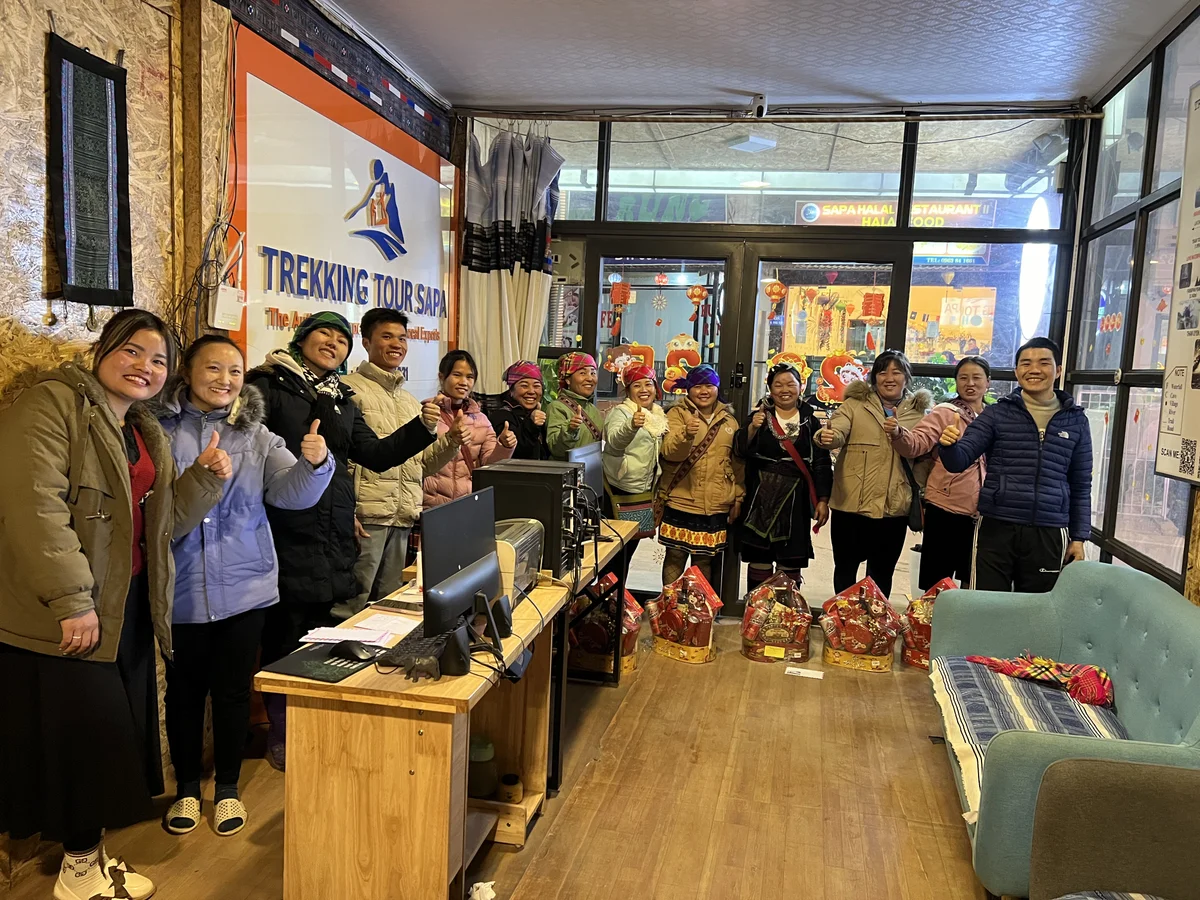
I'm Sinh Giang, one of the English sales executives at Trekking Tour Sapa. I work alongside our local guides every day, and I've had enough conversations about this topic to know it deserves a straight answer.
Why Tipping Matters Here More Than in Some Countries
The base day rate for a licensed guide working through an operator in Sapa sits at roughly 250,000–350,000 VND per day — approximately $10–14 USD. That is the wage before tips. For context, a simple bowl of pho in Sapa town costs around 40,000 VND. The math is tight.
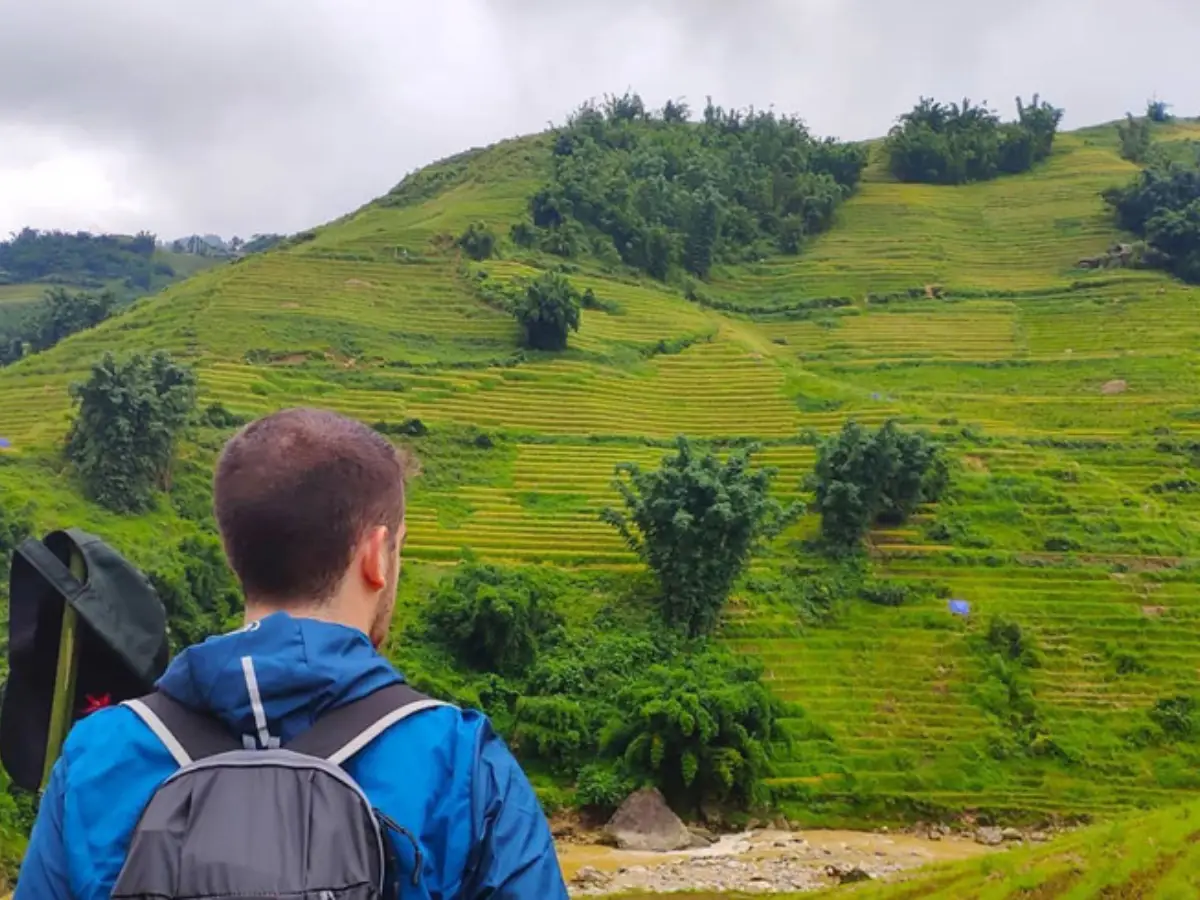
Most of our Black H'mong guides live in the villages they lead you through — Ta Van, Lao Chai, Ma Tra, villages strung along the Muong Hoa Valley floor. They are breadwinners for families of four to six people. School fees in Vietnam are not free. Medical expenses are paid out of pocket. Tips in a busy week can double a guide's income, and in a slow week they are the difference between covering household costs or not.
The "service included" myth is worth addressing directly. In Vietnam, the service charge that appears on restaurant and hotel bills rarely reaches the staff who served you. It goes to the business. For a day-rate guide, there is no service charge to speak of — their income is the day rate and whatever the traveler chooses to give at the end. Tips are not a bonus. They are direct, personal income.
The Standard Amounts — What We See in Practice
There is no official rate. What follows is what international travelers actually give, based on years of working alongside our guides and the feedback we receive after tours.
| Tour Type | Group Size | Suggested Tip Per Person |
|---|---|---|
| 1-Day Trek | 1–4 people | $8–12 per person |
| 1-Day Trek | 5–10 people | $5–8 per person |
| 1-Day Trek | 11–12 people (max group) | $4–6 per person |
| 2D1N Trek + Homestay | 1–4 people | $10–15 per person |
| 2D1N Trek + Homestay | 5–10 people | $8–12 per person |
| 3D2N or longer | Any size | $10–15 per person per day |
| Private tour (1–2 pax) | Solo or couple | $15–20 total |
These figures are per person, given directly to the guide. If your tour included a porter — someone who carried gear on a longer or more remote route — tip separately: $5–8 per day per porter is the norm.
How to Give the Tip — Small Things That Matter
Cash only. Vietnamese Dong and USD are both accepted without hesitation. Avoid coins — paper notes only. A 100,000 VND note (roughly $4) is far more practical than a handful of change.
Give the tip at the end of the tour, directly to your guide — not at the start, and never via the booking office. If your group had two guides — a lead guide and an assistant — tip separately if you can. The assistant walked the same hours and carried the same load.
If possible, step slightly away from the group when you hand it over. Not everyone tips the same amount, and group comparisons can create unnecessary awkwardness for the guide. A simple "thank you" in Vietnamese — cảm ơn, pronounced roughly "gahm uhn" — goes further than you might expect. The gesture of saying it, even imperfectly, is noticed and appreciated.
Do not tip to the booking office with a request to pass it on. It may not reach the guide. Cash, directly, at the end of the day — that is the only way to guarantee it gets there.
What Your Tip Goes Towards (Specific)
Our guides are from Black H'mong villages at the foot of the Muong Hoa Valley, with families who depend on this work. School materials — notebooks, uniforms, fees — represent a real cost that tips help cover. Our senior guides have led this valley for six-plus years. They know every family on the route by name, which children have grown since last season, which houses were rebuilt after the 2024 floods.
Our our local guide is from Ta Van. He learned English selling handicrafts to tourists as a teenager, before taking his first steps toward becoming a licensed guide. He is currently saving toward the renewal of his class-B tour guide license — a government requirement that costs several million VND every few years. Tips are part of that savings.
Most of our H'mong guides living in the valley villages walk or motorbike 1.5–2 hours to reach the Sapa town meeting point each morning. Their day starts at 5:30am. By the time they deliver you back to your hotel and return home, they have been moving for twelve to fourteen hours.
This is not an appeal to guilt. It is context. A $10 tip from each person in a group of ten travelers is $100 for a person earning $10–14 per working day. It changes what that week looks like for a family.
When NOT to Tip (and What to Do Instead)
Tipping out of obligation is not the point. If your guide was genuinely absent — distracted on their phone, checked out, went through the motions of a route without engaging — then a tip is not owed. If the tour was poorly organized, the issue belongs with the company, not offset by a tip to the guide.
If you had a genuinely good experience but cannot afford a tip at the end — perhaps you stretched your budget to do the trek at all — there is a second option that matters nearly as much: write a Google or TripAdvisor review that names your guide by name.
Our guides are not findable on platforms independently. They work through the company. But a review that says "Our our local guide walked us through Ta Van and knew every family personally — he is why we came back" is visible to future travelers, and it gets that guide booked on more tours. More tours means more income. A specific, named review, written within a day or two of your trek while the details are still fresh, is genuinely the second-best thing you can give.
Write your review while you are still in Sapa or on the bus back — before the specific details fade. "The trail to Ta Van was muddy after rain but our guide brought poles and knew exactly where to cross" is a review that works. "Great guide, highly recommend" is one that does not.
Tipping the Homestay Family
If your tour includes a night in a homestay in Ta Van, Lao Chai, or Ma Tra, the hosting family typically receives 150,000–200,000 VND per person per night from the tour fee. This is the agreed rate built into the package. An additional tip of 50,000–100,000 VND ($2–4) per person — given directly to the family at breakfast, before you leave — is widely appreciated and widely practiced among international travelers.
Bringing a small gift from your home country is also received warmly. Coffee is universally welcome. Chocolate, biscuits, or dried fruit travel well and go a long way. It does not need to be expensive — it is the act of thinking to bring something that registers.
The family matriarch who cooked your dinner likely started at 4pm. The meal — rice, locally grown vegetables, pork from their own animals — is not just food. It is their hospitality. Acknowledge it.
The Guides Who Lead These Routes
 Best Seller
Trekking Through Rice Terraced Fields
Led by Black H'mong guides from Lao Chai with 8+ years on this route.
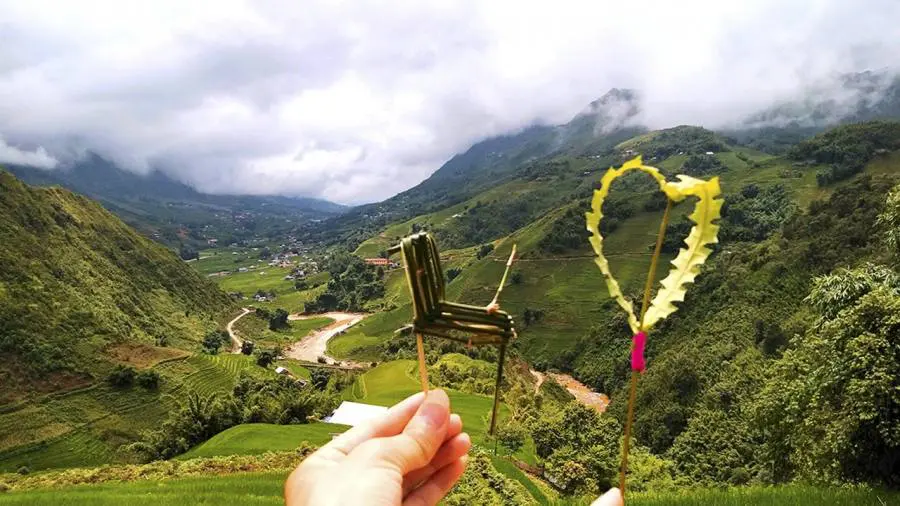
2D1N Rice Terraced Fields & Homestay
Stay with a local family in Ta Van. Your guide introduces you personally — this is their community.
 Seniors & Families
Sapa Easy Trekking For Seniors
Fully private, slower pace. Your guide adapts to you — the relationship is the whole experience.
Rent at Our Office Before You Trek
 Gear Rental
Trekking Boots Rental
Waterproof ankle-support boots. Cleaned and checked before each rental. Available at 105 Thach Son Street.
 Gear Rental
Walking Poles Rental
Trekking poles available to rent at $2/day at our office, 105 Thach Son Street. Essential for descents.
Frequently Asked Questions
No. Tipping in Vietnam is voluntary and not built into service expectations the way it is in the USA. Guides will never ask for a tip or hint that one is expected. That said, it is common practice among international travelers and genuinely makes a material difference to income.
Give directly to your guide in cash at the end of the tour. The company collects the tour fee separately. Tips paid to the office are not reliably passed on.
Both USD and Vietnamese Dong are fine. USD is often preferred for its stability. Avoid giving coins — paper notes only.
Tipping at all signals satisfaction. If the tour met your expectations but was not exceptional, tipping at the lower end of the range is appropriate. If something was genuinely wrong — guide was absent, route was misrepresented — raise it with the company rather than using a low tip to signal dissatisfaction.
Those platforms keep a platform fee but the guide rate is usually set independently. Tips given in person in cash go directly to the guide — this is the preferred method regardless of booking platform.
If a driver was part of your tour experience (e.g., took you to Silver Waterfall or a remote starting point), a tip of 50,000–100,000 VND ($2–4) is appropriate if the service was good.